Objective: To determine whether the use of everting, pledgeted mattress suture (EPMS) technique for aortic valve replacement is advantageous compared to other commonly used techniques. Methods: From January 2002 to January 2022, 709 isolated aortic valve replacements were performed using the EPMS technique, and 3749 replacements were completed using other techniques. After propensity-matching for aortic valve size and prosthesis type, demographics, patient profile, valve pathophysiologic disorders, and echocardiographic measurements, 641 well-matched pairs were identified. Primary endpoints were the prevalence of stroke, paravalvular leak, and postoperative valve gradient. Secondary endpoints were in-hospital clinical outcomes, left ventricular (LV) remodeling, reoperations, and survival. Results: There was no significant difference in stroke (5 [0.78%] vs. 10 [1.6%], p = 0.19) or paravalvular leak (3 [0.47%] vs. 3 [0.47%], p > 0.9) between EPMS and non-EPMS groups, respectively. The EPMS group had shorter clamp times (median: 39 vs. 54 min, p < 0.0001), similar length of hospital stay, and operative mortality (1.0% vs. 0.69%, p = 0.52). Postoperative gradients were higher in the EPMS group (16 vs. 15 mmHg at 1 year, and 21 vs. 17 mmHg at 10 years, p = 0.01). There was no difference in temporal trends of postoperative LV mass index, freedom from reoperation, or survival. In patients with prior cardiac surgery, the EPMS group had shorter clamp times (median: 41 vs. 55 min, p < 0.0001), a lower prevalence of postoperative atrial fibrillation (27 [19%] vs. 47 [35%], p = 0.005), and less renal failure (0 [0%] vs. 5 [2.6%], p = 0.03). Other outcomes did not differ significantly between groups. Conclusion: EPMS for aortic valve replacement did not show benefit over other techniques. Although there is a small but statistically significant difference in postoperative valve gradients, it is not clinically significant. Shorter operating times along with better clinical outcomes are likely more reflective of specific surgeon expertise than the type of suture technique.
Traditional echocardiographic measures of right ventricular (RV) function, such as tricuspid annular plane systolic excursion (TAPSE) and peak systolic velocity at the tricuspid annulus (S'), may be unreliable after cardiac surgery due to changes in loading conditions and myocardial mechanics. This study aimed to evaluate RV function following pulmonary thromboendarterectomy (PTE) for chronic thromboembolic pulmonary hypertension (CTEPH) and to identify alternative echocardiographic indices that better reflect postoperative RV recovery. This retrospective, single-center study included CTEPH patients who underwent PTE at Cleveland Clinic between January 2020 and March 2021. Echocardiographic evaluations were performed preoperatively and within 3 months postoperatively. Parameters assessed included RV size, function, volumes, pulmonary pressures, and tricuspid regurgitation (TR) severity. TAPSE and RV S' significantly decreased postoperatively (mean changes -0.75 cm and -2.8 cm/s, respectively; p < 0.001). RV systolic pressure, end-diastolic volume (RVEDV), and end-systolic volume (RVESV) also declined (p < 0.05). RV diameter decreased (mean 4.57 cm; p = 0.012), and 2D RV ejection fraction (RVEF) increased significantly (mean change +7%; p = 0.003). TR severity improved, with 97.1% of patients showing only mild TR (p = 0.003). Fractional area change (FAC) did not change significantly. After PTE, RV size, volume, RVEF, and TR severity are more reliable indicators of RV recovery than TAPSE or S'. These findings reflect reverse RV remodeling due to reduced afterload and underscore the limitations of traditional longitudinal RV function metrics in the postoperative setting.
OBJECTIVES:Thoracic radiation therapy (TRT) increases the risk of primary and reoperative cardiac surgery (RCS). However, the influence of radiation extent on RCS is unknown. Thus, we examine the outcomes of RCS in patients with prior TRT, comparing mantle versus nonmantle radiation. METHODS:The cohort comprised all adult patients with prior TRT who underwent RCS at a single center from March 2011 to March 2025. The cohort was matched (1:3) using baseline characteristics and operative components to patients who underwent RCS without prior TRT. Subanalysis of patients with prior TRT compared those with mantle versus nonmantle radiation. RESULTS:Seven hundred eight patients were included, comprising 177 in the TRT cohort (65 mantle, 112 nonmantle) and 531 in the matched no-TRT cohort. Compared with matched controls, TRT patients had higher rates of postoperative renal failure requiring dialysis (16.9% vs 8.3%; risk ratio, 2.04 [95% CI, 1.33-3.15]; P = .001) and hospital stay (28.2 vs 19.8 days; mean difference, 8.4 days [95% CI, 3.5-13.3 days]; P = .01). Operative mortality was higher in the TRT cohort (11% vs 5.5%; risk ratio, 2.28 [95% CI, 1.34-3.86]; P = .01). In subanalysis, mantle radiation patients had longer hospital stay compared with those receiving nonmantle radiation (35.3 ± 35.4 vs 24.3 ± 23.9 days; P = .03), higher rate of mechanical circulatory support (13.8% vs 4.4%; P = .026), delayed chest closure (12.3% vs 2.6%; P = .011), and operative mortality (15.4% vs 8%; P = .06). Mantle radiation patients had worse 1- and 5-year survival (60% vs 86% and 36% vs 61%, respectively; P = .001). CONCLUSIONS:Prior TRT is associated with increased postoperative complications and operative mortality after RCS. Notably, mantle radiation appears to confer a greater risk than nonmantle radiation, with worse survival and a trend toward higher operative mortality, although larger studies are needed to confirm this observation.
Objectives:To describe treatment, assess outcomes, and identify risk factors for primary infection, reinfection, and death in patients with proximal thoracic aortic graft infection. Methods:From July 2007 to January 2018, 148 adults received treatment for graft infection of the aortic root (108 [73%]), ascending aorta (100 [68%]), and aortic arch (5 [3.4%]) at a median 2.7 years after implant. Median follow-up after diagnosis of graft infection was 2.8 years. Multiphase hazard modeling was used to determine instantaneous risk of infection and death. Multivariable regression and random forests were implemented to identify risk factors for time to infection, reinfection, and death. Results:Patients presented with fever (108 [73%]), chest pain (66 [45%]), embolic ischemia (31 [21%]), or stroke (13 [8.8%]). One hundred forty (95%) patients underwent surgery, including 126 (85%) with complete graft excision and replacement, usually with an allograft. There were 3 (2%) hospital deaths. Seven-year freedom from reinfection was 79%. Graft excision and replacement with an allograft mitigated risk of reinfection, and history of intravenous drug use was a risk factor for reinfection. Survival at 1, 5, and 8 years was 84%, 72%, and 57%, respectively. Nonsurgical management, fungal pathogen, and stroke as a presenting symptom of graft infection were risk factors for early death. Conclusions:Proximal aortic graft infections should be treated with prompt, tailored antibiotic therapy followed by complete graft excision. We recommend graft replacement with an allograft for its versatility as a conduit and its potential to mitigate reinfection.
Patients with chronic thromboembolic pulmonary disease (CTEPD) without resting pulmonary hypertension (PH) frequently experience dyspnea which is not explained by stationary assessment and therefore requires cardiopulmonary exercise testing for further diagnostic insight. Ventilatory inefficiency in CTEPD is commonly identified; however, consensus definitions are lacking. Upright iCPET and careful definition of ventilatory inefficiency (i.e., lack of reduction in VD/VT with exercise) may allow optimal characterization of patients with chronic thromboembolic disease and specifically helps correctly identify patients with preload insufficiency who may otherwise be misclassified or undiagnosed.
OBJECTIVE:High-density lipoprotein-cholesterol (HDL-C) has recently garnered attention in lung transplantation studies for its anti-inflammatory properties. Herein, we aimed to study the association between basal HDL-C serum levels and outcomes of lung transplantation with respect to sex. METHODS:In this retrospective cohort study in a tertiary center between 2009 and 2019, 1063 patients that underwent single or double lung transplant were included. Continuous variables are presented as median [25th - 75th percentiles] and analyzed using the Wilcoxon rank-sum test. Primary outcome was primary graft dysfunction (PGD) at 72 h. Survival was evaluated using Kaplan-Meier analysis. Multivariable logistic regression was used to identify independent risk factors for long term mortality, PGD at 72 h, and chronic lung allograft dysfunction. RESULTS:Our study had 349 females and 714 males with a median age of 59 [49 - 63] years and 62 [55-67] years, respectively. Recipients with HDL-C >69 mg/dL had significantly better survival (HR 0.73 [95% CI 0.58-0.91, p = 0.03). Dividing the cohort based on sex, high HDL-C in female recipients was associated with significantly better survival, lower PGD grade, and shorter hospital stay. In male recipients, the same trends were observed but did not reach statistical significance. Higher baseline HDL-C level was associated with better survival (HR 0.46, 95% CI 0.22-0.96; p = 0.040), lower risk for PGD (OR 0.611, 95% CI 0.562-0.86, p = 0.002), chronic allograft dysfunction (OR 0.91, 95% CI 0.84-0.98; p=0.012). CONCLUSION:Higher baseline High-density lipoprotein-cholesterol levels before lung transplant were associated with better outcomes, including lower primary graft dysfunction grades, less graft failure, and better survival. The association between higher high-density lipoprotein-cholesterol levels and better outcomes after lung transplantation in females warrants further studies to better characterize its influence on lung transplantation outcomes.
Background Patients undergoing pulmonary thromboendarterectomy (PTE) have successful early to mid-term outcomes; however, they may not have consistent long-term follow-up. We aimed to examine the long-term survival and predictors of outcomes after PTE. Methods Between 2008 and 2022, 308 patients with chronic thromboembolic pulmonary hypertension (CTEPH) underwent PTE at a tertiary institution. Baseline, operative, and postoperative variables were obtained from the institutional database. Survival follow-up was completed and analyzed with Kaplan-Meier estimates. The median duration of follow-up was 4.5 years, and multivariable analysis was performed for long-term survival. Results Among the 308 patients, 50% had moderate or more right ventricular (RV) dysfunction, and preoperative mean pulmonary artery pressure (mPAP) was 43 mm Hg (15th-18th percentile, 31-55 mm Hg). The median circulatory arrest time during PTE was 35 minutes (15th-18th percentile, 23-49.7 minutes). Fifteen percent of the patients underwent concomitant tricuspid valve repair, while 5.5% had a reoperation. Operative mortality was 2.3%, and 7% of patients required extracorporeal membrane oxygenation after PTE. Postoperative mPAP was reduced to 26 mm Hg (15th-18th percentile, 19-35.5 mm Hg). Survival rates after PTE were 97% at 1 year, 90.4% at 5 years, and 79% at 8 years. The study cohort was stratified into 4 groups by preoperative RV dysfunction grade (normal, mild, moderate, and severe), and there was no significant difference in survival among the groups up to 5 years (P = .95). The prevalence of moderate or more RV dysfunction decreased for up to 3 years after surgery, then slowly rebounded. Preoperative higher oxygen requirement, pulmonary artery wedge pressure, and postoperative mPAP were independent predictors of long-term mortality. Interestingly, baseline RV function was not associated with long-term survival. Conclusions The degree of preoperative RV dysfunction did not influence long-term survival after PTE. However, postoperative mPAP was associated with worse survival, suggesting the need for close follow-up of these patients to monitor compliance, pulmonary vascular or RV remodeling, and progression of CTEPH.
Background: Liver cirrhosis is a known risk factor for mortality after cardiac surgery. In this study, we investigated the correlation between existing prediction models and actual mortality rates after cardiac surgery. Methods: Between July 2014 and December 2022, 1257 patients with a history of chronic liver disease underwent cardiac surgery, of whom 220 had a diagnosis of cirrhosis. Preoperative comorbidities, intraoperative details, and postoperative outcomes were analyzed. The Mayo Clinic and VOCAL-Penn scores were applied to the 220 patients and compared to observed mortality. Results: Among the 220 patients with cirrhosis, the preoperative median MELD score was 10. According to the Mayo Clinic score, the mean predicted mortality rate was 20.9% at 30 days and 29.6% at 90 days. In contrast, according to the VOCAL-Penn score, the mean predicted mortality rate was 9.0% at 30 days and 14.0% at 90 days, whereas the observed postoperative mortality of the 220 patients was 4.1% at 30 days and 12.6% at 90 days. VOCAL-Penn showed good calibration but still overestimated mortality by 3% at 30 days and by 1.3% at 90 days. The Mayo Clinic score demonstrated weak calibration, overestimating mortality by 15% at 30 days and by 17% at 90 days. Conclusions: In this single-center analysis, the Mayo Clinic and VOCAL-Penn scores overestimated the postoperative mortality in patients with cirrhosis undergoing cardiac surgery, although VOCAL-Penn provided a more accurate risk prediction. Ultimately, this heterogeneous group of patients often presents with a wide range of comorbidities, which complicate risk stratification; however, patients should not be denied surgery solely on the basis of current risk prediction models.
Objective: The INSPIRIS-RESILIA aortic valve (Edwards Lifesciences) uses a novel tissue-fixation technology to enhance the bioprosthesis's longevity. We sought to report midterm INSPIRIS-RESILIA aortic bioprosthesis performance in a large contemporary cohort at a single institution. Methods: Between January 2013 and July 2024, 9168 patients underwent surgical aortic valve replacement at our center, of which 3758 patients received an INSPIRIS-RESILIA bioprosthesis. Propensity-match analysis between INSPIRIS-RESILIA and PERIMOUNT valves (n = 2480 in each group) was executed. Median follow-up in the INSPIRIS-RESILIA was 2.5 years, and 25% of patients were followed for more than 4.8 years. Results: In the INSPIRIS-RESILIA aortic valve replacement cohort (n = 3758), concomitant procedures included mitral valve repair or replacement in 20% (n = 741) and thoracic aorta aneurysm repair in 19% (n = 726), whereas 21% were reoperation (n = 781). Postoperative stroke incidence was 1.3% and operative mortality was 1.2%. During the follow-up period, mean gradient across the INSPIRIS-RESILIA bioprosthesis was 12 and 13 mm Hg at 1 year and 4 years, respectively. At 4 years, 97% of patients had none/trace aortic regurgitation, and 1% had moderate or greater aortic regurgitation. There were 69 reinterventions on INSPIRIS-RESILIA bioprosthesis during follow-up, primarily for endocarditis. Compared with the PERIMOUNT bioprosthesis, the INSPIRIS-RESILIA bioprosthesis demonstrated lower likelihood of moderate or greater aortic regurgitation (P < .0001), whereas no significant difference in gradients at 5-years (13.1 vs 13.4 mm Hg) or freedom from reoperation (P > .2) between the 2 bioprostheses in the propensity-matched analysis. Conclusions: This single-center study of the real-world experience with the INSPIRIS-RESILIA bioprosthesis has demonstrated favorable hemodynamic performance and a low rate of reintervention at early- to midterm follow-up.
Background Upper gastrointestinal bleeding is a severe postoperative complication after coronary artery bypass grafting. We aimed to identify the incidence, predictors, and outcomes of nonvariceal upper gastrointestinal bleeding (NVUGIB) readmissions within 30 days after coronary artery bypass grafting from a nationwide database. Methods The Nationwide Readmission Database 2016 to 2020 was queried to identify patients who had isolated coronary artery bypass grafting and were readmitted with NVUGIB in 30 days. International Classification of Diseases, Tenth Revision, Clinical Modification (ICD‐10‐CM) and Procedure Coding System codes were used to identify the cohort. As the Nationwide Readmission Database is an anonymous public database, the study was exempt from the institutional review board. The analysis was conducted using Stata 17 (StataCorp LLC, College Station, TX). Results Of 801 221 patients who underwent isolated coronary artery bypass grafting, 784 280 were discharged alive. Within 30 days, of the 5180 patients who were readmitted with a diagnosis of NVUGIB, the mortality rate was 5.4%. Compared with nonreadmitted patients, patients with NVUGIB had a lower proportion of women (25.4% versus 31.2%, P<0.001) but higher comorbidity burdens, such as atrial fibrillation (44.4% versus 39.1%, P<0.001), and blood transfusion (39.1% versus 6.0%, P<0.001). Key predictors for 30‐day readmission with NVUGIB were atrial fibrillation (hazard ratio [HR], 1.31 [95% CI, 1.20–1.44]; P<0.001) and higher age (>65 years) (HR, 1.25 [95% CI, 1.01–1.53]; P=0.04). Female sex (odds ratio, 2.01 [95% CI, 1.28–3.17]; P=0.002) was strongly associated with death. Early (≤24 hours) esophagogastroduodenoscopy had better mortality outcomes (odds ratio, 0.23 [95% CI, 0.09–0.53]; P<0.001). Conclusions NVUGIB readmissions after coronary artery bypass grafting are linked to significant morbidity and death. Early esophagogastroduodenoscopy is associated with improved outcomes, emphasizing its role in management.
Caseous liquefaction is a rare variant of mitral annular calcification that can lead to cavity formation in the atrioventricular groove. We report a case of mitral valve replacement in a 76-year-old woman with a large caseous cavity, coronary artery disease, severe mitral valve stenosis and atrial fibrillation. Preoperative computed tomography showed a large caseous cavity (3 x 3.5 cm) in the posterior annulus extending into the atrioventricular groove. After unroofing and evacuation, the cavity was excluded with a pericardial patch. The lower edge of the patch was sutured to the ventricular side of the cavity; valve sutures passed through the residual posterior leaflet, the upper edge of the patch and the atrial edge of the cavity. The mitral prosthesis was then secured. The patient was weaned from cardiopulmonary bypass without complications. Intraoperative echocardiography demonstrated a well-seated mitral prosthesis with no valvular or paravalvular leaks. Postoperative imaging confirmed successful exclusion of the cavity in the atrioventricular groove. The postoperative echocardiogram revealed a mean gradient of 4 mmHg across the mitral prosthesis and no mitral regurgitation. Patch exclusion of the caseous cavity is a safe and feasible approach to support implanting a mitral prosthesis and obliterating a cavity.
Our goal is to present how we handled a complex case of prosthetic aortic valve endocarditis that resulted in severe complications, including an aortic root abscess, complete heart block and coronary artery embolic occlusion leading to myocardial infarction and a left ventricular aneurysm. The patient needed multi-component surgery to treat the infection and address the ventricular issues. Our approach involved exposing the right axillary artery, performing a redo sternotomy, lysing pericardial adhesions and then establishing axillary and bicaval cannulation. Myocardial protection was achieved through both antegrade and direct retrograde cardioplegia. The previous aortic valve and ascending aorta graft were removed, the coronary buttons were created and mobilized, and the aortic root abscess was debrided. The distal aortic stump was fragile and short, necessitating hemi-arch aortic replacement under brief hypothermic circulatory arrest. The left ventricular apical aneurysm was opened, clots removed and a Dor procedure was performed using a Dacron patch. The aortic root was replaced with an aortic allograft. Three epicardial leads were placed and connected to a biventricular pacemaker for resynchronization therapy. The procedure concluded without complications, and the chest was closed.
Coronary artery bypass grafting (CABG) is the most frequently performed cardiac surgery worldwide. Improvements in operative technique and perioperative care have led to a significant reduction in associated morbidity and mortality. Achieving optimal outcomes requires meticulous surgical technique that is complemented by comprehensive postoperative care. This review aims to summarize the principles of postoperative care following CABG based on latest evidence and our extensive institutional experience. Immediate postoperative care in the intensive care unit focuses on management of acute cardiorespiratory issues, bleeding, and pain management. Ward care focuses of ensuring a smooth transition from inpatient treatment to outpatient recovery. Protocolized postoperative interventions, including Enhanced Recovery after Surgery-cardiac and emerging applications of automation and artificial intelligence, are transforming postoperative CABG care by promoting faster recovery, reducing complications, and enabling more personalized, data-driven decision-making.
BACKGROUND:Vasoplegia during cardiac surgery is common and associated with perioperative mortality. Hydroxocobalamin is a catecholamine-sparing approach for treating vasoplegia. However, there is currently limited evidence to inform its use. METHODS:We conducted a single-centre retrospective propensity-matched cohort study of patients who developed vasoplegia after cardiopulmonary bypass. Our primary outcome was vasopressor requirement, expressed as norepinephrine equivalents (NEE), at 1, 4, 24, and 48 h after treatment. Our secondary outcome was a collapsed composite of in-hospital complications comprising stroke, sternal wound infection, mesenteric ischaemia, renal failure, and death. RESULTS:We identified 2727 (11%) patients with vasoplegia from 2018 to 2024. The final analysis cohort included 229 matched pairs. Hydroxocobalamin administration was associated with a significant reduction in median NEE infusion rates of -0.04 (95% confidence interval [CI]: -0.07 to -0.02; P=0.008) μg kg-1 min-1 at 1 h, -0.05 (95% CI: -0.07 to -0.02; P<0.001) μg kg-1 min-1 at 4 h, and -0.04 (95% CI: -0.06 to -0.02; P=0.004) μg kg-1 min-1 at 24 h, but not at 48 h, -0.02 (95% CI: -0.05 to 0.0; P=0.220) μg kg-1 min-1. Over the initial 24 h, hydroxocobalamin reduced NEE by 14% compared with the reference group. The risk of in-hospital complications was similar in each group (odds ratio: 1.06; 95% CI: 0.74-1.54; P=0.745). CONCLUSIONS:Hydroxocobalamin administration was associated with reduced vasopressor requirement over 24 h, but not thereafter. Robust trials are needed to determine whether this relationship is causal, and whether a reduction in vasopressor use improves substantive clinical outcomes.
Objectives To trace the temporal trajectory of unrepaired moderate tricuspid regurgitation (TR) after primary, isolated mitral valve repair (MVr) alone compared with none or mild TR, and to determine whether moderate TR is associated with worse survival. Methods Between January 1, 2000, and December 21, 2022, a total of 5467 consecutive patients (mean age, 58 ±12 years) with severe degenerative mitral regurgitation (MR) underwent MVr alone without concomitant TR repair. Of these, 3418 (63%) had no TR, 1652 (30%) had mild TR, and 397 (7%) had moderate TR. They were followed prospectively for a maximum duration of 24 years. Results Patients with preoperative moderate TR had an increased unadjusted risk of mortality (70% survival) at 14 years compared to patients with mild TR (81% survival) and those with no TR (85% survival), mostly related to a higher baseline risk profile. Patients who died during follow-up were more likely to have moderate TR compared to those who survived. Among patients with unaddressed moderate preoperative TR, the proportion with persistent moderate TR dropped to 19% (from 100%) immediately after MVr and then increased to 31% at 10 years. Degree of preoperative TR and postoperative MR were associated with moderate or greater TR during follow-up. Conclusions Patients with untreated preoperative moderate TR undergoing isolated MV surgery had incomplete resolution of their TR. The presence of moderate TR during follow-up was associated with increased mortality at long-term follow-up, mostly related to a higher baseline risk profile. MR perhaps should be treated before the development of moderate TR.
 Unai Shinya合作论文数51Kenneth R Mccurry合作论文数36
 Kamal S Ayyat合作论文数Department of Inflammation and Immunology, Lerner Research Institute31
 Marie Budev合作论文数Department of Pulmonary Medicine, Cleveland Clinic27
 Gosta Bengt Pettersson合作论文数The Cleveland Clinic Foundation25Okamoto Toshihiro合作论文数24
 Lars Svensson合作论文数Vascular & Thoracic Institute, Cleveland Clinic;Cleveland Clinic Lerner College of Medicine, Case Western Reserve University19
 Eugene Blackstone合作论文数Department of Surgery, Temerty Faculty of Medicine, University of Toronto;University of Alabama at Birmingham;Lerner College of Medicine, Cleveland Clinic18
 Jose Navia合作论文数Heart and Vascular Center, Cleveland Clinic;Cleveland Clinic Lerner College of Medicine18
 Faisal G. Bakaeen合作论文数17
 A. Marc Gillinov合作论文数Department of Thoracic and Cardiovascular Surgery, Sydell and Arnold Miller Family Heart, Vascular & Thoracic Institute, Cleveland Clinic15
 Eric Roselli合作论文数Cleveland Clinic14U. Ahmad合作论文数13Tong Michael Z合作论文数13Koprivanac Marijan合作论文数13
 Chandan K. Sen合作论文数McGowan Institute for Regenerative Medicine, University of Pittsburgh School of Medicine;Mary Ann Liebert, Inc.;Bioengineering MDPI;JoVE;Genes and Nutrition;DNA & Cell Biology12J. J. Yun合作论文数12
 James Yun合作论文数11
 Bo Xu合作论文数10I. Sakanoue合作论文数10Sashwati Roy合作论文数Division of General and Gastrointestinal Surgery, College of Medicine, The Ohio State University10
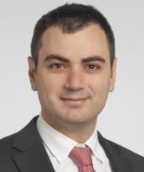 Serge Harb合作论文数Department of Cardiovascular Medicine, Vascular and Thoracic Institute, Cleveland Clinic10
 Samir Kapadia合作论文数Robert and Suzanne Tomsich Department of Cardiovascular Medicine, Cleveland Clinic;Sydell and Arnold Miller Family Heart, Vascular & Thoracic Institute, Cleveland Clinic;College of Medicine, Case Western Reserve University9
 Lucy Thuita合作论文数9
 Nabin Shrestha合作论文数Lerner College of Medicine, Cleveland Clinic;Department of Infectious Diseases, Cleveland Clinic8Zaki Anthony合作论文数8
 Patrick R. Vargo合作论文数Department of Cardiovascular Medicine, Cleveland Clinic8Edward G. Soltesz合作论文数8J. Yun合作论文数7Yuichiro Okushi合作论文数7
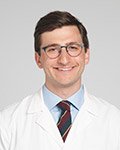 Noah Weingarten合作论文数Cleveland Clin Fdn7
 Daniel Wozniak合作论文数Department of Microbiology, College of Arts and Sciences, The Ohio State University7Penny L. Houghtaling合作论文数7
 Hamdy Awad合作论文数Department of Anesthesiology, The Ohio State University Medical Center7Brian Griffin合作论文数6
 M. Usman Ahmad合作论文数6
 Alejandro Bribriesco合作论文数6
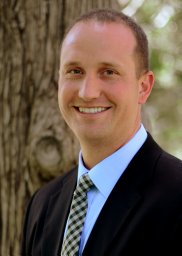 Mann Ethan E合作论文数Sharklet Technologies, Inc6Cremer Paul C合作论文数6Savita Khanna合作论文数Davis Heart and Lung Research Institute, The Ohio State University Medical Center6
 Gayle Gordillo合作论文数512 Davis Heart and Lung Research Institute, Ohio State University6A. Tantawi合作论文数5Michael J. Javorski合作论文数5Dean P Schraufnagel合作论文数5
 Ahmed Awad合作论文数Faculty of Medicine, Ain-Shams University5
 Amgad Mentias合作论文数Cleveland Clin, Heart Vasc & Thorac Inst5
 Hiromichi Niikawa合作论文数Department of Surgery, Tohoku Kouseinenkin Hospital5
 Douglas R Johnston合作论文数Department of Surgery, Feinberg School of Medicine, Northwestern University5




