While Large Language Models (LLMs) show great promise for personalization, they often lack specialized domain knowledge. Conventional solutions like fine-tuning struggle with high computational costs and rapid data updates, while Retrieval-Augmented Generation fails to provide fine-grained, token-level steering. Furthermore, chat-based interfaces remain dominant, whereas productive co-writing paradigms have not yet been well exploited beyond the coding domain. To this end, we introduce SteerWrite, a training-free framework designed for personalized co-writing. Our method effectively adapts the base model to specialized domains without gradient updates, with specific designs tailored to small datasets. Experiments demonstrate that SteerWrite achieves state-of-the-art performance across diverse datasets, metrics, and models, significantly reducing human editing effort.
Generative modeling for medical imaging requires accurate representation of anatomical structures while limiting direct exposure of patient data in cross-institutional collaboration. Although continuous diffusion models have shown effectiveness in natural image generation, their Gaussian corruption process is less aligned with discrete medical segmentation masks and may introduce artifacts in federated settings. To address this limitation, we propose PriFedDD, a privacy-aware federated discrete diffusion framework for medical image generation. PriFedDD formulates diffusion in a discrete state space to better model categorical segmentation data and incorporates an Information-Dense Encoding strategy that folds local spatial patterns into compact multi-channel tensors, reducing federated memory consumption and training time while preserving structural information. Experiments on standard benchmarks and medical datasets, including BraTS and Covid-Xray, demonstrate that PriFedDD achieves improved FID and KID for discrete segmentation generation compared to continuous baselines. Furthermore, privacy analysis based on PSNR and SSIM confirms the discrete formulation balances sample utility with reconstruction risk, and downstream augmentation experiments show the generated samples effectively improve federated learning performance on medical tasks.
Offering rich contexts to Large Language Models (LLMs) has shown to boost the performance in various tasks, but the resulting longer prompt would increase the computational cost and might exceed the input limit of LLMs. Recently, some prompt compression methods have been suggested to shorten the length of prompts by using language models to generate shorter prompts or by developing computational models to select important parts of original prompt. The generative compression methods would suffer from issues like hallucination, while the selective compression methods have not involved linguistic rules and overlook the global structure of prompt. To this end, we propose a novel selective compression method called PartPrompt. It first obtains a parse tree for each sentence based on linguistic rules, and calculates local information entropy for each node in a parse tree. These local parse trees are then organized into a global tree according to the hierarchical structure such as the dependency of sentences, paragraphs, and sections. After that, the root-ward propagation and leaf-ward propagation are proposed to adjust node values over the global tree. Finally, a recursive algorithm is developed to prune the global tree based on the adjusted node values. The experiments show that PartPrompt receives the state-of-the-art performance across various datasets, metrics, compression ratios, and target LLMs for inference. The in-depth ablation studies confirm the effectiveness of designs in PartPrompt, and other additional experiments also demonstrate its superiority in terms of the coherence of compressed prompts and in the extreme long prompt scenario.
Infected pancreatic necrosis (IPN) is a life-threatening complication of acute pancreatitis (AP), and its early prediction remains challenging. This study aimed to develop and externally validate interpretable machine learning models for individualized IPN risk prediction. A total of 728 patients with AP admitted to Xuanwu Hospital, Capital Medical University, between 2017 and 2023 were retrospectively analyzed. Embedded feature selection was incorporated within model training using regularized linear and tree-based algorithms to enhance interpretability and prevent overfitting. Five machine learning algorithms and one neural network model were evaluated through nested cross-validation and an independent temporal external cohort consisting of 166 AP patients admitted to Xuanwu Hospital, Capital Medical University, between 2022 and 2023. Model discrimination, precision-recall, and probability calibration were assessed, and model explainability was analyzed using Shapley Additive Explanations (SHAP). The Random Forest model achieved the best overall performance, achieving an external AUC of 0.764 (95% CI 0.696-0.830, [Formula: see text]), precision of 0.893, recall of 0.604, and the lowest Brier score, indicating reliable probability calibration. SHAP analysis identified Fibrinogen, APACHE II score, D-dimer, IL-6, and C-reactive protein as key predictors associated with increased IPN risk, while higher Lymphocyte count, and Hematocrit were protective. These findings are consistent clinical pathophysiology. The interpretable Random Forest model demonstrated robust discrimination and calibration for IPN prediction, providing a transparent and data-driven framework for early risk stratification in acute pancreatitis. Prospective multicenter validation is warranted before clinical implementation.
Knowledge graph completion (KGC) aims to infer missing triples for a given knowledge graph, which can be adopted to various fields ranging from scientific research to real-world applications. Despite the success of numerous KGC methods, the lack of explainability remains a common drawback. However, the explanation of KGC results is crucial in many cases, such as providing medical diagnosis and recommending candidates for costly experiments, which could increase the reliability of these techniques to humans. Although a few explainable KGC methods have been proposed, the explainability module is designed for the specific KGC model and cannot be utilized for state-of-the-art KGC models. In this work, we present a post-hoc generic method, namely KGC-Explainer, that can be applied to any KGC model providing triplet scores. KGC-Explainer not only incorporates the input KGC model itself, but also leverages the structural and textual information in knowledge graphs. To demonstrate KGC-Explainer achieving design goals and the superiority of it over other methods, we conduct extensive experiments on two real-world knowledge graphs with different domains and languages, one coming from medical domain in Chinese and another coming from general domain in English. In addition, we compare the KGC explanation with human explanation, showcasing the practical significance of KGC-Explainer.
Anonymization is a crucial de-identification technique that protects data privacy while ensuring its utility for model building. Current generative models such as generative adversarial networks and variational auto-encoders (VAEs) have been applied to medical image anonymization but mainly focus on general image features, lacking specificity in regions of interest such as lesions. This study proposes a novel framework for brain magnetic resonance imaging anonymization, enabling the handling of lesion region prediction while preserving patient privacy. The framework consists of three stages: pre-training VAEs to represent lesion and non-lesion regions in latent space; fine-tuning these latent representations using a diffusion model conditioned on spatial and temporal features; and generating medical image substitutions through joint decoding of lesion and non-lesion latent representations. The comparative investigation has highlighted the benefits of our proposed methods, achieving a promising privacy-utility balance. In a small number of real sample scenarios, using synthetic samples with an 86% anonymity rate still enhanced the downstream segmentation task by 4.60% and the classification task by 8.75%. Our proposed framework offers significant improvements over existing methods in preserving privacy and maintaining data utility for lesion prediction tasks, which holds potential implications for enhanced privacy practices in medical imaging.
Consumer-Centric Digital Twins (CCDT) require privacy-preserving and personalized intelligence on resource-constrained consumer devices such as smartphones and wearables. To support this setting, we propose Scalable Federated Personalized Aggregation with Posterior Approximation (SFed-PAPA), a scalable personalized federated learning framework that serves as the twin assimilation layer. SFedPAPA models client uncertainty with a Gaussian posterior approximation based on Taylor expansion, empirical Fisher, and KFAC, performs posterior-guided adaptive cohort selection, and generates client-specific weighted aggregates under asynchronous updates. We evaluate SFedPAPA on four healthcare-sensing benchmarks spanning classification and regression, and further analyze asynchronous updates, dynamic client participation, hyperparameter sensitivity, computational overhead, and differential privacy. SFedPAPA achieves 95.73% accuracy on HAR, 79.37% accuracy on WESAD, 2.18 MAE on PT, and 6.93 MAE on PPG-DaLiA, indicating its potential for scalable personalization in consumer-oriented digital twins for Healthcare 5.0.
Spatially resolved sequencing technologies have revolutionized our understanding of biological regulatory processes within tissue microenvironments by simultaneously capturing the states of genomic regions, genes, and proteins alongside the spatial organization of cells. However, inherent heterogeneity across modalities and samples poses substantial challenges for the integrative analysis of spatial omics data, underscoring the urgent need for advanced computational methods. In this study, we propose PRESENT, a contrastive learning-based integrative framework for cross-modality representation of spatial multi-omics data. PRESENT employs omics-specific encoders consisting of graph attention networks and Bayesian neural networks coupled with distribution-aware decoders to model distinct modalities, and an inter-omics alignment module for multi-omics integration. By effectively incorporating spatial dependencies with multi-omics information across diverse species and technologies, PRESENT facilitates the accurate identification of spatial domains and the elucidation of underlying regulatory mechanisms. Furthermore, PRESENT can be extended to multi-sample integration via a two-stage training workflow, which incorporates inter-batch alignment loss, intra-batch preserving loss, batch-adversarial learning, and cyclic graph refinement strategies to eliminate batch effects while retaining biological signals. Extensive experiments on tissue samples across different anatomical regions and developmental stages demonstrate that PRESENT enables the characterization of hierarchical tissue structures from a spatiotemporal perspective.
Federated learning aims to learn a global model collaboratively while the training data belongs to different clients and is not allowed to be exchanged. However, the statistical heterogeneity challenge on non-IID data, such as class imbalance in classification, will cause client drift and significantly reduce the performance of the global model. This paper proposes a simple and effective approach named FedShift which adds the shift on the classifier output during the local training phase to alleviate the negative impact of class imbalance. We theoretically prove that the classifier shift in FedShift can make the local optimum consistent with the global optimum and ensure the convergence of the algorithm. Moreover, our experiments indicate that FedShift significantly outperforms the other state-of-the-art federated learning approaches on various datasets regarding accuracy and communication efficiency.
Gout recurrence is common in real-world settings. While traditional machine learning methods are applicable, their performance is often limited by a lack of diverse data modalities, insufficient understanding of inter-modality interactions, and poor model generalizability. To address these challenges, this work proposes ARL-GRP, a novel framework for forecasting the risk of gout recurrence. This framework is built upon three essential modules: continuous learning utilising real-world multimodel follow-up data, feature representation aggregation employing a pretrained large encoder, and predicting recurrent gout risk using a multilayer perceptron. The experimental comparison demonstrates that our proposed approach generally outperforms conventional machine learning techniques. ARL-GRP can effectively combine structured clinical data and unstructured medical narratives into unified patient representations, significantly outperforming traditional machine learning methods (Accuracy: 0.931, AUC: 0.969). Our method demonstrates strong predictive capability, enabling precise risk assessment and personalised clinical decision-making. Furthermore, the effectiveness of our method is also consolidated through additional analysis using ROC curves and a heatmap.
Parkinson's disease (PD) is one of the most common neurodegenerative disorder. PD telemonitoring emerges as a novel assessment modality enabling self-administered at-home tests of Unified Parkinson's Disease Rating Scale (UPDRS) scores, enhancing accessibility for PD patients. However, three types of noise would occur during measurements: (1) patient-induced measurement inaccuracies, (2) environmental noise, and (3) data packet loss during transmission, resulting in higher prediction errors. To address these challenges, NoRo, a noise-robust UPDRS prediction framework is proposed. First, the original speech features are grouped into ordered bins, based on the continuous values of a selected feature, to construct contrastive pairs. Second, the contrastive pairs are employed to train a multilayer perceptron encoder for generating noise-robust features. Finally, these features are concatenated with the original features as the augmented features, which are then fed into the UPDRS prediction models. Notably, we further introduces a novel evaluation approach with customizable noise injection module, and extensive experiments show that NoRo can successfully enhance the noise robustness of UPDRS prediction across various downstream prediction models under different noisy environments.
Cis-regulatory elements (CREs), including enhancers, silencers, promoters and insulators, play pivotal roles in orchestrating gene regulatory mechanisms that drive complex biological traits. However, current approaches for CRE identification are predominantly sequence-based and typically focus on individual CRE types, limiting insights into their cell-type-specific functions and regulatory dynamics. Here, we present CREATE, a multimodal deep learning framework based on Vector Quantized Variational AutoEncoder, tailored for comprehensive CRE identification and characterization. CREATE integrates genomic sequences, chromatin accessibility, and chromatin interaction data to generate discrete CRE embeddings, enabling accurate multi-class classification and robust characterization of CREs. CREATE excels in identifying cell-type-specific CREs, and provides quantitative and interpretable insights into CRE-specific features, uncovering the underlying regulatory codes. By facilitating large-scale prediction of CREs in specific cell types, CREATE enhances the recognition of disease- or phenotype-associated biological variabilities of CREs, thus advancing our understanding of gene regulatory landscapes and their roles in health and disease.
Node importance estimation (NIE) is the task of inferring the importance scores of the nodes in a graph. Due to the availability of richer data and knowledge, recent research interests of NIE have been dedicated to knowledge graphs (KGs) for predicting future or missing node importance scores. Existing state-of-the-art NIE methods train the model by available labels, and they consider every interested node equally before training. However, the nodes with higher importance often require or receive more attention in real-world scenarios, e.g., people may care more about the movies or webpages with higher importance. To this end, we introduce Label Informed ContrAstive Pretraining (LICAP) to the NIE problem for being better aware of the nodes with high importance scores. Specifically, LICAP is a novel type of contrastive learning (CL) framework that aims to fully utilize continuous labels to generate contrastive samples for pretraining embeddings. Considering the NIE problem, LICAP adopts a novel sampling strategy called top nodes preferred hierarchical sampling to first group all interested nodes into a top bin and a nontop bin based on node importance scores, and then divide the nodes within the top bin into several finer bins also based on the scores. The contrastive samples are generated from those bins and are then used to pretrain node embeddings of KGs via a newly proposed predicate-aware graph attention networks (PreGATs), so as to better separate the top nodes from nontop nodes, and distinguish the top nodes within the top bin by keeping the relative order among finer bins. Extensive experiments demonstrate that the LICAP pretrained embeddings can further boost the performance of existing NIE methods and achieve new state-of-the-art performance regarding both regression and ranking metrics. The source code for reproducibility is available at https://github.com/zhangtia16/LICAP.
Personalized Federated Learning (PFL) aims to address the statistical heterogeneity of data across clients by learning the personalized model for each client. Among various PFL approaches, the personalized aggregation-based approach conducts parameter aggregation in the server-side aggregation phase to generate personalized models, and focuses on learning appropriate collaborative relationships among clients for aggregation. However, the collaborative relationships vary in different scenarios and even at different stages of the FL process. To this end, we propose Personalized Federated Learning with Attentive Graph HyperNetworks (FedAGHN), which employs Attentive Graph HyperNetworks (AGHNs) to dynamically capture fine-grained collaborative relationships and generate client-specific personalized initial models. Specifically, AGHNs empower graphs to explicitly model the client-specific collaborative relationships, construct collaboration graphs, and introduce tunable attentive mechanism to derive the collaboration weights, so that the personalized initial models can be obtained by aggregating parameters over the collaboration graphs. Extensive experiments can demonstrate the superiority of FedAGHN. Moreover, a series of visualizations are presented to explore the effectiveness of learned collaboration graphs.
Although single-cell assay for transposase-accessible chromatin using sequencing (scATAC-seq) enables the exploration of the epigenomic landscape that governs transcription at the cellular level, the complicated characteristics of the sequencing data and the broad scope of downstream tasks mean that a sophisticated and versatile computational method is urgently needed. Here we introduce EpiAgent, a foundation model pretrained on our manually curated large-scale Human-scATAC-Corpus. EpiAgent encodes chromatin accessibility patterns of cells as concise ‘cell sentences’ and captures cellular heterogeneity behind regulatory networks via bidirectional attention. Comprehensive benchmarks show that EpiAgent excels in typical downstream tasks, including unsupervised feature extraction, supervised cell type annotation and data imputation. By incorporating external embeddings, EpiAgent enables effective cellular response prediction for both out-of-sample stimulated and unseen genetic perturbations, reference data integration and query data mapping. Through in silico knockout of cis-regulatory elements, EpiAgent demonstrates the potential to model cell state changes. EpiAgent is further extended to directly annotate cell types in a zero-shot manner. EpiAgent is a foundation model for analyzing scATAC-seq data that excels in standard downstream tasks such as feature extraction, cell type annotation and data imputation while also enabling simulation of cCRE knockouts and cell state changes.
Traditional Medicine (TM) has played a crucial role in global healthcare due to its long history and holistic approach. Artificial Intelligence (AI) has emerged as a revolutionary technology, offering exceptional capabilities in areas such as data mining, pattern recognition, and decision-making. The integration of Artificial Intelligence for Traditional Medicine (AITM) presents a promising frontier in advancing medicine and healthcare. In this review, we explore AITM from two perspectives: recent AI techniques and TM applications. Specifically, we investigate how Machine Learning, Deep Learning, and Large Language Models are applied to TM, covering applications such as diagnosis (before, during, after) and research (drug research, structured knowledge, data analysis). By leveraging advanced algorithms and models, AI can improve decision-making efficiency, optimize diagnosis accuracy, enhance patient experience, and reduce costs. We anticipate this review can bridge the gap between AI and TM communities. And the goal is to foster collaboration and innovation between both communities, enabling them to exploit the state-of-the-art AI techniques to advance TM diagnosis and research, ultimately contributing to the enhancement of human health.
Deep-time Earth research plays a pivotal role in deciphering the rates, patterns, and mechanisms of Earth’s evolutionary processes throughout geological history, providing essential scientific foundations for climate prediction, natural resource exploration, and sustainable planetary stewardship. To advance Deep-time Earth research in the era of big data and artificial intelligence, the International Union of Geological Sciences initiated the “Deep-time Digital Earth International Big Science Program” (DDE) in 2019. At the core of this ambitious program lies the development of geoscience knowledge graphs, serving as a transformative knowledge infrastructure that enables the integration, sharing, mining, and analysis of heterogeneous geoscience big data. The DDE knowledge graph initiative has made significant strides in three critical dimensions: (1) establishing a unified knowledge structure across geoscience disciplines that ensures consistent representation of geological entities and their interrelationships through standardized ontologies and semantic frameworks; (2) developing a robust and scalable software infrastructure capable of supporting both expert-driven and machine-assisted knowledge engineering for large-scale graph construction and management; (3) implementing a comprehensive three-tiered architecture encompassing basic, discipline-specific, and application-oriented knowledge graphs, spanning approximately 20 geoscience disciplines. Through its open knowledge framework and international collaborative network, this initiative has fostered multinational research collaborations, establishing a robust foundation for next-generation geoscience research while propelling the discipline toward FAIR (Findable, Accessible, Interoperable, Reusable) data practices in deep-time Earth systems research.
Node Importance Estimation (NIE) is a task that quantifies the importance of nodes in a graph. Recent research has investigated to exploit various information from Knowledge Graphs (KGs) to estimate node importance scores. However, the semantic information in KGs could be insufficient, missing, and inaccurate, which would limit the performance of existing NIE models. To address these issues, we leverage Large Language Models (LLMs) for semantic augmentation thanks to the LLMs' extra knowledge and ability of integrating knowledge from both LLMs and KGs. To this end, we propose the LLMs Empowered Node Importance Estimation (LENIE) method to enhance the semantic information in KGs for better supporting NIE tasks. To our best knowledge, this is the first work incorporating LLMs into NIE. Specifically, LENIE employs a novel clustering-based triplet sampling strategy to extract diverse knowledge of a node sampled from the given KG. After that, LENIE adopts the node-specific adaptive prompts to integrate the sampled triplets and the original node descriptions, which are then fed into LLMs for generating richer and more precise augmented node descriptions. These augmented descriptions finally initialize node embeddings for boosting the downstream NIE model performance. Extensive experiments demonstrate LENIE's effectiveness in addressing semantic deficiencies in KGs, enabling more informative semantic augmentation and enhancing existing NIE models to achieve the state-of-the-art performance. The source code of LENIE is freely available at https://github.com/XinyuLin-FZ/LENIE.
AbstractDeep‐time Digital Earth (DDE) is an innovative international big science program, focusing on scientific propositions of earth evolution, changing Earth Science by coordinating global geoscience data, and sharing global geoscience knowledge. To facilitate the DDE program with recent advances in computer science, the geoscience knowledge graph plays a key role in organizing the data and knowledge of multiple geoscience subjects into Knowledge Graphs (KGs), which enables the calculation and inference over geoscience KGs for data mining and knowledge discovery. However, the construction of geoscience KGs is challenging. Though there have been some construction tools, they commonly lack collaborative editing and peer review for building high‐quality large‐scale geoscience professional KGs. To this end, a data service system or tool, DDE KG Editor, is developed to construct geoscience KGs. Specifically, it comes with several distinctive features such as collaborative editing, peer review, contribution records, intelligent assistance, and discussion forums. Currently, global geoscientists have contributed over 60,000 ontologies for 22 subjects. The stability, scalability, and intelligence of the system are regularly improving as a public online platform to better serve the DDE program.
Molecular property prediction is a crucial foundation for drug discovery. In recent years, pre-trained deep learning models have been widely applied to this task. Some approaches that incorporate prior biological domain knowledge into the pre-training framework have achieved impressive results. However, these methods heavily rely on biochemical experts, and retrieving and summarizing vast amounts of domain knowledge literature is both time-consuming and expensive. Large Language Models (LLMs) have demonstrated remarkable performance in understanding and efficiently providing general knowledge. Nevertheless, they occasionally exhibit hallucinations and lack precision in generating domain-specific knowledge. Conversely, Domain-specific Small Models (DSMs) possess rich domain knowledge and can accurately calculate molecular domain-related metrics. However, due to their limited model size and singular functionality, they lack the breadth of knowledge necessary for comprehensive representation learning. To leverage the advantages of both approaches in molecular property prediction, we propose a novel Molecular Graph representation learning framework that integrates Large language models and Domain-specific small models (MolGraph-LarDo). Technically, we design a two-stage prompt strategy where DSMs are introduced to calibrate the knowledge provided by LLMs, enhancing the accuracy of domain-specific information and thus enabling LLMs to generate more precise textual descriptions for molecular samples. Subsequently, we employ a multi-modal alignment method to coordinate various modalities, including molecular graphs and their corresponding descriptive texts, to guide the pre-training of molecular representations. Extensive experiments demonstrate the effectiveness of the proposed method.
 Wenjun Yin合作论文数24
 Rui Jiang (江瑞)合作论文数Department of Automation, School of Information Science and Technology, Tsinghua University21Jin Dong合作论文数16
 Xuegong Zhang (张学工)合作论文数Department of Automation, Tsinghua University;Beijing National Research Center for Information Science and Technology, Tsinghua University;MOE Key Laboratory of Bioinformatics, Tsinghua University13
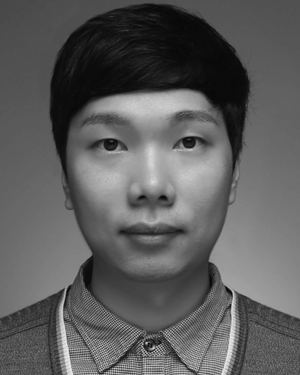 Chengbin Hou合作论文数School of Computer Science, University of Birmingham11
 Chenghu Zhou (周成虎)合作论文数Institute of Geographic Sciences and Natural Resources Research, Chinese Academy of Sciences;University of Chinese Academy of Sciences;Xinjiang Institute of Ecology and Geography , Chinese Academy of Sciences11
 Yunqiang Zhu (诸云强)合作论文数Institute of Geographic Sciences and Natural Resources Research, Chinese Academy of Sciences11Xin Xin Bai合作论文数10Xinbing Wang (王新兵)合作论文数9
 Xiumian Hu (胡修棉)合作论文数School of Earth Sciences and Engineering, Nanjing University8Lei Wei (魏磊)合作论文数7
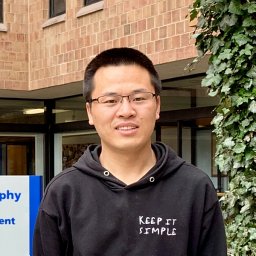 Kai Sun (孙凯)合作论文数中国科学院地理科学与资源研究所7
 Qinjun Qiu (邱芹军)合作论文数School of Geography and Information Engineering, China University of Geosciences7
 Shu Wang (王曙)合作论文数State Key Lab Resources & Environm Informat Syst, Chinese Acad Sci, Inst Geog Sci & Nat Resources Res6Jiaqi Li (李家齐)合作论文数清华大学深圳研究生院6Wenyuan Wang合作论文数6
 Chen Sijie合作论文数5
 Chengshan Wang (王成善)合作论文数School of Earth Sciences and Resources, China University of Geosciences, Beijing5
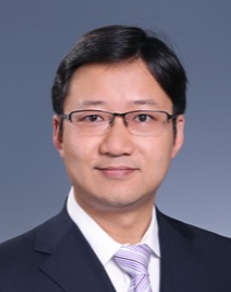 Xiaowo Wang (汪小我)合作论文数Department of Automation, Tsinghua University5
 Shengquan Chen (陈盛泉)合作论文数School of Mathematical Sciences, Nankai University4Yanmin Qi合作论文数4Renke You合作论文数4Pengshuai Yang合作论文数Dept Automat, Bioinformat Div,Minist Educ,Key Lab Bioinformat, Tsinghua Univ4Yixin Chen合作论文数4
 Guangyu He (何光宇)合作论文数Department of Electrical Engineering, Shanghai Jiaotong University4
 Feng Wang (王丰)合作论文数Beijing National Research Center for Information Science and Technology, Department of Computer Science and Technology, Tsinghua University4
 Xiaolu Fei (费晓璐)合作论文数Xuanwu Hospital Capital Medical University4Faming Zhu (朱发明)合作论文数4Ta-Hsin Li合作论文数4Chen, Xiaoyang合作论文数3Yanting Luo合作论文数3Fufeng Chen合作论文数3Haiyang Bian合作论文数3Wenrui Li合作论文数3Mingli Ye合作论文数3Yunheng Shen合作论文数3
 Jinxiang Ou合作论文数3Qiuchen Meng合作论文数3
 Fan-Hong Li合作论文数3
 Weirong Li合作论文数中国科学院大学3
 Minsheng Hao合作论文数MOE Key Lab of Bioinformatics, Tsinghua University3Haoxiang Gao合作论文数3Fengquan WANG (王冯权)合作论文数3Xia Xiao (肖霞)合作论文数3Zijing Gao合作论文数3Kui Hua合作论文数3
 Qiuming Cheng (成秋明)合作论文数School of Earth Sciences and Engineering, Sun Yat-sen University3
 Jinbao Wang (王金宝)合作论文数National Engineering Laboratory for Big Data System Computing Technology, Shenzhen University3
 Wanwen Zeng合作论文数Department of Statistics, Stanford University3




