In smart traffic signal control, large-scale urban road networks increasingly rely on distributed sensing, communication, and computation resources deployed at intersections, roadside facilities, and remote cloud platforms. These heterogeneous resources must collaboratively process massive numbers of delay-sensitive and computation-intensive tasks under stringent energy and security requirements. This work investigates energy-minimized task allocation in a three-layer architecture that includes field traffic signal controllers, roadside computing units, and a centralized cloud data center. A dual-mode optimization model is formulated that integrates a general unconstrained offloading mode with a security-aware offloading mode, where highly sensitive tasks are forced to remain local. The objective is to minimize total energy consumption by jointly modeling computation latency, communication latency, dynamic processing energy, and transmission energy, while respecting resource capacity and delay bounds. To efficiently search this non-convex, constrained solution space, an adaptive constraint-enhanced metaheuristic algorithm is developed, incorporating dynamic penalty adjustment, hybrid early termination, adaptive population regulation, and pruning strategies for infeasible solutions. Experimental results on large-scale synthetic traffic workloads demonstrate that the proposed algorithm achieves lower energy consumption and faster convergence than several representative metaheuristic baselines, and can be effectively applied to resource scheduling in smart traffic control systems.
Against the backdrop of the implementation of low-altitude airspace reforms and the comprehensive upgrading of smart logistics systems, low-altitude UAVs, with their advantages of manoeuvrability, minimal spatial constraints and rapid response times, are gradually being integrated into multiple sectors including urban delivery, traffic inspection, emergency supply support and urban-rural logistics, becoming a key enabler in the construction of an integrated air-ground smart transport and logistics system.Based on the economic environment of the low-altitude sector, this paper systematically analyses the current status of low-altitude UAVs’ practical applications in the field of smart transport and logistics. It objectively identifies the practical shortcomings in the industry’s development process and, by combining policy directions with industry realities, proposes optimisation strategies that are both feasible and implementable. The aim is to provide theoretical references and practical insights for the standardised development of UAV logistics and the enhancement of quality and efficiency in the smart transport industry.
Foundation models have improved the reasoning and generation ability of artificial intelligence systems. However, they are difficult to deploy in edge environments with limited computation, memory, and data access. Small models are easier to run on edge devices. They support fast and low-latency inference, but they often lack global semantic reasoning and cross-domain generalization. This gap between model ability and deployment cost motivates large–small model collaboration in cloud–edge systems. This survey provides a systematic review and a knowledge-floworiented taxonomy of such collaboration. It focuses on how cloud-side large models and edge-side small models share, update, and coordinate knowledge. We review knowledge distillation, split inference, federated and continual adaptation, and elastic offloading. We also cover lightweight deployment, modular expert design, privacyaware coordination, and agent-driven orchestration. Unlike surveys on edge intelligence, federated learning, model compression, TinyML, or cloud–edge resource scheduling, this survey centers on model collaboration. We treat large–small collaboration as a knowledge-centered problem linked to real deployment constraints. We further discuss trade-offs in accuracy, latency, bandwidth, privacy, energy efficiency, adaptability, and lifecycle management. Finally, we identify open challenges for trustworthy, sustainable, and self-evolving cloud–edge collaborative intelligence.
In industrial production, dynamic nature of working conditions and reliance on manual judgment introduces significant hurdles for accurate prediction models. Despite commendable performance of contemporary Deep Learning techniques in time series prediction (TSP), they frequently overlook crucial impact of human intervention. Moreover, the subjective nature of operational condition labeling and the scarcity of comprehensive experimental datasets further hinder the efficacy of predictive systems. This work proposes an Enhanced Hybrid Deep Neural Network (EH-DNN) framework to tackle these issues. It achieves robust classification and prediction of working conditions by integrating the multi-dimensional features of set values and observation time series. The data preprocessing phase encompasses feature extraction and feature fusion, ensuring the model acquires the essential information intrinsic to the production process. A novel two-step prediction methodology is employed during the training phase, incorporating pre-classification to enhance TSP, achieving an accuracy of 94%. EH-DNN mirrors intricate dynamics of industrial production and aligns seamlessly with real-world application scenarios, demonstrating substantial practical utility. By integrating this methodology, the industrial sector can anticipate a significant leap in automation levels and production efficiency, bridging the gap between theoretical models and practical implementation.
The deployment of billions of Internet of Things (IoT) devices is driving unprecedented data generation at the network edge, demanding high computational power for real-time deep learning (DL) while raising serious concerns about energy consumption. While edge computing offers a viable paradigm for decentralized DL by preserving data privacy and reducing latency, the substantial energy costs of DL training and inference pose a major challenge for resource-constrained edge devices. This work provides a comprehensive review of state-of-the-art studies that address energy efficiency at the intersection of DL and edge computing. Moving beyond isolated solutions, we analyze the critical need for a codesign approach integrating hardware and software with adaptive resource management to build sustainable systems. The article systematically examines hardware-level optimizations and software-level techniques for reducing energy consumption while maintaining model accuracy. Furthermore, it investigates how adaptive management of compute, memory, and communication resources is key to dynamic energy savings. Finally, the article synthesizes recent trends, identifies emerging opportunities, and discusses open challenges, positioning hardware-software codesign as the most promising approach for achieving scalable and energy-efficient DL in edge computing.
With the continuous development of deep learning models, the rapid expansion in model size has led to increased difficulties in deploying models in devices with limited computational resources. Traditional model compression methods, while reducing the number of model parameters to some extent, still face issues such as loss of accuracy and high resource consumption. To address these challenges, this paper proposes a two-stage model compression method based on global pruning and Low-Rank Adaptation (LoRA). In the first stage, a pruning strategy based on global importance assessment is used to dynamically remove redundant parameters, retaining important weights in the model that significantly impact output. In the second stage, LoRA is introduced. By freezing the pre-trained weights of the pruned model and only training the low-rank matrices, this significantly reduces the number of parameters that need to be optimized. Experimental results show that in the SSDLite object detection network, this method achieves a 30%–40% reduction in parameter count with only a fluctuation of 2.5%–3.1% in accuracy, which is significantly advantageous compared to traditional compression methods. These findings suggest that the proposed two-stage compression method has considerable potential for applications in resource-constrained scenarios, enabling the effective implementation of lightweight deep learning models.
Sequential diagnosis requires balancing diagnostic accuracy against resource costs through iterative information gathering. Existing Large Language Model (LLM) approaches exhibit a critical knowledge-reasoning gap: despite encoding extensive medical knowledge, they struggle to reason systematically under cost constraints, often resorting to excessive testing. We propose GraphDx, a knowledge-enhanced framework with two core innovations. First, we design an automated pipeline that leverages LLMs to construct Medical Diagnosis Knowledge Graphs (MDKGs) with quantized typicality, action-centric topology, and dual-objective attributes for both diagnostic relevance and cost-sensitivity. Second, we introduce three collaborative agents (Perception, Reasoning, and Decision) where the Perception and Decision Agents handle language understanding and generation, while the Reasoning Agent performs deterministic evidence scoring and cost-aware planning on the MDKG. Experiments on MedQA and MIMIC-IV across three LLM backbones (DeepSeek-V3, Kimi-k2, Llama-3.3) show that GraphDx improves diagnostic success rates from 50–68
A Dynamic Job-shop Scheduling Problem (DJSP) in 3C (i.e., Computer, Communication, and Consumer Electronics) manufacturing requires efficient resource allocation under dynamically changing production conditions where jobs arrive unpredictably. Traditional optimization methods struggle to provide scalable solutions due to the high computational cost of searching for the optimal schedules in large and complex environments. To address this challenge, this work proposes a Dual Graph convolutional networks-driven Dynamic Cooperative Hunting Optimizer (DG-DCHO). It integrates Graph Convolutional Networks (GCN) with metaheuristic optimization to generate high-quality schedules and significantly improve computational efficiency. A GCN generator processes graph representations of job-shop environment, captures complex dependencies among jobs and machines, and constructs high-quality initial schedules for the optimization process. A GCN evaluator estimates makespan values directly from schedule representations and replaces costly fitness evaluation, thereby minimizing computational overhead and improving optimization speed. A Dynamic Cooperative Hunting Optimizer serves as a base optimizer and generates scheduling solutions by balancing global exploration with local exploitation through an adaptive search strategy. Experimental results across various DJSP instances demonstrate that DG-DCHO consistently outperforms advanced scheduling algorithms by producing higher-quality solutions with reduced computational resources, establishing it as a scalable and effective framework for real-time dynamic scheduling of large-scale manufacturing systems. Note to Practitioners-This paper is motivated by the practical need to rapidly generate efficient production schedules for complex job shops. We propose a novel automated approach, DG-DCHO, which uses deep learning to learn the dependencies of the production environment and rapidly generate high-quality initial schedules. DG-DCHO also estimates schedule performance without relying on lengthy simulations, accelerating the optimization process with an adaptive algorithm. To apply this approach, practitioners would provide standard manufacturing data, including the sequence of operations required for each job, the constraints between operations, the list of available machines, the potential machine assignments for each operation, and the processing times. The system uses this information to automatically build the required graph model, where DG-DCHO optimizes and outputs the best scheduling sequence. This results in the faster generation of more efficient production schedules, improving responsiveness and productivity. Although the simulation results are strong, practical implementation requires integration with factory systems and initial training in artificial intelligence models. Our future plans to extend the proposed approach to addressing other dynamic optimization challenges in logistics, intelligent manufacturing, and real-time traffic management.
Water quality forecasting is a time-series analysis task involving estimating future water conditions, vital in environmental management and pollution control. However, existing time-series analysis methods focus only on historical observational data, neglecting information from other modalities, leading to incomplete feature extraction and affecting forecasting accuracy and robustness. In addition, the complex spatial dependencies between water quality monitoring stations and the nonlinear fluctuations in water quality indicators caused by meteorological factors present additional challenges. This work proposes a spatiotemporal multimodal fusion architecture for long-term water quality forecasting, named spatiotemporal multimodal fusion (STMF), to address these issues. It first captures spatiotemporal dependencies by integrating temporal features with upstream-downstream relationships among monitoring stations. Then, STMF further designs a low-rank cross-modal interaction fusion (LRCIF) method, which fuses spatiotemporal features with precipitation features from the remote-sensing image, as an additional modality, effectively leveraging complementary information from multiple data sources to enhance the accuracy and stability of water quality forecasting. Experimental results on real-world water quality datasets demonstrate that the proposed STMF significantly outperforms existing state-of-the-art methods in prediction accuracy. In particular, for long-term forecasting tasks with a 192-step horizon, STMF improves mean-squared error and mean absolute error by 14% and 12%, respectively, compared to unimodal models. It further validates the effectiveness of the multimodal fusion strategy. Overall, STMF offers an effective solution for water quality monitoring and management.
The advent of smart manufacturing in Industry 4.0 signifies the era of connections. As a communication protocol, Object linking and embedding for Process Control Unified Architecture (OPC UA) can address most semantic heterogeneity issues. However, its semantics are not formally defined at the application layer. To address the information silo problem caused by semantic heterogeneity, an integration framework named Querying of Ontology Mapping-based OPC UA (QOMOU) is proposed. QOMOU extracts information models of OPC UA servers into resource description framework triples and utilizes web ontology language for semantic enrichment and inference. Then, an Event Class Semantic Similarity Calculation (ECSSC) method is proposed for device type identification, enabling the classification of semantically heterogeneous OPC UA devices. The effectiveness of ECSSC is validated through queries with the RDF query language (SPARQL) protocol in Apache Jena. Experimental results demonstrate that ECSSC improves the accuracy of device identification by approximately 7% compared to benchmark device identification models. Specifically, compared with graph embedding-based methods, QOMOU’s query performance is approximately 13% higher, and its query efficiency is 5% higher on average compared to both structured query and extensible markup languages. Moreover, by employing a keyword-matching algorithm, the query accuracy of the existing heterogeneous data integration scheme is improved by 4% on average. This enhancement can boost the operational efficiency of Internet of Things systems based on the OPC UA architecture.
Trajectory similarity is a cornerstone of trajectory data management and analysis. Traditional similarity functions often suffer from high computational complexity and a reliance on specific distance metrics, prompting a shift towards deep representation learning in Euclidean space. However, existing Euclidean-based trajectory embeddings often face challenges due to the triangle inequality constraints that do not universally hold for trajectory data. To address this issue, this paper introduces a novel approach by incorporating non-Euclidean geometry, specifically hyperbolic space, into trajectory representation learning. We present the first-ever integration of hyperbolic space to resolve the inherent limitations of the triangle inequality in Euclidean embeddings. In particular, we achieve it by designing a Lorentz distance measure, which is proven to overcome triangle inequality constraints. Additionally, we design a model-agnostic framework LH-plugin to seamlessly integrate hyperbolic embeddings into existing representation learning pipelines. This includes a novel projection method optimized with the Cosh function to prevent the diminishment of distances, supported by a theoretical foundation. Furthermore, we propose a dynamic fusion distance that intelligently adapts to variations in triangle inequality constraints across different trajectory pairs, blending Lorentzian and Euclidean distances for more robust similarity calculations. Comprehensive experimental evaluations demonstrate that our approach effectively enhances the accuracy of trajectory similarity measures in state-of-the-art models across multiple real-world datasets. The LH-plugin not only addresses the triangle inequality issues but also significantly refines the precision of trajectory similarity computations, marking a substantial advancement in the field of trajectory representation learning.
Time series forecasting techniques have significant value in domains such as industrial production, financial markets, and energy management. Accurate prediction of future time series is vital for decision making and operational optimization. However, existing methods often face two major difficulties, i.e., insufficient available training data and the challenging requirement for long-term predictions, where errors tend to accumulate over time. These limitations highlight the need for more reliable long-term forecasting methods. This work proposes a novel hybrid approach that combines VMD with attention-based transformer-style models to address these challenges. The VMD module decomposes raw sequences into simpler and more stable elements, reducing noise and irregular patterns. The transformer-style model captures long-range dependencies through its attention mechanism to identify meaningful long-term relationships in data. The proposed method is evaluated on multiple benchmark datasets, including ETT, ECL, and Traffic, which represent different real-world scenarios. The experimental result shows that the proposed method reaches higher prediction accuracy compared to existing methods across all datasets and prediction horizons, especially in long-term forecasting scenarios.
In recent years, cloud computing has witnessed widespread applications across numerous organizations. Predicting workload and computing resource data can facilitate proactive service operation management, leading to substantial improvements in quality of service and cost efficiency. However, these data often exhibit non-linearity, high volatility, and interdependencies across different categories, presenting challenges for accurate forecasting. Consequently, there is a critical need to develop a method that thoroughly and comprehensively analyzes all available data to forecast future trends effectively. This work proposes a novel integrated data-enhanced prediction model named SVAPI for achieving high-accuracy workload prediction in cloud computing systems. SVAPI employs the Savitzky-Golay filter, Variational mode decomposition, and the mode selection based on Amplitude-aware Permutation entropy for feature processing, whose features are subsequently utilized by Informer for multivariate joint analysis of the enhanced data, achieving high-precision prediction. Ablation and comparative experiments with advanced prediction models are conducted on the Google cluster trace and other typical datasets. Realistic data-driven results indicate that SVAPI improves the prediction accuracy by 37.7% compared to the original Informer, with each module contributing to the performance enhancement. Furthermore, compared with Autoformer, SVAPI enhances the prediction accuracy of workload, CPU, and memory by 65.6%, 66.9%, and 70.8%, respectively, demonstrating that SVAPI owns strong abilities in noise filtering, feature processing, and multivariate joint analysis for achieving higher prediction accuracy.
The unprecedented prosperity of the Industrial Internet of Things (IIoT) has significantly driven the transition from traditional manufacturing to intelligent one. In industrial environments, resource-constrained industrial equipments (IEs) often fail to meet the diverse demands of numerous compute-intensive and latency-sensitive tasks. Mobile edge computing has emerged as an innovative paradigm to reduce latency and energy consumption for IEs. However, the increasing number of IEs in industrial settings relies on heterogeneous platforms integrated with different processing units, i.e., CPUs and GPUs. To address this challenge, we propose a software-defined networking-based equipment-edge-cloud architecture with three-stage heterogeneous computing. This architecture accurately models the multitask processing of both scientific and concurrent workflows in real industrial environments. We formulate a joint optimization problem to simultaneously minimize task completion time and energy consumption for IEs. To solve this problem, we design an improved two-stage multiobjective evolutionary algorithm (IT-MOEA). IT-MOEA employs a novel multiobjective grey wolf optimizer based on manta ray foraging and associative learning to accelerate convergence in the early evolution stages and adopts a diversity-enhancing immune algorithm to enhance diversity in the later stages. Simulation results with various benchmarks demonstrate that IT-MOEA outperforms several state-of-the-art single-objective optimization algorithms by an average of 24.7% and multiobjective algorithms by 41.0% in terms of delay and energy consumption.
In many fields, time series prediction is gaining more and more attention, e.g., air pollution, geological hazards, and network traffic prediction. Water quality prediction uses historical data to predict future water quality. However, it is difficult to learn a representation map from a time series that captures the trends and fluctuations to effectively remove noise from the time series data and investigate complex nonlinear relationships. To solve these problems, this work proposes a time series prediction model, called DPSGT for short, which integrates Dual Patch Savitsky-Golay filtering and Transformer. First, DPSGT adopts the SG filtering to decompose the time series data and reduce the noise interference to improve long-term prediction capabilities. Second, to tackle the limitation of temporal representation capability, DPSGT adopts dual patches to ravel temporal series into local and global patches, which can tackle local semantic information and enlarge the receptive field. Third, it utilizes a transformer mechanism to address the nonlinear problem of the water quality time series and improve the accuracy of the prediction. Two real-world datasets are utilized to evaluate the proposed DPSGT, and experiments prove that DPSGT improves root mean-square error (RMSE), mean absolute error (MAE), mean absolute percentage error (MAPE), and R-2 by 6%, 5%, 8%, and 7%, respectively, compared with other benchmark models.
 Jing Bi (毕敬)合作论文数College of Computer Science, Beijing University of Technology174
 Jia Zhang合作论文数Department of Computer Science, Lyle School of Engineering, Southern Methodist University78
 Mengchu Zhou (周孟初)合作论文数Department of Electrical and Computer Engineering, New Jersey Institute of Technology;Discrete Event Systems Laboratory, New Jersey Institute of Technology66
 Rajkumar Buyya合作论文数Cloud Computing and Distributed Systems Laboratory, School of Computing and Information Systems, The University of Melbourne15
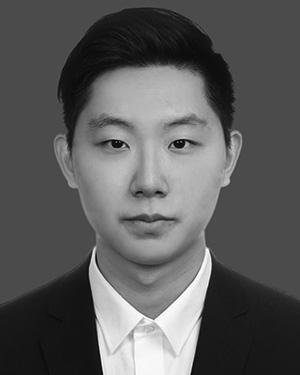 Ziqi Wang合作论文数13
 Jinhong Yang合作论文数12
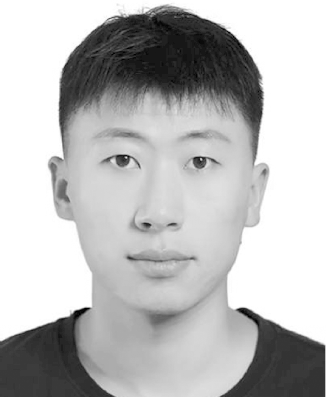 Jiahui Zhai合作论文数12
 Bohu Li (李伯虎)合作论文数School of Automation Science and Electrical Engineering, Beihang University11
 Junfei Qiao (乔俊飞)合作论文数Faculty of Information Technology, Beijing University of Technology;Beijing Institute of Artificial Intelligence, Beijing University of Technology10
 Wei Tan (谭伟)合作论文数10Meijia Wang合作论文数9
 Qinglong Hu (胡慶隆)合作论文数Department of Computer Science, College of Computing, City University of Hong Kong9
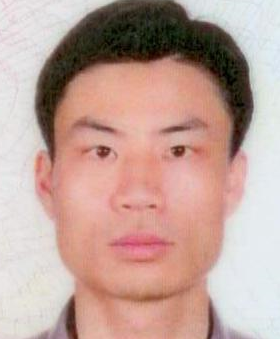 Xiao Song (宋晓)合作论文数School of Cyber Science and Technology, Beihang University7Yongze Lin合作论文数6
 Yaofei Ma (马耀飞)合作论文数School of Automation Science and Electrical Engineering, Beihang University6
 Kangyuan Xu合作论文数5
 Kaiyi Zhang合作论文数5
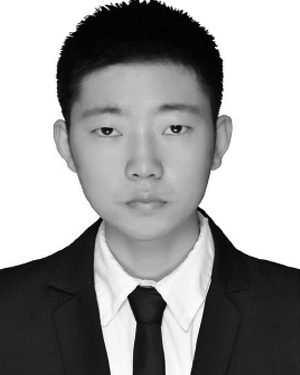 Shuaifei Duanmu合作论文数Beijing Univ Technol, Sch Software Engn, Fac Informat Technol, Beijing 100124, Peoples R China5
 Shuang Li合作论文数5
 S. Ananth Karumanchi合作论文数Cedars-Sinai Medical Center5
 Gao Cong (丛高)合作论文数Division of Data Science, College of Computing & Data Science, Nanyang Technological University5
 Zhiliang Zhu (朱志良)合作论文数Software College, Northeastern University5Shen Wang合作论文数4Mengyuan Wang合作论文数4Ziyue Guan合作论文数4
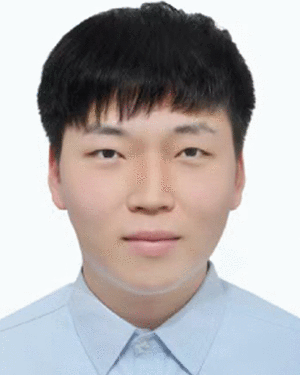 Haisen Ma合作论文数4
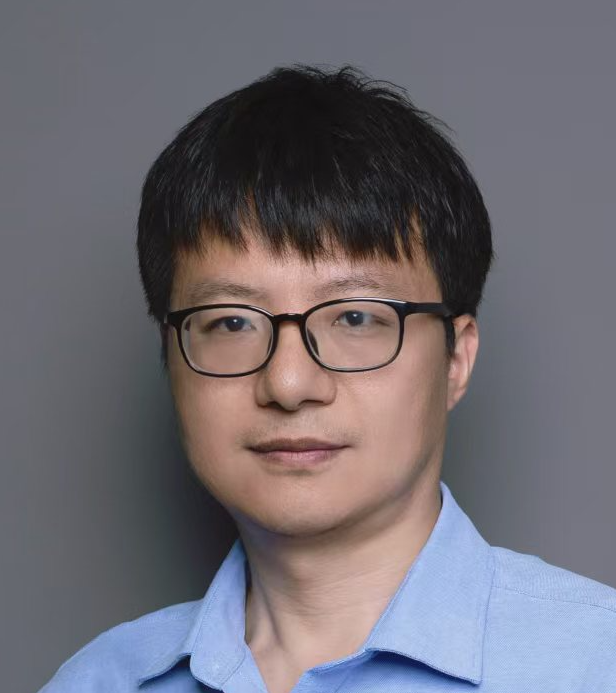 Shangguang Wang (王尚广)合作论文数School of Computer Science, Beijing University of Posts and Telecommunications4
 Ahmed Chiheb Ammari合作论文数4Ming Tie (铁鸣)合作论文数4
 Guanghong Gong (龚光红)合作论文数School of Automation Science and Electrical Engineering, Beihang University4Siyu Niu合作论文数3Yibo Li合作论文数3Wenduo Gu合作论文数3
 Zijian Cao合作论文数School of Computer Science, Beijing University of Posts and Telecommunications3QuanXi Dong合作论文数3Libo Zhang合作论文数3
 Jie Song (宋杰)合作论文数Software College, Northeastern University3
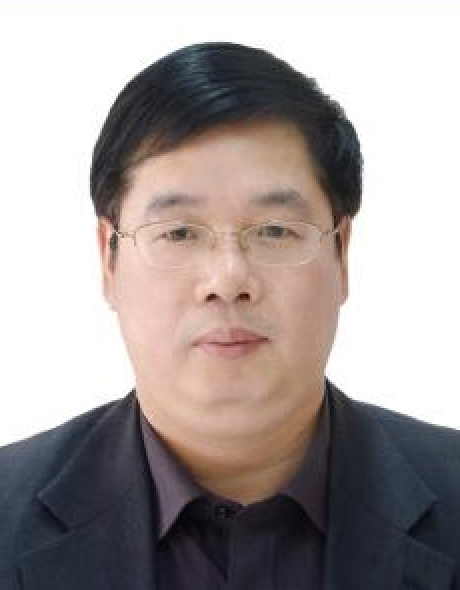 Huadong Ma (马华东)合作论文数School of Computer Science, Beijing University of Posts and Telecommunications3
 Dong Zhao (赵东)合作论文数Beijing Key Laboratory of Intelligent Telecommunications Software and Multimedia, School of Computer Science, Beijing University of Posts and Telecommunications3
 Ni Li (李妮)合作论文数School of Automation Science and Electrical Engineering, Beihang University3
 Yushun Fan (范玉顺)合作论文数Department of Automation, Tsinghua University3
 Qing Liu合作论文数Department of Electrical and Computer Engineering, New Jersey Institute of Technology3Mitsuyoshi Matsuo合作论文数3Takao Kaneko合作论文数3Shuyuan Shi合作论文数2Rui Lai合作论文数2Boyuan Zhang合作论文数2Jianjun Tong合作论文数2Zexian Chen合作论文数2




