Over the past two decades, the lattice Boltzmann method (LBM) has become an attractive and versatile mesoscale approach for modelling complex microflows and showed rapid expansion of multiphase/multicomponent lattice Boltzmann (LB) models to the applications in droplet-based microfluidics. This review provides a systematic overview of the LBM framework of simulations on droplet behaviors in microchannels. Significant developments including these LB models with basic and advanced collision schemes, as well as representative applications to study droplet formation, breakup, mixing and reactions are reviewed. The discussed systems cover from conventional single-phase droplet to complex multiphase droplets, high-viscosity and non-Newtonian microflows. These developments demonstrate the capability of multiphase LBM to resolve complex interfacial dynamics and internal flow structures that are central to the mechanistic analysis and rational design in droplet-based microfluidics. Then, we conclude by discussing current limitations and future opportunities of LB models in gas-liquid microdispersion, heat transfer issues and the integration with artificial intelligence.
Controlling active-layer morphology without processing additives remains a core challenge for high-efficiency organic solar cells (OSCs), particularly for molecular-weight-sensitive polymer donors. Here, we report an additive-free morphology control strategy based on molecular-weight-mediated aggregation kinetics using the benchmark donor polymer D18. We show that both low- and high-molecular-weight D18 exhibit aggregation behavior mismatched to the nonfullerene acceptor L8-BO, causing to suboptimal film formation. By blending D18 with different molecular weights, the donor aggregation time window is broadened and moderated, enabling kinetically synchronized film formation without additive assistance. As a result, additive-free D18-mix:L8-BO devices deliver a high power conversion efficiency of 20.0% with balanced charge transport and suppressed recombination, while maintaining efficiencies above 19% over a wide blending range. Moreover, this intrinsic kinetic regulation strategy is compatible with advanced device architectures and scalable fabrication: ternary D18-mix:L8-BO:AITC devices achieve an enhanced efficiency of 20.5%, and large-area modules (17.14 cm2) retain an efficiency of 17.2%. This work establishes molecular weight as an intrinsic kinetic handle for additive-free morphology control, offering a robust and scalable materials strategy for high-performance OSCs.
Abstract High fidelity of nuclear power plant simulation models is the foundation for safety analysis and accident prediction. Aiming at the problems of insufficient dynamic characteristic evaluation and lack of parameter sensitivity quantification in existing validation methods for thermal-hydraulic simulation software, this paper proposes a novel validation framework combining a hierarchical validation system and multi-dimensional sensitivity analysis based on the SAFRI simulation platform. The framework consists of three levels: steady-state validation, dynamic debugging tests, and accident reproduction validation, and introduces a sensitivity analysis method based on the Wilks statistical method and variance decomposition. Through case studies on two typical scenarios, the Large Break Loss of Coolant Accident and Station Blackout, the results show that the prediction error of the SAFRI model under design basis accidents is less than 8%, and the constructed Parameter Sensitivity Index can effectively identify key sensitive parameters such as coolant flow rate and zirconium-water reaction rate. This study provides engineering-applicable quantitative support for the accuracy evaluation of nuclear power plant simulation models.
Biomedical implants have revolutionized medicine, but they increase the risk of infection. The treatment of implant infection is tricky because bacterial biofilms performed on the implants are difficult to remove, and bacteria in the biofilm have high resistance and tolerance to antibiotics. Herein, we report a sustained release depot of a thermosensitive glycoside hydrolase of ELP-DspB, in which dispersin B (DspB) is genetically fused to a thermosensitive elastin-like polypeptide (ELP), to efficiently degrade bacterial biofilms and thus overcome antibiotic resistance. ELP-DspB possesses the antibiofilm bioactivity of DspB to synergize with antibiotics as well as the thermosensitivity of ELP. Moreover, it not only improves the stability of DspB but also diminishes the immunogenicity of DspB. In a mouse model of implant infection by methicillin resistant Staphylococcus epidermidis (MRSE), the thermosensitivity of ELP-DspB enabled the formation of a one-month sustained-release drug reservoir upon topical administration near the MRSE biofilm-infected implant. In combination with antibiotics, a single subcutaneous injection of ELP-DspB efficiently eradicated implant infections without detectable side effects, which was not achieved by DspB. Generally, the ELP fusion is a promising strategy to improve the efficacy of glycoside hydrolases in synergy with antibiotics in eradicating biofilm-related implant infections.
The catalytic hydrogenation of captured CO2 to methanol is a critical pathway for renewable energy storage and sustainable chemical production. Existing integrated systems, however, typically depend on external fossil-based steam for solvent regeneration and lack sufficient system-level energy modification. This study develops a fully electrified, steam-free process coupling second-generation PZ/AMP-based CO2 capture with methanol synthesis. A high-temperature heat pump and mechanical vapor recompression (MVR) upgrade waste heat from the synthesis loop and distillation column to drive CO2 desorption, eliminating all external thermal utilities. The system is evaluated through comprehensive energy, exergy, and techno-economic analyses. The heat recovery process reduces the specific utility energy demand from 3.66 to 1.11 GJ/ton methanol (69.7% reduction) and total utility cooling duty by 35.5%. Exergy analysis shows a 15.3% decrease in total exergy destruction and an improvement in exergy efficiency from 80.2% to 82.0%. Under optimized conditions (210 degrees C, 75 bar, purge ratio 0.01), the process achieves a hydrogen-to-methanol energy efficiency of 77.0% and a total energy efficiency of 43.9%, approximately 7.7 %age points higher than previously reported MEA-based systems. Sensitivity analysis confirms thermal self-sufficiency across purge ratios of 0-0.04. Despite a 23.5% increase in capital investment, the hydrogen-excluded levelized cost of methanol decreases from 90.62 to 84.91 USD/t (6.3% reduction) owing to eliminated steam expenditure. Break-even analysis identifies an economically favorable window under moderately priced electricity and relatively expensive steam. These results provide a scalable, electrified framework for power-to-methanol technologies.
This study presents a sustainable route for preparing O'-Sialon ceramics from silicon cutting waste (SCW) and high-alumina fly ash (HAFA). SCW was used as the main reactive Si-bearing waste, whereas HAFA provided Al-containing and Si-containing mineral phases. The effects of sintering temperature (1250-1450 °C) and holding time (1-9 h) on phase evolution, microstructure, and macroscopic properties were systematically investigated. XRD results indicate that an O'-Sialon-dominant product was obtained at 1350 °C, while higher temperatures promoted the formation of β-Sialon. The sample sintered at 1350 °C for 5 h showed a bulk density of 1.95 g cm-3, a linear shrinkage of 11.75%, a compressive strength of 88.55 MPa, and a porosity of 30.32%. Thermodynamic analysis together with phase and microstructural characterization further suggests that Ca was mainly incorporated into Ca-containing SiAlON-related phases, whereas Fe was mainly stabilized as Fe3Si under the present processing conditions. These results demonstrate the feasibility of up-cycling SCW and HAFA into value-added SiAlON-based ceramics, while also highlighting the need for future work on raw-material variability and scale-up.
Amine-based CO2 capture is the leading technology to decarbonize industrial and energy-related sectors. The blend solvent of piperazine/2-amino-2-methyl-1-propanol (PZ/AMP) is recognized as a second-generation amine system due to its enhanced absorption kinetics, reduced regeneration energy, and superior stability compared to the benchmark monoethanolamine (MEA) system. While the PZ/AMP regeneration accounts for the majority of energy consumption, minimizing reboiler duty remains a critical challenge to enhance its economic feasibility. This study employs a rigorous PZ/AMP model validated with experimental and pilot plant data in Aspen Plus and use exergy analysis to guide process improvements. Our findings revealed that the multi-rich-split configuration can redistribute and smooth the mass transfer within the stripper, thereby reducing the exergy destruction and energy efficiency of the CO2 capture system. Based on this analysis, this study presents a sophisticated PZ/AMP system that integrates absorber intercooling, multiple-rich-split configurations, and waste heat recovery into a single process in Aspen Plus to advance the carbon capture energy performance. This advanced PZ/AMP system decreased the exergy destruction of the CO2 desorption process from 0.60 GJ/t CO2 to 0.35 GJ/t CO2 (40 % reduction). Consequently, the energy required for solvent regeneration dropped to 2.1 GJ/t CO2, representing a 30 % reduction compared to the conventional PZ/AMP process. These remarkable results underscore the effectiveness of exergy optimization in advancing the PZ/AMP capture system and highlight its potential to guide the improvement of other solvent system towards better capture performance.
Optimization of complex chemical processes under data-scarce conditions remains highly challenging due to strong nonlinearity, multivariable coupling, and hierarchical parameter interactions. Conventional surrogate-assisted optimization frameworks typically rely on static models and one-shot global search strategies, which often result in limited robustness, inefficient exploration, and sensitivity to initial sampling. To address these limitations, this study proposes a feature-guided closed-loop optimization framework, termed the Stepwise PSO-based Package for Optimization of Targeted process simulation (SPOT). The framework systematically integrates machine learning-based surrogate modeling, feature importance diagnostics, uncertainty-aware objective formulation, and staged optimization within an adaptive closed-loop structure. In particular, a stepwise PSO algorithm is developed to sequentially optimize dominant and secondary decision variables based on the identified feature hierarchy, thereby improving search efficiency and mitigating premature convergence. The framework iteratively updates surrogate models and optimization trajectories through data feedback, enabling data-efficient exploration of complex design spaces. Its effectiveness is demonstrated through a case study on membrane-assisted methanol synthesis via CO2 hydrogenation. Compared with conventional PSO, the proposed framework exhibits enhanced convergence stability, reduced sensitivity to initial conditions, and improved optimization performance, achieving simultaneous improvements in CO2 conversion and exergy efficiency. Owing to its process-agnostic and adaptive design, the SPOT framework provides a generalizable and data-efficient methodology for optimization of complex chemical and energy systems.
Mixing of miscible fluids with distinct interfacial tensions within microdroplets is a ubiquitous yet fundamentally important phenomenon in natural systems and microfluidic applications; however, the processes with mixing-induced dynamic interfacial tension have remained largely unexplored. Here, we used a ternary color-gradient lattice Boltzmann model to investigate the mixing of binary miscible phases with equal molecular mass inside microdroplet under the effect of concentration-dependent dynamic interfacial tension, demonstrating the coupled evolution of mixing, dynamic interfacial tension, interfacial energy, and flows. Simulations show that, in a static droplet, interfacial tension asymmetry generates tangential flows, driving the higher-interfacial-tension component rapidly toward the droplet interior, to reduce the total interfacial energy to its minimum, and enhancing mixing efficiency with a cashew-like concentration pattern. Extending the analysis to the formation and subsequent flow of binary-miscible-component droplet in microchannels, the influence of interfacial tension contrasts of two miscible dispersed phases against the continuous phase on internal mixing and droplet sizes was systematically examined over various diffusion coefficients. The interfacial-tension-driven flows are found to break the symmetric internal circulation inside droplet and that markedly enhance mixing, while increasing the interfacial tension contrast leads to a slight reduction in the droplet size. For rapid binary diffusion, the interfacial tension asymmetry is quickly relaxed, rendering its impact on flow and mixing insignificant.
Methanol synthesis, limited by thermodynamic equilibrium, can benefit from membrane reactors (MRs) that integrate selective membranes to remove reaction products, thereby enhancing efficiency. However, most studies focus on device-level characteristics, overlooking the impact of feed conditions-especially pressure-and product distillation on overall performance. This study develops a comprehensive system for renewable methanol production, starting from electrolytic hydrogen and captured CO2, and incorporates a detailed MR model. With advanced membrane, the process CO2 conversion reaches 96.04 % with an exergy efficiency of 90.28 %. The in-situ water separation within the reactor enables MRs to significantly reduce thermal consumption for product distillation by up to over 13 %. Hence, thermal self-sufficiency can be achieved through effective heat integration strategies with MRs, even at lower pressures of 40 bar. CO2 is proposed as the sweep gas instead of hydrogen, preventing pressure exergy losses from hydrogen depressurization and reducing power consumption by up to 47.46 % at moderate sweep gas flow rates. Process evaluations indicate that, with current membrane technology, MR-based approaches are competitive for both large-scale and decentralized methanol synthesis. Increasing membrane selectivity further boosts MR performance. When selectivity reaches 1000, system power consumption can decrease by 24.50 % in large-scale synthesis system, while thermal consumption drops by 35.75 % in pressure-constrained decentralized systems. This work offers valuable insights for the development and industrial application of membrane reactors.
Gelatin-based biomaterials have emerged as promising candidates for bioadhesives due to their biodegradability and biocompatibility. However, they often face limitations due to the uncontrollable phase transition of gelatin, which is dominated by hydrogen bonds between peptide chains. Here, we developed controllable phase transition gelatin-based (CPTG) bioadhesives by regulating the dynamic balance of hydrogen bonds between the peptide chains using 2-hydroxyethylurea (HU) and punicalagin (PA). These CPTG bioadhesives exhibited significant enhancements in adhesion energy and injectability even at 4 °C compared to traditional gelatin bioadhesives. The developed bioadhesives could achieve self-reinforcing interfacial adhesion upon contact with moist wound tissues. This effect was attributed to HU diffusion, which disrupted the dynamic balance of hydrogen bonds and therefore induced a localized structural densification. This process was further facilitated by the presence of pyrogallol from PA. Furthermore, the CPTG bioadhesive could modulate the immune microenvironment, offering antibacterial, antioxidant, and immune-adjustable properties, thereby accelerating diabetic wound healing, as confirmed in a diabetic wound rat model. This proposed design strategy is not only crucial for developing controllable phase-transition bioadhesives for diverse applications, but also paves the way for broadening the potential applications of gelatin-based biomaterials.
The development of low-carbon cementitious materials is one of the important ways to alleviate the problem of large accumulation of industrial by-products and reduce high energy consumption and high carbon emissions in the cement industry. This study investigated the possibility of using steel slag (SS) as an alkaline activator to prepare super sulfate cement (SSC). The hydration reaction test (hydration heat and pH value) and microscopic characterization (XRD, FTIR, TG and SEM) were used to systematically study the influence mechanism of SS dosage and its carbonation treatment on the macroscopic mechanical properties of the samples. The results show that SS has excellent carbonation reaction activity, and the degree of carbonation increase within 24 h reaches 10.71 %. Under the action of 6 wt% SS or 15 wt% carbonated steel slag (CS), the hydration degree of ground granulated blast-furnace slag (GGBS) was improved, the content of hydration products such as ettringite (AFt) was significantly increased, the crystal structure was improved (grain size, polymerization degree and Ca/Si ratio), and the pore structure of the matrix was more compact. Compared with ordinary Portland cement (OPC) and SSC, the CO2 emissions and production costs of NUS and NCS samples are significantly reduced. These insights provide a potential possibility for the scale utilization of SS, which is conducive to promoting the green transformation and development of the construction industry.
The thermal-hydraulic processes in the secondary circuit system of a nuclear power plant (NPP) are characterized by strong coupling and are affected by multi-source uncertainties such as equipment aging and measurement drift. To address the low computational efficiency of traditional uncertainty quantification (UQ) methods under dynamic conditions and their high dependence on high-fidelity data, this study proposes a Bayesian Uncertainty Quantification framework based on Physics-Informed Neural Networks (PINN). This model integrates physical mechanisms with data-driven techniques by embedding non-dimensionalized governing equations for the condensate-feedwater, turbine, and main steam subsystems into the loss function. Furthermore, it characterizes the uncertainty of key parameters via Mean-Field Variational Inference. Validation using measured data from a megawatt-class Pressurized Water Reactor (PWR) and benchmark simulations from the SAFRI code demonstrates that the proposed model maintains a prediction error below 3.5% even in data-sparse scenarios (using only 60% of training data). Crucially, it accurately captures dynamic responses, such as turbine back pressure fluctuations during load rejection transients, with the 95% confidence interval effectively covering the ground truth. Ablation studies further confirm that the adaptive weighting strategy and physical constraints effectively eliminate non-physical oscillations observed in pure data-driven models. Compared to traditional Monte Carlo methods, the proposed model improves the computational efficiency of uncertainty propagation by an order of magnitude during the inference phase. Sensitivity analysis identifies condenser fouling as the dominant factor affecting cycle efficiency (Total Effect Index ST=0.62), providing a quantitative basis for optimized maintenance strategies.
Microneedles (MNs) are widely utilized in percutaneous drug delivery systems and represent a crucial approach for drug or vaccine administration. The conductive MNs further enhance the controllability and functionality of these devices, thereby expanding their potential biomedical applications. Given its high biocompatibility and degradability, gelatin emerges as an ideal material for fabricating MNs. However, owing to its inherent hydrogen bonding, gelatin solutions exhibit high viscosity and tend to solidify at room temperature, thus limiting their processability in the preparation of gelatin MNs. In this study, a novel approach was proposed to enhance the fluidity of the gelatin solution and reduce its solidification temperature by adding citric acid as a hydrogen bonding dissociator, thereby facilitating its use in MN fabrication. Furthermore, citric acid functioned not only as a hydrogen bonding dissociator but also as a dopant in the 3,4-ethylenedioxythiophene (EDOT) polymerization process, demonstrating dual functionality and effectively yielding gelatin/poly 3,4-ethylenedioxythiophene (PEDOT) MNs. This research presents an innovative strategy for developing gelatin-based MNs and advances their potential applications in intelligent medical fields.
Integrated carbon capture and utilization coupled with reverse water-gas shift reaction is a promising technology for converting captured CO2 into value-added CO or syngas using a Ca-based dual functional material (DFM). However, existing Ca-based DMFs are primarily powder-based formulations, which poses challenges for their direct application in a real fluidized-bed reactor, and the attrition characteristics of DFM particles remain largely unexplored. Herein, a micro-fluidized-bed thermogravimetric analyzer coupled with a mass spectrometer (MFB-TGA-MS) was employed to investigate the attrition properties of three types of well-prepared Ca-based DFM particles under fluidizing conditions. It was found that Al-modified Ca-based DFM retained ∼6 mmol g-1 CO2 after 100 cycles, but high forming pressure reduced this to ∼4 mmol g-1 while low pressure caused 2.24 % h-1 physical loss in the first 10 cycles. Physical loss peaked within 20 cycles, while chemical loss occurred mainly before cycle 40 for the DFM without Al and shifted to cycles 40–80 with Al. SEM and TEM confirmed that the Al skeleton is beneficial for reducing the chemical loss via suppressing the sintering of Ni and CaO. However, high pellet-forming pressure would lessen the pore structure, hindering the volume change during the capture and hydrogenation processes. Finally, the integrated carbon capture and utilization - reverse water gas shift (ICCU-RWGS) performance was analyzed over a wide range of CO2 and H2 partial pressures. Decoupling of DFM particle attrition into chemical loss and physical loss provides insight to develop a highly efficient DFM particle.
Carbon emissions reduction within the maritime sector is pivotal for realizing zero-carbon goals and mitigating climate impacts. Adopting renewable carbon fuels presents a potent strategy. It is necessary to have a comprehensive understanding of its negative carbon attributes and enduring contributions to future development based on carbon footprint assessment. By using the CO 2 captured through direct air capture (DAC) technology and the H 2 obtained via water electrolysis as feedstock, electro-methanol (e-methanol) can be produced under renewable energy-driven conditions. Owing to the environmental benefits and economic feasibility of e-methanol, we highlight its potential as a practical alternative to traditional fossil fuel-based technical scenarios. A quantitative analysis of this integrated system from a carbon footprint perspective allows for an environmental sustainability assessment. According to predictions, scaled-up usage of the system can reduce the maritime sector's contribution to global carbon emissions by half by 2050. Graphical Abstract
Reducing energy consumption in the desorption process of chemical absorption-based carbon capture is crucial for achieving efficient industrial-scale post-combustion carbon capture. Despite advancements in solvent improvement, catalyst application, and process optimization, there remains a significant gap between the energy consumption level and its theoretical limit. This study proposed an innovative surface treatment-seedinghydrothermal synthesis method for loading ZSM-5 zeolite acidic catalysts onto the surface of industrial packing to enhance both the reaction kinetics and mass transfer during desorption, thereby reducing desorption energy consumption. The effectiveness of the loaded catalyst was verified in the temperature range of 86-106 degrees C, showing 7.84 %-37.25 % improvement in desorption amounts compared to commercial catalysts of equal volume. The optimal synthesis parameters for the loading process were investigated using various characterization techniques. It was observed that controlling the synthesis time and the number of layers to induce surface roughness, in conjunction with utilizing gels with a higher silica-to-alumina ratio, significantly enhanced the desorption performance of the supported catalytic packings based on the optimized parameters, supported catalytic packings prepared with industrial packings were tested in a simulated cyclic desorption tower. The results showed that, compared to the blank packing, desorption amounts increased by 24.30 %, 78.57 %, and 53.50 %, while relative energy consumption decreased by 19.66 %, 44.03 %, and 35.57 %, respectively.
Recent discoveries of superconductivity in Ruddlesden-Popper nickelates realize a rare category of superconductors. However, the use of high-pressure diamond anvil cells limits spectroscopic characterization of the density waves and superconducting gaps. Here, we systematically studied the pressure evolution of La_4Ni_3O_10 using ultrafast optical pump-probe spectroscopy. We found that the transition temperature and energy gap of density waves are suppressed with increasing pressure and disappear suddenly near 17 GPa where structural transition appears. In addition, the observation of a single density wave gap indicates that the spin density wave and charge density wave remain coupled as pressure increases, rather than decoupling. After the density wave collapse, a distinct low-temperature regime emerges, characterized by a small gap consistent with potential superconducting pairing. The separated phase region of superconductivity and density waves suggests that superconductivity in pressurized-La_4Ni_3O_10 competes strongly with density waves, offering new insights into the interplay between these two phenomena.
This study establishes a two-phase multiple-relaxation-time lattice Boltzmann method to simulate droplet formation involving non-Newtonian power-law fluids in microchannels. The method incorporates the strain rate tensor derived from non-equilibrium distribution functions alongside the rheological equation, enabling accurate characterization of the power-law fluid behavior. Validations across a broad range of power-law indices, including shear-thinning and shear-thickening behaviors, demonstrate the method robustness and accuracy in simulating both single-phase and two-phase flows. The method also shows high precision in calculating shear stress within two-phase systems. A comprehensive parametric study is conducted to investigate the influence of key rheological parameters, particularly the power-law index and consistency index, on droplet formation in flow-focusing microchannels. Droplet breakup dynamics are systematically analyzed with power-law fluids serving as either the continuous or dispersed phase, revealing the influence of the power-law index on droplet size, pressure, and shear stress distributions. The analysis further shows that increasing the consistency index leads to a reduction in droplet size, while the overall viscosity profile remains similar for a given power-law index. Moreover, the results indicate that the rheological characteristics of power-law fluids induce shear stress distributions that differ from those in Newtonian systems, thereby influencing the underlying mechanisms of droplet formation. The impact of varying flow rates on droplet formation and flow regimes is examined, showing significant alterations in droplet size and flow behavior due to the rheological properties. This research establishes a robust numerical platform for future investigations of complex rheological fluid behaviors in microfluidic systems.
Adipose tissue adhesion remains challenging due to the difficulty in breaking through hydrophobic energy barriers created by fatty acids and other hydrophobic compounds to form effective adipose tissue closure. Here, we developed a cascaded diffusion-driven adhesive hydrogel capable of achieving the closure of subcutaneous adipose tissues through a competitive multi-hydrogen-bonded network, which was modulated by the controllable spatiotemporal diffusion of gelatin, tea polyphenols, and nicotinamide at the adhesion interfaces. We showed that nicotinamide-triggered cascade diffusion could promote the penetration of tea polyphenols and gelatin networks into adjacent adipose tissues in a topologically entangled manner, achieving self-reinforced interfacial adhesion with a peak adhesion strength greater than 100 kPa. Further, we demonstrated that the hydrogel could effectively close subcutaneous adipose tissues in pig models and activate immune and lipid metabolism-related pathways to prevent fat liquefaction, thereby promoting wound healing and inhibiting excessive adipose tissue fibrosis. This work not only presents a new solution for clinical closure of adipose tissues, but also provides innovative ideas for developing bioactive materials with hydrophobic interface adhesion functions.
 Xidong Wang (王习东)合作论文数Department of Energy and Resources Engineering, College of Engineering, Peking University;School of Materials Science and Engineering, Peking University29
 Lili Liu合作论文数School of Public Health Sciences, University of Waterloo21
 Ziwei Chen (陈子威)合作论文数School of Metallurgy and Environment, Central South University17
 Xiaofeng Peng (彭晓峰)合作论文数Tsinghua University15
 Yi Cheng (程易)合作论文数Department of Chemical Engineering, Tsinghua University13
 Qiao Liu合作论文数11Jiapeng Yu合作论文数11
 Zhenhai Pan (潘振海)合作论文数School of Mechanical Engineering, Shanghai Institute of Technology11
 David M. Christopher (柯道友)合作论文数Department of Energy and Power Engineering, Tsinghua University10
 Ru Ji (冀如)合作论文数School of Civil and Resources Engineering, University of Science and Technology Beijing9Xing Su (苏醒)合作论文数9
 Jin He (何进)合作论文数School of Electronics Engineering and Computer Science, Peking University9
 Yongqi Sun (孙永奇)合作论文数School of Metallurgy and Environment, Central South University8
 Yajun Deng (邓亚骏)合作论文数College of Engineering, Peking University8
 Jianyong Huang (黄建永)合作论文数School of Mechanics and Engineering Science, Peking University8
 Suresh Garimella合作论文数Department of Mechanical Engineering, Purdue University;Department of Mechanical Engineering, University of Vermont8Zhuoling Tian合作论文数7Yu-Hui LI (李玉慧)合作论文数7
 Liang Zhao (赵亮)合作论文数Institute of Organic Chemistry, Department of Chemistry, Tsinghua University7
 Lei Chen合作论文数7
 Lijiang Zeng (曾理江)合作论文数Department of Precision Instrument, Tsinghua University7
 Buxuan Wang (王补宣)合作论文数Department of Energy and Power Engineering, Tsinghua University7Shiteng Wang合作论文数6Zhao Meng合作论文数6Wang Fen合作论文数6Minghao Wang合作论文数6
 Abbasali Abouei Mehrizi (阿巴斯)合作论文数School of Mechanical Engineering, Tianjin University6
 Kaixin Meng合作论文数5Jiandong Wu合作论文数5Zuoying Yuan合作论文数5WenYue Xie (谢闻悦)合作论文数5XiaoZhi Liu (刘晓智)合作论文数5
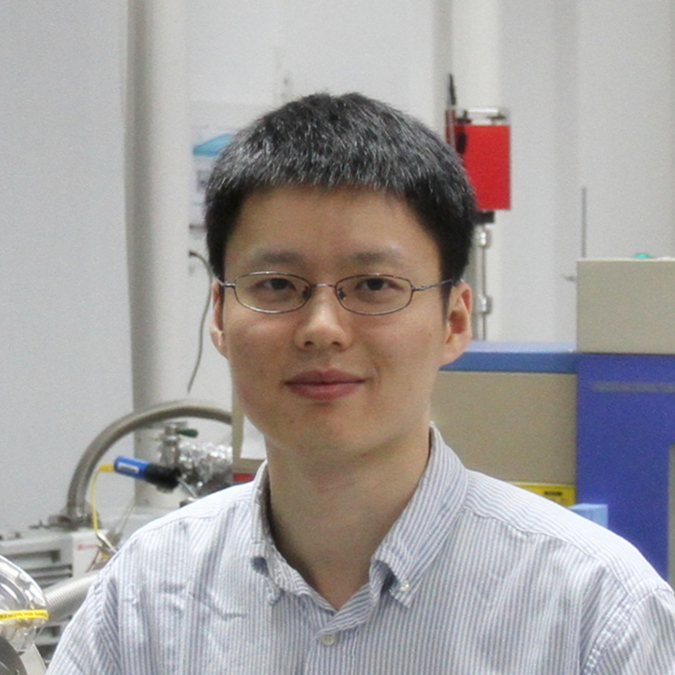 Xinwei Wang (王新炜)合作论文数Peking University Shenzhen Graduate School5Jiyun Xu合作论文数5
 Guoyi Tang (唐国翌)合作论文数清华大学深圳研究生院5
 Chenyue Ma合作论文数5
 Yi Xing (邢奕)合作论文数School of Energy and Environmental Engineering, University of Science and Technology Beijing5Guolin Song (宋国林)合作论文数5Yanyan Lu合作论文数4
 Jun Wang合作论文数Multiplex Biotechnol Lab, SUNY Stony Brook4
 Yuhang Fu合作论文数4
 Yun Ye (叶芸)合作论文数College of Physics and Information Engineering, Fuzhou University4
 Bing-Lin Gu (顾秉林)合作论文数Institute for Advanced Study, Tsinghua University4
 Xing Zhang (张兴)合作论文数School of Integrated Circuits, Peking University4Chunyong Yin (殷纯永)合作论文数Tsinghua University4
 Yong Guo (郭永)合作论文数Department of Physics, Tsinghua University4
 Yan Li (李彦)合作论文数College of Chemistry and Molecular Engineering, Peking University4
 Yintao Wei (危银涛)合作论文数School of Vehicle and Mobility, Tsinghua University4
 Zuotai Zhang (张作泰)合作论文数School of Environment, Southern University of Science and Technology4




