OBJECTIVE:The study assessed perceptions of workload and evaluation policies among pharmacy skills laboratory faculty. METHODS:A survey was developed and disseminated to American Association of Colleges of Pharmacy (AACP) Skills Laboratory Special Interest Group faculty members. The survey contained questions on faculty and institution demographics, satisfaction with current workload, and perceptions of fairness, transparency, workload policy and calculator parity, and promotion climate. Quantitative data were reported using descriptive statistics; exploratory factor analysis assessed item structure, and regression models were used to examine predictors of workload satisfaction. Qualitative data were analyzed using an inductive thematic approach. RESULTS:A total of 75 faculty members from 66 of 130 institutions (response rate [RR], 50.7%) responded. The majority were White (90.7%), female (76.0%), and held the rank of associate professor (48.0%), with an average teaching effort of 62.4%. Most reported having a template for faculty evaluation (77.3%); however, transparency in calculating teaching workload remained a challenge (44.0%). While most indicated that workload and evaluation policies did not differ from those for nonlaboratory faculty, a significant number indicated that expectations were not fair (41.3%), and that promotion took longer for skills laboratory faculty (22.7%). Perceptions of fairness were the strongest predictor of overall satisfaction. Free responses highlighted invisible workload requirements, including concerns related to time, equity, and understanding. CONCLUSION:This study is among the first to examine skills laboratory faculty perceptions of workload policies, evaluation processes, and promotion climate across a national sample. These findings underscore the importance of developing workload policies and evaluation processes that reflect the unique contributions of skills laboratory faculty to pharmacy education.
PURPOSE:To evaluate disparities in opioid misuse risk and pharmacist-led harm reduction interventions by comparing rural and urban community pharmacies participating in an opioid misuse and accidental overdose prevention program in North Dakota. METHODS:The ONE Program is a statewide opioid harm reduction initiative that screens patients receiving opioid prescriptions for risk of opioid use disorder and opioid overdose. Pharmacists delivered interventions based on risk stratification, including naloxone education/dispensing, prescriber contact, and community support referrals. Risk and outcomes were analyzed comparing rural and urban pharmacy settings using odds ratios (ORs) with 95% confidence intervals. FINDINGS:Between April 2022 and July 2024, a total of 21,295 patient opioid risk screenings were conducted across 63 pharmacies (32 rural, 31 urban). Urban pharmacies screened a higher proportion of at-risk patients (26.2%) compared to rural pharmacies (17.1%). While naloxone was recommended at similar rates, rural patients were significantly less likely to accept naloxone (11.2% vs. 20.7%, OR = 0.49). Urban pharmacies were more likely to contact prescribers (9.9% vs. 1.9%, OR = 0.18) and introduce medication take-back programs (OR = 6.65). Conversely, rural pharmacies were more likely to provide partial opioid fills (OR = 1.67) and education on community support services (OR = 3.95). Overall, rural patients were 24% less likely to receive at least one of six critical interventions defined by the ONE Program. (OR = 0.76). CONCLUSION:The ONE Program effectively identifies at-risk patients and delivers harm reduction interventions in both rural and urban pharmacy settings. However, significant differences in intervention delivery highlight the need for tailored strategies to address geographic disparities in opioid harm reduction.
BACKGROUND:Community pharmacies are increasingly recognized for their potential to deliver innovative patient care services. However, implementation of these services is often hindered by barriers. Implementation science (IS) offers a framework to address these challenges, yet its application in pharmacy practice remains limited. North Dakota is a rural state with one school of pharmacy and a unique pharmacy landscape. OBJECTIVES:To describe the creation and impact of the Center for Collaboration and Advancement in Pharmacy (CAP Center), designed to support pharmacies in implementing and sustaining innovative patient care services using IS frameworks such as Practical, Robust Implementation and Sustainability Model and the Reach, Effectiveness, Adoption, Implementation, and Maintenance Model. PRACTICE DESCRIPTION:Launched in 2021, the CAP Center was created by faculty and is focused on the principles of IS to increase uptake and sustainability of pharmacy services to meet patient demand and improve population health. PRACTICE INNOVATION:The CAP Center operates on 4 core principles: Program and Implementation, Education and Training, Coaching and Support, and Data and Outcomes. It uses the principles of IS to provide guidance, resources, and evaluation strategies to pharmacy teams, by supporting projects from conception through sustainability. The Center's application of IS and the core principles allow for successful implementation of pharmacy services. EVALUATION METHODS:CAP Center engagement is assessed through metrics such as continuing education credits offered, pharmacy participation, symposium attendance, and project volume. Individual projects are evaluated on adherence to IS principles and implementation outcomes. RESULTS:Since inception, 93% of North Dakota's community pharmacies have engaged with the CAP Center. Notable projects have demonstrated successful application of IS frameworks, leading to sustainable service delivery and improved patient care. CONCLUSION:The CAP Center exemplifies how IS can be operationalized in pharmacy practice to aid in pharmacy program implementation and improve health outcomes. Its model may serve as a blueprint for similar efforts to expand pharmacy services nationwide.
Objective: To describe the program and associated outcomes of an innovative medication safety and opioid risk screening program delivered by community paramedics Methods: The study was conducted within a health system community paramedic program in North America. Community paramedics employed a medication safety questionnaire and opioid risk assessment tool during home visits, offering tailored interventions based on individual patient risks. Data collection and analysis were facilitated through REDCap and the health system’s electronic health record. Results: Analysis of 435 patient screenings revealed notable findings. A meaningful portion of patients used opioids for pain management, with a subset identified at high risk for opioid misuse or overdose. While most patients stored medications safely, disposal practices varied, highlighting a need for education and intervention. Discrepancies in service provision between service areas identified multiple possible barriers and solutions. Conclusion: This research underscores the importance of proactive medication safety measures within community paramedicine and provides an example of a community paramedic program designed around community-based need, stakeholder collaboration, and program evaluation. Future efforts should focus on improving data collection methods, and advocating for sustainable funding to support comprehensive intervention strategies aimed at enhancing patient safety and well-being.
Background Older adults are at increased risk for opioid-related harm due to decreased drug metabolism and elimination, polypharmacy, and comorbid conditions. The ONE (Opioid and Naloxone Education) Program is a pharmacy-based opioid risk mitigation initiative that employs evidence-based patient screening to identify risk of opioid-use-disorder (OUD) and opioid overdose (OD). Based on screening results, pharmacists provide patient-specific education and interventions. Objective To compare the risk of OUD, OD, and the opioid harm reduction interventions provided to adults aged 65 and older to those under 65 recieving opioid medications. Design The screening tool used in this study is a paper-based, patient-facing instrument intended to be completed by the patient. Pharmacists recommend patients to complete the screening tool and participate when presenting an opioid prescription to be filled. However, completing the screening tool is voluntary for the patient. Setting The ONE Program invited all registered pharmacists in the state to participate in a free three-hour continuing education (CE) program, offered live or online. The training consisted of education including but not limited to risks associated with opioids and accidental overdose, the role of naloxone, and the use and interpretation of the opioid risk screening tool. The program began in 2018 in North Dakota and now spans over 75 community pharmacies across the state. Methods Patient demographics, opioid risk screening results, and pharmacist-delivered interventions were analyzed from 2022 to 2023. Statistical analysis and age stratification were conducted on 15,025 screenings to evaluate OUD risk, OD risk, and delivered interventions. The North Dakota State University Institutional Review Board approved the methods and research design of this study (IRB0003838). Results Patients aged 65 and older had a 36% higher risk of OD, while those under 65 had a 51% higher risk of developing OUD. The older age group received a statistically significant higher proportion of naloxone education and dispensed naloxone from the pharmacy. Concurrent use of benzodiazepines and muscle-relaxants was significantly higher in the younger age group; however, the 65 and older age group reported taking multiple opioids nearly twice as frequently as those under 65. Conclusion A comparison of opioid use, opioid risk stratification, and interventions for patients under 65 and 65 and older showed statistically significant findings. Community pharmacy-based opioid risk screening offers an innovative approach to identifying high-risk patients and delivering tailored interventions directed to opioid-harm reduction.
BACKGROUND AND PURPOSE:This study was designed to determine whether a virtual, self-care activity improved knowledge and confidence in third-year student pharmacists. EDUCATIONAL ACTIVITY AND SETTING:Third-year student pharmacists (n = 386) from three institutions participated in the virtual self-care simulation during their respective practice laboratory course. A pre- and post-assessment collected 10 knowledge and five confidence questions, self-reported on 0-100 scale, mapped to learning outcomes and pharmacy standards. Responses for participants who provided consent and had linked assessments were analyzed. Additionally, students participated in a perception assessment following the simulation with the post-assessment. Each knowledge question was scored as binary (correct/incorrect), presented as percentage, and significance identified with a McNemar's test. Total knowledge score and confidence changes were presented as means with standard deviations and significance with a paired t-test. Student perceptions were presented as frequencies and percentages. FINDINGS:Total knowledge assessment demonstrated a significant improvement (p < 0.001) for the entire cohort of 198 study participants. Upon additional analysis, a single institution led the cohort to significant increase, with variable improvement and significance for each individual question. Confidence improved for the entire cohort of students and at each institution individually. The students perceived the virtual self-care activity favorably. SUMMARY:The third-year student virtual self-care activity improved knowledge and confidence with varying significance between institutions. Future studies will focus on the impact of continued reinforcement of self-care activities on student growth in knowledge and confidence.
Background: Pharmacy has an important role in combating the opioid epidemic. However, there is a need for more consistency of programs and evidence-based practices across the country. Objectives: To describe how an evidence-based opioid misuse and overdose prevention program that originated in North Dakota was implemented in West Virginia and to compare program results between the two states including pharmacist interventions and patient screening for opioid misuse and overdose. Practice description: This advancement in practice took place in participating North Dakota and West Virginia community pharmacies. Practice innovation: An evidence-based program that originated in North Dakota was implemented in West Virginia. The details of this collaboration are outlined in this manuscript. Evaluation methods: Program screening and pharmacist intervention data were collected using DocStation, an online pharmacy patient management platform. Results: Thirty-four pharmacies in West Virginia implemented the program. Between April 2022 and September 2023, a total of 34 West Virginia pharmacies conducted 449 documented screenings compared to 12,105 screenings by 81 pharmacies in North Dakota over the same time. There were differences between the states with regard to the proportion of individuals screened as high-risk for opioid use disorder and individuals at risk of accidental opioid overdose likely attributable to different demographics. Conclusion: An opioid misuse and prevention program was successfully implemented in two states, which can serve as a model to implement similar programs in other pharmacies across the United States. (c) 2024 American Pharmacists Association (R). Published by Elsevier Inc. All rights are reserved, including those for text and data mining, AI training, and similar technologies.
Background and purpose: To evaluate the effectiveness of a live laboratory setting compared to an asynchronous session in a crossover teaching design on knowledge and confidence in self-care review topics. Educational activity and setting: Pharmacy students (n = 88) participated in a crossover designed laboratory session where they either attended a live, active-learning laboratory session on selfcare review topics, followed by a virtual, asynchronous self-care simulation or vice versa. Sessions were held one week apart. Pre- and post-assessments were administered that contained knowledge and confidence questions as well as student perceptions on the teaching modalities. Findings: Of the 88 students who participated in the study, 67 (76.1%) were included in the study findings. Post-assessment knowledge and confidence significantly increased after both the live, active-learning session and the asynchronous simulation. The majority of students (85%) indicated that they preferred the in-person activity. Summary: Students preferred the live, active-learning laboratory for reviewing self-care concepts. However, knowledge and confidence improved using either teaching modality, therefore, in institutions where resources are limited, the virtual, asynchronous activity may be useful especially if facilitators and/or budget are limited.
Objective. First-year pharmacy students at two institutions were required to complete a virtual over-the-counter (OTC) simulation during their community pharmacy practice skills laboratory course. The simulation was designed to introduce first-year pharmacy students to OTC product selection and consultation prior to didactic coursework and community introductory pharmacy practice experiences. The objective of this study was to assess the impact of the OTC simulation on students' knowledge and confidence of OTC medications and overall perceptions of the activity.Methods. Patient simulation cases in the virtual community pharmacy setting were developed and delivered to students using the MyDispense platform. Students concurrently completed a Google Form that provided directions for the virtual activity, including a combination of didactic and active learning strategies within the online platform. Student surveys assessed knowledge and confidence before and after the activity, with perceptions added to the postsurvey.Results. Total knowledge scores for the 142 students from two institutions who completed both the pre- and postsurvey significantly improved and, when assessed individually, improved for seven out of 10 individual knowledge questions. All five confidence statements significantly increased after students completed the OTC simulation. Student perceptions were overall very positive.Conclusion. Introduction of OTC counseling processes to first-year pharmacy students through a virtual pharmacy simulation resulted in increased student knowledge and confidence in providing OTC recommendations. Students perceived the activity favorably.
Background: Pharmacy practice continues to expand in scope, and technology platforms to assist with meeting the standards for documentation of billable services are needed. The ONE Program (Opioid and Naloxone Education) is an initiative centered on the community pharmacy focused on opioid risk screening for patients receiving opioid prescriptions. Objective: Opioid risk screening results and pharmacist interventions were documented using first REDCap and later the DocStation platforms. This study compared pharmacy staff experience with these 2 platforms. Methods: A survey using the Technology Acceptance Model (TAM) was designed to compare usability, ease of use, social influence, and facilitating conditions. Results: Analyses using descriptive statistics and open-ended responses showed similar results for each platform; however, pharmacy staff indicated that REDCap required less time when entering information, whereas the DocStation platform offered elevated pharmacy practice service opportunities, management support, and available informational technology support services. Conclusion: Health care technology continues to advance in meeting the needs of expanded service provision through pharmacy. This longitudinal study shows the value of the TAM framework in identifying efficiencies and deficiencies of health care technology systems.
BACKGROUND:There have been multiple reported pharmacy initiatives to reduce opioid misuse and accidental overdose to address our nation's public health crisis. To date, there has not been a description in the literature of a community pharmacy follow-up initiative for dispensed opioids.METHODS:A follow-up program was designed and implemented in community pharmacies as part of a previously developed opioid overdose and misuse prevention program (ONE Program). Five to twelve days after the dispensing of an opioid, pharmacy technicians called the patient to follow up on opioid safety topics. Pharmacy technicians used a questionnaire to inquire about medication disposal plans, if the patient was taking the medication more than prescribed, medication side effects, and if the patient needed a pharmacist consultation. The results from that questionnaire were documented.RESULTS:During the first 18 months of the follow-up program, 1789 phone calls were completed. Of those contacted, 40% were still using their opioid medication, and over 10% were experiencing side effects which triggered a pharmacist consult. Patients were reminded of proper medication disposal methods, and most patients (78%) desired to dispose of unused medication at the pharmacy medication disposal box.CONCLUSIONS:Follow-up phone calls post-opioid medication dispensing were shown to add value to a previously established opioid misuse and accidental overdose prevention program and allowed for the fulfillment of the Pharmacist Patient Care Process.
Background: Tech-check-tech (TCT) programs in pharmacies are beneficial in facilitating a transition from fee for service dispensing tasks to advanced patient care, but they are underutilized. Objective: To describe the design, implementation, and evaluation of a transferable TCT program in several North Dakota pharmacies, with the goal of facilitating future efforts in other states. Methods: We developed a universal TCT implementation toolkit, recruited 6 pharmacies to implement it, developed an educational program for the pharmacies, and worked with the pharmacies over a year to assess success of the program. Pre- and post-implementation surveys assessed pharmacist and technician responses in regards to program effectiveness. Four outcomes were measured, and included pharmacist’s time savings, descriptive comments on changes in workflow, incidence of errors and near misses, and barriers to implementation. Results: The implementation of TCT was unanimously perceived as successful and increasing efficiency in the post-site surveys completed by pharmacists. All 13 technicians who participated in the post-survey indicated the methods and materials used for training were sufficient and appropriate. The most commonly cited barrier to implementation of TCT stated by technicians was incorporating TCT into their current workflow. No dispensing errors which resulted in patient impact occurred throughout the duration of this study. Conclusions: A TCT implementation template provided a successful framework for TCT in various pharmacy settings and can serve as a model for other pharmacy settings, states, or regions.
Background: Drug utilization review (DUR) skills are important for pharmacists across all settings. Computer-based DUR simulations to teach student pharmacists are currently scarce. This article describes a computer-based DUR simulation that required limited faculty and financial resources and was implemented in collaboration among 3 institutions. Objective: To describe the innovation of a computer-based DUR simulation and its impact on pharmacy students' knowledge and confidence of DUR skills. Methods: This pre-post educational study assessed a computer-based DUR simulation that replicated the DUR process in dispensing systems. First- and third-year pharmacy students at 3 institutions were guided through simulated patient cases with various medication-related problems. The self-paced activity provided students with immediate, formative feedback and rationale for each option after an attempt was made in lieu of faculty intervention. Students completed pre-and post-assessments to evaluate changes in knowledge and confidence. Knowledge was assessed by comparing results of multiple choice and matching questions on the pre- and post-assessments. Confidence was assessed by the change in self-reported confidence scale measurements. Results: Students at all institutions (N = 405) had nonsignificant changes in knowledge scores from the pre-assessment to the post-assessment, with the exception of 1 question. All confidence survey questions significantly improved from pre- to post-assessment. Conclusion: The DUR educational innovation had a nonsignificant overall impact on students' knowledge but significantly improved confidence in their abilities. Skills-based instruction provides additional practice to increase student confidence.
Home care clients have safety barriers related to medication storage, disposal, and safe use of opioids. Limited research is available regarding medication safety initiatives in the home care setting. This study evaluates a medication safety initiative, linked with opioid misuse and overdose prevention screening, for home care clients with different levels of service. Training and screening tools designed for community pharmacies by the Opioid & Naloxone Education (ONE) Program were modified for use by home health nurses. All new admits to the home health services were screened for medication storage, medication disposal, and use of pain medications. Patients taking opioids were screened for opioid-specific risks. Interventions based on screening results included education, provision of medication lock boxes, drug disposal packets, and/or naloxone. Most home care clients (85%) are properly storing their medication and 38% were not properly disposing unused medications. Higher levels of care had greater pain medication needs, including the provision of naloxone. This study demonstrates the opportunity to incorporate medication safety screening into nursing home health visits.
Background: Pharmacist stigma via examination of social distance preference and negative attitudes toward persons who misuse opioids is prevalent and may lower the quality of care provided to patients. Few studies have previously extended beyond the immediate post-intervention period to examine stigma change. Methods: This longitudinal cohort study utilized a pre-survey administered before the training program, a post-survey immediately upon completion of the training program, and a delayed post-survey, administered 12 months after the training program. Co-primary outcomes were changes in social distance scale (SDS) total score from baseline to post-survey and from baseline to 12 months. Secondary outcomes included change in SDS question scores and change in negative attitudes. One hundred eighty-seven of the 1211 eligible pharmacists in the state completed the training. Matched responses of forty-four pharmacists who completed all three surveys were examined. Results: The mean total SDS score was significantly lower in the immediate post-training survey than the pre-training mean (14.75 vs. 16.57, p = .000). The 12 months mean total SDS score was also significantly lower than the pre-training mean (15.32 vs. 16.57, p = .017). Significant changes in negative attitudes from baseline to post-survey and from baseline to 12 months were seen. Conclusion: Stigma reduction components integrated into opioid training decreased pharmacist social distance preference and negative attitudes toward patients who misuse opioids immediately after the training and, most notably, were sustained for 12 months.
Introduction Community pharmacies nationwide have adopted new strategies to combat the opioid epidemic. One strategy to prevent opioid mis -use and accidental overdose is patient screening to identify those at risk. The purpose of our study was to determine whether such screening in community pharmacies led pharmacy personnel to in-tervene with patients at risk and to describe the proportion of pa-tients they identified as at risk. Methods We implemented the Opioid and Naloxone Education (ONE) pro-gram in North Dakota to give community pharmacies and phar-macists training and tools to provide preventive screening for opioid misuse and accidental overdose before dispensing a pre-scribed opioid. Data were collected and analyzed from September 15, 2018, through May 15, 2021, to evaluate overall patient risk characteristics for opioid misuse and accidental overdose. Results Of 8,217 patients screened, 3.9% were identified as at high risk for opioid misuse, and 18.3% at risk for accidental overdose. Nearly 1 of 3 screenings (31.7%) indicated opioid medication use in the past 60 days. Pharmacists deli vered 1 or more risk-factor-dependent interventions to 41.1% of patients in the study. Following screening, naloxone dispensing in pharmacies in-creased to 6 times the national average. Conclusion Pharmacy-based patient screening for risk of opioid misuse and accidental overdose led to risk-dependent interventions targeted to individual patients. The tools and risk-dependent interventions ap-plied in the ONE program increased patient awareness of opioid risks and ways to reduce risk. Future studies should examine long-term outcomes, including reduction in overdose, treatment of opioid use disorder, and reduced opioid-related acute care.
Objective: The objective for this paper is to report on the utility of the Opioid Risk Tool (ORT) to identify patients at elevated risk for opioid misuse and deliver medication safety-related services to them. Patient characteristics based on ORT risk stratification are also described.Methods: Data from patients screened from September 17, 2018 to May 12, 2021 were descriptively evaluated for distribution of ORT scores, characteristics of patients stratified by ORT score, and services delivered to patients based on ORT score. The ORT generates a score from 0 to 26, with scores of 0-3, 4-7, and 8 or higher representing low, moderate, and high risk of opioid use disorder, respectively. Based upon screening results, pharmacists provided patient-specific education and interventions.Results: A total of 6,460 patients were evaluated. Low, moderate, and high ORT scores were found among 87.5, 8.2 and 3.9% of the patients receiving opioids, respectively. Males comprised 46.1% of the patients, and 27.7% of the patients had received a prior opioid prescription in the last 60 days. As a result of risk stratification, the pharmacist explained opioid use disorder to 18.8, 36.1, and 47.0% of patients with low, moderate and high ORT scores, respectively (p < .001). High ORT scores were significantly associated with the pharmacist introducing the patient to community support services (OR = 2.35), the pharmacist having contacted their provider (OR = 6.41), male gender (OR = 2.06), and having taken an opioid in the last 60 days (OR = 1.76).Conclusions: The ORT is a useful tool for opioid risk stratification of patients receiving opioid medications in the community pharmacy setting. Such stratification allows the pharmacist to provide individualized services to patients based on their risk profile.
Educational escape rooms actively engage learners and foster teamwork. It is unclear if they result in nursing practice change. Three hundred ninety-eight nursing and ancillary caregivers participated in an escape room involving patient safety and fall prevention concepts. An average rating of 4.3 out of 5 on the escape room perception scale was obtained via a postsurvey, showing positive perceptions of the event. In a delayed postsurvey, participants discussed resultant patient safety practice changes.
 Skoy Elizabeth T合作论文数29
 Mark A Strand合作论文数North Dakota State University18
 Amy B Werremeyer合作论文数18
 Jeanne Frenzel合作论文数18
 Jayme Steig合作论文数15Oliver Frenzel合作论文数13Lauren M Caldas合作论文数7
 Briyana Morrell合作论文数6
 Donohoe Krista L合作论文数Geriatric Pharmacotherapy Program, Department of Pharmacotherapy &Outcomes Science, Virginia Commonwealth University6Rebecca Brynjulson合作论文数3
 Nabila Ahmed-Sarwar合作论文数3
 Kelsch Michael P合作论文数Nursing, and Allied Sciences, North Dakota State University College of Pharmacy3Dan Cernusca合作论文数Missouri University of Science and Technology3Kacie E. Powers合作论文数2Mariette Sourial合作论文数2Mary Faure合作论文数2
 Siri Burck合作论文数2Emily Lothspeich合作论文数2Elizabeth Sutton Burke合作论文数Amer Coll Clin Pharm2Apryl N. Anderson合作论文数2Meyer Brittney A合作论文数2Donald R. Miller合作论文数1Elizabeth Monson合作论文数1Kyle Frazier合作论文数1Earl J. Morris合作论文数1
 Stacey Curtis合作论文数1Haley Pajunen合作论文数1Jaime Riskin合作论文数1
 Alyssa Hodges合作论文数1rebecca l focken合作论文数1Allison Hursman合作论文数1
 Shana Castillo合作论文数1Apryl N Peddi合作论文数1Stephanie Caruso合作论文数1e m urteaga合作论文数1Nathan Lamberton合作论文数1Tori A. Rude合作论文数1Chelsey K Llayton合作论文数1Rachel Kavanaugh合作论文数1Ashlee McMillan合作论文数1
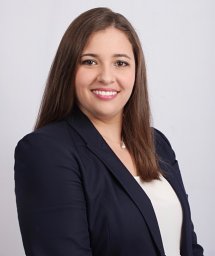 E. Fernández合作论文数Mol Partners1
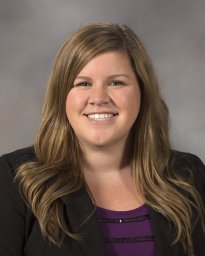 Jordan M Ballou合作论文数University of South Carolina College of Pharmacy1
 Earl J Morris合作论文数Department of Pharmaceutical Outcomes & Policy, University of Florida College of Pharmacy1Abigale T Matulewicz合作论文数1
 Jennifer L Kirwin合作论文数School of Pharmacy, Northeastern University1
 Jeffrey Bratberg合作论文数1
 Mary J Starry合作论文数1
 Courtney Bradley合作论文数University of North Carolina School of Pharmacy;Kroger Pharmacy;and University of Cincinnati College of Pharmacy;University of North Carolina School of Pharmacy, University of Cincinnati College of Pharmacy1
 Brody Maack合作论文数1




