BACKGROUND:Patients with muscle-invasive bladder cancer (MIBC) have heterogeneous outcomes following transurethral resection of bladder tumor (TURBT). We used a computational histopathology artificial intelligence (CHAI)-based platform to develop and validate a digital image-only MIBC prognostic biomarker. METHODS:The CHAI platform extracts histologic features from pre-treatment TURBT specimen H&E-stained whole slide images. The Cancer Genome Atlas was used for development to construct a signature of features associated with the primary endpoint of recurrence-free survival (RFS). A continuous risk score was dichotomized into favorable and unfavorable groups. For validation, the performance of the locked model was then assessed in an independent, held-out, retrospective, pooled real-world data cohort of patients from NCI-Designated Cancer Centers with cT2N0M0 urothelial carcinoma who underwent radical cystectomy with/without neoadjuvant chemotherapy (NAC). RESULTS:A total of 178 patients were included: 44 in development and 134 in validation, of whom 50% received NAC. In validation, those classified as unfavorable risk by the CHAI biomarker (N = 67) had worse RFS (HR 3.1 [1.7-5.7], P < 0.001), cancer-specific survival (CSS) (3.5 [1.5-7.8], P = 0.003), and overall survival (OS) (3.0, [1.5-5.7], P = 0.001) vs. favorable risk (N = 67). Three-year RFS was 40% vs. 74% for disease classified as unfavorable and favorable risk, respectively (P < 0.001). After adjusting for prognostic clinical variables, including receipt of NAC, the biomarker remained associated with RFS, CSS, and OS (P < 0.01). Exploratory analysis found a significant interaction between the biomarker and NAC for RFS (P = 0.02). CONCLUSIONS:We developed and validated an image-only AI-based biomarker from pre-treatment H&E TURBT specimens associated with clinical outcomes in cT2 MIBC. While future development and validation work is warranted, these hypothesis-generating retrospective findings support the potential of this approach to advancing precision medicine in MIBC.
Objective: To examine the oncologic outcomes in patients treated for UTUC by radical nephroureterectomy (RNU) relative to their smoking history in a contemporary cohort that includes use of neoadjuvant and intravesical chemotherapy (IVC). Methods: We analyzed a multi-institutional cohort of patients treated with RNU for UTUC between 2000 and 2020. Patients were classified as never smokers, those with a < 20 pack-year smoking history, and those with a >= 20 pack-years of smoking history. Overall survival (OS), cancer-specific survival, intravesical recurrence, contralateral upper tract recurrence, and metastasis were compared. Results: One thousand seven hundred ninety-six patients were included. No significant differences in the risks of intravesical recurrence, contralateral upper tract recurrence, metastasis, or cancer-specific survival were identified based on smoking status. OS was significantly higher in the never smoking group, with hazard ratio for death of 1.38 (95% CI 1.09-1.73) for < 20 pack years smoking history and 1.34 (95% CI 1.12-1.61) for >= 20 pack years smoking history (P = .002). Rates of intravesical recurrence and OS were improved among smokers who received IVC compared to those who did not. Conclusion: Patients with a history of RNU for UTUC with any smoking history had worse OS compared to those with no smoking history, but no differences were seen in intravesical, contralateral upper tract, and extraurothelial recurrence or in cancer-specific survival. Counseling on smoking cessation remains an important element of ongoing care to optimize health outcomes in these patients.
Objectives To evaluate whether a simplified risk model preserves the prognostic performance of the International Bladder Cancer Group (IBCG) five-factor risk stratification model in intermediate-risk (IR) non-muscle-invasive bladder cancer (NMIBC).Patients and Methods We performed a multicentre retrospective analysis of 2822 patients with IR NMIBC treated with transurethral resection of bladder tumour and intravesical therapy between 2005 and 2025. Multivariable Cox regression identified independent predictors of recurrence and progression. A simplified risk model was constructed using significant variables and compared with the full IBCG model using recurrence and progression rates, area under the curve analysis, and likelihood ratio testing.Results A total of 2822 patients with IR NMIBC were included. When classified using the full IBCG model, 1143 (41%) were in the IR-low, 1535 (54%) IR-intermediate, and 144 (5%) IR-high-risk groups. On multivariable analysis, only multifocality, early recurrence, and failure of intravesical therapy independently predicted oncological outcomes. Using these factors, patients were stratified as IR-low (no factors), IR-intermediate (one factor), or IR-high (two or more factors). Under the simplified model, 1535 (54%) patients were classified as IR-low, 906 (32%) as IR-intermediate, and 381 (14%) as IR-high. The 3-year recurrence and progression rates increased stepwise across simplified risk groups. Discriminative performance of the simplified model was comparable to the full model across all metrics, with no meaningful loss of discrimination.Conclusion Three variables captured the most prognostic signal in this cohort without loss of discrimination compared with the full model. This simplified model is an internally validated refinement, with planned external validation to confirm generalisability and to ensure that simplified thresholds do not alter the clinically important IR-high subgroup used in care and trials.
Fumarate hydratase (FH)-deficient renal cell carcinoma (RCC) can exhibit striking histologic and immunophenotypic heterogeneity. A 36-year-old woman with uterine leiomyomas presented with a 5.1-cm left renal sinus mass and retroperitoneal adenopathy. Biopsy showed juxtaposed lower-grade oncocytic (PAX8 strong, GATA3 weak) and higher-grade pleomorphic (PAX8 negative, GATA3 and CK7 strong) components. DNA sequencing revealed germline pathogenic FH p.S419P, clonal TP53 p.H193D, and subclonal NF2 and KMT2A mutations, establishing FH-deficient RCC associated with hereditary leiomyomatosis and renal cell carcinoma syndrome. Nivolumab + cabozantinib reduced the lesion before nephrectomy, which showed predominantly pleomorphic tumor cells that were PAX8 negative and GATA3/p63 positive, mimicking upper tract urothelial carcinoma. Transcriptome sequencing mapped the tumor midway between renal and bladder cancer. Postoperatively, nivolumab + ipilimumab with radiotherapy achieved disease control. In this hypothesis-generating case report, TP53 , NF2 , and KMT2A secondary alterations on an FH -null background were associated with lineage infidelity, which can create diagnostic challenges that underscores the role for integrated pre‑ and post‑treatment multi‑omics in diagnostically ambiguous renal tumors.
Background and Objective: Diagnosis of TFE3-rearranged RCC (tRCC) requires a pathologist’s expertise and a high index of suspicion. The objectives of this study were to determine the rate of misclassification of RCC in the adolescent and young adult (AYA) patient population, identify any clinically significant impact associated with misclassification, and compare oncologic outcomes between patients with tRCC vs. other RCC subtypes. Methods: All patients < 50 years who underwent renal surgery and were diagnosed with renal cell carcinoma at a single institution from 2004 to 2019 were identified retrospectively. Pathology specimens were reviewed by a genitourinary pathologist. Changes in a pathologic diagnosis were denoted as “misclassified.” Clinical and oncologic data were analyzed comparing misclassified and non-misclassified groups as well as tRCC and other RCC diagnoses. A survival analysis was used to compare oncologic outcomes. Results: In total, 169 patients were identified, and 20/169 (11.8%) patients were misclassified after pathologic review, with 50% (n = 84) of this cohort < 40 years of age at diagnosis. There were significant differences between misclassified and non-misclassified groups with respect to race (p = 0.002), Appalachian county status (p = 0.035), and initial RCC subtype (p = 0.004). There were no significant differences in clinical or oncologic outcomes between tRCC and other RCC groups. There were no significant differences in time to death or recurrence in misclassified vs. non-misclassified patients (p = 0.83 and 0.68, respectively) or between patients with tRCC and other RCC subtypes (p = 0.45 and 0.062, respectively). Conclusions: >10% of patients with RCC were misclassified on the original pathologic diagnosis; however, there was no significant impact on oncologic outcomes. This identifies diagnostic blind spots for tRCC diagnosis in a young cohort. Perhaps reflex IHC or molecular testing could be of importance upfront for the AYA population with renal masses.
Crucial unmet needs for standardization and clinical integration of actionable biomarkers persist across the bladder cancer disease spectrum. To address these gaps, the International Bladder Cancer Group (IBCG) convened a global multidisciplinary panel to develop evidence-based consensus recommendations on biomarker use in bladder cancer. Recommendations were formulated across the disease spectrum using a modified Delphi process. In patients with asymptomatic microhaematuria, biomarker use should be guided by a risk-stratified approach. For patients with established non-muscle-invasive bladder cancer, no biomarker prospectively validated is available to guide intravesical therapy selection, although approved commercial tests might aid in adjudicating equivocal cytology or cystoscopy findings in patients with high-grade disease. In muscle-invasive bladder cancer, no validated biomarkers exist to guide the choice between bladder preservation and radical cystectomy, or to inform the choice of neoadjuvant therapy. Circulating tumour DNA is prognostic following neoadjuvant therapy and radical cystectomy, and provides predictive value for selecting patients who are most likely to benefit from adjuvant treatment with approved immunotherapy regimens. In addition, circulating tumour DNA has prognostic value in patients with metastatic urothelial carcinoma. The IBCG recommends assessing FGFR3 genomic alterations and HER2 immunohistochemistry in patients with locally advanced and/or metastatic bladder cancer to inform therapeutic selection. The IBCG consensus recommendations provide practical, stage-specific guidance on the use of biomarkers for diagnosis, risk stratification and treatment selection in patients with bladder cancer and define priorities for future validation and trial design.
BACKGROUND AND OBJECTIVE:The management of muscle-invasive bladder cancer (MIBC) is evolving rapidly with the emergence of new perioperative treatments and approaches for bladder preservation. We provide guidance on clinical staging and optimal therapeutic sequencing for patients with MIBC in clinical practice and within the context of clinical trial design. METHODS:The International Bladder Cancer Group (IBCG) convened global experts in bladder cancer to develop recommendations for the management of MIBC and to guide clinical trial design. Working groups reviewed the literature and developed draft recommendations. This was followed by voting by the IBCG members during a live meeting in August 2024 using a modified Delphi process. Recommendations achieving ≥75% agreement during the meeting were further refined and presented. KEY FINDINGS AND LIMITATIONS:The IBCG recommends thorough clinical staging and multidisciplinary care for patients with MIBC. Contemporary retrospective comparisons suggest that radical cystectomy (RC) and trimodal therapy have similar oncologic efficacy. Patients with pure squamous-cell carcinoma or adenocarcinoma are best managed with upfront RC, while cisplatin-based neoadjuvant therapy before RC is recommended for other histologic subtypes. Risk-stratified adjuvant therapy approaches should be used after RC. There are no currently validated predictive biomarkers to guide clinical decision-making in MIBC outside the context of a clinical trial. The IBCG recommends the use of time-to-event endpoints for perioperative therapy trials, and bladder-intact event-free survival for bladder preservation trials, with an emphasis on incorporating patient-reported quality-of-life endpoints. CONCLUSIONS AND CLINICAL IMPLICATIONS:The IBCG consensus recommendations provide practical guidance on optimal treatment sequencing strategies in the management of MIBC.
OBJECTIVES:To evaluate the benefit of neoadjuvant chemotherapy (NAC) for patients with high-risk upper tract urothelial carcinoma (UTUC) using a large, well-curated multi-institutional database. PATIENTS AND METHODS:This study was a multi-institutional retrospective analysis conducted by the UTUC Collaborative Network (UCAN), combining data from 2276 patients with UTUC who underwent radical nephroureterectomy at seven high-volume tertiary care centres in the United States. The UCAN data were analysed to evaluate the impact of response to NAC on survival outcomes in patients with UTUC. RESULTS:A total of 378 patients in the UCAN database underwent NAC. On final surgical pathology, 101 patients (26.8%) had ≤ypT1N0 disease and were defined as NAC treatment responders. Patients who responded to NAC had significantly longer overall survival (OS) and progression-free survival (PFS) compared to non-responders. At 5 years post-surgery, 81.5% of responders were alive compared to 59.8% of non-responders. The median OS and PFS times among non-responders were 7.0 years (95% confidence interval [CI] 5.6-9.7) and 6.0 years (95% CI 4.6-9.3) respectively, while the median OS and PFS were not reached among responders. Limitations of this study include its retrospective design, heterogeneity in chemotherapy regimens, and the absence of clearly defined patient selection criteria for treatment. CONCLUSION:These data suggest that NAC can play a pivotal role in the treatment of well-selected UTUC patients who respond positively. Non-responders had clearly inferior outcomes. More work is needed to find predictors of response which can improve patient selection.
BACKGROUND AND OBJECTIVE:Patient-centric management necessitates providing care aligned with patients' values, preferences, and expressed needs. Therefore, critical assessment of bladder preservation therapies (BPTs) as alternatives to radical cystectomy (RC) for muscle-invasive bladder cancer (MIBC) and practical recommendations on the optimal selection of patients for BPTs are needed urgently. METHODS:A global committee of bladder cancer experts was assembled to develop BPT recommendations for MIBC. Working groups reviewed the literature and drafted recommendations, which were voted on by International Bladder Cancer Group (IBCG) members using a modified Delphi process. During a live meeting in August 2023, voting results and supporting evidence were presented, and recommendations were refined based on discussions. Final recommendations achieved ≥75% agreement during the meeting, with further refinements through web conferences and e-mail discussions. KEY FINDINGS AND LIMITATIONS:Patients with newly diagnosed MIBC should be offered evaluation in a multidisciplinary setting for consideration of BPTs. The main alternative to RC is trimodal therapy (TMT), and favorable prognostic factors for TMT include unifocal cT2 stage, lack of hydronephrosis, and no multifocal carcinoma in situ (CIS). Other options should be reserved for very select patients who are ineligible for or who decline TMT or RC after thorough consideration of benefits versus risks. These include partial cystectomy (PC) for urachal adenocarcinoma and PC or radical transurethral resection alone for solitary tumors amenable to resection with adequate margins and without concomitant CIS or histologic subtypes. CONCLUSIONS AND CLINICAL IMPLICATIONS:The IBCG consensus recommendations provide practical guidance on BPTs for MIBC.
 Ashish M. Kamat合作论文数Department of Urology, Division of Surgery, The University of Texas MD Anderson Cancer Center61
 Kelly K Bree合作论文数Department of Urology, University of Texas MD Anderson Cancer Center42
 Colin P.N. Dinney合作论文数Department of Urology, The University of Texas MD Anderson Cancer Center;Division of Surgery, The University of Texas MD Anderson Cancer Center35
 Neema Navai合作论文数29
 Roger Li合作论文数19
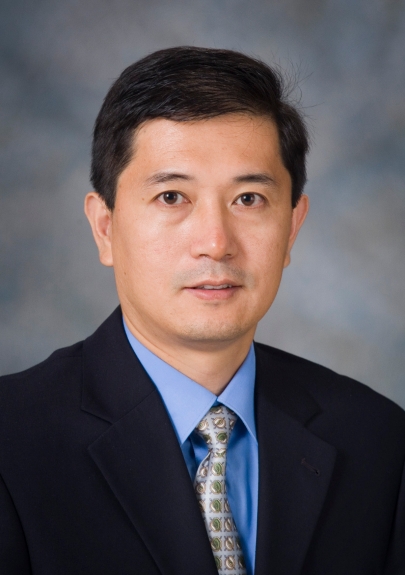 Charles Chuanhai Guo合作论文数Department of Pathology, Division of Pathology/Lab Medicine, The University of Texas MD Anderson Cancer Center19
 Derek B. Allison合作论文数Dept Pathol & Lab Med, Univ Kentucky17
 Surena F. Matin合作论文数Department of Urology, Division of Surgery, The University of Texas MD Anderson Cancer Center17
 Nirmish Singla合作论文数Department of Otolaryngology-Head and Neck Surgery, School of Medicine, Johns Hopkins University14Natasha Kyprianou合作论文数University of Kentucky14Stephen E. Strup合作论文数14Nathan Brooks合作论文数Department of Urology, University of Pittsburgh Medical Center Central Pennsylvania13Niyati Lobo合作论文数13Jay D. Raman合作论文数13Vitaly Margulis合作论文数Dallas13
 Stephen Williams合作论文数UTMB Health - University of Texas Medical Branch at Galveston;Division of Urology, Department of Surgery, The University of Texas Medical Branch13
 Roberto Contieri合作论文数IRCCS Humanitas Research Hospital12
 Wei Shen Tan合作论文数Department of Urology, School of Medicine, Yale University;Yale New Haven Hospital;University College London12
 Philippe Spiess合作论文数Moffitt Cancer Center11
 Yair Lotan合作论文数Department of Urology, The University of Texas Southwestern Medical Center11Graciela M. Nogueras-Gonzalez合作论文数10Valentina Grajales合作论文数10Aaron M Potretzke合作论文数10
 Jonathan A. Coleman合作论文数Urology Service, Department of Surgery, Memorial Sloan Kettering Cancer Center10Zin Myint合作论文数9Viswesh Krishna合作论文数9
 Anirudh Joshi合作论文数Valar Labs Inc;Valar Labs Inc9Kim Joon Kyung合作论文数9
 Sood Akshay合作论文数Center for Outcomes Research, Analytics and Evaluation, Vattikuti Urology Institute9
 H. Barton Grossman合作论文数Department of Urology, University of Texas M. D. Anderson Cancer Center9Jonathan Pham合作论文数8
 Maximilian Pallauf合作论文数Comprehensive Cancer Center, Medical University of Vienna;Paracelsus Medical University Salzburg, University Hospital Salzburg;Paracelsus Medical University Salzburg, University Hospital Salzburg8
 Vignesh Packiam合作论文数8
 Michael O'Donnell合作论文数Department of Urology, University of Iowa8
 Mario Fernandez-Fernandez合作论文数7Damir Vrabac合作论文数Stanford University7
 Matulay Justin T合作论文数Department of Urology, Columbia University Medical Center7
 Matthew T Campbell合作论文数Department of Genitourinary Medical Oncology, Division of Cancer Medicine, The University of Texas MD Anderson Cancer Center7John A. Taylor合作论文数7Jason R Bylund合作论文数7
 Andrew Zganjar合作论文数6
 Bryn M Launer合作论文数Dept Urol, Vanderbilt Univ6
 Shilpa Gupta合作论文数Department of Hematology and Medical Oncology, Cleveland Clinic6
 Vrishab Krishna合作论文数5Leslie Peard合作论文数5Heather L Huelster合作论文数5
 Siamak Daneshmand合作论文数Catherine and Joseph Aresty Department of Urology, Keck School of Medicine, University of Southern California5
 Dattatraya H Patil合作论文数5




