Phenolic acid glycosyl esters like glucogallins offer antioxidant promise but are often limited by hydrolytically labile O-glycosidic linkages. We constructed a twelve C-α-glucogallin analogue library by combining four monosaccharides with three plant-derived phenolic acids in six steps from commercial peracylated sugars. Photoredox-enabled C-α-ketonylation furnished C-ketonyl sugars in 70‒88% yield with high α-selectivity and aqueous stability over 120 h. Antioxidant evaluations by chemical and food-relevant assays identified the protocatechuic acid series 4ac‒dc as the most active subset (70‒99% activity), far exceeding the parent scaffold. Their activities showed a phase-dependent reversal. Specifically, the most hydrophilic glycoside 4ac performed best in aqueous systems yet remained less effective than VC, whereas the less polar rhamnoside 4dc dominated more lipophilic models, affording an IC50 4.5-fold lower than VC in food-relevant lipid peroxidation assay. Collectively, these findings highlight C-α-glucogallin framework as a structurally tunable and highly effective scaffold for antioxidant development especially in lipid-rich functional foods.
Abstract Sustained mammal-to-mammal transmission of high pathogenicity H5N1 avian influenza viruses is reshaping the host range of these pathogens. One of the longest-running mammalian transmission chains involves the B3.13 genotype circulating in U.S. dairy cattle which was detected in early 2024. Genomic analyses revealed selection and rapid fixation of haemagglutinin mutations D104G and V147M. We demonstate, via glycomic profiling, that bovine tissues, including the mammary gland, are enriched in N- and O-linked glycans capped with N-glycolylneuraminic acid (NeuGc), a sialic acid absent in humans and birds, which instead express only N-acetylneuraminic acid (NeuAc). Early cattle H5 viruses poorly recognized NeuGc, but D104G and V147M enabled efficient engagement of both NeuAc- and NeuGc-containing receptors. These mutations enhanced replication in bovine mammary tissue without major attenuation of replication in human lung and primary nasal epithelial cells. NeuGc-driven receptor adaptation therefore promotes viral fitness in cattle while potentially limiting immediate zoonotic risk. Deep mutational scanning further identified alternative haemagglutinin substitutions that confer NeuGc usage and represent surveillance markers for emerging cattle H5 lineages.
All living cells have a sugar-coat that facilitates communication. Sialic acids cap mammalian glycans and are recognized by immune cells through sialic acid-binding immunoglobulin-like lectins (Siglecs) that regulate signaling by their cytoplasmic motifs. Inconsistent reports of Siglecs expression and sialoglycan recognition limit their therapeutic potential. Here we investigate 14 functional human Siglecs for their expression, glycan interactions and affinities. SIGLEC mRNA is broad in blood-derived monocytes and dendritic cells, restricted in natural-killer/B cells and absent in T cells, with similar Siglec-proteins expression in splenocytes. Binding to 114 glycans across 274 glycan microarrays, 220 splenocytes-assays and 132 cell-based arrays, reveal Siglecs functional relationships. Siglec-sialoglycan interactions are affected by sialic acid type (N-acetylneuraminic acid and N-glycolylneuraminic acid), 9-O-acetylation, linkage, sulfation, and carrier, are of varying affinities ( ~ 10 nM to µM/mM), and cis interactions are key regulatory features. This functional atlas enhances Siglecs potential as biomarkers and immunotherapy targets, switches or immune checkpoints for cancer and other diseases.
The PX2 antigen is a member of the human GLOB blood group system. The availability of structure well-defined PX2 antigen related glycan probes is essential for exploration of its important biological functions. However, the chemical synthesis of PX2 antigen is very challenging. Taking advantage of the substrate promiscuity of bacterial glycosyltransferases, we report herein an efficient one-pot multi-enzyme (OPME) system-based enzymatic approach for the preparation of both PX2 and its sialylated derivative.
Human milk oligosaccharides (HMOs) are crucial nutritional and bioactive components of human milk, providing multiple health benefits to neonates. Nevertheless, their structural heterogeneity and complexity present a major difficulty for their separation, sequence assignment and quantitation, hindering their further detailed structure-function studies. In response to this challenge, we established a robust enzymatic synthesis platform for the rapid and scalable production of deuterium-labeled linear and branched oligosaccharides representing the major structures present in huma milk, including variously fucosylated and sialylated sequences. These synthesized heavy isotope-labeled oligosaccharides were employed in mass spectrometry (MS)-based methodologies for sequence determination by establishing MS fragmentation pattern and for absolute quantitation as internal standards. The site-specific GlcNAc-D3 labeling is particularly important for assignment of asymmetric β1,3/6-branching patterns, type 1 and type 2 backbone chains and fucosylated blood group H(O) and Lewis a and x epitopes by tandem MS. The library of 18 well-defined D3-labeled HMOs provides reliable internal standards for absolute rather than relative quantitation of oligosaccharides in complex mammalian secretions. These advantages have significant potential values in the studies of HMO structure-function relationships and their quality control in specialized formulations, such as functional foods for gut health and infant formulas.
Nanopore single-molecule sensing has emerged as a transformative platform in glycoscience and nanotechnology because of its inherent potential to decode complex "glycocodes" with high sensitivity, single-molecule resolution, and real-time throughput. However, realizing true sequencing across the vast diversity of glycans demands continuous enhancement of the nanopore resolution and applicability. In particular, conceptual advancements are needed to overcome the limitations of current profiling analysis-based approaches. Here, we propose a single-feature paradigm for nanopore glycan linkage analysis and demonstrate the specific recognition of α2-8 glycosidic linkage using an engineered aerolysin nanopore, K238Q. The N262-Q238-E258 region establishes multiple synergistic hydrogen-bonding interactions and an electrostatic barrier with the α2-8 motif, selectively decelerating α2-8 sialoglycans and enabling the characterization and fingerprinting of this subclass at the submonosaccharide level. We also discover the complementary behavior of a K238N variant, which responds to longer or highly branched sialoglycans in a dual-pore logic-gate assay. This assay combines the readouts from K238Q and K238N to extract key structural information from unknown glycans. Converged with nanopore-compatible preprocessing and machine learning, this approach enables proof-of-concept identification and quantification of sialoglycans in serum. This work not only establishes engineered aerolysin nanopores as a powerful platform for the selective discrimination of sialoglycans in complex biological matrices but also opens a new avenue for nanopore-based glycan sequencing.
We report the design, synthesis, and immunological evaluation of an Antrodia cinnamomea galactomannan library consisting of 11 oligosaccharides, with chain lengths ranging from 4 to 24 sugars. These oligosaccharides maintain a consistent composition of 75% mannose and 25% galactose, mirroring the key structural features of natural galactomannan. Notably, the library includes five tetrasaccharides and four octasaccharides, exhibiting all possible frameshift patterns of A. cinnamomea galactomannan, offering valuable materials for structure-activity relationship studies to explore the role of linking modes and domain effect. The synthesis of this library was achieved through a highly effective stereoselective α-galactosylation approach. Immunological evaluations revealed that octasaccharide 4 and its two subunit tetrasaccharides 7 and 10 exhibited potent immunoregulatory activities, demonstrating a notable domain effect. Preliminary mechanistic studies unveiled that these oligosaccharides exert their effects by suppressing mitogen-activated protein kinase signaling pathway. In addition, octasaccharide 4 uniquely attenuated nuclear factor κB pathway, highlighting its compound-specific mechanism and demonstrating a 1 + 1 > 2 effect.
Galectins are a family of immune checkpoint soluble proteins that bind β-galactoside-containing glycans on and within cells. These proteins are widely expressed in tumor microenvironments and have been shown to promote cancer growth and metastasis. Thus, galectins interaction with cancer cells is a new pathway for immune checkpoint regulation, equivalent to PD-1/PD-L1. While each member of the galectin family shares the ability to interact with poly N-acetyllactosamine [poly-LacNAc; (Galβ1–4GlcNac)n], a tumor-associated carbohydrate antigen (TACA), the modes of interaction can vary significantly due to glycan modifications, such as the presence of terminal sialic acids. Understanding the binding specificities of human and mouse galectins to diverse poly-LacNAc glycans is essential for advancing cancer research, as it could provide insights into new therapeutic approaches. Here, we demonstrate a broad screening of human and mouse galectins on glycan microarray in different conditions, illustrating great variability in binding between galectins. Moreover, removal of sialic acids by sialidase from a sialoglycan array increased galectin-glycan recognition for most of the galectins. Additionally, we examined the effect of sialic acid on binding in vitro. Altogether, these results may open new opportunities for immune checkpoint regulation, leading to novel cancer therapies. Supported by National Natural Science Foundation of China (NSFC) - Israel Science Foundation (ISF): Joint NSFC-ISF Research Grant Program. Tumor Immunology: Cellular Responses and Tumor Microevironment (TIME)
Herein, we describe a lactone-facilitated chemoenzymatic strategy for the synthesis of sulfoglucuronosyl paragloboside pentasaccharide, sulfoglucuronosyl lactosaminylparagloboside heptasaccharide, and their nonsulfated derivatives. The approach involves the efficient enzymatic modular assembly (EMA) of the nonsulfated paragloboside backbones, followed by highly regioselective chemical manipulation steps that introduce a sulfate group at the C3 position of glucuronic acid through the formation of a C6,3-lactone intermediate.
The vaccines against campylobacteriosis are urgently needed because of the rising multidrug resistance of pathogenic Campylobacter jejuni. The capsular polysaccharides of these bacteria, containing unique 6-deoxy-β-d-ido-heptopyranosyl or l-glycero-β-d-ido-heptopyranosyl residues, have emerged as attractive antigens. Expeditious assembly of the oligosaccharides derived from these glycans is challenging because β-d-idopyranosidic linkages are formidable to directly construct. Furthermore, whether the synthetic C. jejuni oligosaccharides could induce sufficient immunogenicity as the potential antigens remains unexplored. Here, we report a protocol for directly forming β-d-idopyranosidic bonds using α-d-6-deoxy-ido-heptopyranosyl, α-d-idopyranosyl, and d-/l-glycero-α-d-ido-heptopyranosyl ortho-hexynylbenzoates as glycosylating agents under gold(I) catalysis. To demonstrate the versatility of these methods, concise synthesis of conjugatable C. jejuni capsular di-/tetra-/hexa-/octasaccharides, having a backbone of [→3)-6-deoxy-β-d-ido-heptopyranosyl-(1→4)-2-acetamido-2-deoxy-β-d-glucopyranosyl-(1→], has been achieved. The immunogenicity assessment of the glycoconjugates, prepared by conjugating the synthesized oligosaccharides to cross-reactive material 197, reveals the disaccharide as a potential O-antigen for developing vaccines against campylobacteriosis. This work should facilitate development of synthetic vaccines against Campylobacter infections.
Owing to its promiscuous substrate specificity and high catalytic efficiency, the bacterial α2,6-sialyltransferase from Photobacterium damselae (Pd2,6ST) has been widely used for the synthesis of various α2,6-linked sialosides. However, Pd2,6ST is not a suitable enzyme for the regioselective α2,6-sialylation of complex acceptor substrates containing multiple galactose (Gal) and/or N -acetylgalactosamine (GalNAc) residues due to its promiscuous substrate specificity. In this study, a novel enzymatic substrate engineering strategy was developed to overcome this limitation by employing enzymatically introduced α2,6-linked ketodeoxynonulosonic acid (Kdn) as temporary “protecting group” at the unwanted sialylation sites. The Kdn “protecting group” can be selectively removed by a ketodeoxynonulosonic acid hydrolase from Aspergillus fumigatus ( Af Kdnase) at appropriate stage without affecting coexisting sialic acid residues, such as N -acetylneuraminic acid (Neu5Ac) or N -glycolylneuraminic acid (Neu5Gc). This strategy provides a general and practical approach for the synthesis of complex sialosides, including sialylated poly-LacNAc glycans, disialylated ganglioside glycan epitopes, and branched human milk oligosaccharides.
Lactobacillus displacement from the vaginal microbiome associates with adverse health outcomes and is linked to increased risk of preterm birth. Glycans mediate bacterial adhesion events involved in colonisation and infection. Using customised glycan microarrays, we establish glycan interaction profiles of vaginal bacteria implicated in reproductive health. Glycan binding signatures of the opportunistic pathogens Escherichia coli, Fusobacterium nucleatum and Streptococcus agalactiae to oligomannose N-glycans, galactose-terminating glycans and hyaluronic acid, respectively are highly distinct from Lactobacillus commensals. Binding to sulphated glycosaminoglycans by vaginal bacteria is pH dependent, as is binding to neutral and sialic acid-terminating glycans by F. nucleatum. Adhesion of Lactobacillus crispatus, Lactobacillus iners, Gardnerella vaginalis, S. agalactiae and F. nucleatum to vaginal epithelial cells is partially mediated by chondroitin sulphate. S. agalactiae binding to chondroitin sulphate C oligosaccharides is inhibited by L. crispatus. This study highlights glycans as mediators of vaginal bacterial binding events involved in reproductive health and disease.
Alduronic acid lactones and glyconolactones are highly functionalized and versatile chiral building blocks.Herein,we describe a novel approach to these compounds via decarboxylative oxygenation of uronic acids.The transformations proceed using Selectfluor and TEMPO as oxidants,either in the presence of catalytic amounts of Ag2CO3 or in the absence of this catalyst.The methodology provides structurally diverse alduronic acid lactones and enables the preparation of rare sugar glyconolactones from easily available D-C-glycosides.Based on the 18O-labeling experiments,control experiments,and isolation of the key intermediates,a radical-polar crossover reaction mechanism is proposed.The utility of this method is demonstrated through efficient conversions of alduronic acid lactones into polyhydroxylated cyclic al-kaloids and castanospermine-type architectures.
We herein describe an efficient chemoenzymatic strategy for the total synthesis of the oligomers of the branched pentasaccharide repeating units of Group B streptococcus (GBS) type Ia and Ib capsular polysaccharides (CPSs). This strategy features the concise synthesis of the glycan backbones through [3 + 3 + 3] and [4 + 4 + 4] one-pot iterative chemical glycosylation using readily available building blocks, followed by enzymatic elaboration of the glycan backbones with multiple beta 1,4-linked galactoses and alpha 2,3-linked sialic acids on the side chains. The synthetic oligosaccharide haptens, including mono-, di-, and trimer repeating units, were conjugated with CRM197 carrier protein and used to inoculate mice. Sera samples from immunized mice demonstrated robust binding to the corresponding natural GBS strains, with enhanced binding observed as the number of repeating units increased, particularly for type Ib CPS. This result highlights the importance of capsular polysaccharide length in GBS vaccine development.
Glyco-nanoplatforms have emerged as powerful nanosystems that exploit glycan-lectin interactions for targeted therapy, diagnostics, and immunomodulation. By presenting glycans in multivalent architectures, glyco-nanoplatforms enhance binding affinity and specificity toward glycan-recognizing receptors on mammalian and bacterial cells. This perspective highlights recent advances in the design and synthesis of glyco-nanoplatforms across four key classes, including glyco-gold nanoparticles, glycopolymer-based nanoplatforms, glyco-functionalized quantum dots, and glycan-based magnetic nanocomposites. Through diverse synthetic strategies, structurally distinct glyco-nanoplatforms have been developed with improved binding affinities, stability, and biodistribution. Moreover, we further discuss their diverse biomedical applications in both mammalian and bacterial cells, ranging from targeted cancer therapy and biosensing to immunomodulation and antimicrobial treatment. Finally, we outline key challenges and provide an outlook on further directions in this field, aiming to unlock the therapeutic potential of the glyco-code.
Herein, we describe a chemoenzymatic and diversity-oriented approach for the first syntheses of octasaccharide repeating units of the capsular polysaccharides of Haemophilus parasuis serovar 15 and serovar 5. The synthetic method features efficient enzymatic assembly of sialyl galactose or N-acetyl-galactosamine building blocks, highly stereoselective chemical construction of α-type H-phosphonate, and the β-stereospecific 1,3-glycosylation reaction of a rare sugar donor.
The development of novel agents with immunoregulatory effects is a keen way to combat the growing threat of inflammatory storms to global health. To synthesize pseudo-steroidal glycosides tethered by ether bonds with promising immunomodulatory potential, we develop herein a highly effective deoxygenative functionalization of a novel steroidal donor (steroidation) facilitated by strain-release, leveraging cost-effective and readily available Sc(OTf)3 catalysis. This transformation produces a transient steroid-3-yl carbocation which readily reacts with O-, C-, N-, S-, and P-nucleophiles to generate structurally diverse steroid derivatives. DFT calculations were performed to shed light on the mechanistic details of the regioselectivity, underlying an acceptor-dependent steroidation mode. This approach can be readily extended to the etherification of sugar alcohols to enable the achievement of a diversity-oriented, pipeline-like synthesis of pseudo-steroidal glycosides in good to excellent yields with complete stereo- and regiospecific control for anti-inflammatory agent discovery. Immunological studies have demonstrated that a meticulously designed cholesteryl disaccharide can significantly suppress interleukin-6 secretion in macrophages, exhibiting up to 99% inhibition rates compared to the negative control. These findings affirm the potential of pseudo-steroidal glycosides as a prospective category of lead agents for the development of novel anti-inflammatory drugs.
Human milk oligosaccharides (HMOs) are essential nutritional and bioactive components of human breast milk, conferring numerous beneficial effects on neonatal health. The HMO repertoire comprises over 200 unique glycan structures, and more than half of them are branched oligosaccharides. Owing to the structural diversity and complexity, the synthesis of branched HMOs remains challenging, which significantly hinders their functional study. We herein present a highly efficient biomimetic approach for the rapid and scaled-up chemoenzymatic synthesis of asymmetrical biantennary HMOs. Taking advantage of the inherent regioselectivity of a panel of bacterial galactosyltransferases, two asymmetrical branched pentasaccharide intermediates were obtained through the regioselective enzymatic beta 1,3- or beta 1,4-galactosylation of a readily available chemically synthesized biantennary symmetrical tetrasaccharide precursor. The two asymmetrical pentasaccharide intermediates were further diversified by sequential multienzyme cascade reactions to afford a library of over 20 structurally well-defined asymmetrical biantennary lacto-N-hexaose (LNH) and lacto-N-neo-hexaose (LNnH) series HMOs in less than 5 linear steps.
We demonstrate an efficient, scalable, and stereoselective C-glycosylation with thioglycosides possessing a unique photoactive tetrafluoropyridin-4-yl (TFPy) thio radical leaving group, affording editable and medicinally and biologically essential C-alpha-glucogallin derivatives. In the presence of silyl enol ether acceptors, the desulfurative coupling reaction performs smoothly under mild conditions upon exposure to blue light irradiation. This versatile protocol permits the synthesis of sugar-drug chimeras by C1 ketonylation of complex drug-derived silyl enol ethers. The scale-up synthesis, anomeric epimerization, and post-C-glycosylation modification of ketone sugars showcase the reaction's potential utilities. Furthermore, the reaction could be applied to direct carbohydrate skeleton editing by equipping the leaving group on the nonanomeric position. The ketonylation is viable for unprotected TFPy thioglycoside, affording a direct route to unprotected ketonyl sugars. The concise six-step assembly of both configurated C-glucogallins from commercially cheap glucose pentaacetate and their antioxidant reactivity investigations underline the promising medicinal relevance of our current protocols. The reaction mechanism was investigated through a radical trapping experiment, an oxocarbenium trapping experiment, a fluorescence quenching experiment, and Stern-Volmer analysis, confirming that the major glycosyl radical intermediates are generated from the thioglycoside donors, whose tetrafluoropyridin-4-yl thio group could effectively quench the fluorescence of excited Ir(ppy)3 through an oxidative quenching process, and C-glycosylation with oxocarbenium is a complementary route to the product, accounting for examples with moderate selectivities.
The entry of coronaviruses is initiated by spike recognition of host cellular receptors, involving proteinaceous and/or glycan receptors. Recently, TMPRSS2 was identified as the proteinaceous receptor for HCoV-HKU1 alongside sialoglycan as a glycan receptor. However, the underlying mechanisms for viral entry remain unknown. Here, we investigated the HCoV-HKU1C spike in the inactive, glycan-activated, and functionally anchored states, revealing that sialoglycan binding induces a conformational change of the NTD and promotes the neighboring RBD of the spike to open for TMPRSS2 recognition, exhibiting a synergistic mechanism for the entry of HCoV-HKU1. The RBD of HCoV-HKU1 features an insertion subdomain that recognizes TMPRSS2 through three previously undiscovered interfaces. Furthermore, structural investigation of HCoV-HKU1A in combination with mutagenesis and binding assays confirms a conserved receptor recognition pattern adopted by HCoV-HKU1. These studies advance our understanding of the complex viral-host interactions during entry, laying the groundwork for developing new therapeutics against coronavirus-associated diseases.
 Xi Chen合作论文数Department of Chemistry, University of California, Davis42
 Hai Yu (俞海)合作论文数School of Public Health, Xiamen University26
 Fengshan Wang (王凤山)合作论文数National Glycoengineering Research Center, Shandong University;Institute of Regulatory Science for Medical Products, Shandong University20
 Jun Wang (王军)合作论文数Key Laboratory of Pathogenic Microbiology and Immunology, Institute of Microbiology, Chinese Academy of Sciences18
 Xiao Liu (刘晓)合作论文数Tsinghua Shenzhen International Graduate School, Tsinghua University16
 Jinfeng Ye合作论文数14
 Xiaohe Tian (田肖和)合作论文数Department of Postgraduate Students, West China Hospital, Sichuan University14
 Huanming Yang (杨焕明)合作论文数Chinese Academy of Medical Sciences;BGI Group;Advanced Institute for Life and Health, Southeast University14
 Yingrui Li (李英睿)合作论文数iCarbonX;School of Biosciences, Faculty of Health and Medical Sciences, University of Surrey14
 Wang Jian (汪建)合作论文数Beijing Genomics Institute13
 Yupeng Tian (田玉鹏)合作论文数School Chemistry & Chemical Engineering, Anhui University13Yanhong Li合作论文数13Xiuqing Zhang合作论文数BGI-Shenzhen, Shenzhen 518000, China13
 Jiansong Cheng (程剑松)合作论文数College of Pharmacy, Nankai University12Liu Chang-Cheng合作论文数12
 Karsten Kristiansen合作论文数Laboratory of Genomics and Molecular Biomedicine, Department of Biology, University of Copenhagen12
 Saddam Muthana合作论文数Department of Chemistry, University of California12
 Ajit Varki合作论文数Department of Medicine, School of Medicine, University of California San Diego;Department of Cellular & Molecular Medicine, School of Medicine, University of California San Diego;Salk Institute for Biological Studies10
 Harshal A. Chokhawala合作论文数University of California Department of Chemistry10Kan Zhong合作论文数9
 Wei Zhang (张伟)合作论文数School of Life Sciences, Central South University9Wu Honglong合作论文数9
 Lars Bolund合作论文数Lars Bolund Institute of Regenerative Medicine, Department of Biomedicine and BGI Genomics, Aarhus University9
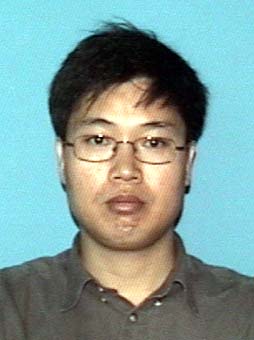 Xuewei Liu合作论文数Division of Chemistry and Biological Chemistry, School of Physical & Mathematical Sciences, College of Science, Nanyang Technological University;Glycoscience Laboratory, School of Chemistry, Chemical Engineering and Biotechnology, Nanyang Technological University9
 Vered Padler-Karavani合作论文数University of, University of California9Geng Tian合作论文数Beijing Institute of Genomics, Chinese Academy of Sciences, Beijing, 101300, PR China|Beijing Genomics Institute, Shenzhen, Guangdong, 518083, PR China9
 Xin Jin合作论文数8
 Xun Xu (许迅)合作论文数Shanghai General Hospital8Hancheng Zheng合作论文数iCarbonX8Xiaojing Zeng合作论文数7
 Yan Zhang (张艳)合作论文数School of Chemistry and Chemical Engineering, Nanjing University7
 Ming Li (李明)合作论文数School of Medicine and Pharmacy, Ocean University of China7
 Dandan Li (李丹丹)合作论文数Institutes of Physical Science and Information Technology, Anhui University7
 Xianwei Liu (刘贤伟)合作论文数Department of Environmental Science and Engineering, University of Science & Technology of China;Department of Applied Chemistry, University of Science & Technology of China7
 Ling Wang (王岭)合作论文数Fourth Military Medical University7
 Ruibang Luo合作论文数Department of Computer Science, Faculty of Engineering, The University of Hong Kong;Musketeers Foundation Institute of Data Science, The University of Hong Kong7
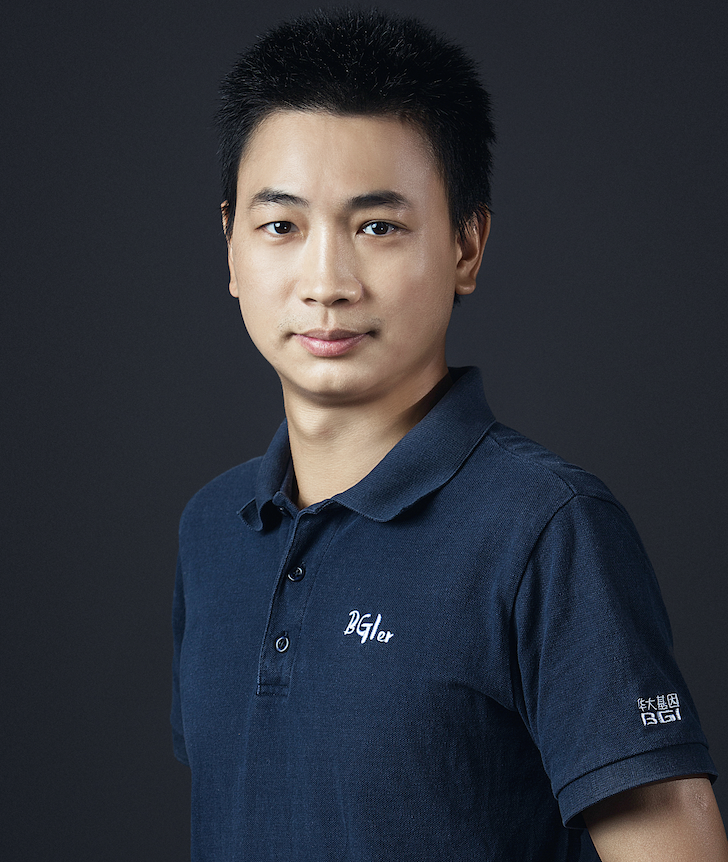 Tao Zhang (张涛)合作论文数School of Chemistry, Chemical Engineering and Life Sciences, Wuhan University of Technology6Yongping Li合作论文数6Changxi Wang合作论文数6
 Rasmus Nielsen合作论文数Department of Integrative Biology, College of Letters & Science, University of California, Berkeley;Department of Statistics, University of California, Berkeley;University of Copenhagen6Chen Congcong合作论文数School of Pharmaceutical Science, Shandong University6Jinghua Wu合作论文数6
 Chao Cai (蔡超)合作论文数Ocean University of China School of Medicine and Pharmacy6
 Yonggang Lv (吕永钢)合作论文数Research Center of Mechanobiology and Regenerative Medicine, Wuhan Textile University;Academy of Science and Technology Development, Wuhan Textile University6
 Ruiqiang Li (李瑞强)合作论文数Department of Computer Science, University of Hong Kong;Novogene Co., Ltd6Songgang Li合作论文数Department of General Surgery, Xinhua Hospital, Affiliated to School of Medicine, Shanghai Jiao Tong University, 1665 Kongjiang Road, Shanghai 200092, China6
 Hui Jiang (姜晖)合作论文数School of Biological Science & Medical Engineering, Southeast University6Jingyao Qu合作论文数6




