Text-image person re-identification (TI-ReID), which retrieves corresponding person images via textual descriptions, stands out as a prominent research area within the field of object tracking. The core challenge of TI-ReID lies in the significant discrepancies between the text and image modalities, making it difficult to effectively associate positive sample pairs. Existing studies only focus on the relationships between samples at the instance-level, and overly emphasizing the uniqueness of positive pairs, resulting in insufficient learnable content for the model. In this study, building upon the improvement of instance-level work, we introduce a class-level learning component and put forward a novel Dual-level Information Interactive Learning (DIIL) model. The aim is to jointly learn the inter-modal correlation relationships from both the class-level and the instance-level. Specifically, DIIL consists of two principal components: (1) a class-level teacher guidance (CTG) module that constructs two sample embedding banks at the class-level to provide more comprehensive guidance for instance samples. (2) an instance-level information blending (IIB) module that establishes the bidirectional correlation between text and image from the two perspectives of mask prediction and information blending, thus fully narrowing the gap between the features of the two modalities. We conduct sufficient experiments on three public datasets, and the experimental results demonstrate that the DIIL model achieves state-of-the-art results, especially in terms of the mean average precision (mAP).
Synthetic Aperture Radar (SAR) possesses the capacity for all-weather imaging and is widely applied in target detection. However, robust SAR target detection remains challenging due to the limited availability of task-relevant labeled samples that jointly cover target categories, depression angles, and complex target–background contexts. In this paper, we propose a Data-Augmented Gather-and-Distribute Network (DA-GDNet) for SAR image target detection. By jointly optimizing at both the data and architectural levels, the proposed approach enhances the model’s capacity for target detection in complex backgrounds. Specifically, we design a SAR image data augmentation strategy that integrates three-dimensional modeling with deep learning. Meanwhile, we incorporate a Gather–Distribute (GD) mechanism and a Spatial Feature Enhancement Module (SFEM) to achieve efficient multi-scale feature fusion and enhance the saliency of target regions. Experimental results on the MSTAR dataset and ATRNet-STAR dataset demonstrate that DA-GDNet not only improves detection accuracy and robustness, but also significantly strengthens the model’s adaptability to variations in depression angles and complex backgrounds.
Single-source domain generalization (SSDG) in medical image segmentation is severely hindered by limited single-source data and inter-domain biases. Existing methods often focus on appearance bias, neglecting crucial organ shape bias arising from differing acquisition protocols or patient populations and feature bias arising from learned confounding context by network. Therefore, we develop an anatomically-robust and feature-unbiased (ARFU) framework. Specifically, to generate morphologically sound and stylistically diverse training data, ARFU synergistically employs shape regularization-guided augmentation (SRG) and anatomical prior-guided augmentation (APG). The SRG leverages intrinsic structural information from low-frequency as a regularization to guide global appearance transformations while preventing anatomical distortion. APG learns a universal organ shape distribution from the variety of training masks, while simultaneously using organ-specific appearance augmentation to enforce an appearance-agnostic anatomical discrimination. To ensure that the network focuses on discriminative and domain-invariant representations of anatomical features, the feature unbiased learning (FUL) module is designed. FUL perturbs feature distributions by treating intra-batch variance as pixel-wise uncertainty to reduce the model's reliance on domain-specific cues, and then dynamically filters in the frequency domain to adaptively suppress domain-specific noise and irrelevant background patterns. Extensive experiments on abdominal cross-modality and cardiac cross-sequence segmentation tasks demonstrate that our ARFU framework achieves superior generalization performance compared to state-of-the-art methods.
Domain Generalizable Person Re-identification (DG ReID) aims to generalize the trained model to unseen target domains. Existing methods learn domain-invariant features from source domains, assuming that such invariance can generalize to unseen target domains. However, directly aligning feature distributions across domains, a common and effective strategy in general DG, is rarely explored in DG ReID, due to the unshared label space between source domains and target domains. To overcome this limitation, we propose a novel Double Alignment (DoA) framework to address the DG ReID task. DoA consists of two main alignment components, an Uncertainty Enhanced Instance Norm (UeIN) block and a Distribution Consistency (DC) loss. Specifically, UeIN introduces an uncertainty-based sampling to diversify the feature statistics and aligns the perturbed features and instance-normalized features, thereby improving the model’s ability to extract invariant patterns by capturing consistency between the isomorphic-variant representations. Additionally, DC loss is designed to mitigate domain shift by encouraging feature statistics from different domains to follow a consistent distribution. To further enhance the generalization capability, we introduce a Sharpness-Aware Minimization (SAM) strategy to flatten the loss function’s landscape and improve the model’s robustness to unseen domains. Extensive experimental results demonstrate the superior generalization capability of our method on several benchmarks.
Domain generalization (DG) for medical image segmentation presents a critical challenge. This challenge is further compounded in multi-site collaborations where privacy concerns necessitate the use of federated learning (FL), giving rise to the field of federated domain generalization (FedDG). Although existing FedDG methods attempt to tackle the distribution shifts, they suffer from problems such as an elevated risk of data leakage and the weak adaptation in weights aggregation. To address these problems, we propose FedCA, a novel FedDG method of medical image segmentation. Specifically, a Cross-client Feature Style Transfer (CFST) module is developed to facilitate distribution diversity without exchanging raw data, where the server maintains and broadcasts a feature style bank, transferring style information across clients and generating augmented feature maps for each client. It can diversify the style distribution of the latent features thus improving the model generalization. For the weak adaptation in weights aggregation, an Adaptive Style Alignment (ASA) strategy is devised, including generating stylized feature for the test image with the styles of clients and dynamically adapting global model to the style of test image in model aggregation. Evaluated on two multi-domain medical image segmentation benchmarks under the FL setting, our method achieves remarkable generalization performance and outperforms recent state-of-the-art methods. For the optic cup/disc segmentation in retinal fundus images and the prostate segmentation in T2-weighted MRI scans, the average Dice Similarity Coefficient (DSC) reaches 88.68% and 88.54%.
With the rapid development of intelligent surveillance technology, the massive amount of multimodal data (e.g., videos, images, and text) has imposed higher demands on efficient information retrieval and security. Traditional single-modal retrieval methods struggle to meet practical requirements, making multimodal image-text retrieval a research hotspot in this field. Existing approaches, however, still face challenges in fine-grained semantic alignment and suffer from rigid matching mechanisms. To address these issues, this paper introduces SeaNcr, a novel framework that integrates cross-modal semantic entity alignment with non-correspondence reasoning. Our method constructs class-level entity representations enhanced by saliency-guided masking to capture discriminative semantic features. A pseudo-frozen asynchronous optimization strategy is introduced to maintain semantic consistency across modalities by associating stable entity representations with dynamically updated encoder features. Moreover, to overcome rigid matching, we design a non-correspondence reasoning module that jointly leverages intra-modal similarity and cross-modal mutual nearest neighbor constraints, optimizing matching flexibility and generalization. Extensive experiments validate that SeaNcr significantly enhances cross-modal feature representation and retrieval robustness, achieving state-of-the-art performance on multiple person re-identification benchmarks.
Building a generalizable network is a critical task for medical image segmentation, as significant distributional discrepancies often exist between the source and target domains caused by varying data acquisition protocols. Existing domain generalization segmentation models typically adopt feature-level augmentation strategies to learn domain-invariant features, but they either struggle to adequately simulate unseen domain distributions during training or fail to dynamically capture target domain information during testing. To address these issues, we propose a Distribution-driven Multi-frequency Adaptive (DisFreAda) network to enhance generalization for medical image segmentation. DisFreAda fully expands the source domain feature distribution during training, while dynamically generating corresponding convolution kernels based on the frequency characteristics of the input during testing. Specifically, we design a novel Distribution-driven Style Generator (DSG) that selects representative style prototypes to characterize the entire source domain style space and leverages the variance of feature statistics to construct a global uncertainty perturbation for simulating potential distributional variations, enhancing the robustness to domain shifts. Moreover, we develop a Multi-frequency Dynamic Adaptation module (MDA) utilizing Discrete Cosine Transform (DCT). It enhances feature representations via a DCT-based multi-frequency channel attention, and improves the dynamic adaptability of convolutional kernels through a DCT-based multi-frequency kernel synthesis mechanism and adaptive convolution, enabling the precise recognition of subtle anatomical structures for each test sample. Compared with state-of-the-art methods, our model achieves superior performance on publicly available fundus and prostate segmentation datasets, demonstrating its strong generalization capability.
Deep learning models for medical image segmentation often exhibit poor generalization performance due to domain shifts stemming from variations in imaging devices and protocols. Single-Source Domain Generalization (SSDG), which learns from only one source domain, offers a practical solution, particularly in the medical field. However, existing SSDG methods, especially channel-disentangling techniques, primarily address stylistic variations via contrastive learning between original and style-transformed images. These approaches often neglect the equally critical anatomical-structural shifts and discard potentially valuable residual structural information present in style features. Motivated by these observations, we propose Dual-Contrastive Channel Disentanglement (DCCD), which reformulates channel disentanglement from a style-only problem into a dual-shift modeling problem. Specifically, DCCD introduces a geometric transformation branch alongside the conventional style branch, creating a dual-branch architecture explicitly designed to handle both style and spatial shifts. This architecture is optimized using two complementary decoupling contrastive losses that encourage representations to be simultaneously style-robust and spatially-adaptive. Furthermore, we design a residual structure gain (RSG) module that utilizes latent structural cues from the disentangled style features to enhance the primary structure representation. We evaluate DCCD on multi-domain optic cup/disc segmentation (retinal fundus images) and prostate segmentation (T2-weighted Magnetic Resonance Imaging) benchmarks. Our method achieves state-of-the-art average Dice Similarity Coefficients (DSC) of 84.23% and 84.04%, respectively, demonstrating significant improvements over existing state-of-the-art methods.
In breast ultrasound lesion segmentation, models trained on source-center data often lose accuracy when transferred to new institutions, as differences in ultrasound equipment, scanning procedures, and patient populations can substantially alter image appearance. To improve target-free cross-center robustness, we present a domain-generalized segmentation framework that integrates wavelet-domain cross-domain augmentation with domain-knowledge-conditioned decoding. The framework first adopts domain-balanced sampling to avoid overfitting to source domains with larger sample sizes. We then design a lesion-aware wavelet mixing strategy that keeps the low-frequency anatomical content of the source image unchanged and transfers domain-specific appearance cues only through high-frequency sub-bands. A mask-based protection scheme is further used to preserve lesion regions and their surrounding areas during augmentation. In addition, we maintain an online domain prototype memory for both original source domains and directionally mixed domains using exponential moving average updates. During inference, the most relevant prototypes are selected according to cosine similarity and combined into a domain-conditioned representation, which is injected into the decoder to improve prediction robustness. The training objective combines segmentation supervision with prototype contrastive learning and orthogonality regularization. Leave-one-domain-out experiments on BUSI, BUS, ABUS, and BrEaST demonstrate that the proposed method consistently improves Dice and ASD over representative domain generalization baselines. The code is available at: https://github.com/GP-12138/CDWA-DKGCD.
Synthetic aperture radar (SAR) image generation methodologies exhibit geometric distortions and scattering feature degradation in cross-angle scenarios, with insufficient ability for target detection applications. To address this limitation, we propose a physics-guided generative-detection joint framework (PhysGAN-Det). Specifically, we design a physics-guided multiscale attention module (PMA) that dynamically enhances scattering structures through depression angle-conditioned encoding and multiscale convolutional fusion. Furthermore, an attribute scattering center (ASC) loss function is developed to enforce scattering feature consistency through physical scattering modeling. Therefore, a generative data augmentation framework is established to improve cross-angle generalization of target detection by expanding datasets with multiangle synthetic images. Extensive experiments on the moving and stationary target acquisition and recognition (MSTAR) and OpenSARShip benchmark demonstrate the superior performance of generated images. For target detection, the proposed framework improves mean average precision (mAP) by 8%-10.7% across diverse detection architectures. This approach provides a physically interpretable and high-precision data augmentation solution for SAR target detection and recognition.
Cephalometric landmark detection in lateral X-rays plays a crucial role in orthodontic treatment, craniofacial growth research, and surgical planning. Traditional manual annotation methods are time-consuming, labor-intensive, and prone to errors. Aiming at these problems, we propose MSCANet, an advanced encoder-decoder framework that leverages multi-scale separable convolution and attention mechanisms to enhance the precision and robustness of cephalometric landmark detection. Specifically, MSCANet integrates three key components: the Multi-Scale Separable Convolution Block (MSCB) for extracting multi-scale features without increasing the parameter count, the Pyramid Skip Feature Fusion (PSFF) module for integrating global features of different sizes with the local feature, and the Enhanced Squeeze-and-Excitation (ESE) module to recalibrate feature maps and emphasize relevant spatial features. These components enable MSCANet to accurately capture both global and local structural details, improving landmark localization in complex scenarios. Experimental results on the public ISBI 2015 dataset show that MSCANet outperforms state-of-the-art methods, achieving significant reductions in mean radial error (MRE) and improved success detection rates (SDR). These results demonstrate the effectiveness of MSCANet in addressing the limitations of existing approaches and underscore the potential of deep learning techniques for automated medical image analysis tasks, particularly in cephalometric X-rays.
Infrared and visible image fusion aims to integrate the images captured by different types of sensors to generate fused images with abundant texture details and salient target information. Recently, there has been a growing emphasis that the fused images can facilitate the downstream high-level visual tasks. However, current semantic-driven fusion algorithms either do not fully exploit the potential of semantic labels or lack interpretability. To overcome these limitations, we present a semantic attention mechanism-based infrared and visible image fusion method, termed as SAMFusion. Specifically, a fusion network and a semantic segmentation network are constructed. In the fusion network, the wavelet residual gradient convolution (WRGC) module is developed to extract global features while enhancing the fine-grained information. Furthermore, the self-to-cross attention fusion (SCAF) module is designed in order to integrate complementary information and reduce redundancy. For the network training, we develop a weighted intensity loss based on a semantic attention mechanism according to semantic labels. It can selectively constrain pixels of different classes to align with a generating reference value. Extensive experiments on widely used datasets show that our SAMFusion achieves better performance than state-of-the-art semantic-driven fusion methods in both qualitative evaluation and quantitative measurement.
Breast ultrasound (BUS) image segmentation plays a vital role in assisting clinical diagnosis and early tumor screening. However, challenges such as speckle noise, imaging artifacts, irregular lesion morphology, and blurred boundaries severely hinder accurate segmentation. To address these challenges, this work aims to design a robust and efficient model capable of automatically segmenting breast tumors in BUS images.We propose a novel segmentation network named WDFFU-Mamba, which integrates wavelet-guided enhancement and dual-attention feature fusion within a U-shaped Mamba architecture. A Wavelet-denoised High-Frequency-guided Feature (WHF) module is employed to enhance low-level representations through noise-suppressed high-frequency cues. A Dual Attention Feature Fusion (DAFF) module is also introduced to effectively merge skip-connected and semantic features, improving contextual consistency.Extensive experiments on two public BUS datasets demonstrate that WDFFU-Mamba achieves superior segmentation accuracy, significantly outperforming existing methods in terms of Dice coefficient and 95th percentile Hausdorff Distance (HD95).The combination of wavelet-domain enhancement and attention-based fusion greatly improves both the accuracy and robustness of BUS image segmentation, while maintaining computational efficiency.The proposed WDFFU-Mamba model not only delivers strong segmentation performance but also exhibits desirable generalization ability across datasets, making it a promising solution for real-world clinical applications in breast tumor ultrasound analysis.
Domain generalizable person re-identification (ReID) poses a significant challenge in real scenarios, as it aims at transferring the knowledge learned from single-or multi-source domains to unseen target domains. Due to the deterministic values of feature statistics (mean and standard deviation) learned from source-domain data, Batch Normalization (BN) exhibits a severe bias towards source domain. This bias is particularly pronounced in single-source domain scenarios, often leading to catastrophic performance degradation. In this paper, a novel Debiasing Batch Normalization (DBN) approach is proposed to alleviate the source-domain bias caused by deterministic values. The DBN is composed of two novel components, a Dynamical Transformed Module (DTM) component and a Gallery to Query Test-time Adaptation (G2QTA) component. Specifically, DTM can flexibly generate the feature statistics relying on the input samples, which is beneficial to adapting to unseen domain and addressing the domain shift. Note that DTM is only embedded in high level stages to replace several BN modules. A novel G2QTA is designed to revise deterministic values, which are not modified by DTM, and adapt to the style of unseen target domain. Extensive experiments demonstrate that our DBN outperform most methods on the task 'Market1501 -> DukeMTMC-ReID' and 'DukeMTMC-ReID -> Market1501'.
Domain generalization person reidentification (DG ReID) is a critical research topic for intelligent video surveillance, aiming at building a robust model generalizing to the unseen domain. Particularly in single-source domain generalization (SDG) scenarios, the monotonous data style presents a significant challenge. To address this issue, existing domain generalization (DG) methods typically employ image- or feature-level data augmentation techniques. However, these approaches may have limitations when dealing with the complexities of real-world scenarios due to their reliance on a single augmentation strategy. To overcome these limitations, we propose a novel method called multilevel feature perturbation (MLFP) for SDG ReID. MLFP integrates two complementary augmentation modules: random background perturbation (RBP) at the image level and the uncertain sampling normalization module (USNM) at the feature level. Specifically, RBP is designed to perform a random mixture of image backgrounds at the image level, while preserving the integrity of the pedestrian subject. By focusing on the pedestrian objectives instead of the backgrounds, RBP encourages the model to learn domain-invariant, causal features and reduce the bias toward the source domain. USNM is designed to diversify the feature-level representations through manipulating feature statistics. To further enhance the learning process, we introduce a novel loss function called improved whitening loss (IW Loss). This loss function is designed to capture consistent representations and explore invariant patterns among diverse feature distributions. Extensive experimental results demonstrate that our MLFP outperforms state-of-the-art methods across several SDG ReID benchmarks, highlighting its effectiveness in addressing the challenges of domain generalization.
Radio Frequency Identification (RFID) technology has recently attracted widespread attention in the indoor positioning task. Traditional indoor positioning methods typically collect target state information at multiple time points, organize it into a time series format, and then address the positioning task as a regression problem to estimate the target's location. However, these methods require multiple RFID readers for data collection, which significantly increases the overall cost of the positioning system. Furthermore, these methods often overlook the inherent dynamics within time series data, leading to a waste of valuable temporal information and suboptimal positioning accuracy. To address the challenges of high cost and low accuracy, in this paper, we propose a novel RFID indoor positioning system based on a Double-order Transformer model. Specifically, our approach leverages a single mobile RFID reader to lower data collection costs, and we design the GAIN network to mitigate data loss. By integrating first-order differentiation information, our model captures the temporal dynamics of the signal more effectively, allowing for a better understanding of signal variations over time. The Double-order Transformer processes both the original time-series data and the first-order differentiation data in parallel, enhancing the model's ability to extract meaningful spatial-temporal features. Experimental results demonstrate the superiority of our proposed model, notably enhancing localization accuracy and outperforming state-of-the-art benchmark methods across multiple metrics.
Person re-identification (re-ID) is a research hotspot in the field of intelligent monitoring and security. Domain generalizable (DG) person re-identification transfers the trained model directly to the unseen target domain for testing, which is closer to the practical application than supervised or unsupervised person re-ID. Meta-learning strategy is an effective way to solve the DG problem, nevertheless, existing meta-learning-based DG re-ID methods mainly simulates the test process in a single aspect such as identity or style, while ignoring the completely different person identities and styles in the unseen target domain. As to this problem, we consider a double disentangling from two levels of training strategy and feature learning, and propose a novel dualistic disentangled meta-learning ((DML)-M-2) model. (DML)-M-2 is composed of two disentangling stages, one is for learning strategy, which spreads one-stage meta-test into two-stage, including an identity meta-test stage and a style meta-test stage. The other is for feature representation, which decouples the shallow layer features into identity-related features and style-related features. Specifically, we first conduct identity meta-test stage on different person identities of the images, and then employ a feature-level style perturbation module (SPM) based on Fourier spectrum transformation to conduct the style meta-test stage on the image with diversified styles. With these two stages, abundant changes in the unseen domain can be simulated during the meta-test phase. Besides, to learn more identity-related features, a feature disentangling module (FDM) is inserted at each stage of meta-learning and a disentangled triplet loss is developed. Through constraining the relationship between identity-related features and style-related features, the generalization ability of the model can be further improved. Experimental results on four public datasets show that our (DML)-M-2 model achieves superior generalization performance compared to the state-of-the-art methods.
Medical image segmentation is critical for clinical diagnosis, but the scarcity of annotated data limits robust model training, making few-shot learning indispensable. Existing methods often suffer from two issues-performance degradation due to significant inter-class variations in pathological structures, and overreliance on attention mechanisms with high computational complexity (O(n2)), which hinders the efficient modeling of long-range dependencies. In contrast, the state space model (SSM) offers linear complexity (O(n)) and superior efficiency, making it a key solution. To address these challenges, we propose PPFFR (parallel prototype filter and feature refinement) for few-shot medical image segmentation. The proposed framework comprises three key modules. First, we propose the prototype refinement (PR) module to construct refined class subgraphs from encoder-extracted features of both support and query images, which generates support prototypes with minimized inter-class variation. We then propose the parallel prototype filter (PPF) module to suppress background interference and enhance the correlation between support and query prototypes. Finally, we implement the feature refinement (FR) module to further enhance segmentation accuracy and accelerate model convergence with SSM's robust long-range dependency modeling capability, integrated with multi-head attention (MHA) to preserve spatial details. Experimental results on the Abd-MRI dataset demonstrate that FR with MHA outperforms FR alone in segmenting the left kidney, right kidney, liver, and spleen, and in terms of mean accuracy, confirming MHA' s role in improving precision. In extensive experiments conducted on three public datasets under the 1-way 1-shot setting, PPFFR achieves Dice scores of 87.62%, 86.74%, and 79.71% separately, consistently surpassing state-of-the-art few-shot medical image segmentation methods. As the critical component, SSM ensures that PPFFR balances performance with efficiency. Ablation studies validate the effectiveness of the PR, PPF, and FR modules. The results indicate that explicit inter-class variation reduction and SSM-based feature refinement can enhance accuracy without heavy computational overhead. In conclusion, PPFFR effectively enhances inter-class consistency and computational efficiency for few-shot medical image segmentation. This work provides insights for few-shot learning in medical imaging and inspires lightweight architecture designs for clinical deployment.
Medical image segmentation methods based on deep learning usually suffer from potential domain shift. To address this problem, the domain generalization (DG) method has been studied. However, existing DG medical image segmentation methods based on domain augmentation only enhance the data diversity in input space or feature space individually, which is insufficient to alleviate the model overfitting to source domains. In this article, an effective integrated domain augmentation and structural content reconstruction (IDA-SCR) framework for multisource DG on medical image segmentation is proposed. Specifically, we effectively incorporate image-based and feature-based augmentation methods into an ensemble to make full use of the diversified data to improve the model's robustness. A Fourier-based full-band amplitude mixing (FAM) module is designed to augment the image style in the input space, and a random feature perturbation (RFP) module is utilized to perturb the extracted features in the feature space. Corresponding to them, two segmentation consistency constraints are leveraged to guide the model to learn domain-invariant knowledge from the augmented data. To further improve the generalization performance, a structural content reconstruction (SCR) self-supervision is proposed. We construct a structural image by the inverse Fourier Transform on the phase spectrum and adopt it instead of the original image as the reconstruction target, which mitigates the effect of the style information contained in the original images and encourages the model to focus on learning semantic structure representations. Our method is validated on three public multi-site medical image datasets. Experimental results show that the proposed IDA-SCR achieves remarkable generalizability across different domains and outperforms several state-of-the-art methods by considerable margins.
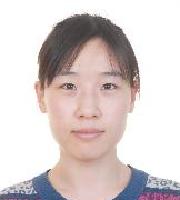 Yanfeng Li (李艳凤)合作论文数School of Electronic and Information Engineering, Beijing Jiaotong University136
 Jupeng Li (李居朋)合作论文数School of Electronic and Information Engineering, Beijing Jiaotong University59
 Yahui Peng (彭亚辉)合作论文数School of Electronic and Information Engineering, Beijing Jiaotong University53
 Xiaoli Hao (郝晓莉)合作论文数School of Electronic and Information Engineering, Beijing Jiaotong University32
 Chang Yao (姚畅)合作论文数Sch. of Electron. & Inf. Eng., Beijing Jiaotong Univ., Beijing, China|c|30
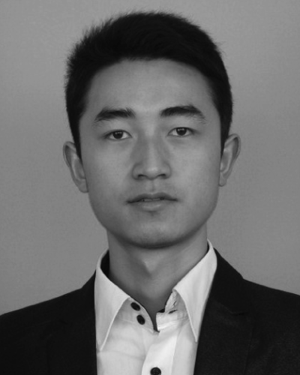 Lin Cheng合作论文数23
 Cheng Tao (陶成)合作论文数School of Electronic and Information Engineering, Beijing Jiaotong University18
 Jinlei Zhu合作论文数Beijing Jiaotong Univ, Sch Elect & Informat Engn, Beijing 100044, Peoples R China14
 Linlin Huang (黄琳琳)合作论文数School of Electronic and Information Engineering, Beijing Jiaotong University12
 Jian Xue (薛健)合作论文数School of Electronic and Information Engineering, Beijing Jiaotong University11
 Ziwei Chen合作论文数10
 Jia Sun (孙嘉)合作论文数School of Geography and Information Engineering, China University of Geosciences10
 Jian Hu (胡健)合作论文数School of Electronic and Information Engineering, Beijing Jiaotong University10
 Yan Shen (申艳)合作论文数School of Electronic and Information Engineering, Beijing Jiaotong University10
 Dan Tao (陶丹)合作论文数School of Electronic and Information Engineering, Beijing Jiaotong University10
 Xinchun Li (李新春)合作论文数The First Affiliated Hospital of Guangzhou Medical University9
 Na Yang (杨娜)合作论文数School of Civil Engineering, Beijing Jiaotong University9
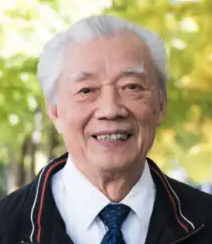 Baozong Yuan (袁保宗)合作论文数School of Computer and Information Technology, Beijing Jiaotong University9
 Xuyang Cao合作论文数Beijing Jiaotong Univ, Sch Elect & Informat Engn, Beijing, Peoples R China8
 Shu Wang (王殊)合作论文数Breast Disease Center, Peking University People's Hospital8
 Manyi Qian (钱满义)合作论文数Electronic & Communications Engineering, Beijing Jiaotong University, Weihai;School of Electronic and Information Engineering, Beijing Jiaotong University8
 Zhenzhong Han合作论文数8
 Naxin Cai合作论文数School of Electronic and Information Engineering, Beijing Jiaotong University, Beijing, China7
 Hang Zhou (周航)合作论文数Electronic & Communications Engineering, Beijing Jiaotong University, Weihai;School of Electronic and Information Engineering, Beijing Jiaotong University7
 David W Matolak合作论文数Department of Electrical Engineering, College of Engineering and Computing, University of South Carolina7
 Liu Liu (刘留)合作论文数School of Electronic and Information Engineering, Beijing Jiaotong University7
 Xueye Wei (魏学业)合作论文数Electronic & Communications Engineering, Beijing Jiaotong University, Weihai;School of Electronic and Information Engineering, Beijing Jiaotong University7Jiaxin Li合作论文数6
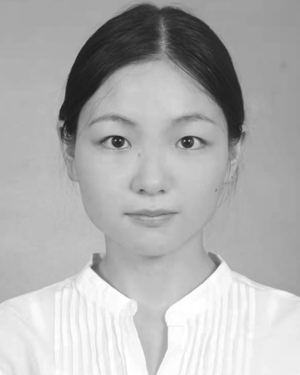 Li Xiaoling合作论文数6Xiaodi Zhu合作论文数Beijing Jiaotong Univ, Sch Elect & Informat Engn, Beijing 100044, Peoples R China6JiaHui Qiu (邱佳慧)合作论文数6ShengJun Zhang (张胜君)合作论文数6
 Xue Yuan (袁雪)合作论文数School of Electronic and Information Engineering, Beijing Jiaotong University6
 Douglas A. Baxter合作论文数The University of Texas6Wanru Peng合作论文数5
 rongchen sun合作论文数5Minjun Wang合作论文数5Ruijing Li合作论文数5Linlin Zhang (张琳琳)合作论文数5
 Qi Wan (万齐)合作论文数The First Affiliated Hospital of Guangzhou Medical University5
 Tao Zhou (周涛)合作论文数School of Electronic and Information Engineering, Beijing Jiaotong University5Jiayu Wei合作论文数4Pei Zhou合作论文数4Zhanyi Cheng合作论文数4Wen Wu合作论文数4Xinmin Wang合作论文数4Xinhui Wang合作论文数4




