Efficient cellulose solvents are crucial for converting lignocellulosic biomass to high-performance materials. Guided by the acid dissociation constants (pKa = 3.5-4.9) of functional organic-acid-derived anions, a one-step strategy was developed to synthesize a series of protic ionic liquids (PILs) composed of the superbase 1,1,3,3-tetramethylguanidine (TMG) cation paired with carboxylate anions bearing various substituents. The PILs exhibited ultralow viscosity (35-150 mPa & centerdot;s), reduced density (<0.98 g & centerdot;cm(-3)), high ionic conductivity (2.42-7.74 mS & centerdot;cm(-1)), and excellent cellulose-dissolving capacity (14.61% at 100 degrees C). Multiscale dynamic analysis revealed a dissolution mechanism involving swelling-induced fragmentation and hydrogen bond disruption. Microscopically, dissolution followed the classical swelling model V, with fiber diameters expanding from 11.86 to 21.01 mu m before the fibers disintegrated to rod-like fragments. At the molecular scale, nuclear magnetic resonance analysis confirmed that the primary driving force for cellulose dissolution arises from hydrogen-bonding interactions between PILs and the hydroxyl groups of cellulose. These mechanisms were key to the rapid dissolution of cellulose (complete dissolution of 4% wood pulp within 10 min). PILs with C=C-containing anions yielded high-strength regenerated cellulose film (122.83 MPa), as they formed stronger hydrogen bonds with the antisolvent than those with -CH3 group (the binding energy increased by 15.13%), facilitating a more compact arrangement of the regenerated cellulose molecular chain. Further, the PILs exhibited outstanding recyclability, supporting their industrial application in sustainable cellulose processing. These findings portend a paradigm shift toward cellulose solvent design and an evaluation protocol to provide a foundation for developing tunable regenerated cellulose film.
Lactococcus lactis is a vital starter culture in dairy and food industries. However, rapid lactic acid accumulation during fermentation leads to self-induced acid stress that limits cell growth, metabolic performance, and the production of high-value products such as nisin. Understanding and enhancing its acid tolerance in L. lactis is therefore crucial for improving the efficiency and productivity of industrial food fermentation processes. Here, we elucidated a novel multi-layered regulatory cascade comprising a transcription factor and a small non-coding RNA (sRNA) that governs acid stress adaptation in L. lactis F44, a nisin producer. We identified the TetR-family transcription factor AcrR1 as an upstream repressor of sRNA s042 through DNA pulldown and EMSA assays. DNase I footprinting precisely mapped its binding site to a 16-bp sequence within the s042 promoter. Under acid stress, acrR1 was downregulated, derepressing s042 transcription. The induced s042 post-transcriptionally activated the arginine regulators ArgR and AhrC by directly interacting with their mRNAs. This shifted the regulatory balance towards ArgR-AhrC complex formation, which derepressed the arginine deiminase (ADI) pathway while repressing biosynthesis, thereby enhancing acid tolerance. Our findings uncovered a sophisticated cascade-like regulation of AcrR1-s042-ArgR/AhrC that, in response to acid stress, fine-tuned the ADI pathway to confer acid resistance in L. lactis.
Membraneless organelles (MLOs) exhibit hierarchical and dynamic architectures essential for cellular regulation, yet recreating such structural complexity synthetically remains a fundamental challenge. Here, we introduce a chemically fueled dissipative reaction network that programs the hierarchical evolution of coacervate droplets through coupled reactions, assembly, and interfacial editing. The system is built on a thiol-thioester exchange that autocatalytically generates surfactant micelles, which subsequently undergo electrostatic complexation to form liquid-like coacervates. A subsequent thiol-disulfide cascade produces an asymmetric aromatic surfactant (6) that selectively enriches at droplet interfaces via cation-π and π-π interactions. This interfacial adsorption triggers symmetry breaking and cavity nucleation within the droplets. Subsequent interfacial softening, fusion-driven reorganization, and kinetic trapping yield stable multicompartmental architectures, while hydrolysis-mediated dissipation ensures system reversibility. Our work establishes a minimal yet programmable chemical platform that integrates autocatalysis, liquid-liquid phase separation (LLPS), and interfacial remodeling to achieve spatiotemporal control over condensate morphology. Beyond offering a mechanistic model for dissipative phase separation, this system provides a versatile strategy to couple reaction networks with self-assembly, paving the way toward adaptive soft materials with life-like organizational complexity.
The development of lightweight, high-performance textile materials with exceptional thermal insulation, mechanical robustness, and breathability is critical to addressing thermal accumulation and wear safety challenges. This study introduces a novel lignin-reinforced dual-porous cellulose fiber (L-DCF) engineered through a simple wet spinning process coupled gas foaming and a two-stage coagulation bath. By uniformly integrating lignosulfonate (LS) into the regenerated cellulose matrix, the interfacial hydrogen bonding network is significantly strengthened, yielding fibers with superior mechanical and ultraviolet (UV) protection (94% of UV absorption rate). Optimal performance is achieved at 10 wt% foaming agent and LS concentrations, with a primary coagulation bath of dilute acid followed by methanol. The resulting L-DCF achieves a specific surface area of 19.02 m2/g, high tensile strength of 66.4 MPa, and excellent hygroscopicity (moisture absorption rate of 11.2%). Due to the unique dual-porous structure of intimal hollow cavity and external nanopores, L-DCF exhibits excellent thermal insulation with a surface temperature difference of 69 °C, while maintaining high thermal stability and durability. This work paves the way for designing sustainable cellulose fiber and multifunctional textiles with promising applications in personal thermal management.
The accumulation of metal ions (K+, Mg2+, Ca2+, and Cu2+) and anionic impurities in the coagulation baths during cellulose dissolution and regeneration using ionic liquids (ILs) as solvents severely impacts the properties of regenerated cellulose and the recovery of ILs, posing challenges such as environmental risks and high costs. In this study, an ion exchange strategy involving cationic and anionic exchange resins with suitable pore sizes is utilized for static and dynamic removal of impurities. The preferred Lyocell-X and PA408 resins possess relatively high adsorption capacities for metal ions and anionic impurities, but their adsorption rate for ILs is less than 1%, which proves its excellent ability to selectively remove impurities. The maximum adsorption capacities of the Lyocell-X for K+ and Cu2+ are 75.38 and 86.12 mg/g, surpassing most previously reported adsorbents. Moreover, the Lyocell-X demonstrates exceptional reusability and stability, as its morphology and adsorption performance remain largely unchanged even after 10 adsorption-desorption cycles. The PA408 shows excellent adsorption capacity for anionic impurities, with the UV adsorption peak undergoing a red shift from 285 to 287 nm and the absorbance value decreasing after adsorption. For dynamic adsorption, the Lyocell-X sustainably adsorbs Cu2+ for up to 1800 min, demonstrating excellent removal efficiency and long-term application prospects. This research presents a feasible approach for adopting resins to remove impurities from the coagulation bath and recycle ILs in practical applications, providing key indicators for the targeted advancement.
Effective delivery of hydrophobic photosensitizers across complex biological barriers (e.g., superhydrophobic surfaces) for systemic therapeutic action remains a formidable challenge in supramolecular chemistry and materials science. Herein, we developed a fluidic supramolecular coacervate platform assembled by liquid-liquid phase separation (LLPS) that spontaneously assembles cationic conjugated polymer photosensitizers with biobased poly(thioctic acid) derivatives into dynamic coacervates (CMCP). The fluidic CMCP exhibits strong adhesion and deposition on hydrophobic plant surfaces, ensuring excellent retention and efficacy under agricultural conditions. CMCP demonstrates remarkable photodynamic antibacterial activity, completely eradicating Xanthomonas oryzae pv. oryzae under white light irradiation. Under natural light, CMCP effectively treats rice bacterial blight in vivo and can enhance rice defense by modulating antioxidant enzyme systems. Additionally, leveraging the intrinsic fluorescence of the conjugated backbone, we demonstrate the self-reporting capability of the system, visualizing its uptake by roots and subsequent systemic translocation via vascular bundles to leaves─a feat rarely achieved by hydrophobic photosensitizers. This work presents a paradigm for designing fluidic supramolecular materials to overcome biological barriers, offering a potent strategy for sustainable, pesticide-free bioprotection.
Despite their biomedical potential, α-lipoic acid (LA)-based hydrogels face challenges regarding polymerization, stability, and functionalization. Here, we propose a "polymerization-functionalization" strategy for fabricating stable LA-based hydrogels using a bioderived peptide (SpyTag-Cys, ST-Cys) as an initiator. Through multiscale interactions (peptide-monomer, -polymer, and -peptide), ST-Cys drives efficient polymerization of LA monomers under mild aqueous conditions and fortifies the network against hydrolysis while simultaneously providing anchoring sites for covalent protein loading. Integrated with a dual cross-linking of disulfide bonds and dopamine coordination bonds, the peptide-driven framework yields a hydrogel with favorable structural integrity and multifaceted bioactivities, enabling the responsive, sustained release of interleukin-33 in the wound microenvironment. Consequently, it significantly accelerates cell migration and skin wound healing in both in vitro and in vivo models. This study introduces an approach for creating stable functionalized LA-based hydrogels, and the developed "polymerization-functionalization" strategy also offers valuable insights for developing high-performance biomaterials.
Developing solvent-resistant membranes is critical for organic solvent nanofiltration (OSN). Although poly(aryl ether ketone) (PAEK) exhibits exceptional chemical stability, its application has been limited by the reliance on aggressive processing media, such as corrosive protonic acids or high-boiling-point polar aprotic solvents. In this work, a soluble acyl chloride-functionalized PEKK (PEKK-COCl) is synthesized to enable the incorporation of a PAEK-derived framework into interfacial polymerization. This strategy provides a relatively direct and acid-free route for constructing a thin-film composite selective layer. The resulting membrane exhibited subnanometer molecular-sieving characteristics, with an MWCO of approximately 490 Da, together with a useful balance between permeance and solute rejection. Owing to the rigid PAEK backbone and cross-linked structure, the membrane also showed good stability in the tested solvent systems. This work demonstrates a facile PAEK-based interfacial-cross-linking platform for organic solvent nanofiltration membranes.
The development of green sizing agents is pivotal for the sustainable manufacturing of high-performance carbon fiber composites. However, conventional solvent-based systems emit volatile organic compounds, while aqueous alternatives often rely on surfactants that compromise interfacial stability at high processing temperatures. To tackle these challenges, a carboxyl-functionalized poly(ether ketone ketone) (PEKK-COOH) was synthesized. The carboxyl groups act as a smart "switch", enabling full dissolution in mildly alkaline to basic aqueous solutions (pH 7.4-12.7) without organic solvents or additives, with stability exceeding 365 days. During post-processing, thermal treatment triggers in-situ decarboxylation, transforming PEKK-COOH into a structure more similar to the poly(ether ether ketone) (PEEK) matrix, thereby strengthening interfacial bonding. At an optimal concentration of 1.0 wt%, this sizing agent significantly enhanced the interfacial shear strength (IFSS) and interlaminar shear strength (ILSS) of CF/PEEK composites, achieving maximum improvements of 69.0% in IFSS and 87.6% in ILSS compared to both commercially sized and desized fibers. The proposed "carboxyl switch" strategy enables an eco-friendly, organic-solvent-free sizing process and opens a new avenue for green and sustainable manufacturing of advanced composites.
Organic solvent nanofiltration (OSN) membranes have garnered significant attention for their green and efficient separation capabilities. However, conventional polymer-based OSN membranes are often constrained by the inherent trade-off between permeability and selectivity. Herein, two trimeric resorcinol isomers (i-3merH and p-3merH) were employed to fabricate cross-linked microporous polyarylate network membranes via interfacial polymerization. Owing to the multiple reactive sites and distorted spatial configurations of these isomers, the topology of the cross-linked network and the microporous channels can be effectively coregulated, thereby tuning the permeability-selectivity balance of the membranes. Specifically, the i-3merH-TMC membrane exhibits an outstanding methanol permeance (20.13 LMH bar-1) and a relatively low molecular weight cutoff (446 Da), enabling precise separation of cefixime (453 Da) and its intermediate MICA (259 Da). By elucidating how molecular spatial configuration and cross-linking site density govern membrane nanostructure, this work provides a viable strategy to balance permeability and selectivity in high-performance OSN membranes.
In recent years, organic solvent nanofiltration (OSN) has emerged as a promising separation technology owing to its inherent environmental compatibility, low energy consumption, and reduced carbon footprint. We employ trimeric resorcinol isomers and diacyl chlorides as interfacial polymerization monomers to fabricate organic solvent nanofiltration membranes with enhanced pressure stability and selectivity. The trimeric resorcinol isomers, featuring four reactive sites and a twisted polyphenol structure, serve as molecular building blocks that induce the formation of interconnected micropores within the resulting polyarylate selective layer. Two types of thin-film composite membranes were prepared using terephthaloyl chloride (TPC) as the cross-linker in the organic phase. The obtained membranes possess a highly microporous selective layer that enables efficient mass transport. Notably, both i-Tri-Res/TPC and p-Tri-Res/TPC membranes exhibit favorable performance in retaining low-molecular-weight solutes, with molecular weight cut-off (MWCO) values of 274 Da and 285 Da, respectively, and maintain structural stability under pressures up to 27.5 bar. Moreover, these membranes demonstrate strong mechanical robustness, good long-term operational stability, and precise molecular-sieving capability in pharmaceutical separations. Overall, this work provides new insights into the fabrication of highly selective OSN membranes through tailored monomer linkers.
Designing organic conjugated catalysts that can achieve both efficient photogenerated electron-hole pair separation and high stability during the reaction process remains a significant challenge. Engineering the electronic structure of catalysts to generate dipole fields is an effective approach to addressing the issue of electron-hole pair recombination. In this study, we engineered the electronic structure of the catalyst by incorporating inert methyl groups, resulting in asymmetric linear conjugated polymer. Under the combined influence of the donor-acceptor system and aromatic it-it stacking interactions, our designed asymmetric linear polymers exhibit dipole effects and successfully achieve enhanced charge separation kinetics. Moreover, the introduction of methyl groups as inert sites prevents the destruction of stability during the reaction process. The generation rate of H2O2 for asymmetric linear polymers is over six times greater than that of symmetric linear polymers without methyl substitution, with stability demonstrated over 100 h in cyclic experiments, indicating its potential as an efficient and stable photocatalyst. Meanwhile, experimental and theoretical calculations evidence demonstrates that the asymmetric linear conjugated polymer promotes efficient H2O2 production by the dual pathway of ORR and WOR. This study provides new insights into designing stable asymmetric organic conjugated photocatalysts to enhance charge separation dynamics and achieve efficient H2O2 production.
Along with the quick advancements in enzyme technology, inactivation has emerged as the key barrier for enzymes to be fully utilized as biocatalysts. Here, a novel strategy is presented for the preservation of the enzymatic activity even after heat treatment by grafting enzymes onto the thermal responsive block copolymer via an activated ester-amine reaction. A new water-soluble activated ester monomer, acrylic polyethylene glycol (PEG) functionalized 3-fluoro-4-hydroxybenzoate is synthesized. This activated ester monomer and 2-methoxyethoxyethyl methacrylate (MEEMA) as copolymer monomers are first used to synthesize water-soluble polymers bearing activated ester for post-polymerization modification with amines. Two model enzymes containing amine residues, urease, and papain, are grafted onto the resulting thermal responsive polymers to obtain PMEEMA-co-Enzyme, respectively. The obtained particles of polymer-enzyme conjugates flocculate above the low critical solution temperature (LCST) and redissolve when cooled below that temperature. The activity of the conjugated enzymes has been studied after high temperatures treatment and compared to that of free enzymes. The enzymatic activity assays show that the thermosensitive polymer can act as a stabilizer under high-temperature conditions after multipoint grafting with the enzyme, thus protecting the enzyme from thermal inactivation.
Separators in supercapacitors(SCs)frequently suffer from high resistance and the risk of short circuits due to inadequate electrolyte wettability,depressed mechanical properties,and insufficient thermal sta-bility.Here,we develop a high-performance regenerated cellulose sepa-rator with nano-cracked structures for SCs via a binary solvent of super-base-derived ionic liquid and dimethylsulfoxide(DMSO).The unique nano-cracks with an average width of 7.45 nm arise from the acceleration of cellulose molecular reassembly by DMSO-regulated hydrogen bond-ing,which endows the separator with high porosity(70.2%)and excellent electrolyte retention(329%).The outstanding thermal stability(273 ℃)and mechanical strength(70 MPa)enable the separator to maintain its structural integrity under high temperatures and external forces.With these benefits,the SC utilizing the cellulose separator enables a high spe-cific capacitance of 93.6 F g-1 at 1.0 A g-1 and a remarkable capacitance retention of 99.5%after 10,000 cycles compared with the commercial NKK-MPF30AC and NKK-TF4030.The robust and high-wettability cellulose separator holds promise as a superior alternative to commercial separators for advanced SCs with enhanced performance and improved safety.
A blood purification device with a membrane is a crucial medical tool utilized in the treatment of kidney failure and other blood-related ailments. This device employs hollow-fiber membranes as a means of separating waste products, toxins, and surplus fluids from the blood by means of selective permeability, while simultaneously preserving beneficial substances and blood cells. The design and manufacture of the membrane equipment play a crucial role in ensuring its effectiveness. This chapter mainly describes the processing of hollow-fiber membranes used for blood purification and the assembly principle of the purification devices.
Surface modification of probiotics with polymers is a promising strategy for conferring unique exogenous functions and modulating cell behavior. While current methods, such as in-situ encapsulation, have been widely adopted, they often face limitations in controllability, biocompatibility, and general applicability. Here, we develop a modular chemical modification approach for probiotics by gently co-incubating engineered Lactococcus lactis and pre-synthesized polymers. In contrast to conventional coating techniques, this approach is compatible with a broad range of polymers and allows tailored modification of L. lactis by both chemical and biological engineering. The resulting modifications exhibit favorable performance in terms of cell viability, nutrient ingestion and protease-driven release of cells. Using polydopamine as a model polymer, we demonstrate that the modified L. lactis showed improved resistance against harsh gastrointestinal environment and contributes to the alleviation of colitis symptoms in vivo. This advance not only overcomes key constraints of existing modification techniques but also provides a versatile platform for probiotic surface engineering, opening new horizons in the field of probiotic research and therapy.
Nanofiltration membrane separation technology offers high separation efficiency and low energy consumption. Traditional nanofiltration membranes based on interfacial polymerization (IP) of acyl chloride-amine show strong negative surface charges caused by hydrolysis of acyl chloride during IP process and most of the formed membranes are relatively dense, which restricts the application of nanofiltration membranes in water treatment and chemical separation. In this study, we propose a new strategy for preparation of charge neutral nanofiltration membranes by IP of fluorinated activated ester. We designed and synthesized fluorinated activated ester monomer with high amine reactivity and strong hydrophobicity to realize the inhibition of hydrolysis during IP process. The moderate reaction rate of new monomer compared to conventional acyl chloride monomer and the strong hydrolysis resistance produced polyamide selective layer of ultra-smooth, electrically neutral, extremely narrow pore size distribution. These membranes exhibited ion-selective specificity, excellent antibiotic/salt separation properties and has unprecedented selectivity for separation of organic molecules with different molecular weights. The ultra-smooth, low-energy surface allowed for excellent resistance to organic fouling. This study presents a new polymerization reaction system for synthesis of nanofiltration membranes from molecular design perspective, offering significant scientific and industrial value in enhancing membrane water treatment capabilities and expanding applications.
With the increasing demand for sustainable and eco-friendly dyes, microbial production of indigoidine, a natural blue pigment, has gained significant attention. This study explored the use of soybean okara to enhance the production of indigoidine by engineered Escherichia coli strains. The addition of soybean okara hydrolysates (SOH) was found to facilitate microbial indigoidine production by increasing the availability of ATP and coenzyme A (CoA), both of which are crucial for the biosynthesis of indigoidine. Specifically, incorporating SOH led to a 3.4-fold increase in indigoidine production in 250-mL shake flasks and a 2.9-fold increase in a 5-L bioreactor fermentation. A novel extraction method for intracellular indigoidine leveraging the distinct solubility characteristics of oxidized and reduced indigoidine forms was proposed. The techno-economic and environmental feasibility of indigoidine production processes was evaluated using the laboratory scale optimized data, simulated with SimaPro and SuperPro Designer. Additionally, we developed a sodium hydrosulfite-based dyeing system to directly use fermentation broth for dyeing nylon and cotton, bypassing costly indigoidine purification. This research provides a sustainable and economically feasible process for indigoidine production and application, offering a promising alternative to chemical dyes in the textile industry.
The development of complex, adaptive behaviors in chemical systems hinges on the intricate coupling between reaction networks and self-organizing processes. Self-assembling networks, particularly those capable of self-replication, provide a unique platform for studying how molecular interactions drive temporally evolving, system-level behaviors. While environmental factors are known to shape the dynamic evolution of such networks, most studies have focused on static or single-class systems, such as isolated peptides or nucleic acids. This approach overlooks two critical dimensions of complexity: 1) nonlinear interspecies dynamics in multicomponent systems, and 2) inter-network coupling phenomena. Here, we investigate dynamic nucleopeptide networks exhibiting environment-responsive self-assembly, demonstrating how nucleobases and short peptides dynamically synergize under specific conditions to form organized, self-replicating structures. And we reveal how such networks orchestrate the interplay between cooperative and competitive species to achieve dynamic adaptation to environmental parameters (e.g., pH, temperature, and ionic strength). Furthermore, inspired by nucleobases' genetic information function, we utilized the base-specific recognition in nucleopeptide assemblies for hierarchical network coupling-transmitting environmental signals from stimulus-sensitive to stimulus-insensitive systems. These findings offer new insights into temporal and cross-network regulation of self-assembly and reaction dynamics, providing a framework for designing adaptive, life-like chemical systems that evolve and communicate with environmental signals.
 Ben Zhong Tang (唐本忠)合作论文数School of Science and Engineering, The Chinese University of Hong Kong, Shenzhen;Department of Chemical & Biological Engineering, School of Engineering, The Hong Kong University of Science and Technology18
 Jingzhi Sun (孙景志)合作论文数Department of Polymer Science and Engineering, Zhejiang University18
 Jinshui Yao (姚金水)合作论文数Advanced Materials Institute, School of Materials Science and Engineering, Qilu University of Technology15
 Lirong He合作论文数14
 Anjun Qin (秦安军)合作论文数National Engineering Research Center for Tissue Restoration and Reconstruction, South China University of Technology14
 Wangzhang Yuan (袁望章)合作论文数School of Chemistry and Chemical Engineering, Shanghai Jiao Tong University13
 Patrick Théato合作论文数Institute for Chemical Technology and Polymer Chemistry, Karlsruhe Institute of Technology13Weiliang Liu (刘伟良)合作论文数9Zhi-zhou YANG (杨志洲)合作论文数9
 Changbin Zhang (张长斌)合作论文数Research Center for Eco-Environmental Sciences, Chinese Academy of Sciences;University of Chinese Academy of Sciences9
 Udayabhaskararao Thumu合作论文数Institute of Fundamental and Frontier Sciences, University of Electronic Science and Technology of China9Congde Qiao合作论文数9Xianhua Lang合作论文数8
 Manman Ren合作论文数Nankai University, Nankai University8HaiPeng Xu (许海朋)合作论文数7Li Tang合作论文数7Zi-Rui Wang合作论文数6Qian Lu合作论文数6Xian Zhang (张献)合作论文数6Yu Mao (毛宇)合作论文数6
 Rafal Klajn合作论文数Department of Organic Chemistry, Weizmann Institute of Science/Helen and Martin Kimmel Center For Molecular Design, Weizmann Institute of Science6Di Zhang合作论文数5
 Jiaheng Liu合作论文数5Xiaoxia Cai合作论文数5Bing Yang (杨冰)合作论文数5
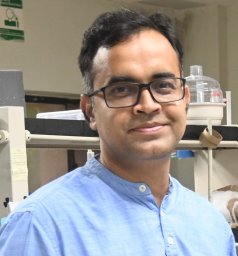 Manna Debasish合作论文数Department of Inorganic and Physical Chemistry, Indian Institute of Science5
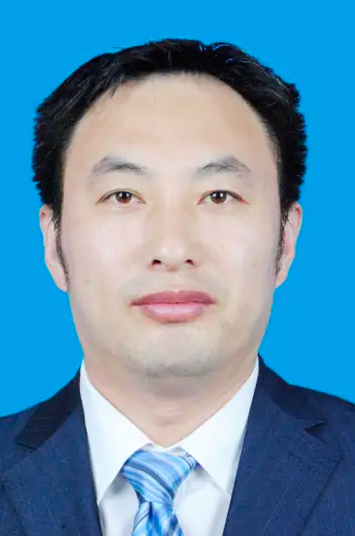 Fangong Kong (孔凡功)合作论文数Faculty of Light Industry, Qilu University of Technology5Mu Qiu-Hong (牟秋红)合作论文数5Lijiao Chen (陈立娇)合作论文数5
 E. Bryan Coughlin合作论文数Department of Polymer Science and Engineering, College of Natural Sciences, University of Massachusetts Amherst5Yunqiang Zhang合作论文数5Elizabeth S. Sterner合作论文数4Dan Peng (彭丹)合作论文数4
 Mei Li合作论文数4Gu Weiyin合作论文数4
 Thomas Russell合作论文数Department of Polymer Science and Engineering, College of Natural Sciences, University of Massachusetts Amherst4Yingchun Han (韩迎春)合作论文数4
 Ju Mei (梅菊)合作论文数School of Chemistry and Molecular Engineering, East China University of Science and Technology4
 Feng Xu (许凤)合作论文数College of Materials Science and Technology, Beijing Forestry University4
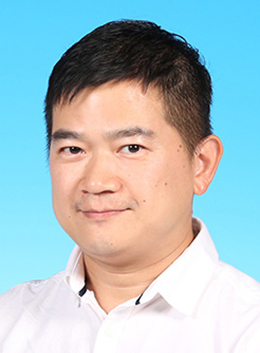 Wing Yip Lam (林榮業)合作论文数Department of Chemistry, School of Science, The Hong Kong University of Science and Technology4Shuang Zhang合作论文数4Jia Ke Jin合作论文数4Guofeng Peng合作论文数3Yingjie Huang合作论文数3
 Zhengke Wang (王征科)合作论文数Department of Polymer Science and Engineering, Zhejiang University3Yuan Ling合作论文数3
 Petr Král合作论文数Department of Chemistry, College of Liberal Arts and Sciences, University of Illinois at Chicago3Donglan Mou (牟东兰)合作论文数3
 Qiang Zheng (郑强)合作论文数Department of Polymer Science and Engineering, Zhejiang University3




