In this work, we reported on the synthesis of atomically thick WSe2 nanoribbons with straight edges and a maximum lateral size of 85 mu m on SiO2/Si substrates via a one-step chemical vapour deposition. Optical microscope, atomic force microscope and X-ray photoelectron spectroscopy measurements were used to characterize the morphologies and chemical composition of the as-grown WSe2 nanoribbons. Photoluminescence spectra and Raman spectra indicated that the interlayer coupling may be varied with different stacking manner. A vapour-liquid-solid mechanism was proposed to rationalize the formation of WSe2 nanoribbons. Moreover, we showed that WSe2 nanoribbons could also be grown on MoSe2 flakes with the same approach, demonstrating the extendibility of this strategy. Our work provides an efficient method to obtain WSe2 nanoribbons for novel application in catalysts and electronic devices.
Deg1 protease functions in protease and chaperone of PSII complex components, but few works were performed to study the effects of Deg1 on electron transport activities on the donor and acceptor side of PSII and its correlation with the photoprotection of PSII during photoinhibition. Therefore, we performed systematic and comprehensive investigations of electron transfers on the donor and acceptor sides of photosystem II (PSII) in the Deg1-reduced transgenic lines deg1-2 and deg1-4. Both the maximal quantum efficiency of PSII photochemistry (Fv/Fm) and the actual PSII efficiency (ΦPSII) decreased significantly in the transgenic plants. Increases in nonphotochemical quenching (NPQ) and the dissipated energy flux per reaction center (DI0/RC) were also shown in the transgenic plants. Along with the decreased D1, CP47, and CP43 content, these results suggested photoinhibition under growth light conditions in transgenic plants. Decreased Deg1 caused inhibition of electron transfer on the PSII reducing side, leading to a decline in the number of QB-reducing centers and accumulation of QB-nonreducing centers. The Tm of the Q band shifted from 5.7 °C in the wild-type plant to 10.4 °C and 14.2 °C in the deg1-2 and deg1-4 plants, respectively, indicating an increase in the stability of S2QA¯ in transgenic plants. PSIIα in the transgenic plants largely reduced, while PSIIβ and PSIIγ increased with the decline in the Deg1 levels in transgenic plants suggesting PSIIα centers gradually converted into PSIIβ and PSIIγ centers in the transgenic plants. Besides, the connectivity of PSIIα and PSIIβ was downregulated in transgenic plants. Our results reveal that downregulation of Deg1 protein levels induced photoinhibition in transgenic plants, leading to loss of PSII activities on both the donor and acceptor sides in transgenic plants. These results give a new insight into the regulation role of Deg1 in PSII electron transport.
Plastid-encoded RNA polymerase (PEP)-dependent transcription is an essential process for chloroplast development and plant growth. It is a complex event that is regulated by numerous nuclear-encoded proteins. In order to elucidate the complex regulation mechanism of PEP activity, identification and characterization of PEP activity regulation factors are needed. Here, we characterize Plastid Deficient 1 (PD1) as a novel regulator for PEP-dependent gene expression and chloroplast development in Arabidopsis. The PD1 gene encodes a protein that is conserved in photoautotrophic organisms. The Arabidopsis pd1 mutant showed albino and seedling-lethal phenotypes. The plastid development in the pd1 mutant was arrested. The PD1 protein localized in the chloroplasts, and it colocalized with nucleoid protein TRXz. RT-quantitative real-time PCR, northern blot, and run-on analyses indicated that the PEP-dependent transcription in the pd1 mutant was dramatically impaired, whereas the nuclear-encoded RNA polymerase-dependent transcription was up-regulated. The yeast two-hybrid assays and coimmunoprecipitation experiments showed that the PD1 protein interacts with PEP core subunit β (PEP-β), which has been verified to be essential for chloroplast development. The immunoblot analysis indicated that the accumulation of PEP-β was barely detected in the pd1 mutant, whereas the accumulation of the other essential components of the PEP complex, such as core subunits α and β′, were not affected in the pd1 mutant. These observations suggested that the PD1 protein is essential for the accumulation of PEP-β and chloroplast development in Arabidopsis, potentially by direct interaction with PEP-β.
We report on the controllable synthesis of 2D SnSe2 flakes with screw dislocations and fractal structures on mica and graphite substrates using a molecular beam epitaxy technique.
2D TMDCs with triangular-shaped and hexagonal-shaped kirigami structures are grown on amorphous SiO2 substrates by chemical vapor deposition (CVD).
The screw dislocations are intriguing defects that are often observed in natural and artificial materials. The dislocation spirals break the reflection and inversion symmetries of the lattices and modify the interlayer coupling in layer-structured materials, inducing additional complexity in layer stacking and thus novel properties in materials. Here, we report on the interlayer coupling of two-dimensional (2D) MoSe2 flakes with screw dislocations by atomic force microscopy (AFM), Raman spectra and photoluminescence (PL) spectra. By controlling the supersaturation conditions, 2D MoSe2 flakes with screw dislocations are grown on amorphous SiO2 substrates by chemical vapor deposition (CVD). AFM measurements reveal that the interlayer spacing in such 2D MoSe2 flakes with screw dislocation is slightly widened with respect to the normal AA- or AB-stacked ones due to the presence of the screw dislocations. Raman and PL spectra show that the interlayer coupling is weaker and thus the band gap is wider than that in the normal AA- or AB-stacked ones. Our work demonstrates that the interlayer coupling of 2D transition metal dichalcogenides (TMDCs) flakes can be tuned by the induction of screw dislocations, which is very helpful for developing novel catalysts and electronic devices.
A scanning near-field fluorescence microscopy for in situ test is demonstrated in this letter. The scanning near-field fluorescence microscopy can be applied to commercial environmental scanning electron microscopy (ESEM) without changing the ESEM performance. The designed scanning near-field fluorescence microscopy combines the advantage of the ESEM and scanning near-field optical microscopy (SNOM). The CdSe/ZnS quantum dot samples are prepared to verify system performance. The system offers fluorescence image and topography image simultaneously with a high depth and high resolution, thus permitting further ingredient and functional research. The topography image spatial resolution and the fluorescence image spatial resolution are below 130 nm and 115 nm, respectively, with a tip aperture of similar to 100 nm. The image range reaches 300 x 300 mu m by virtue of the micromanipulators and image stitching technology.
Although progress has been made in determining the structure and understanding the function of photosystem I (PSI), the PSI assembly process remains poorly understood. PsaC is an essential subunit of PSI and participates in the transfer of electrons to ferredoxin. However, how PsaC is assembled during accumulation of the PSI complex is unknown. In the present study, we showed that Pyg7 localized to the stromal thylakoid and associated with the PSI complex. We also showed that Pyg7 interacted with PsaC. Furthermore, we found that the PSI assembly process was blocked following formation of the PsaAB heterodimer in the pyg7 mutant. In addition, the analyses of PSI stability in Pyg7RNAi plants showed that Pyg7 is involved in maintaining the assembled PSI complex under excess-light conditions. Moreover, we demonstrated that decreased Pyg7 content resulted in decreased efficiency of PSI assembly in Pyg7RNAi plants. These findings suggest that the role of Pyg7 in PSI biogenesis has evolved as an essential assembly factor by interacting with PsaC in Arabidopsis, in addition to being a stability factor for PSI as seen in Synechocystis.
Phytyl-diphosphate, which provides phytyl moieties as a common substrate in both tocopherol and phylloquinone biosynthesis, derives from de novo isoprenoid biosynthesis or a salvage pathway via phytol phosphorylation. However, very little is known about the role and origin of the phytyl moiety for phylloquinone biosynthesis. Since VTE6, a phytyl-phosphate kinase, is a key enzyme for phytol phosphorylation, we characterized Arabidopsis vte6 mutants to gain insight into the roles of phytyl moieties in phylloquinone biosynthesis and of phylloquinone in photosystem I (PSI) biogenesis. The VTE6 knockout mutants vte6-1 and vte6-2 lacked detectable phylloquinone, whereas the phylloquinone content in the VTE6 knockdown mutant vte6-3 was 90% lower than that in wild-type. In vte6 mutants, PSI function was impaired and accumulation of the PSI complex was defective. The PSI core subunits PsaA/B were efficiently synthesized and assembled into the PSI complex in vte6-3. However, the degradation rate of PSI subunits in the assembled PSI complex was more rapid in vte6-3 than in wild-type. In vte6-3, PSI was more susceptible to high-light damage than in wild-type. Our results provide the first genetic evidence that the phytol phosphorylation pathway is essential for phylloquinone biosynthesis, and that phylloquinone is required for PSI complex stability.
Optical properties of a fluorescence molecule can be drastically changed by surface plasmons excited in neighboring metallic nanostructures. Here we investigated the fluorescence enhancement behavior of fluorescein isothiocyanate (FITC) labeled polystyrene nanoparticles coupled to silver island films (SIFs) via a 15 nm polymethyl methacrylate separation layer theoretically and experimentally. Up to 24-fold fluorescence enhancement was experimentally achieved when the annealing time of the 25 nm Ag films was 50 min, which is in good agreement with the theoretical simulation result based on the finite-difference time-domain method. Furthermore, significant fluorescence spectral distortion on SIFs was also observed compared with samples on glass slides, which is sufficiently related to the scattering properties of SIFs and the lifetimes of FITC.
Photosystem I, an integral membrane and multi-subunit complex, catalyzes the oxidation of plastocyanin and the reduction of ferredoxin by absorbed light energy. Photosystem I participates in photosynthetic acclimation processes by being involved in cyclic electron transfer and state transitions for sustaining efficient photosynthesis. The photosystem I complex is highly conserved from cyanobacteria to higher plants and contains the light-harvesting complex and the reaction center complex. The assembly of the photosystem I complex is highly complicated and involves the concerted assembly of multiple subunits and hundreds of cofactors. A suite of regulatory factors for the assembly of photosystem I subunits and cofactors have been identified that constitute an integrative network regulating PSI accumulation. This review aims to discuss recent findings in the field relating to how the photosystem I complex is assembled in oxygenic organisms. This article is part of a Special Issue entitled: Chloroplast Biogenesis.
A compact and highly linear quartz-enhanced photoacoustic spectroscopy (QEPAS) sensor for the measurement of water vapor concentration in the air is demonstrated. A cost-effective quartz tuning fork (QTF) is used as the sharp transducer to convert light energy into an electrical signal based on the piezoelectric effect, thereby removing the need for a photodetector. The short optical path featured by the proposed sensing system leads to a decreased size. Furthermore, a pair of microresonators is applied in the absorbance detection module (ADM) for QTF signal enhancement. Compared with the system without microresonators, the detected QTF signal is increased to approximately 7-fold. Using this optimized QEPAS sensor with the proper modulation frequency and depth, we measure the water vapor concentration in the air at atmospheric pressure and room temperature. The experimental result shows that the sensor has a high sensitivity of 1.058 parts-per-million.
To gain insights into the molecular details of photosystem I (PSI) biogenesis, we characterized the PsbP-domain protein1 (ppd1) mutant of Arabidopsis thaliana that specifically lacks PSI activity. Deletion of PPD1 results in an inability of the mutant to grow photoautotrophically and a specific loss of the stable PSI complex. Unaltered transcription and translation of plastid-encoded PSI genes indicate that PPD1 acts at the posttranslational level. In vivo protein labeling experiments reveal that the rate of synthesis of PSI reaction center proteins PsaA/B in ppd1 is comparable to that of wild-type plants, whereas the rate of turnover of PsaA/B proteins is higher in ppd1 than in wild-type plants. With increasing leaf age, PPD1 content decreases considerably, while PSI content remains constant. PPD1 is a nuclear-encoded thylakoid lumenal protein and is associated with PSI but is not an integral subunit of PSI. Biochemical and molecular analyses reveal that PPD1 interacts directly and specifically with PsaB and PsaA. Yeast two-hybrid experiments show that PPD1 interacts with some lumenal loops of PsaB and PsaA. Our results suggest that PPD1 is a PSI assembly factor that assists the proper folding and integration of PsaB and PsaA into the thylakoid membrane.
In this work, we conducted functional analysis of Arabidopsis HRS1 gene in order to provide new insights into the mechanisms governing seed germination. Compared with wild type (WT) control, HRS1 knockout mutant (hrs1-1) exhibited significant germination delays on either normal medium or those supplemented with abscisic acid (ABA) or sodium chloride (NaCl), with the magnitude of the delay being substantially larger on the latter media. The hypersensitivity of hrs1-1 germination to ABA and NaCl required ABI3, ABI4 and ABI5, and was aggravated in the double mutant hrs1-1abi1-2 and triple mutant hrs1-1hab1-1abi1-2, indicating that HRS1 acts as a negative regulator of ABA signaling during seed germination. Consistent with this notion, HRS1 expression was found in the embryo axis, and was regulated both temporally and spatially, during seed germination. Further analysis showed that the delay of hrs1-1 germination under normal conditions was associated with reduction in the elongation of the cells located in the lower hypocotyl (LH) and transition zone (TZ) of embryo axis. Interestingly, the germination rate of hrs1-1 was more severely reduced by the inhibitor of cell elongation, and more significantly decreased by the suppressors of plasmalemma H+-ATPase activity, than that of WT control. The plasmalemma H+-ATPase activity in the germinating seeds of hrs1-1 was substantially lower than that exhibited by WT control, and fusicoccin, an activator of this pump, corrected the transient germination delay of hrs1-1. Together, our data suggest that HRS1 may be needed for suppressing ABA signaling in germinating embryo axis, which promotes the timely germination of Arabidopsis seeds probably by facilitating the proper function of plasmalemma H+-ATPase and the efficient elongation of LH and TZ cells.
We measured the dynamics of both biomass and nutrient pools on 7-, 17-, 31- and 51-year-old Pinus massoniana plantations in southern China. Using a chronosequence approach, we found that biomass of each component increased with aging while its proportion decreased except stem-wood. Nutrient pools varied with biomass pools except for foliage. For all harvest intensities (stem only, stem and branches, and aboveground), increasing the rotation length from 31 yrs to 51 yrs increased the biomass collection by ≥7.1% and reduced the nutrient export for K, Ca and Mg by ≤6.3% during 155 years, while N and P pools varied with harvesting intensities. A decreasing rotation length from 51 yrs to 17 yrs would increase the biomass collection by ≥12.4%, but remove significantly more nutrients. Although more biomass would be collected if harvesting intensity increased, the nutrient removal would have disproportionally increased. Therefore, increasing the rotation length and decreasing harvest intensity are recommended to sustain the site productivity for future Masson pine plantation.
By using a chronosequence approach, this paper studied the nutrients accumulation, allocation, and cycling in 7-, 17-, 31-, and 51-year-old Masson pine plantations, aimed to analyze the dynamics of nutrients in Masson pine plantation at its different developmental stages. The results showed that 1) nutrient accumulation was not synchronized with biomass accumulation, with the accumulation rate of biomass being 3.3, 5.4, 3.3, 3.7, and 9.8 times of that of N, P, K, Ca, and Mg from age 17 to 51, respectively, 2) nutrient allocation to a specific component was related to the growth rate of the nutrient pool in the component, and the nutrient allocation to stem as well as the ratio of nutrient allocation to root/shoot increased with plantation age, and 3) the biomass production per unit nutrient, i. e., nutrient use efficiency, and the nutrient cycling coefficient also increased with plantation age, being higher for 51-year-old plantation than for younger plantations, suggesting that shortening the rotation length could reduce the possibility to raise the nutrient use efficiency. It was suggested that both extending the current rotation length to as long as 50 years and reducing the harvest intensity could be helpful to conserve the nutrients and to maintain long-term productivity.
Phosphate (Pi) deficiency causes dramatic root system architecture (RSA) changes in higher plants. Here we report that overexpression of HRS1 leads to enhanced sensitivity to low Pi-elicited inhibition of primary root growth in Arabidopsis thaliana seedlings. Bioinformatic investigations uncovered that HRS1 and its six homologs encode putative G2-like transcription factors in Arabidopsis. Analysis of promoter::GUS reporter lines revealed that HRS1 transcripts were present mainly in the root hair region and root hair cells under Pi-sufficient conditions. Pi deprivation increased HRS1 expression level and expanded its expression domain. Although HRS1 knockout mutant did not differ from wild type (WT) control irrespective of Pi status, its overexpression lines were significantly more susceptible to low Pi-elicited primary root shortening. In both WT and HRS1 overexpression seedlings, low Pi-induced primary root shortening was accompanied by enhanced root hair cell differentiation, but this enhancement occurred to a greater extent in the latter genotype. Collectively, our data suggest that HRS1 may be involved in the modulation of primary root and root hair growth in Pi-deprived Arabidopsis seedlings, and provide useful clues for further research into the function of HRS1 and its homologs and the mechanisms behind RSA changes under Pi-deficient conditions.
本文综述了拟南芥低磷(Pi)胁迫反应分子机理的最新研究进展,重点介绍了低磷胁迫反应中的SUMOylation途径、转录因子在低磷反应中的功能、Pi平衡调节机制以及磷脂酶在Pi的循环利用过程中的作用,总结了已经鉴定的参与低磷胁迫反应的基因及其可能存在的相互关系.
A full-length cDNA of an arachin gene was cloned from a cDNA library constructed with immature peanut seeds by plaque in situ hybridization.The cDNA contained an ORF of 1?886 bp with a deduced protein of 536 amino acid residues.Results of northern blot analysis showed that the expression of the cloned gene occurred at an early stage of seed development,was increased dramatically in the following stage and retained the higher accumulation of mRNA until mature.
 Xiaogang Wen (温晓刚)合作论文数中国科学院植物研究所7
 Congming Lu (卢从明)合作论文数College of Life Sciences, Shandong Agricultural University6
 Qingtao Lu (卢庆陶)合作论文数University of Chinese Academy of Sciences;Key Laboratory of Photobiology, Institute of Botany, The Chinese Academy of Sciences4
 Qinsheng Wang (王钦生)合作论文数School of Physics, Beijing Institute of Technology4
 Junfeng Han (韩俊峰)合作论文数School of Physics, Beijing Institute of Technology4
 Wende Xiao (肖文德)合作论文数School of Physics, Beijing Institute of Technology4Xianglin Peng合作论文数3
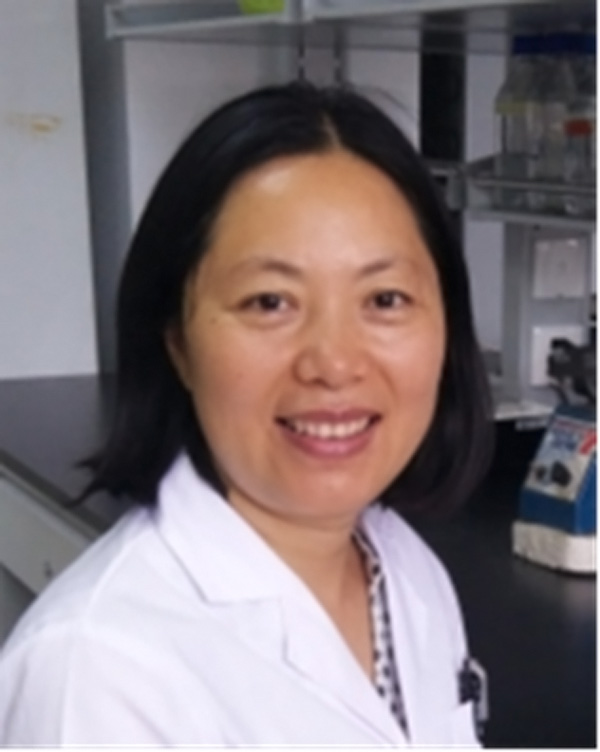 Shunhua Ding (丁顺华)合作论文数Institute of Botany, Chinese Academy of Sciences;University of Chinese Academy of Sciences3Xiangzhuo Wang合作论文数3Jingchuan Zheng合作论文数3Yongkai Li合作论文数Beijing Inst Technol, Sch Phys, Minist Educ, Key Lab Adv Optoelect Quantum Architecture & Meas, Beijing 100081, Peoples R China3Lu Qiao合作论文数3
 Daowen Wang (王道文)合作论文数State Key Laboratory of Plant Cell and Chromosome, Engineering Institute of Genetics and Developmental Biology, Chinese Academy of Sciences;University of Chinese Academy of Sciences3
 Yuping Bi (毕玉平)合作论文数Shandong Academy of Agricultural Sciences3
 Lei Shan (单雷)合作论文数College of Life Sciences, Shandong Normal University;Shandong University3
 Lixin Zhang (张立新)合作论文数School of Life Sciences, Henan University3Zhipan Yang合作论文数3
 Weidong Zhang (张伟东)合作论文数University of Chinese Academy of Sciences;Institute of Applied Ecology, Chinese Academy of Sciences2
 Ping Gong (龚萍)合作论文数Institute of Semiconductors, Chinese Academy of Sciences;University of Chinese Academy of Sciences2
 Silong Wang (汪思龙)合作论文数Institute of Applied Ecology, Chinese Academy of Sciences2
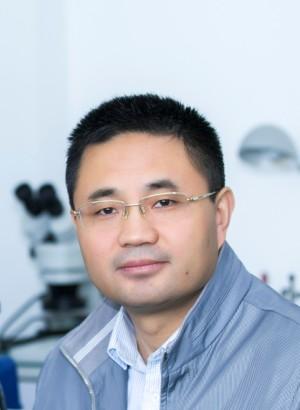 Liang Xie (谢亮)合作论文数Institute of Semiconductors, Chinese Academy of Sciences;University of Chinese Academy of Sciences2
 Hong Liu (柳红)合作论文数University of Chinese Academy of Sciences;Shanghai Institute of Materia Medica, Chinese Academy of Sciences;Nanjing University of Chinese Medicine2
 Jun Liu (刘俊)合作论文数College of Plant Protection, China Agricultural University2Fan Bing合作论文数2Juanjuan Feng合作论文数2
 Chongming Wu (吴崇明)合作论文数School of Chinese Materia Medica, Tianjin University of Traditional Chinese Medicine2
 Junxi Duan (段俊熙)合作论文数School of Physics, Beijing Institute of Technology2
 Zhiwei Wang (王秩伟)合作论文数School of Physics, Beijing Institute of Technology2Aihong Zhang合作论文数2Huanju Qin合作论文数2
 Xin Liu (刘心)合作论文数Shenzhen Huada Gene Research Institute;University of Chinese Academy of Sciences2
 Xiaoqiong Qi合作论文数2
 Bang Hong Zhang合作论文数2
 Yi Zhang合作论文数1Chang Mingchao合作论文数1Ran Wang合作论文数1F. Sun合作论文数1
 Rong Yang (杨蓉)合作论文数College of Semiconductors, Hunan University1
 Lei Wang (王蕾)合作论文数Institute of Biotechnology, Shanxi University1
 Hui Wang合作论文数Institute of Semiconductors, Chinese Academy of Sciences1Fang Wang (王芳)合作论文数1Renyi Li合作论文数1
 Guanpeng Li合作论文数1Cui-e WEI (韦翠娥)合作论文数1L. Peng合作论文数1Peng Zhu合作论文数1Chang Wang合作论文数1Qiaochu Wang (王翘楚)合作论文数1Rui Wang合作论文数1




