The aim of this work was to evaluate the achievement of minimal clinically important improvement (MCII) in patient-reported outcomes (PROs) with guselkumab among participants with active psoriatic arthritis (PsA) and inadequate response to tumor necrosis factor inhibitors (TNFi-IR). Post hoc analysis of phase 3b COSMOS study of participants with PsA and TNFi-IR randomized to guselkumab (N = 189) or placebo (N = 96) at week (W)0, W4 then every 8W through W44, with W16 (early escape) or W24 placebo-to-guselkumab transition. Time to MCII achievement (> 15-point) in patient global assessment of arthritis (PtGA Arthritis), PtGA Psoriasis, PtGA Arthritis + Psoriasis, and Patient Pain, Functional Assessment of Chronic Illness Therapy-Fatigue (FACIT-Fatigue, ≥ 4-point), Health Assessment Questionnaire-Disability Index (HAQ-DI, ≥ 0.35-point), 36-item Short-Form Health Survey physical component summary score (≥ 5-point), Dermatology Life Quality Index (DLQI, ≥ 5-point), and DLQI 0/1 with guselkumab vs. placebo was determined using Cox regression adjusting for baseline factors. Logistic regression compared MCII achievement rates between treatment groups. All p values are nominal. Time to MCII achievement across PROs through W24 was significantly faster with guselkumab vs. placebo (hazard ratio [HR] range 1.59 for PtGA Arthritis to 5.89 for DLQI), except for FACIT-Fatigue (HR 1.29, 95
Janus kinases (JAKs) and signal transducers and activators of transcription (STATs) comprise a direct membrane-to-nucleus intracellular signaling pathway, facilitating rapid transcriptional changes in response to cytokines, growth factors, and hormones. Since the first JAK inhibitor (JAKi) gained regulatory approval in 2011, targeting of the JAK-STAT pathway has expanded significantly, with over a dozen approved agents and new indications in many immune-mediated inflammatory diseases. Newer agents targeting the JAK-STAT pathway have been developed with improved JAK selectivity, delivery to specific tissues, and new mechanisms of action in an effort to improve efficacy and address ongoing safety concerns. This review covers the expanding clinical use of JAK-STAT inhibition across immune-mediated inflammatory diseases as well as new therapeutic strategies and approaches.
Objectives This article aimed to articulate the most important unmet scientific needs in rheumatology. Methods At the 25th Advances in Targeted Therapies (ATT) meeting, over 100 investigators joined 6 disease-focused breakout groups (rheumatoid arthritis [RA], psoriatic arthritis [PsA], axial spondyloarthritis [axSpA], systemic lupus erythematous [SLE], systemic sclerosis [SSc], and osteoarthritis [OA]). Each group, led by a facilitator and rapporteur, mapped (i) key unmet needs, (ii) promising mechanistic or therapeutic approaches, and (iii) near-term priorities for research and trials. This report synthesises the consensus highlights. Results Six disease-focused groups (RA, PsA, axSpA, SLE, SSc, and OA) identified convergent priorities: earlier detection and interception; validated molecular and clinical endotypes to guide therapy; strategies for immune reset and short-course induction combinations with strict safety oversight; metabolic modifiers; precision targets in axSpA and fibroblast-directed approaches in RA; phenotype-driven therapeutic development and intra-articular options in OA; and pragmatic trial designs that include pregnant persons and very early disease. Conclusions Across immune-mediated diseases, progress will hinge on validated endotypes, practical interception strategies, and trials that reflect real-world populations. The immediate agenda is to de-risk immune reset and induction approaches, standardise tissue and digital biomarkers, and close evidence gaps for refractory disease. Prevention—and ultimately cure—remains the horizon.
It is 50 years since the original spondyloarthritis concept was proposed by Moll and Wright, and in November 2025, rheumatologists (and other health and research professionals in rheumatology and dermatology) gathered in Leeds, the birthplace of spondyloarthritis, to celebrate the milestone. Here, we report on the proceedings of the meeting, which looked back over the last 50 years, noted the current state of the art, and had a look at what might develop in the next 50 years.
Background: Differences in body fat distribution and muscle composition, beyond body mass index (BMI), may be functionally important in immune-mediated-inflammatory-diseases (IMIDs). We compared body composition in psoriasis, psoriatic arthritis (PsA), rheumatoid arthritis (RA), and gout, propensity to type 2 diabetes (T2DM) and coronary heart disease (CHD), and body composition predicted risk of incident psoriasis, RA, and gout. Methods: MRI body composition parameters were compared amongst 236 individuals with psoriasis, 61 with PsA, 281 with gout, and 308 with RA, each matched 1:5 on age, sex, and BMI to 1180, 305, 1405, and 1540 metabolic-disease-free controls from UK Biobank. Fat distribution-derived propensities to T2DM and CHD were calculated using adaptive k-nearest neighbours algorithm. Body composition predicted risks of incident psoriasis, RA, and gout were calculated using Cox regression, adjusted for age, sex, and BMI. Findings: Psoriasis, PsA, and gout displayed metabolically adverse body fat distribution with greater liver and muscle fat and 1.23, 1.39-, and 1.20-times greater propensity to T2DM compared to matched controls, respectively (p<0.05). RA displayed greater muscle fat and 1.18-times greater propensity to CHD compared to matched controls (p=0.002). 1 in 7 to 1 in 5 individuals with IMIDs displayed adverse muscle composition, significantly associated with greater T2DM and CHD propensity. During a mean follow-up of 3.9years (SD 2.2), adverse muscle composition (low muscle volume and high muscle fat) was associated with increased incidence of psoriasis (adj.HR 2.12, 95% CI (1.29, 3.50)), gout (adj.HR 1.66 (1.10, 2.50)), and RA (adj.HR 1.79 (1.14, 2.81)) compared to normal muscle composition. Greater visceral and liver and lower subcutaneous fat were associated with greater risk of incident gout (p<0.05). Interpretation: Psoriasis, PsA, gout, and RA display adverse body fat distributions and muscle compositions, which may help assess cardiometabolic risk and potential mechanistic insights into greater cardiometabolic disease susceptibility in IMIDs. Adverse muscle composition is also linked to greater susceptibility to these IMIDs. Effective weight management, targeting ectopic fat while maintaining muscle quality, should be integral to IMID management. Funding: GRAPPA Pilot Research Grant and Mason Medical Research Trust (grant number G4)
The relative efficacy of bimekizumab and risankizumab in patients with PsA who were biologic disease-modifying anti-rheumatic drug naïve (bDMARD naïve) or with previous inadequate response or intolerance to tumor necrosis factor inhibitors (TNFi-IR) was assessed at 52 weeks (Wk52) using matching-adjusted indirect comparisons (MAIC). Relevant trials were systematically identified. For patients who were bDMARD naïve, individual patient data (IPD) from BE OPTIMAL (NCT03895203; N = 431) were matched with summary data from KEEPsAKE-1 (NCT03675308; N = 483). For patients who were TNFi-IR, IPD from BE COMPLETE (NCT03896581; N = 267) were matched with summary data from the TNFi-IR patient subgroup in KEEPsAKE-2 (NCT03671148; N = 106). To adjust for cross-trial differences, patients from the bimekizumab trials were re-weighted to match the baseline characteristics of patients in the risankizumab trials. Adjustment variables were selected based on expert consensus (n = 5) and adherence to established MAIC guidelines. Recalculated bimekizumab Wk52 outcomes for American College of Rheumatology (ACR) 20/50/70 response criteria and minimal disease activity (MDA) index (non-responder imputation) were compared with risankizumab outcomes via non-placebo-adjusted comparisons. In patients who were bDMARD naïve, bimekizumab had a significantly greater likelihood of response than risankizumab at Wk52 for ACR50 (odds ratio [95
BACKGROUND:Clinical trials aimed at preventing rheumatoid arthritis in individuals at risk have had variable results. The long-term outcomes of disease interception, however, are not known. We aimed to examine the long-term effect of therapeutic intervention, with emphasis on efficacy and safety. METHODS:The Arthritis Prevention In the Preclinical Phase of Rheumatoid arthritis with Abatacept (APIPPRA) phase 2b, randomised controlled trial recruited 213 anti-citrullinated protein antibody (ACPA) positive individuals with arthralgia in 28 hospital-based early arthritis clinics in the UK and three in the Netherlands, randomly assigning participants to 52 weekly subcutaneous injections of 125 mg abatacept (n=110) or placebo (n=103), with another 52 weeks of follow-up. The APIPPRA Long-Term Outcome (ALTO) study extended follow-up for between 4 and 8 years and study participants and clinical assessors remained masked to treatment group. The primary outcome was the time from randomisation to development of clinical synovitis in at least three joints, rheumatoid arthritis according to American College of Rheumatology-European Alliance of Associations for Rheumatology 2010 criteria, or first treatment with disease modifying anti-rheumatic drugs, whichever was met first. The primary outcome was also stratified by autoantibody profiles defined at the time of randomisation. People with lived experience of rheumatoid arthritis had input into the APIPPRA study design. The study was registered at ISRCTN (ISRCTN-12680338), and is completed. FINDINGS:Between April 26, 2021, and Jan 31, 2023, 143 APIPPRA study participants enrolled in ALTO: 71 in the abatacept group and 72 in the placebo group (mean age 48·2 years [SD 11·2], 112 [78%] females, 31 [22%] males, 116 [81%] White). Median follow-up time from randomisation was 55 months (IQR 23-74). Primary events increased by 54 to 119. The initial between-group difference in restricted mean arthritis-free survival time observed at 2 years in APIPPRA remained significant at 4 years (4·9 months 95% CI 0·1-9·6; p=0·044), although the magnitude of this difference diminished over time. Assessments of disease activity and patient reported outcomes revealed no significant differences between groups beyond the treatment period. However, although participants with a broad autoantibody profile at baseline were at highest risk of progressing, this subgroup responded better to abatacept. There were 18 serious adverse events in the abatacept group and 13 in the placebo group; none deemed related to study drug. INTERPRETATION:In this at-risk population, 1-year treatment with abatacept delayed progression to rheumatoid arthritis for up to 4 years. Those at highest risk of progression have a broad autoantibody profile but are more responsive to abatacept treatment. FUNDING:Bristol Myers Squibb.
The treat-to-target (T2T) strategy, which involves predefined therapy objectives and a focused monitoring system, has substantially improved the management of rheumatoid arthritis (RA). These benefits probably result from a reduction in undertreatment, prevention of overtreatment and thus an improvement in long-term outcomes for both articular manifestations and comorbidities. However, T2T has also revealed a subgroup of patients who, despite following guideline-based treatment, do not reach the predefined outcomes. This finding has led to the emerging concept of 'difficult-to-treat' (D2T) RA. D2T-RA might reflect true pharmacological refractoriness, but D2T-RA is also increasingly recognized as having broader underlying causes, including psychosocial distress, comorbidities, chronic pain syndromes and patient or system-related barriers. If these underlying factors remain unidentified, unnecessary treatment escalation can occur, which could worsen long-term outcomes. Although T2T focuses on predefined targets and regular monitoring, which works well for the majority of patients, the structured multidomain approach characteristic of the D2T framework might provide a guide for managing patients who do not reach these targets despite guideline-based care. For this population, the D2T approach could offer better stratification and serve as a practical, precision-medicine-oriented extension of T2T by providing a more mechanism-informed, personalized management strategy. Integrating this D2T perspective into T2T practices keeps the strengths of T2T while also offering individualized care for patients with more complex disease trajectories, representing an unmet need.
OBJECTIVE:Here we investigate the status of the adiponectin-PEPITEM pathway in early, treatment naive rheumatoid arthritis (RA) and psoriatic arthritis (PsA) and the therapeutic efficacy of PEPITEM administration in preclinical models. METHODS:Peripheral blood was isolated from patients with clinical suspect arthralgia and suspected inflammatory arthritis and analyzed by flow cytometry or Western blot. Effect of PEPITEM treatment on inflammatory arthritis was assessed in mice by histology, single-cell RNA sequencing, flow cytometry, or multiplex analysis. RESULTS:Patients newly diagnosed with RA and PsA had significantly reduced expression of adiponectin receptor 2 and its downstream signaling adapter protein APPL-1 on their peripheral-blood mononuclear cells, resulting in diminished response to adiponectin and local synovial concentrations of PEPITEM. Building on these observations, treatment with PEPITEM in three distinct inflammatory arthritis animal models significantly reduced arthritis severity, joint swelling, leukocyte infiltration, and expression of several pro-inflammatory mediators (eg, JE [CCL2], RANTES, interleukin-16) in the synovium. Mechanistically, PEPITEM treatment suppressed the cyclooxygenase 2 and NF-κB signaling pathways. Moreover, PEPITEM altered the composition of leukocyte subsets recruited into the joint. CONCLUSION:Collectively, these findings underscore the importance of understanding the dysregulation of the adiponectin-PEPITEM pathway in different immune-mediated inflammatory diseases (IMIDs), such as RA and PsA. The observed differences in expression and downstream signaling through adiponectin receptors suggest potential targets for therapeutic intervention to restore the balance of this regulatory pathway to mitigate chronic inflammation and disease progression in these patients, paving the way for its clinical use as an alternative and/or combination therapy for early IMIDs.
Abstract Background/Aims Whilst there are multiple drug options for psoriatic arthritis (PsA), there is limited evidence on their comparative effectiveness and safety across clinical domains. Head-to-head studies are considered the gold standard for understanding the relative effectiveness and safety of drugs, allowing clinicians to make informed treatment decisions. Bimekizumab, a monoclonal antibody that selectively inhibits interleukin (IL)-17A/IL-17F, has demonstrated efficacy and tolerability in PsA. Risankizumab, an IL-23 inhibitor, has demonstrated efficacy in PsA. IL-23-responsive cells are a significant source of IL-17A/IL-17F. However, IL-17A/IL-17F, notably IL-17F, can be produced independently of IL-23. We hypothesise bimekizumab will be superior to risankizumab in joint efficacy, by blocking IL-17A/IL-17F derived from IL-23-dependent and -independent sources. To test this, we present the first head-to-head study comparing efficacy and safety of bimekizumab vs risankizumab in patients with active PsA. Here, we present the study design and rationale for the phase 3b BE BOLD study, including key clinical endpoints, and outline the hypothesis that bimekizumab will be superior to risankizumab in joint efficacy, by blocking IL-17A/IL-17F from both IL-23-dependent and -independent sources. Methods BE BOLD is a multicentre, phase 3b, randomised, double-blinded, active-controlled, parallel-group study. Patients with active PsA will be biologic disease-modifying antirheumatic drug-naïve or have inadequate response/intolerance to maximum one TNF inhibitor. Double-blinded period: 24 weeks. Approximately 550 patients will be randomised 1:1 to subcutaneous bimekizumab:risankizumab. Patients will be dosed according to approved bimekizumab and risankizumab labels for patients with PsA, based on psoriasis severity at baseline. Psoriasis severity thresholds: no/minimal psoriasis defined as body surface area (BSA) <3%; mild psoriasis as BSA ≥3% to < 10% or BSA ≥10% and either Investigator’s Global Assessment (IGA) score <3 or Psoriasis Area and Severity Index (PASI) score <12; moderate/severe psoriasis as BSA ≥10%, IGA score ≥3 and PASI score ≥12. Bimekizumab-randomised patients with no/mild psoriasis will receive subcutaneous bimekizumab 160 mg every 4 weeks (Q4W) to Week 24 with final dose of study drug at Week 20; patients with moderate/severe psoriasis will receive subcutaneous bimekizumab 320 mg Q4W to Week 16, then 320 mg Q8W. All risankizumab-randomised patients will receive subcutaneous risankizumab 150 mg at baseline, Week 4, then Week 16, regardless of baseline psoriasis severity. Results Primary endpoint (Week 16): American College of Rheumatology ≥50% improvement (ACR50; noninferiority/superiority vs risankizumab). Secondary endpoints: ACR50 at Week 4; Minimal Disease Activity response at Week 16; ACR50+PASI100 response at Week 16; safety outcomes (adverse events, including serious/leading to withdrawal). Conclusion BE BOLD is the first head-to-head study to evaluate efficacy and safety of bimekizumab, an IL-17A/IL-17F inhibitor, vs risankizumab, an IL-23 inhibitor, in patients with active PsA; testing for superiority of bimekizumab over risankizumab in joint disease, using the primary endpoint of ACR50 at Week 16. Disclosure J.F. Merola: Consultancies; AbbVie, Amgen, AstraZeneca, Biogen, Boehringer Ingelheim, Bristol Myers Squibb, Dermavant, Eli Lilly and Company, Incyte, Janssen, LEO Pharma, MoonLake Immunotherapeutics, Novartis, Pfizer, Sanofi-Regeneron, Sun Pharma, UCB. I.B. McInnes: Consultancies; AbbVie, AstraZeneca, Boehringer Ingelheim, Bristol Myers Squibb, Cabaletta, Causeway Therapeutics, Celgene, Evelo, Janssen, Eli Lilly and Company, MoonLake Immunotherapeutics, Novartis, UCB. Honoraria; AbbVie, AstraZeneca, Boehringer Ingelheim, Bristol Myers Squibb, Cabaletta, Causeway Therapeutics, Celgene, Evelo, Janssen, Eli Lilly and Company, MoonLake Immunotherapeutics, Novartis, UCB. Grants/research support; Boehringer Ingelheim, Bristol Myers Squibb, Celgene, Janssen, Novartis, UCB. P.J. Mease: Consultancies; AbbVie, Acelyrin, Amgen, Bristol Myers Squibb, Cullinan, Eli Lilly and Company, GSK, Inmagene, Janssen, MoonLake Immunotherapeutics, Novartis, Pfizer, Takeda, UCB, Ventyx. Member of speakers’ bureau; AbbVie, Amgen, Eli Lilly and Company, Janssen, Novartis, Pfizer, UCB. Grants/research support; AbbVie, Acelyrin, Amgen, Bristol Myers Squibb, Eli Lilly and Company, Janssen, Novartis, Pfizer, Sana, UCB. Y. Tanaka: Honoraria; AbbVie, Asahi-kasei, Astellas, AstraZeneca, Boehringer-Ingelheim, Chugai, Daiichi-Sankyo, Eisai, Eli Lilly and Company, Gilead, GSK, Pfizer, Taisho, UCB. Grants/research support; Boehringer-Ingelheim, Chugai, Taisho. A.B. Gottlieb: Honoraria; As an advisory board member and consultant for Amgen, AnaptysBio, Avotres Therapeutics, Boehringer Ingelheim, Bristol Myers Squibb, DICE Therapeutics, Eli Lilly and Company, Highlights Therapeutics, Janssen, Novartis, Sanofi, Teva, UCB, Xbiotech (stock options for RA). Grants/research support; Bristol Myers Squibb, Highlights Therapeutics, Janssen, UCB (all paid to Mount Sinai School of Medicine). A. Morita: Consultancies; AbbVie, Boehringer Ingelheim, Bristol Myers Squibb, Celgene, Eisai, Eli Lilly and Company, Janssen, Kyowa Hakko Kirin, LEO Pharma, Maruho, Mitsubishi Tanabe Pharma, Nichi-Iko, Nippon Kayaku, Novartis, Pfizer, Sun Pharma, Taiho Pharmaceutical, Torii Pharmaceutical, UCB, Ushio. Grants/research support; AbbVie, Boehringer Ingelheim, Bristol Myers Squibb, Celgene, Eisai, Eli Lilly and Company, Janssen, Kyowa Hakko Kirin, LEO Pharma, Maruho, Mitsubishi Tanabe Pharma, Nichi-Iko, Nippon Kayaku, Novartis, Pfizer, Sun Pharma, Taiho Pharmaceutical, Torii Pharmaceutical, UCB, Ushio. B. Ink: Shareholder/stock ownership; AbbVie, GSK, UCB. Other; Employee of UCB. A. Marten: Other; Employee of UCB. J. Coarse: Shareholder/stock ownership; UCB. Other; Employee of UCB. L. Gossec: Consultancies; AbbVie, Amgen, BMS, Celltrion, Eli Lilly, Janssen, Moonlake, MSD, Novartis, Pfizer, Stada, UCB. Grants/research support; AbbVie, Biogen, Eli Lilly, Novartis, UCB.
Outcomes in rheumatoid arthritis (RA) have improved considerably with the advent of new therapeutic modalities, improved therapeutic strategies and greater recognition of the need to manage comorbidities. Nevertheless, unmet needs remain. Sustained remission is achieved by only a minority of patients, in part owing to delays in diagnosis, imprecise risk stratification and suboptimal treatment selection. A pressing need therefore exists for robust diagnostic and prognostic tools to support clinical decision making. Advances in genetic, protein, imaging and multi-omics biomarkers offer opportunities to refine RA diagnosis, predict disease course and guide therapeutic choices. Parallel progress in biomarker discovery is also shaping understanding of major RA-associated comorbidities, including cardiovascular disease, interstitial lung disease, osteoporosis and malignancy. Together, clinical introduction of such biomarkers could enable earlier intervention, more precise therapy and improved outcomes for patients with RA.
OBJECTIVE:To evaluate guselkumab efficacy on dactylitis resolution (DR) and enthesitis resolution (ER), and their impact on subsequent disease control, in patients with active psoriatic arthritis (PsA) and prior inadequate response to tumour necrosis factor inhibitors (TNFi-IR). METHODS:In the Phase IIIb COSMOS trial, 285 adults with TNFi-IR PsA were randomized (2:1) to receive guselkumab 100 mg or placebo at Week (W)0, W4, then every 8 weeks until W44. The Dactylitis Severity Score (DSS) and Leeds Enthesitis Index (LEI) assessed dactylitis and enthesitis, respectively. This post hoc analysis evaluated associations between W24 DR or ER and W48 achievement of stringent disease control measures using logistic regression. RESULTS:At baseline, 103/285 (36.1%) patients had dactylitis (DSS ≥ 1) and 190/285 (66.7%) had enthesitis (LEI ≥ 1). Patients with dactylitis were more likely to have enthesitis, more joint (SJC/DAPSA) and skin involvement, higher PGA score and lower BMI vs those without dactylitis. Patients with enthesitis were more likely to be female, and have dactylitis, more joints affected (SJC/TJC/DAPSA) and worse physical functioning (HAQ-DI/SF-36 PCS) vs those without enthesitis. Greater proportions of guselkumab- vs placebo-treated patients achieved DR/ER (W24: 44.8%/39.7% vs 25.0%/18.8%); rates increased through W48 among guselkumab-randomized patients (67.2%/55.6%). W24 resolution was associated with W48 achievement of stringent measures, including ACR50/70, DAPSA LDA/remission, PASI100, PASDAS LDA/VLDA and MDA/VLDA (odds ratios: DR, 3.28-13.38; ER, 2.88-6.09). CONCLUSION:Guselkumab treatment resulted in high DR/ER rates through W48 in TNFi-IR PsA patients. W24 DR/ER was associated with W48 disease control, providing valuable insights for clinical decision-making based on W24 treatment responses.
OBJECTIVE:To assess guselkumab + golimumab combination therapy versus guselkumab monotherapy in participants with active psoriatic arthritis (PsA) and inadequate response to tumor necrosis factor inhibitors (TNFi-IR). METHODS:Adults with active TNFi-IR PsA (three or more tender/swollen joints) were randomized (2:1) to subcutaneous guselkumab (100 mg) + golimumab (50 mg) combination therapy (n = 59) or guselkumab monotherapy (n = 32) every 4 weeks through week 20. The primary endpoint was week 24 minimal disease activity (MDA) achievement. Additional endpoints included ≥20%/50%/70% improvement in American College of Rheumatology response criteria (ACR20/50/70): improvements in psoriasis, dactylitis, and enthesitis; changes in patient-reported physical function; and impact of screening C-reactive protein (CRP) on MDA/ACR50 response. RESULTS:At baseline, participants had a median of 13 tender and 8 swollen joints and psoriatic body surface area of 3%; 23% had dactylitis. At week 24, 29% and 22% of participants achieved MDA with guselkumab + golimumab combination therapy and guselkumab monotherapy, respectively (odds ratio [OR] 1.4 [90% confidence interval 0.6-3.3]; P = 0.557); 44% and 22% achieved ACR50 (nominal P = 0.034). Participants with CRP levels ≥0.3mg/dL (intended enrollment population) receiving combination therapy (n = 40; monotherapy n = 22) had greater odds of achieving MDA (OR 12.3; nominal P = 0.025; 32% vs 5%) and ACR50 (OR 9.6; nominal P = 0.003; 55% vs 14%) at week 24. Combination therapy was associated with higher ACR20 (66% vs 44%) and ACR70 (27% vs 16%) responses and greater physical function improvements than monotherapy. Improvements in psoriasis, dactylitis, and enthesitis were similar across groups. No new safety signals and no tuberculosis/opportunistic infections occurred through week 36. CONCLUSION:Although the primary endpoint was not achieved, secondary endpoints and exploratory analyses suggest that participants with TNFi-IR PsA, particularly those with elevated CRP levels, could derive clinically meaningful benefits with guselkumab + golimumab combination therapy, with no new safety concerns, warranting further investigation.
OBJECTIVES:Bimekizumab, a monoclonal IgG1 antibody that selectively inhibits IL-17F in addition to IL-17A, has demonstrated tolerability and clinical efficacy in patients with PsA. Here, we report an additional year of safety and efficacy of bimekizumab treatment to 3 years. METHODS:BE OPTIMAL [NCT03895203; biologic DMARD (bDMARD)-naïve] and BE COMPLETE [NCT03896581; prior inadequate response/intolerance to TNF inhibitors (TNFi-IR)] assessed s.c. bimekizumab 160 mg every 4 weeks in patients with PsA. Study completers could enrol in the BE VITAL open-label extension (NCT04009499). Outcomes were reported as observed, or using modified non-responder or multiple imputation, to 3 years. RESULTS:Overall, 546/299 (76.7/74.8%) bDMARD-naïve/TNFi-IR patients randomized to bimekizumab or placebo at baseline (Bimekizumab Total group) completed year 3. Treatment-emergent adverse event rates [exposure-adjusted incidence rate/100 patient-years (95% CI)] for bimekizumab-treated patients through 3 years were 164.2 (152.7-176.3) in bDMARD-naïve and 88.6 (79.1-98.9) in TNFi-IR patients, consistent with those at year 1 with no new safety signals identified. Response rates for efficacy outcomes were sustained up to 3 years; at year 1 and year 3, respectively, 56.1/50.4% and 53.2/55.2% of bDMARD-naïve/TNFi-IR patients achieved ACR50, 61.8/58.2% and 59.5/59.1% achieved swollen joint count resolution, and 64.7/66.2% and 61.9/67.5% had 100% improvement from baseline in Psoriasis Area and Severity Index. Responses for other efficacy measures were similarly sustained and consistent in bDMARD-naïve and TNFi-IR patients. CONCLUSION:Bimekizumab demonstrated sustained high levels of efficacy and tolerability to 3 years, supporting its suitability for long-term treatment in bDMARD-naïve and TNFi-IR patients with PsA. TRIAL REGISTRATION:BE OPTIMAL: NCT03895203; BE COMPLETE: NCT03896581; BE VITAL: NCT04009499.
Regulatory B cells (Bregs) are crucial for maintaining homeostasis and controlling inflammation. Although interleukin (IL)-10 has been traditionally suggested as the primary suppressive mechanism of Bregs in both mice and humans, the key functional differences between Bregs in these two species, particularly in the context of disease, is still largely unresolved. IL-37, the latest described immunosuppressive cytokine, is produced in humans but not in mice. Herein we identified the characteristics and functions of IL-37-producing Bregs, that naturally exist in human and can be induced by recombinant IL-37 (rIL-37) and/or Toll-like receptor 9 agonist CpG via different mechanisms. rIL-37 alone is sufficient to prompt IL-37, but not IL-10, production and proliferation of Bregs, whereas CpG elicits IL-37 expression in Bregs independently of IL-10, but dependent on HIF-1α which binds on the enhancer/promoter of the IL-37 gene. Functionally, IL-37+ Bregs exhibit superior anti-inflammatory efficacy than IL-37- Bregs in vitro, as well as in psoriasis and colitis models. However, the frequency of IL-37+ Bregs is reduced in patients with psoriasis. Thus, IL-37+ Bregs hold significant therapeutic potential for treating various inflammatory disorders, including psoriasis and colitis.
 Philip J. Mease合作论文数Division of Rheumatology Clinical Research, Swedish Medical Center;University of Washington198
 Christopher T. Ritchlin合作论文数Clinical Immunology Research Unit, University of Rochester Medical Center125
 Arthur Kavanaugh合作论文数Center for Innovative Therapy, Division of Rheumatology, Allergy and Immunology, University of California, San Diego;School of Medicine, University of California, San Diego111
 Stefan Siebert合作论文数School of Medicine, Swansea University97
 Proton Rahman合作论文数92
 Foo Liew合作论文数School of Infection & Immunity, University of Glasgow84
 Naveed Sattar合作论文数School of Cardiovascular & Metabolic Health, University of Glasgow;Institute of Cardiovascular and Medical Sciences, University of Glasgow81
 Alice Gottlieb合作论文数Department of Dermatology, The University of Texas Southwestern Medical Center78
 Désirée Van Der Heijde合作论文数Department of Rheumatology, Leiden University Medical Center;Diakonhjemmet Hospital;University of Oslo74Kurowska-Stolarska Mariola合作论文数73
 Dafna Gladman合作论文数Institute of Medical Science, Temerty Faculty of Medicine, University of Toronto;UHN-Toronto Western Hospital;Toronto Western Research Institute69
 Peter Nash合作论文数Griffith University;Rheumatology Research Unit;Rheumatology Department, Sunshine Coast University Hospital;University of Queensland66Luminita Pricop合作论文数66
 Laura Coates合作论文数Nuffield Department of Orthopaedics, Rheumatology and Musculoskeletal Sciences, Medical Sciences Division, University of Oxford65
 Neal L Millar合作论文数56
 John Isaacs合作论文数Versus Arthritis;Faculty of Medical Sciences, Newcastle University56
 Paul Emery合作论文数School of Medicine, Faculty of Medicine and Health, University of Leeds;Leeds Biomedical Research Centre55May Shawi合作论文数54
 Laure Gossec合作论文数Sorbonne Université;Pitié-Salpétriere Hospital53
 Carl S Goodyear合作论文数52
 Georg Schett合作论文数Deutsches Zentrum Immuntherapie, Universitätsklinikum Erlangen;Department of Medicine 3 - Rheumatology and Immunology, Universitätsklinikum Erlangen;Friedrich-Alexander-Universität Erlangen-Nürnberg52
 Christopher Buckley合作论文数Kennedy Institute of Rheumatology, University of Oxford;Department of Inflammation and Ageing, University of Birmingham;Institute of Inflammation and Ageing, College of Medical and Dental Sciences, University of Birmingham51
 James M. Brewer合作论文数Institute of Infection, Immunity and Inflammation, College of Medical, Veterinary and Life Sciences, University of Glasgow50Ja Gracie合作论文数49Duncan Porter合作论文数47Paul Garside合作论文数45
 Bernard P. Leung合作论文数Centre for Rheumatic Diseases and Department of Immunology and Bacteriology, University of Glasgow45
 Andrew Filer合作论文数Institute of Inflammation and Ageing, College of Medical and Dental Sciences, University of Birmingham45
 Josef Smolen合作论文数Universitätsklinik für Innere Medizin III, Medizinische Universität Wien44
 Atul Deodhar合作论文数Division of Arthritis and Rheumatic Diseases, School of Medicine, Oregon Health and Science University43
 Joseph Merola合作论文数Department of Dermatology, The University of Texas Southwestern Medical Center42
 Lluís Puig合作论文数Department of Dermatology, Hospital de la Santa Creu i Sant Pau;Medicine School, Universitat Autònoma de Barcelona39
 Xenofon Baraliakos合作论文数Ruhr-University Bochum;Rheumazentrum Ruhrgebiet38
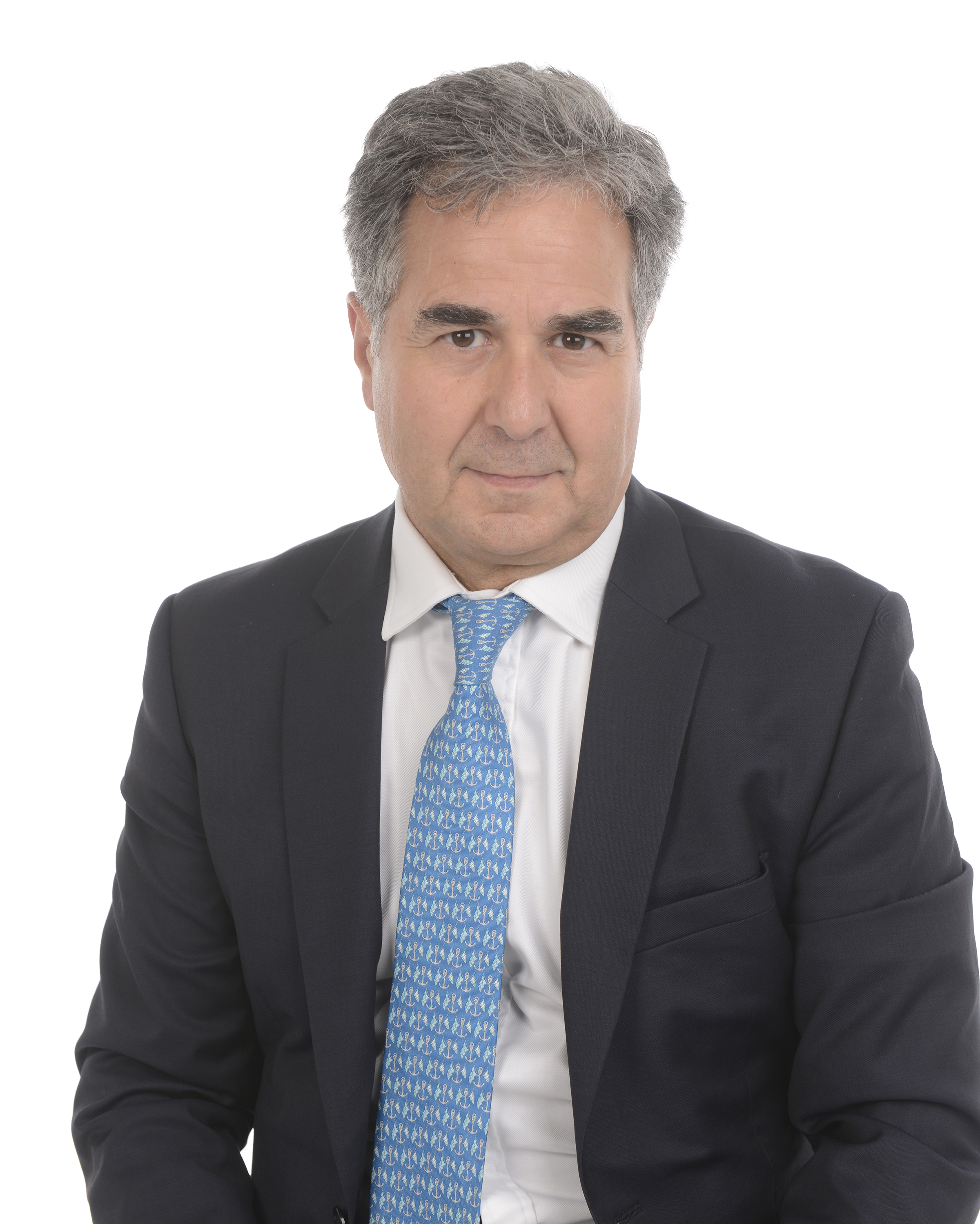 Costantino Pitzalis合作论文数William Harvey Research Institute, Barts and The London School of Medicine and Dentistry, Queen Mary University of London38
 Peter Taylor合作论文数St Peter's College, University of Oxford;Medical Sciences Division, University of Oxford37
 Dennis McGonagle合作论文数School of Medicine, University of Leeds;Faculty of Medicine and Health, University of Leeds36
 Gerd-Rüdiger Burmester合作论文数Autoinflammation Reference Center Charite, Charité - Universitätsmedizin Berlin36Daniel Aletaha合作论文数35Kirkham Bruce W合作论文数33
 Ernest Choy合作论文数School of Medicine, Cardiff University33
 Stefano Alivernini合作论文数School of Medicine, Catholic University of the Sacred Heart33Jason Coarse合作论文数32Xie Xu合作论文数31Mendelsohn Alan M合作论文数31
 Aziza Elmesmari合作论文数30
 James H Reilly合作论文数29
 Michele Bombardieri合作论文数Centre for Experimental Medicine and Rheumatology, The William Harvey Research Institute, Faculty of Medicine and Dentistry, Queen Mary University of London29
 Robert A Benson合作论文数Institute of Infection, Immunity and Inflammation, University of Glasgow28Sheng Shihong合作论文数28




