Diabetes mellitus (DM) requires continuous care to prevent complications. Telepharmacy delivered via mobile health (mHealth) applications offers a potential solution, particularly in resource-limited settings. However, the roles of pharmacists within such applications have not been comprehensively mapped. This scoping review aims to: (1) map existing models of telepharmacy-based mHealth applications for diabetes care, (2) describe the roles and functions of pharmacists within these models, and (3) synthesise the reported benefits and barriers associated with their implementation. The review followed the Arksey O’Malley framework and PRISMA-ScR guidelines. We searched PubMed, Scopus, and Web of Science from inception to 20 May 2026. Studies were eligible if they involved pharmacists, used a mobile application for telepharmacy, and targeted any type of diabetes. Data extraction covered study characteristics, pharmacist roles, application features, benefits, and barriers. Of 227 records, 6 studies (632 patients) met the inclusion criteria. Studies were conducted in Malaysia, China, Japan, Pakistan, Thailand, and Indonesia covering type 1, type 2, elderly type 2, and gestational diabetes. Pharmacist roles included digital coach, educational facilitator, clinical consultant, and therapy monitor. Key application features comprised electronic medical records, counselling dashboards, adherence and quality of life assessments, medication reminders, and lifestyle monitoring. Reported benefits included improved glycaemic control (HbA1c reduction up to 0.79
Community pharmacists (CPs) are accessible healthcare providers with the potential to support care for tuberculosis infection (TBI). However, their role remains limited and poorly integrated into national TB programs. Despite global recognition, no study in Indonesia has explored how CPs can be engaged as direct service providers. This study aims to identify the challenges and develop strategies for involving CPs as direct providers of TB services to improve TB preventive treatment outcomes. A qualitative case study was conducted in West Java, Indonesia. Data collection involved group interviews (GIs) and in-depth interviews (IDIs) with providers from community health centers (CHCs) and community pharmacies, as well as with patients with TBI. Participants responded to a proposed collaborative model scenario during the interviews, where CPs would provide direct support for TBI treatment. Data were deductively analyzed using ATLAS.ti version 9, employing a thematic analysis approach guided by the Tailored Implementation for Chronic Diseases (TICD) framework to identify challenges and strategies across seven domains. The findings are reported in accordance with the 32-item COREQ checklist. A total of 27 participants were enrolled from CHCs and pharmacies, including TB programmers, medical doctors, community pharmacists, and individuals with TBI. We identified several challenges, including the absence of specific guidelines; limited knowledge and skills among CPs; patient preferences; limited professional interaction between CPs and healthcare workers; the lack of an incentive scheme; and insufficient regulatory support from national and local governments. In response to these challenges, various strategies can be implemented, including providing systematic guidelines, improving CPs’ capacity, building a communication system between CPs and related healthcare workers, implementing an incentive scheme, and advocating for regulatory support from national and local governments. To implement collaborative practice effectively, it is essential to address the identified challenges and, alongside coordinated efforts among all TB stakeholders, develop strategies to establish a sustainable, impactful practice model in real-world settings.
BACKGROUND:Tuberculosis (TB) remains a major health challenge, with delayed detection accelerating its spread. Pharmacies are often the first contact for individuals with TB symptoms, yet their role in active case finding is underutilized. OBJECTIVE:This scoping review aims to comprehensively map the current studies, challenges, and potential strategies for effective and sustainable implementation. METHODS:Following the Preferred Reporting Items for Systematic Reviews and Meta-Analyses for Scoping Reviews guidelines, we searched PubMed and Scopus for relevant studies up to October 26, 2023. We included studies on community pharmacy personnel (PP) engaged in active TB case-finding. Outcomes covered effectiveness, challenges, and potential strategies for active TB case finding involving PP. Two reviewers independently screened and extracted data, which were synthesized using the Consolidated Framework for Implementation Research. RESULTS:Twelve of 2003 articles met the inclusion criteria. All studies showed a contribution to TB case finding. However, key challenges identified include the complexity of integrating TB case-detection into routine workflows, patients' access barriers to clinics, and lack of resources. PP also faced issues such as their lack of confidence in TB screening and inadequate knowledge regarding TB referral. Improvement strategies are electronic referral, capacity building for PP, free diagnostic services, incentives for PP, and improved coordination between PP and TB program staff. CONCLUSION:Enhancing active TB case detection by PP requires addressing challenges in workflow integration, patient access, and resource limitations. Capacity building, electronic referrals, free diagnostics, and incentives are key strategies to support PP involvement. Strengthening collaboration between the PP and TB program staff is essential for effective and sustainable referral processes.
Salah satu strategi dan intervensi dari WHO dalam menurunkan insiden tuberkulosis (TB) adalah memberikan terapi pencegahan tuberkulosis (TPT) kepada kelompok orang berisiko atau orang dengan infeksi laten tuberkulosis (ILTB). Beberapa penelitian dilapangan menunjukan masih terdapat hambatan sehingga program ini belum dikatakan berhasil. Kajian ini bertujuan untuk mengidentifikasi hambatan dan strategi potensial untuk mendukung program TPT. Pencarian artikel untuk narrative review ini yaitu abstrak artikel berbahasa inggris dengan rentang waktu terbit dari tahun 2008 sampai tahun 2024 yang diterbitkan dari database Scopus, Pubmed dan World of Sciences (WoS). Dari 106 artikel yang berpotensi memenuhi syarat, terdapat 29 artikel yang memenuhi kriteria inklusi. Hambatan yang teridentifikasi adalah kurangnya pengetahuan tenaga kesehatan mengenai TPT, kurangnya arahan dari pembuat kebijakan nasional, kurangnya pengetahuan pasien mengenai penyakit tuberkulosis, ketersediaan logistik belum memadai, kurangnya petugas diagnostik serta pasien kesulitan karena jarak jauh menuju layanan pemeriksaan. Dari hambatan yang teridentifikasi, adapun strategi potensial yang mendukung seperti pelatihan manajemen ILTB bagi tenaga kesehatan, sosialisasi dan edukasi kepada pasien, perencanaan obat dan layanan pemeriksaan yang memadai serta pedoman dan arahan kebijakan nasional yang terintegrasi. Meningkatkan kesadaran masyarakat akan resiko terjadinya infeksi TB, arahan kebijakan nasional yang serius serta kolaborasi antara fasilitas kesehatan pemerintah dan swasta untuk setiap kaskade pelayanan ILTB diharapkan dapat memberikan kontribusi yang mendukung program TPT sehingga dapat mengurangi insidensi TB aktif secara global.
Background: Effective management of tuberculosis (TB) necessitates the utilization of all available healthcare resources. Despite a paradigm shift in pharmacy practice from a product-centric to a patient-centered model, pharmacists remain underutilized in direct TB care. This narrative review explores the role of pharmacists in TB management, highlighting the effects of direct pharmaceutical care (PC) practices for TB treatment outcomes by identifying challenges and proposing strategic interventions to enhance pharmacists' engagement in TB services. Methods: We conducted a literature search across major medical databases to describe existing studies on the effect of direct PC practice on TB case management. We then discussed the challenges and potential strategies for its implementation. Results: We identified several PC models, including drug therapy monitoring, home-based care, patient counseling, and adherence support. These models mitigate drug-related problems, adverse drug reactions, and medication non-adherence. However, pharmacists face numerous barriers to providing direct TB care, including insufficient clinical training, limited interdisciplinary collaboration, a lack of organizational support and incentives, inadequate regulatory frameworks, and low awareness of pharmacists' potential contributions. To address these challenges, proposed strategies include strengthening pharmacist education and training, fostering collaboration within healthcare teams, developing standardized practice guidelines, ensuring adequate facilities and financial support, and increasing awareness among policymakers and the public on pharmacists' roles in TB care. Conclusion: Strengthening the role of pharmacists in TB management requires a multi-faceted approach involving targeted policy reforms, enhanced professional training, and interdisciplinary collaboration. A coordinated effort among national and local TB programs, healthcare institutions, professional organizations, and academic institutions is essential to optimize pharmacists' contributions to TB prevention, treatment, and patient support.
INTRODUCTION:A significant number of possible tuberculosis (TB) missing cases are still reported globally. Pharmacies are reported as a significant first point of contact for people with TB. Unfortunately, the practice of TB detection in pharmacies is still lacking. Therefore, this study aims to implement and evaluate a community pharmacy program for TB case finding in a systematic and structural approach. METHODS:An implementation study will be piloted in Bandung City, Indonesia, from February to November 2025. The program will engage pharmacy personnel in screening, educating, and referring people with presumed TB to community health centers (CHCs) for further diagnostic work-up. This study will involve selecting 20 pharmacies and 4 CHCs. Sequential research activities will be performed, incorporating quantitative and qualitative approaches, i.e., (1) building a coalition, (2) developing a conceptual program, (3) program socialization and educational intervention, and (4) program implementation and evaluation. The program outcomes will be reached according to the sequential research activities: (1) a joint agreement among the key actors and implementers, (2) a conceptual program for implementation, (3) improved capacity of implementers and availability of practice aids and system for the implementation, (4) the effectiveness of the program implementation. The Consolidated Framework for Implementation Research will be used as a framework in this study. Descriptive and multivariable analyses will be used for quantitative data, while thematic analysis will be used for qualitative data. Finally, an implementation outcome will be comprehensively analyzed, considering the quantitative and qualitative data analyses for the key factors of the successful program.
Background: Medication non-adherence is a significant concern in tuberculosis (TB) treatment, requiring a precise understanding of the associated risk factors. However, there is a lack of appropriate means to assess the risk factors among TB patients in Indonesia, leading to the development and validation of a structured questionnaire for this purpose.Method: This study unfolded in two distinct phases, namely, the first included questionnaire construction through framework development, item generation, item screening, and pretesting (in 50 patients). The second comprised questionnaire validation with 346 participants using confirmatory factor analysis (CFA) and structural equation modeling-partial least squares (SEM-PLS). Additionally, reliability testing was conducted using Cronbach’s alpha and composite reliability statistical techniques.Results: In the development phase, 168 items were defined, consisting of sociodemographic characteristics (8 items) and risk factors for medication non-adherence (160 items). Expert evaluation reduced the number of items to 60, which decreased to 22 after performing a pilot study. Subsequent SEM-PLS modeling resulted in the identification of 14 valid items, representing five major risk factors, namely, socioeconomics (4 items), healthcare team (4 items), condition (3 items), therapy (2 items), and patient (1 item). Only condition-related factors were found to influence non-adherence, and all constructs showed good reliability based on Cronbach’s alpha (>0.6) and composite reliability (0.7) values.Conclusion: The final 22 items that emerged from this rigorous process indicated a valid and robust questionnaire for assessing risk factors of medication non-adherence among pulmonary tuberculosis patients in Indonesia. The developed questionnaire was positioned to be a valuable tool for healthcare professionals, policymakers, and scientists in creating patient-centered strategies and interventions to address non-adherence.
Thalassemia is a blood disorder characterized by reduced or absent synthesis of globin chains, particularly thalassemia major, imposes significant financial burdens due to the lifelong need for blood transfusions and iron chelation drugs. This research aims to assess the cost and efficacy of oral iron chelators, specifically deferasirox and deferiprone, in treating thalassemia major patients at Setukpa Lemdiklat Polri Tk—II Hospital in 2023. The data were retrospectively gathered through total sampling from patients' medical records and the hospital information system. The findings indicate that the average total treatment cost for thalassemia major patients using deferasirox (IDR 52,969,775,-) is higher than deferiprone (IDR 49,407,613,-). Deferasirox exhibits greater effectiveness (1,364 ng/mL) than deferiprone (1,210 ng/mL). The cost-effectiveness ratio of deferasirox (IDR 38,834,-) is lower than that of deferiprone (IDR 40,833,-). Transitioning from deferiprone to deferasirox incurs an additional IDR 23,130 per unit cost. The average cost-effectiveness ratio suggests that deferasirox is more economically efficient than deferiprone.thalassemia major
Background: Positive roles of community pharmacy in tuberculosis (TB) care have been widely reported. However, the actual practice of supporting TB treatment is not optimal yet. Objectives: We analyzed the current practice of community pharmacy personnel and its factors in supporting the successful treatment of TB patients in Indonesia, aiming to develop strategies for effective and sustainable TB practice models for the community pharmacy. Methods: We performed a cross-sectional survey in 3 areas representing Indonesia's eastern, central, and western parts. Development and validation of the questionnaire were conducted to assess 4 domains, that is, characteristics, knowledge, attitudes, and practice of community pharmacy personnel in supporting the successful treatment of TB patients. Data were collected with purposive convenience sampling using online and of fline questionnaires. Descriptive analyses were used to summarize factors in each domain, while binary logistic regression was used to analyze the associated factors of the practice. Results: Thirty- five questionnaire items indicated a valid instrument, and the study successfully included 844 participants who comprised pharmacists (n = 473, 56%) and pharmacy assistants (n = 371, 44%). Although most of the knowledge items were correctly answered by more than 60% of the participants, items related to TB signs, risk groups, drug regimens, and medicine uses were still less than 60%. This was in line with exposure to updated TB training in only 51% of the participants (n = 426). Most of the participants had a positive attitude toward their professional role (n = 736, 87%), capability (n = 646, 77%), and consequences (n = 655, 78%) in supporting TB treatment. However, this was not aligned with the actual practice of supporting TB treatment, intensively performed by only 1.3% of participants (n = 11). We identi fied several factors associated with the practice, that is, a pharmacy assistant background ( P < 0.05), short working time ( P < 0.05), experience in TB training ( P < 0.001), and a positive attitude ( P < 0.001). Conclusion: This study highlighted a limited number of community pharmacy personnel intensively practicing as TB treatment supporters in Indonesia. An interventional package considering the identi fied factors is needed to develop effective and sustainable practices in the real world. (c) 2024 American Pharmacists Association (R) . Published by Elsevier Inc. All rights reserved.
Introduction: Pharmacists play a vital role in counseling customers on proper medication disposal, yet their consistency in providing such information is often lacking. This study aimed to assess pharmacists' awareness of appropriate disposal practices for unused and expired household medications. Additional objectives included evaluating whether pharmacists offer disposal information during counseling, measuring their willingness to receive medication waste from the public, and identifying associated factors. Methods: A national cross-sectional online survey employing convenience sampling was conducted among pharmacists working in hospitals, pharmacies, clinics, or community health centers (CHCs) in Indonesia, using a validated questionnaire to assess awareness, information provision, and willingness to receive medications for disposal. Binary logistic regression, with 95% confidence intervals (CI) and odds ratios (OR), explored potential associations between factors and outcomes. Results: This study involved 1,596 pharmacists across 37 Indonesian provinces. Most pharmacists were women (80.4 %), aged 31-40 years (49.3 %), with a pharmacist professional background (93.8 %), working in CHCs (41.2 %), and practicing for 1-5 years (51.0 %). More than half were unaware of guidelines for returning medications to health facilities. While 69.9 % never counseled customers on disposal practices, 64.9 % expressed willingness to receive unused and expired medication from the public. Pharmacists practicing for at least six years were more likely to provide disposal information during counseling (OR: 2.54; 95 % CI: 1.44-4.47). Conversely, those in clinics (OR: 2.16; 95 % CI: 1.29-3.62), CHCs (OR: 2.07; 95 % CI: 1.45-2.95), or hospitals (OR: 2.00; 95 % CI: 1.27-3.14) were more likely to be unwilling to receive expired and unused household medication. Conclusions: The study reveals that most pharmacists, particularly those with limited practice duration, lacked awareness regarding the importance of proper medication disposal and did not provide counseling on appropriate medication disposal to patients. To address this issue, there is a pressing need for intensified education intensified education at the undergraduate level, continuous training for pharmacists, and a clear policy and practical guidelines, particularly targeting pharmacists in clinics, CHCs, and hospitals, to facilitate the acceptance of unused and expired household medications.
Medication errors (MEs) are medication errors that have the potential to harm patients during treatment or care. Cancer care is a complex and interconnected system and many errors can be catastrophic. ME in antineoplastic drugs have the potential to cause permanent injury and even death. Evaluation measures of ME incidence in Indonesia are still not optimally carried out, thus leading to the need for a good understanding of the potential ME incidence, especially in cancer patient care. A good understanding of the incidence of medication errors will encourage preventive efforts against the potential occurrence of ME. This narrative review aims to provide information related to the incidence of ME in the Chemotherapy department at the hospital, the causative factors, and the handling and prevention efforts. Scientific information searches were conducted on the PubMed and Google Scholar databases for the period 2012-2022. The results showed that the incidence of ME mostly occurred in the prescription phase, namely in the form of dosage errors (45–59.3%), incomplete prescriptions (43–45.5%), drug frequency errors (30.4%), and errors in patient name, age, and diagnosis data (22.5%). Several aspects contributing to the occurrence of ME were identified, including work procedures, staff, organizational systems, and staff understanding of medication regimens. This study concluded that there is a need to regulate and evaluate several aspects, including work procedures, availability of auxiliary systems, and increasing the capacity of human resources involved. This may prevent the occurrence of ME.
Background and Objectives: Multimorbid patients require intensive treatment for their diseases. However, little research has been given to their treatment adherence as part of its management. This study aims to determine the prevalence and characteristics of chronic disease multimorbidity in Indonesia, alongside its treatment nonadherence. Materials and Methods: We conducted a cross-sectional study using the fifth Indonesian Family Life Survey database among adult subjects aged ≥ 15 years with multimorbidity. Our descriptive and multivariate analyses include sex, age, formal education, ethnicity, geographic residence, demographic residence, household size, insurance ownership, annual income, current self-perceived health status, missing active days, smoking behavior, and body mass index. Results: We identified 3515 multimorbid patients, constituting 30.8% prevalence across chronic disease patients. Hypertension was found to be a prevalent component of multimorbidity (61.2%), followed by digestive diseases (44.5%) and arthritis (30.3%). We identified that 36.4% of the subjects were nonadherent to their chronic disease treatment. Characteristics associated with nonadherence were found to be a good self-perception of health (aOR 1.79, 95% CI 1.54–2.08), active smoking behavior (aOR 1.51, 95% CI 1.14–1.99), no smoking behavior (aOR 1.44, 95% CI 1.08–1.90), missing seven active/productive days or less in the past month due to poor health (aOR 1.36, 95% CI 1.10–1.68), no insurance ownership (aOR 1.20, 95% CI 1.04–1.39), age of 15–65 years (aOR 1.25, 95% CI 1.01–1.55), income below IDR 40 million (aOR 1.23, 95% CI 1.04–1.46), and household size of 2–6 people (aOR 1.17, 95% CI 1.01–1.36). Conclusions: While the prevalence of multimorbidity in Indonesia is generally similar to that observed in previous studies, we have identified patient characteristics related to nonadherence. We suggest that patient’s nonadherence was primarily dictated by their self-perception of health and treatment complexity. With the longstanding issue of nonadherence, this study indicated the need to consider creating patient-tailored treatment programs in clinical practice to improve adherence by considering individual patients’ characteristics.
Backgound: The Willingness to Use Telemedicine Questionnaire (WTQ) was translated into Indonesian and cross-culturally adapted with the intention of analyzing the validity and reliability of the surveys. Our study aims to translate, cross-culturally adapt the Willingness to Use Telemedicine Questionnaire (WTQ) into the Indonesian version and analyze the questionnaires' psychometric properties. Methods: In Yogyakarta province, 327 pharmacy students were conveniently recruited. Cronbach's alpha coefficient was used to gauge internal consistency. Analyzing the results of 60 patients who were retested one week later allowed for the calculation of the test-retest reliability using the intraclass correlation coefficient. Results: Pearson's correlation coefficient (r) was used to assess the construct validity. Additionally, an investigation of the WTQ's exploratory factor analysis and internal consistency for subscores was done. The mean age was 21.68 +/- 2.43 years. The internal consistency of each item and the overall WTQ score were excellent (>0.80; ranged from 0.856 to 0.977). The test-retest reliability of all items and the WTQ's overall score was between satisfactory and outstanding (0.856-0.977). Strong association (r = 0.923, P 0.001) existed between WTQ and WTPQ. The WTQ has high factor loading scores (0.621-0.843). Conclusion: The Indonesian WTQ is reliable and valid among university students.
Objective: To assess the awareness and beliefs of community pharmacists regarding the disposal of expired and unused household medications in Indonesia. Methods: A cross-sectional survey was conducted through convenience sampling. All pharmacists participating in a virtual training event were invited to take part in a self-administer voluntary online survey. A translated and validated questionnaire was used to assess awareness about the harm caused by improper disposal and the beliefs of the best location for collecting expired and unused household medications. Subsequently, demographic data such as age, gender, education level, and work experience of pharmacists were obtained through self-reported data. The characteristics of pharmacists and the outcomes were summarized using descriptive analysis. Correlation analysis was carried out to determine the association between sociodemographic variables and outcomes. Key findings: A total of 202 pharmacists completed the survey (response rate: 96.2%). The majority were female (83.2%) and the mean work experience was 4.7 years. Approximately 86% of pharmacists were aware of the environmental harm caused by improper disposing of expired and unused household medications, and 98% acknowledged their role in preventing such risks. Approximately 70%-80% of the respondents believed that community pharmacies were the best location for the collection of expired and unused household medications. No significant associations were found among age, gender, education level, and years of experience and the outcomes. Conclusion: Almost all pharmacists were aware of the risk of improper disposal of expired and unused household medications and acknowledged their responsibilities to protect the environment. The strong inclination of pharmacists to select pharmacies as collection points for expired and unused medications strongly advocates for the implementation of medication take-back programs in Indonesia.
Ranked second in global tuberculosis (TB) incidence, Indonesia has developed a National Strategy for TB Prevention and Control 2020–2024 to accelerate the TB elimination program. Research and innovation are key pillars to support the program and need to be prioritised. This study aimed to develop updated national TB research priorities in Indonesia. This study was a mixed-methods study consisting of an open survey, a published literature survey, and Delphi survey. The open survey invited all related TB stakeholders to answer (a) the main barriers of the TB program and (b) the need for studies to support TB elimination. The published literature survey retrieved scientific articles published in national and international journals between 2015 and 2020 to identify gaps between published research and the current national strategy for TB control. The online survey and literature survey informed a panel of TB experts in a two-phase Delphi Survey to select the top 10 priority research topics. We identified 322 articles and analysed 1143 open survey responses. Through two-phases Delphi surveys, top ten research categories were listed: early TB detection; diagnosis and treatment of DR-TB; contact investigation; case detection and treatment of child TB; TB preventive therapy; government policy; laboratory for drug-sensitive- and drug-resistant-TB diagnosis; treatment adherence; diagnostic tool development; and community empowerment. This study also found the gap between stakeholders’ interests and the importance of translating research into policy and practice. TB research priorities have been identified through the involvement of various stakeholders. The combination of an online survey, a published literature survey, and a Delphi survey was a rigorous methodology and was fit to build a systematic consensus about the priority of TB research.
Interprofessional teamwork provides significant benefits for patients. However, qualitative research on interprofessional collaboration in the breast cancer unit is uncommon. Therefore, a qualitative study was conducted to assess the perceptions of outpatient breast cancer patients regarding interprofessional collaboration in the breast care unit of an Indonesian referral center hospital. The teamwork involved in the interprofessional collaboration included breast cancer specialists, pharmacists, and nurses. In this study, in-depth interviews were performed with nine breast cancer outpatients. All interviews were audio recorded, transcribed verbatim, and analyzed using thematic analysis. The findings were divided into two categories to gather breast cancer patients’ viewpoints on interprofessional collaboration: (1) obstacle components to interprofessional collaboration: incompleteness of health personnel, no justification from health personnel, no knowledge of patients about health professionals, no involvement of patients in the therapy decision making; (2) enabling elements: patient-oriented, patient expectations, collaboration among healthcare personnel, patient participation in interprofessional collaboration, health personnel responsibilities, comprehensive hospital services. Respondents assumed interprofessional collaboration positively. However, several obstacles must be overcome to implement interprofessional collaboration in a breast care setting effectively. The research findings can be utilized to establish interprofessional collaborations aimed at improving quality healthcare in breast cancer units.
Background Validated and standardized structured questionnaires based on psychometric analysis are extremely limited, particularly for assessing community pharmacy personnel's knowledge, attitude, and practice (KAP) in tuberculosis (TB) case detection, drug monitoring, and education. We, therefore, developed and validated a questionnaire to assess the KAP of community pharmacy personnel in TB case detection, drug monitoring, and community education. Methods This study was conducted in two phases. First, we developed the questionnaire, which included framework development, item generation, item screening, and pre-testing. Second, we validated the questionnaire with 400 participants using various analyses, including participant analysis, individual item content validity index (I-CVI), confirmatory factor analysis (CFA), adjusted goodness-of-fit index (AGFI), comparative fit index (CFI), non-normed fit index (NNFI), root mean square error of approximation (RMSEA), and standardized root mean square residual (SRMR). We determined the reliability test using Cronbach’s alpha and test-retest reliability using Pearson’s correlation. Results In the development phase, we defined 63 items that comprised 18 sociodemographic, 18 knowledge, 18 attitude, and 9 practice items. Across the 63 items, the I-CVI scores of sociodemographic and KAP items were one each. The CFA model parameter values were X2 /df= 2.28; AGFI = 0.95; CFI = 0.99; NNFI = 0.98; RMSEA = 0.06; and SRMR = 0.03 (p < 0.05 for all). Cronbach’s alpha coefficients of KAP items were 0.75, 0.91, and 0.95, respectively. The test-retest reliability coefficients of KAP were 0.84, 0.55, and 0.91, respectively (p < 0.01). Conclusion This study indicates that the developed questionnaire is a valid and reliable instrument for assessing the KAP of community pharmacy personnel for TB case detection, drug monitoring, and community education. The questionnaire can identify further strategies to engage community pharmacies in TB prevention and care.
Multidrug-resistant tuberculosis (MDR-TB) is the resistance of Mycobacterium tuberculosis to at least two tuberculosis (TB) drugs, rifampicin and isoniazid. The disease requires a long treatment duration with several second-line drugs. This leads to a globally low success rate of approximately 56% for MDR-TB treatment. Studies have reported that adverse drug reactions (ADRs) contribute to high rates of non-compliance, treatment discontinuation, and failure. This narrative review aimed to provide information about MDR-TB treatment modalities, various ADRs, challenges encountered in MDR-TB treatment, and instances of ADRs that can impact treatment success. This narrative review study was conducted by searching for scientific information from the primary electronic databases PubMed and Google Scholar, covering 2012-2022. Based on the literature search results, 14 studies were identified, demonstrating challenges in TB and MDR-TB treatment, along with 6 ADRs that can influence treatment success in MDR-TB patients. ADRs during MDR-TB treatment can affect patients’ physical, mental, and social well-being as well as their beliefs and behaviors related to treatment. Comprehensive support from families, communities, and healthcare providers is essential to assist patients in addressing treatment challenges and adverse ADRs. Rapid identification and strategies for monitoring and managing treatment challenges and ADRs can improve compliance and success of MDR-TB treatment. Keywords: Adverse Drug Reactions, Drug Side Effects, Multi Drug-Resistant Tuberculosis (MDR-TB), Treatment Success
Decreasing global tuberculosis (TB) notifications indicate problems related to TB patient detection and treatment outcomes. Pharmaceutical care (PC) has potential roles in managing these issues. However, PC practices have not yet become widespread in the real world. This systematic scoping review aimed to identify and analyze the current literature on practical models of pharmaceutical care for improving tuberculosis patient detection and treatment outcomes. We then discussed the present challenges and future considerations for the successful implementation of PC services in TB. A systematic scoping review was performed to identify the practice models of PC in TB. Systematic searches and screening were used to identify relevant articles in the PubMed and Cochrane databases. We then discussed the challenges and recommendations for successful implementation using a framework to improve professional healthcare practice. Our analysis included 14 of 201 eligible articles. We identified that the focuses in the PC of TB are on increasing patient detection (four articles) and improving TB treatment outcomes (ten articles). Practices cover services in the community and hospital settings, such as screening and referring people with presumptive TB, tuberculin test services, collaborative practices for treatment completion, directly observed treatment, the solution of drug-related problems, reporting and managing adverse drug reactions, and medication adherence programs. Although PC services positively increase TB patient detection and treatment outcomes, hidden challenges in the actual practice are analyzed. Several factors should be comprehensively considered in successful implementation, such as guidelines, individual pharmacy personnel, patient, professional interaction, organizational capacity, regulation, incentive, and resource factors. Hence, a collaborative PC program that involves all related stakeholders should be considered to create successful and sustainable PC services in TB.
Introduction:Tuberculosis (TB)-related knowledge is an important evaluation metric for health education interventions. Factor analysis is limited when used on ordinal scales and does not provide in-depth item function examinations, whereas Rasch analysis addresses these limitations and offers potential advantages such as generalizability, testing of unidimensionality, producing an ordered set of items, and identifying poorly functioning items. Therefore, this research aims to develop a reliable and valid measure of perception and attitude toward TB (PATT) for public application use Rasch Analysis.Methods:A questionnaire-based survey was conducted on the Indonesian general population using the Google Form platform. Rasch analysis was then employed to examine the psychometric properties and develop the final items of PATT.Results:Experts from across the TB community participated in the PATT development, producing an initial scale of 16 items. Up to 1,616 participants completed the PATT questionnaire, where 74.8% were female, and 5% had a TB history. The final unidimensional 16-item scale has an item reliability of 1.00 for the two components (perception and attitude), a person reliability index of 0.87 and 0.60, as well as a Cronbach's test reliability of 0.88 and 0.88 for perception and attitude, respectively.Conclusion:The PATT is a unidimensional scale with good construct validity and internal consistency. It has the potential to be useful for the assessment of TB perception and attitude in research and clinical practice.
 Abdulah Rizky合作论文数Graduate School of Medicine, Gunma University29
 Sofa D. Alfian合作论文数Faculty of Pharmacy, Universitas Padjadjaran15
 Eelko Hak合作论文数Faculty of Science and Engineering, University of Groningen13
 Eli Halimah合作论文数Faculty of Pharmacy, Universitas Padjadjaran12
 Lestari Keri合作论文数Department of Pharmacology and Clinical Pharmacy, Faculty of Pharmacy, Japan.9
 Diantini Ajeng合作论文数Department of Pharmacology and Clinical Pharmacy, Faculty of Pharmacy, Japan.9
 Jan Willem Alffenaar合作论文数School of Pharmacy, Faculty of Medicine and Health, The University of Sydney8
 Barliana Melisa I合作论文数Faculty of Pharmacy, Universitas Padjadjaran6
 Job F M Van Boven合作论文数6
 Akkerman Onno合作论文数5Destiani Dika P合作论文数Department of Pharmacology and Clinical Pharmacy, Faculty of Pharmacy, Japan.5Qisty A. Khoiry合作论文数4Dian Ayu Eka Pitaloka合作论文数4
 Ruslami Rovina合作论文数Health Research Unit, University of Padjadjaran4
 Anas Subarnas合作论文数Pharmaceutical Institute, Tohoku University4ajeng t sandiana合作论文数3
 Khairunnisa Khairunnisa合作论文数State Islamic University Ar-Raniry3Efi Fitriana合作论文数Faculty of Psychology, Universitas Padjadjaran3Natasha Van't Boveneind-Vrubleuskaya合作论文数3
 Tiana Milanda合作论文数Padjadjaran University3Daniel Kong合作论文数School of Engineering, Monash University Malaysia3
 Auliya Abdurrohim Suwantika合作论文数Unit of PharmacoEpidemiology &Department of Pharmacy, University of Groningen;Department of Pharmacy, University of Groningen3
 Aulia Iskandarsyah合作论文数Department of Psychiatry, Erasmus MC University Medical Center3
 Muh. Akbar Bahar合作论文数Graduate School of Medicine and Pharmaceutical Sciences, University of Toyama3
 M.J. (Maarten) Postma合作论文数Faculty of Medical Sciences, University of Groningen3
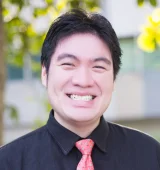 Joash Tan Ban Lee合作论文数School of Science, Monash University Malaysia3
 Ami Amalia Pratiwi合作论文数2Rizki Amelia合作论文数2Yozi Fiedya Ningsih合作论文数2Miski A. Khairinnisa合作论文数2
 Annisa Insany合作论文数2Okky S. Purwanti合作论文数2Kevin Aprilio合作论文数2Mochammad Andhika Aji Pratama合作论文数2
 Elsa Pudji Setiawati Sasongko合作论文数Faculty of Medicine, Universitas Padjadjaran2Anwar Sani合作论文数Fakultas Ilmu Komunikasi, Universitas Padjadjaran2
 Nurul Annisa合作论文数Unit Clin Pharm & Community, Univ Mulawarman2
 Hening Pratiwi合作论文数Dept Pharm, Jenderal Soedirman Univ2
 lilik sabdaningtyas合作论文数Universitas Lampung2Akhmad Priyadi合作论文数Fac Pharm, Padjadjaran State Univ2
 Deni Iskandar合作论文数University Medical Center Groningen, University of Groningen2
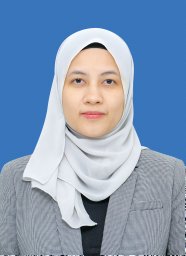 Dea Anita Ariani Kurniasih合作论文数Pharm Study Program, Akad Farm YPF2
 Ikhwan Yuda Kusuma合作论文数Pharm Study Program, Univ Harapan Bangsa2
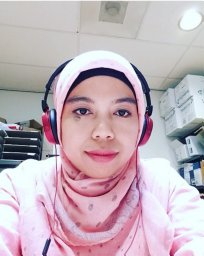 Najmiatul Fitria合作论文数Fac Pharm, Univ Andalas2
 Bobby Indra Utama合作论文数Andalas University2
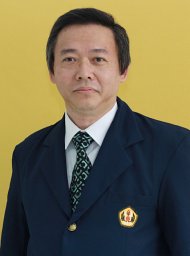 Prayudi Santoso合作论文数Universitas Padjadjaran, Universitas Padjadjaran2
 Miski Aghnia Khairinisa合作论文数Faculty of Pharmacy, Universitas Padjadjaran2
 R.E. Aarnoutse (Rob)合作论文数Faculty of Medical Sciences, Radboud University;Radboud University Medical Centre2
 Jan-Willem Alffenaar合作论文数University Medical Center Groningen;WSLHD Research and Education Network;School of Pharmacy, Faculty of Medicine and Health, University of Sydney2




