We describe Aquaumbra aranea sp. nov. Korfhage & Freiwald, a new species of soft coral discovered in Fiordland, Aotearoa (New Zealand). This new species represents an extension of this previously monotypic genus Aquaumbra Breedy, van Ofwegen & Vagas, 2012. The discovery expands the known morphological and geographic diversity of the genus and its family Aquaumbridae. Aquaumbra aranea sp. nov. is morphologically distinguished from Aquaumbra klapferi Breedy, van Ofwegen & Vargas, 2012 and the sister genera Elbeenus Alderslade, 2002 by having a distinct sclerite composition and the presence of diverse sclerites. Its characteristic spider-web-like surface reticulation further differentiates it from the previously described species. Although mtMutS does not distinguish A. aranea sp. nov. from A. klapferi, and 28S rDNA provides only limited resolution, this pattern is consistent with previous findings in Octocorallia, where commonly used markers often fail to discriminate closely related species due to low substitution rates and limited resolution. We therefore interpret the observed morphological differentiations as taxonomically significant and sufficient to justify species recognition. Our findings underscore the potential for additional biodiscovery in coastal habitats in the Southwest Pacific.
Coral reefs are increasingly threatened by marine heatwaves, prompting the need for proactive interventions that enhance coral thermal tolerance. Assisted evolution, which aims to accelerate natural adaptation rates, has emerged as a promising approach. However, programmes of assisted evolution must outpace the escalating frequency and intensity of marine heatwaves. Here, we present a Roadmap for accelerating progress towards using assisted evolution to enhance coral thermal tolerance. We highlight advances in coral biology across cellular, organismal, and ecological scales that support the feasibility of assisted evolution in coral populations. We compare current experimental gains in thermal tolerance via assisted evolution with projected temperatures, finding that these are unlikely to keep pace with predicted climate change. We identify key knowledge gaps that hinder timely development of assisted evolution and propose a comprehensive research agenda to address these gaps. This agenda will be catalysed by large-scale, multi-institutional field hubs increasing experimental scope and statistical power, support for long-term research at these hubs, spanning coral generations, and development and application of methodologies that safeguard broodstock and experimental corals from disturbances. By implementing these proposals, scientists can realize the potential of assisted evolution and help to safeguard a future for coral reefs. Ongoing and projected climate changes are bringing increased marine heatwave frequency and intensity, threatening the health and survival of coral reefs. This Roadmap outlines the potential for assisted evolution methods to increase thermal tolerance in corals and describes ways to accelerate research and development for enhancing coral adaptation rates.
Abstract Ecological models using light limitation to explain coral depth distribution have largely disregarded the energetic cost of sustaining photosynthetic activity. Here, we quantified photosystem II (PSII) turnover across a depth-simulated light gradient in a zooxanthellate coral, measuring PSII half-life, D1 protein abundance, and PSII-complex gene expression. Maximum photosynthetic capacity remained stable across irradiance levels while respiration rose and PSII turnover accelerated as a power law, imposing increasing ATP demand at the shallowest depths. Declining D1 protein abundance alongside stable transcript levels demonstrated that this escalating maintenance cost operates through post-transcriptional regulation. Consequently, a decreasing fraction of photosynthetic usable energy is available for translocation to the coral host at high irradiance, as the energy required for PSII repair increases. Integrating these physiological constraints into a bio-optical model revealed that the balance between photosynthetic capacity and its maintenance cost defines an optimal depth, the Photosynthetic Usable Energy Supply ( PUES ) maximum, where host energetic returns are maximized. This framework provides a mechanistic basis for understanding depth distributions in symbiotic corals and extends as a predictive tool for any photosynthetic organism operating under variable irradiance, including forecasting how environmental degradation contracts viable depth ranges.
Abstract Somatic mutations may drive adaptation and aging across diverse life forms, yet their role remains poorly understood in many early-branching animals. Here, we compare somatic mutation accumulation in the robust coral Orbicella faveolata with previous findings in the complex coral Acropora palmata . Whole-genome sequencing revealed high fixation of somatic genetic variants in O. faveolata , particularly in older, interior regions of colonies—contrasting with A. palmata . These patterns suggest distinct cell population dynamics between clades, indicating a segregated, mammal-like germline in O. faveolata , whereas such a germline remains undetected in A. palmata . This underscores the diversity of somatic evolutionary mechanisms across scleractinian corals.
Abstract Climate change is driving the decline of coral populations around the world such that many are unlikely to recover without human intervention. Assisted sexual reproduction is one intervention proposed to enhance genetic diversity and support population recovery, yet its genetic outcomes remain poorly quantified. We evaluated genome-wide relatedness and genetic diversity in 168 restoration genets of the endangered Caribbean coral Acropora palmata , including 153 sexually produced offspring derived from multi-parent batch and biparental crosses. We detected high relatedness within multi-parent batch cross cohorts, with many genets comprising only one or a few full-sibling groups, indicating highly unequal parental contributions. Nucleotide diversity was lower in one batch cross cohort relative to founder populations, but the absolute difference was small and runs of homozygosity were relatively short indicating that inbreeding depression is not yet a concern. These patterns suggest that common larval propagation approaches can successfully generate large numbers of new genets but underscore the need to manage inbreeding risk, especially in small breeding stocks such as the Caribbean Acropora spp. Specifically, our results highlight the need for comprehensive genetic management to integrate assisted sexual reproduction into coral restoration, including parentage tracking, broodstock rotation, and relatedness-informed outplanting designs.
ABSTRACT The pillar coral Dendrogyra cylindrus is a rare but iconic member of Caribbean reefs that has suffered range-wide losses. D. cylindrus is highly susceptible to stony coral tissue loss disease (SCTLD), and the outbreak has contributed to the functional extinction of Florida’s population of pillar corals. The coral microbiome can impact the health and disease resistance of coral colonies, yet little is known about what constitutes the core microbiome of D. cylindrus . This information is crucial for comparisons of healthy and diseased tissue in pathogen identification studies and can be applied to restoration efforts as a coral health metric. Therefore, we characterized the microbiomes of D. cylindrus colonies ahead of the SCTLD disease front in Belize and Curaçao. The most prevalent members of the D. cylindrus microbial community were bacteria for which taxonomy could not be assigned confidently beyond the level of domain as well as the putatively endosymbiotic genera Endozoicomonas , Ca . Amoebophilus, and Spiroplasma . The coral reefs of Belize and Curaçao represent distinct Caribbean marine ecoregions, and we documented regional differences in strains among predominant bacterial taxa. The understudied microbiome of D. cylindrus harbors unique bacterial lineages that are in danger of extinction along with its critically endangered coral host, and these bacterial lineages may be important bioindicators during restoration efforts. IMPORTANCE Tropical corals face global extinction if average temperatures rise by 2°C (3.6°F), which may occur as soon as 2050. Included in the loss of charismatic macrofauna like the majestic pillar coral is the loss of the biological and genetic diversity of its symbionts. Here we examined the bacterial and archaeal communities associated with Caribbean pillar corals and found that the microbiome was dominated by taxonomically unclassified and putatively endosymbiotic taxa. Endosymbiotic bacteria, which live inside the coral tissue, are likely to have evolved unique adaptations to become symbionts and may be important to the health and success of pillar corals in ecosystem restoration efforts.
Abstract Populations of the Caribbean reef-building coral, Acropora palmata , have declined sharply since their population genetic structure was first characterized in the early 2000s. Previous analyses comprehensively sampled coral colonies across the Caribbean and western North Atlantic but genomic resolution was limited by the number of loci assayed. These analyses indicated extensive asexual reproduction via fragmentation, high outcrossing at the genet level, and a distinct east–west population split. To advance basic research and inform genetic management of this endangered species, we present an updated population genomic assessment using a species-specific microarray to analyze over 4,000 samples representing ∼1,500 genets from 12 geographic regions. Data were contributed by more than 30 research and restoration groups. Our analysis identifies nine spatially structured genetic clusters, with low average pairwise F ST values of between 0.01 to 0.125. Interestingly, legacy genets from the Florida Reef Tract were admixed between two clusters, one dominant in the Mesoamerican Reef Tract on the western flank and the other cluster appearing in genets from Cuba to the south. Migration surface analyses highlight the influence of major current systems on gene flow. Isolation by distance was evident along the Greater Antilles but weak along the Florida Reef Tract. Kinship among wild genets was low across sites, suggesting limited local relatedness; however, assisted sexual reproduction in restoration efforts may disrupt natural kinship patterns. These findings refine our understanding of A. palmata ’s genetic architecture and underscore the importance of incorporating genomic data into conservation strategies.
A protocol reports a complete, field-ready reverse genetics workflow for reef-building corals.
Regulatory action could facilitate cross-border efforts to retain ecosystem function
Somatic genetic variation (SOGV), accumulating during an organism’s lifetime, was traditionally viewed as detrimental rather than adaptive due to links with cancer and senescence. However, in modular organisms like corals, deleterious mutations can be purged at the cellular or polyp level, while adaptive mutations may rise in frequency as polyps create genetically distinct modules. Quantifying the somatic genetic landscape in corals is necessary to understand the role these mutations may have in coral and clonal animal development and evolution. Here, we catalog somatic genetic variation in eight Acropora palmata colonies from Curaçao. Whole genomes were sequenced (70-100x depth), documenting mutation variant allele frequency shifts as genets aged. Large numbers of SOGVs were observed in six- to ten-year-old colonies, and inferred mutation rates were used to age a genet of uncertain age to almost a century old. Although mutations were not fixed at the polyp or branch levels, i.e. they always displayed frequencies <0.5 as expected at mutating homozygous sites, their allele frequencies followed a power-law distribution, similar to aging human tissues. No signs of positive selection were found; instead SOGVs in the colony of uncertain age were under purifying selection. In one colony, mutations in 28 samples from along a branch were analyzed using a SNP microarray. Contrary to expectations, genetic and physical distances were unrelated. This observation together with the observed lack of fixation may be explained by a large stem cell population, the de-differentiation or dormancy of stem cells, the contribution of strong purifying selection, or a combination of the previously mentioned. Our findings provide a neutral framework against which to test for module-level selection of genetic variation in corals, explore the relationship between physical and genetic distance within a colony, and apply a somatic genetic clock to colonies of Acropora palmata. This work provides necessary fundamental insights into the landscape of somatic mutations in reef-building coral, highlighting the importance of studying these mutations as they may contribute to genetic diversity and adaptability in colonial animals. ### Competing Interest Statement The authors have declared no competing interest.
Coral restoration practitioners who maintain in-water nurseries measure phenotypic traits to identify colonies with the greatest chance of survival after transplantation to the reef, but these traits often exhibit high variation. Given the shared environmental conditions within nurseries, most of this variation can be attributed to host and symbiont genetics. It remains unclear how interactions between hosts and symbionts at the level of intraspecific genotypes shape holobiont performance. Here, we measured colony growth rates among different genotypic combinations of coral host (Acropora cervicornis) and microalgal symbiont (Symbiodinium “fitti” nomen nudum) reared in a common garden in-water nursery to explore the physiological consequences of genotypic interactions among partners. Host and symbiont genotype effects were difficult to detect owing to high variation and low replication, emphasizing the need for improved sampling designs. DNA sequencing also revealed an insufficient distribution of diversity to resolve interactive effects, exposing an additional challenge with using staghorn coral nurseries in this context. We propose that more easily manipulated symbiosis models, such as the Aiptasia sea anemone system, are better suited to investigate the consequences of genotypic interactions among cnidarian-dinoflagellate associations.
Climate change has caused drastic declines in corals. As sessile organisms, response to shifting environmental conditions may include changes in gene expression, epigenetic modifications, or the microbiome, but as of yet, a common mechanism of stress response, alternative splicing (AS), has been under-explored in corals. Using short-term acute thermal stress assays, we investigated patterns of AS in the scleractinian coral Acropora cervicornis during response to and a subsequent overnight recovery phase from low (33°C), medium (35°C), and high (37°C) levels of heat stress. We find that 40 percent of the genomic gene set is subject to AS. Our findings demonstrate conserved and dynamic shifts in splicing profiles during the heat treatment and subsequent recovery phase. AS increased in response to heat stress and was primarily dominated by intron retention in specific classes of transcripts, including those related to splicing regulation itself. While AS returned to baseline levels post-exposure to low heat, AS persisted even after reprieve from higher levels of heat stress. Partial overlap of AS transcripts with differentially expressed genes suggests that AS may represent a distinct and previously under-appreciated regulatory mechanism for thermal stress response in corals. ### Competing Interest Statement The authors have declared no competing interest.
Biodiversity decline jeopardizes the foundation of natural ecosystems and human well-being, a concern that prompted major global agreements aiming to bend the curve towards a net positive biodiversity future. Still, the critical importance of safeguarding the diversity of life is far from receiving the attention it deserves, especially in marine settings. To understand (and overcome) the current limits of biodiversity mainstreaming, we integrate insights from the natural and social sciences to offer guidance on how to navigate the seemingly overwhelming complexity of this issue. We start by comparing biodiversity change to climate change to capture key distinctions in their multifaceted and context-dependent nature. Unlike climate change, the status and trends of biodiversity cannot be reduced to a single metric or target. Instead, effective biodiversity governance must focus on understanding how biodiversity is affected and how habitat extent, population size, or trends in composition capture these changes. The rise of molecular data promises to improve the representativeness of assessments and foster mechanistic understanding of the processes involved. Yet, it does not eliminate the need for effective communication of these issues to invoke meaningful action. Given its links to human well-being, biodiversity has a high chance of being engaging, but practitioners and scientists only marginally capitalize on the social, health, economic, and emotional values of their subject. Thus, we advocate for extending the assessment of biodiversity change and its functional consequences to include human values and emotions as an integral part of biodiversity reporting. Such a holistic framing, accounting for the complex spatial and temporal trajectories of biodiversity, will be vital in fostering more effective and inclusive conservation strategies.
Corals populations worldwide are declining rapidly due to elevated ocean temperatures and other human impacts. The Caribbean harbors a high number of threatened, endangered, and critically endangered coral species compared to reefs of the larger Indo-Pacific. The reef corals of the Caribbean are also long diverged from their Pacific counterparts and may have evolved different survival strategies. Most genomic resources have been developed for Pacific coral species which may impede our ability to study the changes in genetic composition of Caribbean reef communities in response to global change. To help fill the gap in genomic resources, we used PacBio HiFi sequencing to generate the first genome assemblies for three Caribbean, reef-building corals, Colpophyllia natans, Dendrogyra cylindrus, and Siderastrea siderea. We also explore the genomic novelties that shape scleractinian genomes. Notably, we find abundant gene duplications of all classes (e.g., tandem and segmental), especially in S. siderea. This species has one of the largest genomes of any scleractinian coral (822Mb) which seems to be driven by repetitive content and gene family expansion and diversification. As the genome size of S. siderea was double the size expected of stony corals, we also evaluated the possibility of an ancient whole genome duplication using Ks tests and found no evidence of such an event in the species. By presenting these genome assemblies, we hope to develop a better understanding of coral evolution as a whole and to enable researchers to further investigate the population genetics and diversity of these three species.
BackgroundCorals are known for their symbiotic relationships, yet there is limited evidence of chemoautotrophic associations. This is despite some corals occurring near cold seeps where chemosymbiotic fauna abound including mussels that host sulfur-oxidizing chemoautotrophs from the SUP05 cluster (family Ca. Thioglobaceae). We investigated whether corals near cold seeps associate with related bacteria and report here that these associations are widespread.ResultsWe screened corals, water, and sediment for Thioglobaceae using 16S metabarcoding and found ASVs associated with corals at high relative abundance (10 - 91%). These ASVs were specific to coral hosts, absent in water samples, and rare or absent in sediment samples. Using metagenomics and transcriptomics, we assembled the genome of one phylotype associated with Paramuricea sp. B3 (ASV 4) which contained the genetic potential to oxidize sulfur and fix carbon, and confirmed that these pathways were transcriptionally active. Furthermore, its relative abundance was negatively correlated with the stable isotopic composition of its host coral's tissue suggesting some contribution of chemoautotrophy to the coral holobiont.ConclusionsWe propose that some lineages of Thioglobaceae may facultatively supplement the diet of their host corals through chemoautotrophy at seeps or may provide essential amino acids or vitamins. This is the first documented association between chemoautotrophic symbionts and corals at seeps and suggests that the footprint of chemosynthetic environments is wider than currently understood.
Coral bleaching is the largest global threat to coral reef ecosystem persistence this century. Advancing our understanding of coral bleaching and developing solutions to protect corals and the reefs they support are critical. In the present article, we, the US National Science Foundation-funded Coral Bleaching Research Coordination Network, outline future directions for coral bleaching research. Specifically, we address the need for embedded inclusiveness, codevelopment, and capacity building as a foundation for excellence in coral bleaching research and the critical role of coral-bleaching science in shaping policy. We outline a path for research innovation and technology and propose the formation of an international coral bleaching consortium that, in coordination with existing multinational organizations, could be a hub for planning, coordinating, and integrating global-scale coral bleaching research, innovation, and mitigation strategies. This proposed strategy for future coral bleaching research could facilitate a step-function change in how we address the coral bleaching crisis.
Corals in the Persian/Arabian Gulf (PAG) are resilient to various stressors, whose levels exceed those of coral reefs globally. These corals thereby offer insight into mechanisms underlying thermal resilience, e.g., regarding the role of endosymbiotic microalgae in the family Symbiodiniaceae. Previous studies have identified the thermotolerant species Cladocopium thermophilum as broadly associated with corals in the southern PAG. However, algal-host specificity at the within-species level and the temporal stability of these associations are not well understood. Here we sampled two dominant stony corals (Porites harrisoni, n = 119 and Platygyra daedalea, n = 79) at three sites in the southern PAG and the neighboring Gulf of Oman (GO) to explore algal symbiont assemblage and specificity, whereby a prior dataset provided the opportunity to assess symbiont community stability in P. daedalea across a decadal time frame. Using high-throughput ITS2 marker gene sequencing and the SymPortal framework, we identified distinct, largely non-overlapping ITS2 type profiles of C. thermophilum as the dominant symbiotic partners in P. harrisoni and P. daedalea in the southern PAG, highlighting high host fidelity at the subspecies level. Despite this, we observed notable changes in C. thermophilum genotype diversity and an overall decrease over the course of a decade. By comparison, algal symbiont diversity in the neighboring GO corals increased, with formerly prevalent ITS2 type profiles being replaced by novel genotypes. Decadal data on P. daedalea suggest a shift in algal symbiont assemblage signified by the decline of formerly dominant algal type profiles and the emergence of novel genotypes. It is currently unknown whether the respective coral colonies associated with novel algae or became rare or extinct themselves. Understanding long-term algal population dynamics is critical to forecast how algal lineage loss or, alternatively, an increase in algal diversity will impact coral resilience and survival.
Facultatively symbiotic corals provide important experimental models to explore the establishment, maintenance, and breakdown of the mutualism between corals and members of the algal family Symbiodiniaceae. The temperate coral Astrangia poculata is one such model as it is not only facultatively symbiotic, but also occurs across a broad temperature and latitudinal gradient. Here, we report the de novo chromosome-scale assembly and annotation of the A. poculata genome. Though widespread segmental/tandem duplications of genomic regions were detected, we did not find strong evidence of a whole genome duplication (WGD) event. Comparison of the gene arrangement between A. poculata and the tropical coral Acropora millepora revealed 56.38% of the orthologous genes were conserved in syntenic blocks despite ∼415 million years of divergence. Gene families related to sperm hyperactivation and innate immunity, including lectins, were found to contain more genes in A. millepora relative to A. poculata . Sperm hyperactivation in A. millepora is expected given the extreme requirements of gamete competition during mass spawning events in tropical corals, while lectins are important in the establishment of coral-algal symbiosis. By contrast, gene families involved in sleep promotion, feeding suppression, and circadian sleep/wake cycle processes were expanded in A. poculata . These expanded gene families may play a role in A. poculata ’s ability to enter a dormancy-like state (“winter quiescence”) to survive freezing temperatures at the northern edges of the species’ range.
Maximum photochemical efficiency, Fv/Fm, is the preferred metric for quantifying the loss of photosystem II (PSII) function in photosynthetic algal symbionts (Symbiodiniaceae) of reef-building corals exposed to heat stress, particularly at the early stages of coral bleaching. Loss of PSII function can be quantified as the temperature at which a holobiont loses 50
Microbes perform critical functions in corals, yet most knowledge is derived from the photic zone. Here, we discover two mollicutes that dominate the microbiome of the deep-sea octocoral, Callogorgia delta, and likely reside in the mesoglea. These symbionts are abundant across the host's range, absent in the water, and appear to be rare in sediments. Unlike other mollicutes, they lack all known fermentative capabilities, including glycolysis, and can only generate energy from arginine provided by the coral host. Their genomes feature several mechanisms to interact with foreign DNA, including extensive CRISPR arrays and restriction-modification systems, which may indicate their role in symbiosis. We propose the novel family Oceanoplasmataceae which includes these symbionts and others associated with five marine invertebrate phyla. Its exceptionally broad host range suggests that the diversity of this enigmatic family remains largely undiscovered. Oceanoplasmataceae genomes are the most highly reduced among mollicutes, providing new insight into their reductive evolution and the roles of coral symbionts. Corals and other marine invertebrates host diverse microbes that remain poorly characterized, especially in the deep sea. Here the authors discover a new clade of bacteria with uniquely streamlined genomes in the tissue of a deep-sea coral that provide insights into the genome reduction of symbionts.
 Sheila A Kitchen合作论文数Div Biol & Biol Engn, CALTECH19
 Margaret W. Miller合作论文数Southeast Fisheries Science Center, National Marine Fisheries Service NOAA17
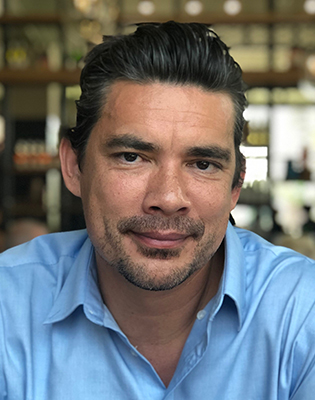 Andrew Baker合作论文数Coral Reef Futures Lab, Department of Marine Biology and Ecology, Rosenstiel School of Marine and Atmospheric Science, University of Miami11
 Charles Fisher合作论文数Department of Biology, Eberly College of Science, Pennsylvania State University10Kathryn H Stankiewicz合作论文数9Nicolas S. Locatelli合作论文数Dept Ecol Evolut & Environm Biol, Columbia Univ9
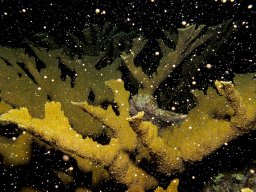 Nicole D Fogarty合作论文数Nova Southeastern Univ, Dept Marine & Environm Sci, Ft Lauderdale, FL 33314 USA9
 John Parkinson合作论文数Department of Integrative Biology, College of Arts and Sciences, University of South Florida9
 Christian R Voolstra合作论文数Red Sea Research Center, King Abdullah University of Science and Technology (KAUST),;School of Natural Sciences, University of California, Merced;King Abdullah University of Science and Technology (KAUST),, University of California8Meghann Devlin-Durante合作论文数7
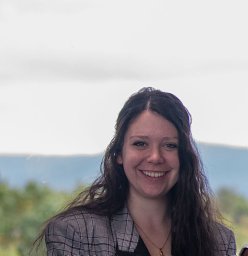 Trinity Conn合作论文数Department of Biology, The Pennsylvania State University7
 Michael E. Hellberg合作论文数SEE Division, College of Science, Louisiana State University;Department of Biological Sciences, College of Science, Louisiana State University;The Marine Speciation and Molecular Evolution Lab, Louisiana State University7
 Carly Kenkel合作论文数Department of Biological Sciences, College of Letters, Arts and Sciences, University of Southern California7
 Todd C. LaJeunesse (Todd LaJeunesse)合作论文数Department of Biology, Pennsylvania State University7
 Robert John Toonen (Robert J. Toonen)合作论文数Hawaii Institute of Marine Biology, University of Hawaii at Manoa;Department of Biology, School of Life Sciences, University of Hawaii at Manoa7
 Samuel A. Vohsen合作论文数Dept Biol Sci, Lehigh Univ6
 Andrea Chan合作论文数Department of Biology, The Pennsylvania State University6
 Tyler B. Smith合作论文数Rosenstiel School of Marine and Atmospheric Science, University of Miami6
 Nicholas R Polato合作论文数6
 Dana E. Williams合作论文数6
 Erik Cordes合作论文数Department of Biology, College of Science and Technology, Temple University6
 M. J. A. Vermeij合作论文数University of Hawai’i Department of Botany6M. K. Devlin-Durante合作论文数5
 Sarah W. Davies合作论文数5
 Gregory Concepcion合作论文数Pacific Biosci, Menlo Pk, CA 94025 USA5
 Eslam O. Osman合作论文数Biol Dept, Penn State Univ5
 Erinn M. Muller合作论文数Department of Biological Sciences, Florida Institute of Technology5
 Carlos Prada合作论文数Department of Biological Sciences, Louisiana State University5
 Harald Gruber-Vodicka合作论文数Departments of Marine Biology,5
 Benjamin Werner合作论文数Evolutionary Theory Group, Max-Planck-Institute for Evolutionary Biology5
 Thorsten B. Reusch合作论文数Research Division of Marine Ecology, GEOMAR Helmholtz Centre for Ocean Research Kiel5
 Gómez-Campo Kelly合作论文数5
 Dannise V Ruiz-Ramos合作论文数Department of Biology, Pennsylvania State University5
 Webb Miller合作论文数Department of Biology, Eberly College of Science, Pennsylvania State University;Department of Computer Science and Engineering, Eberly College of Science, Pennsylvania State University5
 Claire B. Paris合作论文数Rosenstiel School of Marine and Atmospheric Science;University of Miami;Rosenstiel School of Marine and Atmospheric Science, University of Miami5Erich Bartels合作论文数5
 Diego Lirman合作论文数Department of Marine Biology & Ecology, Rosenstiel School of Marine and Atmospheric Science, University of Miami5
 Misha Matz合作论文数Department of Integrative Biology, College of Natural Sciences, The University of Texas at Austin5
 Andréa G. Grottoli合作论文数School of Earth Sciences, College of Arts and Sciences, The Ohio State University5
 David Suggett合作论文数King Abdullah University of Science and Technology;Faculty of Science, University of Technology Sydney5
 Roberto Iglesias-Prieto合作论文数Instituto de Ciencias del Mar y Limnología, Universidad Nacional Autónoma de México5
 Nicole Dubilier合作论文数Department of Symbiosis, Max Planck Institute for Marine Microbiology;University of Bremen5Caitlin Lustic合作论文数4
 C. Cornelia Osborne合作论文数4
 Hannah Reich合作论文数Department of Biological Sciences, University of New Hampshire4
 Marhaver Kristen L合作论文数CARMABI Foundation, Piscaderabaai z/n4
 Hollie Putnam合作论文数Hawaii Inst Marine Biol, Univ Hawaii4
 Peter Mumby合作论文数School of Biological Sciences, Faculty of Science, The University of Queensland;Centre for Biodiversity and Conservation Science, Faculty of Science, The University of Queensland4
 Ilsa B Kuffner合作论文数St. Petersburg Coastal and Marine Science Center, U.S. Geological Survey4




