Wiser after the event?Many will say that that the sufferings and deaths that COVID-19 has caused is all they had, but the world has hopefully learned many things and we may have gained new wisdom from this awful experience.It seems that we are nearing the end of the pandemic so let's try to be more optimistic in our thoughts for the future. Development in medicineThere are many that are critical of what has been done in the pandemic, but we should not use that to negate what has been achieved: we must not let thoughts of perfection lead us to deny what has been good, particularly when it has all involved new experiences and therefore has been fraught with uncertainties.We have had to try out new approaches where there were no, or little, tried experiences immediately available.The obvious success is to be able to develop effective vaccines in a very short time.In great quantity.As it happened using mRNA research for vaccines against viruses was an incredibly brave and imaginative idea of Şahin and Türeci in January 2020 after considering the COVID-19 virus in Wuhan.They decided swiftly that their cancer research company BioNTech should be dedicated to the search for a vaccine against Sars-Cov-2 with new ways of getting those vaccines to activate the immune system with mRNA.To follow them for their safety and efficacy and to get them to millions of people.Another success has been that so many healthcare patient management initiatives and improvements, supported by technical and logistic revolutions, have occurred.The risks to the carers of those who are sick have been recognised and improvements in protecting them have been made.The efforts ingenuity behind all these medical advances need to be understood, weighed, valued, and remembered.We must use the fact that there has been open international dialogue and cooperation and that MUST continue.Surely the UN and WHO should be authorized to bring together nations to prevent and optimally mange world disaster?What science has appeared as less successful is statistics, epidemiology and particularly prediction.To a large extent, overpromotion, misuse, overoptimism and misunderstandings have played a part in this potentially useful area of science.The good news is that anyone who has been following the use of this important public health tool attentively will have learned a great deal.Epidemiology depends upon data, the context of its collection, its fitness-for-purpose to use in a particular new situation, its quality -particularly its level of homogeneity.Confidence intervals and size of samples is critical information.How appropriate and what size is the control group is another matter that determines how we can value the results.These details are just some of the information necessary for interpretation of results.Adding to those matters, we have limited information how deductions from research have been made, and it
What is fake news in science?There seems to be a growing concern about 'fake news', but it is not always clear what that means.Strictly speaking 'fake' is more of an invention, synonyms being 'sham', 'forgery', 'imitation', or 'pretend'.'False' is similar but is more concerned with deliberate distortion of evidence that actually exists and is 'faulty', 'wrong', or 'misinformed'.For review of some of the more discussed issues around 'fake news', the easiest way is to go to: https://en.wikipedia.org/wiki/Fake_news,but we wish to emphasise some more complexities that are missing in the current debates.It may be clear and very damaging if someone deliberately deletes, changes, suppresses factual, material evidence; or invents it.Other situations are not so clear as to allow any individual or group to set themselves up as arbiters of what is 'true' or not.There are few truths in life that are indisputable, and science uses the main stages of first hypothesis/discovery, then analysis and finally interpretation of data, using those three activities to produce evidence that we act upon.Data can be checked, but the discovery methods, selection of the data (which in turn relies on descriptions and definitions), and the aims and context of its discovery are often significant and not always available or easy to come by and evaluate by a third party.How the findings are analysed depend on tools that are used such as experimental methods and statistics, which must be appropriate and carried out properly.Interpretation of the results involve value judgements which are affected by the researchers' experience, knowledge, biases and more.In many situations, decision makers rely on experts to guide them on scientific matters; for them to say "We are listening to the scientists" has become synonymous with "We're doing the right thing".But are experts always right?They may be biased in favour of their own preconceptions, they may also not be expert in all the circumstances relevant to a particular project, nor is anyone free of any number of errors.Being part of a panel of experts takes care of some issues, though we usually cannot be sure how any disagreements might have been resolved, nor the compromises made.There is a further risk to relying on the wisdom of expert groups to decide on falsehood.The argument that something is false is often based upon prior knowledge.Prior knowledge is used in many epidemiological studies, though prospective data are often sought and can be analysed continuously.Not only can data suffer from being out-of-date, but it can also be out of context in relation to data obtained in a different place or circumstances.The Erice Declaration, from a meeting in 1997, contains the advice that all communications on scientific matters must make clear that '…..Facts, hypotheses and conclusions should be distinguished, uncertainty acknowledged, and information provided in ways that meet both general and individual needs' [1].These are the basic responsibilities of scientific communication that allow for a critical review of anyone's work: being careful and critical are the essence of determining what one should throw out and what might be useful.Peer review of scientific publications is the obvious way of seeking to eliminate misleading information and its subsequent use for actions that may be harmful.But here again, the evaluations are based on the assessors' experience and other values.
It may seem strange for us to be asking this question given that the Journal’s objectives should be well known and obvious. It is clear, however, that changes in the ways of the world, and even in the use of language, have been extensive and complex since the International Journal of Risk and Safety in Medicine was first conceived more than three decades ago. We say that the Journal is ‘concerned with rendering the practice of medicine as safe as it can be, that involves promoting the highest possible quality of care, but also examining how those risks which are inevitable can be contained and managed’. This is true, but we now take a broader understanding of this vision, as the content of this latest version shows. Safety is ‘the condition of being protected from or unlikely to cause danger, risk, or injury’ (from Oxford Languages). Risk is included, but that word describes the potential/possibility/likelihood of the state of safety. Moreover, the Journal is also concerned with ‘the highest possible quality of care’, which must always include benefit for the recipient lack of safety must negatively impact the potential benefit! This issue contains the following articles: 1. An article on the management of COVID-19 reminds us that within just over a year of the onset of a new viral disease pandemic we have gone from knowing little about anything and trying to choose treatments by inference from past experiences, to actually having vaccines to choose from and considering the relative benefits and risks of each, and to whom. 2. A paper from Turkey reminds us that a national effort is necessary to collect information on errors and other poor outcomes from medical treatments in general. The three most common errors were inappropriate medicine doses being administered, haemolysis of blood samples for the laboratory, and failure in prior marking of surgical operating sites. 3. Another paper on the topic of surgical safety comes from Sierra Leone. The authors used the WHO surgical safety guidelines for a ‘before and after’ training study. ‘Planning involved service evaluation to understand relevant barriers to effective care, discussion with key stakeholders and formation of a working group to develop tailored interventions.’...... ‘A significant improvement was noted in the performance of airway evaluation, correct administration of antibiotics, marking of the surgical site and preoperative team briefing.’ 4. Continuing the surgical theme, a paper from Thailand reports a large survey and intraoperative awareness. Not a common problem but most often due to inexperience by the anaesthetist and poor monitoring of equipment. 5. A more general criticism relating to safety is in a contribution on selective reporting of clinical trial experiences. This paper is a harsh reminder that one would like to see the actual raw data, if it were possible, (as well as many other relevant details) surrounding every published scientific study. We think we have all experienced the conflicts in views and understanding exemplified over the various research findings about the COVID-19 pandemic.
It is perhaps only the most hard-hearted stoic that can see much good coming from the deadly visitation by this virus, but there are one or two immediately positive outcomes. There have been many reports of selfless, caring, and brave acts in the succour for others who have been badly hurt physically or psychologically. There have also been stories of inventiveness and originality in dealing with the outcomes of the pandemic as well as the disease itself. Unfortunately, we are conversely fed reports of cruelty, robbery, thoughtless behaviours, incompetence at all levels, blame, contention and even violence, related to the effects of COVID-19 on global society. Now we are asking ourselves what should happen next? What have we learnt? [1–3] Nassim Nicholas Taleb wrote a couple of important books: The Black Swan and Antifragility (and more). They are about unpredictable risk and the issue of fragile systems and organisations (and people). In his general arguments on fragility and the more important antifragility, he says, “...Antifragility is beyond resilience or robustness. The resilient resists shocks and stays the same; the antifragile gets better”. By being exposed to both risk and actual harm the antifragile gains experience in coping with a variety of challenges, learns survival strategies and overcomes. The comfortable existence led by so many, combined with a tendency to avoid risk-taking and an inability to cope with uncertainties, have lured people into placidly ignoring the possibility that one might have to face a calamity that can place us in grave dangers and result in exceptional fragility. How will we tackle the triad of ecological challenges, overpopulation and the lack of true equality of opportunity in societies? And how will we prevent the next global disaster? It is very clear that most medical services were unprepared for this level of pressure on the health systems; in some countries the health services were already fragile. Similarly, many companies and services had no reserve funding or apparently any plans for coping with shutdown for more than a week or so. So, some interesting points we have observed:
AbstractIn this chapter, Ivor Ralph Edwards shares his reflections based on more than 20 years of international experience, both in clinical practice and in drug safety monitoring. Crucial for Edward’s work is the dispositionalist view that outlier cases and deviations from the norm have a great potential in advancing causal understanding, as discussed in the first part of this book. Through a number of examples drawn from his professional experience, Edwards here provides some advice on how the dispositionalist approach presented in Part I of this book can improve clinicians’ daily practice and can assist the process of differential diagnosis. Despite the time and other constraints placed upon practicing clinicians today, the urgency of taking causal complexity properly into account demands that a more personal and contextual approach be taken. This chapter highlights the urgency of the call for a new framework for medical practice, one that fully acknowledges patient narratives as evidential and emphasises the importance of understanding rare symptoms and responses as being nonetheless part of a larger pattern of dispositions and manifestations.
For a patient undergoing any clinical treatment, trust in their carers is paramount. Those who work in patient care also need to feel that their environment is totally supportive of the way they work and the dedication involved. The International Journal of Risk and Safety in Medicine (JRS) is concerned with maintaining these basic principles through publishing papers intended to promote better practices and improve the overall outcomes of clinical care. It was with this in mind that Graham Dukes started the Journal and was keen to have inputs from all staff involved in clinical care. Above all, it seems to us that the Journal must be open to patients to express their views. The whole of life is risky for us humans but the less we have control over our lives the more we feel threatened as individuals. We want JRS to be a Journal that explores these issues in a balanced way, seeks and publishes information that helps maximise the notion of safety and security in treatment by research that will benefit individuals in health care in the most practical ways possible. Perhaps the multicoloured hands in the design on the previous covers of the Journal expressed the multiplicity of individuals included in clinical care, but we thought it would be easier to relate to the perhaps more prosaic image of weighing scales together with a selection of medically associated images scattered around, but not forgetting the humanoid image forming the balance! A journal such as we envisage should facilitate new ideas that forward the aims above and that are rationalised and set out clearly. Original research work that illuminates and furthers practical ways forward in clinical care is clearly welcome, but so is critical commentary on the strengths and weaknesses of work done. How can it be done better? How can it be interpreted differently? How can further useful work be carried out? What impact will all this have practically for good or harm? For all the above to become useful a transparent and open discussion needs to take place on important issues, which can be followed on the paper pages of the JRS, on the Internet, or elsewhere. Some issues might be worth more weighty debate in a special topic edition: we would welcome hosting such debate as a special edition. Another innovation we will introduce is an editorial coming from the Editors we have or by invitation. Editorials can be broader in content, have a more relaxed style, and also reflect novel views that affect medical care. A unique feature of this Journal is the main thrust is not just the science of clinical care and treatment used, it is how we assess and utilise that science. Decisions taken every day by people seeking to improve their health need to consider many factors that are unique to them. Health professionals need all their empathy and understanding to enable patients to reach the best decisions for them. A discussion about ways in which we approach these difficult patient exchanges would also be interesting for JRS. Finally, and with sadness, at this time we would like to pay tribute to the work and efforts of Chris van Boxtel as Editor-in-Chief. His recent death has been the subject of several obituaries by his many friends, including many reflections from the staff of JRS. Chris was a jovial and sensitive person who wanted to find ways of helping anyone who needed to know about medicines and to be able to use them wisely. The textbook he edited entitled ‘Drug Benefits and Risks’, has been found useful all over the
Pharmacovigilance currently faces several unsolved challenges. Of particular importance are issues concerning how to ascertain, collect, confirm, and communicate the best evidence to assist the clinical choice for individual patients. Here, we propose that these practical challenges partially stem from deeper fundamental issues concerning the epistemology of pharmacovigilance. After reviewing some of the persistent challenges, recent measures, and suggestions in the current pharmacovigilance literature, we support the argument that the detection of potential adverse drug reactions ought to be seen as a serendipitous scientific discovery. We further take up recent innovations from the multidisciplinary field of serendipity research about the importance of networks, diversity of expertise, and plurality of methodological perspectives for cultivating serendipitous discovery. Following this discussion, we explore how pharmacovigilance could be systematized in a way that optimizes serendipitous discoveries of untargeted drug effects, emerging from the clinical application. Specifically, we argue for the promotion of a trans-disciplinary responsive network of scientists and stakeholders. Trans-disciplinarity includes extending the involvement of stakeholders beyond the regulatory community, integrating diverse methods and sources of evidence, and enhancing the ability of diverse groups to raise signals of harms that ought to be followed up by the network. Consequently, promoting a trans-disciplinary approach to pharmacovigilance is a long-term effort that requires structural changes in medical education, research, and enterprise. We suggest a number of such changes, discuss to what extent they are already in process, and indicate the advantages from both epistemological and ethical perspectives.
Purpose: The purpose of this study is to uncover previously unrecognised risks of medicines in paediatric pharmacovigilance reports and thereby advance a safer use of medicines in paediatrics. Methods: Individual case safety reports (ICSRs) with ages less than 18 years were retrieved from VigiBase, the World Health Organization (WHO) global database of ICSRs, in September 2014. The reports were grouped according to the following age spans: 0 to 27 days; 28 days to 23 months; 2 to 11 years; and 12 to 17 years. vigiRank, a data-driven predictive model for emerging safety signals, was used to prioritise the list of drug events by age groups. The list was manually assessed, and potential signals were identified to undergo in-depth assessment to determine whether a signal should be communicated. Results: A total of 472 drug-event pairs by paediatric age groups were the subject of an initial manual assessment. Twenty-seven drug events from the two older age groups were classified as potential signals. An in-depth assessment resulted in eight signals, of which one concerned harm in connection with off-label use of dextromethorphan and another with accidental overdose of olanzapine by young children, and the remaining signals referred to potentially new causal associations for atomoxetine (two signals), temozolamide, deferasirox, levetiracetam, and desloratadine that could be relevant also for adults. Conclusions: Clinically relevant signals were uncovered in VigiBase by using vigiRank applied to paediatric age groups. Further refinement of the methodology is needed to identify signals in reports with ages under 2 years and to capture signals specific to the paediatric population as a risk group.
s: Oral Sessions Conclusions Initial results highlight important barriers and facilitators identified by medical students in engaging with and completing the longitudinal Wikipedia assignment as part of their first-year critical appraisal, research and life long learning course. These results will inform the future delivery and assessment of this assignment in an effort to increase engagement among first-year medical students in improving one of the leading sources of online health information worldwide. 25 THE NEED FOR ESTABLISHMENT OF A MINIMALLY CLINICAL IMPORTANT DIFFERENCE AND STANDARDIZATION OF PRE AND POST-OPERATIVE ASSESSMENT Xi Ming Zhu*, Abdus Ansari, Brittany Dennis, Charlotte Brookes, Moin Khan, John Grant. St. George’s, University of London, London, UK; St. Helier Hospital, London, UK; McMaster University, Hamilton, Canada; MedSport, Department of Orthopaedic Surgery, University of Michigan, Ann Arbor, USA 10.1136/bmjebm-2018-111024.25 Objectives To compare the outcomes between autograft and allograft reconstruction in patients with PCL deficiency. During the extraction of data and its comparison and interpretation in the development of this meta-analysis, the lack of standardisation in patient follow-up with regards to length of follow-up, modalities measured, and reports of adverse events were notable. Many studies were thus excluded due to failure to meet preset inclusion criteria. The subsequent data analysis therefore became limited in its translation towards guiding clinical and surgical practice. The development of a standardised pre and post-operative assessment and follow-up criteria will not only benefit patients, but will also ensure that future systematic reviews conducted will carry a higher impact towards guiding clinical practice. Method Medline, EMBASE, and the Cochrane Library databases were searched from January, 1980 until December 1 st, 2016 to identify all relevant articles. Clinical outcomes including International Knee Documentation Committee (IKDC), Tegner and Lysholm scores, joint laxity and posterior tibial displacement were evaluated. Dichotomous outcomes were pooled into odds ratios while continuous outcomes were pooled into weighted mean differences (MD) using random effects meta-analysis. Results We conducted a systematic review looking at outcomes of isolated PCL reconstruction comparing autograft vs allograft sources. Clinical outcomes including International Knee Documentation Committee (IKDC), Lysholm and Tegner scores, joint laxity, and posterior tibial displacement were evaluated. Amongst the 145 unique articles found through the screening process, 25 studies, with a combined patient population of 900, were deemed eligible for inclusion in this study. Postoperative improvement was observed regardless of graft source. Pooled findings revealed that autografts demonstrated a statistically significant post-operative activity as measured by Tegner scores (MD: 0.5, 95% CI 0.03, 0.9; p=0.04) and a reduced posterior laxity (MD: 1.2, 95% CI 1.6,–0.8; p<0.00001). Conclusions However, despite a statistically significant improvement, there is difficulty establishing a clinically significant improvement. This stems from the absence of a standardised guideline of measuring pre-operative and post-operative functions. One example is the inconsistent usage of IKDC scores between studies, a failure of reporting both pre and post-operative IKDC scores, and subjective reporting as either ‘normal’ or ‘abnormal’ rather than following a protocol. Thus, the development of a systematic approach to assess patients before and after operations, along with establishment of an agreed minimally clinical important difference will lend to more impactful data analysis and ease of generating guidelines. 26 APPLICATION AND RETENTION OF EVIDENCE BASED PRACTICE SKILLS: STUDENTS AND PRACTITIONER’S PERSPECTIVES FROM AN INDIAN HEALTHCARE INSTITUTION Viji Chandran, Girish Thunga, Girish Pai, Sohil Khan*. Manipal College of Pharmaceutical Sciences, Manipal University, India, Manipal, India; School of Pharmacy and Pharmacology, Griffith University, Gold Coast, Australia; Mater Research Institute – The University of Queensland, Brisbane, Australia; Manipal College of Pharmaceutical Sciences, Manipal University, India, Gold Coast, Australia 10.1136/bmjebm-2018-111024.26 Objectives With two decades of introduction of Pharmacy Practice education and a decade of Pharm D program in India, there has been a paradigm shift in the practice of evidence-based clinical pharmacy/pharmacology in the country. Wide variation exists in the requirement of teaching evidence based medicine/evidence based practice (EBP) across health discipline in India. The Pharmacy Council of India lists ‘provision of evidence-based pharmaceutical care’ as one of the core duties for a registered pharmacy practitioner. With the efforts being on integrating clinical focused role of a pharmacist there is a need to contemplate where the EBP learning and teaching skills stands at this juncture. The present study aimed to identify and assess specifics knowledge gaps, attitudes and retention of EBP skills among pharmacy student cohort and to comment on their relation to current education practices. The study also aimed to assess practitioner’s perspective on EBP skills at workplace. Method A prospective cross-sectional study was undertaken as a component of need-analysis to identify and assess specific student perspective on EBP teaching and workforce preparedness. Institution ethics approval was obtained prior to the study. The study included feedback from students enrolled in Master in Pharmacy (M.Pharm) in Pharmacy Practice program and students enrolled in Pharm D program in year 5 and 6. Feedback from clinicians (registered medical practitioners and residents) were also obtained to perceive their understanding of need for EBP skilled graduates. Questionnaire were designed, piloted and standardised based on educational evidence and expert opinion. Descriptive statistics were applied to extract the key points from the need analysis. Results A total of 40 students participated in the survey. Majority (95%) of the participants felt the need for training in core evidence-based skills (critical appraisal skills and knowledge of clinical epidemiology principles). Sixty five percent of the pharmacy interns reported lack of workforce preparedness to integrate EBP skills whilst provision of pharmaceutical care. Reported barriers include lack of training in the curriculum and demanding time at workplace. Students felt the need to reduce the mechanistic of EBP provision through integration of mobile application and periodic educational activities. Twenty-eight medical practitioners and 12 residents provided their feedback. Lack of training among the interns and students to facilitate EBP at workplace was highlighted. Need for innovative methods to reduce time-spent in Evid Based Med 2018;23(Suppl 1):A1–A37 A13 23 BEING PART OF ADVANCED RESEARCH TO INSTIL A WORKING KNOWLEDGE OF CRITICAL APPRAISAL AND RESEARCH METHODS IN A GROUP OF MEDICAL STUDENTS AS AN EDUCATIONAL OBJECTIVE – THE EXPERIENCE OF ONE PROFESSOR IN A STATE UNIVERSITY IN CHILE Vivienne C Bachelet, Mauricio Osorio. Facultad de Ciencias Médicas, Universidad de Santiago de Chile, Santiago, Chile 10.1136/bmjebm-2018-111024.23 Objectives To achieve a deep knowledge and a positive attitude towards research methodology, reporting standards and research integrity, in a group of seven medical students attending a state university in Chile. The aim of this learning and applied activity was to pick up from the evidence-based medicine course and follow through by engaging the students in complex research projects from inception to publication of results. Method After finishing the EBM course in medical school, 85 medical students recently introduced to clinical courses in hospital, were offered the opportunity to participate in two research projects. Seven students signed up to become research assistants to the Associate Professor of Evidence-Based Medicine of Universidad de Santiago de Chile (USACH). The professor provided a couple of research ideas – one on reporting guidelines and clinical trials, and one on research integrity and publication ethics. During the latter half of the academic year, weekly three-hour sessions were scheduled to plan, conduct and report the results of the research projects. Follow-up of assigned tasks and responsibilities was carried out through Basecamp, an online project management application. Group discussion was horizontal and conducive towards advancing in the knowledge dimension, but was always guided by the lead professor. Other professors were invited to join the discussion on an ad-hoc basis. Results The students were initially divided into two groups with lead student investigators per group. All were actively involved from the start in the discussion of the research question and design, study objectives, methods, data extraction, analysis and drafting of protocols and manuscripts. Likewise, they participated in writing and submitting the funding proposals, and they have contributed to drafting the protocol manuscripts. Two of the students gave oral presentations in research student meetings. Discussions are held both in Spanish and English, which is also helping them with their English skills. Manuscripts are drafted, revised and corrected in English. In the knowledge process dimension, the students have been able to successfully acquire and construct factual knowledge, conceptual knowledge, procedural knowledge and metacognitive knowledge. In the cognitive process dimension, the students are actively prompted to understand the research process, as well as apply, analyse, evaluate and create during the conduct of both projects. Conclusions The projects are providing the students with critical appraisal skills, and knowledge about publication ethics and research int
 Marie Lindquist合作论文数59
 Andrew Bate合作论文数36
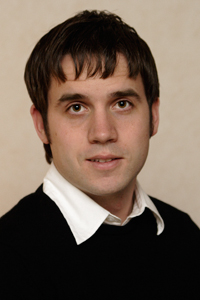 G. Niklas Norén合作论文数UMC30
 Kristina Star合作论文数25
 Ola Caster合作论文数WHO Collaborating Centre for International Drug Monitoring, Stockholm University18Dm Coulter合作论文数11Johan Hopstadius合作论文数11A. Bate合作论文数10R. H. B. Meyboom合作论文数9
 Johanna Strandell合作论文数9G. N. Noren合作论文数8Ronald H. B. Meyboom合作论文数8
 Roland Orre合作论文数8
 Bruce Hugman合作论文数7Tragulpiankit Pramote合作论文数6K. Star合作论文数5Br Dobbs合作论文数5
 Santosh K C合作论文数INRIA Nancy Grand Est5Joseph Sanderson合作论文数IMS International5Cecilia Biriell合作论文数5Rw Mason合作论文数5Orre R合作论文数5
 Sarun Gorsanan合作论文数4Lovisa Sandberg合作论文数4
 Rebecca Chandler合作论文数Department of Medicine, Oregon Health and Science University4
 Kristina Juhlin合作论文数4
 Tomas Bergvall合作论文数4Alexander Dodoo合作论文数4
 Jitka Pokladnikova合作论文数4
 Imti Choonara合作论文数School of Medicine, UniversityofNottingham4khaled bouri合作论文数3Jenny Bate合作论文数3Priya Bahri合作论文数3Carol A Pamer合作论文数3Harold Rodriguez合作论文数3J. Strandell合作论文数3Scott Proestel合作论文数US FDA, Silver Spring, MD 20993 USA3
 Kenneth Hartigan-Go合作论文数3
 Clark Freifeld合作论文数Boston Childrens Hosp, Childrens Hosp Informat Program3Campbell A J合作论文数3
 Mark O Walderhaug合作论文数3
 Jeffrey K Aronson合作论文数Centre for Evidence Based Medicine, Nuffield Department of Primary Care Health Sciences, Medical Sciences Division, University of Oxford3
 A.C.G. (Toine) Egberts合作论文数Graduate School of Life Sciences, University Utrecht;University Medical Center Utrecht3
 Ruth Lesley Savage合作论文数3Johansson Jeanette合作论文数3
 Elena Rocca合作论文数3
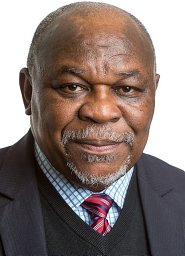 Isah Ambrose合作论文数3
 Karin Nordin合作论文数3




