BackgroundDepression and anxiety are the two most common mental health conditions, that often co-exist and relapse over time. There is a need for sustainable treatment options to address increasing rates of depression and anxiety and reduce the strain on health systems. Social and Therapeutic Horticulture (STH) is a nature-based health intervention that can reduce symptoms of depression and anxiety, however synthesised evidence of its effectiveness is required to inform commissioning and availability of interventions.AimThe aim of this systematic review and meta-analysis was to examine the effectiveness of STH for reducing symptoms of depression and anxiety.MethodFollowing PRISMA guidelines and the protocol registered on Prospero (CRD42024542671) a systematic search of scientific databases and grey literature was conducted to identify quantitative studies examining the impact of STH interventions on depression and anxiety outcomes. Studies were eligible for inclusion if they reported on an STH intervention that was led by a trained practitioner, administered to adult populations who were identified as either at risk, with symptoms or diagnosis of depression and/or anxiety and reported on depression or anxiety outcomes measured using validated scales. Data from eligible studies were extracted and analysed using a random effects meta-analysis.ResultsSeventeen studies were identified for inclusion including four RCTs, ten quasi-experimental studies with comparators and three single group studies. Nine studies reported outcomes for depression only, two for anxiety only and six for both depression and anxiety. Across studies with comparators, meta-analyses revealed large and significant effects in favour of the STH group for depression (SMD= -1.01; p=<.001) and moderate and significant effects in favour of the STH group for anxiety (SMD=-.62; p<.001). There was significant heterogeneity across studies, with high risk of bias, particularly for statistical validity and outcome measure reliability.ConclusionsSTH interventions have the potential to support existing treatment approaches for depression and anxiety. However, to inform commissioning and upscaling of services, rigorous randomised studies comparing STH to treatment as usual for depression and anxiety are required.
Nature-based interventions (NBIs) are becoming a common mental health care referral option; however, little is known about the barriers to participation. Research reveals a concentration of evidence on the practical barriers with a paucity of guidance on the personal barriers as experienced by service users. This review explores what is known on the psychological, psychosocial and physical barriers as disclosed by adult mental health service users and the various stakeholders involved in NBI. Nine of the 104 articles screened met the inclusion criteria. The review identified a total of 47 barriers in which the majority were standalone barriers unique to the individual article or participant that generated them. However, other barriers suggest a level of universality with the greatest array of barriers identified in the psychosocial category. The review highlights an urgent need for further research on the psychological, psychosocial and physical barriers to NBI participation.
BACKGROUND:Exposure to green space and feeling connected to the natural environment have independently been associated with improved mental health outcomes. During the coronavirus pandemic, people experienced restrictions on access to the outdoors, and health data indicated a decline in mental health in the UK general population.METHODS:Data available from two independent surveys conducted prior to and during the pandemic enabled a naturally occurring comparison of mental health and its correlates prior to and during the pandemic.RESULTS:Survey responses from 877 UK residents were included in the analyses. Independent t-tests revealed significant declines in mental health scores during the pandemic. After controlling for age and gender, greater nature connection significantly predicted lower depression and stress and improved well-being. Percentage of green space did not significantly predict any mental health outcomes. Further, time point (pre- or during COVID) and the interaction of time point with green space and nature connection did not significantly predict any of the outcome measures. The findings indicate that nature connection may play an important role in promoting mental health. Strategies to improve mental health and reduce mental illness should consider the role of nature connection and the use of interventions that involve direct interaction with natural environments.
The UK government has invested £5.77 million in green social prescribing to prevent and tackle mental ill-health. Therapeutic community gardening, one type of green social prescription, provides a range of health outcomes. However, for increased accessibility, a greater understanding of how it impacts mental health and the facilitators and barriers to referral, uptake, and attendance by individuals with mental health problems is required. We conducted and thematically analysed interviews with thirteen stakeholders including social prescribing link workers and garden staff; and focus groups with twenty garden members. The mechanisms by which therapeutic community gardening were suggested to impact mental health were by engaging members with nature and the outdoors, providing hope for the future and facilitating social support and relationships. Factors facilitating referral, uptake, and attendance included a holistic and person-centred approach, which is flexible around health needs. Barriers included awareness of the full offering of therapeutic community gardens and accessibility, in terms of physical location and waiting lists. Given that nature-based interventions have the potential to protect and enhance population health and offer cost savings through reduced reliance on other health services; overcoming these barriers is key to ensuring that therapeutic community gardening is more widely available as an additional mental health treatment.
The impact of environmental context on the psychological benefits derived from physical activity has attracted research attention in recent years. Previous reviews have compared effects of indoor versus outdoor exercise. This review compares the effects of physical activity undertaken in outdoor green natural environments versus outdoor urban environments on psychological health outcomes in adult general populations. An electronic literature search identified 24 experimental studies meeting the inclusion criteria. Results were analysed via narrative synthesis (n = 24) and meta-analysis (n = 9) of effect on six outcomes. Narrative synthesis found in favour of the natural environment for anxiety, anger/hostility, energy, affect and positive engagement. Post-intervention effect sizes suggested duration and social context as potential moderators. The meta-analyses revealed large or moderate effects in favour of the natural environment for anxiety, fatigue, positive affect and vigour, and a small effect for depression. Results were subject to high risk of bias and heterogeneity. Physical activity undertaken outdoors in natural environments is more beneficial for a range of psychological outcomes compared with urban environments. The various effect sizes evident in the meta-analyses may be explained by differing mechanisms through which psychological gains are experienced during physical activity in nature.
Background: literature on the mental health benefits of therapeutic community gardening is not specific to individuals with mental illness and reports short-term outcomes. The impact of the coronavirus pandemic on intervention effectiveness is also unknown. This study examined the impact of therapeutic community gardening prior to and across the pandemic on the wellbeing of individuals referred for support with their mental illness. Methods: garden members (n = 53; male = 36, female = 17) aged 47.38 ± 13.09 years reported their wellbeing at baseline and four follow-up points (FU1–FU4) across the pandemic. Results: there was significant quadratic growth in wellbeing (−1.248; p < 0.001) that varied between genders (p = 0.021). At baseline, male wellbeing scores were significantly lower (p = 0.020) than the UK population norm, but there were no significant differences at any other follow-up point. Female wellbeing was significantly lower than the UK population norm at baseline (p < 0.001), FU1 (p = 0.012) and FU2 (p < 0.001), but not FU3 and FU4. Conclusion: therapeutic community gardening can improve and maintain the wellbeing of individuals with mental illness, even when wellbeing is deteriorating nationally. Future research should further demonstrate the long-term and cost-effectiveness of interventions.
This study assessed physical activity (PA) and wellbeing during lockdown. UK adults reported their PA in the previous week, perception of PA importance (more, less, same) and wellbeing, depression, anxiety and stress. One-way ANOVA compared PA and wellbeing by PA importance. The 'less' importance group did less PA than the 'more' and 'same' (p < 0.05) importance group; and scored worse on all wellbeing measures than the 'same' importance group (p < 0.01). They also had worse wellbeing, depression and anxiety than the 'more' importance group (p < 0.05). Strategies to overcome the impact of the pandemic should aim to increase PA.
Purpose of review Mental illness is a global challenge, exacerbated by the coronavirus pandemic. Research suggests access to local green spaces is associated with better mental health, yet access is not always equitable. Evaluation of how nature-based interventions protect and support mental health is therefore required. Recent findings Accessible local green spaces are associated with better mental health. They encourage active behaviours and social interaction, reduce loneliness and stress. Green views from the home are associated with increased self-esteem, life satisfaction and happiness and reduced depression, anxiety and loneliness. Nature-based interventions and green social prescriptions effectively target vulnerable groups, resulting in significant reductions in depression, anxiety and anger alongside positive mental health outcomes. Summary Although existing evidence is encouraging, robust, high-quality research that strengthens the evidence base and informs future clinical practice and policy decision making is needed. Evidence of the long-term effectiveness in individuals with diagnosed mental illness is also required to ascertain the potential social and wider returns on investment. Barriers to use of green social prescriptions like mental health symptoms and geographical accessibility need to be overcome to increase accessibility and uptake of green social prescriptions for the prevention and treatment of mental illness.
Engagement with and physical activity in nature are increasingly being recognized as fundamental to human health and wellbeing and offer powerful mechanisms to counteract many of these challenges. Since the turn of the century, there has been a renewal of research effort elucidating relationships between physical activity, nature, and health. Research shows that physical activity in nature is an important health and wellbeing facilitator because the presence of nature augments the benefits of physical activity, while also enhancing motivation and adherence to healthy and proenvironmental behaviors. The recognition that physical activity in nature provides benefits for people, beyond the risk approach, represents a major shift in public health thinking for both the prevention and treatment of health issues. Despite this growing evidence base and interest from policymakers, there is a relative dearth of guidance for designing and implementing nature-based physical activity interventions and programs for health. The chapter also presents an overview of the key concepts discussed in this book.
Psychological resilience refers to a person’s capacity to change or modify their behavior in direct response to environmental hazards. This behavior ranges from individuals surviving threats to their wellbeing, to thriving, despite, or even because of stressors. The inability of young people to respond effectively and keep going in periods of adversity has been attributed to their declining resilience. This may impact upon their psychological wellbeing and capability to complete their education with optimal value. Evidence suggests challenges presented by nature-based and Adventure Physical Activities (APA) have enabled young people to acquire skills associated with resilience. However, there is limited empirical data to substantiate these claims. Our expansive research argues that a defined blend of embodied, adventure-based meaningful challenges provides a template for helping young people in education to build resilient behaviors. This learned adaptive capacity helps students buffer the impact of stress, readjust, grow, and persevere in their studies.
Building on the existing multidisciplinary scholarship with a shared interest in physical activity, health, and therapeutic landscapes, this chapter takes seriously the ways in which our new understandings play out in the “real-world.” By taking the 5-km running initiative, parkrun, as a case in point we outline multiple processes that serve to explain how parkrun manifests as a health-enhancing activity at the intersection of nature, physical activity and wellbeing. Following a description of the key characteristics of parkrun and providing an overview of the published research about it, we illustrate how (i) parkrun enables access to affective “Green Space,” (ii) parkrun provides an affective and sensory experience, and (iii) parkrun fosters affective communities. These processes are impactful, we argue, largely in the context of contemporary lifestyles whereby social and multisensory experiences in nature are increasingly supplanted by sedentary and occularcentric ways of being within urban landscapes and postmodern temporalities. Importantly, we also suggest that the positive public health potential of initiatives like parkrun are likely to emerge not simply from nature alone but through a combination of multiple affective processes taking place in the context of nature.
Burnout is, besides a global, complex phenomenon, a public health issue with negative consequences on personal, organizational, social, and economic levels. This paper outlines the co-design of a novel Nature-based Burnout Coaching intervention, called NABUCO. Due to the complexity of burnout, we propose a One Health approach in healthcare, educational and governmental pilot organizations, to deliver guidelines and protocols for prevention and recovery of burnout. We advocate the inclusion of the salutogenic and mutual healing capacity of nature connectedness, facilitating a positive impact on mental and environmental health. A transdisciplinary Participative Action Research-design resulted in an iterative adaptive cycle of co-design, implementation, and evaluation of NABUCO.
Rosenberg's scale (RSES) is widely used to assess global self-esteem (SE) in adults and adolescents but is not validated for children <12 years. This study assessed the internal consistency, convergent validity, and factor structure of a modified RSES for schoolchildren (CRSES) aged 7–12 years. A total of 711 children aged 9.0 ± 1.5 years completed the CRSES; a subset ( n = 417) also completed a life satisfaction (LS) scale. Data were submitted for confirmatory factor analysis (CFA) and tests of factorial invariance by sex. Two-way ANOVA compared scores by age-group and sex; whilst Pearson's correlations examined the relationship between LS and SE. Following the use of modification indices the fit for the global SE model met the goodness of fit statistic criteria: χ(27, n = 711) = 77.22; χ normed = 2.860 CFI = 0.961; RMSEA = 0.051 with 90% CI = 0.038-0.065; SRMR = 0.037; and displayed respectable internal consistency (α = 0.79). The model was also factorially invariant by sex. SE scores did not vary sex ( p > 0.05); but were significantly reduced in children aged 9–10 and 11–12 years compared to children aged 7–8 years. The global SE score was significantly correlated (r = 0.51; P < 0.001) with LS. The current version of the CRSES can reliably examine global SE in children aged 7–12 years; extending the use of the RSES to allow tracking across the life course.
This study investigated the efficacy of medium-term Green Exercise (GE; being physically active within a natural environment) interventions for improving wellbeing, by pooling data collected at the start and end of participants’ engagement with a range of GE interventions. Hypotheses were that (i) interventions would show good efficacy for improving wellbeing in the overall sample; (ii) compared to participants reporting ‘average to high’ wellbeing at the start of their project, participants with ‘low’ starting wellbeing would report greater improvements post-intervention; and (iii) improvements would significantly differ between age groups. The pooled dataset was categorized in line with UK norms (n = 318) and analyzed using a standardized meta-analysis approach. Effect size was large: g = 0.812 (95% CI [0.599, 1.025]), and differences in wellbeing changes associated with project duration, age or sex were not statistically significant. Compared to those reporting ‘average-high’ starting wellbeing, participants reporting ‘low’ starting wellbeing exhibited greater improvements (BCa 95% CI [−31.8, −26.5]), with 60.8% moving into the ‘average-high’ wellbeing category. GE can play an important role in facilitating wellbeing and can provide alternative pathways for health and social care practice. Public health commissioners should consider integrating such interventions for patients experiencing low wellbeing or associated comorbidities.
Green exercise participation leads to beneficial health and well-being outcomes, but how? Reviewing findings from the past 15 years of research, this chapter illustrates the two pathways that seem to deliver boosts beyond those of exercising indoors in more urban environments. We discuss how these two pathways can interact, thereby creating further-enhanced or even reduced opportunities for health and well-being improvements arising from different aspects of the exercise experience.
Conservation organizations are increasingly aware of the need to motivate pro‐environmental behavior by connecting people with nature. However, to maximize the effectiveness of the limited resources available, there needs to be a better understanding of the variability in people's connection to nature shown at different ages. We examined connection to nature among people aged 5–75 years, using two popular measures, in a cross‐sectional UK sample, based on the hypothesis that there would be clear, age‐related patterns in people's connection to nature, with specific “breakpoints” associated with differences in feelings of connection. Data were collected across a variety of locations. Analysis of generalized additive models revealed similar age‐related patterns for both measures, with connection declining from childhood to an overall low in the mid‐teens, followed by a rise to the early 20s and reaching a plateau that lasts to the end of the lifetime. Both measures also showed that females generally had higher connection scores than males. These findings have implications for conservation action.
Occupational therapy is a client-centred health profession concerned with promoting health and wellbeing through occupation. Occupational therapists focus on what people do, the meaning of that 'doing' and the impact that doing has on their daily lives and their wellbeing (Creek, 2014). Until more recently, occupational therapists have worked largely within the boundaries of health and social care environments in the UK, engaging people in participation through occupation, which is defined as activity that has sociocultural and personal meaning to them (Creek, 2010). A move away from more medical-model approaches within the profession has seen occupational therapists work towards identifying a wide range of non-traditional settings, such as gardens, farms, community green spaces and outdoor adventure settings, in order to broaden the scope of the profession and meet the needs and goals of the people they work with.
 Jules Pretty合作论文数School of Life Sciences, University of Essex25
 Wood Carly合作论文数School of Biological Sciences, University of Essex23
 Mike Rogerson合作论文数Sch Sport Rehabil & Exercise Sci, Univ Essex17
 Valerie Gladwell合作论文数14
 Gavin Sandercock合作论文数School of Biological Sciences, University of Essex9
 Claire Wicks合作论文数Sch Hlth & Social Care, Univ Essex7
 Rachel Elizabeth Bragg合作论文数6
 Daniel K Brown合作论文数5
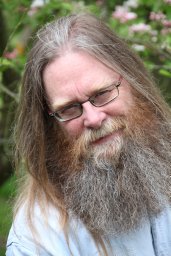 Murray Griffin合作论文数Centre for Sport and Exercise Science, University of Essex4
 John-James Wooller合作论文数3
 Brymer Eric合作论文数Manchester Metropolitan University3
 Dominic Micklewright合作论文数University of Essex3Jo Roberts合作论文数2
 Leanne Andrews合作论文数2R. Hine合作论文数2Caroline Angus合作论文数2
 Sheina Orbell合作论文数Department of Psychology, University of Essex2Dan Bloomfield合作论文数1Joanna Thompson Coon合作论文数1B. Rive合作论文数1Katharine E. Reed合作论文数1Madeleine Bain合作论文数1Micheal Connors合作论文数1B Gonzalez Martin Moro合作论文数1
 Ann Sterckx合作论文数1
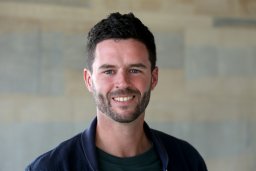 Patrick Schoenmakers合作论文数Sch Sport Rehabil & Exercise Sci, Univ Essex1
 Ken Stein合作论文数Peninsula Medical School, University of Plymouth;Medical School, University of Exeter1
 Zareen Bharucha合作论文数Global Sustainabil Inst, Anglia Ruskin Univ1K Heerlein合作论文数1
 David Pencheon合作论文数1C. Benson合作论文数1J. Shepherd合作论文数1H. Bailey合作论文数1Allitia DiBernardo合作论文数1
 Heather Massey合作论文数Extreme Environm Lab, Univ Portsmouth1
 Daniel Dylan Cohen合作论文数University of Limerick1Smyth Nina合作论文数Department of Psychology, University of Westminster1
 Joelene Hughes合作论文数1
 Kris Van den Broeck合作论文数1
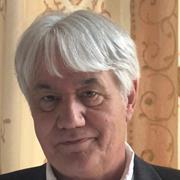 Andrew Steptoe合作论文数Department of Behavioural Science and Health, Institute of Epidemiology and Health Care, Faculty of Population Health Sciences, University College London1Gainsford Patrick合作论文数1Cossey Rachel合作论文数1Akers Adam合作论文数1
 Michael Depledge合作论文数European Centre for Environment and Human Health, University of Exeter Medical School;Department of Zoology, Oxford University;University College London;Chiba University Medical School1
 Rebecca Whear合作论文数1
 Annamaria Lammel合作论文数University of Budapest1Bonnemaison D合作论文数1Rachel Hine合作论文数1




