Hepatocellular carcinoma (HCC) was characterized by a highly complex genome, with structural variations (SVs) playing a significant role in its development. In this study, we employed Oxford Nanopore Technology long-read sequencing in paired tumor and adjacent normal liver tissues from 74 Chinese HCC patients to thoroughly characterize the landscape of somatic SVs. Our analysis revealed that somatic SVs were more prevalent in hepatitis B virus (HBV)-related HCC, with chromosome 1 emerging as a major hotspot, and several members of the chromosome 1 open reading frame (C1orf) family genes expression level exhibited significant age-related difference. Notably, HBV-related HCC cases exhibited a higher frequency of deletions, particularly among younger ones (≤ 35 years old). In addition, we observed an increased burden of HBV integration events in younger ones. Remarkably, the divergent-paired related homeobox ( DPRX ) loci was identified as a novel gene for HBV integration in younger patients. Together, these findings delineated the somatic SV landscape in HCC and underscored age-associated HBV-related genomic alterations as key pathological features of hepatocarcinogenesis.
Abstract Background and objective Conversion or downstaging therapy for intermediate and advanced unresectable hepatocellular carcinoma (HCC) has emerged as a major focus of clinical practice and research in recent years. This study aims to investigate the current clinical application of conversion therapy in China and determine the factors that physicians consider when selecting eligible patients for conversion therapy and choosing the appropriate conversion modality. Methods Physicians who met predefined inclusion criteria were invited to complete an online questionnaire between January and July 2024. The collected data were subsequently pooled and analyzed descriptively. Results A total of 120 valid questionnaires were gathered, mainly from surgical (n = 83, 69.2%) and interventional (n = 37, 30.8%) departments. The survey revealed that approximately 51% of CNLC stage Ib-IIIa patients were selected for conversion or downstaging treatment. Three primary factors were prioritized by physicians for the determination of conversion therapy: portal vein tumor thrombus (PVTT) type (116/120, 97%), future liver volume (108/120, 90%), and Child–Pugh classification (108/120, 90%). Currently, the predominant conversion therapy approach involves a combination of local and systemic therapies, which is utilized in approximately 73% of cases. Among systemic treatments, the combination of lenvatinib and immunotherapy is the most widely adopted. Besides, a higher objective response rate (ORR) was the foremost consideration for 83% (99/120) of physicians, followed by rapid response (82/120, 68%), adherence to guidelines and consensus (76/120, 63%), and lower tumor progression rate (70/120, 58%). Conclusion This survey demonstrated the current status of conversion therapy for HCC in China. Over half of the newly diagnosed HCC patients were eligible for treatment modalities aimed at achieving surgical resection through conversion therapy, and the most popular indications were the presence of PVTT, insufficient FLR and Child–Pugh classification.
Hepatocellular carcinoma (HCC) is a leading cause of cancer-related death worldwide, yet effective treatment options remain limited. NDUFA12, a subunit of mitochondrial complex I, plays a crucial role in oxidative phosphorylation and cellular energy metabolism; however, its expression pattern, clinical significance, and biological role in HCC remain unclear. In this study, the expression profile and clinical relevance of NDUFA12 were analyzed using The Cancer Genome Atlas (TCGA) data. Genomic and functional features, including differentially expressed genes (DEGs), tumor mutation burden (TMB), functional enrichment, and immune infiltration, were assessed. An institutional cohort of 25 patients with advanced HCC receiving targeted-immunotherapy at our hospital was enrolled, and baseline tumor samples were subjected to RNA sequencing for validation. MHCC-97H and PLC/PRF/5 cells were transfected with small interfering RNAs (siRNAs) targeting NDUFA12. Functional assays, including CCK-8, EdU, wound healing, Transwell assays, Seahorse XF mitochondrial stress tests, Seahorse XF glycolysis stress tests, ATP production, lactate accumulation, mitochondrial membrane potential, and reactive oxygen species (ROS) detection, were performed to evaluate malignant phenotypes and metabolic alterations. NDUFA12 expression was markedly elevated in HCC and was associated with advanced tumor stage, increased TMB, and poorer overall survival and progression-free survival. DEG analysis suggested enrichment in cell cycle-, mitochondrial-, and metabolism-related pathways. Low NDUFA12 expression was associated with distinct immune infiltration patterns according to the CIBERSORT algorithm, and RNA-sequencing data of our cohort further confirmed longer overall survival in patients with low NDUFA12 expression. Functionally, NDUFA12 knockdown reduced cell proliferation, invasion and migration in HCC cells. Metabolic assays showed that NDUFA12 knockdown decreased oxygen consumption rate, ATP production, mitochondrial membrane potential, and intracellular ROS levels, while increasing extracellular acidification rate and lactate production, suggesting impaired mitochondrial respiration and compensatory glycolytic activation. Collectively, these findings suggest that NDUFA12 is associated with poor prognosis, malignant cellular phenotypes, and mitochondrial metabolic alterations in HCC. NDUFA12 may serve as a prognostic biomarker and a candidate target for further functional and translational investigation in HCC.
BACKGROUND:Resection might offer additional benefit in patients with advanced-stage hepatocellular carcinoma treated with systemic therapy. However, high-quality evidence supporting the procedure is absent. We aimed to establish whether resection can provide survival benefit in patients with advanced hepatocellular carcinoma who respond to systemic therapy. METHODS:In this randomised, open-label, multicentre, phase 3 trial, we recruited treatment-naive patients with hepatocellular carcinoma, macrovascular invasion, and no extrahepatic metastasis from 24 hospitals in China. These patients were treated in the induction phase with three cycles of intravenous atezolizumab (1200 mg every 3 weeks) plus intravenous bevacizumab (15 mg/kg bodyweight every 3 weeks) and one cycle of atezolizumab monotherapy. Patients who completed the induction phase, had a partial response or stable disease according to Response Evaluation Criteria in Solid Tumors (RECIST) version 1.1, and were considered feasible for resection were randomly assigned (1:1) to undergo surgical resection followed by 12 months of atezolizumab plus bevacizumab initiated 4-6 weeks after surgery (ie, the surgery group), or to maintenance atezolizumab plus bevacizumab until loss of clinical benefit or intolerable toxicity (the maintenance therapy group). Randomisation was by computer-generated sequence with permuted blocks via a central interactive web response system, stratified by tumour response and Eastern Cooperative Oncology Group performance status. Treatment administered to patients was not masked. The primary endpoint was time to treatment failure, assessed by an independent review facility and analysed by intention to treat. Time to treatment failure was defined as the time from randomisation to the first documented treatment failure (ie, local recurrence or disease progression according to RECIST 1.1, emergence of extrahepatic spread, or death). This study is registered with ClinicalTrials.gov (NCT04649489) and is ongoing. FINDINGS:Between April 4, 2021, and July 18, 2024, a total of 489 patients were enrolled in the induction phase. Of them, 201 were randomly assigned to the surgery group (n=101; 93 male, eight female) or the maintenance therapy group (n=100; 87 male, 13 female). After a median follow-up of 18·4 months, the median time to treatment failure was 20·4 months in the surgery group and 11·8 months in the maintenance therapy group (hazard ratio 0·60, 95% CI 0·39-0·91; p=0·015). Grade 3 or 4 treatment-related adverse events occurred in 32 (39%) of 83 patients in the surgery group and 21 (21%) of 100 in the maintenance therapy group, the most common of which were increased alanine aminotransferase (seven patients [8%] in the surgery group vs one [1%] in the maintenance therapy group), reduced platelet count (seven [8%] vs three [3%]), and proteinuria (three [4%] vs seven [7%]). Two treatment-related deaths occurred in the surgery group due to abnormal liver function (considered related to atezolizumab) and liver failure (considered related to atezolizumab, bevacizumab, or surgery). INTERPRETATION:In patients with advanced hepatocellular carcinoma with macrovascular invasion after systemic therapy, time to treatment failure was longer in those who had liver resection than in those who received maintenance therapy. FUNDING:Shanghai Roche Pharmaceuticals and Ministry of Science and Technology of China.
Vascular invasion (VascI) is a critical step in colorectal cancer (CRC) metastasis, but how specific cells in the tumor microenvironment (TME) regulate this process remains unclear, particularly the role of endothelial cells (ECs). Here, we found that vascular invasion is strongly associated with distant metastasis and poor prognosis in CRC patients. Analysis of single-cell RNA sequencing (scRNA-seq) data from 8 colorectal cancer liver metastases (CRLMs), included 4 VascI+ CRLMs and 4 VascI- CRLMs, and identified 10 distinct EC subpopulations. Notably, an IGFBP5_tipECs significantly enriched in VascI+ CRLMs. High IGFBP5 expression correlated with VascI+ status and poor patient prognosis. Functionally, IGFBP5 overexpression (OE) in human umbilical vein endothelial cells (HUVECs) enhanced EC migration, tube formation, barrier disruption, and endothelial-to-mesenchymal transition (EndMT). In co-culture system, IGFBP5-OE ECs promoted malignant epithelial cells (MCs) proliferation, migration, and adhesion, and accelerated the growth of patient-derived CRC organoids. Mechanistically, RNA sequencing nominated ITGB3 as a key downstream effector, with activation of the PI3K/AKT signaling pathway. We confirmed a direct ligand-receptor interaction between EC-derived IGFBP5 and ITGB3 on MCs using multiplex immunofluorescence (mIF), co-immunoprecipitation (Co-IP), and proximity ligation assays (PLA). This interaction activated PI3K/AKT signaling in MCs, driving aggressive behavior both in vitro and in vivo, an effect that was significantly attenuated by ITGB3 silencing in MCs. Our findings identify IGFBP5-OE ECs as a key driver of VascI and liver metastasis in CRC via the ITGB3/PI3K/AKT axis, highlighting a potential therapeutic target to suppress metastatic progression.
Background Anlotinib, a novel multi-targeting tyrosine kinase inhibitor (TKI), has been investigated in a variety of malignant tumors. This retrospective study was designed to investigate the efficacy and safety of anlotinib as first- or second-line therapy for advanced or metastatic hepatocellular carcinoma (HCC), and to identify early predictors for disease control.Methods This multicenter retrospective study included 158 patients with advanced HCC. 54 patients received anlotinib and 104 patients received sorafenib. Progression-free survival (PFS), overall survival (OS), and treatment response were compared. Subgroup analyses and biomarker evaluations were also conducted.Results The anlotinib group demonstrated significantly longer OS (16.0 months) compared to sorafenib (14.0 months; HR: 1.779; P = 0.002), while PFS was similar (5.0 vs.4.0 months; HR: 1.217; P = 0.251). Drug-related adverse effects were comparable between groups, with no new safety concerns. Subgroup analyses revealed significant benefits of anlotinib in patients with baseline AFP ≥ 400 ng/mL and in HBV-positive individuals. As for anlotinib group, AFP reduction of ≥ 25% at 4 weeks post-treatment was an independent predictor of disease control (P = 0.001).Conclusion Anlotinib showed promising efficacy and tolerability in Chinese patients. AFP response was an early predictor of disease control in patients with anlotinib treatment.
Background:Intrahepatic cholangiocarcinoma (ICC) is a highly aggressive primary liver malignancy, with poor long-term outcomes even after curative-intent resection. Postoperative adjuvant chemotherapy (pAC) is increasingly used, but its benefit is not uniform across all patients. The systemic immune-inflammation index (SII) has emerged as a potential prognostic marker in several cancers, but its role in ICC remains unclear. Methods:We retrospectively analyzed 445 ICC patients who underwent R0 hepatic resection at a single tertiary center between 2000 and 2023. Preoperative SII was calculated, and patients were stratified into high- and low-SII groups. The impact of SII on overall survival (OS) and recurrence-free survival (RFS) was evaluated, along with its interaction with pAC. Multivariate Cox regression models and maximally selected rank statistics were used for analysis. Results:The median follow-up was 34.3 months. High SII independently predicted worse OS and RFS (p < 0.001), outperforming conventional inflammatory and nodal indices. Lymph node ratio (LNR) also independently predicted survival but did not modify the effect of pAC. Interaction analysis revealed that pAC significantly improved OS in high-SII patients (5-year OS: 33% with pAC vs. 23% without; HR 0.62, 95% CI 0.42-0.94, p = 0.022) but conferred no significant benefit in low-SII patients (5-year OS: 49% with pAC vs. 55% without; HR 0.71, 95% CI 0.48-1.05, p = 0.089). Conclusions:SII is a robust prognostic biomarker in ICC and can guide individualized postoperative therapy. High-SII patients derive substantial survival benefit from adjuvant chemotherapy, whereas low-SII patients may be spared unnecessary treatment. Integrating SII into postoperative risk stratification may optimize outcomes and reduce overtreatment in ICC.
Background: A significant portion of primary liver cancer patients in China are diagnosed at intermediate-to-advanced stages, often making them ineligible for curative surgery. Furthermore, high postoperative recurrence rates, reaching up to 70%, pose a major challenge for long-term survival. The emergence of novel systemic treatments, such as immune checkpoint inhibitor combinations, and advancements in locoregional therapies have created new opportunities for conversion and perioperative strategies. This updated consensus aims to standardize the clinical application of these therapies based on the latest evidence, with the objective of improving patient prognosis. Methods: A multidisciplinary committee of 97 experts was convened to revise previous guidelines. The process involved a comprehensive search of medical databases and conference proceedings, with evidence graded according to the Grading of Recommendations Assessment, Development, and Evaluation (GRADE) system. Consensus statements were finalized through a formal electronic voting process, requiring at least 80% agreement for approval, resulting in 18 updated statements. Results: The consensus provides refined definitions for conversion and perioperative therapy. It recommends various strategies for oncological conversion, including systemic therapy with anti-angiogenic drugs plus immunotherapy, and locoregional approaches like precision transarterial chemoembolization (TACE) and hepatic artery infusion chemotherapy (HAIC). The document strongly affirms surgical resection as a crucial step for achieving long-term survival after successful conversion and offers guidance on surgical timing and adjuvant therapy. For resectable patients with high-risk features, neoadjuvant and adjuvant treatments are outlined to mitigate recurrence. The consensus also advocates for using dynamic enhanced magnetic resonance imaging ( MRI) and the modified Response Evaluation Criteria in Solid Tumors (mRECIST) criteria for efficacy assessment and underscores the essential role of a multidisciplinary team in management. Conclusions: This updated consensus offers standardized, evidence-based guidance for clinicians on implementing conversion and perioperative strategies to optimize patient-centered care and highlights the need for continued research to further refine these promising approaches.
585 Background: Conversion or downstaging therapy for intermediate and advanced unresectable hepatocellular carcinoma (HCC) has emerged as a significant exploring area of clinical practice and research in recent years. Nonetheless, there exists considerable variability in both the selection criteria for patients undergoing conversion therapy and the regimens selected for conversion across different regions and medical institutions. The present study aims to elucidate the current clinical application of conversion therapy in China, as well as to identify the considerations that physicians take into account when selecting eligible patients for conversion therapy and determining the appropriate conversion modality. Methods: Physicians meeting predefined inclusion criteria were invited to complete an online questionnaire from January to July, 2024. The collected data were subsequently pooled and analyzed descriptively. Results: A total of 120 valid questionnaires were retrieved, mainly form surgical (69.2%, n=83) and interventional (30.8%, n=37) departments. Generally, the study showed that approximately 51% of stage Ib-IIIa patients will be selected for the treatment goal of conversion or downstaging, and the overall successful rate as meeting criteria for surgical resection after treatment was 36%. Three primary factors were prioritized by physicians for determination of conversion therapy: the type of portal vein tumor thrombus (PVTT) (97%, 116/120), the future liver volume (90%, 108/120), and Child-Pugh classification (90%,108/120). In the specific physician group who selected the following attributes, patients classified as Child-Pugh A (82%, 89/108) or Child-Pugh B7 (66%, 71/108), those with tumor diameter exceeding 5 cm (92%, 98/106) and Eastern Cooperative Oncology Group (ECOG) performance score of 0 to 1 (89%, 76/85) were most frequently selected for conversion therapy. Additionally, study showed that patients presenting with Vp1-2 (72%, 83/116) and Vp3 (71%, 82/116) could also be considered for conversion therapy. Currently, the prevalent treatment approach of conversion therapy involves a combination of local and systemic therapies, which is utilized in approximately 73% of cases. Among systemic treatment methodologies, the combination of Lenvatinib and immunotherapy is the most widely adopted by physicians. Besides, higher ORR was the foremost consideration for 83% (99/120) of physicians, followed by rapid response (68%, 82/120), adherence to guidelines and consensus (63%, 76/120), and lower tumor progression rate (58%, 70/120). Conclusions: This study elucidates the current status of conversion therapy for HCC in China. The findings underscore the necessity for optimizing conversion modalities and advancing standardized practices in the application of conversion therapy.
To improve prognosis of patients with synchronous colorectal liver metastasis (CRLM), we constructed a nomogram model to improve outcome through risk stratification and decision support. The 389 CRLM patients (273 training set and 116 validation set at a ratio of 7: 3) receiving systematic chemotherapy and synchronously resection with/without radiofrequency ablation (RFA) were retrospectively investigated. Overall survival (OS) and recurrence free survival (RFS) were mainly endpoint. A normo-gram model was conduct. The receiver operating characteristic (ROC) curve, decision curve analysis (DCA), C-index and calibration curve were performed to assess stablity and efficacy of model. The prognosis was evaluated based on Kaplan-Meier (KM) curve. A total of 389 CRLM patients were included. The median OS and RFS times were 70.20 months (95
Hepatocellular carcinoma (HCC), which accounts for approximately 75–85% of primary liver cancers, ranks 4th in newly diagnosed cases among various types of cancer in China, and is the 2nd leading cause of cancer-related mortality, thereby posing a significant threat to the life and health of the Chinese population. Since the publication of the “Guidelines for Diagnosis and Treatment of Primary Liver Cancer in China” in June 2017, which were updated by the China’s National Health Commission in December 2019 and December 2021, additional high-quality evidence from researchers worldwide regarding the diagnosis, staging, and treatment of HCC has emerged, necessitating another update to the guidelines. The new edition (2024 Edition) was written by more than 120 multidisciplinary experts in the field of HCC in China, which not only reflects the real-world situation in China but also may reshape the nationwide diagnosis and treatment of HCC. The new guideline aims to encourage the implementation of evidence-based practice and improve the national average 5-year survival rate for patients with HCC, as proposed in the “Healthy China 2030: A Vision for Health Care.”
BACKGROUND:Gallbladder cancer (GBC) is a highly aggressive malignancy often diagnosed at an advanced stage due to its asymptomatic onset. Despite surgery being the only potentially curative option, recurrence and poor prognosis remain common, especially in advanced-stage diseases. There is limited consensus regarding the extent of lymphadenectomy, hepatic resection, and the role of adjuvant therapies. Identifying prognostic factors and optimizing treatment strategies are critical for improving outcomes. This multicenter retrospective study was conducted to evaluate the clinical and pathological predictors of survival and recurrence in GBC patients that underwent radical surgery and to assess the potential benefit of adjuvant therapies in advanced stages. METHODS:This was a retrospective cohort study of GBC patients who underwent curative-intent resection for GBC between 2010 and 2022 at two tertiary medical centers in China. The baseline characteristics, surgical data, pathology, adjuvant therapy, and follow-up outcomes were analyzed. The survival outcomes were assessed using Kaplan-Meier methods and Cox regression models. Subgroup analyses were conducted to explore the impact of postoperative adjuvant chemotherapy, period of surgical treatment, and extent of resection. Multiple imputation was used to address missing data. RESULTS:The 5-year overall survival (OS) rate was 57.4%. Independent predictors of a poorer OS included CA19-9 > 30 U/mL (HR = 1.861, p = 0.003), poor/moderate-to-poor differentiation (HR = 2.134, p = 0.004), T3-T4 stage (HR = 2.685, p = 0.001), N1-N2 stage (HR = 2.217, p = 0.002), M1 stage (HR = 2.308, p = 0.001), and a high CAN score (HR = 1.875, p = 0.009). Adjuvant chemotherapy improved the OS in the stage III-IV patients (24.8 vs. 17.3 months, p = 0.036), though the DFS improvement was not significant (p = 0.133). No survival difference was observed between the segment IVb + V resection and wedge resection in the T2b patients. The patients treated after 2017 had a better OS (p = 0.024), possibly due to improved surgical techniques and perioperative care. CONCLUSIONS:Radical surgery remains critical for GBC. Accurate staging and tailored perioperative strategies, including chemotherapy, may improve outcomes, though further prospective studies are needed to validate these findings.
ABSTRACT Background Hepatocellular carcinoma (HCC) is the second leading cause of cancer‐related death in China. The rapid progress in systemic therapies has led to the approval of many therapeutic methods that have quickly changed clinical guidelines and practices. Because of the high heterogeneity of HCC, there are still some gaps between the guidelines and real‐world clinical practice. The present study surveyed experts in China to investigate the current treatment concepts and clinical practice regarding HCC. Methods A questionnaire survey on the treatment concepts and clinical practice of HCC was administered to 310 experts with senior professional titles in 2020 and 312 experts in 2021. The results were analyzed and compared. Results For treating patients with resectable HCC, 28% of hepatobiliary surgeons indicated neoadjuvant therapy, and 7% chose systemic therapy ± locoregional therapy as 1 L therapy in 2021 compared with 20% and 1% in 2020. More experts chose adjuvant treatment within 1 month in 2021 compared with 2020, and 6 months and 12 months were the leading choices for the duration of adjuvant treatment. In 2021, 79% of surgeons and 19% of interventionalists were willing to conduct downstaging/conversion therapy for patients with potentially resectable HCC, and 78% chose tyrosine kinase inhibitors (TKI) + immunotherapy (IO) + locoregional therapy for cases in which R0 resection could not be achieved. For completely unresectable HCC, more experts preferred TKI + IO‐based therapy as 1 L therapy in 2021 compared with 2020 (78% vs. 55%). The proportion of experts who indicated TKI + IO‐based therapy as 2 L therapy increased from 32% in 2020 to 40% in 2021. Conclusion The survey results indicated that in 2021, compared with 2020, more experts opted to administer IO + TKI for the treatment of liver cancer, and more experts and patients were willing to participate in clinical research.
4104 Background: The combination of atezolizumab and bevacizumab is the standard treatment for advanced hepatocellular carcinoma approved in China and many other countries. However, the objective response rate of this combination treatment was around 30%. Consequently, identifying individuals with the potential to respond favorably prior to initiating therapy remains a pressing challenge. Methods: This multi-center retrospective study included advanced hepatocellular carcinoma patients who received atezolizumab plus bevacizumab as first-line therapy between December 2020 and February 2024. The training cohort consisted of eligible patients who have complete baseline, treatment and tumor evaluation records and MRI imaging data from Zhongshan Hospital, while eligible patients from other centers constituted the external validation cohort. A deep learning model based on nnU-Net was developed to automatically segment intrahepatic lesions. All segmentations were reviewed and revised by two radiologists. The radiomic features were extracted using PyRadiomics, then a radiomic feature-based model for predicting response to atezolizumab plus bevacizumab therapy was constructed using the Extreme Gradient Boosting Decision Tree (XGBoost) algorithm. Additionally, three radiologists evaluated 53 visually-assessed MRI features on MRI scans. Finally, the predictive performance of radiomic feature model, as well as the relationship between radiomic and MRI features, was assessed. Results: A total of 240 eligible patients were recruited from 14 centers in China, of which 161 and 79 were classified as training and validation cohorts, respectively. During a median follow-up period of 13.7 months (IQR: 8.3–20.6) in the training cohort and 10.5 months (IQR: 7.4–17.2) in the validation cohort, 19.0% (30/161) and 23.0% (18/79) of patients, respectively, achieved an objective response by RECIST v1.1 (p = 0.559). The radiomic feature model demonstrated a promising predictive performance, achieving an AUC of 0.913 (95% CI: 0.874–0.953) in the training cohort and 0.825 (95% CI: 0.700–0.949) in the validation cohort. Fat surpassing liver mass was the only MRI feature associated with an objective response (p = 0.020). When the MRI feature was combined with radiomic features, the predictive model further improved, yielding an AUC of 0.951 (95% CI: 0.924–0.979) in the training cohort and 0.835 (95% CI: 0.725–0.945) in the validation cohort. A significant correlation was observed between radiomic features and MRI features of intrahepatic lesions with a univariate analysis p < 0.2. Conclusions: Radiomic features derived from pretreatment MRI scans can effectively predict personalized objective responses to combination therapy with atezolizumab and bevacizumab in patients with unresectable or advanced HCC.
Anlotinib, a novel multi-targeting tyrosine kinase inhibitor (TKI), has been investigated in a variety of malignant tumors. This retrospective study was designed to investigate the efficacy and safety of anlotinib as first- or second-line therapy for advanced or metastatic hepatocellular carcinoma (HCC), and to identify early predictors for disease control. This multicenter retrospective study included 158 patients with advanced HCC. 54 patients received anlotinib and 104 patients received sorafenib. Progression-free survival (PFS), overall survival (OS), and treatment response were compared. Subgroup analyses and biomarker evaluations were also conducted. Anlotinib demonstrated significantly improved OS compared with sorafenib in the second-line setting (13.0 vs. 11.0 months; P = 0.010), although no significant differences in ORR, DCR, or PFS were observed. Subgroup analyses revealed that patients with AFP ≥ 400 ng/mL or HBV infection derived greater OS benefit from anlotinib. AFP response—defined as a ≥ 25% reduction at 4 weeks—was identified as an independent early predictor of disease control, and this association held true in both high-AFP and low-AFP subgroups. Anlotinib showed encouraging survival benefits and acceptable safety in advanced HCC, particularly in the second-line setting. AFP response may serve as an early biomarker for treatment efficacy. These findings warrant validation in future prospective studies.
The liver is the most common metastatic organ of neuroendocrine tumors (NETs). NET liver metastases (NETLMs) are categorized into simple liver metastasis (type I), complex liver metastasis (type II) and diffuse liver metastasis (type III), of which diffuse liver metastasis accounts for the highest percentage, up to 60-70%. Radical resection is recommended for all patients with type I and partial type II liver metastases without extrahepatic metastases in G1 and G2 grades, with a 5-year survival rate of 65%-70%. But for patients with G3 or type III liver metastases, treatment is controversial. Ablation and TAE/TACE are commonly used localized treatments. Somatostatin analogue (octreotide and lanreotide) are efficacious in the treatment of better-differentiated NETs and can prolong the progression-free survival (PFS) of patients. Targeted drugs such as sunitinib, everolimus, sofantinib and cabozantinib are used to control tumor growth and improve symptoms. In addition, peptide receptor radionuclide therapy (PRRT), has been approved by the FDA for the treatment of progressive somatostatin receptor-positive gastroenteropancreatic NETs and has shown potential for prolonging PFS and improving survival. Multidisciplinary treatment is crucial for patients with NETLMs with high tumor load, and neoadjuvant therapy combined with surgery may lead to a better prognosis. However, the choice of treatment, indications for combination therapy, and disease prognosis still require further research and exploration. This review summarizes and evaluates the current treatment strategies and development trend of NETLM treatment through a literature review and provides new ideas as well as insights.
Colorectal neuroendocrine tumors with liver metastases (CRNELM) are associated with a poorer prognosis compared to their nonmetastatic counterparts. A comprehensive understanding of the tumor microenvironment (TME) heterogeneity between primary lesions (PL) and liver metastases (LM) could provide crucial insights for enhancing clinical management strategies for these patients. We utilized single-cell RNA sequencing to analyze fresh tissue samples from CRNELM patients, aiming to elucidate the variations in TME between PL and LM. Complementary multidimensional validation was achieved through spatial transcriptomics, bulk RNA sequencing, and multiplex immunohistochemistry/immunofluorescence. Our single-cell RNA sequencing analysis revealed that LM harboured a higher proportion of CD8 + T cells, CD4 + T cells, NK cells, NKT cells, and B cells exhibiting a stress-like phenotype compared to PL. RGS5 + pericytes may play a role in the stress-like phenotype observed in immune cells within LM. MCs in PL (PL_MCs) and LM (LM_MCs) exhibit distinct activation of tumor-associated signaling pathways. Notably, COLEC11 + matrix cancer-associated fibroblasts (COLEC11_mCAFs) were found to be significantly associated with LM_MCs. Cell communication analysis unveiled potential targetable receptor-ligand interactions between COLEC11_mCAFs and LM_MCs. Multidimensional validation confirmed the prominence of the characteristic stress-like phenotypes, including HSPA6_CD8_Tstr, HSPA6_NK, and COLEC11_mCAFs in LM. Moreover, a higher abundance of COLEC11_mCAFs correlated with poorer survival rates in the neuroendocrine tumor patient cohort. Overall, our study provides the first single-cell analysis of the cellular and molecular differences between PL and LM in CRNELM patients. We identified distinct cell subsets and receptor-ligand interactions that may drive TME discrepancies and support metastatic tumor growth. These insights highlight potential therapeutic targets and inform strategies for better managing CRNELM patients.
Background: Colorectal cancer liver metastasis (CRLM) is a significant contributor to cancer-related illness and death. Neoadjuvant chemotherapy (NAC) is an essential treatment approach; however, optimal patient selection remains a challenge. This study aimed to develop a machine learning-based predictive model using hematological biomarkers to assess the efficacy of NAC in patients with CRLM. Methods: We retrospectively analyzed the clinical data of 214 CRLM patients treated with the XELOX regimen. Blood characteristics before and after NAC, as well as the ratios of these biomarkers, were integrated into the machine learning models. Logistic regression, decision trees (DTs), random forest (RF), support vector machine (SVM), and AdaBoost were used for predictive modeling. The performance of the models was evaluated using the AUROC, F1-score, and external validation. Results: The DT (AUROC: 0.915, F1-score: 0.621) and RF (AUROC: 0.999, F1-score: 0.857) models demonstrated the best predictive performance in the training cohort. The model incorporating the ratio of post-treatment to pre-treatment gamma-glutamyl transferase (rGGT) and carcinoembryonic antigen (rCEA) formed the GCR index, which achieved an AUROC of 0.853 in the external validation. The GCR index showed strong clinical relevance, predicting better chemotherapy responses in patients with lower rCEA and higher rGGT levels. Conclusions: The GCR index serves as a predictive biomarker for the efficacy of NAC in CRLM, providing a valuable clinical reference for the prognostic assessment of these patients.
Purpose:We developed a nomogram based on the liver function, nutrition, inflammation, and immunity (LFNII) score to predict recurrence-free survival (RFS) post-resection in patients with hepatocellular carcinoma (HCC) exhibiting alpha-fetoprotein (AFP) negativity (AFP ≤20 ng/mL).Patients and Methods:Clinical data of 661 patients diagnosed with alpha-fetoprotein-negative hepatocellular carcinoma (AFP-NHCC) who underwent surgical resection at two medical centers between 2012 and 2021 were collected. A total of 462 and 199 patients served as the training and validation sets, respectively. Pre-operative blood markers were collected and analyzed for LFNII. The LFNII score was formulated using the least absolute shrinkage and selection operator Cox regression model. A nomogram model was developed using the training set to incorporate other relevant clinicopathological indicators and predict postoperative recurrence. Model discrimination was assessed using the receiver operating characteristic curve, calibration was evaluated using a calibration curve, and clinical applicability was assessed using clinical decision curve analysis. A comparison with liver cancer staging was performed using the nomogram model. Finally, a cohort study was conducted to validate our findings.Results:We derived the LFNII scores from nine indicators. Elevated LFNII scores correlated with unfavorable clinicopathological features. The LFNII score area under the curve revealed superior predictive efficacy at 1-, 2-, and 5-year RFS intervals, with values of 0.675, 0.658, and 0.633, respectively. Multivariate Cox analysis revealed that a high LFNII score independently increased RFS risk in patients with AFP-NHCC. The C-index of the LFNII-nomogram model was 0.686 (95% confidence interval [CI], 0.651-0.721). The nomogram model's clinical application value surpassed that of standard HCC staging systems.Conclusion:The LFNII score-derived nomogram effectively predicted the RFS of patients with AFP-NHCC after curative resection.
 Xinyu Bi (毕新宇)合作论文数Cancer Hospital Chinese Academy of Medical Sciences, Shenzhen Center207
 Zhen Huang (黄振)合作论文数127
 Zhiyu Li (李智宇)合作论文数Cancer Hosptal Chinese Aademy of Medial sienes103Yefan Zhang (张业繁)合作论文数97Jianguo Zhou合作论文数76Zhao, Hong合作论文数74Hong Zhao合作论文数New York Medical College69Qichen Chen合作论文数46Chen Xiao合作论文数36
 Dongbing Zhao (赵东兵)合作论文数Cancer Hospital Chinese Academy of Medical Sciences25
 Tao Yan (阎涛)合作论文数Cancer Hospital Chinese Academy of Medical Sciences24
 Rui Mao (毛瑞)合作论文数23Ping Zhao (赵平)合作论文数中国医学科学院肿瘤医院23
 Cong Li (李聪)合作论文数Cancer Center, Sun Yat-Sen University20
 Yongfu Shao (邵永孚)合作论文数 et al Department of Abdominal Surgery, Cancer Hospital of Chinese Academy of Medical Science, Beijing20Yongkun Sun合作论文数18
 Yiqiao Deng合作论文数17Mu-Xing Li合作论文数17Jinghua Chen合作论文数17
 Lianxin Liu (刘连新)合作论文数School of Clinical Medicine, Division of Life Sciences and Medicine, University of Science and Technology of China;The First Affiliated Hospital of University of Science and Technology of China17
 Minshan Chen (陈敏山)合作论文数Sun Yat-sen University Cancer Center17
 Huichuan Sun (孙惠川)合作论文数Zhongshan Hospital, Fudan University;Liver Cancer Institute, Fudan University17
 Zhiwen Luo合作论文数Huashan Hosp, Fudan Univ16Yue Han (韩玥)合作论文数16Xingchen Li合作论文数15
 Tianqiang Song (宋天强)合作论文数Tianjin Medical University Cancer Institute and Hospital15
 Jia Fan (樊嘉)合作论文数Zhongshan Hospital, Fudan University;Liver Cancer Institute, Fudan University;Shanghai Medical College, Fudan University15
 Aiping Zhou (周爱萍)合作论文数中国医学科学院肿瘤医院15
 Yilei Mao (毛一雷)合作论文数Department of Liver Surgery, Peking Union Medical College Hospital, Chinese Academy of Medical Sciences15
 Jianming Ying (应建明)合作论文数Cancer Hospital Chinese Academy of Medical Sciences14
 Yihebali Chi (依荷芭丽. 迟)合作论文数Cancer Hospital Chinese Academy of Medical Sciences14
 Baocai Xing (邢宝才)合作论文数Beijing Cancer Hospital14
 Tianfu Wen (文天夫)合作论文数West China Hospital, Sichuan University14
 Fanxin Zeng合作论文数13
 Chunfeng Qu (曲春枫)合作论文数Cancer Hospital, Chinese Academy of Medical Sciences13
 Jianjun Zhao (赵建军)合作论文数Cancer Hospital Chinese Academy of Medical Sciences13
 Chaoliu Dai (戴朝六)合作论文数Shengjing Hospital of China Medical University13Haizhen Lu合作论文数13Guofan Qu合作论文数12Hanjie Hu合作论文数12
 Haitao Zhou (周海涛)合作论文数Cancer Hospital Chinese Academy of Medical Sciences12
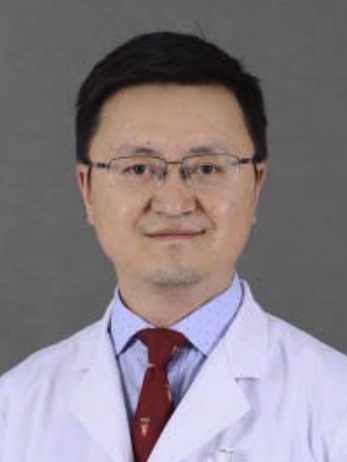 Haitao Zhao (赵海涛)合作论文数Peking Union Medical College Hospital12
 Jianming Xu (徐建明)合作论文数Chinese People's Liberation Army General Hospital;Baylor College of Medicine12
 Jian Zhou (周健)合作论文数Shanghai Sixth People’s Hospital Affiliated to Shanghai Jiao Tong University School of Medicine12Xiao Chen (陈晓)合作论文数11




