BACKGROUND:Mucinous cyst-associated pancreatic cancer (CA-PC) outcomes are varied. This study compares the presentation, management, and outcomes of CA-PC with classic pancreatic ductal adenocarcinoma (PDAC) using a national data set. METHODS:We queried the National Cancer Database (NCDB) from 2006 to 2019 for patients with AJCC Stage I-IV CA-PC and PDAC using histologic codes. Clinicopathologic characteristics and outcomes were analyzed, and overall survival (OS) was compared using Kaplan-Meier and Cox proportional hazard models. RESULTS:Among 239,563 patients, 8260 (4%) had CA-PC, while 231,303 (97%) had PDAC. CA-PC was diagnosed at earlier stages (Stage II-IV: 66% vs. 76%, P <0.001), with more patients undergoing pancreatectomy (34% vs. 24%, P <0.001). CA-PC patients more frequently had upfront surgery (91.% vs. 76%, P <0.001) but less chemotherapy (55% vs. 75%, P <0.001) and radiation (23% vs. 33%, P <0.001). Median OS after resection was longer for CA-PC (43.2 vs. 22.9 mo, P <0.001). CA-PC was associated with improved survival in stages I (HR: 0.49) and II (HR: 0.73), but not in stage III (HR: 1.07). DISCUSSION:CA-PC has a better prognosis than PDAC in early stages but not in advanced disease, offering important insights for therapeutic strategies.
PURPOSE:The incidence of young-onset pancreatic cancer (YO-PC) has risen over the past two decades, yet its molecular characteristics and long-term outcomes remain poorly defined. METHODS:We retrospectively evaluated patients with PC treated at a tertiary referral center from 2016 to 2022 who had available molecular data. Patients were classified as YO-PC (≤50 years) or average-onset PC (AO-PC, >50 years). A subset analysis examined outcomes in those who underwent curative-intent pancreatectomy. Primary end points included overall survival (OS) and recurrence-free survival (RFS). RESULTS:Among 511 patients, 10.9% had YO-PC (n = 56; median age 44 years). Patients with YO-PC more commonly self-identified as non-White compared with patients with AO-PC (41.1% v 26.4%, P = .03). BMI, anatomic stage, and CA19-9 level at presentation were similar between groups. KRAS mutations were the most prevalent somatic alterations in both the YO-PC and AO-PC cohorts (87.0% v 88.0%, P = .83), followed by TP53 (73.5% v 74.1%, P = .93), CDKN2A (14.6% v. 23.6%, P = .20), and SMAD4 (18.2% v 12.9%, P = .34). KRAS-specific allele subtypes were also similar (P = .38). A subset analysis in the surgical cohort (n = 167) yielded similar results. OS was similar for YO-PC and AO-PC (18.7 v 21.7 months; P = .29). In the surgical cohort, OS and RFS for YO-PC and AO-PC were also similar (OS, 31.2 v 47.1 months, P = .34; RFS, 10.3 v 14.7 months, P = .10). CONCLUSION:In this single-institution study, patients with YO-PC and AO-PC demonstrated similar clinicopathologic and molecular profiles; however, the study population to date may be underpowered. Routine molecular testing on all patients diagnosed with PC will be critical to better understand its clinical and molecular heterogeneity and to inform design of practice-changing clinical trials.
BACKGROUND:Understanding patients' symptom recovery after upper gastrointestinal (UGI) cancer surgery is essential for patient-centered care, yet detailed longitudinal patient-reported outcome data remain limited. We conducted a prospective study using the novel MD Anderson Symptom Inventory for UGI Surgery (MDASI-UGI-Surg) tool. METHODS:Patients undergoing esophageal (n = 42), gastric (n = 27), or pancreatic (n = 74) cancer surgery from February to September 2024 were enrolled. The MDASI-UGI-Surg comprises 22 symptoms and 6 interference items. The five most severe symptoms and three most severe interference items on postoperative day (POD) 3 were identified. Recovery was defined as achieving mild severity for both symptom and interference composites. Multivariable analysis was performed to identify factors associated with recovery at postoperative month (POM) 1. RESULTS:Most symptoms peaked at POD3. The five most severe symptoms were pain, fatigue, sleep disturbance, drowsiness, and dry mouth; the top three interference items were general activity, working, and enjoyment of life. Symptom recovery followed three phases: an acute improvement phase (POD3-14), a plateau phase (POD14-POM1), and a persistent recovery phase extending to POM6. Symptom profiles were similar across organ groups, and fatigue remained prolonged. Cumulative recovery rates were 64.8% at POM1, 78.9% at POM3, and 90.8% at POM6. Postoperative complications and readmissions were associated with delayed recovery at POM1, and the type of surgery predicted recovery in multivariable models. CONCLUSIONS:This study provides a detailed characterization of symptom recovery after UGI cancer surgery. These findings support improved preoperative counseling and postoperative care planning.
Detailed longitudinal data on symptom recovery after pancreatectomy and determinants of delayed recovery remain limited. This study prospectively characterized symptom trajectories and defined symptom-based recovery using patient-reported outcomes. The study included 185 patients who underwent pancreatectomy between October 2020 and September 2025 (pancreatoduodenectomy [n = 106], distal pancreatectomy [n = 79]). Of the 185 patients, 121 (65
Background: This retrospective study evaluates the safety and cost-effectiveness of robotic distal pancreatectomy (RDP) during surgeons’ early experience, a period for which data remain limited. We compared outcomes and costs of RDP versus open distal pancreatectomy (ODP) during the initial phase of our robotic program. Methods: RDP and ODP cases from January 2018 to May 2024 were analyzed using a prospective database to obtain clinicopathologic and 90-day outcomes. Costs were expressed as ratios to ODP operative cost. 1:1 propensity-matched cohorts were compared. Results: One hundred nineteen RDP and 164 ODP cases were identified; matching yielded 101 per group. Major complications (Accordion grade ≥3: 10% vs 17%; P = 0.15), 90-day readmissions (17% vs 17%; P > 0.99), and operative time (266 vs 268 minutes; P = 0.95) were similar. RDP had higher rates of biochemical leak (34% vs 20%; P = 0.026) but similar rates of grade B postoperative pancreatic fistula (13% vs 21%; P = 0.13). RDP had higher intraoperative (1.25 vs 1.00) but lower index stay (2.48 vs 2.99) and 30-day (2.73 vs 3.41) cost ratios, all P < 0.001. RDP had lower inpatient opioid use (36 vs 111 mg; P < 0.001) and shorter hospital stay (3 vs 5 days; P < 0.001). Conclusions: RDP was safe, with comparable 90-day outcomes and lower 30-day costs compared to ODP during RDP program implementation.
Capecitabine/temozolomide (CAPTEM) is an established regimen for patients with metastatic pancreatic neuroendocrine tumors (PanNET) that is being increasingly used for tumor volume reduction in patients with borderline anatomically resectable disease. We sought to understand the response of the primary tumor, defined as changes in the tumor–vascular interface (TVI). This is a retrospective, single-institution study of patients with locally advanced or metastatic PanNET treated with CAPTEM between 2010 and 2020. RECISTv1.1 measurements and TVI assessments of the primary tumor were performed on pre- and post-therapy images. Patients with locally advanced or metastatic PanNET at presentation (n = 47) were included. CAPTEM was given for a median of 11 cycles. The most common site of metastatic disease was the liver (n = 38). An objective radiographic response in the primary tumor was observed in 6.4% (95% CI 1.7–18.6%) with clinical benefit in 70.2% (95% CI 54.9–82.2%). TVI was modified from >180° to ≤180° in 16.2% (95% CI 6.0–45.5%). Paired analysis of patients pre- and post-CAPTEM did not demonstrate a statistically significant shift in TVI with treatment (p = 0.134). A total of four patients had a change from an unresectable primary tumor to an anatomically resectable tumor following CAPTEM. In patients with locally advanced or metastatic PanNET, treatment with CAPTEM is associated with low radiographic response rates and changes in TVI. The degree to which these changes may correlate with surgical resection rates or R0 resections is not known. Extending these investigations in a cohort of PanNET patients offered CAPTEM for neoadjuvant intent could be helpful to understand whether these phenomena persist in that context.
Integrated gene set enrichment analysis of subgroups by body mass index BMI. This figure compares gene expression between overweight/obese (OW/OB) and normal (NL) BMI patients with metastatic melanoma across subgroups by sex, cohort, and tissue site. Supplementary Figure 2 presents a dotplot of genes differentially up- or downregulated in OW/OB patients versus NL BMI patients by subgroups. Red indicates upregulation in OW/OB verse NL.
Immune cell analysis by BMI and sex. A. Immunohistochemistry (IHC) analysis of the MDA cohort stratified by BMI and sex. Line represents median +/- interquartile range; each dot represents a single tumor. B. IHC analysis of the Gide cohort stratified by BMI and sex. Line represents median +/- interquartile range; each dot represents a single tumor.
Immune cell analysis by BMI. A. Immunohistochemistry (IHC) analysis for CD8-, CD45RO-, FOXP3-, CD68-, GZMB-, PD-1-, LAG-3-, and CD3-positive cells in overweight/obese (OW/OB) verse normal (NL) tumors as defined by body mass index from the MD Anderson Cancer Center (MDA) cohort. Line represents median +/- interquartile range; each dot represents a single tumor. B. IHC analysis for PD-L1-, CD45RO-, FOXP3-, EOMES-, GZMB-, PD-1-, TBET-, and TBET:FOXP3-positive cells in OW/OB verse NL tumors as defined by body mass index from the Gide cohort. Line represents median +/- interquartile range; each dot represents a single tumor.
Direct metabolite measurements from a subset of The Cancer Genome Atlas (TCGA) cohort. Comparison of additional tricarboxylic acid cycle metabolites measured by liquid chromatography/mass spectrometry between metastatic melanoma tumors from overweight/obese (OW/OB) patients by body mass index (BMI) verse normal (NL) BMI from The Cancer Genome Atlas (TCGA). Lines represent mean +/- SEM; each dot represents a single tumor.
This study evaluated the efficacy and safety of unengineered tumor-infiltrating lymphocytes (TILs) combined with pembrolizumab and either high (HD, Arm-1) or low (LD, Arm-2) doses of IL-2 in patients with metastatic melanoma (MM). Patients were lymphodepleted with cyclophosphamide and fludarabine, followed by TIL infusion and IL-2 (Arm-1: 720,000 IU/kg IV q 8 hrs up to 15 doses; Arm-2: 2 million IU SC for 14 days). Patients received pembrolizumab 200 mg IV starting 21 days post-TIL infusion, and every 3 weeks for up to 2 years. The primary endpoint was overall response rate (ORR) per RECIST 1.1. Blood samples were collected for longitudinal flow cytometry and cytokine analysis. In Arm-1 (n = 7), one patient had a partial response (PR) for 10 months, two had stable disease (SD), three had progressive disease (PD), and one was not evaluable (NE). In Arm-2 (n = 7), one patient had an ongoing PR for over 76 months, one had SD, and five had PD. The toxicity profiles were comparable; however, patients in Arm-2 had lower grade 3 febrile neutropenia (57% vs. 71%) and shorter hospitalization (median 16 days vs. 18 days). No correlation was observed between TIL phenotype and clinical response, although PR patients received high numbers of TIL with a high CD8+/CD4+ T cell ratio. IL-2 dose did not affect the frequency, phenotype, or proliferation of circulating T cell subsets, and anti-PD-1 did not boost T-cell proliferation. No significant differences were observed between IL-2 doses, suggesting low-dose IL-2 as an alternative to high-dose IL-2 after TIL administration.
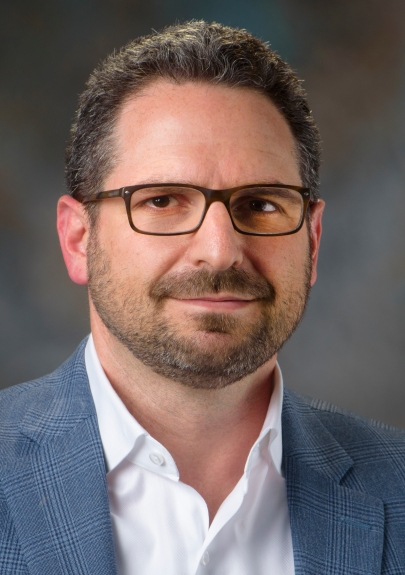 Matthew H.G. Katz合作论文数Department of Surgical Oncology, Division of Surgery, The University of Texas MD Anderson Cancer Center184
 Jeffrey E. Gershenwald合作论文数Department of Surgical Oncology, Division of Surgery, The University of Texas MD Anderson Cancer Center;Department of Cancer Biology, The University of Texas MD Anderson Cancer Center150
 Michael P. Kim合作论文数117
 Merrick I. Ross合作论文数Department of Surgical Oncology, Division of Surgery, The University of Texas MD Anderson Cancer Center106William A. Ross合作论文数94
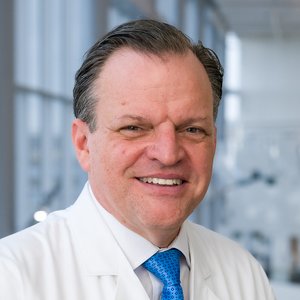 Jason B. Fleming合作论文数Department of Surgery, UT Southwestern Medical Center93
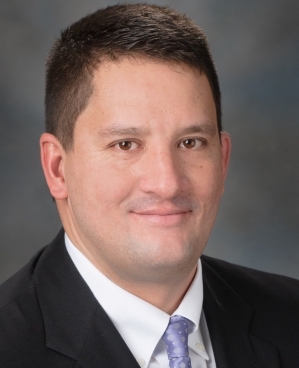 Brian R. Weston合作论文数Department of Gastroenterology, Hepatology, and Nutrition, Division of Internal Medicine, The University of Texas MD Anderson Cancer Center90Ching-Wei D. Tzeng合作论文数89
 Naruhiko Ikoma合作论文数Department of Surgery, University of Texas Health Science Center at Houston;Department of Surgery, Saitama Social Insurance Hospital;Saitama Social Insurance Hospital, University of Texas Health Science Center at Houston89
 Nancy Perrier Md合作论文数87
 Peter WT Pisters合作论文数The University of Texas MD Anderson Cancer Center84
 Laura Reka Prakash合作论文数Dept Surg Oncol, Univ Texas MD Anderson Canc Ctr83
 Jean-Nicolas Vauthey合作论文数Department of Surgical Oncology, The University of Texas MD Anderson Cancer Center;Division of Surgery, The University of Texas MD Anderson Cancer Center78
 Elizabeth Gardner Grubbs合作论文数Department of Surgical Oncology, Division of Surgery, The University of Texas MD Anderson Cancer Center78
 Robert A. Wolff合作论文数Department of Gastrointestinal Medical Oncology, Division of Cancer Medicine, University of Texas MD Anderson Cancer Center77
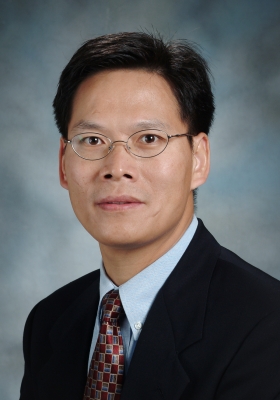 Huamin Wang (王华民)合作论文数Department of Pathology, Division of Pathology/Lab Medicine, The University of Texas MD Anderson Cancer Center;MD Anderson UT Health Graduate School of Biomedical Sciences, The University of Texas75
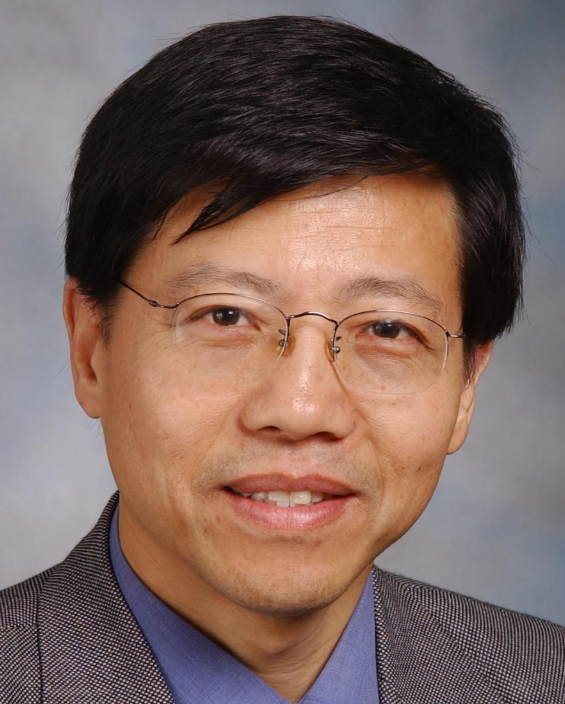 Qingyi Wei (魏庆义)合作论文数Department of Medicine, School of Medicine, Duke University;Medicial Center, Duke Unuversity;Fudan University75Janice N. Cormier合作论文数74
 Douglas B. Evans合作论文数Division of Surgical Oncology, Department of Surgery, Medical College of Wisconsin70Jessica E Maxwell合作论文数60
 Jennifer Wargo合作论文数Department of Surgical Oncology, Division of Surgery, The University of Texas MD Anderson Cancer Center;Department of Genomic Medicine, Division of Cancer Medicine, The University of Texas MD Anderson Cancer Center60Lum Phillip J合作论文数57
 Coronel Emmanuel合作论文数University of Chicago Medicine Inflammatory Bowel Disease Center56
 Manoop S. Bhutani合作论文数Department of Gastroenterology Hepatology and Nutrition, Division of Internal Medicine, The University of Texas MD Anderson Cancer Center;Department of Radiation Oncology, Division of Radiation Oncology, The University of Texas MD Anderson Cancer Center;Department of Endoscopic Research and Development, The University of Texas MD Anderson Cancer Center56
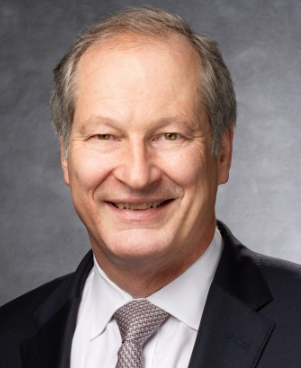 Paul F. Mansfield合作论文数Department of Surgical Oncology, University of Texas MD Anderson Cancer Center55
 Michael A. Davies合作论文数Department of Melanoma Medical Oncology, Division of Cancer Medicine, University of Texas MD Anderson Cancer Center49
 Chris Amos合作论文数Baylor College of Medicine49
 Patrick Hwu合作论文数Moffitt Cancer Center49Varadhachary Gauri R合作论文数48
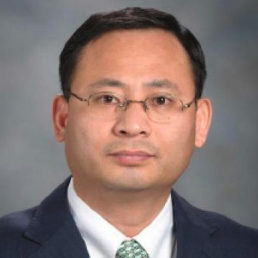 Shenying Fang (方沈应)合作论文数School of Public Health and Emergency Management, School of Medicine, Southern University of Science and Technology47
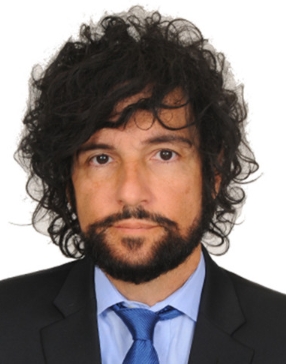 Anthony Lucci合作论文数Department of Breast Surgical Oncology, Division of Surgery, The University of Texas MD Anderson Cancer Center;Department of Surgical Oncology, Division of Surgery, The University of Texas MD Anderson Cancer Center46
 James Abbruzzese合作论文数Division of Medical Oncology, Department of Medicine, Duke University School of Medicine;Duke Cancer Institute44
 Victor G. Prieto合作论文数Department of Anatomical Pathology, Division of Pathology-Lab Medicine, The University of Texas MD Anderson Cancer Center42
 Thomas A. Aloia合作论文数Ascension40
 Timothy E Newhook合作论文数Department of Surgical Oncology, Division of Surgery, The University of Texas MD Anderson Cancer Center40
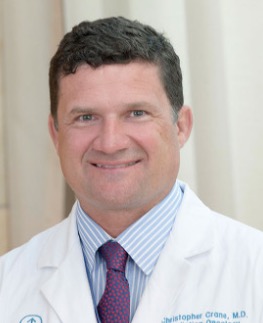 Christopher Crane合作论文数Memorial Sloan Kettering Cancer Center40Phillip S. Ge合作论文数39
 Asif Rashid合作论文数Department of Pathology, Division of Pathology-Lab Medicine, The University of Texas MD Anderson Cancer Center38
 Gottumukkala S. Raju合作论文数Department of Gastroenterology Hepatology and Nutrition, Division of Internal Medicine, The University of Texas MD Anderson Cancer Center37
 Anirban Maitra合作论文数Perlmutter Cancer Center, NYU Langone Health;Department of Pathology, NYU Grossman School of Medicine;GI Cancer Center, NYU Langone Health37Chiang Yi-Ju合作论文数36
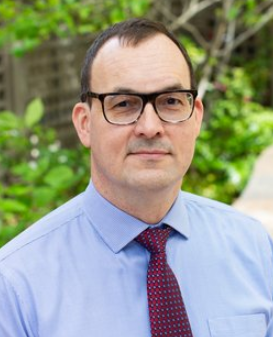 Michael T. Tetzlaff合作论文数Dermatopathology and Oral Pathology Unit, The University of California, San Francisco35
 Richard E Royal合作论文数MD Anderson Cancer Center, The University of Texas;MaineHealth35Graciela M. Nogueras-Gonzalez合作论文数34
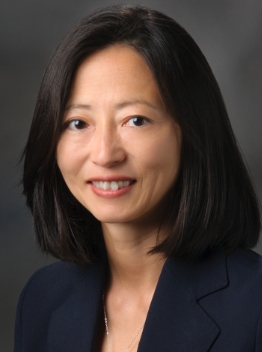 Yun Shin Chun合作论文数Department of Surgical Oncology, Division of Surgery, The University of Texas MD Anderson Cancer Center34Rebecca A Snyder合作论文数Dept Surg, East Carolina Univ33
 Rodabe N. Amaria合作论文数Department of Melanoma Medical Oncology, The University of Texas MD Anderson Cancer Center33
 Sapna Patel合作论文数University of Colorado Cancer Center32Li-E Wang合作论文数31




