BACKGROUND:The intimal flap at the distal aortic anastomosis after standard aortic dissection repair creates distal anastomotic new entry, leading to false lumen (FL) pressurization and true lumen (TL) collapse and resulting in increased mortality, malperfusion, aortic growth, and reinterventions. The Ascyrus Medical Dissection Stent (AMDS; Ascyrus Medical, Boca Raton, FL) is a hybrid prosthesis that seals and depressurizes the FL at the distal anastomosis while expanding and pressurizing the TL. METHODS:The Dissected Aorta Repair Through Stent Implantation trial is a prospective, nonrandomized, international type A dissection trial where patients with acute DeBakey I dissections were enrolled between March 2017 and January 2019. Forty-seven patients were enrolled (median age, 62.5; 67.4% men) with a median follow-up of 631 days. RESULTS:All patients underwent emergent surgical repair with successful AMDS implantation. One patient was excluded because of use in iatrogenic dissection. Overall mortality at 30 days and 1 year was 13.0% (6/46) and 19.6% (9/46), whereas new strokes occurred in 6.5% (3/46). Over 95% of vessel malperfusions resolved because of AMDS-induced TL expansion, including 3 patients with preoperative paralysis. Positive remodeling of the aortic arch occurred in 100% of cases with complete obliteration or thrombosis of the FL in 74%. In the proximal descending thoracic aorta positive remodeling occurred in 77% and complete obliteration or FL thrombosis in 53% of cases. CONCLUSIONS:AMDS facilitates single-stage management of malperfusion and induces positive remodeling of the aortic arch through effective sealing of the distal anastomotic FL, depressurization of the FL with expansion, and pressurization of the TL. Importantly the use of AMDS is safe and reproducible.
Abstract Background The UFO procedure is an established surgical technique to treat extensive endocarditis of the aortic or mitral valve with involvement of the intervalvular fibrous body (IVFB). This technique can be used for radical resection of the whole infected tissue. Independently of the size of the infected region it is unavoidable to replace both valves. In this high-risk re-do case we performed a modified so-called hemi-UFO procedure with preservation of the mitral valve. Case summary We present a 71-year-old male patient initially diagnosed with severe stenosis of the aortic valve. An aortic valve replacement with a 23-mm prosthesis was performed via partial upper mini-sternotomy. Eight weeks after surgery an echocardiogram revealed a large vegetation and severe regurgitation of the aortic valve prosthesis. The risk of death following reintervention heart surgery (EuroSCORE II) was calculated as 50.64%. We performed a re-do with full sternotomy. Intraoperatively it was observed that the aortic prosthesis was partially torn out. The aortic annulus exhibited circular infection with an abscess connecting to the left atrium. The tissue of the left atrial roof was partially destroyed, similar to a phlegmonous infection. We opened the left atrial roof and radically resected the infected tissue up to the IVFB. We prepared a custom-made conduit prosthesis of bovine pericardium with a 25-mm valve prosthesis. We replaced two thirds of the ascending aorta with re-implantation of the coronary arteries using the Bentall-de Bono technique. We were able to stabilise and implant the new aortic valve prosthesis with sutures through the opened left atrial roof. The stitches began close to the anterior mitral leaflet region and ended in the direction of the left ventricle outflow tract. All sutures were pericardium-pledgeted and were passed through a bovine pericardial patch. This patch formed a new mitral annulus and was used for the closure of the left atrial roof. We had to reconstruct the IVFB, the roof of the left atrium and the mitral annulus in the anterior (A1), middle (A2) and posterior (A3) segments. The patient was transferred to the intensive care unit with no inotropes and in sinus rhythm. The 3-year follow-up was uneventful. Conclusion We showed a successful surgical treatment of aortic prosthesis endocarditis with involvement of the IVFB. We were able to perform a radical resection of the infected tissue, reconstruct and replaced all sacrificed tissue with biological tissue and preserved the native mitral valve in a modified hemi-UFO procedure.
Aims This multicenter study aims to compare outcomes of total aortic arch replacement (TAR) using the frozen elephant trunk (FET) technique in patients with and without heritable thoracic aortic disease (HTAD) and to assess whether HTAD influences postprocedural adverse aortic events (AAEs). Methods From 06/2007 to 05/2024, aortic databases from 13 European centers were screened for HTAD patients undergoing TAR with FET. All consecutive dissection and aneurysm non-HTAD patients from the four core centers served as comparator. The primary outcome was AAE, a composite of diameter progression, distal stent graft induced new entry (dSINE), malperfusion, rupture and pseudoaneurysm at 5 years after FET implantation. Results Of 2739 FET patients, 196 (7.2%) were diagnosed with HTAD. The control group consisted of 867 non-HTAD FET patients. Marfan syndrome was the most common condition (72%), followed by Loeys-Dietz syndrome (11%), vascular Ehlers-Danlos syndrome (5.6%) and Turner syndrome (2.0%). Seventeen (8.8%) patients were diagnosed with ns-HTAD. At 5 years 46 (24%) AAEs occurred in the HTAD group, 169 (20%) in the non-HTAD group (p=0.2). Diameter progression was the most common event (10% vs. 12%; p=0.6), followed by dSINE (5.8% vs. 4.5%; p=0.5), malperfusion (4.2% vs. 3.3%; p=0.5), rupture (2.1% vs. 0.7%; p=0.09) and pseudoaneurysm (0.5% vs. 0.2%; p=0.5). Conclusions The FET technique appears safe and effective for acute and chronic aortic disease in HTAD patients, with outcomes comparable to non-HTAD cases and no increase in graft-related complications, challenging traditional concerns about stent graft use in genetically mediated aortic disease. ### Competing Interest Statement Martin Czerny reports consultancy fees from Medira and NEOS, and consultancy for Terumo Aortic, Medtronic, and Endospan; a one-time direct personal payment (speaking honorarium) from Abbott; payment to their institution from Terumo aortic for postmarket registries for study nurses. Martin Czerny holds shares from TEVAR Ltd. and from Ascense Medical. Maximilian Kreibich reports direct personal payment (speaker honoraria) from Terumo Aortic. Sven Peterss reports serving as a consultant/proctor and receiving speaker honoraria and travel compensation from Artivion, Edwards Lifesciences Services, AstraZeneca, CytoSorbents, and Terumo Aortic. Maximilian Pichlmaier reports serving as a consultant/proctor for Terumo Aortic and Artivion. Martin Grabenwöger reports consultancy fees from Artivion. Daniel-Sebastian Dohle reports serving as a consultant for Artivion, Edwards, Medira, and VarmX. Maximilan Luehr reports speaker honoraria from Artivion EMEA Inc. Tomas Holubec reports receiving consulting, speaker honoraria and travel compensations from Abbott, USA; Artivion, USA; Edwards Lifesciences, USA; Getinge, Sweden and Smartcanula LLC, Switzerland. Jens Brickwedel reports serving as a consultant for receiving speaker honoraria and receives travel compensation from Terumo Aortic. Christian Detter reports serving as a consultant/proctor for and receives travel compensation from Terumo Aortic. Jörg Kempfert and Leonard Pitts have received educational grants, including travel support, fees for lectures and speeches, as well as for professional consultation and research from Artivion (Hechingen, Germany/Atlanta, GA, USA) and Terumo Aortic (Inchinnan, UK). The other authors have reported no competing interests. ### Clinical Trial It is a retrospective Study registered in Freiburg FRKS005257 ### Funding Statement Institutional funding ### Author Declarations I confirm all relevant ethical guidelines have been followed, and any necessary IRB and/or ethics committee approvals have been obtained. Yes The details of the IRB/oversight body that provided approval or exemption for the research described are given below: IRB approval for this multicenter study was obtained on 30/07/2024 (24-1247-S1-retro) from the Ethics Committee of the University of Freiburg and the need for individual informed consent was waived due to the retrospective design. Anonymous data sharing was approved at each individual participating center. I confirm that all necessary patient/participant consent has been obtained and the appropriate institutional forms have been archived, and that any patient/participant/sample identifiers included were not known to anyone (e.g., hospital staff, patients or participants themselves) outside the research group so cannot be used to identify individuals. Yes I understand that all clinical trials and any other prospective interventional studies must be registered with an ICMJE-approved registry, such as ClinicalTrials.gov. I confirm that any such study reported in the manuscript has been registered and the trial registration ID is provided (note: if posting a prospective study registered retrospectively, please provide a statement in the trial ID field explaining why the study was not registered in advance). Yes I have followed all appropriate research reporting guidelines, such as any relevant EQUATOR Network research reporting checklist(s) and other pertinent material, if applicable. Yes The datasets analyzed during the current study are not publicly available due to strict institutional and ethical restrictions regarding patient data protection and confidentiality and are therefore not available for sharing. Data are available from the corresponding author on reasonable request, subject to approval by the relevant institutional review boards and data-sharing agreements with participating centers.
Zur Minderung der Invasivität und Beschleunigung der postoperativen Erholung können koronare Bypass-Operationen ohne Sternotomie durchgeführt werden. Chirurgische Operationsroboter ermöglichen eine videobasierte Operation über endoskopische Zugangswege. Die endoskopische Präparation der linken A. thoracica interna (Left internal thoracic artery, LITA) ist technisch anspruchsvoll und mit einer erheblichen Lernkurve assoziiert. Aufgrund der hohen Offenheitsrate der LITA im Langzeitverlauf und der damit verbundenen besseren Prognose nach Bypass-Operationen muss die Entnahme atraumatisch erfolgen. Virtuelle chirurgische Co-Piloten-Systeme könnten Chirurg:innen in der Lernphase während der endoskopischen Graft-Entnahme unterstützten und damit die Patientensicherheit weiter erhöhen. Entwicklung und Validierung eines echtzeitfähigen virtuellen chirurgischen Co-Piloten – des „LIM-AR-Systems“ –zur Vermeidung akzidentieller Graft-Verletzungen während der Präparation der LITA bei robotisch-assistierten koronararteriellen Bypass-Operationen. In dieser Pilotstudie werden stereoskopische Bilddaten von 100 Patient:innen, die sich einer robotischen Bypass-Operation unterzogen haben, analysiert. Fünfzig annotierte Fälle dienen der Entwicklung des Co-Piloten-Systems, und weitere 50 Fälle werden für die Validierung eingesetzt. Die Bilddatenverarbeitung erfolgt unter Verwendung eines speziell entwickelten Multi-Task-Deep-Learning-Modells. Entwicklung und anschließende Validierung des echtzeitfähigen „LIM-AR-Systems“. Erwartet wird ein funktionsfähiger chirurgischer Co-Pilot, der bei roboterassistierten Bypass-Operationen präemptiv vor einer akzidentiellen Verletzung der LITA warnt. Für die Entwicklung werden zwei Jahre veranschlagt.
The CARE-WHS challenge focuses on achieving precise whole-heart segmentations across various computed tomography (CT) and magnetic resonance (MR) images, addressing the complexities arising from anatomical variability and different scanning protocols. Previous efforts have highlighted limitations in both model-based and deep-learning-based approaches to cardiac segmentation. This study evaluates the performance of two state-of-the-art architectures, nnU-Net and SwinUNETR, in the context of the CARE-WHS challenge. We explore three training strategies: a basic configuration using only challenge data for training, a model trained on public CT data, and a transfer learning approach, where the model trained on public data is finetuned to the available challenge data. Additionally, a random smooth gray value transformation is implemented as data augmentation for nnU-Net and SwinUNETR to mitigate discrepancies between CT and MR scans. Our results indicate that while nnU-Net consistently outperforms SwinUNETR, the SwinUNTER in combination with random smooth gray value transformation (GVT) shows the highest potential for unseen intensities.
Objective Redo mitral valve surgery (MVS) poses technical challenges and high operative risks as the result of adhesions and sternal re-entry. Right minithoracotomy has emerged as an alternative to repeat sternotomy. This study evaluated feasibility and perioperative outcomes of redo MVS through right minithoracotomy and compared 3 different myocardial protection strategies: cardioplegia, ventricular fibrillation (VF), and beating-heart. Methods All patients who underwent redo MVS via right minithoracotomy between 2015 and 2023 were identified from the Mini-Mitral International Registry. The primary end point was in-hospital mortality. Secondary end points included stroke, low cardiac output, bleeding requiring revision, conversion to sternotomy, and major complications. Moreover, 3 myocardial protection strategies were analyzed: cardioplegic arrest (n = 373), VF (n = 105), and beating-heart (n = 24). Results A total of 502 patients were included (median age 68 years). Overall in-hospital mortality was 7.6% (4.1% in elective and 24.4% in urgent cases). Conversion to sternotomy occurred in 3%. Stroke rate was 2.8% and reoperation for bleeding was 8.8%. After adjustment, VF was independently associated with a greater risk of low cardiac output (adjusted odds ratio, 3.5; P = .004). Beating-heart surgery was associated with increased in-hospital mortality (adjusted odds ratio, 6.6; P = .02). No significant association was observed between myocardial protection strategy and stroke or major complications. Conclusions Redo MVS via right minithoracotomy is feasible and safe in experienced centers. Cardioplegic arrest was associated with more favorable early outcomes and should be considered the default myocardial protection strategy whenever feasible. No-clamp techniques remain valuable in selected high-risk scenarios but are associated with trade-offs that warrant careful patient selection.
Background: Annuloplasty ring sizing is critical for durable outcomes in surgical mitral valve repair (MVr). However, there is no clear consensus on optimal sizing strategies. Artificial intelligence (AI)-based imaging tools may help to reduce uncertainty in preoperative decision-making by providing objective, reproducible and reliable measurements. This study evaluated the predictive capability of a fully automated, computed tomography (CT)-based AI-driven tool for annuloplasty ring sizing in patients undergoing minimally invasive MVr (MI-MVr). Methods: A total of 71 consecutive patients undergoing MI-MVr for Carpentier type II mitral valve insufficiency during the study period were included. Preoperative CT scans were analyzed using a cloud-based, fully automated AI tool to quantify mitral valve geometric parameters. Correlations between AI-derived measurements and implanted ring sizes were assessed using the Pearson correlation test. Univariable and multivariable linear regression analyses were performed to identify independent predictors of ring size selection. Results: Several AI-derived parameters correlated significantly with implanted ring size, with the strongest correlations observed for commissural width (R = 0.693, p < 0.001) and mitral annular area (R = 0.693, p < 0.001). In multivariable regression analysis, these parameters were the strongest predictors of annuloplasty ring size (R-2 = 0.504, p < 0.001). Using this model, accurate annuloplasty ring sizing could be predicted in 78.8% of patients. There were no in-hospital mortality and residual mitral regurgitation at discharge. Conclusions: A fully automated, CT-based AI-driven tool demonstrated good accuracy for preoperative annuloplasty ring size prediction in MI-MVr and may have the potential to support surgical decision-making, reduce operator dependence, and improve reproducibility.
External outflow graft obstruction is an uncommon late complication in patients supported with a fully magnetically levitated left ventricular assist device. Progressive extrinsic compression of the outflow graft can impair pump performance and lead to symptomatic deterioration, requiring intervention to restore graft patency. This video tutorial presents a hybrid procedure combining surgical transaxillary access with endovascular stent implantation for treatment of external outflow graft obstruction when transfemoral access is not feasible. A 72-year-old woman with ventricular assist device support presented with exertional dyspnoea. Imaging demonstrated a persistent external narrowing of the outflow graft distal to the cannula, and invasive assessment confirmed a significant pressure gradient. Severe kinking of the femoral vessels excluded conventional femoral access. After induction of general anaesthesia, the axillary artery was exposed through an infraclavicular incision and accessed under direct vision. A vascular sheath was introduced, allowing retrograde advancement of guidewires across the stenotic graft segment. Two overlapping balloon-expandable covered stents were deployed under fluoroscopic guidance to restore luminal diameter and antegrade flow. Completion angiography confirmed satisfactory stent expansion and improved device flow.
OBJECTIVES:This study investigates differences in short- and mid-term outcomes in patients without malperfusion undergoing surgery for acute type A aortic dissection between specialized aortic surgeons and non-aortic surgeons. METHODS:Patients who underwent surgery for acute type A aortic dissection between 2013 and 2023 defined as M0 (no malperfusion) according to the type-entry-malperfusion classification were included and divided into 2 groups according to the surgeon's expertise: aortic surgeon vs non-aortic surgeon group, whereas an aortic surgeon was defined by expertise in extensive aortic arch surgery including frozen elephant trunk implantation on a regular basis (average ≥5/year). After propensity score matching, the groups were compared in terms of intraoperative variables and outcomes including a primary combined end-point consisting of 30-day mortality and/or CT-confirmed stroke. RESULTS:The matched cohort comprised 2 balanced groups with 234 patients (117 in each group). Cardiopulmonary bypass, cross-clamp and distal arrest times did not differ significantly between the groups. However, more extensive aortic surgery was performed by aortic surgeons: aortic root replacement (Bentall) (P = .007; odds ratio [OR] 1.18 [CI, 1.05-1.32]), valve-sparing root replacement (David) (P = .013; OR 1.05 [CI, 1.01-1.10]), and frozen elephant trunk implantation (P < .001; OR 1.18 (CI, 1.09-1.27]). The combined end-point of 30-day mortality and/or CT-confirmed stroke was 26% in the non-aortic surgeon vs 23% in the aortic surgeon group (P = .54; OR 0.97 [CI, 0.86-1.08]). Further clinical outcomes, including 5-year survival, did not differ significantly (P = .170). CONCLUSIONS:Patients without preoperative malperfusion undergoing surgery for ATAAD show no differences in terms of short- and mid-term outcomes between specialized aortic and non-aortic surgeons. However, more extensive aortic repair may be performed safely by specialized aortic surgeons. These results support the definition of an aortic surgeon based on experience with the frozen elephant trunk technique and may advocate for call coverage by an aortic surgeon for type A repair at high-volume centres.
Transcatheter aortic valve implantation (TAVI) is a minimally invasive procedure for treating aortic valve stenosis. It is associated with potential complications, including paravalvular leak (PVL) and conduction disturbances, such as atrioventricular block (AVB). We present a fully automated pipeline to predict these complications using radiomics features automatically extracted from convolutional neural network (CNN) segmented computed tomography (CT) images. Radiomics features contribute to interpretability by quantifying shape, intensity, and texture patterns in anatomically defined regions. Our approach focuses on the aortic root, left ventricular outflow tract (LVOT) and proximal ascending aorta (pAAo). Using a gradient-boosted decision tree algorithm (XGBoost), we calculate patient-specific risk scores for overall complications as well as AVB and PVL. We compare our radiomics-based model to (i) a model trained on conventional image-based biomarkers, (ii) a DenseNet-based CNN trained on CT cropped to a bounding box around the aortic root, and (iii) a dual-channel DenseNet using the cropped CT and corresponding segmentation. We also evaluate whether combining radiomics with conventional parameters enhances predictive performance. Model performance varied across complication types and models, with AUCs on the test set ranging from 0.42 (DenseNet_CT+Seg) to 0.54 (combined) for any complication, 0.40 (radiomics) to 0.59 (DenseNet_CT) for AVB, and 0.35 (DenseNet_CT) to 0.63 (combined) for PVL. Although predicting TAVI complications remains challenging, our approach mitigates operator-dependent variability in image segmentation and feature extraction, promoting fully automated, reproducible, and interpretable risk stratification for TAVI-related complications.
Acute type A aortic dissection (ATAAD) is a life-threatening emergency requiring urgent surgery. Advanced age is a major risk factor for operative mortality and strongly influences treatment decisions. This systematic review evaluates perioperative characteristics, surgical strategies in regard to outcomes and mortality in patients older than 70 years undergoing ATAAD repair. A PRISMA-guided database search identified original studies published between 2000 and 2025. Early and late outcomes were pooled, with thirty-day mortality as the primary endpoint and postoperative complications, organ dysfunction and quality of life as secondary endpoints. Key aspects of ATAAD management, including patient selection, extent of repair, cerebral protection and perioperative organ protection strategies, were systematically analyzed. Of 1,910 screened studies, 41 publications including 3,969 elderly patients were analyzed, encompassing randomized, observational and case-control designs. Preoperative malperfusion occurred in 22.8% of patients, most commonly cerebral (16.7%) and renal (13.5%). When analyzed within their respective cohorts, the majority of patients received standard of care ascending aorta or hemiarch replacement. This was followed by total arch replacement and root replacement. Mean cardiopulmonary bypass, cross-clamp and circulatory arrest times were 201, 104 and 45 min, respectively, at 23 °C. Postoperative morbidity was substantial, with neurological complications (12%), delirium (30%), respiratory failure (21%) and dialysis-dependent renal failure (22%). 30-day mortality was in average 21% and was mainly due to bleeding, low cardiac output and multiple organ failure. Long-term quality of life, assessed by SF-36, remained satisfactory. However, data was overall heterogeneously presented and therefor limited interpretability concerning the addressed endpoints. ATAAD surgery in elderly patients remains challenging due to frailty and comorbidities. Careful patient selection and treatment in specialized centers are essential. Despite the emerging hybrid and endovascular approaches, open repair was the most commonly reported intervention. The available data suggests that advanced age was not consistently associated with withholding surgical treatment, especially in cases of absence of malperfusion
OBJECTIVES:Minimally invasive mitral valve repair (MIMVR) is the preferred approach to treat mitral regurgitation in specialized centres. Custodiol and Del Nido cardioplegia are widely used, yet direct comparative data on their efficacy and safety in this setting remain limited. This study investigated their efficacy and impact on early outcomes in a propensity-matched cohort. METHODS:We performed a single-centre, retrospective matched cohort study of 2490 patients undergoing minimally invasive mitral valve surgery between October 2014 and January 2025. After exclusions, 960 patients entered 1:1 propensity score matching based on risk factors, baseline characteristics and procedural parameters, yielding 778 matched cases treated with Custodiol or Del Nido cardioplegia. Perioperative dynamics of cardiac enzymes were evaluated as the primary outcome measure, along with an exploratory analysis on clinical outcomes. RESULTS:Del Nido cardioplegia was associated with lower postoperative creatine kinase and creatine kinase‑MB levels, most pronounced in the first 24 hours (P < .001). Del Nido yielded a lower inotrope score at 6 hours, higher perioperative sodium and fewer cardioversions for ventricular arrhythmia after declamping with fewer shocks required (all P < .001). Rates of major complications were similar between groups, and 30‑day mortality was 0% in both groups. CONCLUSIONS:Del Nido cardioplegia provided superior myocardial protection based on biomarker dynamics and a lower incidence of post-cross-clamp ventricular arrhythmia, while overall clinical outcomes remained comparable. It may therefore be considered the preferred single-dose cardioplegic solution for MIMVR.
OBJECTIVES:Total arch replacement using the frozen elephant trunk technique remains the gold standard for a definite aortic arch repair. To facilitate surgical management of the left subclavian artery (LSA), a new hybrid frozen elephant trunk device was recently developed. METHODS:A 62-year-old female patient presented with acute type A aortic dissection and underwent emergent aortic root and total arch replacement using the novel custom-made Evita Neo EDE hybrid arch device for frozen elephant trunk implantation. To facilitate the management of the LSA, a covered stent connected to the device was inserted into the LSA via guidewire prior to performing the distal anastomosis in zone two. RESULTS:Postoperative computed tomographic angiography demonstrated excellent outcome and technical success with no signs of endoleak or device-related complications. The patient was discharged home 11 days after surgery in a stable clinical condition. CONCLUSIONS:The new Neo EDE hybrid arch device for frozen elephant trunk implantation is easy to use and simplifies surgical management of the LSA without adding technical complexity.
The computed tomography (CT) scan is the gold standard imaging for the diagnosis of DeBakey type I aortic dissection (D1AD) as well as for follow-up after surgical repair. Novel endovascular and hybrid repair devices for have been increasingly utilized in recent years for D1AD, such as the AMDS Hybrid Prosthesis (Artivion, Georgia, USA). Herein, we describe the key radiologic findings on the preoperative CT that aids in decision-making regarding use of the AMDS and the pertinent findings of the AMDS on postoperative CT scan. The AMDS is implanted at the time of surgical intervention for D1AD. A transverse aortic incision is made 1cm proximal to the innominate artery and the device is deployed at the distal anastomosis into the aortic arch. Key findings to note on preoperative CT scan that determine suitability for use of the AMDS include the extent of the dissection, location of entry tears, and branch vessel involvement. The design of the AMDS includes a proximal felt sewing cuff with a bare metal stent. Areas that may be of concern in adverse aortic remodeling include distal anastomotic new entry tear (DANE) proximally, although this risk is reduced with the AMDS, tears at the level of the head vessels, stented portion of the aorta, or distal to the stent. Novel devices such as the AMDS have become increasingly utilized in aortic surgery and are accompanied by unique findings on postoperative CT scans that should be understood prior to reviewing such studies.
Objective: To investigate differences in neurologic outcomes between unilateral and bilateral antegrade cerebral perfusion during prolonged circulatory arrest in surgery for acute type A aortic dissection (ATAAD). Methods: Patients who underwent surgery for ATAAD between 2013 and 2023 receiving either unilateral antegrade cerebral perfusion (uACP) or bilateral antegrade cerebral perfusion (bACP) during prolonged caudal circulatory arrest (≥30 minutes) were included in the primary study cohort. Preoperative computed tomography scans were analyzed in terms of Type-Entry-Malperfusion classification and supra-aortic dissection patterns. After propensity score matching, the groups were compared in terms of clinical outcomes, including new postoperative strokes. Results: A total of 382 patients (206 uACP and 176 bACP) were included. The matched cohort comprised 2 balanced groups with 170 patients (85 in each group). The median circulatory arrest time was 44 (interquartile range [IQR], 36-57) minutes in the uACP group and 44 (IQR, 40-56) minutes in the bACP group (P = .87). Thirty-day mortality occurred in 15 patients (18%) in each group (odds ratio [OR], 1.00; 95% confidence interval [CI], 0.89-1.12; P = 1.00). New postoperative stroke was detected in 6 uACP patients (7%) and in 4 bACP patients (5%) (OR, 0.98; 95% CI, 0.91-1.05; P = .52). Postoperative delirium occurred in 30 uACP patients (35%) and in 35 bACP patients (41%) (OR, 1.06; 95% CI, 0.92-1.23; P = .43). Conclusions: Both uACP and bACP are adequate cerebral perfusion strategies during circulatory arrest exceeding 30 minutes in surgery for ATAAD. Additional intraoperative and anatomic factors may be considered to determine the optimal selective cerebral perfusion strategy.
 Falk Volkmar合作论文数89
 Markus Kofler合作论文数60
 Axel Unbehaun合作论文数43
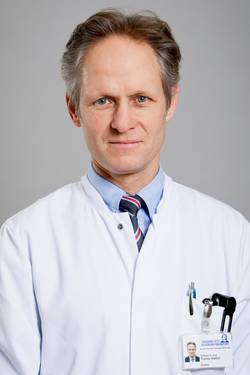 Thomas Walther合作论文数Klinik für Herz- und Gefäßchirurgie, Universitätsklinikum Frankfurt41
 Karel Van Praet合作论文数34
 Jacobs Stephan合作论文数34
 Simon Sündermann合作论文数Department of Cardiovascular Surgery, Charité Universitätsmedizin Berlin;Department of Cardiothoracic and Vascular Surgery, Deutsches Herzzentrum Berlin33Matteo Montagner合作论文数28
 Meyer Alexander合作论文数Department of Cardiac Surgery, Kerckhoff Clinic Bad Nauheim23
 Serdar Akansel合作论文数Dept Cardiothorac & Vasc Surg, Deutsch Herzzentrum Berlin20
 Ardawan Julian Rastan合作论文数18
 Anja Hennemuth合作论文数Fraunhofer MEVIS15Leonard Pitts合作论文数14Johannes Blumenstein合作论文数14
 Nikolaos Bonaros合作论文数Department of Cardiac Surgery, Medical University of Innsbruck;Department of Cardiac Surgery, University Hospital Innsbruck14Sven Lehmann合作论文数14
 Christoph Starck合作论文数German Heart Center Berlin14
 Arnaud Van Linden合作论文数14
 Helge Mollmann合作论文数Department of Cardiology, St. Johannes Hopital Dortmund14
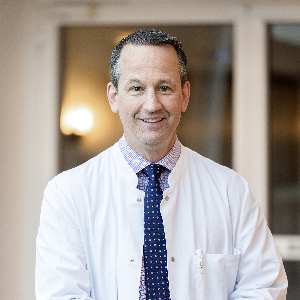 Michael Borger合作论文数University Clinic of Cardiac Surgery, Leipzig Heart Center13
 Antonios Pitsis合作论文数13
 Tom C. Nguyen合作论文数University of California13
 Christof Stamm合作论文数Department of Cardiac Surgery;Children ' s Hospital Boston;Medical School, Harvard13Roland Heck合作论文数12
 Gerhard Schuler合作论文数Abteilung Innere Medizin, Universität Leipzig12
 Mauro Rinaldi合作论文数12Frank Van Praet合作论文数12Semih Buz合作论文数12
 Gaik Nersesian合作论文数11Paolo Berretta合作论文数Azienda Ospedaliera – Universitaria Ospedali Riuniti di Ancona11
 Dinh Hoang Nguyen合作论文数11
 David Holzhey合作论文数Herzzentrum Leipzig GmbH;Witten/Herdecke University11
 Manuel Wilbring合作论文数11Joseph Lamelas合作论文数11
 Christoph Klein合作论文数10Axel Linke合作论文数10
 Volkmar Falk合作论文数Department of Health Sciences and Technology, ETH Zürich;German Centre for Cardiovascular Research;Swiss Federal Institute of Technology, ETH Zürich;Department of Cardiothoracic and Vascular Surgery, Deutsches Herzzentrum der Charité10
 Torsten Doenst合作论文数Department of Cardiac Surgery, University of Leipzig Heart Center10
 Marco Di Eusanio合作论文数Lancisi Cardiovascular Center, Politechnic University of Marche10
 Pierluigi Stefano合作论文数Reparto di Cardiochirurgia, Ospedale Careggi;Dipartimento di Medicina Sperimentale e Clinica, Università degli Studi di Firenze10Won-Keun Kim合作论文数9Lenard Conradi合作论文数9
 Dustin Greve合作论文数9
 Matthias Ivantsits合作论文数Charité Universitätsmedizin Berlin Berlin Germany9
 Wiebke Friedrich合作论文数9
 Fiore Antonio合作论文数Henri Mondor University Hospital, Paris-Est University9
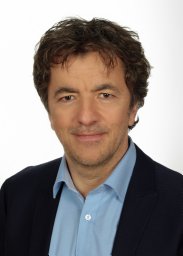 Marian Kukucka合作论文数Deutsches Herzzentrum Berlin9Leonhard Wert合作论文数8
 Timo Z Nazari-Shafti合作论文数Dept Cardiothorac & Vasc Surg, German Heart Ctr Berlin8




