Multi-modal object Re-IDentification (ReID) aims to obtain complete identity features across heterogeneous modalities. However, most existing methods rely on implicit feature fusion modules, making it difficult to model fine-grained recognition patterns under various challenges in real world. Benefiting from the powerful Multi-modal Large Language Models (MLLMs), the object appearances are effectively translated into descriptive captions. In this paper, we propose a reliable caption generation pipeline based on attribute confidence, which significantly reduces the unknown recognition rate of MLLMs and improves the quality of generated text. Additionally, to model diverse identity patterns, we propose a novel ReID framework, named NEXT, the Multi-grained Mixture of Experts via Text-Modulation for Multi-modal Object Re-Identification. Specifically, we decouple the recognition problem into semantic and structural branches to separately capture fine-grained appearance features and coarsegrained structure features. For semantic recognition, we first propose a Text-Modulated Semantic Experts (TMSE), which randomly samples high-quality captions to modulate experts capturing semantic features and mining inter-modality complementary cues. Second, to recognize structure features, we propose a Context-Shared Structure Experts (CSSE), which focuses on the holistic object structure and maintains identity structural consistency via a soft routing mechanism. Finally, we propose a Multi-Grained Features Aggregation (MGFA), which adopts a unified fusion strategy to effectively integrate multi-grained expert features into the final identity representations. Extensive experiments on two public person datasets and three vehicle datasets demonstrate the effectiveness of our method, showing that it significantly outperforms existing state-of-the-art methods.
Multi-modal data provides abundant and diverse object information, crucial for effective modal interactions in Re-Identification (ReID) tasks. However, existing approaches often overlook the quality variations in local features and fail to fully leverage the complementary information across modalities, particularly in the case of low-quality features. In this paper, we propose to address this issue by leveraging a novel graph reasoning model, termed the Modality-aware Graph Reasoning Network (MGRNet). Specifically, we first construct modality-aware graphs to enhance the extraction of fine-grained local details by effectively capturing and modeling the relationships between patches. Subsequently, the selective graph nodes swap operation is employed to alleviate the adverse effects of low-quality local features by considering both local and global information, enhancing the representation of discriminative information. Finally, the swapped modality-aware graphs are fed into the local-aware graph reasoning module, which propagates multi-modal information to yield a reliable feature representation. Another advantage of the proposed graph reasoning approach is its ability to reconstruct missing modal information by exploiting inherent structural relationships, thereby minimizing disparities between different modalities. Experimental results on four benchmarks (RGBNT201, Market1501-MM, RGBNT100, MSVR310) indicate that the proposed method achieves state-of-the-art performance in multi-modal object ReID. The code for our method will be available upon acceptance.
Cloud–edge collaborative AI services face severe threats from Data-Free Model Extraction (DFME) and its hard-label variants [1] - [3], yet existing defenses struggle to balance security, latency, and deployment constraints [4] - [7]. We present NatBAT, a prediction–defense decoupled framework that protects a frozen cloud model using lightweight edge Guards. First, we design a Stable Hardening Loss—combining entropy minimization and logit margin maximization—to compress the benign distribution, enabling efficient energy-based detection [8] without requiring attack samples. Second, for intercepted queries, NatBAT activates a hash-guided logit-bank trap to construct a non-smooth loss landscape, effectively disrupting the attacker’s zeroth-order gradient estimation. Experiments demonstrate that NatBAT substantially reduces surrogate fidelity while preserving benign service utility with modest latency overhead.
The ubiquitous sensing capabilities of the Internet of Things (IoT) enable large-scale user tracking by identifying users who appear in at least t distributed location datasets. However, the distribution of these datasets across multiple tracking entities significantly increases the risk of sensitive data exposure. To address this problem, threshold multi-party private set intersection (T-MPSI) provides a promising privacy-preserving solution. Although the known works about T-MPSI have made valuable contributions, especially in terms of security, the efficiency deficiency in current T-MPSI protocols becomes apparent in large-scale deployment for user tracking. The core challenge is to develop an efficient T-MPSI protocol under the relaxed security constraint that is acceptable for user tracking. We first design a lightweight batch replicated secret sharing private membership test protocol with high performance. Moreover, we develop a one-round secure aggregation algorithm that bridges the gap between the secure query and the secure comparison built upon replicated secret sharing. Building on these techniques, we present an efficient T-MPSI protocol tailored to the designated k -collusion model. Our protocol significantly enhances secure query efficiency and ensures that the communication complexity of secure comparison remains independent of the number of parties. We formally prove its security, and extensive experiments in a LAN setting demonstrate at least a 6x speedup for secure query and a 3x speedup for secure comparison over the state-of-the-art protocol. These results confirm the practicality and efficiency of the proposed protocol for privacy-preserving user tracking.
The success of high-performance Deep Neural Network (DNN) models relies heavily on extensive training datasets. The valuable attributes of these datasets make them attractive targets for unauthorized exploitation, necessitating robust copyright protection mechanisms. Existing research has achieved a certain degree of protection by verifying whether third-party models are trained on specific datasets. However, several challenges remain unresolved: (1) watermark embedding often compromises model fidelity, thereby degrading performance on the original task; and (2) due to the lack of thorough robustness evaluations, verification reliability often falters under practical post-deployment transformations such as fine-tuning, compression, or input preprocessing. To address these issues, this paper proposes ASWmark, a novel watermarking framework for audio classification datasets. ASWmark integrates an adversarial example generation algorithm with a probabilistic heuristic search strategy to construct an optimized trigger set with inherent adversarial properties. This study comprehensively evaluates the framework using two flexible watermark embedding strategies: the PreTrained and FromScratch methods. Experimental results demonstrate that ASWmark effectively protects dataset copyright, maintaining high fidelity, robustness, and portability.
Diffusion models have garnered significant attention in deep generative modeling due to their exceptional ability to generate diverse and high-quality samples across various data modalities. However, their security vulnerabilities, particularly backdoor attacks, remain largely unexplored, resulting in unpredictable and potentially malicious image generation. This paper introduces SBADiffusion, an invisible backdoor attack method that integrates steganography and quantization techniques to embed undetectable triggers into diffusion models. Specifically, steganography generates triggers by embedding subtle noise patterns into images, enabling these triggers to carry secret information without being perceptible to the human eye. Quantization technique further enhances the stealth of the triggers by optimizing their embedding to minimize visible artifacts or irregularities. Through a meticulously designed framework, this method achieves a delicate balance between visual stealth and attack reliability. Experimental results demonstrate that even at a low poisoning rate of 10 %, the attack success rate exceeds 90 %, and the mean squared error (MSE) of the poisoned images is significantly lower than that of existing methods. These findings not only highlight the stealth and precision of the proposed method but also reveal its potential for malicious exploitation, underscoring the urgent need to develop robust defense mechanisms against such threats in diffusion models.
With the rapid advancement of Internet of Things (IoT) technology, large volumes of data are exchanged among users via cloud servers. However, in an untrusted cloud server environment, the risk of data tampering is significant. For instance, a cloud server may fail to update its records promptly after receiving updated data from a data sender. Consequently, when the data receiver retrieves the relevant information, the cloud server may return outdated data, leading to security issues in data utilization. To address this problem, we propose a scheme that facilitates efficient verification in untrustworthy cloud environments. Our research approach is to utilize cryptographic accumulators within the oblivious searchable encryption model to achieve efficient verification. The data sender first uses a cryptographic accumulator to calculate the cumulative value of all messages to be uploaded, which are publicly accessible. In addition, the accumulator generates witness values for messages authorized to the data recipient. Before retrieving data, the data receiver can leverage the cryptographic accumulator to verify the timeliness of incoming messages, ensuring that the data is current and free from tampering. Furthermore, the data sender retains the flexibility to dynamically update the data stored in the cloud and efficiently refresh both the encrypted accumulator and its corresponding witness value. This article presents a rigorous security proof and a comparative experiment was carried out, supported by both analytical evaluations and experimental results, which collectively confirm the practical applicability of the proposed scheme in the context of the IoT.
The convergence of machine learning and searchable encryption enhances the ability to protect the privacy and security of data and enhances the processing power of confidential data. To enable users to efficiently perform machine learning tasks on encrypted data domains, we delve into oblivious keyword search with authorization (OKSA). The OKSA scheme effectively maintains the privacy of the user’s query keywords and prevents the cloud server from inferring ciphertext information through the searching process. However, limitations arise because the traditional OKSA approach does not support multi-keyword searches. If a data file is associated with multiple keywords, each keyword and corresponding data must be encrypted one by one, resulting in inefficiency. We introduce an innovative approach aimed at enhancing the efficiency of search processes while addressing the limitation of current encryption and search systems that handle only a single keyword. This method, known as the oblivious multiple keyword search with authorization (OMKSA), is designed for more effective keyword retrieval. One of our important innovations is that it uses the arithmetic techniques of bilinear pairs to generate new tokens and new search methods to optimize communication efficiency. Moreover, we present a detailed and rigorous demonstration of the security for our proposed protocol, aligned with the predefined security model. We conducted a comparative experiment to determine which of the two schemes, OKSA and OMKSA, is more efficient when querying multiple keywords. Based on our experimental results, our OMKSA is very efficient for data searchers. As the number of query keywords increases, the computational overhead of connected keyword searches remains stable. Finally, as we move into the 5G era, the potential applications of OMKSA are huge, with clear implications for areas such as machine learning and artificial intelligence. Our findings pave the way for further exploration and deployment of these frontier areas.
Backdoor attacks pose significant security threats to deep neural networks. A backdoored model performs well on benign samples, but if the hidden backdoor is activated by a trigger defined by the attacker, the model's predictions will be maliciously altered. Existing backdoor attacks typically adopt a trigger-agnostic setup, where different poisoned samples in the backdoor attack methods contain the same trigger, which is usually visible or fragile. To address these limitations, we propose a sample-specific, sample-edge-adaptive backdoor attack method. Specifically, we utilize edge detection algorithms to identify edge structures in images as the target poisoning region, embedding the edge information into the least significant bits of the image using a steganographic method. This generates a sample-specific trigger pattern. Since image structure retains its semantic meaning during data transformation, this trigger pattern exhibits inherent robustness to data conversion. Our proposed attack is extensively evaluated across various network models and datasets, demonstrating its generalizability, superior stealthiness, better robustness compared to existing backdoor attack methods, and strong resistance against state-of-the-art defense techniques while maintaining high benign accuracy.
Backdoor attacks pose significant security threats to deep neural networks. A backdoored model performs well on benign samples, but if the hidden backdoor is activated by a trigger defined by the attacker, the model's predictions will be maliciously altered. Existing backdoor attacks typically adopt. a trigger-agnostic setup, where different poisoned samples in the backdoor attack methods contain the same trigger, which is usually visible or fragile. To address these limitations, we propose a sample -specific, sample -edge -adaptive backdoor attack method. Specifically, we utilize edge detection algorithms to identify edge structures in images as the target poisoning region, embedding the edge information into the least significant bits of the image using a steganographic method. This generates a sample -specific trigger pattern. Since image structure retains its semantic meaning during data transformation, this trigger pattern exhibits inherent robustness to data conversion. Our proposed attack is extensively evaluated across various network models and datasets, demonstrating its generalizability, superior stealthiness, better robustness compared to existing backdoor attack methods, and strong resistance against state-of-the-art defense techniques while maintaining high benign accuracy.
Most of the existing techniques for solving data imbalance problems are geared towards binary classification problems, hence a novel strategy capable of natively handling multi-class classification problems is required. Existing implementations mainly employ a one-versus-rest approach to support multi-class problems and this generalisation hinders its effectiveness in datasets with multiple minority classes. On the contrary, a one-versus-one approach avoids such generalisation and provides finer control over the balancing strategy. In this paper, we propose a novel SCALA algorithm capable of handling imbalanced data with multiple minority class labels with a multi-class output. We introduce a user-defined set of scaling factors which are then integrated with a one-versus-one balancing strategy. Our results show that SCALA demonstrated a significant improvement compared to ADASYN and SMOTE in model performance metrics used to validate balancing techniques. SCALA can balance these datasets without allowing minority classes to overshadow other minority classes. This preserves the information needed by the training algorithm to distinguish between the classes to a high precision.
Most of the existing techniques for solving data imbalance problems are geared towards binary classification problems, hence a novel strategy capable of natively handling multi-class classification problems is required. Existing implementations mainly employ a one-versus-rest approach to support multi-class problems and this generalisation hinders its effectiveness in datasets with multiple minority classes. On the contrary, a one-versus-one approach avoids such generalisation and provides finer control over the balancing strategy. In this paper, we propose a novel SCALA algorithm capable of handling imbalanced data with multiple minority class labels with a multi-class output. We introduce a user-defined set of scaling factors which are then integrated with a one-versus-one balancing strategy. Our results show that SCALA demonstrated a significant improvement compared to ADASYN and SMOTE in model performance metrics used to validate balancing techniques. SCALA can balance these datasets without allowing minority classes to overshadow other minority classes. This preserves the information needed by the training algorithm to distinguish between the classes to a high precision.
Verifiable symmetric searchable encryption is a keyword search technology that supports verification of search results. Many schemes improve search performance by dividing each keyword label into segments and storing them in a Trie-tree at the expense of high storage. And the index will degenerate into a linear linked list when all keyword labels have the same prefix except for the last segment. But it will greatly affect the search efficiency. In this paper, we propose a verifiable symmetric searchable encryption scheme based on the AVL Tree (abbreviated as VSSE-AVL), which uses complete keyword labels to build the index. Compared with the Trie-tree index, VSSE-AVL not only balances storage and search performance, but also avoids degradation. To verify the correctness and completeness of empty search results, we store path information in each leaf node and node with only one child node. Considering the substitution attack, we bind the file identifier and the file so that the client will find out once the server returns inconsistent search results. Rigorous security analysis shows VSSE-AVL satisfies privacy and verifiability. Compared with the verifiable SSE-2 with the same security, the experimental evaluation shows that our proposed scheme performs better on storage, search and verification.
Searchable encryption (SE) meets users' demand for the keyword search on encrypted data. Key-aggregate searchable encryption (KASE) improves data owners' ability to selectively share encrypted data with users. In KASE, the data owner encrypts different documents/document classes with distinct keys and can share any selected subset of documents by simply transmitting an aggregate key to the user. The user only uploads an aggregate trapdoor to the server for querying these shared documents. However, the existing KASE schemes have some limitations: the security definition is incomplete, only single-keyword search is supported, and the provable security scheme relies on the random oracle model. For these reasons, in this paper, we propose the Key-Aggregate Searchable Encryption supporting Conjunctive Queries (KASE-CQ) framework and its two security models: indistinguishability against selective-document chosen keyword attack and existential unforgeability against selective-document chosen keyword attack. These models reflect the indistinguishability of ciphertext and the unforgeability of the aggregate key, respectively. Our system supports flexible data sharing and the conjunctive keyword search on encrypted data. Furthermore, we design a concrete KASE-CQ construction, which can be proven secure in the standard model. We also demonstrate that our construction is secure against the insider trapdoor attack presented by Zhou et al. [40]. Finally, performance analysis and comparisons with Cui et al.'s scheme [10] illustrate the superior efficiency of our scheme.
Deep neural networks are widely used for voiceprint recognition, whilst voiceprint recognition models are vulnerable to attacks. Existing protection schemes for voiceprint recognition models are insufficient to withstand various robustness attacks and cannot prevent model theft. This paper proposes a black-box voiceprint recognition model protection framework that combines active and passive protection. It embeds key information into the Mel spectrogram to generate trigger samples that are difficult to detect and remove and injects them into the host model as watermark W, thereby enhancing the copyright protection performance of the voiceprint recognition model. To restrict the use of the model by unauthorized users, the index number corresponding to the model and the encrypted model information are stored on the blockchain, and then, an exclusive smart contract is designed to restrict access to the model. Experimental results show that this framework effectively protects voiceprint recognition model copyrights and restricts unauthorized access.
in industrial production, defects on the surface of a product can affect the quality and performance of the product, which in turn affects the product’s competitiveness in the market. Therefore, effective surface defect detection is very important to ensure product quality, improve production efficiency and reduce production costs. The use of computer-vision surface defect detection technology in the production process of industrial manufacturing enterprises is able to not only improve product quality and market competitiveness, but also realize production automation and intelligence and promote the development of enterprises towards a more efficient and intelligent direction. In order to improve the small target defect detection capability of the defect detection algorithm model and solve the problem of poor defect location, an improved YOLOV5 algorithm is proposed in this article. The K-Means++ algorithm is used instead of the K-Means algorithm to determine the size of the candidate frame and the ARM, BFF, and ODM modules are added to filter out some samples with small intersection areas of the real candidate frame, and the specific candidate frame size is optimized automatically. Finally, in order to improve the global feature extraction capability and small target detection capability of the algorithm model, the tail of the backbone network in YOLOV5 is changed to the Transformer coder model. The tested average accuracy of the modified algorithm is 70.3%, which is higher than the experimental 65.6% before the modification and achieves good results in defect detection.
Government information sharing (GIS) refers to that act of required or provided for duty government information, commercial information and public welfare information, and it is a basic issue of government services. However, the existing GIS has low transparency and is lack of flexibility between different departments. Aiming at such problems, this paper takes blockchain as a solusion, and systematically summarizes the development of digital GIS, the advantages and challenges of blockchain and its theoretical research and practical applications. Specifically, it reviews e-government interactive structure, big data and other solutions, analyses their imperfections, and puts forward blockchain-based solutions. The blockchain improves government service efficiency and data security, meanwhile it faces challenges in throughput and supervision. In order to meet these challenges, researchers propose solutions based on three data exchange scenarios: government-to-government, government-to-enterprise and government-to-individual. In addition to researches, blockchain-based GIS is put into use. The electronic licensing project of Nanjing (China) government is taken as an example to illustrate that blockchain has the ability to openly and securely verify, track, and exchange data, so as to improve management ability and public service level of government agencies.
As medical technology advances, medical images are becoming increasingly important in diagnosis and therapy. However, due to the potential repercussions of leaking or tampering, which could jeopardize patient privacy and treatment, the protection and management of medical images has become a critical concern. As a result, ensuring the encryption and confidentiality of medical images has become critical. Based on GFTT-KAZE-DCT, this research provides a strong digital watermarking system for medical photos. To begin, the GFTT (Good Features to Track) method is used to extract feature points from medical pictures. To describe the feature points, the KAZE method is used, resulting in a feature descriptor matrix. Perceptual hashing is used to further process the initial image. The feature matrix created by the KAZE descriptor is then subjected to DCT (Discrete Cosine Transform). The coefficient matrix generated by DCT is used to acquire the desired eigenvector. To better resist geometric and conventional attacks, the watermark is flexibly integrated with chaos encryption technology, hash function, and the “third-party concept.” In conclusion, our algorithm provides an effective way for protecting the privacy and integrity of medical images. It incorporates advanced techniques such as GFTT-KAZE-DCT and perceptual hash, and it can withstand a variety of attacks.
Medical image transmission is an important aspect of digital healthcare. However, security and privacy are crucial issues during this process. Traditional watermarking techniques have become unreliable due to the damage they cause to pixel information in images. To solve this problem, zero-watermarking technology has emerged. Compared to traditional watermarking technology, zero-watermarking does not affect the visibility and quality of medical images and has higher robustness against attacks. Based on this, a robust zero-watermarking algorithm for medical images based on AGAST-LATCH and DCT is proposed in this paper. First, the AGAST algorithm and LATCH algorithm are combined to extract the feature matrix of the medical image. Then, the hash sequences of the medical image are obtained using Discrete Cosine Transform (DCT) and perceptual hashing algorithm on the feature matrix. The resulting hash sequence is combined with the encrypted watermark information, which is encrypted by the chaotic state of Logistic Map to enhance the robustness of the watermark information. Finally, a zero-watermarking technique is employed to create a watermark that is resistant to both conventional and geometric attacks.
 Miltos Petridis合作论文数Dept Comp Sci, Middlesex Univ34
 Brian Knight合作论文数School of Computing & Mathematical Sciences, University of Greenwich30
 Xiaoyi Zhou (周晓谊)合作论文数School of Cyberspace Security, Hainan University29
 Jing Qin (秦静)合作论文数School of Mathematics, Shandong University;School of Cyber Science and Technology, Shandong University18
 George Du (杜文才)合作论文数Institute for Data Engineering and Science, University of Saint Joseph17
 Aihua Zheng (郑爱华)合作论文数School of Artificial Intelligence, Anhui University15Jingbing Li (李京兵)合作论文数School of Information and Communication Engineering, Hainan University13
 Bin Luo (罗斌)合作论文数School of Computer Science and Technology, Anhui University11
 Xiaoming Yao (姚孝明)合作论文数Hainan University9Guoxing Zhao合作论文数9
 Jin Tang (汤进)合作论文数School of Computer Science and Technology, Anhui University;Information Materials and Intelligent Sensing Laboratory of Anhui Province, Anhui University8
 Liz Bacon合作论文数Abertay University8taoxin peng合作论文数7
 Jing Liu (井柳)合作论文数Zhejiang Lab, Res Ctr Healthcare Data Sci7
 Uzair Aslam Bhatti (尤佳)合作论文数School of Information and Communication Engineering, Hainan University7
 Sanjib Raj Pandey合作论文数7Binrui Zhu合作论文数Shandong Univ, Sch Math, Jinan 250100, Shandong, Peoples R China6
 Jiameng Sun合作论文数Shandong Univ, Sch Math, Jinan 250100, Shandong, Peoples R China6
 Haining Yang (杨海宁)合作论文数School of Mathematics, Shandong University5
 Rongfang Bie (别荣芳)合作论文数School of Artificial Intelligence, Beijing Normal University5
 Patrick Schembri合作论文数Dept Comp & Math Sci, Univ Greenwich4
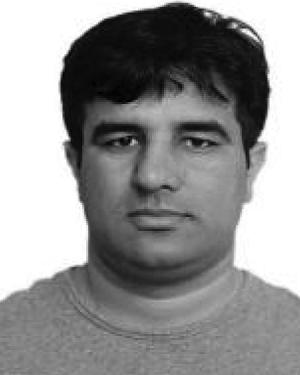 Naveed Sadiq合作论文数4
 Yang Ai合作论文数4
 Yongzhe Zhao (赵永哲)合作论文数College of Computer Science and Technology, Jilin University4
 Mengxing Huang (黄梦醒)合作论文数School of Information and Communication Engineering, Hainan University;State Key Laboratory of Marine Resources Utilization in South China Sea, Hainan University;Hainan Key Laboratory of Big Data and Smart Services4Stelios Kapetanakis合作论文数Old Royal Naval College, University of Greenwich4
 Brian G. Knight合作论文数Department of Economics, Brown University4
 Mariusz Pelc合作论文数University of Greenwich4Choi-Hong Lai合作论文数4Bo Zhao (赵博)合作论文数3Xuefeng Fan合作论文数3
 Ala Barzinji合作论文数3
 Jinlu Liu合作论文数3
 Stylianos Kapetanaki合作论文数Interbalkan European Medical Center;Medical School of Democritus, University of Thrace3Xi Zhang合作论文数3Ephraim Nissan合作论文数3
 Chunjie Cao (曹春杰)合作论文数School of Cyberspace Security, Hainan University3Lu Zhang合作论文数2Yuting An合作论文数2Huawei Ma合作论文数2Jiarong Mao合作论文数2Patrick Schemrbi合作论文数2Cheng Gong合作论文数2
 Tianshuo Zhang合作论文数2Bai Xiao合作论文数2
 Libin Jiao合作论文数Beijing Normal Univ, Coll Informat Sci & Technol, Beijing, Peoples R China2
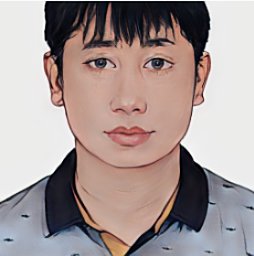 Shengbin Liang合作论文数Institute for Data Engineering and Science, University of Saint Joseph2
 Wenting Shen合作论文数Qingdao Univ, Coll Comp Sci & Technol, Qingdao 266071, Peoples R China2Jilin Yang合作论文数2




