A field experiment was carried out in the Tarai region of Uttar Pradesh during Kharif 2022 and 2023 to evaluate the effect of balanced fertilization and biofertilizer application on growth, yield attributes, yield, and profitability of maize ( Zea mays L.). The experiment was laid out in a split plot design with five balanced fertilization treatments nitrogen-phosphorus (NP), nitrogen-phosphorus-potassium (NPK), nitrogen-phosphorus-potassium-sulfur (NPKS), nitrogen-phosphorus-potassium-zinc (NPKZn), nitrogen-phosphorus-potassium-sulfur-zinc (NPKSZn)) in main plot and four biofertilizer treatments (Control, Azotobacter , Azotobacter + phosphate-solubilizing bacteria (PSB), and NPK consortia) in sub plot. The combined application of NPKSZn markedly enhanced physiological performance of maize, as reflected in improved plant height, dry matter accumulation, and chlorophyll content, which ultimately resulted in higher grain yield and superior economic returns. Among biofertilizer treatments, NPK consortia further strengthened yield attributes, grain productivity, and profitability, demonstrating the role of microbial inputs in improving nutrient use efficiency. The findings indicate that integrating balanced fertilization with biofertilizer consortia not only enhances crop productivity and farm income but also supports resource-use efficiency and soil health. This integrated nutrient management approach has wider implications for sustainable maize production and aligns with global efforts toward climate-resilient and environmentally sustainable agricultural systems.
Ashwagandha (Withania somnifera L. Dunal) is a highly acclaimed medicinal herb belonging to the family Solanaceae. The plant has been rendered an essential component of the Indian medicinal system due to its high therapeutic potential, attributed to its rich profile of secondary metabolites, namely withanolides. Widespread cultivation of the herb across diverse agroclimatic conditions has resulted in the development of numerous varieties and landraces, making it very difficult to discriminate the elite germplasm using conventional approaches. To overcome these, we use two molecular marker systems, SCoT and EST-SSR, to study the genetic variation and population structure of 32 Withania accessions. A total of 113 and 26 reproducible bands were generated using 10 SCoT and 17 EST-SSR markers, respectively, of which 100 and 20 were polymorphic, with an average polymorphism rate of 88 and 85.3%. The mean polymorphism information content (PIC), Marker Index (MI), and Resolving Power (Rp) for SCoT and EST-SSR markers were 0.327 and 0.172, 2.98 and 0.282, and 7.24 and 1.14, respectively, indicating that SCoT markers are more informative than EST-SSR markers for genetic diversity assessment. Cluster analysis using Jaccard similarity coefficients revealed distinct genetic groupings: SCoT markers formed two clusters, and EST-SSR markers formed two main clusters, with some outliers. Population structure analysis using Bayesian clustering revealed two ancestral populations with high admixture. This is the first time SCoT markers were used to assess genetic diversity in Withania somnifera. Quantitative real-time (qRT-PCR) expression analysis of six withanolide biosynthetic pathway genes (GT, CAS, FPPS, HMGR, SE, SS) across four genotypes of Withania somnifera reveals genotype-specific differential expression, further supporting the diversity observed by molecular markers. Our results indicate that both markers are informative and can be used to detect distinct genetic variations within Withania genotypes, providing valuable insights for breeding and conservation efforts and enabling the development of improved cultivars suited to various agroclimatic conditions.
The present investigation was conducted during 2024–25 and 2025–26 at the Horticulture Farm, Rajasthan College of Agriculture, Maharana Pratap University of Agriculture and Technology, Udaipur, Rajasthan, to evaluate the effects of compost granules and biodynamic formulations on the vegetative growth and morphological attributes of strawberry (Fragaria × ananassa Duch.) cv. Winter Dawn under semi-arid conditions. The experiment was laid out in a split-plot design with sixteen treatment combinations and three replications. Four compost granule treatments, comprising combinations of vermicompost, enriched compost and NADEP compost, were assigned to the main plots, while biodynamic preparations BD-500 and BD-501 were allocated to the sub-plots. Growth parameters, including the number of leaves per plant, leaf length, leaf width and plant height, were recorded at 30, 60, 90 and 120 days after transplanting (DAT). The results indicated that the integrated application of compost granules significantly influenced all vegetative growth attributes. The treatment comprising equal proportions of vermicompost, enriched compost and NADEP compost recorded the highest values for all growth parameters compared with the control. Similarly, the combined application of BD-500 and BD-501 resulted in better vegetative performance than the individual biodynamic treatments and the control. The improvement in growth parameters may be associated with enhanced nutrient availability, improved soil organic matter content and better nutrient-use efficiency under organic amendments. Biodynamic formulations may also have contributed to improved plant physiological activity and soil–plant interactions. The study suggests that the integrated use of compost granules and biodynamic preparations can improve vegetative growth and crop establishment in strawberry under semi-arid conditions. These findings support the potential of organic nutrient management strategies for sustainable strawberry production while maintaining soil health and ecological balance.
Plants operate as metaorganisms, depending on the coordinated signalling between the microbiomes of the roots (rhizosphere) and leaves (phyllosphere). This review covers recent studies that have identified rhizospherephyllosphere cross-talk as a crucial determinant of systemic stress resilience. Microbial metabolites, phytohormones, volatile organic compounds (VOCs), extracellular vesicles (EVs), and short RNAs (sRNAs) coordinate subterranean responses via vascular, gaseous, and molecular routes. Beneficial root-associated microbes modulate plant ethylene levels and antioxidant defense system in leaves through production of indole-3-acetic acid (IAA) and ACC deaminase activity. This causes the leaves to hold more water and chlorophyll when it is dry. In contrast, phyllosphere methylotrophs control root exudation through cytokinin-linked feedback which maintains metabolic balance. The identification of EV-encapsulated sRNAs and microbial lipopeptides as mobile nano-messengers paves way for a novel epoch in plant-microbe communication. Fungi, mycorrhizal association, and polyphagous insects are important in the regulation of nutrient fluxes and mediation of the trade-offs between nutrient acquisition and plant defense. Integrative multi-omics, isotope tracking, and synthetic community (SynCom) reconstructions now enable causal mapping of these systemic linkages. Understanding the cross-talk between different parts of the microbiome can help develop climate-resilient crops and provide a mechanistic basis for sustainable agriculture.
A field experiment entitled “Effect of Hydrogel Levels and Plant Growth Regulators on Chickpea (Cicer arietinum L.) under Rainfed Condition” was conducted on clay loam soil having low in available nitrogen (273.65 to 278.01 kg ha-1), medium in available phosphorus (18.57 to 20.23 kg ha-1) and high in available potassium status (313.63 to 319.47 kg ha-1) with slightly alkaline in reaction at the Instructional Farm, RCA, MPUAT, Udaipur during the rabi season 2023-24 and 2024-25 with the objective to evaluate the performance of hydrogel levels and plant growth regulators under rainfed condition. The experiment comprised of four hydrogel levels (0, 2.5, 5.0 and 7.5 kg ha-1) and plant growth regulators (water spray, salicylic acid at 100 ppm, CaCl2 at 0.2 %, mepiquat chloride at 500 ppm, KCl at 0.1 % and thiourea at 500 ppm) thereby involving 24 treatment combination which was replicated three time in factorial RBD. The result revealed that among four hydrogel levels 7.5 kg ha-1 recorded the maximum plant height and DMA at successive growth stages and primary branches plant-1 which remained at par with application of 5.0 kg hydrogel ha-1 and both these levels significantly increased as compared to application of 2.5 kg ha-1 and control during both years.
The current research investigation was conducted in Rajasthan during the Rabi season of 2023–2024 in three distinct environments (E1 , E2 and E3 ). A randomized block design with three replications was used to evaluate the 66 genotypes in the experimental database, which included 18 parents, 45 crosses and three checks (JA-20, JA-134 and RVA-100). With the exception of particular characteristics in certain circumstances, the analysis of variance for combining ability showed significant effects resulting from lines, testers and line x tester interactions across all three environments. In a number of characteristics, the paternal lines T3 , T2 , L4 , L10, L11 and L15 showed significant general combining ability (GCA) effects.A wide range of crosses showed continually significant specific combining ability (SCA) effects, especially for dry root yield per plant, while crosses like L4 x T2 had the highest estimates. Overall, the study advances knowledge of characteristics and potential breeding techniques by offering insightful information about the ability of Ashwagandha genotypes to combine and how well they operate in various environments.
Silicon (Si) and silicon dioxide (SiO2 ) nanoparticles have emerged as promising tools for enhancing crop growth and stress resilience, yet their comparative effects on zucchini (Cucurbita pepo L.) under protected cultivation remain inadequately explored. This study investigated the impact of foliar applications of silica, commercial SiO2 ) and nano- SiO2 on the growth, yield, and quality of zucchini grown in a naturally ventilated polyhouse at Udaipur, Rajasthan, during 2020-21 and 2021-22 using a completely randomized design with ten treatments. Results showed that nano- SiO2 , particularly at 60 mg l- ¹ (T9 ), significantly enhanced vine length and yield in both years, exhibited maximum yield of 3.79 and 3.84 kg m- ² and followed by treatment T (30 mg l- ¹ nano-SiO) and T6 (60 mg L- ¹ commercial SiO2 ). The control consistently recorded the lowest growth and yield parameters. Although total sugar content was not significantly affected by silicon treatments, slight numerical variation was observed, with the highest values under nano- SiO2 at 15 mg L- ¹ (T4 ). Overall, the findings highlight the superior efficacy of nano- SiO2 in enhancing vegetative growth and yield, underscoring its potential as a beneficial foliar supplement for zucchini production under polyhouse conditions.
A field investigation was conducted during 2023-24 and 2024-25 at the instructional farm, Rajasthan College of Agriculture, Udaipur, to evaluate the combined influence of tillage and weed management practices on the growth and quality attributes of maize (Zea mays L.) under the sub-humid conditions of Southern Rajasthan. The experiment was laid out in a split-plot design with four tillage practices viz., conventional tillage (CT), conventional tillage with residue (CT+R), zero tillage (ZT) and zero tillage with residue (ZT+R) in main plots along with three weed management strategies i.e., atrazine + tembotrione (500 + 120 g ha-1) as post-emergence (PoE), atrazine 500 g ha-1 as pre-emergence (PE) followed by hand weeding at 35 DAS and weedy checkin subplots. The results revealed that tillage systems did not significantly affect crop growth rate (CGR), relative growth rate (RGR). However, weed management exerted a marked influence, with atrazine 500 g ha-1 as PE followed by hand weeding at 35 DAS producing the highest CGR and RGR, closely followed by the atrazine + tembotrione tank mix treatment. Further tillage and weed management didn’t not exerted significant influence on chlorophyll and protein content in maize.
Black turmeric (Curcuma caesia Roxb.) is an endangered perennial herb of the Zingiberaceae family. It is widely recognized for its rich phytochemical profile and therapeutic uses. Despite its significance, this crop is underexplored due to limited genomic research. To address this, we assessed the genetic variation and population structure of 54 black turmeric accessions collected from 16 districts of central India covering six agro-climatic zones using SCoT marker system. Out of 36 markers screened, 20 markers showed polymorphic and reproducible bands. These primers amplified 179 distinct fragments (150 –1300 bp; average 8.8 bands per primer) and revealed a high polymorphism rate (avg. 91.13
[This corrects the article DOI: 10.3389/fcimb.2025.1678489.].
A field experiment was conducted during the rabi seasons of 2023-24 and 2024-25 to assess the effect of fertility levels and zinc bio-fortification on plant population and growth of barley at the Instructional Farm, Department of Agronomy, Rajasthan College of Agriculture, MPUAT, Udaipur. The experiment was laid out in a split-plot design with four fertility levels in main plots (absolute control, 50% RDF + 50% FYM, 75% RDF + 25% FYM and 100% RDF) and four zinc biofortification treatments in sub-plots (control, 2.5 kg Zn ha- ¹ + zinc solubilising bacteria @ 5.0 ml kg- ¹ seed, 5 kg Zn ha- ¹ and zinc solubilising bacteria @ 5.0 ml kg- ¹ seed), replicated thrice. Results indicated that growth parameters were significantly influenced by fertility levels. 75% RDF + 25% FYM 75 % RDF + 25 % FYM recorded the highest growth. Among zinc biofortification treatments, application of 2.5 kg Zn ha- ¹ + zinc solubilising bacteria recorded maximum growth followed by 5 kg Zn ha- ¹.
A field experiment was conducted during Rabi 2022-23 and 2023-24 at Instructional Farm (Agronomy), Rajasthan College of Agriculture, Udaipur (Rajasthan) to study the “Effects of Biochar and Different Source of Phosphorus on Productivity of Wheat (Triticum aestivum L.)”. Treatments comprised of four levels of Biochar, i.e. control(B0 ), 1.0 t Biocharha-1(B1 ), 2.0t Biochar ha-1 (B2 ) and 4.0 t Biochar ha-1 (B3 ) and five Source of phosphorus application i.e. control (P0), 100% phosphorus Through DAP (P1), 100% phosphorus through SSP (P2), and 100% phosphorus Through RP+ PSB(P3 ) and 100% phosphorus through RPT + PSB (P4) taken in a factorial combination in randomized block design with three replication and were applied to the wheat var. Raj-4238 as soil application with uniform application of nitrogen, phosphorus and potassium as per recommended doses.
Present investigation was conducted at three locations viz., Instructional Farm, RCA, Udaipur (E1), Krishi Vigyan Kendra, Chittorgarh (E2) and Agriculture Research Sub Station, Vallabhnagar (E3), to estimate the combing ability for fourteen chracters in forage sorghum during kharif 2025. In this study, a half diallel mating design was used to generate 45 crosses using 10 parental genotypes during kharif 2024 at the Instructional Farm, RCA, Udaipur. The field performance of the hybrids, parents and standard checks were evaluated for green fodder yield per plant and important phenological, fodder quality traits. Significant GCA and SCA effects were observed for most of the traits evaluated, indicating the presence of additive and non additive gene action. The higher magnitude of SCA variance than GCA variance for green fodder yield per plant, days to 50 percent flowering and days to maturity indicated the predominance of non-additive gene action in the inheritance of these traits. The estimates of GCA effects for yield and yield contributing characters revealed that good general combiner parents for green fodder yield per plant were SSG-59-3, MP Chari and SPV-2979. Thirteen crosses exhibited significantly superior SCA effects on the pooled basis and three crosses viz., SSG-59-3 x SU-1655, MP Chari x SU1664 and SPV-2979 x SU-1674 in all the environments as well as on pooled basis for green fodder yield per plant. In addition to green fodder yield per plant the cross MP Chari x SU-1664 also exhibited significant SCA effects in desirable direction for plant height, leaf length, leaf breadth, leaves per plant, leaf stem ratio, stem girth and crude protein content. The main conclusion from this study is that both additive and non-additive gene effects are important for the studied traits.
Background The Fall Armyworm highly destructive insect pests across the world. The native parastoid species such as Chelonus spp. is prominent natural enemy of this pest. The natural control of Spodoptera frugiperda may achieved by parasitods be able to strong tool. Results This study compared the life cycles and effectiveness of two parasitoid wasps, Chelonus formosanus and Chelonus blackburni , in a laboratory conditions. The key developmental durations for Chelonus formosanus and Chelonus blackburni were as follows an incubation period of 24.27 and 24.64 hours, a total larval period of 17.55 and 18.55 days and a pupal period of 10.27 and 11.09 days, respectively. This resulted in a total development time of 27.82 days for Chelonus formosanus and 29.65 days for Chelonus blackburni . Adult females laid approximately 192 and 199 eggs on Spodoptera frugiperda eggs and lived for about 6.0 and 6.6 days, respectively. Adult males lived for roughly 4.2 and 4.6 days, respectively. The parasitism potential was also evaluated. Following exposure, 66.2% of hosts parasitized by Chelonus formosanus and 59.6% parasitized by Chelonus blackburni reached the pupation stage. The successful emergence rate of adult wasps from these pupae was 63.8% for Chelonus formosanus and 52.4% for Chelonus blackburni . Conclusion The results indicate that Chelonus formosanus demonstrated greater effectiveness as a biological control agent against S. frugiperda under the tested conditions.
BackgroundSilver nanoparticles (AgNPs) are well-known for their potent antibacterial properties. However, the rise of antibiotic-resistant bacteria highlights the need for alternative antimicrobial strategies. Green synthesis using biological molecules offers an eco-friendly route to nanoparticle production.ObjectiveThis study aims to synthesise AgNPs using plant growth hormones (Auxins), specifically indole-3-acetic acid (IAA) and indole-3-butyric acid (IBA), and to evaluate their antibacterial activity against pathogenic bacteria.MethodsAgNPs were synthesised using IAA and IBA as reducing and stabilising agents. The synthesised nanoparticles were characterised by UV-Visible spectroscopy, Fourier Transform Infrared Spectroscopy (FTIR), Particle Size Analysis, Dynamic Light Scattering (DLS) for hydrodynamic diameter, Zeta potential for surface charge, and Field Emission Scanning Electron Microscopy (FE-SEM) for morphological analysis. Antibacterial assays were performed against Staphylococcus aureus and Escherichia coli.ResultsThe IAA and IBA-mediated AgNPs showed controlled size distribution, stability, and uniform morphology. Enhanced antibacterial activity was observed, particularly against S. aureus, compared to E. coli.ConclusionIAA and IBA-mediated synthesis provide a green, sustainable method for producing AgNPs with significant antibacterial potential. These Auxin-based AgNPs represent promising candidates for combating antibiotic-resistant bacterial strains.
 Abhijeet Singh合作论文数36
 Arunabh Joshi合作论文数28
 Santosh Ranjan Mohanty合作论文数Laboratory of Soil Microbiology, Central Rice Research Institute27
 Ali Asger Bhojiya合作论文数Faculty of Science, U.S. Ostwal Science, Arts and Commerce College19
 Sudhir K. Upadhyay合作论文数17
 Gajanand Jat合作论文数16
 Deepak Rajpurohit合作论文数College of Horticulture and Forestry, Department of Biotechnology, Rajasthan, India12Surya Chauhan合作论文数11
 Bjorn John Stephen合作论文数Dept Biosci, Manipal Univ Jaipur11
 Himmat S. Kushwaha合作论文数11
 R. S. Choudhary合作论文数Rajasthan Coll Agr, Maharana Pratap Univ Agr & Technol10
 Hemant Kumar Daima合作论文数10
 S. Ramesh Babu合作论文数10Arvind Verma合作论文数9
 Kapil Dev Ameta合作论文数Department of Horticulture, Rajasthan College of Agriculture9Heena Saheewala合作论文数8
 Suman Sanadhya合作论文数8
 Rohit Jain合作论文数Department of Botany, University of Rajasthan8
 H.R. Meena合作论文数Central Institute of Post Harvest Engineering and Technology8Ram Hari Meena合作论文数7Amit Dadheech合作论文数Maharana Pratap University of Agriculture and Technology7
 Gunnjeet Kaur合作论文数Rajasthan Coll Agr, Maharana Pratap Univ Agr & Technol7
 Sudhir Yadav合作论文数Centre of Crop Science, The University of Queensland7
 Rawal Pokhar合作论文数7
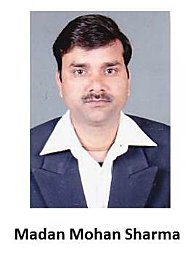 Madan Mohan Sharma合作论文数7Padmanabh Dwivedi合作论文数Department of Botany;Arunachal University;Department of Botany, Arunachal University7Ganesh Rajamani合作论文数6
 Sumita Kachhwaha合作论文数6
 Elina Maharjan合作论文数6
 Prabhat K. Chauhan合作论文数Department of Environmental Science, Purvanchal University6Divya Vyas合作论文数6
 Saxena Juhi合作论文数CSIR - Central Drug Research Institute6
 Vinod Saharan合作论文数Applied Research;Ben-Gurion University;Applied Research, Ben-Gurion University6
 Shanker Lal Kothari合作论文数Department of Botany, University of Rajasthan6
 Harishkumar Madhyastha合作论文数Faculty of Agriculture, Miyazaki University6Aradhana Sukhwal合作论文数5Shanti Kumar Sharma合作论文数5
 M.K. Mahla合作论文数Rajasthan Coll Agr, Maharana Pratap Univ Agr & Technol5
 Ravish Choudhary合作论文数Seed Sci & Technol, ICAR Indian Agr Res Inst5
 Ravindra Kumar Jain合作论文数Rajasthan Coll Agr, Maharana Pratap Univ Agr & Technol5
 Radheshyam Sharma合作论文数Jawaharlal Nehru Krishi Vishwa Vidyalaya5
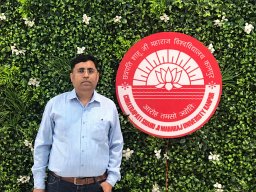 Mishra Rajeev合作论文数5Harshdeep Dhaliwal合作论文数4
 S. K. Sharma合作论文数4
 B. L. Baheti合作论文数4
 C. Ankit合作论文数Dept Biosci, Manipal Univ4
 Taneja Neetu Kumra合作论文数Department of Microbiology and Immunology.4
 Manoj K Upadhyay合作论文数Belgaum4
 Bharati Kollah合作论文数4




