Abstract. Polapa FS, Rani C, Jompa J, Suharto. 2026. Coral resilience in marginal reefs of South Sulawesi, Indonesia. Biodiversitas 27 (3): d270333. https://doi.org/10.13057/biodiv/d270333. Coral reefs face escalating global and local threats, yet data on coral resilience to inform rehabilitation strategies remain limited, especially in marginal environments. We compared coral community structure and water quality between marginal and reference reefs in South Sulawesi, Indonesia, to identify stress-adapted genera with restoration potential. Generic diversity was comparable between marginal (16.3±7.5 genera) and reference sites (17.5±3.5 genera), but reference reefs exhibited 2.6× higher coral abundance. Coral abundance showed a strong negative correlation with water quality (r = -0.82). Non-metric multidimensional scaling revealed clear community segregation between reef types, with reef type explaining 37.6% of the variation in composition. Using performance ratios (marginal/reference abundance), we identified Turbinaria (exclusive to marginal sites), Platygyra (ratio = 4.60), Dipsastraea (4.00), and Galaxea (3.13) as genera with exceptional adaptive potential under marginal conditions. Despite a lower performance ratio (0.26), Porites maintained the highest absolute abundance across all sites, highlighting its ecological importance. Our findings provide science-based criteria for coral species selection in restoration programs. We recommend a combined strategy, prioritizing high-performance-ratio genera (Turbinaria, Platygyra, Dipsastraea, Galaxea) for their adaptive advantages while including ecologically dominant, stress-tolerant taxa like Porites to enhance restoration success. This recommendation is specifically targeted for reefs experiencing moderate water quality degradation (STORET scores 12-18) and elevated sedimentation as documented at our nearshore marginal sites in South Sulawesi. This targeted approach leverages marginal reefs as reservoirs of stress-adapted genotypes, offering a practical strategy for enhancing reef recovery in rapidly changing tropical seascapes. Our study underscores the conservation value of marginal reefs and provides actionable insights for reef restoration in Indonesia and similar regions facing cumulative environmental pressures.
Land and sea are ecologically connected, and effective conservation of coastal ecosystems requires integrated planning that addresses threats spanning both realms. Deforestation in tropical catchments delivers sediment, nutrients, and other pollutants to downstream coral reefs, where these can impair coral physiology and alter reef community structure and resilience. Failing to address these cross-realm threats impacts ecosystem services vital to forest and coastal communities. A growing body of work has developed ridge-to-reef modelling approaches to link land-use change to downstream marine impacts. Yet, integrating these dynamics into spatial conservation planning remains challenging, particularly at large spatial scales and while accounting for socio-economic costs. Here, we compare alternative ridge-to-reef spatial planning strategies that integrate conservation actions on land and sea, showing that explicit representations of land–sea connectivity can substantially reduce future sediment exposure on reefs. Across the hyper-diverse Wallacea bioregion in Indonesia, we estimated sediment yields from terrestrial catchments for present and future deforestation scenarios. We then quantified and mapped how runoff affected downstream turbidity on reefs. Projected future sediment runoff to reefs varied widely, with the greatest impacts concentrated near large river catchments and deltas, especially in central-southeast Sulawesi. Joint land–sea conservation scenarios reduced reef sedimentation by 25% more than strategies that treated land and sea separately, with approaches that account for where sediment reaches reefs outperforming simpler proxies based on adjacency or distance. In the face of widespread deforestation and reef decline across the tropics, applying data-driven ridge-to-reef conservation approaches could provide major benefits for people and biodiversity.
ABSTRACT Bomb fishing is recognised as the most destructive fishing practice that can be performed in our oceans. This practice involves the use of improvised explosives to stun or kill fish for harvest. Bomb fishing is primarily undertaken on highly threatened tropical coral reef habitats where it accelerates ecological degradation that destabilises communities dependent on these habitats. However, the true extent of bomb fishing in impacted regions is unknown, making it difficult to identify hotspots and activity patterns required to inform management. Here, we present the first quantitative estimate of bomb fishing intensity and temporal patterns in the Spermonde Archipelago, South Sulawesi, Indonesia—a global marine biodiversity hotspot. We developed a machine learning‐based acoustic monitoring system (BombDetect), with an estimated detection distance of at least 16.95 km, and deployed this over a 16‐month period to measure bomb fishing incidents. From the 3698.88 h of audio gathered, we detected and verified 3,567 blasts, equivalent to 23.14 per day, equating to 8446.1 blasts and up to 16.72 ha of reef degradation per year. Bomb fishing occurred year‐round, mostly during daylight hours, with significant reductions on Fridays (local prayer day) and during a period of stormy weather. These findings quantify patterns of occurrence of a dominant driver of long‐term reef decline in the region. We demonstrate the efficacy of a low‐cost approach for quantifying this underreported destructive fishing pressure at scale, which can be readily adapted to other impacted regions to support urgent conservation action.
The Coral Triangle is the region in the Indo-Pacific with the highest diversity of reef organisms. Coral reefs here have experienced increased anthropogenic stressors since the late 1970s due to destructive fishing, land reclamation, industrialization, and agriculture. Biological observations in the Spermonde Archipelago (SW Sulawesi, Indonesia) started only after large-scale disturbances had begun limiting insights into long-term reef assemblage dynamics. To address this knowledge gap and mitigate shifting baseline bias, we documented assemblage shifts over centennial/millennial timescales using 16 reef sediment cores from two islands in this area. These cores, previously dated using radiocarbon methods, documented the geomorphic history of these islands. We expand upon this by investigating coral, sponge, and foraminifera assemblage shifts over the past 7200 years. Our findings reveal transitions from more mixed growth forms (foliose, massive, and free-living) to predominantly branching Acroporidae over the last 6000 years, likely driven by changing sea-level regimes. The scleractinian species Palauastrea ramosa (Yabe and Sugiyama 1941) was represented in several core samples but has never been observed in modern surveys, suggesting a historical shift in coral assemblages. Foraminiferal assemblages on the reef flat transitioned from dominance of coral/rubble-associated taxa to more algal-associated substrates in recent times. Sponge spicule assemblages indicate a persistence of cryptic/excavating sponges over the past 2000 years. Since these sponges are associated with coral rubble, their presence suggests that declining coral cover has created more rubble habitat in recent millennia. These findings demonstrate that assemblage shifts began centuries to millennia before modern anthropogenic stressors accelerated these changes.
Coral reef degradation in the Spermonde Archipelago has reached alarming levels, driven by natural and anthropogenic factors. This study integrated quantitative (community perception surveys, ecological monitoring using Line Intercept Transect (LIT), Underwater Photo Transect (UPT), and drone methods) and qualitative (Focus Group Discussion - FGD) approaches to analyze coral reef conditions and design a community-based mitigation model. The results showed that: (1) There is a gradient in coral reef damage closely related to water quality, with Lae-Lae Island (turbid waters) dominated by dead coral and coral debris, while Lanyukang Island (clear waters) maintains significant live coral cover; (2) Community awareness of degradation is high (58
Abstract. Monsoon-driven fluvial discharge exerts strong environmental control on water quality and carbonate sediment composition in tropical shelf systems, yet the capacity of photosymbiont-bearing calcifiers to sustain carbonate production under monsoon-amplified turbidity and nutrient loading across semi-enclosed platforms remains poorly understood. We here investigate inter-reef facies patterns and benthic foraminiferal assemblages across the Spermonde Archipelago (southwest Sulawesi, Indonesia), a land-attached tropical carbonate shelf subject to seasonal monsoon runoff and intensifying coastal development, using geochemical, sedimentological, and foraminiferal analyses of 51 inter-reef seafloor samples. Nearshore sediments are enriched in mud and organic matter, and dominated by heterozoan and stress-tolerant assemblages, yielding low values for the FoRAM Index (FI; an index that increases with the relative abundance of photosymbiont-bearing foraminifera), indicating conditions unfavourable for photosymbiont-bearing carbonate producers. Statistical separation of nearshore facies from all mid- and outer-shelf assemblages supports a threshold rather than gradual cross-shelf transition. This threshold is spatially asymmetrical, extending further offshore in the northern sector, likely reflecting enhanced retention of fluvially derived material within the more enclosed northern shelf geometry, with the southward Makassar Strait circulation limiting offshore dispersal. Mid- and outer-shelf deposits (~80% of the investigated area) are characterised by foramol facies dominated by benthic foraminifers, bivalves and gastropods, with Amphistegina and Operculina as the dominant symbiont-bearing foraminifera; FI values increase progressively offshore, reflecting improving photic conditions as terrestrially driven seasonal turbidity decreases with distance from the coast. Strong spatial correspondence between foraminiferal assemblages and independently derived sedimentary facies, including convergence of the foraminiferal community transition zone with foramol mud-supported carbonate sediment facies, validates the FI as an ecological proxy beyond shallow reef settings and demonstrates its utility in differentiating carbonate production modes in mesotrophic equatorial systems. These findings support a carbonate production continuum in which photozoan and heterozoan components are organised non-linearly along environmental gradients, with threshold responses emerging from the interaction of platform geometry and catchment-scale terrestrial forcing under seasonal monsoon modulation. We therefore interpret the Spermonde shelf as spatially structured by shifting autotrophic-heterotrophic balances, rather than discrete facies categories.
Passive acoustic monitoring can offer insights into the state of coral reef ecosystems at low-costs and over extended temporal periods. Comparison of whole soundscape properties can rapidly deliver broad insights from acoustic data, in contrast to detailed but time-consuming analysis of individual bioacoustic events. However, a lack of effective automated analysis for whole soundscape data has impeded progress in this field. Here, we show that machine learning (ML) can be used to unlock greater insights from reef soundscapes. We showcase this on a diverse set of tasks using three biogeographically independent datasets, each containing fish community (high or low), coral cover (high or low) or depth zone (shallow or mesophotic) classes. We show supervised learning can be used to train models that can identify ecological classes and individual sites from whole soundscapes. However, we report unsupervised clustering achieves this whilst providing a more detailed understanding of ecological and site groupings within soundscape data. We also compare three different approaches for extracting feature embeddings from soundscape recordings for input into ML algorithms: acoustic indices commonly used by soundscape ecologists, a pretrained convolutional neural network (P-CNN) trained on 5.2 million hrs of YouTube audio, and CNN's which were trained on each individual task (T-CNN). Although the T-CNN performs marginally better across tasks, we reveal that the P-CNN offers a powerful tool for generating insights from marine soundscape data as it requires orders of magnitude less computational resources whilst achieving near comparable performance to the T-CNN, with significant performance improvements over the acoustic indices. Our findings have implications for soundscape ecology in any habitat.
Reef cores that have been radiometrically dated are increasingly used to examine Holocene reef geomorphology, accretion rates, and community changes. Further, these accretion rates can be compared to sea level change regimes to see if, and how coral reefs have been keeping up with sea level. As Sea level rise is expected to accelerate over the next 100 years, it is important to examine whether these reef complexes are able to “keep up” and avoid “drowning.” Coring has been conducted in many highly studied areas such as the Great Barrier Reef and the Caribbean. However, in the Indo-Pacific region, an area of the highest coral diversity, there have been only a handful of reef cores collected. Here, we present data of 16 cores from two islands of different reef zones from the Spermonde Archipelago, South Sulawesi, Indonesia. Cores were taken from the reef flat and slope, with recovered length varying from 0.41 to 3.53 m, providing a history of each reef after radiocarbon dating. From 7200 to 5500 YBP, sea level rise rapidly increased and these reef complexes accreted at rates able to match this. This is in part driven by a higher occurrence of massive and foliose corals. After this point and toward the present day, sea level declined, causing sub-aerial exposure of these sand cays and the slope now sustaining the growth. This shows that these reef complexes (some of which contain heavily populated islands) are able to keep growing in the face of sea level rise regimes.
Emotions coordinate our behavior and physiological states during survival-salient events and pleasurable interactions. Even though we are often consciously aware of our current emotional state, such as anger or happiness, the mechanisms giving ...Emotions are often felt in the body, and somatosensory feedback has been proposed to trigger conscious emotional experiences. Here we reveal maps of bodily sensations associated with different emotions using a unique topographical self-report method. In ...
freshwater fish communities are threatened by multiple factors, including alien species and fishing pressure. The Malili complex of ancient lakes in Sulawesi, Indonesia is recognised as a biodiversity hotspot with endemic species radiations. This study focused on temporal changes in fisheries catch composition and species reported from these lakes. There has been a major shift in the species caught by local fishers from predominantly native fish, including many endemic species, to introduced fish, including invasive species. Weaknesses in fish-eries data collection and management promote the shifting baseline syndrome, highlighting the importance of preserving and publishing historical data and establishing systematic and reliable long-term data collection pro-grams and data curation systems.
The Banggai MPA is one of many Indonesian MPAs established or reestablished as a result of the shift from regency to provincial level governance over waters 0–4 NM from shore under Act 23/2014. The MPA covers a substantial proportion of Banggai Archipelago coastal ecosystems and around 90% of endangered Banggai cardinalfish (Pterapogon kauderni) endemic habitat. An expedition in 1998 reported high fish biodiversity; however, logistics and taxonomic expertise requirements mean that similar methods are not realistic for collecting baseline or monitoring biodiversity data to support MPA management. A pilot project in 2018 collected water samples (four shallow-water coastal sites, three replicates per site) around Banggai Island for environmental DNA (eDNA) metabarcoding using two molecular markers: COI mtDNA and 12S rRNA. COI data were overwhelmingly dominated by a few phytoplankton species, reflecting challenges using this marker in areas with dense phytoplankton, and could not be analyzed further. The 12S rRNA sequences were processed and aggregated into amplicon sequence variants (ASVs) using the Anacapa Toolkit. These data provide a snapshot of fish diversity by site, although accumulation curves indicate three samples per site is insufficient to provide a comprehensive record. Identified taxa overlapped and exceeded in number those detected in 1998. The percentage of ASVs unassigned at species and genus level (e.g., gobies and cardinalfishes) and taxonomic ambiguities indicate a need for combined classical taxonomic and barcoding studies to enhance nucleotide databases (GenBank/BOLD), ideally with regional voucher specimen repositories. Furthermore, the study revealed the need for further capacity building in metabarcoding data analysis.
Sulawesi and its satellite archipelagos lie within the Wallacea region and Coral Triangle biodiversity “hotspots”. Environmental DNA (eDNA) metabarcoding can help detect easily missed or challenging to identify groups such as blennies (Blenniiformes). A pilot eDNA study within the recently established Banggai MPA aimed to provide fine-scale data. Seawater samples were collected at four sites (3 replicates/site) around Banggai Island. DNA extraction (Bionesia, Bali), metabarcoding (MiFish 12S rRNA primers) and sequence library preparation (Barber Lab, University of California Los Angeles), Nextseq High-throughput sequencing, and Anacapa Toolkit analysis produced 254,847 teleost reads aggregated into amplicon sequence variants (ASVs). At 60%, 90% and 100% Bayesian confidence levels, respectively, 1612, 1610 and 1573 reads were assigned to Blenniiformes, while 15 of 20, 12 of 20 and 11 of 18 ASVs were assigned to species level. Blenniiformes ASVs comprised two families: Blenniidae (genera Atrosalarias , Cirripectes , Ecsenius , Exallias , Meiacanthus , Omobranchus , Salarias ) and Tripterygiidae (genus Enneapterygius ). Assigned genera overlapped with 1998 visual survey data. Phylogenetic analysis (MEGA 11) incorporated NCBI GenBank accessions (BLASTn tool). Blenniiformes community composition differed between sites. This study contributes baseline biodiversity data for Blenniiformes in the Banggai MPA; however, unassigned ASVs and phylogenetic analyses highlight the gaps in 12S rRNA reference databases.
The objective of this study was to analyze the dynamics of spread and tissue damage due to infection with Black Band Disease (BBD) on Pachyseris sp. and Brown Disease (BrB) on Acropora sp. Additionally, the effect of ambient temperature on transmission rates was investigated. The results demonstrated that BBD on Pachyseris sp. caused progressive tissue damage, characterized by zones of necrosis and distinctive black bands separating healthy tissue from dead tissue. At 31°C, the disease transmission rate increased twofold compared to 29°C, with an infection rate reaching 1.72 ± 0.76 cm/day. BrB on Acropora sp. showed the highest infection rate reaching 2.20 ± 0.41 cm/day at 29°C with a bacterial concentration of 106 CFU/ml. However, the infection rate decreased significantly at 31°C for all bacterial concentrations tested. The disease propagated linearly along the coral branches, manifesting as yellowish-brown discolouration attributable to symbiont ciliate activity. The virulence of pathogens such as Acinetobacter sp. increased at 31°C, accelerating the spread of necrosis through the production of toxins and enzymes that damage the coral epithelium. BrB symptoms appeared within 2 days at 29°C and only 1 day at 31°C. This study confirms that high temperature and sedimentation play a key role in accelerating disease dynamics in corals. Increasing seawater temperatures due to global climate change create ideal conditions for the spread of disease, threatening the sustainability of coral reef ecosystems. To mitigate these challenges, a multifaceted approach involving environmental management, carbon emission reduction, and the development of biotechnology to enhance coral resistance to pathogens is essential.
Sulawesi Island in the Wallacea bioregion, Indonesia, has a rich aquatic fauna, with many endemic species including freshwater snail radiations. Variations in shell morphometry can reflect diversity, distribution, interactions with other species and their environment. The purpose of this study was to identify and describe morphometric characters of gastropods from the Pattunuang Maros River, South Sulawesi. Samples were collected using a belt transect method and environmental parameters were recorded during sampling. The 87 snails collected comprised three morphotypes; two were identified as members of the Sulawesi endemic genus Tylomelania : T. wallacei (density 0.183 ind/m 2 ) and T. perfecta (density 0.178 ind/m 2 ). Morphomeristic characters measured were shell length, shell width, shell aperture length and width, body whorl length, numbers of axial and spiral ribs and whorls in the spire, and the spire angle. Regression analyses showed moderate to strong (R 2 0.73 − 0.95) allometric negative correlation between wet weight (W) and shell length, and between W and spire angle. Condition factor analyses indicate that, under the environmental conditions in the Pattunuang River, T. perfecta shell weight increased faster with length and with spire angle compared to T. wallacei , likely due to the greater shell thickness in T. perfecta .
Abstract. Parenden D, Rani C, Jompa J, Renema W, Tuhumena JR. 2024. Growth rate and survival of hard coral Acropora sp. in turbid waters of the Spermonde Islands, South Sulawesi, Indonesia. Biodiversitas 25: 3208-3216. Coral reef recovery is often done by utilizing coral reproduction or coral transplantation. The aim of this study was to observe the rate of coral growth, coral survival in turbid waters, and its relationship to environmental parameters. The method used is spider webs with coral fragments. The results of hard coral restoration research of the genus Acropora in turbid waters using web spider transplantation media showed that the growth rate of Acropora donei Veron & Wallace, 1984 and Acropora millepora (Ehrenberg, 1834) in length was faster than in width. In contrast, Acropora muricate Linnaeus, 1758 corals grew in height and width equally. The observation from the three research stations revealed the growth rate is better at station three than at other stations. Coral survival of A. donei ranged from 69-86%, A. muricata ranged from 71-77%, and A. millepora ranged from 75-83%. Environmental parameters that characterize station 1 are high nitrate and phosphate, and station 2 is temperature, power of hydrogen (pH), low salinity, and high total dissolved solid. Station 3 was characterized by low chlorophyll, conductivity, and dissolved oxygen parameters. The biplot graph revealed that it is suspected that turbidity and total suspended solid are parameters that characterize the three research stations. Based on the regression analysis results, it can be seen that the water turbidity parameter does not significantly affect coral growth with p>0.05.
In the past three decades, there has been a rise in young academy movements in the Global North and South. Such movements, in at least Germany and the Netherlands, have been shown to be quite effective in connecting scientific work with society. Likewise, these movements share a common goal of developing interdisciplinary collaboration among young scientists, which contributes to the growth of a nation’s—but also global—scientific endeavors. This paper focuses on the young academy movement in the fourth-largest country hosting the biggest Muslim population in the world, which is also the third-most populous democracy: Indonesia. We observe that there has been rising awareness among the young generation of scientists in Indonesia of the need to advocate for the use of sciences in responding to upcoming and current multidimensional crises. Science advocacy can be seen in their peer-based identification of Indonesia’s future challenges, encompassing the fundamental areas for scientific inquiry, discovery, and intervention. We focus on the Indonesian Young Academy of Sciences (ALMI) and its network of young scientists. We describe ALMI’s science communication practice, specifically SAINS45 and Science for Indonesia’s Biodiversity, and how they have been useful for policymakers, media, and school engagements. The article closes with a reflection on future directions for the young academy movement in Indonesia and beyond.
Environmental DNA (eDNA) metabarcoding has the potential to revolutionize conservation planning by providing spatially and taxonomically comprehensive data on biodiversity and ecosystem conditions, but its utility to inform the design of protected areas remains untested. Here, we quantify whether and how identifying conservation priority areas within coral reef ecosystems differs when biodiversity information is collected via eDNA analyses or traditional visual census records. We focus on 147 coral reefs in Indonesia’s hyper-diverse Wallacea region and show large discrepancies in the allocation and spatial design of conservation priority areas when coral reef species were surveyed with underwater visual techniques (fishes, corals, and algae) or eDNA metabarcoding (eukaryotes and metazoans). Specifically, incidental protection occurred for 55% of eDNA species when targets were set for species detected by visual surveys and 71% vice versa. This finding is supported by generally low overlap in detection between visual census and eDNA methods at species level, with more overlap at higher taxonomic ranks. Incomplete taxonomic reference databases for the highly diverse Wallacea reefs, and the complementary detection of species by the two methods, underscore the current need to combine different biodiversity data sources to maximize species representation in conservation planning.
 Abigail Moore合作论文数Yayasan Palu Hijau (YPH)28
 m natsir nessa合作论文数Universitas Muslim Indonesia26
 David J Smith合作论文数20
 J. Bell合作论文数School of Biological Sciences, Victoria University of Wellington20
 Ahmad Faizal合作论文数Jurusan Ilmu Kelautan20
 Chair Rani合作论文数Hasanuddin University18
 Syafyudin Yusuf合作论文数Dept Marine Sci, Hasanuddin Univ16
 Samliok Ndobe合作论文数Sekolah Tinggi Perikanan dan Kelautan (STPL) Palu Indonesia16
 Rohani Ambo Rappe合作论文数15
 Gino V. Limmon合作论文数Faculty of Fisheries and Marine Science, Pattimura University14
 Widyastuti Umar合作论文数Faculty of Marine Science and Fisheries, Universitas Hasanuddin13
 N Nadiarti合作论文数Hasanuddin University11
 Maarten De Brauwer合作论文数CSIRO Coasts and Ocean Research Program11
 Akbar Tahir合作论文数Dept Marine Sci, Univ Hasanuddin11
 Haris Abdul合作论文数Research and Development Center on Marine, Coastal and Small Islands, Hasanuddin University11
 Inayah Yasir合作论文数11
 Mann Thomas合作论文数Jouye de Grandmaison;Díaz de Mera;Pomés Ruiz9
 Dominik Kneer合作论文数9
 Asmi Citra Malina A.R. Tassakka合作论文数8
 Maria Beger合作论文数The School of Biological Sciences, The University of Queensland8
 Sebastian C. A. Ferse合作论文数Dept Ecol, Leibniz Ctr Trop Marine Res ZMT8
 Willem Renema合作论文数Nationaal Natuurhistorisch Museum8
 Chris M. Ireland合作论文数College Of Pharmacy, The University of Utah6
 Nita Rukminasari合作论文数School of Environmental and Life Sciences, University of Newcastle6
 M Litaay合作论文数Center for Coral Reef Research, Hasanuddin University6
 R. Ambo-Rappe合作论文数5
 Timothy A C Lamont合作论文数5Amanda Pricella Putri合作论文数Graduate School, Universitas Hasanuddin5
 Shinta Werorilangi合作论文数Dept Marine Sci, Univ Hasanuddin5claudio richter合作论文数5
 Neviaty P. Zamani合作论文数Fakultas Perikanan dan Ilmu Kelautan, IPB University5
 Hildegard Westphal合作论文数Leibniz Centre for Tropical Marine Research GmbH;Universität Bremen5
 Stephen Simpson合作论文数Charles Perkins Centre, The University of Sydney;School of Life and Environmental Sciences, The University of Sydney5
 Mirta Teichberg合作论文数Zentrum für Marine Tropenökologie, Fahrenheitstrasse 6, 28359 Bremen, Germany5
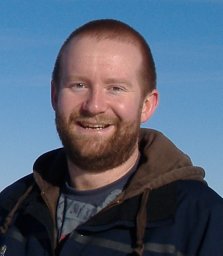 Alex J. Dumbrell合作论文数Department of Biology;University of York;Department of Biology, University of York5Laurence J. Mccook合作论文数5Matthew R. Dunn合作论文数4Mochyudho E. Prasetya合作论文数4Yannis Kappelmann合作论文数4M. Bender合作论文数4
 Dewi Shinta Achmad合作论文数Muhammadiyah University of Gorontalo4
 Elsa B. Girard合作论文数Dept Ecosyst & Landscape Dynam, Univ Amsterdam4
 Muh. Saleh Nurdin合作论文数Fac Anim Husb & Fishery, Tadulako Univ4
 Marleen Stuhr合作论文数Leibniz Ctr Trop Marine Res ZMT, Biogeochem & Geol, Bremen, Germany4
 Ben Williams合作论文数Biosciences Hatherly Laboratories, University of Exeter4
 Yvonne Sawall合作论文数Department of Benthic Ecology, GEOMAR Helmholtz Centre for Ocean Research4Janetski Noel合作论文数4
 Joleah B Lamb合作论文数James Cook University4
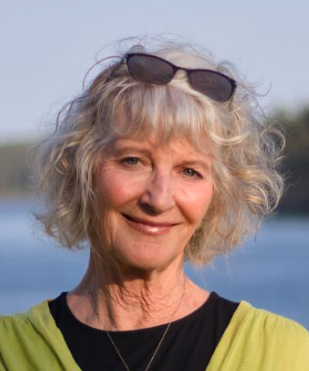 Drew Harvell合作论文数Department of Ecology & Evolutionary Biology, College of Arts and Sciences, Cornell University4




