BACKGROUND:The incidence of anterior cruciate ligament (ACL) injuries is increasing among the adolescent population, with a peak occurring in the high school age range. PURPOSE:To (1) characterize recent epidemiologic trends of ACL injuries and graft failure rates in high school adolescents, and (2) determine variables associated with sustaining a secondary ACL injury. STUDY DESIGN:Case-control study; Level of evidence, 4. METHODS:A retrospective review was performed for all patients ≤18 years who underwent primary ACL reconstruction (ACLR) between 2015 and 2020. Odds ratios were calculated for baseline patient characteristics and their association with the risk of recurrent tear. Multivariate Cox regression analysis was performed to identify the relationship between recurrent tear and specific categorical variables. RESULTS:A total of 431 patients were included, with a median follow-up of 64.9 months (range, 24-87 months). Recurrent primary graft failure was experienced in 9% of patients, and 11.1% sustained a contralateral ACL tear. The median time to postoperative graft failure was 14 months (interquartile range, 9-41.5 months). Patients with a secondary ACL injury (eg, graft failure or contralateral ACL injury) were younger than those who did not sustain a subsequent injury (mean age, 15.7 ± 1.8 years [graft failure] and 15.5 ± 1.3 [contralateral ACL injury] vs 16.2 ± 1.5 years, respectively; P = .007). Survival analysis demonstrated that younger age at primary ACLR and earlier time to return to sport (RTS) were significantly associated with an increased rate of secondary ACL injury (P < .05). With respect to combined secondary ACL injuries, as age at primary ACLR increases by 1 year, the rate of secondary ACL injury decreases by 27%. Similarly, for every subsequent 1-month delay in RTS, the risk of secondary ACL injury decreased by 13%. CONCLUSION:Younger age and earlier time to RTS after ACL injury are independent risk factors associated with sustaining both primary ACL recurrent tear and contralateral ACL injury in the adolescent patient population. Counseling of adolescent athletes should include physical therapy compliance and allow for adequate healing and time to RTS.
➢ Osteochondral autograft transfer (OAT) restores hyaline cartilage and subchondral bone in a single stage, offering a durable joint-preserving option for focal full-thickness articular cartilage defects in young, active patients. ➢ Optimal candidates have unipolar femoral condyle, patellofemoral, or tibial plateau lesions measuring 1 to 4 cm 2 ; outcomes become less predictable once the defect size exceeds 3 cm 2 . Outcomes are further influenced by age, activity level, sex, alignment, instability, and meniscal deficiency, with older, lower-demand patients and those with larger lesions demonstrating comparatively inferior results. ➢ Technical success requires meticulous recipient-site preparation, perpendicular graft harvest, and flush implantation; both arthroscopic and open approaches achieve reliable results. ➢ OAT demonstrates high return-to-sport rates (often >85% within 6 months), significant functional improvements, and superiority over microfracture. Outcomes may be comparable or superior to cellular resurfacing or allograft techniques in appropriately selected patients. ➢ Emerging biologic adjuncts, recess-filling strategies, and donor-site substitutes may enhance graft integration and reduce morbidity, although long-term clinical benefits remain unproven.
The anterior cruciate ligament (ACL) is the most commonly injured and reconstruction ligament in the United States. Associated injuries are common, oftentimes including components of the extra-articular knee. However, complications following concomitant ACL and extra-articular ligaments (EAL) has not been defined in a large-scale, population-based sample. We aimed to analyze outcomes following concomitant ACL and EAL reconstruction using the TriNetX nationwide database.ep Deidentified data from the TriNetX Collaborative Network was used to identify all patients who received ACL and EAL reconstruction on the same day. Demographic information including age, sex, race, and geographic data were collected. Rates of medical and orthopaedic complications were analyzed at 30, 90, and 180 days and at 2 years. A propensity matched sub-analysis comparing outcomes patients with concomitant and staged repair was performed. Patients were identified using Current Procedural Terminology (CPT) coding. We identified 5944 patients who received concomitant ACL and EAL reconstruction with postoperative outcomes available at 30, 90, and 180 days. 5040 patients had data available at 2 years. Serious medical complications like surgical site infection, deep vein thrombosis, acute kidney failure, and sepsis were rare at each point of follow-up. Rates of revision surgery were low at short-term follow-up but were prevalent for both procedures at 2 years (> 2
Introduction Hypocalcemia is a common metabolic deficiency, notably impacting patients above 65 years of age. With the increase in volume of total shoulder arthroplasty (TSA), it is important to understand how hypocalcemia may impact complication rates. The aim of this study was to analyze the rates of complication following TSA in hypocalcemic patients, serum calcium < 8.5 mg/dL, compared to those with normocalcemia, serum calcium >8.5 mg/dL. Materials and methods Utilizing TriNetX, healthcare organizations within the United States were queried to create two cohorts consisting of patients undergoing TSA (Current Procedural Terminology (CPT): 23472) with hypocalcemia within one month of surgery (hypocalcemia cohort) and normocalcemia within one month of surgery (normocalcemia cohort). Primary outcomes included the odds of emergency department (ED) visit, inpatient admission, wound dehiscence, intraoperative fracture, postoperative hematoma or seroma, prosthetic joint infection, joint loosening, periprosthetic shoulder fracture, and reoperation. Outcomes were stratified by timeframe and were analyzed before and after propensity score matching. Results Prior to propensity score matching, patients with hypocalcemia had an increased rate of intraoperative fracture (odds ratio (OR) 2.9, p<0.01) and postoperative hematoma or seroma (OR 2.6, p < 0.01) at seven days postoperatively. At the two-month timeframe, hypocalcemic patients demonstrated increased odds of prosthetic joint infection (OR 1.7, p<0.05), joint loosening (OR 1.8, p<0.05), periprosthetic shoulder fracture (OR 1.8, p<0.05), and reoperation (OR 1.6, p<0.05). Results at two-years demonstrated similar findings. After propensity score matching, minimal clinical differences other than ED visits and joint loosening were seen between the cohorts. Conclusions Prior to propensity score matching, hypocalcemic patients demonstrated increased odds of implant-related complications within seven days, two months, and two years after TSA. However, after propensity score matching for patient demographics and comorbidities, only joint loosening and ED visits demonstrated a statistically significant difference between cohorts. Our results suggest that chronic hypocalcemia in patients with other comorbidities can potentially serve as a proxy for the odds of postoperative complications. Additionally, our results suggest that correcting hypocalcemia prior to TSA can potentially improve postoperative outcomes.
PURPOSE:To evaluate whether systemic estrogen-only, progestin-only, or combined hormonal contraceptives (HCs) are associated with increased risk of shoulder pathologies in reproductive-age females. METHODS:A retrospective cohort study of female patients presenting to clinic from 2013 to 2020 and aged 13-50 with 5 years of follow-up was conducted using the TriNetX database. Patients prescribed estrogen-only, progestin-only, or combined HCs were matched 1:1 to controls using propensity score matching. Odds ratios (ORs) 95% confidence intervals (CIs), and P values were calculated after 5 years for 10 shoulder pathologies. RESULTS:Estrogen-only (n = 95,109) users had increased odds of rotator cuff tears (RCT; OR: 2.0, P < .001), shoulder instability (SI; OR: 1.5, P < .001), bursitis (B; OR: 2.0, P < .001), superior glenoid labral tears (SLT; OR: 1.8, P < .001), impingement (IMP; OR: 1.8, P < .001), and calcific tendinitis (CT; OR: 1.8, P < .001), with no difference in rotator cuff capsule sprains (CS; OR: 1.3, P = .117), dislocation or subluxations (DS; OR: 1.3, P = .069), acromioclavicular (AC) joint sprains (AC-S; OR: 1.3, P = .272), or AC joint dislocations (AC-D; OR: 1.2, P = .486). Progestin (n = 766,264) and combined (n = 625,809) users had increased odds for all pathologies (all P < .05), with ORs for RCT, SI, CS, DS, B, SLT, IMP, CT, AC-S, and AC-D of 1.6, 1.6, 1.3, 1.5, 1.5, 1.4, 1.6, 1.5, 1.6, and 1.2 for progestin, and 1.6, 1.6, 1.7, 1.4, 1.7, 1.6, 1.8, 1.6, 1.8, and 1.3 for combined HC users. CONCLUSIONS:The HC formulations studied were associated with increased odds of all 10 shoulder pathologies. Surgeons should be aware of these potentially increased risks when treating patients on HCs. LEVEL OF EVIDENCE:Level III, retrospective cohort study.
Purpose To determine epidemiological trends, demographic variation, and indications for shoulder arthroscopy in the United States (US). Methods We queried the TriNetX database to identify patients undergoing shoulder arthroscopy in the US. The sample was stratified by indication, location, age, sex, race, BMI, and two-year intervals. Comparisons were performed using incidence rates and incidence rate ratios. 95% confidence intervals were calculated assuming a Poisson distribution. P-values<0.05 were considered significant. Results We identified 191,549 patients who underwent shoulder arthroscopy from 2014-2024. Approximately 55% of patients were male. Most were white (73%), and the Northeast (39%) and South (34%) had the greatest representation among geographic regions. Overall incidence rate was 238.59 procedures per 100,000 patients (95% CI: 237.52-239.66). Patients aged 50-54 years had the greatest incidence rate (589.72 per 100,000). Incidence rates increased significantly with BMI (P < 0.000001) except for BMI>40.0. Rotator cuff repair was the most common indication (65.1%) followed by DCR (26.1%) and biceps tenodesis (22.3%). Conclusion Patients undergoing shoulder arthroscopy in the US are primarily older, white, male adults. Rotator cuff repair remains the most common indication. Persistent disparities in utilization exist among racial groups, sexes, and locations. Those with greater BMIs are generally more likely to undergo shoulder arthroscopy.
BACKGROUND:Non-tobacco nicotine dependence (NTND) from products like electronic cigarettes and pouches is rapidly rising. Smoking can negatively impact outcomes following arthroscopic partial meniscectomy (APM), but literature on NTND is sparse. The purpose of this study was to compare outcomes following APM in patients with and without NTND. MATERIALS AND METHODS:The TriNetX database was queried to identify patients older than 18 years who underwent isolated primary APM. Patients were stratified into 2 cohorts based on NTND history and underwent 1:1 propensity score matching on demographics, substance use, and comorbidities. Outcomes included (1) postoperative complications and health care use within 90 days, (2) opioid prescriptions within 1 year, and (3) subsequent knee surgery within 2 years. Subgroup analyses compared ipsilateral revision meniscus surgery rates and opioid prescriptions in opioid-naive patients. RESULTS:Within 90 days, patients with NTND (n = 9,594), compared to those without (n = 9,594), had higher rates of emergency department visits (P < .001), outpatient visits (P = .015), and pneumonia (P = .011). More patients with NTND were prescribed opioids at all time points within 1 year (P < .001), and they received more prescriptions starting at 1 month (all P ≤ .006). More opioid-naive patients with NTND were prescribed opioids starting at 1 month postoperatively (P < .05). Patients with NTND had higher rates of subsequent meniscus surgery at 1 year (P = .004) and 2 years (P < .001) but no differences in revision rates. CONCLUSION:NTND is associated with higher rates of health care use, complications, subsequent meniscus surgery, and opioid prescriptions, including among opioid-naive patients, following APM. Preoperative nicotine screening and patient education are warranted.
Background: Utilization of wearable technology can optimize athlete safety via monitoring and analyzing performance, transmitting real-time data to trainers and athletes, and providing biofeedback to users. Recent improvements in the size and durability of wearable sensors, sensor battery life, and the integration of web-based data storage have enabled sensors to be easily used both on and off the field for prolonged periods. Indications: In addition to optimizing physical performance during competition, wearable technology can also reduce the risk of injury through monitoring workload and identifying warning signs, improving rehabilitation and recovery, and predicting future physical performance. Technique Description: Wearable technology can calculate external workload, the physical or mechanical work performed by athletes, internal workload, and the physiologic response of an individual athlete to the external workload and environment. Results: Recently, such technology has been integrated into the National Football League for load management and Major League Baseball to monitor throwing workload and intensity during recovery. Data from wearable technology are expected to provide real-time biomechanical and physiologic data that can help quantify sport-specific performance and correlated injury risk. Muscle oxygen saturation, a biometric that can be collected through certain wearable devices, can track recovery in athletes. Discussion/Conclusion: This allows for comparison between surgical and healthy athletes to track recovery of normal physiology over time. This physiologic data can aid in a safer, timelier return to sports. Future validation of devices and data security are crucial for future adoption of this technology. Patient Consent Disclosure Statement: The author(s) attests that consent has been obtained from any patient(s) appearing in this publication. If the individual may be identifiable, the author(s) has included a statement of release or other written form of approval from the patient(s) with this submission for publication.
➢ Osteochondral autograft transfer (OAT) restores hyaline cartilage and subchondral bone in a single stage, offering a durable joint-preserving option for focal full-thickness articular cartilage defects in young, active patients. ➢ Optimal candidates have unipolar femoral condyle, patellofemoral, or tibial plateau lesions measuring 1 to 4 cm 2 ; outcomes become less predictable once the defect size exceeds 3 cm 2 . Outcomes are further influenced by age, activity level, sex, alignment, instability, and meniscal deficiency, with older, lower-demand patients and those with larger lesions demonstrating comparatively inferior results. ➢ Technical success requires meticulous recipient-site preparation, perpendicular graft harvest, and flush implantation; both arthroscopic and open approaches achieve reliable results. ➢ OAT demonstrates high return-to-sport rates (often >85% within 6 months), significant functional improvements, and superiority over microfracture. Outcomes may be comparable or superior to cellular resurfacing or allograft techniques in appropriately selected patients. ➢ Emerging biologic adjuncts, recess-filling strategies, and donor-site substitutes may enhance graft integration and reduce morbidity, although long-term clinical benefits remain unproven.
PURPOSE:To analyze the incidence of shoulder dislocations in a nationwide sample from 2014 to 2024 among various demographic factors and determine rates of surgical intervention within 1 year of dislocation. METHODS:Utilizing the deidentified data within the United States Collaborative Network in TriNetX platform, the incidence of shoulder dislocations from 2014 to 2024 was determined for patients aged 18 and older who presented to either emergency departments or ambulatory settings. The demographic information of age, sex, and race was collected to further stratify the incidence rates (IRs) for comparative analysis, and treatment approaches were determined by current procedural terminology coding. RESULTS:From 2014 to 2024, there were 48,646 instances of adult shoulder dislocations recorded in the United States TriNetX database. The overall IR was 8.26 per 100,000 person-years. Males showed a significantly greater IR (11.10 per 100,000 person-years) than females (6.10 per 100,000 person-years). IR by age showed a bimodal distribution with the highest rates occurring in the 18 to 24 and 75 to 84 age groups. While only 5.40% of patients were treated with surgery within 1 year, more than 70% of those surgically treated underwent arthroscopic stabilization. CONCLUSIONS:Shoulder dislocations in adults in the United States showed a bimodal age distribution from 2014 to 2024, occurring most commonly in young adults and elderly individuals susceptible to falls at particularly high risk. Overall, males are at a higher risk than females. While rates of arthroscopic treatment remained relatively consistent, they comprised more than 70% of surgical procedures. CLINICAL RELEVANCE:This study identifies current at-risk populations, potential risk factors, and changes in orthopedic care regarding adult shoulder dislocations over the past decade.
Background and Objective:Acromioclavicular (AC) joint sprain and sternoclavicular (SC) joint injuries commonly occur in contact athletes due to the direct-blow mechanism of injury. Despite the high prevalence in this patient population, a small degree of literature on AC and SC joint injuries specifically pertain to contact athletes. The goal of this narrative review is to analyze the literature pertaining to AC and SC joint injuries in both contact athletes and the general population and to provide treatment recommendations specifically for the contact athlete. Methods:A review of PubMed and MEDLINE was completed to identify articles reporting on the surgical and nonoperative treatment of AC and SC joint injuries in athletes. In this initial screen, the authors excluded general reviews, case reports, duplicate studies between databases and publications in languages other than English. The quality of included studies was assessed using the Methodological Index for Nonrandomized Studies (MINORS). The authors then conducted a search for studies comparing non-operative to operative treatment of AC and SC joint injuries, in addition to studies comparing between operative technique. Key Content and Findings:Non-operative management of AC and SC joint injuries offer an acceptable return-to-play timeline. Despite persistent pathologic radiographic appearance in certain cases of non-operative management, clinical outcomes are generally equivalent between athletes treated non-operatively as compared to operatively. In cases of a failed course of nonoperative treatment, surgical management can achieve high return-to-sport rates, though is generally associated with longer recovery intervals. Despite mechanism of injury, rate of successful return to previous level does not appear to correlate with degree of contact in a sport, but instead with overhead demand of the sport. Conclusions:Contact athletes with AC and SC joint injuries should be trialed with a course of nonoperative management, even in higher grade injuries, with some exceptions. Athletes should be appropriately counseled, with particular attention paid to positions requiring increased overhead demand. When surgery is required, non-rigid anatomic fixation allows for a high rate of return to sport with less complications compared to rigid fixation.
Purpose To evaluate the association between various hormonal contraception (HC) formulations and pathology around the hip. Methods The TriNetX U.S Collaborative Network database was used to complete a retrospective review of female patients, aged 13 to 50 years old, who were on sex hormone modulation. The primary outcome assessed was the development of pathology around the hip occurring within 5 years of starting various forms of HC. The included pathologies were greater trochanteric pain syndrome (GTPS), labral tear, femoroacetabular impingement syndrome (FAIS), or any combination of those injuries. The categories of HC were a progestin-only cohort and a mixed estrogen-progestin cohort. Odds ratio (OR) with a 95% confidence interval (CI) was used to measure the association between exposure to HC and development of hip pathology. Statistical significance was set to P < .05. Results After 1:1 propensity matching, a total of 1,397,123 patients were included in the final analysis. Progestin-only hormonal contraceptives (HCs) were associated with a greater likelihood of developing GTPS (OR 1.93, P < .001), labral tear (OR 1.75, P < .001), FAIS (OR 1.63, P < .001), or a form of combined hip pathology (OR 1.83, P < .001) compared with the control group. The mixed-HCs also were associated with a greater likelihood of developing GTPS (OR 2.13, P < .001), labral tear (OR 2.21, P < .001), FAIS (OR 1.82, P < .001), or a form of combined hip pathology (OR 2.10, P < .001) compared with the control group. Conclusions There is an association between systemic HC and hip pathology 5 years after initiation of HC among female patients aged 13 to 50 years old. Both progestin-only HCs and mixed-HCs were associated with a greater likelihood of developing GTPS, labral tear, FAIS, or a form of combined hip pathology compared with their control groups. Level of Evidence Level IV, retrospective case-control series.
Background: Femoroacetabular impingement (FAI) is commonly treated with hip arthroscopy and cam under-resection is a common reason for failure. Cam resection is assessed intraoperatively using radiographic parameters. However, currently used parameters have had equivocal results predicting patient reported outcomes (PROs). Hypothesis/Purpose: The purpose of this study was to define a novel radiographic parameter, reflection index, which can be used to assess cam resection. We hypothesized that the postoperative reflection index correlated with outcomes following hip arthroscopy. Study Design: Cohort study Methods: Patients with symptomatic FAI undergoing primary hip arthroscopy between 2019 and 2021 were identified. Preoperative and postoperative alpha angle, head-neck offset ratio (HNOR), and reflection index were measured. Reflection index was defined as a curvilinear area superior to the femoral neck divided by a curvilinear area inferior to the femoral neck on 45° Dunn lateral radiograph. A reflection index of 1 was defined as a perfect cam resection. PROs were obtained preoperatively and 2 years postoperatively includig modified Harris Hip Score (mHHS), PROMIS Global Physical Health (GPH), PROMIS Global Mental Health (GMH) and visual analog scale pain (VAS) scores. Multivariate and logistic regression models were utilized to evaluate the predictive value of each radiographic measure on outcomes. Results: Sixty-three hips met eligibility criteria with mean age of 29.13 years and 44 (69.84%) females. Multivariate regression revealed reflection index further from 1 to be an independent predictor of lower postoperative mHHS, GPH, and higher VAS with regression coefficients of -137.099 (p<0.001), -49.747 (p=0.004), 9.548 (p=0.038), respectively, for the transformed variable Abs(log reflection index). Reflection index closer to 1 was an independent predictor of achieving PASS and SCB for mHHS at 2 years. Alpha angle and HNOR had no association with postoperative mHHS, GPH, GMH or VAS scores. Conclusion: Reflection index can be used to assess cam resection in hip arthroscopy. Postoperative reflection index closer to 1 was an independent predictors of superior postoperative outcomes. Alpha angle and HNOR failed to predict outcomes. Reflection index may be a useful radiographic assessment in hip arthroscopy to guide cam resection intraoperatively and provide prognostic value post-operatively. Key Terms: Hip arthroscopy, cam resection, radiographic assessment, patient reported outcomes.
Background: Examining the markup ratio (MR), which is the ratio of health care institutions submitted charges to Medicare payments, is essential for informing policies on price transparency and health care affordability in the setting of declining reimbursement for orthopaedic procedures. While MRs have been extensively studied in both arthroplasty surgery and other specialties, revealing their high variability, there is limited research on MRs for orthopaedic sports procedures and the potential for "surprise billing" among patients undergoing these services. Purpose/Hypothesis: This study aimed to (1) quantify MRs for the 15 highest-volume orthopaedic sports procedures and (2) assess longitudinal trends from 2014 to 2021. It was hypothesized that the submitted charges and Medicare reimbursements for these procedures would reveal persistently high MRs. Study Design: Cross-sectional study. Methods: This review evaluated the top 15 Healthcare Common Procedure Coding System (HCPCS) codes related to orthopaedic sports medicine in December 2023. The mean and median MRs for each Current Procedural Terminology procedure were analyzed at the national, regional, and sex levels over the study period. Descriptive statistics-including median, interquartile range, mean, and standard deviation-were calculated for the included MRs at the national, state, and HCPCS-code levels. Mann-Kendall trend tests were used to analyze the trend of MRs from 2014 to 2021. Results: The included orthopaedic sports procedures had a median MR between 5.81 and 6.30, revealing no significant changes from 2014 to 2021. Two types of primary procedures had MRs of >10, including shoulder arthroscopy with extensive debridement (16.79) and patellar tendon repair (13.66). No significant sex differences were observed for the median MR among men (P = .081) and women (P = .266). Conclusion: Our review revealed that orthopaedic sports procedures consistently had high MRs; however, no significant changes were found in MR trends from 2014 to 2021. Our findings suggest that while inflation-adjusted Medicare reimbursement has declined, MRs have remained stable.
Football players are at an increased risk for posterior shoulder instability compared to other sports due to certain sport-specific motions that involve posteriorly directed force on the shoulder in a vulnerable position. Management of posterior instability, both nonoperative and operative, is aimed at preventing recurrent instability. Regardless of treatment, timing of return to play revolves around avoiding reinjury and prioritizing player safety. This article provides a review of the current treatment modalities of posterior shoulder instability and the return to play criteria that must be met prior to releasing the player to competition. Posterior shoulder instability was traditionally thought to occur predominately in offensive linemen. However, recent literature suggests it can also commonly be found in other players, including defensive linemen and quarterbacks. Current research reports high return to play rates for athletes that undergo arthroscopic posterior capsulolabral repair. Whereas, there is limited literature regarding return to play rates after posterior bony augmentation and management of reverse Hill-Sachs lesions. Rehabilitation and return to play protocols have been recommended but are nonspecific to American football. Posterior shoulder instability has the potential to sideline young athletes for an extended time and presents a complex challenge to both the athlete and the treating physician. Although the ultimate goal is to facilitate return to play, the physician must balance this with minimizing the risk of re-injury.
Purpose To assess hip arthroscopy epidemiology in the United States from 2015 to 2023 and provide projections through 2030, as well as analyze rates of postoperative complications. Methods The TriNetX/U.S. Collaborative Networks database was used to identify patients aged 10 to 89 years who underwent hip arthroscopy in the United States from 2015 to 2023. Demographic information, such as age, sex, and body mass index, was analyzed. Prevalence (P), incidence proportion (IP), and incidence rate (IR) were measured. Regression modeling was used to project through 2030. Complications such as femoral neck fracture, hemarthrosis, septic arthritis, hip dislocation/instability, avascular necrosis, osteoarthritis (OA), and conversion to total hip arthroplasty (THA) were also analyzed. Results In TriNetX, 25,903 patients underwent hip arthroscopy in the United States from 2015 to 2023. In 2023, 2,427 hip arthroscopies occurred, a 97% increase compared with 1,236 in 2015. Annual database incidence is projected to increase to more than 4,800 cases by 2030. In 2023, prevalence was greatest in female patients aged 20 to 24 years, whereas incidence was greatest in female patients aged 15 to 19 years. Femoral neck fracture, hip dislocation, septic arthritis, and avascular necrosis occurred in <1% of patients within 2 and 5 years postoperatively. Male patients had greater risk for all complications aside from hemarthrosis and trochanteric bursitis, which were greater in female patients at 5 years. In total, 17% of patients developed OA, with 9.8% requiring conversion to THA within 5 years. Most (>80%) who converted to THA were older than 30 years of age at time of hip arthroscopy. There were no sex-based differences in conversion to THA. Conclusions Our analysis reveals a substantial increase in hip arthroscopy, with projections indicating a continued surge. Despite low complication rates, male patients were found to be at greater risk of most complications aside from hemarthrosis and trochanteric bursitis, which were higher in female patients. The incidence of developing OA and conversion to THA remains significant. Level of Evidence Level IV, retrospective case series.
Background: Selective androgen receptor modulators (SARMs) are small-molecule compounds that exert agonist and antagonist effects on androgen receptors in a tissue-specific fashion. Because of their performance-enhancing implications, SARMs are increasingly abused by athletes. To date, SARMs have no Food and Drug Administration approved use, and recent case reports associate the use of SARMs with deleterious effects such as drug-induced liver injury, myocarditis, and tendon rupture. Purpose: (1) To provide a comprehensive synthesis of the literature pertaining to SARMs from a sports medicine perspective and (2) to provide a better understanding of the clinical effects, treatment protocols, prevalence, and potential contamination associated with athlete-consumed SARMs. Study Design: Systematic review; Level of evidence, 4. Methods: A systematic review of the English-language literature from PubMed, Cochrane, and Embase databases was performed according to the PRISMA (Preferred Reporting Items for Systematic Reviews and Meta-Analyses) guidelines. Articles relevant to SARM clinical outcomes, elimination profiles, contamination, safety profiles, prevalence, and doping control were included. Results: A total of 72 articles from 2003 to 2022 were identified for inclusion. The prevalence of SARM use among athletes is estimated to be 1% to 3%. SARM preclinical and clinical studies reported significant increases in lean body mass and side effects—including bone remodeling, testosterone suppression, and kidney, liver, and prostate enlargement. Thirteen case reports described 15 cases of SARM abuse. All described patients were men, with a median age of 32 years (range, 19-52 years), more than half were identified as athletes (8/15), and all ingested SARMs orally for a mean course of 8 weeks. Five patients described in the case reports explicitly denied “illicit drug use,” implying patients may believe their use to be legal. Athletes most commonly purchased SARMs online, and most of these compounds have been shown to be contaminated with other substances, contributing to adverse effects. Athletes reported consuming SARMs at much higher doses than clinically studied, which may increase the risk of the reported side effects, such as liver injury, impaired insulin sensitivity, cardiovascular events, and tendon damage. Conclusion: The results of this systematic review serve to educate sports medicine clinicians and researchers on how to better identify, diagnose, and treat athlete SARM abuse. SARM use is associated with increased muscle mass, hepatotoxicity, cardiotoxicity, tendon damage, and androgenic side effects throughout the body—including prostate enlargement and serum testosterone suppression. Identifying and treating SARM abuse requires taking a thorough substance and supplement use history with open communication, providing literature-supported patient education, negotiating SARM discontinuation, and performing multidisciplinary treatment of adverse events. Athlete SARM abuse is increasingly widespread and unsafe, and public health oversight bodies should advocate for regulation of these gray-market compounds.
Background:The Physician Payments Sunshine Act mandated the public reporting of all industry payments above a $10 value that are disbursed to physicians in the United States. Understanding the pattern of research payments among sports medicine orthopaedic surgeons (SMOSs) may help uncover potential biases and conflicts of interest, thereby promoting transparency and ethical conduct in musculoskeletal research. Purpose:To identify trends in private research payment distribution among SMOSs and to explore potential sources of disparity in the disbursement of research-related private funding. Study Design:Cross-sectional study. Methods:A cross-sectional analysis of the Open Payments Database was conducted between 2015 and 2021 to identify research payments disbursed to SMOSs. The h-index, number of publications, and years since completion of residency/fellowship training were collected from Scopus and the affiliated institution profile. Descriptive statistics were conducted for payments at the individual surgeon level. Wilcoxon rank-sum tests were utilized to assess the difference in median payment disbursement by surgeon sex. Nonparametric analyses were performed to identify predictors for payment. Results:During the study period, $81,268,687 in private research payments from 79 different industry companies was disbursed to 578 sports medicine surgeons at 397 different institutions. Sports medicine projects represented 23% of all orthopaedic payments, growing from 18% in 2015 to 26% in 2021. Male surgeons comprised 96% of all SMOSs receiving funding and collected 98% of the research payments. There was no statistically significant difference between the median male or female payment. However, the h-index, number of publications, and number of years in practice were all significantly associated with greater median private research payment in a univariate quantile model. The h-index and years out of training were positively associated with greater private research payment in the multivariate model. Conclusion:There was no statistically significant difference in median payment to SMOSs between sexes. A higher h-index and more years out of training were associated with receiving larger private research payments.
Purpose To evaluate the epidemiology of hamstring tendon injuries in the United States from 2015 to 2024 and to project incidence trends through 2030. Methods Patients diagnosed with hamstring strains between 2015 and 2024 were identified using International Classification of Diseases, 10th Revision code S76.31. Data were collected using the TriNetX US Collaborative Research Platform, which includes over 120 million deidentified patient records. Incidence proportion was calculated annually. Demographic substratification by age and sex was performed, and linear regression was used to project incidence through 2030. Results A total of 118,197 patients with hamstring injuries were identified, with a mean age of 48.7 years; 49% were female. In 2024, hamstring injury incidence was 42.79 per 100,000 (95% confidence interval, 42.01-43.98), a significant increase from 11.61 per 100,000 (95% confidence interval, 11.28-11.94) in 2015 (P < .001). A bimodal distribution was noted, with the highest total number of injuries in adults aged 60 to 64 years and the highest incidence proportion in those aged 15 to 19 years. Under age 35 years, males had higher injury rates, while over age 35 years, females had higher rates. Projections estimate that incidence will rise to 56.2 per 100,000 by 2030 (R2 = 0.83), reflecting a 6.7% average annual increase through 2030. Conclusions There is a rising burden of hamstring injuries in the general population, with the highest incidence among older adults and young people. Projections based on current trends estimate that the annual incidence of these injuries will continue to rise. Level of Evidence Level IV, descriptive epidemiologic study.
BACKGROUND:Femoroacetabular impingement (FAI) is commonly treated with hip arthroscopy, and cam underresection is a common reason for failure. Cam resection is assessed intraoperatively using radiographic parameters. However, currently used parameters have had equivocal results predicting patient-reported outcomes (PROs) after hip arthroscopy for FAI. PURPOSE/HYPOTHESIS:The purpose of this study was to define a novel radiographic parameter, termed the "reflection index," which can be used to assess cam resection. The authors hypothesized that the postoperative reflection index would correlate with outcomes after hip arthroscopy. STUDY DESIGN:Case series; Level of evidence, 4. METHODS:Patients with symptomatic FAI undergoing primary hip arthroscopy between 2019 and 2021 were identified. Pre- and postoperative alpha angle, head-neck offset ratio (HNOR), and reflection index were measured. Reflection index was defined as a curvilinear area superior to the femoral neck divided by a curvilinear area inferior to the femoral neck on 45° Dunn lateral radiograph. A reflection index of 1 was defined as a perfect cam resection. PROs were obtained preoperatively and 2 years postoperatively, including modified Harris Hip Score (mHHS), PROMIS Global Physical Health, PROMIS Global Mental Health, and visual analog scale (VAS) for pain. Multivariate and logistic regression models were utilized to evaluate the predictive value of each radiographic measure on outcomes. RESULTS:Sixty-three hips met eligibility criteria; the mean age was 29.13 years and 44 (69.84%) patients were female. Multivariate regression analyses revealed that a reflection index that deviated further from 1 was an independent predictor of lower postoperative mHHS and Global Physical Health and higher VAS, with regression coefficients of -137.099 (P < .001), -49.747 (P = .004), and 9.548 (P = .038), respectively, for the transformed variable abs(log(reflection index)). A reflection index closer to 1 was an independent predictor of achieving the Patient Acceptable Symptom State and substantial clinical benefit for mHHS at 2 years. Alpha angle and HNOR had no association with postoperative mHHS, Global Physical Health, Global Mental Health, or VAS scores. CONCLUSION:The reflection index can be used to assess cam resection in hip arthroscopy. A postoperative reflection index closer to 1 was an independent predictor of significantly superior PROs at final follow-up. Alpha angle and HNOR failed to predict outcomes. Thus, the reflection index may be a useful radiographic assessment in hip arthroscopy to provide prognostic value postoperatively and potentially guide resection if future technology allows for intraoperative calculation.
 Michael Salata合作论文数43
 Derrick Knapik合作论文数39
 Calcei Jacob G合作论文数26Karns Michael R合作论文数23
 Robert Gillespie合作论文数22
 Nikunj N Trivedi合作论文数21
 Lakshmanan Sivasundaram合作论文数18Bryan T. Kelly合作论文数17
 Dhruv R. Seshadri合作论文数Sonica Health;Sibel Health;Sonica Health, Sibel Health13
 Russell F Warren合作论文数Department of Orthopaedic Surgery, Weill Cornell Medical College;Hospital for Special Surgery13Sunita Rp Mengers合作论文数11Pearle Andrew D合作论文数hospital for special surgery11Michael K. Shindle合作论文数10
 Yazdan Raji合作论文数9
 Joseph Tanenbaum合作论文数Department of Epidemiology and Biostatistics, Case Western Reserve University School of Medicine9
 Colin Drummond合作论文数Department of Addictions Sciences, School of Academic Psychiatry, Institute of Psychiatry, Psychology & Neuroscience, King’s College London9Thomas L. Wickiewicz合作论文数9
 Harlow Ethan R合作论文数Beth Israel Deaconess Medical Center, Harvard Medical School8
 Charles A Su合作论文数7Christopher J McMellen合作论文数7
 Margaret Sinkler合作论文数7
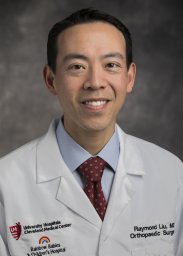 Raymond W. Liu合作论文数7
 Craig S Mauro合作论文数7Ryan Li合作论文数6John T Strony合作论文数6Benton E. Heyworth合作论文数6Benjamin J. Geletka合作论文数5Joseph Sheehan合作论文数5Andrew Paliobeis合作论文数5
 Maak Travis G合作论文数Hospital for Special Surgery, New York, NY 10021, USA. maakt@hss.edu5
 Wetzel Robert J合作论文数Department of Orthopaedic Surgery, Northwestern University Feinberg School of Medicine5
 Answorth A. Allen合作论文数Weill Cornell Medical College5
 Mark C Drakos合作论文数5Mark W LaBelle合作论文数4Chang-Yeon Kim合作论文数4
 Nikhil Vasireddi合作论文数4
 Jason Ina合作论文数Division of Pediatric Orthopaedics.4
 Jerry Du合作论文数4
 Sommer Hammoud合作论文数4Gebhart Jeremy J合作论文数4David W. Altchek合作论文数4
 Shane J. Nho合作论文数Schulthess Clinic Hip Service Zurich4
 James Rowbottom合作论文数4christopher m shaw合作论文数3Joe Sheehan合作论文数3Helina D. VanBibber合作论文数3Mingda Chen合作论文数3
 Mitchell L Thom合作论文数Case Western Reserve University3
 Ryan J Furdock合作论文数3




