Geopolymer concrete has emerged as a promising eco-friendly alternative to conventional cementitious materials, particularly for sustainable underwater engineering applications. However, its inherent brittleness limits its broader use in such environments. To address this challenge, this study developed and evaluated an innovative underwater ultra-high-performance geopolymer concrete (U-UHPGC). The effects of varying water-to-precursor (w/p) ratios (0.33, 0.30, and 0.27) and two fly ash (FA) to ground granulated blast furnace slag (GGBFS) ratios (5:5 and 2:8) on the anti-washout resistance, rheological behavior, mechanical performance, and microstructural characteristics of U-UHPGC were systematically investigated. The results revealed that lower w/p ratios and higher GGBFS contents significantly enhanced the yield stress and plastic viscosity of the paste, thereby improving its resistance to washout in underwater conditions. Furthermore, the optimized mix design achieved compressive and flexural strengths of up to 81.84 MPa and 12.83 MPa, respectively, alongside excellent flexural deformation capacity. Microstructural analysis demonstrated that reduced w/p ratios and increased GGBFS content led to a denser matrix, promoting stronger interfacial bonding between polypropylene fibers and the matrix. This enhanced bonding allowed the fibers to effectively bridge and arrest cracks. As a key environmental advantage, the U-UHPGC formulation embodies a substantial reduction approximately 40 % in both energy demand and carbon footprint over traditional U-UHPC. These findings contribute valuable insights for the advancement of high-performance geopolymer concretes tailored for durable and sustainable marine infrastructure.
The complexity of cement paste's multiscale pore structure, encompassing interlayer, gel, and capillary pores, presents a significant modeling challenge due to the absence of a unified theory specifically addressing interlayer pores. A novel DFT-based interlayer pore model is developed and integrated into a physicochemical framework to simulate the water sorption and shrinkage of cement paste, and validated with extensive experimental data. Results reveal that sorption hysteresis arises from combined multiscale porosity at high relative humidity (RH) but is solely governed by interlayer pores at low RH, where, accordingly, the scanning loop hysteresis vanishes due to cavitation. Moreover, interlayer pores are the predominant source of macroscopic shrinkage and its hysteresis of cement paste, followed by the contribution from pore surface sorption. Elevated temperatures reduce both water content and shrinkage, with the impact being most significant on water content during desorption and on shrinkage during adsorption.
Ensuring the long-term durability of glass fiber-reinforced polymer (GFRP) bars poses a significant challenge in practical applications, particularly in marine environments. Moisture absorption by GFRP bars causes hydrolysis and plasticization of the polymer matrix, resulting in a decline in both their stiffness and strength. Furthermore, the penetration of detrimental ions (e.g., OH-) with moisture accelerates the degradation of GFRP bars. Therefore, clarifying the moisture absorption behavior of GFRP bars is crucial for investigating their durability. Previous studies have indicated that the initial moisture absorption in GFRP bars conforms to the Fickian model. However, with prolonged exposure, anomalous diffusion behavior emerges, characterized as non-Fickian diffusion. This paper reviews existing models for nonFickian diffusion, highlighting their shortcomings. Gravimetric experiments were then conducted on GFRP bars with diameters of 6, 10, and 14 mm, immersed in portable water at temperatures approximately 23, 40, and 60 degrees C. Based on the test results and underlying mechanisms, an improved model, named the Weibull relaxation (WR) model, was proposed and validated using the particle swarm optimization (PSO) algorithm for regression analysis. The new model not only exhibits better agreement with the test results but also incorporates fitting parameters with clear physical interpretations. Its distinct advantage over existing models is that it is able to more realistically capture the mechanisms governing the moisture absorption of GFRP bars. (c) 2025 THE AUTHORS. Published by Elsevier LTD on behalf of Chinese Academy of Engineering and Higher Education Press Limited Company. This is an open access article under the CC BY license (http://creativecommons.org/licenses/by/4.0/).
Precast concrete sandwich panel is an effective solution for integrating thermal resistance and load bearing, while the adoption of green materials and lightweight design remains limited. This study has developed a precast geopolymer concrete sandwich panel (PGCSP), which features geopolymer concrete, ribbed wythes, and hexagonal tube glass fiber-reinforced polymer (GFRP) connectors, and aims to investigate its structural performance under eccentric loading. A total of seven PGCSPs were tested, focusing on the effects of load eccentricity, connector spacing, and the type of reinforced concrete (RC) wythe. Meanwhile, a 2D finite element (FE) model was established, and a parametric investigation was conducted. Finally, an empirical equation based on regression analysis was developed to estimate the eccentric load-carrying capacity. The findings of this study demonstrated that: the ribbed RC wythes can reduce the self-weight of the panel by 20 % while retaining the ductile failure and eccentric load-carrying capacity of the specimens; the eccentric load-carrying capacity is significantly reduced with increasing load eccentricity and height-to-thickness ratio; the proposed FE model can accurately reproduce the performance of the specimens; and the empirical equation can reliably predict the eccentric load carrying capacity of the PGCSP.
The environmental burden caused by decommissioned wind turbine blades (DWTB) has become increasingly severe with the growth of the wind energy sector. While the geopolymer technology can be used to recycle DWTB by alkali-activating glass fiber-reinforced polymer (GFRP) derived from DWTB, the low reactivity of GFRP results in poor properties of the generated geopolymers. This study proposed an ultrasonic activation method to improve GFRP's reactivity and investigated physico-mechanical properties of geopolymers from ultrasonication-modified GFRP using X-ray photoelectron spectrometer, scanning electron microscope, and Mercury Intrusion Porosimetry (MIP). The experimental results demonstrated that ultrasonic treatment significantly enhanced the GFRP's reactivity by detaching the epoxy resin from glass fibers. Ultrasonic activations under both elevated (60 degrees C) and low (-10 degrees C) temperatures yielded superior GFRP reactivity compared to processing under room-temperature. The 28-day compressive strength of GFRP-based geopolymer reached 31.23 MPa with ultrasonic treatment, representing an approximately 70% increase over untreated samples. MIP measurements confirmed the formation of a denser microstructure.
Passive daytime radiative cooling (PDRC) presents a promising approach to addressing the energy and environmental crises exacerbated by global warming, yet practical applications are often limited by poor durability and susceptibility to surface contamination. To address these challenges, this study reports the successful fabrication of a porous superamphiphobic MgO/SiO2 radiative cooling coating with enhanced environmental durability using a facile water-induced phase separation approach. Indoor and outdoor experiments and material characterizations show that this coating has a significant solar reflectance (95.04%) and a high emissivity (96.67%) within the atmospheric transparency window (ATW). Under outdoor conditions with a mean solar irradiance of 745 W/m2 and relative humidity of 70%, the coating attains a peak sub-ambient temperature drop of 7.22 degrees C. Moreover, the superamphiphobic MgO/SiO2 coating demonstrates excellent self-cleaning capability, effectively repelling common contaminants such as milk and tea. Its environmental durability is rigorously validated through abrasion, water impact, and adhesive tape peeling tests, confirming long-term stability under realistic outdoor conditions. Comparative energy analysis reveals the coating achieves 71.3% higher cooling energy savings compared to commercial white coatings, with significant long-term economic benefits. This work provides a comprehensive solution for developing durable, efficient, and economically viable radiative cooling coatings for sustainable building thermal management.
The rising global demand for concrete poses a significant challenge to reducing carbon emissions. Recycling waste glass offers a sustainable alternative by reducing landfill burden and conserving resources. However, conventional mix design methods are inefficient when recycled materials are involved, and many existing machine learning approaches overlook the materials genome and lack experimental validation. This study introduces an inverse design methodology using a Conditional Invertible Neural Network to generate concrete mixtures containing waste glass that meet target compressive strengths. By integrating physical and chemical properties of raw materials into the generative model, the proposed approach enables efficient and accurate mixture design. Experimental validation shows 93.5% accuracy for a 55 MPa target strength within one minute. This method can reduce carbon emissions by up to 92.4% through the recycling of global waste glass. This scalable, cost-effective strategy supports the development of high-performance, low-carbon concrete aligned with broader circular economy goals.
This study introduces a comprehensive multi-physics modeling framework to simulate the corrosion processes in reinforced concrete under future climate projections. The framework integrates mass transport, electrochemical reactions, and material damage, utilizing experimentally validated, temperature-dependent parameters for chloride diffusion, chloride binding capacity, and the chloride threshold value for corrosion initiation. The model was applied to assess representative RC structures in Hong Kong across various Intergovernmental Panel on Climate Change (IPCC) scenarios. The results indicated that while higher temperatures accelerated chloride transport, increased chloride binding partially mitigated this effect, resulting in only a slight reduction in corrosion initiation time up to 5 °C. In tidal zones, climate projections had minimal impact with about 8% reduction in corrosion initiation time, as corrosion was primarily driven by chlorides. In marine atmospheric zones, the corrosion initiation time is reduced to less than half that of isolated cases of chloride ingress, due to the combined influence of partial carbonation of concrete cover. The corrosion of the corner rebar in this exposure zone was highly localized, with a sustained period of high corrosion rates leading to a shorter time between corrosion initiation and first crack formation compared to the tidal zone. Ultimately, this deterministic study presents a comprehensive framework for assessing corrosion risk in coastal structures, considering coupled interactions of chloride ingress and carbonation under varying dynamic climate conditions.
In order to relieve the burden of waste accumulation and reduce environmental impact, this study investigated the potential of utilizing serpentine ore aggregates (SOA) as a substitute to fully replace natural aggregate in the production of High-Strength Engineered/Strain-Hardening Cementitious Composites (HS-ECC/SHCC). Our study revealed for the first time that the developed HS-ECC using SOA enabled an impressive synergistic enhancement in tensile strength and ductility by 27.0 % and 35.1 %, respectively. Microstructural analysis via Backscattered Electron (BSE), X-ray Computed Tomography (XCT), and microhardness test revealed that SOA exhibited a strong bond with the cementitious matrix and could also work as "additional flaws" in HS-ECC, resulting in more saturated multiple cracking and improved ductility. On the other hand, the incorporation of SOA enhanced the cracking strength and the interfacial friction between PE fibers and matrix, resulting in higher tensile strength of HS-ECC. The findings in this study highlight a sustainable pathway for repurposing mineral processing waste and provide new insights into the design and development of fiber-reinforced cementitious composites with high strength and high ductility.
Limestone calcined clay cement (LC3) with 50% clinker content represents a significant advancement in low-carbon binders but further clinker reduction is limited by insufficient portlandite (CH) availability to sustain pozzolanic reactions. Commercial CH addition defeats the low-carbon purpose due to its carbon emission higher than clinker. This study addresses this dual challenge by valorizing industrial carbide slag (CS), a CH-rich (80%) waste by-product-as a circular calcium source to enable low-clinker LC3 formulations with 30% and 40% clinker factors. Six paste mixes were systematically evaluated, comparing raw CS and calcined CS against conventional LC3-50 and OPC controls. A multi-technique characterization framework was employed to establish the hydration kinetics, phase assemblage, C-(A)-S-H gel chemistry, and pore structure evolution. The results reveal a synergistic trade-off mechanism: although the addition of both CS forms inhibits the hydration of clinker silicates (C3S/C2S), this inhibition is effectively compensated by sustained pozzolanic reactions driven by the supplemental calcium and the formation of Al rich C-(A)-S-H gel with shorter silicate chains, alongside stable carboaluminate phases. Consequently, LC3-40-CaO achieves a 28-day compressive strength of 52.5 MPa, equivalent to LC3-50, while utilizing 10% less clinker. All CS-modified pastes exhibit refined pore structures (critical pore entry radii of 14-17 nm), comparable to LC3-50 (11 nm) and substantially finer than OPC (77 nm). Environmental performance indicators demonstrated 16% reduction in embodied CO2 per MPa compared to LC3-50. This work establishes waste carbide slag as a viable, low-carbon CH source enabling mechanically robust LC3 binders with clinker factors below 50%, advancing circular economy principles in sustainable cement production.
Externally bonded carbon fiber-reinforced polymer (CFRP) sheets are widely used to strengthen aging and deteriorated concrete structures, such as highway bridges, yet the long-term performance of such systems critically depends on the integrity of the CFRP-concrete bonding interface. However, early-stage debonding is often invisible and difficult to assess accurately and in a timely manner, making periodic inspections essential to ensure adequate bonding conditions. Existing inspection techniques are often labor-intensive, time-consuming, and economically impractical for large-scale applications. This paper presents a new nondestructive inspection method based on shearography, a laser-interferometric technique capable of full-field, non-contact measurement of surface deformation. First, a feasibility test was performed using a transparent plastic plate with paper inserts embedded in the adhesive layer to visualize deformation anomalies caused by simulated debonding. Subsequently, concrete cube specimens were prepared with controlled-defect inserts made of three materials: PTFE, silicone, and paper. CFRP sheets were bonded using epoxy, and thermal excitation was applied to generate deformation gradients across the bonded surfaces. The experimental results reveal abrupt changes in the butterfly-shaped patterns, corresponding to prefabricated defects in the phase maps. Additionally, differences in the observed butterfly-shaped patterns in the stripes suggest that defect characteristics influence these changes. These findings demonstrate the strong potential of shearography as a practical tool for evaluating the bond integrity of CFRP-concrete interfaces, thereby establishing a foundation for developing a shearography-based method for structural health monitoring of CFRP-strengthened concrete infrastructure.
The utilization of seawater and sea sand concrete presents a promising alternative to address the shortage of freshwater and river sand. To date, however, limited research has been conducted on the long-term performance of seawater and sea sand concrete. This study establishes a novel model for predicting the degradation of seawater and sea sand concrete accounting for the interactions between premixed chlorides, external chloride ingress, and carbonation for the first time. This framework integrates the accelerated hydration induced by premixed chloride, the carbonation process affected by environmental factors, and the transport of chloride influenced by carbonation. Porosity serves as a critical intermediate variable, coupling the modelling framework together. Validation of this model against three experimental datasets demonstrates its prediction accuracy. After that, the comprehensive parametric analysis reveals that the detrimental impacts of incorporating seawater and sea sand significantly outweigh their potential benefits. The presence of 200mol/m3 initial chloride has been shown to increase the chloride accumulation rate at a depth of 30 mm of concrete by approximately 65 %. Carbonation accelerates chloride transport when porosity reduction is less than 10 %, an effect amplified by seawater and sea sand addition. Increasing relative humidity accelerates chloride transport but suppresses carbonation progression, necessitating context-dependent evaluation. The present study aims to establish a robust analytical framework for assessing the durability of seawater and sea sand concrete under combined carbonation and chloride attack.
With the rapid advancement of information and intelligent sensing technologies, digital twins are emerging as a key technology for civil infrastructure management throughout the lifecycle. Existing review studies are mostly confined to specific phases or technical domains, lacking systematic lifecycle-oriented perspectives. This study presents a lifecycle-oriented review of digital twins for civil infrastructure assets using a data-driven framework. A dataset of 26,706 publications is constructed following a PRISMA-guided process, and an NLP-assisted classification method based on Sentence-BERT is developed to categorize studies across four lifecycle phases. The results reveal rapid growth since 2015, driven by advances in AI, IoT, and sensing technologies. Research is concentrated in the design phase, while operation and maintenance applications are expanding, and demolition-related studies remain limited. The analysis highlights key technologies, research evolution, and existing challenges, including data interoperability and cross-phase integration. Future directions are proposed toward intelligent, integrated digital twin systems for lifecycle management.
Reliable prediction of internal corrosion in reinforced concrete based on observable surface cracks and porosity remains a critical challenge. This study investigates the relationship between cracks, pores, and corrosion in reinforced concrete exposed to an aggressive environment. The patterns of cracks and corrosion are clearly revealed by CT scanning. The effect of cracks on corrosion is found to be stronger than that of pores. To reflect the nonlinear evolution trend of corrosion, a two-stage multilayer perceptron (MLP) model was developed to predict corrosion depth using both crack width and porosity as initial inputs. Subsequently, only crack width was employed with pseudo-labels for further predictions. The model demonstrated relative errors under 10% for most specimens, yielding results that were smoother and closer to the measured values compared with traditional regression methods. Sensitivity analysis revealed that the influence of crack width was more significant than that of porosity. To enhance accuracy, the model was also validated against an external dataset. Overall, this study presents a preliminary approach for linking concrete surface features to internal corrosion, highlighting its potential and the need for further validation.
In this study, High-Strength Engineered Geopolymer Composites (HS-EGC) were developed by incorporating recycled glass fiber-reinforced polymer (rGFRP) powder. A systematic experimental program was performed to evaluate how the rGFRP incorporation affects the mechanical performance, microstructure, cracking behavior, and flaw effects of HS-EGC. Results showed that although the compressive strength dropped under higher rGFRP contents, it remained above 100 MPa even at a 30 % rGFRP replacement. Higher rGFRP contents improved tensile and cracking strengths owing to stronger fiber–matrix bonding and greater matrix toughness. However, excessive fracture toughness reduced strain-hardening capacity and multiple-cracking potential. Microstructural observations revealed that increasing rGFRP replacement ratios reduced geopolymer reaction degree, lowered matrix microhardness, and caused a higher proportion of ruptured fibers. Flaw analysis indicated that, with increasing rGFRP replacement, the characteristic size of active flaws increased while the probability of flaws becoming active decreased, suggesting a more restrictive flaw-activation condition that hinders the development of distributed multiple cracks. Finally, considering both mechanical efficiency and environmental impact, a 10 % rGFRP incorporation offered the most favorable balance. The findings of this research offer valuable insights into the valorization of rGFRP from end-of-life wind-turbine blades (EoL-WTB) recycling and contribute to the development of sustainable and high-performance fiber-reinforced concrete materials.
Advanced cementitious composites for lightweight structural systems exposed to demanding or extreme environments require high strength-to-weight efficiency, stable damage distribution, and reliable crack-width control. However, reducing density in Ultra-High-Strength Engineered Cementitious Composites (UHS-ECC) often disrupts the matrix–flaw–fiber balance that governs strain-hardening and multiple cracking. This study introduces glass microspheres (GMS) as engineered hollow heterogeneities to develop lightweight UHS-ECC with controlled crack saturation and preserved fiber bridging. The developed composites exhibited densities of 1481–1816 kg/m3, compressive strengths of 97.8–150.1 MPa, tensile strengths of 10.77–17.55 MPa, and tensile strain capacities of 3.59–7.38%, extending the performance envelope of lightweight ECC. Increasing GMS volume significantly reduced density, whereas tensile strength and tensile strain capacity initially increased and then decreased. Hydration heat and phase characterization results showed that GMS incorporation did not suppress bulk hydration of the reactive matrix. Pore structure and micromechanical analyses further revealed that 30 vol% GMS volume produced the most favorable balance among hollow heterogeneity, crack saturation, and fiber bridging, leading to the highest strain-hardening indices and the slowest crack-width growth. These findings establish a micromechanics-based route for designing lightweight UHS-ECC with high strength-to-weight efficiency.
Tile debonding in building facades represents a critical safety risk in urban environments, where falling tiles may cause severe injuries and property damage. Conventional non-destructive testing (NDT) methods, such as hammer sounding, often suffer from subjectivity, limited sensitivity, and strong dependence on surface conditions, while techniques like infrared thermography are highly affected by lighting and environmental factors, rendering them inadequate for reliable early-stage detection. In this study, an optical shearography-based methodology enhanced by frequency excitation for robust fa & ccedil;ade inspection is proposed and experimentally validated. Compared to single-frequency excitation, multi-frequency sweeping consistently highlighted debonded regions across a broad excitation range, eliminating the need for prior resonance identification. This approach integrates vibrational loading with two advanced reference-refreshing strategies, sequential-refreshing-reference (SRR) and continuous-refreshing-reference (CRR) under multi-frequency sweeping excitations, to overcome speckle decorrelation and enhance fringe contrast. Automated recognition algorithms, combining histogram statistics with morphological processing, further allowed quantitative extraction of defect areas and centroid locations. Comparative experiments with active thermography confirmed the accuracy of the shearographic results, with shearography demonstrating superior contrast, sensitivity, and robustness against environmental influences. These findings demonstrate that frequency-excited shearography is an effective and practical NDT tool for fa & ccedil;ade tile inspection, with strong potential for integration into urban safety management frameworks, providing a rapid, full-field, and non-contact approach to predictive maintenance and risk mitigation in densely populated cities.
This study investigates a novel stay-in-place permanent formwork system employing fiber-reinforced polymer (FRP)-reinforced ultrahigh-strength engineered cementitious composites (UHS-ECCs) to enhance the durability and structural performance of concrete structures. The flexural behavior and failure mechanisms of reinforced concrete beams incorporating a 3-mm FRP bar-reinforced, 20-mm-thick UHS-ECC formwork were evaluated through experimental testing, digital image correlation, and theoretical analysis. For comparison, ultrahigh-performance concrete (UHPC) was used as an alternative formwork material. To improve interfacial bonding, the precast formwork was fabricated with rectangular grooves spaced at 50 or 120 mm. The results indicated that the UHS-ECC formwork effectively mitigated early crack localization, resulting insuperior load-carrying capacity and postyield stiffness. In contrast, the UHPC formwork was more susceptible to localized cracking, which induced interfacial deformation incompatibility and consequently reduced structural ductility and load-bearing capacity. These findings demonstrate the potential of FRP-reinforced UHS-ECC permanent formwork as a viable solution for improving the mechanical performance and durability of concrete structures.
While photovoltaic (PV) panels drive the global shift to renewable energy, their end-of-life (EoL) disposal (forecast to exceed 78 million tonnes by 2050) poses urgent environmental and resource-recovery challenges. Current management practices, dominated by landfill disposal and low-value recycling, not only result in the loss of valuable elements but also risk leaching toxins. This review critically examines the potential uses of PV waste glass (PVWG) and non-pure PV waste glass (NPVWG) in Portland cement (PC) and alkali-activated material (AAM) systems. Through comparative analysis with conventional waste glass (CWG), the review highlights both shared chemical features yet also distinctive traits of PV panel waste, such as ethylene–vinyl acetate (EVA) layers and metallic residues, which may offer functional advantages in construction applications. Key research gaps are identified in durability performance, hazardous-element immobilization, and processing optimization. The findings set out a targeted research and policy agenda to advance PV waste valorization within a circular-economy framework for the construction sector.
 Bo-Tao Huang (黄博滔)合作论文数College of Civil Engineering and Architecture, Zhejiang University43
 Yanshuai Wang (王琰帅)合作论文数College of Civil and Transportation Engineering, Shenzhen University31
 Jin-Guang Teng (滕锦光)合作论文数Department of Civil and Environmental Engineering, Faculty of Construction and Environment, The Hong Kong Polytechnic University31
 Wan-Yang Gao (高皖扬)合作论文数School of Ocean and Civil Engineering, Shanghai Jiao Tong University29
 Yulei Bai (白玉磊)合作论文数Faculty of Architecture, Civil and Transportation Engineering, Beijing University of Technology28
 Muhammad Riaz Ahmad合作论文数Department of Civil and Environmental Engineering, The Hong Kong Polytechnic University26
 Tamon Ueda (上田多门)合作论文数College of Civil and Transportation Engineering, Shenzhen University25
 Yazan Alrefaei合作论文数Department of Civil and Environmental Engineering, Hong Kong Polytechnic University24
 Ling-Yu Xu (徐令宇)合作论文数20
 Chi Sun Poon (潘智生)合作论文数Department of Civil and Environmental Engineering, Faculty of Construction and Environment, The Hong Kong Polytechnic University20
 Hiroshi Yokota合作论文数Faculty of Engineering, Graduate School of Engineering, Hokkaido University20
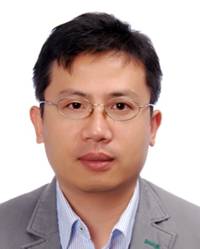 Peng Zhang (张鹏)合作论文数School of Civil Engineering, Qingdao University of Technology19
 Jian-Cong Lao合作论文数Department of Civil and Environmental Engineering, The Hong Kong Polytechnic University17
 Mingfeng Kai (开明峰)合作论文数School of Mechanics and Construction Engineering, Jinan University15Junqi Huang (黄俊旗)合作论文数Hefei University of Technology15
 Wenwei Wang (王文炜)合作论文数School of Transportation, Southeast University15Yasuhiko Sato合作论文数14
 Dangyuan Lei (雷黨願)合作论文数Department of Materials Science and Engineering, City University of Hong Kong;Centre for Functional Photonics, City University of Hong Kong14
 Kequan Yu (俞可权)合作论文数College of Civil Engineering, Tongji University13
 Lan-Ping Qian合作论文数Department of Civil and Environmental Engineering, The Hong Kong Polytechnic University10
 Jixiang Zhu合作论文数Dept Civil & Environm Engn, Hong Kong Polytech Univ10
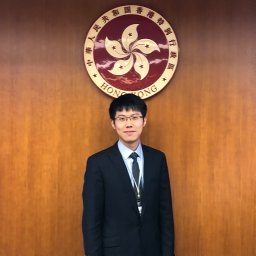 Ke-Fan Weng合作论文数Dept Ocean Sci & Engn, Southern Univ Sci & Technol9
 Dong Guo合作论文数Department of Civil and Environmental Engineering, The Hong Kong Polytechnic University9
 Mehran Khan合作论文数Shanghai Jiao Tong University, Shanghai Jiaotong Univ.9
 Zhoudao Lu (陆洲导)合作论文数College of Civil Engineering, Tongji University;Building Quality Inspection Institute, Tongji University9Qingdong Xuan合作论文数8y akira合作论文数8Xiao Xue合作论文数8Jianjun Zheng (郑建军)合作论文数Zhejiang University of Technology8
 Jianfei Chen (陈建飞)合作论文数Department of Oceano Science and Engineering, College of Engineering, Southern University of Science and Technology8
 Surendra P. Shah (夏苏鲁)合作论文数Department of Civil and Environmental Engineering, McCormick School of Engineering, Northwestern University8
 Jing Yu (余靖)合作论文数Department of Civil Engineering, Faculty of Engineering, The University of Hong Kong7Ning Yang合作论文数7
 Kai-Di Peng合作论文数7Fu Yang (伏阳)合作论文数7
 Tiejun Zhao (赵铁军)合作论文数School of Civil Engineering, Qingdao University of Technology7
 Jiangtao Yu (余江滔)合作论文数Research Institute of Structural Engineering& Disaster Reduction, College of Civil Engineering, Tongji University7Cheng-Kui Huang (黄承奎)合作论文数7
 Christopher Kin Ying Leung (梁堅凝)合作论文数Department of Civil and Environmental Engineering, School of Engineering, The Hong Kong University of Science and Technology7Ema Kato合作论文数7
 Kent Harries合作论文数Department of Civil and Environmental Engineering, Swanson School of Engineering, University of Pittsburgh7Etsurô Katô合作论文数6
 Lei Wang合作论文数Zhejiang University6
 Tiao Wang (王眺)合作论文数Department of Civil Engineering Materials, School of Materials Science and Engineering, Tongji University6
 Tidarut Jirawattanasomkul合作论文数Faculty of Engineering, Kasetsart University6
 Jun-Jie Zeng合作论文数School of Civil and Transportation Engineering, Guangdong Univ. of Technology6
 Huaping Wang (王花平)合作论文数School of Civil Engineering and Mechanics, Lanzhou University6
 Dan Tsang合作论文数The Hong Kong University of Science and Technology6
 Haibing Zheng合作论文数Qingdao TechNological University, Qingdao Technological University6




