Brain age has become a prominent biomarker of brain health. Yet most prior work targets whole brain age (WBA), a coarse paradigm that struggles to support tasks such as disease characterization and research on development and aging patterns, because relevant changes are typically region-selective rather than brain-wide. Therefore, robust regional brain age (ReBA) estimation is critical, yet a widely generalizable model has yet to be established. In this paper, we propose the Regional Brain Age Prediction Network (ReBA-Pred-Net), a Teacher-Student framework designed for fine-grained brain age estimation. The Teacher produces soft ReBA to guide the Student to yield reliable ReBA estimates with a clinical-prior consistency constraint (regions within the same function should change similarly). For rigorous evaluation, we introduce two indirect metrics: Healthy Control Similarity (HCS), which assesses statistical consistency by testing whether regional brain-age-gap (ReBA minus chronological age) distributions align between training and unseen HC; and Neuro Disease Correlation (NDC), which assesses factual consistency by checking whether clinically confirmed patients show elevated brain-age-gap in disease-associated regions. Experiments across multiple backbones demonstrate the statistical and factual validity of our method.
Reward post-training of diffusion generators inevitably concentrates probability mass on a few reward-favored modes, a mode collapse that erases within-prompt diversity. Existing methods for mitigating collapse rely on external signals or interfaces, augmenting the reward with perceptual objectives, adjusting reference regularization, or modifying the text encoder, but none repairs an adapter that has already collapsed while preserving the acquired reward. We observe that online post-training primarily reallocates probability mass over capabilities inherited from pretraining rather than learning new visual content. Collapse is therefore suppression, not deletion, and can be reversed from within the generator. We propose ReNFT, which repairs a high-reward, low-diversity adapter through internal probability-mass recalibration. Unconditional probes first prioritize "anti-hub" prompts where the prompt-independent bias is easiest to expose. Two policy-dominated mixed routes then generate matched counterfactual proposals from the same prompt and initial noise, one probing the frozen base direction for suppressed alternatives and the other exposing the post-trained unconditional tendency. Reward ranking with an adaptive flipping guard assigns pull and push roles, and a joint-and-paired NFT update realizes the repair. On PickScore and GenEval, ReNFT retains 98.9
Scene Text Editing (STE) aims to naturally modify text in images while preserving visual consistency, the decisive factors of which can be divided into three parts, i.e., text style, text content, and background. Previous methods have struggled with incomplete disentanglement of editable attributes, typically addressing only one aspect—such as editing text content—thus limiting controllability and visual consistency. To overcome these limitations, we propose TripleFDS, a novel framework for STE with disentangled modular attributes, and an accompanying dataset called SCB Synthesis. SCB Synthesis provides robust training data for triple feature disentanglement by utilizing the "SCB Group", a novel construct that combines three attributes per image to generate diverse, disentangled training groups. Leveraging this construct as a basic training unit, TripleFDS first disentangles triple features, ensuring semantic accuracy through inter-group contrastive regularization and preventing redundancy through intra-sample multi-feature orthogonality. In the synthesis phase, TripleFDS performs feature remapping to prevent "shortcut" phenomena during reconstruction and mitigate potential feature leakage. Trained on 125,000 SCB Groups, TripleFDS achieves state-of-the-art image fidelity (SSIM of 44.54) and text accuracy (ACC of 93.58%) on the mainstream STE benchmarks. Besides superior performance, the more flexible editing of TripleFDS supports new operations such as style replacement and background transfer.
Fine-tuning Multimodal Large Language Models (MLLMs) on specialized tasks often leads to catastrophic forgetting of their general capabilities. Existing model merging methods to combat this are often heuristic or use sub-optimal objectives. We propose CurvatureGuided Mixing (CGM), a theoretically grounded framework that merges pre-trained and fine-tuned models. CGM formulates a joint optimization objective and uses a second-order (Hessian) approximation of the loss landscapes to analytically derive an optimal, closed-form "soft mixing" ratio. This ratio intelligently blends parameters based on their relative task-specific curvatures. We also introduce CGM†, a robust "hard mixing" variant that performs sparse parameter selection guided by a novel, curvature-aware score. Experiments on LLaVA-1.5 and Qwen2.5VL across multiple downstream tasks show that CGM and CGM† consistently improve the trade-off between task specialization and general knowledge retention over existing methods. Code is available at github.com/zzsyjl/CGM-ECCV-2026.
Large Language Models (LLMs) have achieved remarkable performance across tasks but remain energy-intensive due to dense matrix operations. Spiking neural networks (SNNs) improve energy efficiency by replacing dense matrix multiplications with sparse accumulations. Their sparse spike activity enables efficient LLMs deployment on edge devices. However, prior SNN-based LLMs often sacrifice performance for efficiency, and recovering accuracy typically requires full pretraining, which is costly and impractical. To address this, we propose SpikingMamba, an energy-efficient SNN-based LLMs distilled from Mamba that improves energy efficiency with minimal accuracy sacrifice. SpikingMamba integrates two key components: (a) TI-LIF, a ternary-integer spiking neuron that preserves semantic polarity through signed multi-level spike representations. (b) A training-exclusive Smoothed Gradient Compensation (SGC) path mitigating quantization loss while preserving spike-driven efficiency. We employ a single-stage distillation strategy to transfer the zero-shot ability of pretrained Mamba and further enhance it via reinforcement learning (RL). Experiments show that SpikingMamba-1.3B achieves a 4.76$\times$ energy benefit, with only a 4.78\% zero-shot accuracy gap compared to the original Mamba, and achieves a further 2.55\% accuracy improvement after RL.
Federated Learning (FL) allows collaborative machine learning training without sharing private data. Numerous studies have shown that one significant factor affecting the performance of federated learning models is the heterogeneity of data across different clients, especially when the data is sampled from various domains. A recent paper introduces variance-aware dual-level prototype clustering and uses a novel α-sparsity prototype loss, which increases intra-class similarity and reduces inter-class similarity. To ensure that the features converge within specific clusters, we introduce an improved algorithm, Federated Prototype Learning with Convergent Clusters, abbreviated as FedPLCC. To increase inter-class distances, we weight each prototype with the size of the cluster it represents. To reduce intra-class distances, considering that prototypes with larger distances might come from different domains, we select only a certain proportion of prototypes for the loss function calculation. Evaluations on the Digit-5, Office-10, and DomainNet datasets show that our method performs better than existing approaches.
Spiking neural networks (SNNs) provide a lowpower, energy-efficient solution by utilizing the spike-based and sparse nature of biological systems. Since the advent of Transformers, SNNs have struggled to compete with artificial networks on long sequential tasks, until the recent emergence of state space models (SSMs), which offer superior computational efficiency and modeling capability. However, despite the initial effectiveness of applying highly capable SSMs to SNNs for long sequence learning, existing SNN-based SSMs ignore the complex dynamics of biological spiking neurons, which are crucial for the functionality but challenging to simulate and exploit effectively in large networks. In addition, the membrane potential is determined by the past spiking history of the neuron, leading to reduced efficiency for sequence modeling in parallel computing scenarios. Therefore, we propose Dyn-SSM, which aims to explore and leverage biologically motivated and more interpretable dynamics in SNN-based SSMs for long sequence learning. Specifically, we propose to incorporate the reset-refractory mechanism in SNN-based SSMs to leverage the inherent temporal dimension for long sequence modeling. Then, to enable parallel processing, a novel parallel max-min boundary compression strategy (PMBC) that can be widely applied is proposed to accelerate the inference process. Finally, we hierarchically integrate the proposed neuron model to the original SSM block, and enhance the dynamics of Dyn-SSM by incorporating trainable thresholds and refractory magnitudes to balance accuracy and sparsity. Extensive experiments illustrate the effectiveness and robustness of Dyn-SSM, showing the potential of dynamic spiking neurons for balancing sparsity and precision in efficient long sequence learning. The code and Supp. Mat. are publicly available in https://github.com/zhyan567/Dyn-SSM.
Accurate liver segmentation from contrast-enhanced MRI is essential for diagnosis, treatment planning, and disease monitoring. However, it remains challenging due to limited annotated data, heterogeneous enhancement protocols, and significant domain shifts across scanners and institutions. Traditional image-to-image translation frameworks have made great progress in domain generalization, but their application is not straightforward. For example, Pix2Pix requires image registration, and cycle-GAN cannot be integrated seamlessly into segmentation pipelines. Meanwhile, these methods are originally used to deal with cross-modality scenarios, and often introduce structural distortions and suffer from unstable training, which may pose drawbacks in our single-modality scenario. To address these challenges, we propose CoSSeg-TTA, a compact segmentation framework for the GED4 (Gd-EOB-DTPA enhanced hepatobiliary phase MRI) modality built upon nnU-Netv2 and enhanced with a semi-supervised mean teacher scheme to exploit large amounts of unlabeled volumes. A domain adaptation module, incorporating a randomized histogram-based style appearance transfer function and a trainable contrast-aware network, enriches domain diversity and mitigates cross-center variability. Furthermore, a continual test-time adaptation strategy is employed to improve robustness during inference. Extensive experiments demonstrate that our framework consistently outperforms the nnU-Netv2 baseline, achieving superior Dice score and Hausdorff Distance while exhibiting strong generalization to unseen domains under low-annotation conditions.
Evolutionary model merging provides a powerful framework for the automated, training-free composition of LLMs through parameter-space search. However, existing methods predominantly rely on stochastic, hand-crafted operators that overlook the underlying performance landscape of the coefficient space. We propose Evolutionary Generative Merging (EvoGM), a framework that transcends manual heuristics by employing learnable generative modeling to optimize merging coefficients. Specifically,, EvoGM features a dual-generator architecture with cycle-consistent learning to adaptively sample and refine promising merging candidates. By constructing winner-loser pairs from historical search trajectories, our framework effectively captures high-performance parameter distributions and maximizes data efficiency. This generative process is seamlessly integrated into a multi-round evolutionary pipeline, where elite merged models iteratively serve as new expert foundations. Extensive experiments across diverse benchmarks demonstrate that EvoGM significantly outperforms state-of-the-art baselines, exhibiting robust performance on both seen and unseen tasks.
With the rapid growth of online video platforms and the escalating volume of video content, the need for proficient video understanding tools has increased significantly. Given the remarkable capabilities of large language models (LLMs) in language and multimodal tasks, this survey provides a detailed overview of recent advances in video understanding that harness the power of LLMs (Vid-LLMs). The emergent capabilities of Vid-LLMs are surprisingly advanced, particularly their ability for open-ended multi-granularity (abstract, temporal, and spatiotemporal) reasoning combined with common-sense knowledge, suggesting a promising path for future video understanding. We examine the unique characteristics and capabilities of Vid-LLMs, categorizing the approaches into three main types: Video Analyzer x LLM, Video Embedder x LLM, and (Analyzer + Embedder) x LLM. We identify five subtypes based on the functions of LLMs in Vid-LLMs: LLM as Summarizer, LLM as Manager, LLM as Text Decoder, LLM as Regressor, and LLM as Hidden Layer. This survey also presents a comprehensive study of the tasks, datasets, benchmarks, and evaluation methods for Vid-LLMs. Additionally, it explores the extensive applications of Vid-LLMs in various domains, highlighting their remarkable scalability and versatility in real-world video understanding challenges. Additionally, it summarizes the limitations of existing Vid-LLMs and outlines directions for future research. For more information, readers are encouraged to visit the repository at https://github.com/yunlong10/Awesome-LLMs-for-Video-Understanding
Semantic segmentation models often suffer from significant performance degradation when applied to unseen domains due to domain shifts. To address this challenge, we explore how to leverage unlabeled target-domain images during training to improve model robustness and generalization. Existing approaches primarily focus on achieving global alignment between source and target distributions, yet pay little attention to where and when such alignment should occur within the network. Through empirical observations, we find that different semantic contents are naturally aligned at different stages, and that alignment should be progressively enhanced as the quality of pseudo labels improves over training. Based on these insights, we propose a Three-Branch Coordinated Training (B ^3 CT) framework. In addition to conventional source and target branches, B ^3 CT introduces a dedicated alignment branch, where a hybrid-attention mechanism is used to guide feature-level consistency. To dynamically control the alignment strength, we design an Adaptive Alignment Controller (AAC) and a coordinate weighting strategy that modulates the alignment intensity according to the training progress. Extensive experiments on GTAV → Cityscapes and SYNTHIA → Cityscapes benchmarks demonstrate that our method achieves competitive performance and exhibits strong robustness to domain shifts.
3D occupancy prediction is fundamental to scene understanding, yet existing 3D semantic occupancy methods are typically specialized to fixed scene types and occupancy protocols. We introduce Cross-Scene 3D Semantic Occupancy Prediction, a new task setting which requires a single model to handle heterogeneous indoor and outdoor scenes with varying cameras, spatial ranges, voxel specifications, and semantic taxonomies. This setting poses a fundamental challenge: achieving metric-consistent yet scene-adaptive image-to-3D lifting across varying camera configurations and scene scales. To address this challenge, we propose OccAnyScene, a pixel-frustum-centered Gaussian framework built upon a pretrained depth foundation model. Specifically, the framework employs Pixel-Aligned Frustum Feature Aggregation to construct a camera-aware frustum query for each feature pixel, and Frustum-Parameterized Gaussian Construction to decode each query into multiple Gaussians whose positions and sizes are constrained by the predicted pixel depth and corresponding frustum geometry. OccAnyScene sets new state-of-the-art results, achieving 59.92
Particle swarm optimization (PSO) is a widely used metaheuristic, prized for its simplicity and small parameter set. Although decades of research have produced numerous PSO variants that improve performance by modifying key components (e.g., parameter schedules, swarm topologies, or updating rules), two fundamental challenges persist. First, most existing approaches are problem-specific and hand-crafted, leading to poor cross-task generalization and forcing practitioners to navigate an impractically large design space, which also hinders systematic reuse of prior effective mechanisms. Second, mainstream implementations remain CPU-bound, constraining scalability and substantially increasing computational cost in real-world applications. To address these challenges, we propose AutoPSO, a highly automated meta-framework for constructing customized PSO algorithms. AutoPSO formulates PSO-based optimization as a bi-level process: an outer search explores the joint space of effective PSO components, while an inner loop instantiates candidate variants to solve the target task and provide feedback. The outer search operates over a curated, open-design component pool, supporting flexible replacement of the component set and the outer optimizer. Crucially, by leveraging EvoX for population tensorization and batched evaluations, AutoPSO can efficiently assess thousands of particles within practical time budgets. Comprehensive experiments on numerical benchmarks and neuroevolution robotic control tasks demonstrate that AutoPSO consistently discovers novel PSO variants that significantly outperform strong baselines. Ablation and scalability studies further highlight the contribution of individual algorithmic components and confirm that AutoPSO achieves increasing performance gains with larger swarm sizes. Code is available at: https://github.com/EMI-Group/AutoPSO.
Detecting novel anomalies in medical imaging is challenging due to the limited availability of labeled data for rare abnormalities, which often display high variability and subtlety. This challenge is further compounded when small abnormal regions are embedded within larger normal areas, as whole-image predictions frequently overlook these subtle deviations. To address these issues, we propose an unsupervised Patch-GAN framework designed to detect and localize anomalies by capturing both local detail and global structure. Our framework first reconstructs masked images to learn fine-grained, normal-specific features, allowing for enhanced sensitivity to minor deviations from normality. By dividing these reconstructed images into patches and assessing the authenticity of each patch, our approach identifies anomalies at a more granular level, overcoming the limitations of whole-image evaluation. Additionally, a patch-ranking mechanism prioritizes regions with higher abnormal scores, reinforcing the alignment between local patch discrepancies and the global image context. Experimental results on the ISIC 2016 skin lesion and BraTS 2019 brain tumor datasets validate our framework's effectiveness, achieving AUCs of 95.79% and 96.05%, respectively, and outperforming three state-of-the-art baselines.
Referring video object segmentation (RVOS) aims to segment target objects throughout a video based on a text description. This is challenging as it involves deep vision-language understanding, pixel-level dense prediction and spatiotemporal reasoning. Despite notable progress in recent years, existing methods still exhibit a noticeable gap when considering all these aspects. In this work, we propose ReferDINO, a strong RVOS model that inherits region-level vision-language alignment from foundational visual grounding models, and is further endowed with pixel-level dense perception and cross-modal spatiotemporal reasoning. In detail, ReferDINO integrates two key components: 1) a grounding-guided deformable mask decoder that utilizes location prediction to progressively guide mask prediction through differentiable deformation mechanisms; 2) an object-consistent temporal enhancer that injects pretrained time-varying text features into inter-frame interaction to capture object-aware dynamic changes. Moreover, a confidence-aware query pruning strategy is designed to accelerate object decoding without compromising model performance. Extensive experimental results on five benchmarks demonstrate that our ReferDINO significantly outperforms previous methods (e.g., +3.9
Open-Ended object Detection (OED) is a novel and challenging task that detects objects and generates their category names in a free-form manner, without requiring additional vocabularies during inference. However, the existing OED models, such as GenerateU, require large-scale datasets for training, suffer from slow convergence, and exhibit limited performance. To address these issues, we present a novel and efficient Open-Det framework, consisting of four collaborative parts. Specifically, Open-Det accelerates model training in both the bounding box and object name generation process by reconstructing the Object Detector and the Object Name Generator. To bridge the semantic gap between Vision and Language modalities, we propose a Vision-Language Aligner with V-to-L and L-to-V alignment mechanisms, incorporating with the Prompts Distiller to transfer knowledge from the VLM into VL-prompts, enabling accurate object name generation for the LLM. In addition, we design a Masked Alignment Loss to eliminate contradictory supervision and introduce a Joint Loss to enhance classification, resulting in more efficient training. Compared to GenerateU, Open-Det, using only 1.5% of the training data (0.077M vs. 5.077M), 20.8% of the training epochs (31 vs. 149), and fewer GPU resources (4 V100 vs. 16 A100), achieves even higher performance (+1.0% in APr). The source codes are available at: https://github.com/Med-Process/Open-Det.
In recent years, there has been a notable surge in the adoption of weakly-supervised learning for medical image segmentation, utilizing scribble annotation as a means to potentially reduce annotation costs. However, the inherent characteristics of scribble labeling, marked by incompleteness, subjectivity, and a lack of standardization, introduce inconsistencies into the annotations. These inconsistencies become significant challenges for the network's learning process, ultimately affecting the performance of segmentation. To address this challenge, we propose creating a reference set to guide pixel-level feature matching, constructed from class-specific tokens and pixel-level features extracted from variously images. Serving as a repository showcasing diverse pixel styles and classes, the reference set becomes the cornerstone for a pixel-level feature matching strategy. This strategy enables the effective comparison of unlabeled pixels, offering guidance, particularly in learning scenarios characterized by inconsistent and incomplete scribbles. The proposed strategy incorporates smoothing and regression techniques to align pixel-level features across different images. By leveraging the diversity of pixel sources, our matching approach enhances the network's ability to learn consistent patterns from the reference set. This, in turn, mitigates the impact of inconsistent and incomplete labeling, resulting in improved segmentation outcomes. Extensive experiments conducted on three publicly available datasets demonstrate the superiority of our approach over state-of-the-art methods in terms of segmentation accuracy and stability. The code will be made publicly available at https://github.com/jingkunchen/scribble-medical-segmentation.
Popular transformer detectors have achieved promising performance through query-based learning using attention mechanisms. However, the roles of existing decoder query types (e.g., content query and positional query) are still underexplored. These queries are generally predefined with a fixed number (fixed-query), which limits their flexibility. We find that the learning of these fixed-query is impaired by Recurrent Opposing inTeractions (ROT) between two attention operations: Self-Attention (query-to-query) and Cross-Attention (query-to-encoder), thereby degrading decoder efficiency. Furthermore, "query ambiguity" arises when shared-weight decoder layers are processed with both one-to-one and one-to-many label assignments during training, violating DETR's one-to-one matching principle. To address these challenges, we propose DS-Det, a more efficient detector capable of detecting a flexible number of objects in images. Specifically, we reformulate and introduce a new unified Single-Query paradigm for decoder modeling, transforming the fixed-query into flexible. Furthermore, we propose a simplified decoder framework through attention disentangled learning: locating boxes with Cross-Attention (one-to-many process), deduplicating predictions with Self-Attention (one-to-one process), addressing "query ambiguity" and "ROT" issues directly, and enhancing decoder efficiency. We further introduce a unified PoCoo loss that leverages box size priors to prioritize query learning on hard samples such as small objects. Extensive experiments across five different backbone models on COCO2017 and WiderPerson datasets demonstrate the general effectiveness and superiority of DS-Det. The source codes are available at https://github.com/Med-Process/DS-Det/.
Deep neural networks incorporating discrete latent variables have shown significant potential in sequence modeling.A notable approach is to leverage vector quantization (VQ) to generate discrete representations within a codebook.However, its discrete nature prevents the use of standard backpropagation, which has led to challenges in efficient codebook training.In this work, we introduce , a novel vector quantization training framework inspired by meta-learning.Our method separates the optimization of the codebook and the auto-encoder into two levels.Furthermore, we introduce a hyper-net to replace the embedding-parameterized codebook, enabling the codebook to be dynamically generated based on the feedback from the auto-encoder.Different from previous VQ objectives, our innovation results in a meta-objective that makes the codebook training task-aware.We validate the effectiveness of MQ with VQVAE and VQGAN architecture on image reconstruction and generation tasks.Experimental results showcase the superior generative performance of MQ, underscoring its potential as a robust alternative to existing VQ methods.
The task of radio map estimation aims to generate a dense representation of electromagnetic spectrum quantities, such as the received signal strength at each grid point within a geographic region, based on measurements from a subset of spatially distributed nodes (represented as pixels). Recently, deep vision models such as the U-Net have been adapted to radio map estimation, whose effectiveness can be guaranteed with sufficient spatial observations (typically 0.01% to 1% of pixels) in each map, to model local dependency of observed signal power. However, such a setting of sufficient measurements can be less practical in real-world scenarios, where extreme sparsity in spatial sampling can be widely encountered. To address this challenge, we propose RadioFormer, a novel multiple-granularity transformer designed to handle the constraints posed by spatial sparse observations. Our RadioFormer, through a dual-stream self-attention (DSA) module, can respectively discover the correlation of pixel-wise observed signal power and also learn patch-wise buildings' geometries in a style of multiple granularities, which are integrated into multi-scale representations of radio maps by a cross stream cross-attention (CCA) module. Extensive experiments on the public RadioMapSeer dataset demonstrate that RadioFormer outperforms state-of-the-art methods in radio map estimation while maintaining the lowest computational cost. Furthermore, the proposed approach exhibits exceptional generalization capabilities and robust zero-shot performance, underscoring its potential to advance radio map estimation in a more practical setting with very limited observation nodes.
 Wenjian Huang合作论文数Dept. of Computer Science and Engineering, Southern University of Science and Technology24
 Wei-Shi Zheng (郑伟诗)合作论文数Intelligence Science and System Lab, School of Computer Science and Engineering, Sun Yat-sen University21
 Stephen J. Mckenna合作论文数University of Dundee17
 Wenqi Li (李文琦)合作论文数NVIDIA16
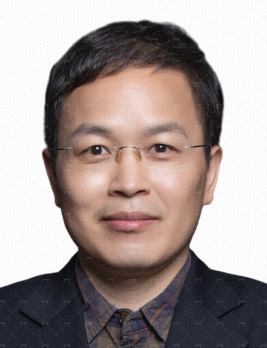 Ruixuan Wang (王瑞轩)合作论文数Intelligence Science and System Lab, School of Computer Science and Engineering, Sun Yat-Sen University15
 Hongwei Bran Li (李宏伟)合作论文数Harvard Medical School;Massachusetts General Hospital14
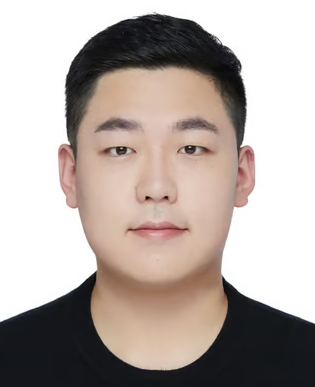 Daoan Zhang合作论文数University of Rochester;Tencent Americas11
 Bjoern Menze合作论文数Department of Quantitative Biomedicine, University of Zurich;Faculty of Science, University of Zurich11Luziwei Leng合作论文数Huawei Technologies Ltd.10
 Haocheng Shen合作论文数10Siyamalan Manivannan合作论文数8
 Benedikt Wiestler合作论文数School of Medicine and Health, TUM8
 Jianfang Hu (胡建芳)合作论文数Intelligence Science and System Lab, School of Computer Science and Engineering, Sun Yat-Sen University8
 Guiping Cao合作论文数Peng Cheng Laboratory7
 Jiahao Xia合作论文数School of Electrical and Data Engineering, Faculty of Engineering and Information Technology, University of Technology Sydney7
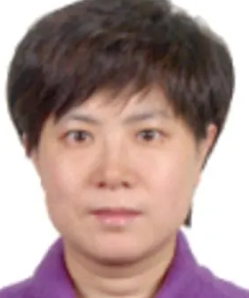 Dongmei Jiang (蒋冬梅)合作论文数School of Computer Science, Northwestern Polytechnical University7
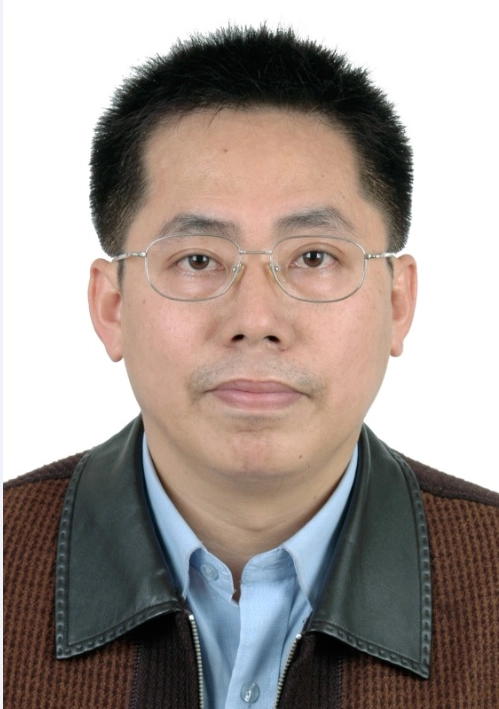 Jianhuang Lai (赖剑煌)合作论文数School of Computer Science and Engineering, Sun Yat-Sen University7
 Tieniu Tan (谭铁牛)合作论文数New Laboratory of Pattern Recognition, Institute of Automation, Chinese Academy of Sciences;University of Chinese Academy of Sciences;Nanjing University7
 Cordelia Schmid合作论文数INRIA;Google7
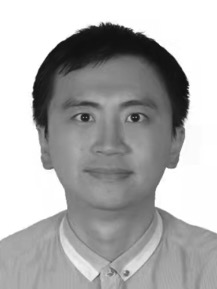 Xiangyuan Lan (蓝湘源)合作论文数Peng Cheng Laboratory6
 Paul Miller合作论文数Centre for Secure Information Technologies, Queen’s University Belfast;School of Electronics, Electrical Engineering and Computer Science, Queen’s University Belfast;Institute of Electronics, Communications & Information Technology, Queen’s University Belfast6
 Weihua Chen (陈威华)合作论文数Alibaba DAMO Academy6Qinghai Guo合作论文数5
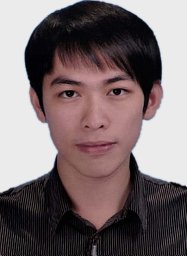 Shengda Luo合作论文数Macau Univ Sci & Technol, Taipa, Macau, Peoples R China5
 Jiaxin Zhuang合作论文数Sch Data & Comp Sci, Sun Yat Sen Univ5
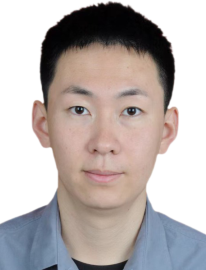 Jingkun Chen (陈靖坤)合作论文数School of Automation, Northwestern Polytechnical University5
 Jan S Kirschke合作论文数School of Medicine, Technical University of Munich5
 Shazia Akbar合作论文数5
 Yaowei Wang (王耀威)合作论文数School of Computer Science and Technology, Harbin Institute of Technology (Shenzhen);Network Intelligence Research Department, Pengcheng Laboratory;Visual Intelligence Institute, Pengcheng Laboratory;Institute of Advanced Technology, University of Science and Technology of China5
 Min Xu合作论文数School of Electrical and Data Engineering, Faculty of Engineering and Information Technology, University of Technology Sydney;Visual and Aural Intelligence Laboratory, Global Big Data Technologies Center, University of Technology Sydney5
 Zhichao Lu (陸智超)合作论文数Department of Computer Science, City University of Hong Kong5
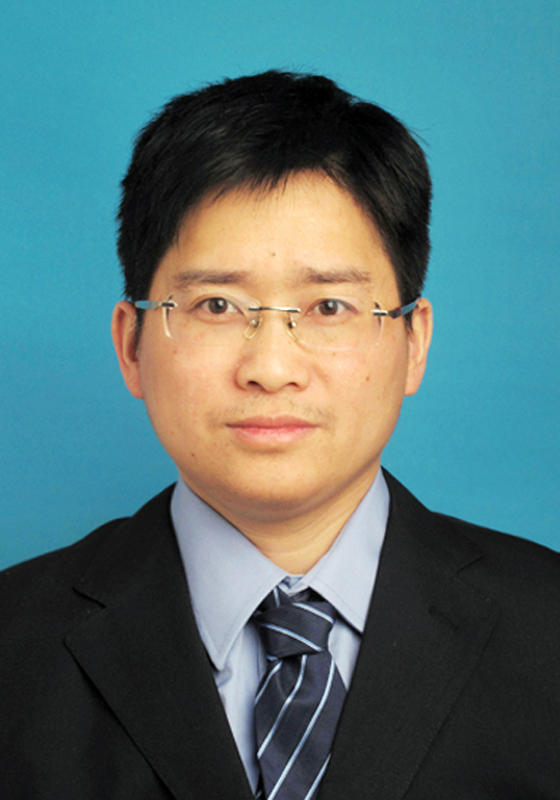 Kaiqi Huang (黄凯奇)合作论文数National Laboratory of Pattern Recognition, Institute of Automation, Chinese Academy of Sciences;University of Chinese Academy of Sciences5
 Svetlana Lazebnik合作论文数Department of Computer Science, The Grainger College of Engineering, University of Illinois at Urbana-Champaign5
 Huiyu Zhou合作论文数Biomedical Image Processing Lab, School of Computing and Mathematical Sciences, University of Leicester;Department of Informatics, University of Leicester5Maria Coats合作论文数5
 Chenming Li合作论文数Research Institute of Trustworthy Autonomous Systems, Southern University of Science and Technology;Department of Computer Science and Engineering, Southern University of Science and Technology4Kaixuan Zhang合作论文数4
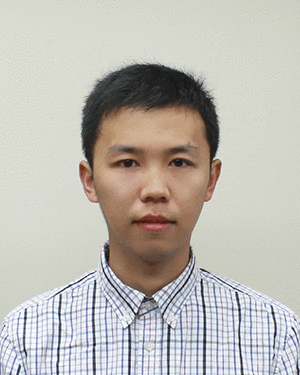 Haimin Zhang合作论文数4
 Ran Cheng (程然)合作论文数Department of Computing, Faculty of Computer and Mathematical Sciences, Hong Kong Polytechnic University;Department of Data Science & Artificial Intelligence, Faculty of Computer and Mathematical Sciences, Hong Kong Polytechnic University4
 Sophia Bano合作论文数Computer Science, Faculty of Engineering Sciences, University College London4
 Sotirios Bisdas合作论文数Queen Square Institute of Neurology, University College London;The University of Texas MD Anderson Cancer Center;Medizinische Fakultät, Eberhard-Karls-Universität Tübingen4
 Jungong Han (韩军功)合作论文数Department of Automation, School of Information Science and Technology, Tsinghua University4
 Ling Shao (邵岭)合作论文数Terminus Group4Yan Li (李岩)合作论文数4
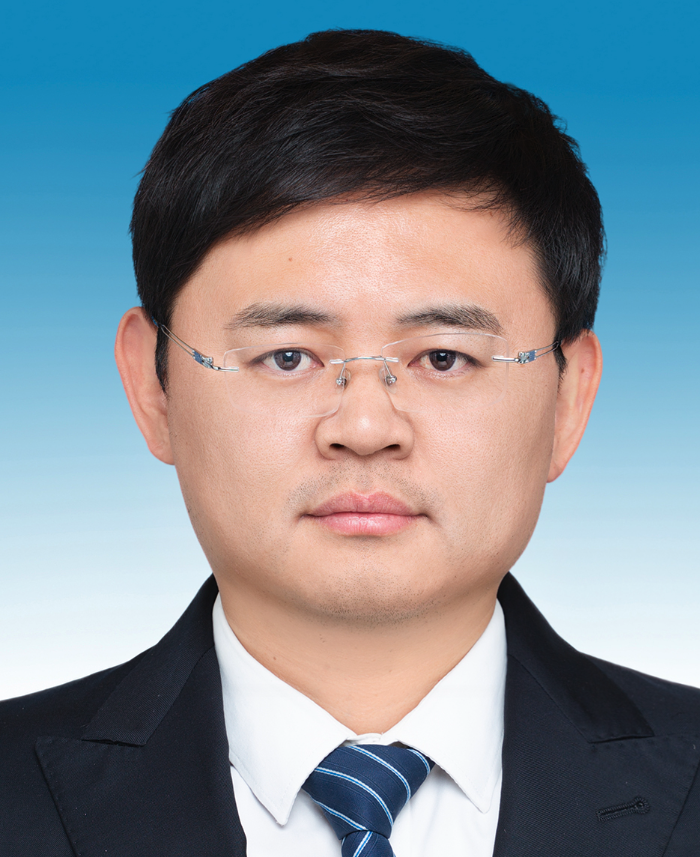 Yuming Fang (方玉明)合作论文数Jiangxi University of Finance and Economics4
 Frederic Jurie合作论文数Computer Science Department, University of Caen Normandie4
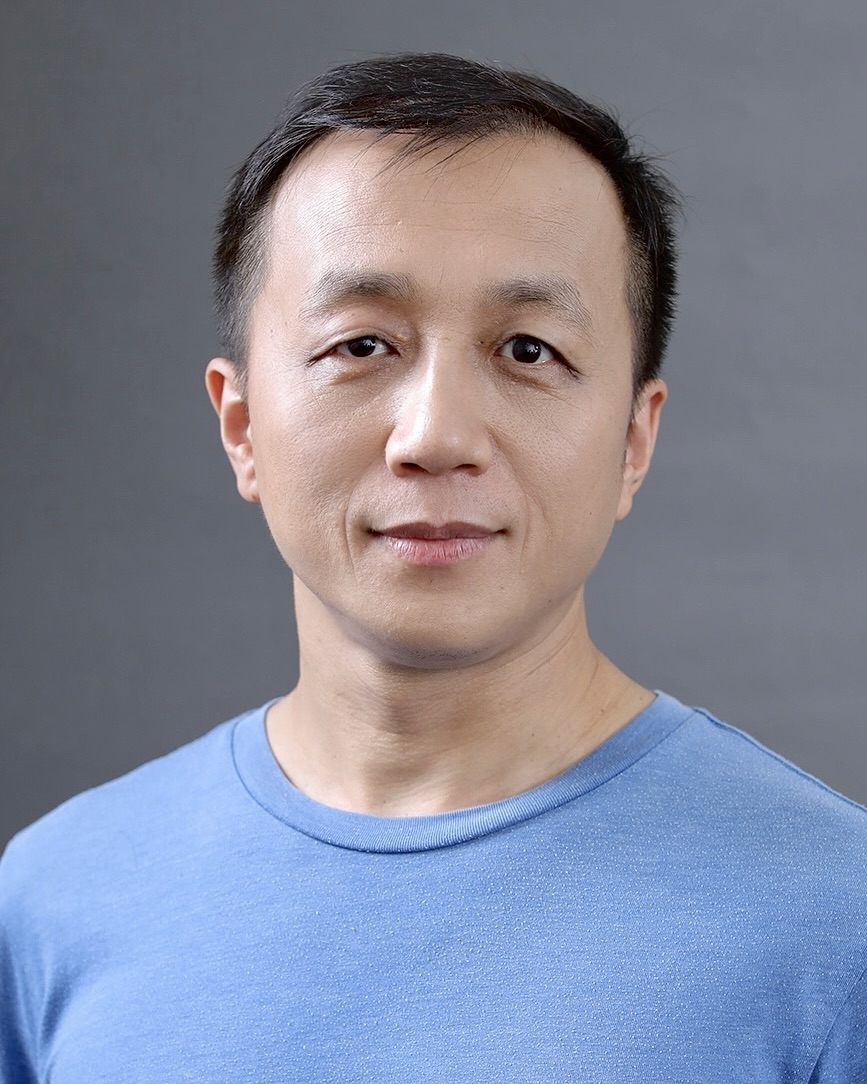 Shiqi Yu (于仕琪)合作论文数Department of Computer Science and Engineering, College of Engineering, Southern University of Science and Technology4Qingqiao Hu合作论文数3




