The Earth's upper mantle is heterogeneous in lithology and geochemistry, as demonstrated by variations in both abyssal peridotites and fossil oceanic mantle peridotites. The scarcity of spatial relationships between these peridotites, however, hinders further interpretation of the origin of mantle diversity as well as corresponding geodynamic processes. Here, we report the petrographic and chemical data of peridotites from the first fresh drill core (∼1300 m) across a Tibetan ophiolitic mantle sequence. This mantle column shows a primarily heterogeneous lithological structure consisting of repetitive 'layered' lherzolite, harzburgite, and dunite. Lherzolite and harzburgite have experienced 10%-15% and 15%-25% melt depletion, respectively. Such depletion cannot be generated by conventional partial melting models alone, but also requires melt-peridotite interaction in the asthenospheric mantle. Our work provides a high-resolution snapshot of the lithological structure and chemistry of the uppermost oceanic mantle and offers a melt flow model within the asthenosphere to explain the lithological variability of mantle rocks found in both mid-ocean ridges and supra-subduction zones.
Pyrite-triggered precipitation of gold nanoparticles (AuNPs) is crucial for generating high-grade gold deposits, yet its dynamic process and mechanism at the pyrite-water interface remain unclear due to the lack of in situ observation. Here, utilizing in situ liquid cell transmission electron microscopy, we find a dense liquid layer mediated deposition of AuNPs at the pyrite-water interface in parts per billion-level gold-bearing solutions, a concentration that resembles crustal abundances. Real-time imaging reveals that a dense liquid layer forms at the pyrite-water interface, and it is proposed that AuNPs nucleate and grow in this layer. Results from in situ atomic force microscopy and ex situ transmission electron microscopy indicate that the growth kinetic process of AuNPs involves monomer-to-cluster aggregation, further enriching gold at the pyrite-water interface. Thermodynamic modeling demonstrates that precipitation of AuNPs is primarily driven by the oxygen fugacity decrease in the dense liquid layer due to pyrite dissolution. These findings reveal a localized gold concentration mechanism to interpret adsorption and nucleation of AuNPs on pyrite during its dissolution-precipitation cycles, which significantly enhances our understanding of the highly effective gold scavenging from fluid by pyrite. The mechanism of nanoparticle formation in the dense liquid layer at dissolving mineral-fluid interfaces represents a fundamental process that could be common in nature.
Manganese (Mn) oxides are crucial for the cycling of trace metals and nutrients. Over 30 types of Mn oxide minerals with distinct crystal structures have been identified across a variety of biogeochemical settings, yet the mechanisms underlying their formation are poorly understood. By incubating three layered Mn oxides of varying particle size and crystallinity under identical solution conditions, we observed the formation of distinct tunneled Mn oxides. The nanoscale mineral property, particularly vacancy density and surface energy, modulates the adsorption geometry of Mn(II) and subsequent electron transfer and structural rearrangement. These findings indicate that mineral structural properties associated with crystallinity are critical and previously underappreciated for the transformation of Mn oxides. Our study provides a mechanistic basis for understanding the natural diversity of Mn oxide minerals, suggesting that they likely derive from the transformation of biogenic layered Mn oxides that experienced dynamic variations in mineral crystallinity and local environmental conditions.
Understanding the enrichment of HREE in granite bedrock is crucial for deciphering the genesis of ion-adsorption HREE deposits. The Dabu muscovite granites that served as the bedrock of an ion-adsorption HREE deposit in South China underwent extreme fractional crystallization and hydrothermal alteration and are significantly enriched in HREE. In this study, we conducted detailed mineralogical and geochemical analyses of REE-bearing minerals from the Dabu muscovite granites to investigate the role of magmatic and hydrothermal processes in HREE enrichment and remobilization. The rock-forming minerals in the Dabu muscovite granites have extremely low REE contents (< 7 ppm), constituting approximately 1% of whole rock REE. Consequently, REE in bedrock is predominantly hosted in REE-bearing accessory minerals. During the early crystallization stage of the Dabu muscovite granites, HREE in highly evolved melts were incorporated into garnet and zircon-I, while LREE were scavenged by monazite. With the evolution of magma, HREE became enriched in volatile-rich residual melts due to the crystallization of large amounts of rock-forming minerals. Thus, abundant HREE-rich minerals, such as samarskite-(Y), xenotime, zircon-II, gadolinite-(Y), thorite, and uraninite, formed in the late stage of magmatic evolution. Extensive hydrothermal activities in the Dabu muscovite granites led to the alteration of some precursor REE-bearing minerals. In addition to the hydrothermal alteration of zircon, monazite also underwent variable alteration in the hydrothermal stage. The released LREE were not transported out from the local alteration systems, and subsequently reprecipitated as synchysite-(Ce) or bastnaesite-(Ce) in contact with the altered monazite. Significantly, abundant xenotime and samarskite-(Y) grains underwent intensive alteration primarily through a fluid-mediated coupled dissolution-reprecipitation process, leading to the leaching of substantial HREE into hydrothermal fluids. A fraction of the released HREE immediately deposited synchysite-(Y) around them, while the remaining HREE were transported over a long distance and eventually precipitated as synchysite-(Y) veinlets and distal HREE-fluorocarbonates. The metasomatic fluids exsolved from the granitic magma were rich in F- and CO32-, and could alter REE minerals and transport REE. Therefore, hydrothermal alteration not only enriched HREE in granites, but also leached out HREE from refractory HREE minerals to form weathering-prone HREE-fluorocarbonates, which are highly conducive to the formation of ion-adsorption HREE deposits. Our study also provides compelling evidence for the higher mobility of HREE and the relatively limited mobility of LREE during the post-magmatic alteration processes.
The vadose zone plays a pivotal role in modulating subsurface ecological processes, biogeochemical cycles, contaminant transport, critical element retention, and agricultural productivity. However, elucidating solute transport through its inherently complex and heterogeneous architecture remains a fundamental challenge in hydrogeology and soil science. This study presents soil-embedded microfluidics-a new experimental platform that allows direct visualization and quantitative analysis of solute transport within natural soil matrices under precisely controlled flow and initial saturation conditions. By incorporating authentic soil structures into microfluidic designs, this approach uniquely captures the interplay between saturation-dependent flow regimes and intrinsic soil heterogeneity, including crack networks, in driving preferential pathways and non-equilibrium transport dynamics. Our findings reveal that reduced water saturation exacerbates preferential flow, while structural heterogeneities significantly redirect solute trajectories and accelerate transport velocities. Image-based spatial-moment analysis further quantifies how saturation and flow rate regulate fluorescence invasion and spatial spreading, without imposing a one-dimensional dispersion assumption. High-resolution crack-wall imaging further reveals saturation-dependent crack-matrix exchange, highlighting the role of microscale interfaces in regulating matrix invasion. This newly developed methodology offers new insights into soil solute dynamics, with profound implications for predicting contaminant fate, enhancing remediation strategies, advancing precision agriculture, and managing critical element cycles in the vadose zone.
Carbonatite-associated rare earth element (REE) deposits are currently the primary source of REE resources. Their formation requires REE enrichment during prolonged magma evolution, achieved by suppressing REE-rich mineral crystallization and promoting REE-enriched brine melt formation. Our experiments on the fractional crystallization of carbonatitic magmas indicate that pressure (emplacement depth) is the primary factor controlling REE enrichment. High-pressure ( >0.3 GPa) promotes early olivine crystallization, depleting silica and suppressing REE-rich apatite formation. Deep emplacement also delays aqueous fluid exsolution, thereby stabilizing brine melts that enhance phosphate dissolution and prevent REE dispersion into apatite. In contrast, low-pressure conditions ( <0.3 GPa) lead to exsolution of REE-poor hydrothermal fluids, dispersing REE into magmatic apatite and preventing the deposition of economically significant REE-carbonates in subsequent hydrothermal stages. Our pressure-dependent model highlights deep emplacement as crucial for passive REE enrichment in residual brine melts, driving large-scale mineralization through precipitation of burbankite and/or bastnäsite.
Achieving efficient nitrogen removal in tidal flow constructed wetlands (TFCWs) under high hydraulic loading rates (HLRs) remains challenging because rapid hydraulic exchange may disrupt the balance between nitrification and denitrification by altering oxygen and carbon distributions. In this study, an integrated operational strategy involving substrate alkalinity, carbon availability, and hydraulic conditions was evaluated in TFCWs treating real domestic wastewater. The alkaline steel slag-zeolite substrate maintained stable NH4+-N removal (>93%) at elevated HLRs (up to 2.51 m d-1), although nitrate accumulation indicated insufficient denitrification. Increasing the influent chemical oxygen demand to nitrogen ratio to 8 markedly enhanced denitrification, resulting in total nitrogen removal efficiencies exceeding 80%. Vertical profiling further revealed that carbon limitation in deeper bed layers remained a major constraint under high loading. Microbial analyses indicated enrichment of ammonia-oxidizing archaea and Nitrospira OTUs phylogenetically affiliated with comammox-related lineages in the alkaline substrate, consistent with stable nitrification performance under high HLRs, while methanol addition was associated with a shift in denitrifying communities toward methylotrophic taxa. Overall, coordinated regulation of substrate alkalinity, carbon availability, and hydraulic operation enhanced nitrification-denitrification coupling and enabled high-rate nitrogen removal in TFCWs. These findings improve the understanding of the factors governing nitrogen transformation under intensive hydraulic loading conditions and provide practical insights for optimizing TFCWs.
The layer-stacking characteristics of phyllosilicate minerals serve as critical indicator of crystallization conditions and metallogenic environments, making their precise identification and description highly significant. Conventional structural characterization method such as powder/single-crystal X-ray diffraction has fundamental limitations when analyzing the Martian phyllosilicates with fine grain size (mostly less than 2 mu m), multiple coexisting phases, and restricted sample availability. Transmission electron microscopy (TEM) can provide nanoscale microstructural analysis, while the destructive, labor-intensive sample preparation is required to expose the [hk0] zone axis and reveal the layer-stacking sequences of phyllosilicates. Here, we demonstrate that three-dimensional electron diffraction (3DED) enables rapid, accurate phase and polytype analysis of phyllosilicates in minutes, without specialized sample preparation. We implemented continuous rotation electron diffraction method to systematically collect the diffraction data of biotite, phlogopite, kaolinite, illite and chrysotile specimens. The 1M, 2M1, and 1Md polytypes of biotite, along with the 1A and 1Ad polytypes of kaolinite, as well as 2M1 polytypes of illite, were successfully identified through reconstructed diffraction patterns along the [100], [010] and [001] zone axes. Additionally, we obtained a ring diffraction pattern exhibiting higher-order Laue zones along the [100] zone axis of chrysotile, a characteristic feature of its tubular silicate structure. These results demonstrate that 3DED can effectively resolve complex stacking sequences and phase mixtures in phyllosilicates without precise zone-axis alignment. This advancement provides a robust framework for reconstructing mineralization histories and elucidating geological processes through nanoscale structural fingerprints in phyllosilicates. By identifying the phases and structure of samples in a non-destructive and intuitive manner, 3DED can facilitate in situ analysis of rare or microcrystalline samples, such as extraterrestrial materials (e.g. Martian materials), contributing to understanding of complex origins and evolution of extraterrestrial bodies.
Abstract Ferrihydrite (Fhy) is a pivotal precursor of crystalline iron oxides and a key host for environmentally critical metal elements, strongly regulating soil mineral composition and the migration behavior of metal ions through its transformation. Despite the common co-occurrence of Fhy and hematite (Hem) in nature, their dynamic interactions with metal ions during Fhy transformation remain unclear. This study systematically investigated the combined roles of coprecipitated Cd(II)/Zn(II)/Al(III) ions and Hem nanoplates (HNP) in directing Fhy transformation pathways and the consequent redistribution of associated metals. Results show that all three metal cations inhibit Fhy transformation and increase the relative abundance of Hem in the transformation product, following the effectiveness order Al(III) > Zn(II) > Cd(II) that correlates with their binding affinities to iron (oxyhydr)oxides. Conversely, HNP accelerates the transformation of metal-bearing Fhy by facilitating the dissolution-recrystallization pathway and serves as a heterogeneous nucleation template to further enhance the relative abundance of Hem in the final products. Notably, the accelerating effect of HNP is most pronounced for Al-bearing Fhy, due to limited Al(III) release and thus reduced competition between dissolved Al(III) and Fe(III) for nucleation sites. Fhy transformation drives distinct redistribution patterns for the associated metals: Cd(II) and Zn(II) are released to varying degrees, whereas Al(III) is fully retained in the solid phase. Specifically, HNP significantly enhances Zn(II) release, lowering its solid-liquid partition coefficient from 2.74 (without HNP) to 1.90. In comparison, HNP has little effect on the redistribution of Al(III) and Cd(II). Al(III) remains entirely in the solid phase irrespective of HNP presence, while Cd(II) resides predominantly in solution, with partition coefficients of 0.30 (without HNP) and 0.28 (with HNP). The enhanced Zn(II) release is attributed to the HNP-promoted dissolution-recrystallization pathway and the lower structural compatibility of Zn(II) in Hem compared to goethite. These findings elucidate the combined effects of Hem and metal cations in regulating Fhy transformation pathways and metal redistribution, providing mechanistic insights into the evolution of iron oxides and the fate of metals in surficial geochemical systems.
Siloxane and aluminol surfaces, ubiquitous in Earth's system, regulate the adsorption of economically vital elements such as rare earth elements (REEs), yet their atomic-scale reactivity remains unclear. Using in situ atomic force microscopy (AFM), we directly probed atomic-scale reactivity of siloxane and aluminum surfaces for REEs (La, Y, and Yb) on illite and gibbsite. We reveal unexpectedly higher reactivity of siloxane over aluminol surface, with marked preference for heavy-REEs (Y, Yb) over light-REEs (La) in weak-acid environments (pH = 5.5-6.0). Atomic-scale imaging locates adsorption above SiO4 tetrahedra, contradicting the conventional hexatomic ring-centered model. Furthermore, we identify a hierarchical REE distribution on the Si-basal plane, providing a mechanistic basis for REE fractionation. Complementary density functional theory (DFT) simulations confirm negligible REE adsorption and pronounced reactivity on illite edge sites under protonated and deprotonated conditions, respectively. These findings challenge surface reactivity at mineral-water interfaces, offering novel insights into critical metals cycling in terrestrial and marine environments.
Nontronite, a Fe3+-rich smectite widely identified on Mars, serves as a key mineral indicator for reconstructing paleo-redox and paleo-aqueous environments. However, uncertainties in interpreting its spectral data hinder a precise understanding of its formation conditions and paleoenvironmental implications. To fill this gap, the present study investigated the controls of nontronite formation and its crystallographic-spectral relationships by synthesizing a series of Fe-Si-Al samples with varying Fe/Si molar ratios under hydrothermal conditions. Results demonstrated that crystalline nontronite forms exclusively within a Fe/Si molar ratio of 0.21-0.48 under the simulated alkaline conditions. Incorporation of Fe3+ into tetrahedral sites as [IV]Fe3+ reduced the tetrahedral-octahedral sheet mismatch, thereby enhancing the crystallinity of nontronite. This crystallographic evolution was systematically observed in Mid Infrared and Visible-Shortwave Infrared spectra: [IV]Fe3+ content negatively correlated with the Si-O vibration wavenumber (near 1,000 cm-1) but positively correlated with the 2Fe3+-OH band position (similar to 1,430 nm) and depth. Furthermore, band depths at similar to 1,430 and similar to 2,290 nm are robust proxies for the crystallinity of nontronite in the absence of byproducts. These findings constrain the formation of nontronite on Mars to oxidizing, alkaline subsurface hydrothermal environments during the early Noachian, which represents one of the possible pathways for nontronite formation. These results provide a refined framework for interpreting orbital and in situ spectral data, advancing the understanding of clay mineral formation and environmental evolution on Mars.
Impact is one of the most crucial geological processes on the lunar surface. As the main mafic mineral in lunar mare basalts, pyroxene can be transformed into an amorphous phase under the high-temperature and highpressure conditions triggered by impact events. However, the formation mechanism of impact-induced pyroxene glass and its implications for the impact history of the lunar surface have yet to be elicited. In this study, we investigated the formation mechanism of augite glass from a Chang'e-5 breccia using the electron pair distribution function and molecular dynamics simulations. The results show that the augite transformed into dense melt under the high-temperature and high-pressure conditions induced by impact, with subsequent quenching leading to glass formation. Atomic structural analysis indicates that the augite dense melt solidified at a temperature of approximately 4100 K and a residual pressure of about 10 GPa. The mosaicization of this augite glass in the breccia clasts indicates that it had experienced a later impact event with a shock intensity of M-S2 after its formation. By establishing the link between the atomic structure of augite glass and its formation pressuretemperature conditions, this study provides a robust method for inverting impact parameters from natural lunar glass samples. It also offers a new perspective for deciphering the multi-stage impact history of the lunar surface and the evolutionary processes of lunar regolith, and holds universal reference value for studies of impact processes on the Moon and other terrestrial planets.
Uranium-contaminated sites are frequently characterized by high-intensity radiation, which poses a substantial challenge to traditional bioremediation technologies. While microbial interactions with uranium are extensively studied, their efficiency and mechanisms under radiation remain poorly understood. Here, we present a radiation-tolerant microbe, Kocuria rosea, and its removal mechanism for U(VI) in an irradiated system. We reveal remarkable tolerance of Kocuria rosea to radiation and uranium, showing 40.9% of cells survive after 6000 Gy irradiation (25 Gy/min) in 50 mg/L uranium stress. We demonstrate a radiation-dependent shift in the removal mechanism of U(VI)—from biosorption and biomineralization forming H2(UO2)2(PO4)2⋅8 H2O and CaU(PO4)2 in non-irradiated systems to enhanced reduction and inhibited biomineralization under irradiation—responsible for 42% and 7.23% improvement in U(VI) immobilization and reduction capacities, reaching 238.12 mg/g removal capacity. This work advances our understanding of the removal mechanism of microorganisms for uranium under irradiation, offering a new, efficient microbial remediation strategy for radionuclides.
The generation of reactive oxygen species (ROS) under anaerobic conditions at pyrite-water interface has attracted considerable attention due to its potential role in early Earth's oxidation evolution and pre-biotic chemistry. However, the molecular scale mechanisms governing ROS production at pyrite-water interface in oxygen-free environments remain poorly understood. In this study, ReaxFF force field molecular dynamics simulations were employed to elucidate the pathways of ROS formation under anaerobic conditions. Specifically, we investigate the generation of molecular oxygen (O2) and hydrogen peroxide (H2O2) at pyrite-water interfaces, followed by the formation of other oxygen-containing species via the heterogeneous Fenton reaction. Our simulations elucidate the microscopic mechanisms underlying ROS generation, which proceed through three distinct steps: (i) oxidation of water molecules or surface hydroxyl groups at specific pyrite surfaces with high redox potential, leading to O2 production; (ii) subsequent oxidation of the pyrite surface by molecular oxygen, resulting in H2O2 formation; and (iii) further reactions between H2O2 and the pyrite surface, generating additional ROS. The production of O2 under anaerobic conditions is facilitated by potential differences across pyrite surfaces, driven by variations in surface structure. For H2O2 formation, all oxygen atoms originate from O2, while hydrogen atoms are supplied by adsorbed water molecules. Additionally, oxygen-containing species such as superoxide radical (& sdot;HO2), O2, and hydroxyl radical (& sdot;OH) are generated through pyrite surface oxidation by H2O2. While multiple reaction pathways contribute to their formation, pyrite-water interface reactions primarily govern their production. These results explain how O2 and ROS are produced at pyrite-water interfaces, giving us a better understanding of oxygen production on early Earth through reactions between minerals and water.
Marine phosphates, such as carbonate fluorapatite (CFA) and bioapatite, are rich in rare earth elements and yttrium (REY) are promising resources for our transition to a low-carbon emission future, but mechanisms controlling the enrichment of REY from seawater (∼10−5 ppm) to marine phosphates (>1000 ppm) are poorly constrained. Here, we investigate an extraordinary REY-rich phosphorite from a central Pacific seamount, with REY concentrations reaching up to 1 wt.
Heavy rare earth elements (HREEs) are critical to modern technologies yet face supply chain vulnerabilities and environmental challenges. Ion-adsorption deposits (IADs), supplying >90% of global HREEs, intersect resource sustainability and ecosystem resilience. This review synthesizes four interconnected pillars of ion-adsorption HREE research: (i) formation mechanisms, emphasizing supergene weathering processes, REE fractionation dynamics, and protolith controls; (ii) mining innovations, contrasting traditional ammonium leaching with emerging electrokinetic and bioleaching technologies; (iii) environmental impacts, focusing on environmental, ecological, and human risks; and (iv) remediation strategies, spanning phytostabilization, soil washing, and microbial immobilization. We identify key knowledge gaps and propose 13 targeted research priorities, aiming to elucidate the HREE genesis, develop sustainable field-compatible mining methods, quantify REE ecotoxicological thresholds, and advance circular economy-driven remediation frameworks. By integrating interdisciplinary insights, this work provides a roadmap for achieving sustainable HREE utilization, urging collaboration among geoscientists, engineers, and policymakers to balance resource security with planetary health.
Regolith-hosted rare earth element (REE) deposits in South China provide a critical source of heavy rare earth elements (HREEs), yet the geochemical signals that discriminate protolith sources and track REE enrichment remain obscured by intense weathering. Here, the Renju REE deposit in Guangdong Province was investigated using an integrated approach combining zircon U–Pb dating, trace element geochemistry, and unsupervised machine learning. This paper reports three findings. (1) Zircon ages and ternary degree of saprolitization trends reveal that the Renju regolith is a composite of weathering products from Late Cretaceous rhyolite ( 97 Ma, 0–41 m) and Jurassic quartz diorite ( 189 Ma, 44–60 m). Pearson correlation analysis validates that weakly mobile trace elements such as Ti, Th, and V serve as effective indicators for tracing this protolith heterogeneity. (2) Cerium (Ce) is decoupled from all other REEs in the oxidized surface horizon (0–10 m). The pronounced positive Ce anomaly (δCe > 2) in the surface (A horizon) is geochemically complementary to negative Ce anomalies in deeper (B horizon) ion-adsorption-type REE ore bodies, suggesting that the surface Ce anomaly can serve as an indicator for underlying REE mineralization. (3) Gallium (Ga) shows co-migration behavior with light rare earth elements (LREEs), while strontium (Sr) and barium (Ba) correlate with HREEs. Consequently, Ga, Sr, and Ba can serve as practical geochemical pathfinders for LREE and HREE enrichment. This paper demonstrates that accurate identification of protolith heterogeneity is a critical prerequisite for understanding the formation mechanisms of regolith-hosted REE deposits in South China. Moreover, unsupervised machine learning can extract interpretable geochemical signals from high-dimensional weathering datasets, and provides transferable trace element fingerprints for cost-effective exploration of regolith-hosted REE deposits.
Uranium contamination of water resources represents persistent hazard to the environment and human health, necessitating effective remediation strategies. While bioremediation exhibits underlying potential, its practical application is limited by the low removal efficiency and poor understanding of detoxification mechanism. Here, we present a phosphogypsum-supported sulfate-reducing bacteria (PG-SRB) complex material that achieves over 90% U(VI) removal from authentic uranium mining wastewater, with >80% co-removal capacities for coexisting ions (F⁻, Cl⁻, NO3⁻, PO43⁻, SO42⁻, Mg2⁺, Zn2⁺, Ni2⁺) and excellent pH tolerance (pH 3-11). By integrating product characterizations and untargeted metabolomics, we elucidate the detoxification mechanisms involving PG-induced, SRB-reduced U(VI) mineralization, and the PG-assisted alterations in metabolic pathways. Phosphate released from PG induces precipitation of Ca(UO2)2(PO4)2(OH)2·6H2O, while SRB activity facilitates reductive mineralization into phases such as (Fe2⁺(UO2)2(SO4)2(OH)2·3H2O). Crucially, we identify the metabolic adaptation process of SRB under uranium stress through activating glutathione secretion, restoring ATP-binding cassette (ABC) transporter function, and enhancing metal-chelating peptide synthesis. This work advances our understanding of microbial detoxification mechanism for uranium, offering a mechanistic basis for designing efficient bioremediation strategies for uranium-containing wastewater treatment.
 Hongping He (何宏平)合作论文数Guangzhou Institute of Geochemistry, Chinese Academy of Sciences;University of Chinese Academy of Sciences400
 Runliang Zhu (朱润良)合作论文数Guangzhou Institute of Geochemistry, Chinese Academy of Sciences;University of Chinese Academy of Sciences188
 Xiaoliang Liang (梁晓亮)合作论文数Guangzhou Institute of Geochemistry, Chinese Academy of Sciences134
 Peng Yuan (袁鹏)合作论文数School of Environmental Science and Engineering, Guangdong University of Technology110
 Haiyang Xian (鲜海洋)合作论文数CAS Ctr Excellence Deep Earth Sci66Lingya Ma (马灵涯)合作论文数Guangzhou Institute of Geochemistry, Chinese Academy of Sciences;University of Chinese Academy of Sciences66
 Yunfei Xi合作论文数School of Chemistry and Physics, Faculty of Science, Queensland University of Technology;Centre for Materials Science, Queensland University of Technology;Central Analytical Research Facility, Queensland University of Technology55
 Qingze Chen (陈情泽)合作论文数University of Chinese Academy of Sciences;Guangzhou Institute of Geochemistry, Chinese Academy of Sciences52
 Wei Tan合作论文数51Yang, Yiping合作论文数49
 Qi Tao (陶奇)合作论文数中国科学院广州地球化学研究所47
 Jingming Wei (魏景明)合作论文数Guangzhou Institute of Geochemistry, Chinese Academy of Sciences;University of Chinese Academy of Sciences44
 Xiaoju Lin合作论文数39
 Dong Liu (刘冬)合作论文数Guangzhou Institute of Geochemistry, Chinese Academy of Sciences;University of Chinese Academy of Sciences31
 Jiaxin Xi合作论文数29
 Gaofeng Wang (王高峰)合作论文数School of Mines, China University of Mining and Technology25
 Shan Li (李舢)合作论文数College of Earth and Planetary Sciences, University of Chinese Academy of Sciences23
 Gaoling Wei合作论文数22
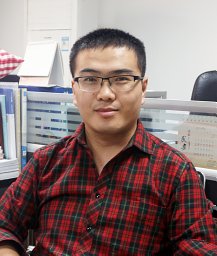 Ke Wen合作论文数University of Wyoming19
 Fu Haoyang (傅浩洋)合作论文数18
 Tianhu Chen (陈天虎)合作论文数School of Resources and Environmental Engineering, Hefei University of Technology18
 Fei Ge (葛飞)合作论文数College of Environment and Resources, Xiangtan University17
 Meng Chen (陈锰)合作论文数University of Chinese Academy of Sciences;Guangzhou Institute of Geochemistry, Chinese Academy of Sciences16Hongmei Liu合作论文数16
 Xing Jieqi合作论文数16Shen Wei合作论文数15Jie Xu合作论文数15
 Ray Frost合作论文数School of Chemistry & Physics, Faculty of Science, Queensland University of Technology15
 Shangying Li合作论文数14Jiugao Guo合作论文数14
 Tianyuan Xu合作论文数13
 Yuebo Wang (王钺博)合作论文数School of Earth System Science, Tianjin University13Xiaoli Su合作论文数13
 Wu Xiao合作论文数12Yuehong Ma合作论文数12
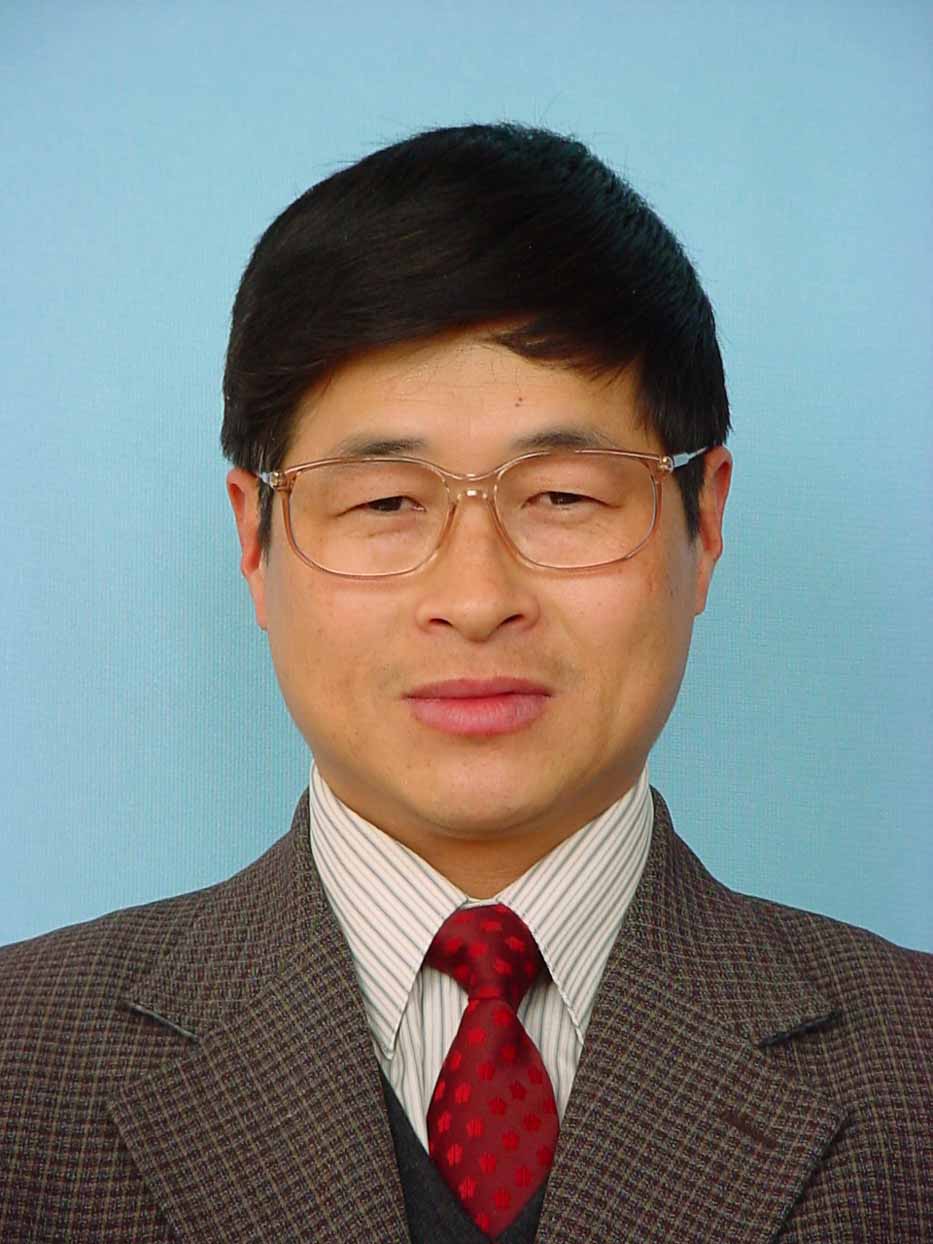 Zhaoyin Wen (温兆银)合作论文数Shanghai Institute of Ceramics, Chinese Academic of Sciences12
 Lizhong Zhu (朱利中)合作论文数College of Environmental and Resource Sciences, Zhejiang University;Faculty of Agriculture, Life and Environment Sciences, Zhejiang University12
 Godwin Ayoko合作论文数School of Chemistry & Physics, Faculty of Science, Queensland University of Technology12Yanping Zhu (朱艳平)合作论文数Institute of Biophysics, Chinese Academy of Sciences12
 Bowen Ling (凌博闻)合作论文数Institute of Mechanics, Chinese Academy of Science12
 Minwang Laipan合作论文数Sch Environm Sci & Engn, Shaanxi Univ Sci & Technol11
 Peng Liu (刘鹏)合作论文数College of chemistry and chemical engineering, Lanzhou University11Mingde Fan合作论文数11
 Yuan-Hong Zhong (钟远红)合作论文数10Jichao Shi合作论文数10TANG Hongmei (唐红梅)合作论文数10
 Dan Yang (杨丹)合作论文数Faculty of Engineering, China University of Geosciences10
 Yigang Xu (徐义刚)合作论文数Guangzhou Institute of Geochemistry, Chinese Academy of Sciences;University of Chinese Academy of Sciences10
 Qing Zhou (周清)合作论文数Institute of Process Engineering, Chinese Academy of Sciences;University of Chinese Academy of Sciences10




