Recent advancements in audio-video joint generation models have demonstrated impressive capabilities in content creation. However, generating high-fidelity human-centric videos in complex, real-world physical scenes remains a significant challenge. We identify that the root cause lies in the structural deficiencies of existing datasets across three dimensions: limited global scene and camera diversity, sparse interaction modeling (both person-person and person-object), and insufficient individual attribute alignment. To bridge these gaps, we present OmniHuman, a large-scale, multi-scene dataset designed for fine-grained human modeling. OmniHuman provides a hierarchical annotation covering video-level scenes, frame-level interactions, and individual-level attributes. To facilitate this, we develop a fully automated pipeline for high-quality data collection and multi-modal annotation. Complementary to the dataset, we establish the OmniHuman Benchmark (OHBench), a three-level evaluation system that provides a scientific diagnosis for human-centric audio-video synthesis. Crucially, OHBench introduces metrics that are highly consistent with human perception, filling the gaps in existing benchmarks by providing a comprehensive diagnosis across global scenes, relational interactions, and individual attributes.
Efficient and large-scale evaluation of antibody-antigen neutralization is critical for accelerating antibody drug development. To address this need, we propose SPAAN, a deep-learning framework that predicts neutralization directly from antibody and antigen sequences. Rather than relying on experimentally determined structures, SPAAN learns from structural knowledge and biologically relevant molecular properties during training, enabling accurate predictions using sequence information alone. On the SARS-CoV-2 neutralization dataset, SPAAN consistently outperforms existing state-of-the-art methods. The model also shows strong interpretability by capturing key interaction patterns underlying antibody-antigen recognition. Furthermore, on the HIV neutralization dataset, SPAAN achieves state-of-the-art performance in multiple challenging scenarios involving previously unseen antibodies or antigens, demonstrating robust generalization ability. Overall, SPAAN provides an accurate, interpretable, and broadly applicable framework for antibody-antigen neutralization prediction, offering a practical tool to support large-scale antibody engineering and therapeutic discovery.
Animatable 3D Gaussian head avatars offer high-fidelity and flexible facial rendering, but typically require substantial storage and transmission costs for numerous Gaussian primitives. Existing Gaussian head avatar methods overlook the visual saliency of different head semantic regions for more appropriate Gaussian primitive allocation, as well as the efficient compression of trained head avatar sequences. To tackle this obstacle, we propose SACHA, a dynamic head avatar compression framework that leverages both semantic-aware density control and appearance-motion decomposition to achieve compact representation and high-quality novel-view rendering of head avatar sequences. Specifically, the semantic-aware density control guides the adaptive allocation of Gaussian primitives across different head regions with region-adaptive densification and pruning. In addition, the appearance-motion decomposed compression further reduces the temporal redundancy of the avatar sequence by transmitting only head-prior parameters for avatar movements. Together, these designs enable a compact representation for efficient transmission of dynamic Gaussian head avatars while preserving visual fidelity. Experiments demonstrate that SACHA achieves a superior rate-distortion performance over existing Gaussian head avatar representation and compression methods while maintaining high-quality novel-view and novel-expression rendering.
First-last frame video generation has recently gained significant attention. It enables coherent motion generation between specified first and last frames. However, this approach suffers from semantic degradation in intermediate frames, causing scene distortion and subject deformation that undermine temporal consistency. To address this issue, we introduce **Anchor Frame Bridging (AFB)**, a novel plug-and-play method that explicitly bridges semantic continuity from boundary frames to intermediate frames, offering training-free adaptability and generalizability. By adaptively interpolating anchor frames at temporally critical locations exhibiting maximal semantic discontinuities, our approach effectively mitigates semantic drift in intermediate frames. Specifically, we propose an **adaptive anchor frame selection** module, which generates text-aligned candidate frames via frame order reversal and selects anchors based on semantic continuity. Subsequently, we develop **anchor frame guided generation**, which leverages the selected anchor frames to guide semantic propagation across intermediate frames, ensuring consistent boundary semantics and preserving temporal coherence throughout the video sequence. The final video is synthesized using the first frame, last frame, selected anchor frames, and the text prompt. The results demonstrate that our method significantly enhances the temporal consistency and overall quality of generated videos. Specifically, when applied to the Wan2.1-I2V model, it yields improvements of 16.58\% in FVD and 10.21\% in PSNR. The codes are provided in the supplementary material.
Artificial intelligence (AI)-driven histopathological image analysis has shown significant advantages for disease diagnosis, prognosis, and treatment planning, and it is receiving growing attention in modern healthcare. Due to the gigapixel size of whole slide images (WSIs), multiple instance learning (MIL) methods are widely employed in their analysis. Existing MIL approaches primarily rely on either instance-level or bag-level supervision, each facing challenges related to noisy pseudo-labels and suboptimal feature aggregation, respectively. In this paper, we present a novel MIL method for WSI analysis, termed CIB-MIL, which integrates collaborative instance-level and bag-level supervision. We introduce a label disambiguation module within the instance-level supervision channel that employs a noisy-label learning strategy to refine instance pseudo-labels and mitigate the impact of noisy labels. Additionally, we propose a collaborative supervision framework that promotes communication and interaction between the attention mechanism in the bag-level supervision channel and the pseudo-label mechanism in the instance-level supervision channel, enabling cooperative optimization of supervision in both channels. Extensive experiments conducted on five datasets, including three public datasets and two in-house datasets, demonstrate the state-of-the-art performance of CIB-MIL. The code is available at https://github.com/TencentAILabHealthcare/CIB-MIL.
For bandwidth-constrained multimedia applications, simultaneously achieving ultra-low bitrate human video compression and accurate vertex prediction remains a critical challenge, as it demands the harmonization of dynamic motion modeling, detailed appearance synthesis, and geometric consistency. To address this challenge, we propose Sparse2Dense, a keypoint-driven generative framework that leverages extremely sparse 3D keypoints as compact transmitted symbols to enable ultra-low bitrate human video compression and precise human vertex prediction. The key innovation is the multi-task learning-based and keypoint-aware deep generative model, which could encode complex human motion via compact 3D keypoints and leverage these sparse keypoints to estimate dense motion for video synthesis with temporal coherence and realistic textures. Additionally, a vertex predictor is integrated to learn human vertex geometry through joint optimization with video generation, ensuring alignment between visual content and geometric structure. Extensive experiments demonstrate that the proposed Sparse2Dense framework achieves competitive compression performance for human video over traditional/generative video codecs, whilst enabling precise human vertex prediction for downstream geometry applications. As such, Sparse2Dense is expected to facilitate bandwidth-efficient human-centric media transmission, such as real-time motion analysis, virtual human animation, and immersive entertainment.
This paper investigates the problem of ergodic surveillance using a unmanned aerial vehicle (UAV) against multiple targets whose total number and positions are unknown. An adaptive ergodic control framework is proposed to achieve efficient and accurate surveillance. First, an improved Gaussian mixture probability hypothesis density (GM-PHD) filter is introduced to estimate the target density distribution based on local measurements obtained by an onboard sensor with limited perception range. Then, an exploration-exploitation balancing mechanism is designed to efficiently explore the unknown target distribution and achieve accurate ergodic surveillance. Finally, the heat equation driven active coverage (HEDAC) method is employed to generate ergodic trajectories based on the expected spatial density distribution. The proposed framework is lightweight, and its effectiveness and advantages are demonstrated through simulations and real-world experiments.
This paper proposes an efficient 3D avatar coding framework that leverages compact human priors and canonical-to-target transformation to enable high-quality 3D human avatar video compression at ultra-low bit rates. The framework begins by training a canonical Gaussian avatar using articulated splatting in a network-free manner, which serves as the foundation for avatar appearance modeling. Simultaneously, a human-prior template is employed to capture temporal body movements through compact parametric representations. This decomposition of appearance and temporal evolution minimizes redundancy, enabling efficient compression: the canonical avatar is shared across the sequence, requiring compression only once, while the temporal parameters, consisting of just 94 parameters per frame, are transmitted with minimal bit-rate. For each frame, the target human avatar is generated by deforming canonical avatar via Linear Blend Skinning transformation, facilitating temporal coherent video reconstruction and novel view synthesis. Experimental results demonstrate that the proposed method significantly outperforms conventional 2D/3D codecs and existing learnable dynamic 3D Gaussian splatting compression method in terms of rate-distortion performance on mainstream multi-view human video datasets, paving the way for seamless immersive multimedia experiences in meta-verse applications.
Video world models predict future observations conditioned on historical observations and control signals, enabling long-horizon generation through autoregressive state transitions. Unlike conventional video generation models that primarily capture visual appearance and motion, video world models learn the underlying dynamics governing environment evolution under agent actions, providing a foundation for embodied AI and interactive simulation. Recent progress has largely relied on adapting pretrained video generation models through post-training or distillation. Although effective, these approaches often require complex training pipelines, substantial computational resources, and suffer from the mismatch between bidirectional pretraining and causal streaming inference. Recent studies have shown that training autoregressive video world models from scratch is feasible and scalable. However, the community still lacks a lightweight, transparent, and fully reproducible baseline trainable end-to-end with modest computational resources. We present MiniWorld, a reproducible framework for training streaming video world models from scratch. MiniWorld employs a block-causal Video Diffusion Transformer trained with Flow Matching in the latent space of a pretrained Video VAE. Building on Diffusion Forcing, it adopts a chunk-wise non-decreasing noise schedule and two-stage continued training to improve temporal modeling and stability. During inference, MiniWorld combines a rolling KV cache with pipelined asynchronous denoising for efficient streaming generation under bounded computation. The entire model can be trained within several days on a single 8-GPU server. By releasing the training and inference codebase and pretrained checkpoints, we hope MiniWorld will facilitate future research on video world modeling.
We present PCL-Reasoner-V1.5, a 32-billion-parameter large language model (LLM) for mathematical reasoning. The model is built upon Qwen2.5-32B and refined via supervised fine-tuning (SFT) followed by reinforcement learning (RL). A central innovation is our proposed offline RL method, which provides superior training stability and efficiency over standard online RL methods such as GRPO. Our model achieves state-of-the-art performance among models post-trained on Qwen2.5-32B, attaining average accuracies of 90.9
Interactive Segmentation (IS) segments specific objects or parts by deducing human intent from sparse input prompts. However, the sparse-to-dense mapping is ambiguous, making it challenging for users to obtain segmentations at the desired granularity and causing them to engage in trial-and-error cycles. Although existing multi-granularity IS models (e.g., SAM) alleviate the ambiguity of single-granularity methods by predicting multiple masks simultaneously, this approach has limited scalability and produces redundant results. To address this issue, we introduce a creative granularity-controllable IS paradigm that resolves ambiguity by enabling users to precisely control the segmentation granularity. Specifically, we propose a Unified Granularity Controller (UniGraCo) that supports multi-type optional granularity control signals to pursue unified control over diverse segmentation requirements, effectively overcoming the limitation of single-type control in adapting to different needs, thus boosting the system efficiency and practicality. To mitigate the excessive cost of annotating the multi-granularity masks and the corresponding granularity control signals for training UniGraCo, we construct an automated data engine capable of generating high-quality and granularity-abundant mask-granularity data pairs at low cost. To enable UniGraCo to learn unified granularity controllability in an efficient and stable manner, we further design a granularity-controllable learning strategy. This strategy leverages the generated data pairs to incrementally equip the pre-trained IS model with granularity controllability while preserving its segmentation capability. Extensive experiments on intricate scenarios at both instance and part level demonstrate that our UniGraCo has significant advantages over previous methods, highlighting its potential as a practical interactive tool.
Video Variational Autoencoder (VAE) enables latent video generative modeling by mapping the visual world into compact spatiotemporal latent spaces, improving training efficiency and stability. While existing video VAEs achieve commendable reconstruction quality, continued optimization of reconstruction does not necessarily translate into improved generative performance. How to enhance the diffusability of video latents remains a critical and unresolved challenge. In this work, inspired by principles of predictive world modeling, we investigate the potential of predictive learning to improve the video generative modeling. To this end, we introduce a simple and effective predictive reconstruction objective that unifies predictive learning with video reconstruction. Specifically, we randomly discard future frames and encode only partial past observations, while training the decoder to reconstruct the observed frames and predict future ones simultaneously. This design encourages the latent space to encode temporally predictive structures and build a more coherent understanding of video dynamics, thereby improving generation quality. Our model, termed Predictive Video VAE (PV-VAE), achieves superior performance on video generation, with 52
Automatic detection of gardenia fruits is crucial for mechanized harvesting and accurate yield estimation, yet this topic has received comparatively limited attention in recent years. Existing approaches often incur substantial memory footprints and computational burdens, precluding deployment utilization on resource-constrained robotic platforms. Moreover, methods that perform well on one task frequently degrade on another due to cross-task discrepancies in data distributions and objectives, thereby constraining their generalization and practical applicability. To address the foregoing challenges, we propose Gardenia Fruit Detection Network (GFNet), a lightweight detector with strong cross-task generalization that enables accurate, real-time inference under resource-constrained conditions (i.e., low parameters and computational cost). A lightweight downsampling feature extraction module reduces computation and memory while enhancing representation capacity, followed by three downsampling stages that combine a lightweight adaptive extraction module and a multi-path extractor to enrich features while suppressing redundant ones. Next, a context-aware multi-scale fusion network adaptively aggregates representations from different feature extraction stages, and the fused features are decoded by a lightweight detection head to produce final predictions. In addition, we design a flexible activation function to strengthen nonlinear representation and facilitate adaptation across heterogeneous detection tasks, thereby improving the model’s generalization and practical deployability. GFNet achieves state-of-the-art performance with only 1.9 million parameters and 7.4 Billion Floating-Point Operations (BFLOPs), enabling real-time inference at 17.0 Frames Per Second (FPS) on an edge-computing platform. The extended applications to Unmanned Aerial Vehicle (UAV) detection and defect detection tasks further confirm the superiority and practical engineering applicability of the proposed activation function and GFNet.
In the realm of Text-Based Person Search (TBPS), mainstream methods aim to explore more efficient interaction frameworks between text descriptions and visual data. However, recent approaches encounter two principal challenges. Firstly, the widely used random-based Masked Language Modeling (MLM) considers all the words in the text equally during training. However, massive semantically vacuous words (‘with’, ‘the’, etc.) be masked fail to contribute to efficient interaction in the cross-modal MLM and hampers the representation alignment. Secondly, manual descriptions in TBPS datasets are tedious and inevitably contain several inaccuracies. To address these issues, we introduce an Attention-Guided Alignment (AGA) framework featuring two innovative components: Attention-Guided Mask (AGM) Modeling and Text Enrichment Module (TEM). AGM dynamically masks semantically meaningful words by aggregating the attention weight derived from the text encoding process, thereby cross-modal MLM can capture information related to the masked word from text context and images and align their representations. Meanwhile, TEM alleviates low-quality representations caused by repetitive and erroneous text descriptions by replacing those semantically meaningful words with MLM’s prediction. It not only enriches text descriptions but also prevents overfitting. Extensive experiments across three challenging benchmarks demonstrate the effectiveness of our AGA, achieving new state-of-the-art results with Rank-1 accuracy reaching 78.36% , 67.31% , and 67.4% on CUHK-PEDES, ICFG-PEDES, and RSTPReid, respectively.
Text-video retrieval plays a pivotal role in cross-modal tasks, aiming to match textual descriptions with corresponding video content accurately. Existing methods often employ fine-grained feature matching to improve retrieval accuracy, but such approaches consume extensive computational resources. Conversely, coarse-grained feature matching between entire sentences and videos offers computational efficiency but may overlook the heterogeneous semantic concepts embedded within the data. To overcome these challenges, we develop the Disentangled Concept Matching (DCM) framework, designed as an imitation of human semantic perception processes. The framework utilizes disentangled representation learning to divide coarse-grained features into distinct semantic concepts represented as latent factors, effectively generating finer-grained features while reducing computational demands. To improve the accuracy of retrieval, we first propose the Composed Spatial-temporal Module (CSTM) to optimize the quality of multimodal feature extraction. Utilizing a branch-structured temporal modeling approach, CSTM effectively enhances the DCM model's comprehension of video content and temporal information, leading to the extraction of refined video features. Secondly, building on the optimized features, we propose the Adaptive Pooling Module (APM) to measure the confidence level of each latent factor matching during the process of decoupling concepts. APM enhances the fidelity of text and video concepts, thereby further ensuring the accuracy of matching after decoupling. With CSTM and APM, DCM accurately matches latent factors in lower dimensions, achieving significant improvements in computing efficiency and retrieval performance. Our experimental evaluations across standard datasets, namely MSR-VTT, LSMDC, MSVD, ActivityNet, and DiDeMo, demonstrate that the DCM framework achieves state-of-the-art performance, with Recall@1 scores of 48.7%, 25.6%, 48.4%, 45.0%, and 48.6% respectively. Compared to our previous model, the DCM framework shows improvements of 2.54%, 0.08%, 2.11%, 6.89%, and 6.35% respectively.
RNA language models (LMs) are increasingly applied to RNA structure and function analysis, yet their intrinsic representational capacities remain poorly characterized. Here, we present a standardized zero-shot evaluation of 21 RNA LMs, with representative DNA LMs included as reference controls. Three complementary tasks-attention-based RNA secondary structure prediction, embedding-based RNA classification, and mutational fitness estimation from sequence likelihoods-are evaluated without downstream fine-tuning. Our results reveal substantial variability across models and clear trade-offs between structural, functional, and evolutionary representations. RNA-specific, noncoding RNA-enriched pretraining is crucial for capturing structural information, while evolutionary signals from multiple sequence alignments substantially boost performance. Although model scaling yields gains, architectural and objective choices critically influence performance across task categories. Together, this study provides a foundational benchmark, highlights inherent challenges in learning unified RNA representations, and offers insights for developing next-generation RNA foundation models.
Real-time object detection has achieved substantial progress through meticulously designed architectures and optimization strategies. However, the pursuit of high-speed inference via lightweight network designs often leads to degraded feature representation, which hinders further performance improvements and practical on-device deployment. In this paper, we propose a cost-effective and highly adaptable distillation framework that harnesses the rapidly evolving capabilities of Vision Foundation Models (VFMs) to enhance lightweight object detectors. Given the significant architectural and learning objective disparities between VFMs and resource-constrained detectors, achieving stable and task-aligned semantic transfer is challenging. To address this, on one hand, we introduce a Deep Semantic Injector (DSI) module that facilitates the integration of high-level representations from VFMs into the deep layers of the detector. On the other hand, we devise a Gradient-guided Adaptive Modulation (GAM) strategy, which dynamically adjusts the intensity of semantic transfer based on gradient norm ratios. Without increasing deployment and inference overhead, our approach painlessly delivers striking and consistent performance gains across diverse DETR-based models, underscoring its practical utility for real-time detection. Our new model family, RT-DETRv4, achieves state-of-the-art results on COCO, attaining AP scores of 49.7/53.5/55.4/57.0 at corresponding speeds of 273/169/124/78 FPS.
Current audio-driven 3D head generation methods mainly focus on single-speaker scenarios, lacking natural, bidirectional listen-and-speak interaction. Achieving seamless conversational behavior, where speaking and listening states transition fluidly remains a key challenge. Existing 3D conversational avatar approaches rely on error-prone pseudo-3D labels that fail to capture fine-grained facial dynamics. To address these limitations, we introduce a novel two-stage framework MANGO, which leveraging pure image-level supervision by alternately training to mitigate the noise introduced by pseudo-3D labels, thereby achieving better alignment with real-world conversational behaviors. Specifically, in the first stage, a diffusion-based transformer with a dual-audio interaction module models natural 3D motion from multi-speaker audio. In the second stage, we use a fast 3D Gaussian Renderer to generate high-fidelity images and provide 2D-level photometric supervision for the 3D motions through alternate training. Additionally, we introduce MANGO-Dialog, a high-quality dataset with over 50 hours of aligned 2D-3D conversational data across 500+ identities. Extensive experiments demonstrate that our method achieves exceptional accuracy and realism in modeling two-person 3D dialogue motion, significantly advancing the fidelity and controllability of audio-driven talking heads.
This work presents HARTNet, a high-accuracy, real-time defect detection framework for intelligent mechanical systems. HARTNet introduces a lightweight feature processor with a Deep Global Module (DGM) to effectively capture defect features while maintaining a low parameter footprint. A structured aggregation network is integrated to perform efficient multi-scale feature fusion, thereby alleviating semantic degradation and improving feature representation efficiency. In addition, a weighted loss function is introduced to dynamically adjust sample contributions according to localization quality and sample difficulty, thereby alleviating the negative influence of imbalanced defect distributions and enhancing the learning of rare classes. To overcome the limited nonlinear capacity of existing activation functions, a new function with two tunable parameters is proposed and evaluated under both learnable and fixed settings. Extensive experiments demonstrate that HARTNet, with only 2.7M parameters, achieves stateof-the-art performance across two challenging industrial scenarios, while the effectiveness of the DGM module is further validated through comparisons with three state-of-the-art baselines. The proposed activation function also outperforms 25 widely used alternatives in terms of both accuracy and feature separability. Finally, HARTNet achieves real-time detection at 22.5 FPS on an edge computing platform. These findings highlight the portability and efficiency of HARTNet in practical engineering applications, such as intelligent manufacturing and quality assurance in mechanical systems.
In medical image segmentation, the reliance on extensive, high-quality labeled datasets poses a significant challenge, especially considering the associated costs and the requirement for specialized expertise. In response, the field has progressively embraced semi-supervised learning (SSL) methods that leverage both labeled and unlabeled data. Nonetheless, these methods frequently encounter issues related to inconsistent label quality and constrained generalizability of models. To surmount these obstacles, we present InterTeach, an innovative SSL framework that seamlessly integrates cross-supervision with the mean teacher model. This framework facilitates effective knowledge transfer and boosts model performance through the implementation of two unique teacher-student training configurations. Herein, knowledge is exchanged between models via their respective teacher counterparts, facilitating mutual learning and enhancement. This strategy diverges from traditional SSL approaches, which mainly depend on mutual learning between two models updated through gradient descent. Furthermore, the incorporation of Feature Divergence Loss (FDL) in InterTeach encourages the transfer of diverse and complementary knowledge between models, thereby enriching the overall learning dynamics. The evaluation results revealed that our method could approach or even match the performance of fully supervised learning methods on certain evaluation metrics. This finding further confirms the effectiveness and wide applicability of the IntraTeach method in handling multi-modal and multi-dimensional medical image segmentation tasks.
 Wen Gao (高文)合作论文数School of Electronics Engineering and Computer Science, Peking University;Pengcheng Laboratory, Peking University;School of Artificial Intelligence, Xidian University46
 Chang Liu合作论文数Department of ECE, College of Engineering, Northeastern University39
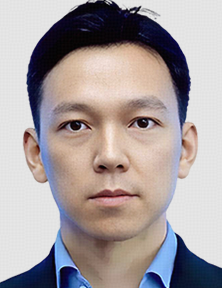 Rongrong Ji (纪荣嵘)合作论文数School of Informatics, Xiamen University38
 Ling-Yu Duan (段凌宇)合作论文数School of Computer Science, Peking University;Institute of Digital Media, School of Electronics Engineering and Computer Science, Peking University36
 Guoying Zhao (赵国英)合作论文数Center for Machine Vision and Signal Analysis, Faculty of Information Technology and Electrical Engineering, University of Oulu29
 Yonghong Tian (田永鸿)合作论文数School of Computer Science, Peking University27
 Guoli Song (宋国立)合作论文数University of Chinese Academy of Sciences;Shenyang Institute of Automation, Chinese Academy of Sciences23
 Matti Pietikainen合作论文数Center for Machine Vision and Signal Analysis, University of Oulu23
 Yian Zhao合作论文数School of Electronic and Computer Engineering, Peking University Shenzhen Graduate School20
 Zhennan Wang (王振楠)合作论文数Haomo.AI Technology Co., Ltd19
 Tiejun Huang (黄铁军)合作论文数Institute for Artificial Intelligence, Peking University;School of Computer Science, Peking University;Beijing Academy of Artificial Intelligence;National Engineering Laboratory for Video Technology, Peking University19
 Panchbhavi Vinod K合作论文数Galveston17
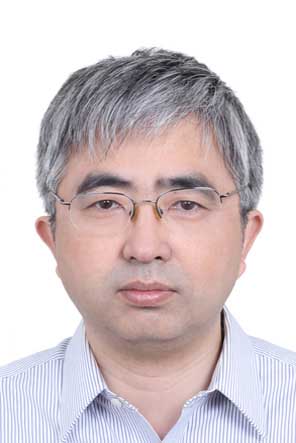 Xilin Chen (陈熙霖)合作论文数Institute of Computing Technology, Chinese Academy of Sciences;University of Chinese Academy of Sciences17
 Xiangyang Ji (季向阳)合作论文数Department of Automation, Tsinghua University;Beijing National Research Center for Information Science and Technology, Tsinghua University17
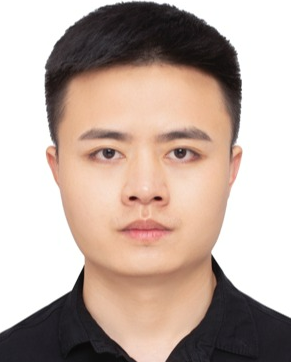 Li Yuan (袁粒)合作论文数School of Electrical and Computer Engineering, Shenzhen Graduate School, Peking University17
 Pengchong Qiao合作论文数Peking University16
 Peng Jin (金鹏)合作论文数School of Electronic and Computer Engineering, Peking University16Kehan Li合作论文数15
 Zesen Cheng (成泽森)合作论文数Peking University Shenzhen Graduate School14
 Shiguang Shan (山世光)合作论文数Key Lab of Intelligent Information Processing, Institute of Computing Technology, Chinese Academy of Sciences;School of Computer, University of Chinese Academy of Sciences14
 Xiawu Zheng (郑侠武)合作论文数Institute of Artificial Intelligence, Xiamen University14Xiansong Huang (黄显淞)合作论文数鹏城实验是14
 Li Hao合作论文数School of Electronic and Computer Engineering, Peking University;Shanghai AI Laboratory;Peking University Shenzhen Graduate School12
 Craig Akoh合作论文数12
 Li Liu (刘丽)合作论文数College of Electronic Science and Technology, National University of Defense Technology12
 Pengxu Wei (魏朋旭)合作论文数Human-Cyber-Physical Intelligence Integration Lab, School of Computer Science and Engineering, Sun Yat-sen University11Zhiwei Nie合作论文数10
 Shiqi Wang (王诗淇)合作论文数Department of Computer Science, City University of Hong Kong10Rishin J. Kadakia合作论文数9
 Hongxun Yao (姚鸿勋)合作论文数School of Computer Science and Technology, Harbin Institute of Technology9
 Ruiping Wang (王瑞平)合作论文数Institute of Computing Technology, Chinese Academy of Sciences;University of Chinese Academy of Sciences9Daniel Jupiter合作论文数College of Medicine, Texas A & M Health Science Center9
 Xianfeng Li (李险峰)合作论文数北京大学深圳研究生院8
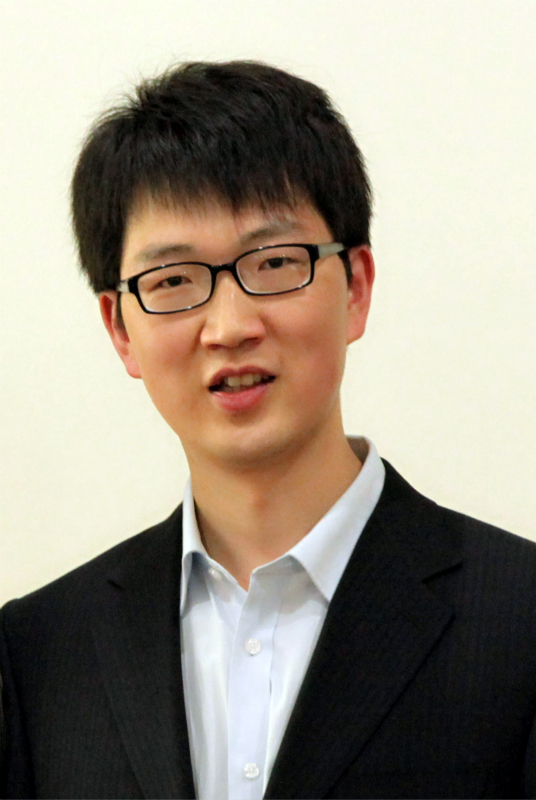 Jian Zhang (张健)合作论文数School of Electronic and Computer Engineering, Peking University;Shenzhen Graduate School, Peking University8
 Runyi Yu合作论文数HKUST7
 Jie Lin (林杰)合作论文数Center for Quantitative Biology, Peking University7
 Kees de Hoogh合作论文数Swiss Tropical and Public Health Institute;Department of Population Health Sciences, Utrecht University;Institute for Risk Assessment Sciences, Utrecht University7Hongliang He合作论文数Peng Cheng Laboratory;School of Electronic and Computer Engineering, Peking University7
 Yu Wang合作论文数School of Electronic and Computer Engineering, Peking University;International Digital Economy Academy7
 Qixiang Ye (叶齐祥)合作论文数University of Chinese Academy of Sciences7
 Samuel B Adams合作论文数6Fan Xu合作论文数6
 Jinfa Huang合作论文数Peking University, China/Peking University6
 Ru-Ling Liao合作论文数Alibaba Grp, Beijing, Peoples R China6
 Shengye Yan (闫胜业)合作论文数School of Artificial Intelligence, Nanjing University of Information Science & Technology6
 Tianyu Liu (刘天宇)合作论文数Institute for Machine Learning, Department of Computer Science, Eidgenössische Technische Hochschule Zürich6
 B. (Bert) Brunekreef合作论文数Institute for Risk Assessment Sciences, Utrecht University;Department Population Health Sciences, Utrecht University;Faculty of Medicine, Utrecht University6
 Zhixiang Ren (任智祥)合作论文数PengCheng Laboratory;AI for Science Lab;Southern University of Science and Technology;Tsinghua University6
 Yan Ye合作论文数6




