This cross-sectional study explored the transformative potential of a care farm intervention for individuals facing traumatic grief, primarily the death of a child. The study involved 174 respondents who had experienced such a loss and subsequently participated in a care farm program. Data were collected through an optional post-intervention survey, focusing on respondents perceived value of the experience and their engagement in various activities. The findings revealed overwhelmingly positive responses, with 92 % of respondents rating the care farm experience as extremely valuable and 86 % reporting a healthier relationship with grief following the intervention. An inductive thematic analysis further highlighted the significance of connecting with others, interacting with the rescued animals of the care farm, grief-focused spaces, specialized bereavement counseling, and engaging in remembrance rituals, contemplative practices, and art therapy. These findings underscore the potential value of traumatic-grief focused care farming as a therapeutic intervention offering a unique blend of nature, animals, and human connection to foster solace, support, and empowerment.
Despite the widespread use of social media, little research exists on Facebook (FB) groups dedicated to perinatal loss as a form of online support for grieving parents. This study explores how such groups are used after perinatal loss and evaluates their psychological role for bereaved parents. We conducted a thematic analysis of posts from FB groups in the U.S. and France over one month; a third group from Italy was excluded due to insufficient activity. Four main categories emerged: emotional responses to loss, subsequently born children, mutual sharing of memories of their deceased children and practical information. Findings reveal similarities between the French and U.S. groups, particularly in how mothers express emotions, seek validation, and commemorate their children. The lack of active Italian groups may reflect cultural attitudes toward grief. Despite linguistic and cultural differences, bereaved parents shared common online experiences and challenges. Further research in non-Western countries is recommended.
This study explored the ways in which nonhuman animals were perceived to provide social support for grievers. A content analysis was conducted and four key qualities of nonhuman companion animals were identified: 1) presence, 2) continuity and purpose, 3) mutuality and connection, and 4) nature of response. Results suggest that people perceive animals to play an important role in providing emotional support through their presence and tactile experiences, to enhance a sense of purpose after loss, and perceived nonjudgmental acceptance of the griever is highly valued. Additionally, some respondents may feel closer to their loved one through contact with animals associated with them. The type of support perceived from animals overlaps in some ways with human support yet is unique in many ways. Animal support may be especially important for grieving people during pandemic isolation and in the absence of strong social networks.
Following stillbirth, profound grief is well-documented, and co-occurring mental health struggles are common. Distinguishing normal grief from mental health conditions is crucial yet difficult, especially when losses are traumatic. Strong social and emotional support promotes integration and adjustment, but stigma surrounding stillbirth often negatively impacts the degree of support families receive. Many bereaved parents prefer peer-based and animal-assisted supports over conventional clinical services, which may reflect gaps in clinician training in perinatal bereavement care. Accordingly, all professionals who interface with bereaved families should receive targeted education in evidence-informed communication, compassionate care, and community-based support.
Prolonged Grief Disorder (PGD) was recently added to DSM-5-TR. However, concerns remain about its applicability in various bereaved subgroups. This study examined views toward a grief-related diagnosis among a sample of 755 bereaved adults that was diverse regarding relationship to the deceased and manner of death, with over half having lost a child and 36% meeting PGD criteria. Most were between the ages of 45 and 64 years. The majority (72.2%) rated a grief-related diagnosis as unhelpful, 11.4% rated it as helpful, and 16.4% were unsure. A thematic analysis of responses to an open-ended question about their rating generated four themes: 1) grief as the measure of love, 2) emotional and existential harms of pathologizing grief, 3) medicalization and contextualization within systems of care, and 4) finding utility in the language of disorder. Overall, most respondents rejected diagnostic labeling of grief and emphasized the need for compassionate, context-sensitive support.
Adverse life events are associated with the often-terrifying REM sleep parasomnia of sleep paralysis (SP), but the impact of bereavement on SP has not been specifically examined. This exploratory, mixed-methods study (N = 168) includes qualitative data from 55 participants who described factors they believed led to their SP. Of these, almost half with a traumatic loss listed death-related precipitants. In unadjusted (bivariate) negative binomial regression models, traumatic death, time since death, religiosity, and age estimated increased SP frequency in the prior month, prior year, or both. In multivariable models, traumatic death, time since death, and age estimated increased frequency in the prior month, prior year, or both. Unexpectedly, in all models, as compared to death ≥9 years earlier, prior month SP was greater with death 1-6 years earlier, but not <1 year earlier. Discussion includes the possible role of social constraints in traumatic grief trajectories and care provider recommendations.
Individuals employ various coping mechanisms to deal with the fear of death. While materialism and status consumption are commonly recognized in the literature as such strategies, no study has yet empirically tested this premise. Accordingly, this study examined the mediating role of death avoidance in the link between the fear of death and death-related status consumption (DRSC). Data obtained from 346 participants were analyzed using structural equation modeling. The results showed that fear of death significantly and positively influences DRSC and that death avoidance partially and positively mediates this relationship. Results also revealed that materialism strengthens the relationship between fear of death and DRSC, while it does not significantly moderate the relationship between death avoidance and DRSC. These results support the conclusion that death-related status consumption may play a critical role as an avoidance mechanism in coping with the fear of death. This study, being among the few that investigate death-related consumer behaviors, enriches both terror management theory and the literature on consumer behavior in crises.
The recent article by Prigerson et al.1 entitled "Prolonged Grief Disorder: Addressing Misconceptions with Evidence" appears to misrepresent the findings of our recent cross-sectional study on Prolonged Grief Disorder (PGD) rates2 as well as the views expressed in our article on the dangers of using naltrexone in grievers,3 labeling them as "inaccurate and misleading" (p. 3). Given how controversial and important this topic is, we wish to clarify our statements and avoid any further misconceptions.
Background: Prolonged Grief Disorder (PGD) was recently included in DSM-5-TR. The rate of PGD is known to vary according to a number of factors and little is known about how bereaved individuals view the diagnosis. Methods: This cross-sectional study assessed PGD rates using the Prolonged Grief-13-Revised (PG-13-R) among a large sample (n = 1137) of bereaved individuals, considering the relationship to the deceased and cause of death. It also investigated bereaved individuals' attitudes toward the diagnosis. Results: Overall, 34.3 % of the sample met PGD criteria. Bereaved parents had the highest rate (41.6 %), followed by bereaved spouses/partners (33.7 %) and siblings (29.4 %). According to cause of death, those bereaved by substance overdose had the highest rate (59.1 %), followed by homicide/suicide (46 %) and accidental (36 %). The majority of respondents (65-95.6 %) viewed their responses, as measured by the PG-13-R items, as normal, and 98.1 % agreed that their responses in general were normal. Fewer than 12 % reported that a PGD diagnosis would be helpful to them. Limitations: This study used a self-selecting, non-representative sample that was predominantly female and white. Findings may or may not apply to more diverse groups and cannot be generalized. This study also used a selfreport measure rather than a clinical interview. Conclusions: In line with prior research, this study found higher rates of PGD in specific subgroups, including bereaved parents, spouses, and those who lost loved ones to substance overdose, homicide/suicide, or accidents. Bereaved individuals in this sample generally did not view receiving a diagnosis of PGD as helpful.
More than two million babies a year die during or before birth around the world, evoking grief that is traumatic. Because the psychological, physical, social, and emotional ramifications of grief following a baby's death are so enduring and intense, social support is essential to helping families cope. In particular, emotional acts of caring and judicious use of language are crucial, avoiding the use of the terms that belittle the value of the baby's life and the importance of the baby as part of a family history. Traumatic grief informed continuing education can aid providers in increasing sensitivity to the needs of grieving families and minimize additional trauma and suffering in the aftermath of such loss.
A study is currently underway in the United States using the opioid antagonist naltrexone to treat prolonged grief, which is conceptualized in the study's proposal as an addiction disorder. The researchers' stated intention is to use the pharmaceutical agent to disrupt the griever's capacity to engage in social bonding to eliminate craving for the person who died. We believe this approach is misguided for a number of reasons. It demeans the importance of the relationship between the bereaved and the deceased loved one, further isolates grievers from the very social support networks that could help facilitate adaptation to bereavement, and could have a disproportionate negative impact on marginalized communities, who tend to rely more heavily on informal sources of support. We argue that social connection is at the very core of healing and that disregarding and interfering with this capacity could have widespread detrimental effects on grievers.
This qualitative study explored the effects of human-animal relationships on care-farms, with specific attention to the context of trauma histories. We questioned how the interpretative act and belief in identifying shared narratives of prior suffering could change how people relate to their own narratives of trauma and grief and to animals. Drawing on a study of grieving individuals' experiences on a care-farm providing support and psychoeducation to individuals who have experienced traumatic grief, we present the results of an in-depth qualitative survey. As part of the study, participants were asked to reflect on whether it was important that the service-provider's model included helping rescue animals: 91% answered affirmatively. Participants were invited to expand discursively why, or why not, this had been meaningful to them. Our results show that participants assigned benefits from personally identifying a "shared narrative" of trauma with the animals, that witnessing a level of rehabilitation and resilience in animals with trauma histories was meaningful for participants for their own integration of grief, and that being able to contribute "care" for animals provided a mechanism for compassionate practice. Our findings suggest that animals with loss and trauma biographies may provide unique and unexpected psychological benefits to humans facing grief and trauma. We are not suggesting that animals who have a traumatic past have an inherent capacity for providing salutary benefit or that such animals should be engaged to provide therapeutic opportunities. Rather, we emphasize the importance of narrative and how such narratives change how participants relate to, and interact with, animals. Our research serves as an important reminder that "therapy animals" are living beings with their own life histories and experiences. Careful thought needs to be given when working with animals in a therapeutic context in order to protect both vulnerable humans and animals.
Prolonged grief disorder, which is now included in the Diagnostic and Statistical Manual of Mental Disorders, Fifth edition, Text Revision (DSM-5-TR) as of March, 2022,1American Psychiatric AssociationAPA releases diagnostic and statistical manual of mental disorders, fifth edition, text revision (DSM-5-TR).https://www.psychiatry.org/newsroom/news-releases/apa-releases-diagnostic-and-statistical-manual-of-mental-disorders-fifth-edition-text-revision-dsm-5-trDate: March 18, 2022Date accessed: April 20, 2022Google Scholar has a remarkably easy symptom threshold to meet, and its inclusion is a huge mistake that solves no existing problem and creates many new ones. There is no uniform expiration date on normal grief. This is particularly true when the relationship with the person who died was very close or the death was catastrophic, such as deaths by suicide, homicide, or accident, or the death of child. Additionally, responses vary greatly depending on individual, familial, and cultural norms, the availability of family and social support, characterological traits, trauma, or loss history, and the presence of other stressors. Pathologising grief is an insult to the dignity of loving relationships—it proclaims grievers as mentally ill and will too often result in the careless prescription of antidepressants or other drugs to treat enduring symptoms, without consideration of the context. The misuse of psychiatric medication for grief will be particularly problematic in primary care, where most antidepressants are prescribed. This pathologising reflects the undue influence that a small group of researchers can exert on the diagnostic system. Experts love their diagnoses and thus perceive benefits, while ignoring risks. Critics have expressed concerns about pernicious conflicts of interest once a proposal becomes a diagnosis.2Cosgrove L Logan J Herrawi F Institutional corruption in psychiatric research and practice: implications for humanistic psychology.Humanist Psychol. 2022; (published online Jan 6.)https://doi.org/10.1037/hum0000270Crossref Scopus (1) Google Scholar, 3Kaczmarek E Promoting diseases to promote drugs: the role of the pharmaceutical industry in fostering good and bad medicalization.Br J Clin Pharmacol. 2022; 88: 34-39Crossref PubMed Scopus (6) Google Scholar Mental disorders that might work well in the hands of researchers are often a disaster when applied in general practice. Worse, in our opinion, is that the evidence for prolonged grief disorder is surprisingly thin. And since it has never been field tested, there has been no meaningful determination of reliability or validity. Including prolonged grief disorder in the DSM-5-TR with such weak empirical support represents a lack of appropriate caution and naive hope over past painful experience. New disorders introduced in the past have often stimulated diagnostic inflation, over-treatment, stigma, and misallocation of resources.4Batstra L Frances A Diagnostic inflation: causes and a suggested cure.J Nerv Ment Dis. 2012; 200: 474-479Crossref PubMed Scopus (52) Google Scholar We realise that some grievers, especially when their loss is catastrophic, might need psychological care. In those cases, adjustment disorder is a less risky and offensive reimbursement code. It would be preferable if US-based insurers did not predicate payment for supportive grief counselling on a medical code; this would be much more respectful of grievers. Many people, recognising that bereavement can be an intense exogenous stressor,5Maercker A Brewin CR Bryant RA et al.Proposals for mental disorders specifically associated with stress in the International Classification of Diseases-11.Lancet. 2013; 381: 1683-1685Summary Full Text Full Text PDF PubMed Scopus (353) Google Scholar want to leave grief, and grievers, safely out of the reach of well meaning but intrusive doctors and treatments. Grief warrants strong social support and compassionate connection, not medicalisation. This online publication has been corrected. The corrected version first appeared at thelancet.com/psychiatry on July 6, 2022 This online publication has been corrected. The corrected version first appeared at thelancet.com/psychiatry on July 6, 2022 We declare no competing interests. Correction to Lancet Psychiatry 2022; 9: e32Cacciatore J, Frances A. DSM-5-TR turns normal grief into a mental disorder. Lancet Psychiatry 2022; 9: e32—In this Correspondence, the spelling of Allen Frances's name was incorrect. This correction has been made to the online version as of July 6, 2022. Full-Text PDF
Objectives: Women who experience stillbirth are more likely to develop post-traumatic stress disorder (PTSD), and anxious and depressive symptoms than those who deliver live healthy babies. Participants in a recent study of online yoga (OY) reported a desire for more social support, which may help reduce PTSD related to grief and aid in coping. Facebook (FB) has been used successfully to deliver support for online interventions, but little is known about its use in conjunction with OY. The purpose of this study was to examine the feasibility of a FB support group in conjunction with an 8-week OY intervention. Design: Randomized parallel feasibility trial with a 1:1 study group allocation ratio. Setting/Location: Online. Subjects: Women (N = 60) who experienced stillbirth within the past 3 years. Interventions: Participants were recruited nationally to participate and randomized into one of two groups: OY only (n = 30) or online yoga with Facebook (OYFB) (n = 30). Both groups were asked to complete 60 min of OY per week. Women in the OY group were asked to log on to a FB page at least once per week. Outcome measures: Acceptability (i.e., satisfaction) and demand (i.e., attendance), PTSD, anxiety, depressive symptoms, social support. Results: Participants were satisfied with and enjoyed OY, and 8/13 FB acceptability benchmarks were met. There were no significant differences between groups in minutes of yoga per week. Conclusions: The addition of a FB group to an OY intervention for women who have experienced stillbirth is feasible, although more research is needed to increase its efficacy. Trial registration: NCT04077476. Registered September 4, 2019. Retrospectively registered (https://clinicaltrials.gov/ct2/show/NCT04077476).
The death of a baby is often a life-changing and devastating experience for the family.1 The parents are at increased risk of adverse outcomes following a perinatal death: psychological and emotional distress, post-traumatic stress disorder, long term guilt, intense grief for more than two years, and even a higher risk of long-term morbidity and mortality
Mindfulness-based interventions have recently been applied to grief-related distress. However, little is known about how bereaved participants experience them. This study explored bereaved parents' experiences of a mindfulness-based grief retreat through semi-structured interviews with 19 participants. Interview transcripts were thematically analyzed to gain an understanding of how participants experienced the retreat and its perceived effect on their lives. Four themes representing the perceived benefits of the retreat emerged: psychoeducation, mindfulness, mutual support and understanding, and relationships. The mindfulness-based retreat was generally experienced as beneficial in coping with the death of a child.
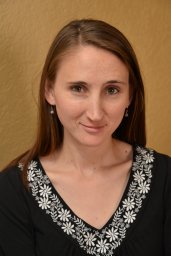 Thieleman Kara合作论文数Arizona State University23
 Jennifer Huberty合作论文数Arizona State Univ11
 Jenn A. Leiferman合作论文数9
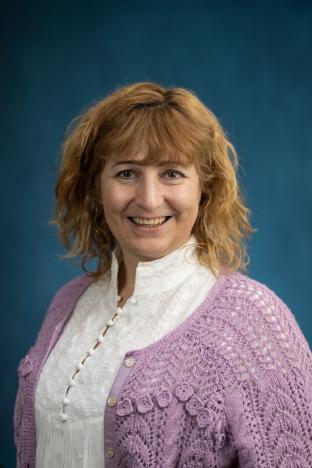 Katherine J. Gold合作论文数Departments of Family Medicine and Obstetrics & Gynecology, University of Michigan Medical School;Domino’s Farms Family Medicine;Luke Clinic7
 Richard Gorman合作论文数Dept Clin & Expt Med, Brighton & Sussex Med Sch6
 Cybele Blood合作论文数5
 Jeni Matthews合作论文数5
 Jeffrey R. Lacasse合作论文数Florida State University5Mariah Sullivan合作论文数4Claire Storey合作论文数4Jeni Green合作论文数4
 Alexander Heazell合作论文数Lydia Becker Institute of Immunology and Inflammation, School of Biological Sciences, The University of Manchester;Division of Developmental Biology and Medicine, The University of Manchester4Rådestad Ingela合作论文数4Frøen J Frederik合作论文数4
 Vicki Flenady合作论文数3Patricia Wonch Hill合作论文数3jaime ascher合作论文数3
 Dimitris (Siassakos) Siasakos合作论文数Institute for Women's Health, University College London3
 Soo Downe合作论文数School of Community Health and Midwifery, University of Central Lancashire;THRIVE Centre3Jonas-Simpson Christine合作论文数3
 Michael Killian合作论文数3Hannah Blencowe合作论文数3
 Cynthia A. Lietz合作论文数arizona state university3
 John Defrain合作论文数Department of Family and Consumer Sciences, University of Nebraska3Lionel Laroche合作论文数2Allison Farber合作论文数2Carol Styles合作论文数2Claude Arsenault合作论文数2Jamie DeMore合作论文数2Sheila Wijayasinghe合作论文数2Alexandra Dimmer合作论文数2Sandra Witherbee合作论文数2Stéphane Groulx合作论文数2Andrea Rideout合作论文数2Melanie Heatherington合作论文数2Alexandra Fletcher合作论文数2Marie Desmartis合作论文数2Geneviève Garnon合作论文数2Andréa Lessard合作论文数2
 Sean C Finnegan合作论文数2E. Steven Lichtenberg合作论文数2Debbie Elman合作论文数2Filip Gilic合作论文数2Artem Safarov合作论文数2Carolina Aguilar合作论文数2Melissa Nutik合作论文数2Shari McKay合作论文数2Fatoumata Binta Diallo合作论文数2Jill Wieber Lens合作论文数2




