Farmed insects have gained attention as an alternative, sustainable source of protein with a lower carbon footprint than traditional livestock. We present a high-quality reference genome for one of the most commonly farmed insects, the banded cricket Gryllodes sigillatus. In addition to its agricultural importance, G. sigillatus is also a model in behavioural and evolutionary ecology research on reproduction and mating systems. We report comparative genomic analyses that clarify the banded cricket's evolutionary history, identify gene family expansions and contractions unique to this lineage, associate these with agriculturally important traits, and identify targets for genome-assisted breeding efforts. The high-quality G. sigillatus genome assembly plus accompanying comparative genomic analyses serve as foundational resources for both applied and basic research on insect farming and behavioural biology, enabling researchers to pinpoint trait-associated genetic variants, unravel functional pathways governing those phenotypes, and accelerate selective breeding efforts to increase the efficacy of large-scale insect farming operations.
In response to sexual conflict, males have evolved strategies manipulating female behavior and physiology to increase their paternity. One hypothesis posits that males of some insects use nuptial food gifts given to females at copulation to achieve this. In decorated crickets, Gryllodes sigillatus, the male's nuptial gift, the spermatophylax, is consumed by the female after mating, prior to her removing a sperm-containing ampulla. Spermatophylax feeding deters premature termination of sperm transfer, thereby enhancing male paternity. We hypothesized that spermatophylax proteins play a key role in sexual conflict and are a route through which males manipulate female future reproductive behavior to their own fitness benefit. We used RNA interference to knockdown gene expression of SPX1 and SPX2, the most abundant spermatophylax proteins, assessing focal male mating and female remating. Males with reduced SPX1/2 expression had lower mating success, and females fed for a shorter time on their spermatophylaxes. Moreover, females mated with SPX1/2 knockdown males had reduced latency to remate and fed longer on spermatophylaxes upon remating. Our results provide evidence that spermatophylax proteins play important roles in mediating sexual conflict, enhancing a male's paternity share by increasing his sperm transfer time, while decreasing that of competitors in subsequent matings.
Theoretically, males should increase their ejaculate expenditure when the probability of sperm competition occurring (or risk) is high but decrease ejaculate expenditure as the number of competing ejaculates (or intensity) increases. Here we examine whether male decorated crickets (Gryllodes sigillatus) use cuticular hydrocarbons (CHCs) transferred to females by rival males at mating to assess the risk and intensity of sperm competition and adjust their ejaculate accordingly. Unmated females and those perfumed with CHCs extracted from one, three, or five males could be distinguished chemically, providing a reliable cue of the risk and intensity of sperm competition. In agreement with theory, males mating with these females increased sperm number with the risk of sperm competition and decreased sperm number with the intensity of sperm competition. Similarly, as the risk of sperm competition increased, males produced a larger and more attractive spermatophylax (an important non-sperm component of the ejaculate) but these traits did not vary with the intensity of sperm competition. Our results therefore demonstrate that both sperm and non-sperm components of the male ejaculate respond to the risk and intensity of sperm competition in different ways and that CHCs provide males with an important cue to strategically tailor their ejaculate.
Antimicrobial coatings provide protection against microbes colonization on surfaces. This can prevent the stabilization and proliferation of microorganisms. The ever-increasing levels of microbial resistance to antimicrobials are urging the development of alternative types of compounds that are potent across broad spectra of microorganisms and target different pathways. This will help to slow down the development of resistance and ideally halt it. The development of composite antimicrobial coatings (CACs) that can host and protect various antimicrobial agents and release them on demand is an approach to address this urgent need. In this work, new CACs based on microsized hybrids of calcium carbonate (CaCO3) and silver nanoparticles (AgNPs) were designed using a drop-casting technique. Polyvinylpyrrolidone and mucin were used as additives. The CaCO3/AgNPs hybrids contributed to endowing colloidal stability to the AgNPs and controlling their release, thereby ensuring the antibacterial activity of the coatings. Moreover, the additives PVP and mucin served as a matrix to (i) control the distribution of the hybrids, (ii) ensure mechanical integrity, and (iii) prevent the undesired release of AgNPs. Scanning electron microscopy (SEM), X-ray diffraction (XRD), and Fourier transform infrared (FTIR) techniques were used to characterize the 15 μm thick CAC. The antibacterial activity was determined against Escherichia coli, methicillin-resistant Staphylococcus aureus (MRSA), and Pseudomonas aeruginosa, three bacteria responsible for many healthcare infections. Antibacterial performance of the hybrids was demonstrated at concentrations between 15 and 30 μg/cm2. Unloaded CaCO3 also presented bactericidal properties against MRSA. In vitro cytotoxicity tests demonstrated that the hybrids at bactericidal concentrations did not affect human dermal fibroblasts and human mesenchymal stem cell viability. In conclusion, this work presents a simple approach for the design and testing of advanced multicomponent and functional antimicrobial coatings that can protect active agents and release them on demand.
The operational sex ratio (OSR) is a key component influencing the magnitude of sexual selection driving the evolution of male sexual traits, but males often also retain the ability to plastically modulate trait expression depending on the current environment. Here we employed an experimental evolution approach to determine whether the OSR affects the evolution of male calling effort in decorated crickets, a costly sexual trait, and whether plasticity in calling effort is altered by the OSR under which males have evolved. Calling effort of males from 2 selection regimes maintained at different OSRs over 18-20 generations (male vs. female biased) was recorded at 2 different levels of perceived competition, in the absence of rivals or in the presence of an experimentally muted competitor. The effect of the OSR on the evolution of male calling effort was modest, and in the opposite direction predicted by theory. Instead, the immediate competitive environment strongly influenced male calling effort as males called more in the presence of a rival, revealing considerable plasticity in this trait. This increased calling effort came at a cost, however, as males confined with a muted rival experienced significantly higher mortality.
The caloric content and macronutrient ratio of diet consumed is a major source of phenotypic variation in most animal populations. While these nutritional effects have been well-documented for a variety of life-history and morphological traits, the effects of nutrition on male genitals are poorly understood but genitals are thought to be more canalised than general morphology and hence less susceptible to variation in nutrition. Even less is known about the effects of nutrition on female genital form, which to our knowledge, have never been investigated. Here we tested for effects of juvenile dietary macronutrients (protein and carbohydrate) on larval survival, adult morphology, including genital size and shape in male and female flour beetles (Tribolium castaneum). We found there was nutritionally induced plasticity in larval survival and morphology, although the latter effect was variable, with body size being most responsive to dietary macronutrients and genital size and shape being least responsive. Functionally equivalent morphological traits in the sexes responded similarly to nutrition. Previously, we showed that the genitalia of male and female T. castaneum are subject to strong stabilising sexual selection, and our current findings suggest that developmental mechanisms reduce the nutritional sensitivity of male and female genitals, possibly to ensure matching during mating.
The evolution of nuptial gifts has traditionally been considered a harmonious affair, providing benefits to both mating partners. There is growing evidence, however, that receiving a nuptial gift can be actively detrimental to the female. In decorated crickets ( Gryllodes sigillatus ), males produce a gelatinous spermatophylax that enhances sperm transfer but provides little nutritional benefit and hinders female post-copulatory mate choice. Here, we examine the sexually antagonistic coevolution of the spermatophylax and the female feeding response to this gift in G. sigillatus maintained in experimental populations with either a male-biased or female-biased adult sex ratio. After 25 generations, males evolving in male-biased populations produced heavier spermatophylaxes with a more manipulative combination of free amino acids than those evolving in female-biased populations. Moreover, when the spermatophylax originated from the same selection regime, females evolving in male-biased populations always had shorter feeding durations than those evolving in female-biased populations, indicating the evolution of greater resistance. Across populations, female feeding duration increased with the mass and manipulative combination of free amino acids in the spermatophylax, suggesting sexually antagonistic coevolution. Collectively, our work demonstrates a key role for interlocus sexual conflict and sexually antagonistic coevolution in the mating system of G. sigillatus .
The development of stretchable electronic devices is a critical area of research for wearable electronics, particularly electronic textiles (e-textiles), where electronic devices embedded in clothing need to stretch and bend with the body. While stretchable electronics technologies exist, none have been widely adopted. This work presents a novel and potentially transformative approach to stretchable electronics using a ubiquitous structure: the helix. A strip of flexible circuitry (‘e-strip’) is twisted to form a helical ribbon, transforming it from flexible to stretchable. A stretchable core—in this case rubber cord—supports the structure, preventing damage from buckling. Existing helical electronics have only extended to stretchable interconnects between circuit modules, and individual components such as printed helical transistors. Fully stretchable circuits have, until now, only been produced in planar form: flat circuits, either using curved geometry to enable them to stretch, or using inherently stretchable elastomer substrates. Helical e-strips can bend along multiple axes, and repeatedly stretch between 30 and 50%, depending on core material and diameter. LED and temperature sensing helical e-strips are demonstrated, along with design rules for helical e-strip fabrication. Widely available materials and standard fabrication processes were prioritized to maximize scalability and accessibility.
Breast cancer remains a leading cause of cancer mortality worldwide, with early detection crucial for improving outcomes. This systematic review evaluates recent advances in portable non-invasive technologies for early breast cancer detection, assessing their methods, performance, and potential for clinical implementation. A comprehensive literature search was conducted across major databases for relevant studies published between 2015 and 2024. Data on technology types, detection methods, and diagnostic performance were extracted and synthesized from 41 included studies. The review examined microwave imaging, electrical impedance tomography (EIT), thermography, bioimpedance spectroscopy (BIS), and pressure sensing technologies. Microwave imaging and EIT showed the most promise, with some studies reporting sensitivities and specificities over 90 %. However, most technologies are still in early stages of development with limited large-scale clinical validation. These innovations could complement existing gold standards, potentially improving screening rates and outcomes, especially in underserved populations, whiles decreasing screening waiting times in developed countries. Further research is therefore needed to validate their clinical efficacy, address implementation challenges, and assess their impact on patient outcomes before widespread adoption can be recommended.
Dietary macronutrients regulate life span and aging, yet little is known about their evolutionary effects. Here, we examine the evolutionary response of these traits in decorated crickets (Gryllodes sigillatus) maintained on diets varying in caloric content and protein-to-carbohydrate ratio. After 37 generations, each population was split: half remained on the evolution diet, and half switched to a standardized diet. Crickets lived longer and aged slower when evolving on high-calorie (both sexes) and carbohydrate-biased (females only) diets and had lower baseline mortality on high-calorie (females only) diets. However, on the standardized diet, crickets lived longer when evolving on high-calorie diets (both sexes), aged slower on high-calorie (females only) and carbohydrate-biased (both sexes) diets, and had lower baseline mortality on high-calorie (males only) and protein-biased (both sexes) diets. Life span was longer, and baseline mortality was lower when provided with the evolution vs. the standardized diet, but the aging rate was comparable. Moreover, life span was longer, aging slower (females only), and baseline mortality was lower (males only) compared to our evolved baseline, suggesting varying degrees of dietary adaptation. Collectively, we show dietary components influence the evolution of life span and aging in different ways and highlight the value of combining experimental evolution with nutritional geometry.
Bird song is a classic example of a sexually selected trait, but much of the work relating individual song components to fitness has not accounted for song typically being composed of multiple, often-correlated components, necessitating a multivariate approach. We explored the role of sexual selection in shaping the complex male song of house wrens (Troglodytes aedon) by simultaneously relating its multiple components to fitness using multivariate selection analysis, which is widely used in insect and anuran studies but not in birds. The analysis revealed significant variation in the form and strength of selection acting on song across different selection episodes, from nest-site defense to recruitment of offspring to the breeding population. Males that sang more song typically employed in close communication sired more offspring that were subsequently recruited to the breeding population than those that sang more far-communication song. However, this relationship was not consistent across earlier selection episodes, as evidenced by non-linear selection acting on these song components in other contexts. Collectively, our results present a complex picture of multivariate selection on male song structure that would not be evident using univariate approaches and suggest possible trade-offs within and among song components at different points of the breeding season.
Supplementary Figures 1-6 from Antitumor and Antiangiogenic Activities of BMS-690514, an Inhibitor of Human EGF and VEGF Receptor Kinase Families
Although many theoretical models of male sexual trait evolution assume that sexual selection is countered by natural selection, direct empirical tests of this assumption are relatively uncommon. Cuticular hydrocarbons (CHCs) are known to play an important role not only in restricting evaporative water loss but also in sexual signalling in most terrestrial arthropods. Insects adjusting their CHC layer for optimal desiccation resistance is often thought to come at the expense of successful sexual attraction, suggesting that natural and sexual selection are in opposition for this trait. In this study, we sampled the CHCs of male black field crickets (Teleogryllus commodus) using solid-phase microextraction and then either measured their evaporative water loss or mating success. We then used multivariate selection analysis to quantify the strength and form of natural and sexual selection targeting male CHCs. Both natural and sexual selection imposed significant linear and stabilizing selection on male CHCs, although for very different combinations. Natural selection largely favoured an increase in the total abundance of CHCs, especially those with a longer chain length. In contrast, mating success peaked at a lower total abundance of CHCs and declined as CHC abundance increased. However, mating success did improve with an increase in a number of specific CHC components that also increased evaporative water loss. Importantly, this resulted in the combination of male CHCs favoured by natural selection and sexual selection being strongly opposing. Our findings suggest that the balance between natural and sexual selection is likely to play an important role in the evolution of male CHCs in T. commodus and may help explain why CHCs are so divergent across populations and species.
Supplementary Tables 1-3, Figure Legends 1-6 from Antitumor and Antiangiogenic Activities of BMS-690514, an Inhibitor of Human EGF and VEGF Receptor Kinase Families
Starting from the dialkylaniline indoleamine 2,3-dioxygenase 1 (IDO1) inhibitor lead 3 (IDO1 HeLa IC50 = 7.0 nM), an iterative process of synthesis and screening led to cyclized analog 21 (IDO1 HeLa IC50 = 3.6 nM) which maintained the high potency of 3 while addressing issues of lipophilicity, cytochrome P450 (CYP) inhibition, hERG (human potassium ion channel Kv11.1) inhibition, Pregnane X Receptor (PXR) transactivation, and oxidative metabolic stability. An x-ray crystal structure of a biaryl alkyl ether 11 bound to IDO1 was obtained. Consistent with our earlier results, compound 11 was shown to bind to the apo form of the enzyme.
Accessory gland proteins contained within male ejaculates influence female reproduction and survival in insects. Nuptial food gifts offered by male crickets and katydids, the consumption of which may also alter female behaviour and physiology after mating, also contain accessory gland proteins. However, because nuptial feeding promotes the transfer of sperm and ejaculatory substances, it is unclear whether it is accessory gland proteins in the ejaculate, nuptial gifts or both that mediate these effects. Here we evaluate the effects of mating, nuptial gifts and accessory gland proteins on female reproduction in a gift-giving cricket (Gryllodes sigillatus) using a crossed experimental design. We injected females of varying mating experience with male accessory gland extract, permitting some females to consume the nuptial food gift, while experimentally preventing others from doing so. Mating resulted in a significant decrease in female sexual receptivity, an effect likely mediated by accessory gland proteins contained in the male's ejaculate. Consumption of the nuptial food gift resulted in the premature cessation of nuptial feeding following the female's next mating, leading to a concomitant decrease in sperm transfer by a rival male. This is a novel finding, demonstrating that fitness benefits to males of nuptial gift provisioning can also accrue over later copulations by their mates. Neither injection of accessory gland extract nor nuptial feeding influenced female oviposition; the absence of any effect of the injection of accessory gland proteins on female reproduction suggests that their efficacy may depend on their direct introduction into the female reproductive tract. More research is required to identify the specific accessory gland proteins in ejaculates and nuptial gifts that modulate female behaviour and physiology, potentially illuminating the evolution of these mechanistic tactics underlying sexual conflict.
Introduction: A changing environment can select on life-history traits and trade-offs in a myriad of ways. For example, global warming may shift phenology and thus the availability of host-plants. This may alter selection on survival and fertility schedules in herbivorous insects. If selection on life-histories changes, this may in turn select for altered nutrient intake, because the blend of nutrients organisms consume helps determine the expression of life-history traits. However, we lack empirical work testing whether shifts in the timing of oviposition alter nutrient intake and life-history strategies.Methods: We tested in the marula fruit fly, Ceratitis cosyra, how upward-selection on the age of female oviposition, in comparison with laboratory adapted control flies, affects the sex-specific relationship between protein and carbohydrate intake and life-history traits including lifespan, female lifetime egg production and daily egg production. We then determined the macronutrient ratio consumed when flies from each selection line and sex were allowed to self-regulate their intake.Results: Lifespan, lifetime egg production and daily egg production were optimised at similar protein to carbohydrate (P:C) ratios in flies from both selection lines. Likewise, females and males of both lines actively defended similar nutrient intake ratios (control =1:3.6 P:C; upward-selected = 1:3.2 P:C).Discussion: Our results are comparable to those in non-selected C. cosyra, where the optima for each trait and the self-selected protein to carbohydrate ratio observed were nearly identical. The nutrient blend that needs to be ingested for optimal expression of a given trait appeared to be well conserved across laboratory adapted and experimentally selected populations. These results suggest that in C. cosyra, nutritional requirements do not respond to a temporal change in oviposition substrate availability.
 Nicholas P. Rhodes合作论文数Department of Clinical Engineering, University of Liverpool UK Centre for Tissue Engineering43
 Scott K. Sakaluk合作论文数Department of Biological Sciences, College of Arts & Sciences, Illinois State University42
 Rapkin James合作论文数College of Life and Environmental Sciences, University of Exeter37
 Judith M. Curran合作论文数UK Centre for Tissue Engineering, Clinical Engineering, University of Liverpool33
 Clarissa M House合作论文数31D. F. Williams合作论文数29Gregory D. Vite合作论文数24
 Michael Jennions合作论文数Division of Ecology and Evolution, Research School of Biology, College of Science and Medicine, The Australian National University22J Fargnoli合作论文数21
 David Hosken合作论文数College of Life and Environmental Sciences, University of Exeter21
 Robert Clinton Brooks合作论文数Evolution & Ecology Research Centre, School of Biological, Earth and Environmental Sciences, Faculty of Science, The University of New South Wales21Yves Bayon合作论文数IMEDEX, Z.I. Les Troques20Bryan Nicholas合作论文数19
 Ben M. Sadd合作论文数Institute of Integrative Biology Zurich (IBZ),, ETH Zürich18Robert M. Borzilleri合作论文数18
 Kim Jensen合作论文数Institute of Biological Sciences, University of Aarhus18Fanrong Pu合作论文数17Rajeev S. Bhide合作论文数17R A Black合作论文数16Chen Rui合作论文数16
 Kristin R Duffield合作论文数ARS, USDA15
 C. Ruth Archer合作论文数15Louis J. Lombardo合作论文数Bristol-Myers Squibb Research and Development15N. Bryan合作论文数14
 Leigh W Simmons合作论文数Centre for Evolutionary Biology, School of Biological Sciences, The University of Western Australia14Johnni Gullo-Brown合作论文数13R. Chen合作论文数12
 Christopher A. Mitchell合作论文数University of Ulster Coleraine12Ashvinikumar V. Gavai合作论文数12Zw Cai合作论文数11Tai W Wong合作论文数11
 Francis Lee合作论文数Biomedical Engineering, School of Engineering & Applied Science, Yale University11Brian F. Flanagan合作论文数11
 Jack Butler合作论文数Department of Biological Sciences;Old Dominion University;Department of Biological Sciences, Dominion University11Ligang Qian合作论文数11Barri Wautlet合作论文数11Kirstie D. Andrews合作论文数11Aaron Balog合作论文数11Benjamin Henley合作论文数10Joel C. Barrish合作论文数10
 Rui L. Reis合作论文数3Bs Research Group;Universidade do Minho;European Institute of Excellence on Tissue Engineering and Regenerative Medicine10
 Neil J. Smart合作论文数Southmead Hospital, North Bristol NHS Trust10Brian E. Fink合作论文数10
 Allen J. Moore合作论文数Department of Entomology, College of Agricultural & Environmental Sciences, University of Georgia9
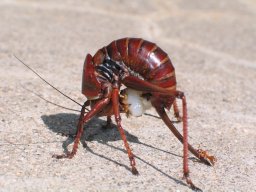 Nathan W. Bailey合作论文数School of Biology, University of St Andrews9Maria Jure-Kunkel合作论文数9
 Luc F. Bussiere合作论文数Biology Group;University of Toronto;Biology Group, University of Toronto9Donna Wei合作论文数9
 Richard D Leapman合作论文数Department of Health & Human Services, National Institute of Biomedical Imaging and Bioengineering9




