Abstract Objective To evaluate the real-world effectiveness of Intact Fish Skin Graft (IFSG) compared with standard of care (SOC) in the treatment of Stage 3-4 pressure ulcers, using clinically meaningful outcomes including wound healing rate and percent area reduction (PAR). Materials and Methods A retrospective matched cohort study was conducted using deidentified electronic health record (EHR) data from the U.S. Wound Registry. Patients with Stage 3-4 pressure ulcers treated with IFSG (n=40) were compared to a matched SOC control group (n=40). 1:1 covariate matching was performed to reduce confounding across key patient and wound characteristics, including age, mobility status, comorbidities (e.g., diabetes, peripheral artery disease), and wound features (age, size, location, and depth). Outcomes included healed status, healed or improved rate, and percent area reduction (PAR). Results The study population represented a high-risk, real-world cohort (n=40 per group), with only 37.5% ambulatory patients and a high prevalence of multiple concurrent wounds. IFSG treatment demonstrated superior clinical outcomes compared to SOC: Healed or improved: 67.5% (IFSG) vs 55.0% (SOC) (p=0.0379) Healed: 45.5% (IFSG) vs 33.3% (SOC) Percent area reduction (PAR): 49% (IFSG) vs 34% (SOC) (p=0.0028) These findings indicate statistically significant improvements in percent area reduction and in the proportion of wounds that were healed or improved with IFSG. The proportion achieving complete healing was numerically higher with IFSG than with SOC, but this difference did not reach statistical significance. Conclusion In this real-world matched cohort analysis, Intact Fish Skin Graft demonstrated superior effectiveness compared to standard of care in the management of Stage 3–4 pressure ulcers, with improvements in healing-related outcomes and percent area reduction. These results support the use of IFSG as an effective advanced therapy for hard-to-heal pressure ulcers.
Objective: To compare hospital length of stay (LOS) and complication rates between patients treated with intact fish skin graft (IFSG; Kerecis) and synthetic/biosynthetic dermal substitutes (SSS; Integra and NovoSorb BTM) prior to autograft using the ABA Burn Care Quality Platform. Methods: Adult acute-burn patients treated with either IFSG or SSS were identified from the American Burn Association Burn Care Quality Platform. IFSG patients were 1:4 propensity matched to SSS patients on age, sex, TBSA, burn severity, inhalation injury, and trauma. Primary outcome was hospital length of stay (Gamma GLMM); composite secondary was sepsis, graft loss, VTE, or HAPI (binomial GLMM). Results: 93 IFSG and 372 SSS patients across 49 burn centers were analyzed with acute burns represented as moderate sized (mean TBSA 12.6%), with burn depth predominantly mixed or third degree. GLMM adjusted mean length of stay was 22.7 days (95% CI 18.2 to 28.3) for IFSG versus 35.2 days (95% CI 30.9 to 40.1) for SSS (ratio 0.646; p = 0.000235), a 12.4 day reduction. The composite complication rate was 7.5% (7/93) in IFSG versus 15.9% (59/372) in SSS (GLMM odds ratio 2.37, 95% CI 1.03 to 5.42; p = 0.041). All individual complications were numerically lower in the IFSG arm. Conclusions: In this propensity matched analysis of the ABA registry, IFSG was associated with a statistically significant 12.4 day reduction in length of stay and a significantly lower composite complication rate. IFSG is an effective alternative for burns requiring dermal substitution and autografting. Prospective studies in larger burns are warranted. ### Competing Interest Statement This study was funded by Kerecis, LLC. RS and JCL have served as consultants to Kerecis. JCL is the Chairman of the Kerecis Scientific Advisory Board and the Director of their Clinical trials council; for which Little Black Raincloud Inc receives fair market compensation, JCL is a Co-Director of Little Black Raincloud Inc. NDH and BDP are employees of BData Inc., which received funding from Kerecis to perform the data extraction and propensity-matching analyses. OBD and RPK are employees of Frameshift ApS, which received funding from Kerecis to perform the independent statistical analyses. BData and Frameshift performed all analyses independently. The sponsor had no access to patient-level data at any point during the study. GJ is an employee of Kerecis (Coloplast), the manufacturer of the intact fish skin graft (GraftGuide) evaluated in this study. ### Funding Statement This study was funded by Kerecis, LLC. ### Author Declarations I confirm all relevant ethical guidelines have been followed, and any necessary IRB and/or ethics committee approvals have been obtained. Yes The details of the IRB/oversight body that provided approval or exemption for the research described are given below: WCG IRB Connexus gave ethical approval for this work. I confirm that all necessary patient/participant consent has been obtained and the appropriate institutional forms have been archived, and that any patient/participant/sample identifiers included were not known to anyone (e.g., hospital staff, patients or participants themselves) outside the research group so cannot be used to identify individuals. Yes I understand that all clinical trials and any other prospective interventional studies must be registered with an ICMJE-approved registry, such as ClinicalTrials.gov. I confirm that any such study reported in the manuscript has been registered and the trial registration ID is provided (note: if posting a prospective study registered retrospectively, please provide a statement in the trial ID field explaining why the study was not registered in advance). Yes I have followed all appropriate research reporting guidelines, such as any relevant EQUATOR Network research reporting checklist(s) and other pertinent material, if applicable. Yes Data in this study is generally unavailable with possible exceptions. Kerecis, LLC
BACKGROUND:Effective debridement is a cornerstone of wound bed preparation and healing. Despite widespread recognition of its importance, practical guidance for selecting and sequencing debridement methods across diverse care settings remains limited. OBJECTIVE:To provide United States-based, patient-centered recommendations incorporating debridement into the continuum of wound management. METHODS:A 9-member panel composed of experts in vascular surgery, podiatric surgery, plastic and reconstructive surgery, general surgery, nursing, physical therapy, and basic science convened in Grapevine, Texas, in April 2025. Using nominal focus group methodology, these experts developed 20 draft statements from discussion transcripts and refined them through 2 survey rounds using a 5-point Likert scale. Interpanelist agreement was assessed using Kendall's W and Spearman rank correlation coefficient analysis. RESULTS:Seventeen consensus statements were finalized, reflecting high agreement (Kendall's W = 0.566). Core themes included matching debridement to wound goals and patient factors, adopting a dynamic escalation/de-escalation ("chutes and ladders") approach, and emphasizing communication, pain control, and diagnostic adjuncts. The panel stressed flexibility, clinician judgment, and patient-centered care when integrating debridement strategies across settings. CONCLUSION:This United States-based multidisciplinary consensus provides practical, patient-centered guidance for selecting and sequencing debridement methods across wound types and care settings, supporting clinicians to apply flexible, evidence-informed strategies to optimize wound bed preparation and healing outcomes.
BACKGROUND:Diabetic foot ulcers (DFUs) are a major cause of morbidity, amputation, and mortality among individuals with diabetes, with disproportionate impact on underserved populations. Comprehensive real-world data on DFU management and outcomes are lacking. OBJECTIVE:To describe the design and methodology of the STEADY (Structured Evaluation and Analysis of Diabetic Foot Ulcers in the US) registry, a national prospective cohort study of patients with DFUs in the United States whose objective is to evaluate DFU treatment patterns, outcomes, and health care resource utilization in real-world settings, to assess comparative effectiveness, cost effectiveness, and safety of DFU therapies and therapy combinations, and to advance disease management through risk- and site-stratified treatment optimization models. METHODS:STEADY is a 10-year prospective multicenter observational study with an aim of enrolling 5000 adults with active DFUs in the United States. Data sources include electronic case report forms, electronic medical records (EMRs), patient-reported outcomes via mobile app, and optional insurance claims. Primary and secondary end points will include time and incidence of partial and complete wound closure; wound and disease characteristics; rates of recurrence, infection, ischemic events, and amputation; health care utilization, including surgical procedures; health-related quality of life; work productivity; and additional patient reported outcomes. Descriptive, survival, and comparative effectiveness analyses will be performed. Data governance ensures full regulatory compliance and robust data security and integrity, supporting the potential use of the registry dataset as a synthetic control arm in future clinical research. CONCLUSION:STEADY leverages an artificial intelligence (AI)-enabled platform to integrate multisource data, including wound photography, social determinants of health, patient reported outcomes and caregiver information. The platform uses AI for transcription and interpretation of patient and provider dictation, supports patient-controlled EMR synchronization for comprehensive longitudinal tracking across providers, offers participant incentives to enhance engagement, and ensures rigorous, automated data quality assurance at all stages.
There is a significant need for trials that evaluate the treatment of University of Texas (UT) grade 2 and 3 diabetic foot ulcers (bone, joint, or tendon exposed wounds). We undertook a trial looking at the effect of intact fish skin graft (IFSG) on these deep and difficult-to-heal ulcers. 262 patients Intent to Treat (ITT) patients with UT grade 2 and 3 DFUs were randomised to receive intact fish skin graft (IFSG) or a standardised treatment (SOC) that adhered to the International Working Group on the Diabetic Foot (IWGDF) guidelines. The secondary endpoints that were measured included wound area reduction (WAR), healing rates at 20 and 24 weeks; closure rates by UT grade, perfusion, quality of life, pain reduction and IFSG safety. We report ITT (all randomised) (mITT previosly reported) The (WAR) at 12 weeks was 65.53% for IFSG versus 30.82% for SOC (p = 0.007). UT 2 wounds (60% of total) exhibited a closure rate of 47% versus 23% at 16 weeks for IFSG versus SOC (p = 0.0033). Target wound infections were comparable (39 vs. 37) and major outcomes were comparable during the 24 week period (target-limb amputations 8% vs. 7%). Time-to-heal favoured IFSG (restricted mean to 24 weeks 17.31 vs. 19.37 weeks; KM/log-rank significant; Cox HR 1.59). The in the treatment of deep complex diabetic foot wounds the addition of IFSG significantly improved the number of patients with total wound closure as well as the time to wound closure without increased risk of complications. This improvement in total wound closure and time to wound closure was noted across prior amputation status, quality of perfusion, and UT grade.
OBJECTIVE:This post hoc analysis determined the correlation between wound bed preparation (WBP), defined as complete debridement of nonviable tissue and complete granulation tissue coverage, and wound closure, using data from a published, Consolidated Standards of Reporting Trials (CONSORT)-compliant randomized controlled trial that evaluated bromelain-based enzymatic debridement (BBD) compared with a placebo gel vehicle (GV) or nonsurgical standard of care (NSSOC) in patients with chronic venous leg ulcers (VLUs). APPROACH:Patients with chronic VLUs were randomized (3:3:2 ratio) to daily treatment with BBD, GV, or NSSOC for up to 2 weeks and followed up weekly with NSSOC for 12 weeks. Wound closure incidence was compared between those who did and did not achieve WBP by 14 days or anytime during the study. RESULTS:Data were analyzed from 119 VLUs. Among 80 wounds that achieved WBP anytime during the study, 42% healed; among 39 wounds without WBP, only 10.3% healed (relative risk [RR] = 4.1, p = 0.0004, negative predictive value [NPV] = 90%). Among 37 wounds that achieved WBP by 14 days, 54% healed; among 78 wounds that did not achieve WBP by 14 days, only 22% healed (NPV = 78%). Wounds were 2.4 times more likely to achieve closure anytime during the study, if they achieved WBP by 14 days (RR = 2.4, p = 0.0005). INNOVATION:This landmark analysis confirms that WBP status is an early predictive variable of wound closure. CONCLUSION:WBP of chronic VLUs significantly increased the likelihood of wound closure and is a critical, though not sufficient, condition for healing.
BACKGROUND:Diabetic foot ulcers (DFUs) are a major clinical challenge, particularly among patients with refractory ulcers, that often lead to severe complications such as infection, amputation, and high mortality. Innovations supported by strong clinical evidence have the potential to improve healing outcomes, enhance quality of life, and reduce the economic burden on individuals and health care systems. OBJECTIVE:To describe the design of the concurrent optical and magnetic stimulation (COMS) therapy Investigational Device Exemption (IDE) study for refractory DFUs (MAVERICKS) trial. MATERIALS AND METHODS:The MAVERICKS trial is a pivotal, multicenter, randomized, sham-controlled, double-blind study designed to evaluate the efficacy and safety of COMS therapy as an adjunct to standard of care for hard-to-heal DFUs. What differentiates MAVERICKS is its extended screening phase, ensuring the inclusion of truly refractory ulcers, thus addressing a critical gap in previous DFU research. With an expected enrollment of 224 patients across diverse clinical settings, the trial incorporates robust methodologies to eliminate bias, and comprehensive inclusion and exclusion criteria to ensure data integrity. The study's primary outcome measure, time to complete wound closure, as well as secondary end points including wound area reduction and time to amputation, will provide credible insights into the therapeutic potential of COMS. CONCLUSION:The MAVERICKS trial is particularly significant for investigating a novel, accessible, and cost-effective approach to advance DFU treatment. This trial sets a high standard in DFU research and seeks to provide reliable evidence to improve patient outcomes and guide future clinical practice. Upon trial completion, the authors look forward to sharing the findings and outcome analysis with wound care stakeholders. The study is registered under ClinicalTrials.gov identifier NCT05758545, effective March 7, 2023.
INTRODUCTION:The main objective : To assess the efficacy of Intact fish skin graft (IFSG) for the closure of University of Texas (UT) Grade 2 and 3 Diabetic foot ulcers (DFUs) versus local standard of care (SOC). METHODS:In the French subgroup of a multinational randomized trial, 180 (179 in primary endpoint analysis) patients with UT grade 2 and 3 DFUs (8 centers) were randomized to receive IFSG or SOC, that adhered to the International Working Group on the Diabetic Foot (IWGDF) guidelines. Primary endpoint was complete epithelialization at 16 weeks. Secondary endpoints were healing curve, percentage of wounds healed to 80 % or more in an average of 16 weeks, percentage healed at 20 weeks. RESULTS:The primary endpoint was 41.6 % closure rate in IFSG group versus 22.2 % in SOC group (P = 0.0053). In the intent to treat analysis (ITT), there was a statistically significant difference (P < 0.05) in mean relative wound area between the IFSG and SOC arms at weeks 6.The proportion of patients with complete epithelialization at 20 weeks was 2.11 times higher in the IFSG group than in the SOC group. For those patients that healed a median of 7 graft applications was required. CONCLUSIONS:In France, the addition of IFSG to the care plan of patients with deep diabetic foot wounds improved the closure rate by 41.6 % in IFSG group versus 22.2 % in SOC.
TTAX01/Neox 1K are cryopreserved ultra-thick human amniotic membrane products derived from umbilical cord (cUC) that have been assessed for clinical effectiveness in complex diabetic foot ulcers (DFUs). Herein, a randomised controlled trial was conducted to assess the safety and efficacy of cUC versus standard of care (SOC) for DFUs with exposed bone, tendon, muscle and/or joint capsule and controlled osteomyelitis. A total of 220 eligible patients were enrolled and randomised to receive cUC + SOC (n = 118) or SOC alone (n = 102), which included debridement, bone resection, wound dressings, offloading and a 6-week course of systemic antibiotics. cUC was applied at baseline and reapplied at a minimum of 4-week intervals if healing was stalled throughout a 16-week treatment period, for a maximum of four applications. The mean baseline wound area for the cUC and SOC groups was 5.64 ± 5.5 cm2 and 5.30 ± 4.6 cm2, respectively. By 26 weeks, 139 patients achieved complete healing in the intent-to-treat population (66.1% cUC group vs. 59.8% SOC group; p = 0.40). An average of 1.67 ± 0.87 applications were required to achieve wound closure in the cUC group. By 50 weeks, 77.1% of patients treated with cUC achieved complete healing compared to 71.6% in the SOC group (p = 0.29). Adverse event rates, i.e., 89.8% and 87.3%, were comparable between cUC and SOC groups. While there were no significant differences in healing rates or adverse events between the two treatment arms at any time point, this study demonstrates that adjunctive cUC is safe and helps achieve a high healing rate at 50 weeks with less than four applications for complex DFUs that are often excluded in clinical trials.
Objective: This post hoc analysis determined the correlation between wound bed preparation (WBP), defined as complete debridement of nonviable tissue and complete granulation tissue coverage, and wound closure, using data from a published, Consolidated Standards of Reporting Trials (CONSORT)-compliant randomized controlled trial that evaluated bromelain-based enzymatic debridement (BBD) compared with a placebo gel vehicle (GV) or nonsurgical standard of care (NSSOC) in patients with chronic venous leg ulcers (VLUs). Approach: Patients with chronic VLUs were randomized (3:3:2 ratio) to daily treatment with BBD, GV, or NSSOC for up to 2 weeks and followed up weekly with NSSOC for 12 weeks. Wound closure incidence was compared between those who did and did not achieve WBP by 14 days or anytime during the study. Results: Data were analyzed from 119 VLUs. Among 80 wounds that achieved WBP anytime during the study, 42% healed; among 39 wounds without WBP, only 10.3% healed (relative risk [RR] = 4.1, p = 0.0004, negative predictive value [NPV] = 90%). Among 37 wounds that achieved WBP by 14 days, 54% healed; among 78 wounds that did not achieve WBP by 14 days, only 22% healed (NPV = 78%). Wounds were 2.4 times more likely to achieve closure anytime during the study, if they achieved WBP by 14 days (RR = 2.4, p = 0.0005). Innovation: This landmark analysis confirms that WBP status is an early predictive variable of wound closure. Conclusion: WBP of chronic VLUs significantly increased the likelihood of wound closure and is a critical, though not sufficient, condition for healing.
Background: Venous leg ulcers (VLUs) impose substantial morbidity and Medicare spending, yet many real world ulcers remain refractory to standard of care (SOC). Intact fish skin graft (IFSG) is a biologic tissue graft used for chronic wounds. We evaluated the comparative effectiveness of IFSG versus SOC in routine practice using a specialty wound registry with Real World Evidence design features intended to minimize bias. Methods: We performed a retrospective, target trial emulating, 1:1 propensity score matched comparative effectiveness study within the U.S. Wound Registry (USWR). Matching used 14 prespecified patient and wound level covariates (including mobility as a measure of frailty and number of concomitant wounds). Results: The matched cohort included 129 IFSG treated VLUs and 129 SOC treated VLUs. Baseline balance was excellent by standardized mean differences. Small residual differences favored SOC; IFSG treated wounds were older and trended larger. Healing occurred in 85.3% of IFSG treated wounds (110/129) versus 75.2% of SOC treated wounds (97/129); the absolute difference (+10.1%) was just below statistical significance (p=0.0801). SOC treated VLUs increased in size on average more than IFSG treated VLUs (p=0.0036). Conclusions: In a national wound registry with rigorous cohort construction, aligned index timing, comprehensive covariate control, and structured outcome capture, IFSG demonstrated favorable real world effectiveness versus SOC for VLUs with a trend towards more healed wounds and a statistically significant lower average wound expansion. The high healing rate in the SOC arm is plausibly explained by baseline advantages (shorter duration, smaller area, and never advanced therapy selection) as well as the absence of a set follow up duration that typically extended until healing, a competing event, or administrative end of observation. ### Competing Interest Statement John C. Lantis II is the director of the Clinical Trial Council and the Scientific Advisory Board for Kerecis, LCC, a job for which he receives compensation at fair market value. The other authors report no conflict of interest. ### Funding Statement This study was funded by Kerecis, LLC. ### Author Declarations I confirm all relevant ethical guidelines have been followed, and any necessary IRB and/or ethics committee approvals have been obtained. Yes The details of the IRB/oversight body that provided approval or exemption for the research described are given below: The Woodlands IRB waived ethical approval for this work. I confirm that all necessary patient/participant consent has been obtained and the appropriate institutional forms have been archived, and that any patient/participant/sample identifiers included were not known to anyone (e.g., hospital staff, patients or participants themselves) outside the research group so cannot be used to identify individuals. Yes I understand that all clinical trials and any other prospective interventional studies must be registered with an ICMJE-approved registry, such as ClinicalTrials.gov. I confirm that any such study reported in the manuscript has been registered and the trial registration ID is provided (note: if posting a prospective study registered retrospectively, please provide a statement in the trial ID field explaining why the study was not registered in advance). Yes I have followed all appropriate research reporting guidelines, such as any relevant EQUATOR Network research reporting checklist(s) and other pertinent material, if applicable. Yes Data produced in the present study may be available upon reasonable request to the authors.
Background: Venous leg ulcers (VLUs) impose substantial morbidity and Medicare spending, yet many real-world ulcers remain refractory to standard of care (SOC). Intact fish-skin graft (IFSG) is a biologic graft used for chronic (hard-to-heal) wounds. We evaluated the comparative effectiveness of IFSG versus SOC in routine practice using a specialty wound registry with real world evidence design features intended to minimize bias. Methods: We performed a retrospective, target-trial–emulating, 1:1 propensity score–matched comparative-effectiveness study within the U.S. Wound Registry (USWR). Matching used 14 pre-specified patient- and wound-level covariates (including mobility as a measure of frailty and number of concomitant wounds). Results: The matched cohort included 129 IFSG-treated VLUs and 129 SOC-treated VLUs. Baseline balance was excellent by standardized mean differences; small residual differences favored SOC; IFSG wounds were older and trended larger. Healing occurred in 85.3% of IFSG wounds (110/129) versus 75.2% of SOC wounds (97/129); the absolute difference (+10.1%) was just below statistical significance (p=0.0801). SOC-treated VLUs increased in size on average more than IFSG-treated VLUs (p=0.0036). Conclusion: In a national wound registry with rigorous cohort construction, aligned index timing, comprehensive covariate control, and structured outcome capture, IFSG demonstrated favorable real-world effectiveness versus SOC for VLUs with a trend to-wards more healed wounds and a statistically significant lower average wound expansion. The high healing rate in the SOC arm is plausibly explained by baseline advantages (shorter duration, smaller area, and 'never-advanced-therapy' selection) as well as the absence of a set follow-up duration that typically extended until healing, a competing event, or administrative end of observation.
Thermal or burn injuries cause coagulative necrosis of the epidermis and underlying tissues and the resultant wounds can be long lasting and highly painful. Depending on the depth of a burn, management ranges from local wound care to surgical intervention. When presented with deep-partial thickness and full-thickness burns, autologous skin grafting has been the mainstay of management to prevent scarring and promote healing. However, since the early 2000s, there has been increasing interest in reducing, if not eliminating, the need for autologous grafting considering the morbidity and pain associated with donor site harvesting, lack of appropriate donor sites in the case of larger burns, and to improve overall cosmetic outcomes. In this article, we discuss the available products on the market for the treatment of thermal burn injuries, explore the data advocating for their use and discuss their limitations, and highlight the unique efficacy of intact fish skin grafts, in particular, in this specific patient population.
BACKGROUND:People with chronic limb-threatening ischemia lack Food and Drug Administration-approved therapies for wound healing, creating an unmet need for novel approaches. Prior studies of biologics in chronic limb-threatening ischemia have largely targeted end-stage patients with amputation-free survival as the primary outcome. This trial evaluated the efficacy of intramuscular administration of AMG0001, a plasmid encoding human HGF (hepatocyte growth factor), to promote ulcer healing in patients with chronic limb-threatening ischemia and neuroischemic ulcers. METHODS:LEGenD-1 was a double-blind, randomized, placebo-controlled phase II trial conducted at 22 US sites. Seventy-five participants with neuroischemic ulcers and toe pressure or transcutaneous oxygen pressure between 30 and 59 mm Hg were randomized to receive AMG0001 at 4 mg, 8 mg, or placebo. Injections were administered intramuscularly along an angiographically guided target artery path on days 0, 28, 56, and 84. The 2 coprimary end points were time to complete healing and the proportion of subjects with ulcers healed by 6 months in a pooled AMG0001 analysis. Secondary end points included healing by 12 months, ulcer recurrence, and hemodynamic changes. RESULTS:Baseline characteristics were comparable across groups (mean age 62.6 years; 80.0% male; 70.7% with diabetes). Mean toe pressure was 46.1 mm Hg, and transcutaneous oxygen pressure was 49.8 mm Hg. Median time to healing was significantly shorter with AMG0001 versus placebo (84 versus 280 days; P=0.007); 4 mg: 98 days (P=0.017); 8 mg: 84 days (P=0.022). By 6 months, 63.3% of AMG0001-treated participants healed versus 38.5% of placebo (P=0.053). By 12 months, healing rates were 77.6% versus 46.2% (P=0.010). Adverse events were similar across groups. CONCLUSIONS:Anatomically targeted intramuscular delivery of AMG0001 significantly accelerated healing in patients with moderate chronic limb-threatening ischemia and neuroischemic ulcers and may represent a promising nonsurgical therapeutic strategy. REGISTRATION:URL: https://www.clinicaltrials.gov; Unique identifier: NCT04267640.
Background: Venous leg ulcers (VLUs) are nonhealing wounds that pose considerable clinical and economic challenges. Healing outcomes with existing standard-of-care (SOC) remain limited, creating a pressing need for more effective therapeutic options Methods: An interim analysis of this randomized controlled multicenter clinical trial evaluated intact fish skin graft (IFSG) and SOC versus SOC alone in nonhealing VLUs. The primary end-point was the percentage of target ulcers achieving complete wound closure in 12 weeks, defined as 100% re-epithelialization without drainage for two consecutive weeks, confirmed by blinded independent review. Results: The statistical analysis revealed that the treatment arm trended toward improved full wound closure at 12 weeks over SOC by 1.52 (credible interval: 1.37–2.22) in terms of relative risk (Treatment/SOC). This translates to an improvement of 8.53% (credible interval: 5.60%-19.7%) in percentage terms. In the ITT population, the IFSG + SOC arm achieved a 47.6% closure rate versus 21.7% with SOC alone, a 25.9% absolute gain that was not statistically significant (n = 21, 95% CI -0.02% to 0.493%, p = 0.07, α = 0.05). In the ITT and PP population, IFSG + SOC achieved a higher mean area reduction than SOC. Conclusion: The interim analysis demonstrated a positive trend favoring IFSG products over SOC alone. While the present interim analysis provides promising early results, limitations inherent to its preliminary nature warrant consideration. The alignment of these interim findings with the broader body of evidence reinforces biological plausibility and strengthens confidence that the final analysis will yield clinically meaningful results supported by high-quality evidence.
The rapid evolution of imaging technologies has transformed our approach to managing surgical wounds. Among these innovations, fluorescence imaging stands out as a tool with profound implications for clinical practice, patient outcomes, and healthcare systems at large. The integration of point-of-care fluorescence imaging can reshape clinical workflows by providing objective, real-time insight into bacterial burden. This manuscript represents a consensus-driven, multidisciplinary effort to capture the clinical utility, procedural integration, and emerging standards surrounding the use of fluorescence imaging throughout the surgical care continuum. From pre-operative assessment to intra-operative precision and post-operative surveillance, the chapters that follow illustrate how this technology is helping to close the diagnostic gap that has historically hindered timely and appropriate interventions for bacterial burden. In an era marked by increasing antimicrobial resistance, patient complexity, and medicolegal scrutiny, the ability to visualize pathogenic threats before they manifest as clinical complications is no longer a luxury but a necessity. It is my hope that this manuscript will serve as both a guide and a catalyst for further adoption, investigation, and refinement of fluorescence imaging in surgical practice. The evidence and opinions expressed here are compelling. Fluorescence imaging has the potential to improve outcomes in surgical patients across the globe.
 C. Gendics合作论文数13
 Robert Snoeck合作论文数Molecular Structural and Translational Virology Research Group, KU Leuven;Faculty of Medicine, KU Leuven12Selena Goss合作论文数11
 Robert Snyder合作论文数Wound Healing and Hyperbaric Center, University Hospital in Tamarac11Callie Horn合作论文数9Alan I. Benvenisty合作论文数College of Physicians and Surgeons, Columbia University9George J Todd合作论文数8Alcantara Sean合作论文数8Ilonzo Nicole O合作论文数8Boone Deva合作论文数7
 Gregory Schultz合作论文数Department of Obstetrics & Gynecology, College of Medicine, University of Florida;Institute for Wound Research, University of Florida;Center for Vision Research, University of Florida7Marissa J. Carter合作论文数7Allegra L Fierro合作论文数6Chun Yang合作论文数6
 Driver Vickie R合作论文数Dept Surg, VA New England Hlth Care Div6Schwartz J A合作论文数6William A. Marston合作论文数6S. Alcantara合作论文数5Cynthia Gendics合作论文数5Marnie Abeshouse合作论文数5Dot Weir合作论文数5Keval Ray合作论文数5Michael Dudkiewicz合作论文数5Kim Paul J合作论文数5
 David J. Margolis合作论文数Department of Biostatistics, Epidemiology & Informatics, Perelman School of Medicine, University of Pennsylvania;Division of Dermatoepidemiology, Department of Dermatology, Perelman School of Medicine, University of Pennsylvania;Department of Dermatology, University of Pennsylvania Medical Center5Couch Kara S合作论文数5Avdagic E合作论文数5
 Federico Facchin合作论文数University of Padua5Herbert B. Slade合作论文数5Crystal James合作论文数4john danks合作论文数4Allegra Fierro合作论文数4Jani Lee合作论文数4Munir Patel合作论文数4
 Windy Cole合作论文数College of Podiatric Medicine, Kent State University4Q. Yang合作论文数4Lee Tommy D合作论文数4
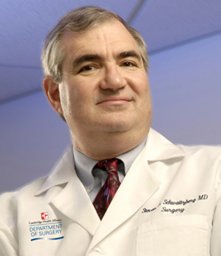 Steven D. Schwaitzberg合作论文数Department of Surgery, Cambridge Health Alliance4Stephanie C Wu合作论文数4
 Donna Mendes合作论文数4Thais Polanco合作论文数3Shawn M Cazzell合作论文数3Fotini Manizate合作论文数3C. Yang合作论文数3Ziad K Mirza合作论文数3Nicholas D McCoy合作论文数3
 Eric J. Lullove合作论文数3S. Goss合作论文数3




