Many graduate public affairs programs offer both residential and online options for students. One of the challenges for multi-format programs is creating a sense of belonging among online students who may never set foot on campus. In 2017, the MPA program at the University of North Carolina at Chapel Hill developed an “immersion” course designed for residential and online students in a weekend intensive format on campus to help create a greater sense of connectedness and satisfaction among (principally) online students, while benefiting students in both formats. This paper examines immersion courses as one strategy to address gaps in belonging and satisfaction between online and on-campus students. The case study of UNC-Chapel Hill developing the immersion course and the first three iterations of it are described, offering practical insight for other campus-based public affairs programs that also have online degrees who may want to try something similar.
Abstract This chapter argues that Latin American governments have expanded social investment policies but that one cannot really speak of a turn to social investment and away from the passive welfare state as the need to expand the net of social protection to the large sectors that previously were excluded has remained strong. To the extent that social investment has been adopted, it has been with the aim to create human capital and reduce vast inequality of opportunity. The emphasis has been on education and healthcare, linked to efforts at poverty reduction. The authors analyze the main protagonists of these reforms; the institutional structures that shaped them, particularly policy legacies and presidential partisan control over legislatures; and the power of antagonists of inclusive reforms. In addition to documenting general trends, they provide a number of brief comparative analyses of different reforms.
This article explores the consequences of public and private spending on education at all levels, looking at skills and income inequality. We use data for 22 affluent democracies from 1960 or 1995 (depending on data availability) to 2017. High levels of public education spending consistently lower income inequality, both measured as wage dispersion and as the education premium. In contrast, higher levels of private education spending are associated with both higher wage dispersion and a higher education premium. We show that this effect works in part through differential skills acquisition. Public education spending raises the math scores of 15-years old students at the mean and at the 25(th) percentile, but private education spending has no effect on skills at these levels. We find the same pattern among skills of adults; public education spending raises skills at the 25(th) percentile and the mean; private spending has no effect. Finally, we also show that higher levels of adult skills indeed depress the education premium.
How can educators leverage blogs and other social media spaces to encourage a reflective, critical discourse about civic engagement that fosters a true learning exchange over promoting one's own ideas? This article reports upon a single case study of the "Community Engagement Learning Exchange," a multi-author blog on civic engagement. Through qualitative content analysis and expert interviews with the blogger community we explored the interaction of digital citizenship and civic online discourse, in order to map out civic engagement pedagogies that make use of blogs or other shared writing / media tools. The content analysis of blog posts indicates that high verbosity scores for factual orientation, personalization and interactivity correlate with broader reach. The interview material was condensed into concept maps that identified specific themes for digital citizenship (inevitable, easy, transparent, technologically diverse and changing, unequal, divisive, difficult, superficial) and civic engagement pedagogies (content, format, authenticity, tone, listening, exemplary conduct, accountability, hope). Overall, in the community analyzed, ground rules and a shared writing style lead to discussions and learning processes that transcend differences in views, backgrounds and opinions. Further efforts to support and measure the right amount of friction that exemplifies diverse and even clashing opinions while keeping an online community together emerged from the case study as a future area of practice development for digital citizenship.
 Evelyne Huber合作论文数Department of Political Science, College of Arts and Sciences, The University of North Carolina at Chapel Hill41
 Jonah Levy合作论文数Department of Political Science, University of California, Berkeley25
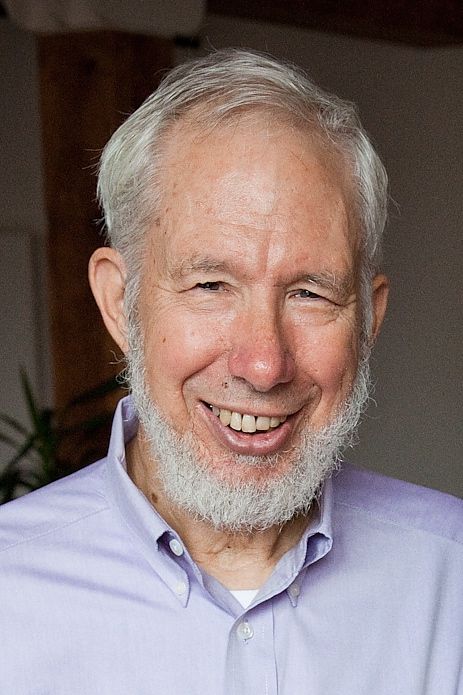 Peter Evans合作论文数Sociology Department, University of California, Berkeley;Watson Institute for International and Public Affairs, Brown University7
 seth d nathanson合作论文数6
 Douglas McAdam合作论文数Department of Sociology, School of Humanities and Sciences, Stanford University6Mayer N. Zald合作论文数6Mark L. Faupel合作论文数6
 John D. Kasarda合作论文数University of North Carolina6John D. Mccarthy合作论文数Department of Mathematics
Michigan State University6W. Parker Frisbie合作论文数6
John D. Kasarda合作论文数University of North Carolina6John D. Mccarthy合作论文数Department of Mathematics
Michigan State University6W. Parker Frisbie合作论文数6 Andrew Scull合作论文数university of california san diego6
 Stefanie Panke合作论文数Institut für Wissensmedien5
 Matthew Lange合作论文数Department of Sociology, Faculty of Arts, McGill University4Dietrich Rueschemeyer合作论文数Department of Sociology, Brown University3
 Herbert P. Kitschelt合作论文数Department of Political Science, Duke University3
 Michael Zürn合作论文数Free University Berlin;WZB Berlin Social Science Center2
 Stephan Leibfried合作论文数2
 Gary Marks合作论文数Department of Political Science, University of North Carolina at Chapel Hill;European University Institute2
 Ricardo Stuart Morse合作论文数School of Government;University of North Carolina at Chapel Hill;School of Government, University of North Carolina at Chapel Hill2Kai Erikson合作论文数1Michael Keating合作论文数1peter lange合作论文数1John Higley合作论文数1william jesse biddle合作论文数1james oconner合作论文数1Jose Maria Maravall合作论文数1Jack P. Gibbs合作论文数1
 Jacob R. Gunderson合作论文数Univ N Carolina1
 Anne Menzel合作论文数SCRIPTS Cluster Excellence, Freie Univ1
 David Waldner合作论文数Dept Polit, Univ Virginia1luiz carlos bresser pereira合作论文数1
 Barbara Geddes合作论文数Department of Political Science, College of Social Sciences, University of California, Los Angeles1
 Karen L. Remmer合作论文数Department of Political Science, Trinity College of Arts & Sciences, Duke University1
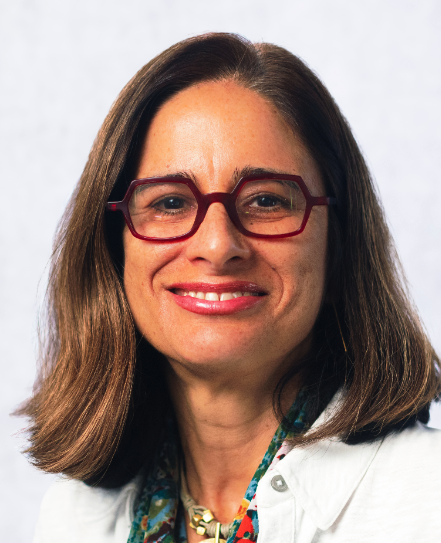 Maria Victoria Murillo合作论文数Department of Political Science, School of International and Public Affairs, Columbia University;Institute of Latin American Studies, Columbia University1
 John A. Hall合作论文数Department of Sociology, McGill University1Birnholz J C合作论文数1
 Graeme Robertson合作论文数Department of Political Science, College of Arts and Sciences, The University of North Carolina at Chapel Hill1
 Richard Gunther合作论文数1
 Jack Cuzick合作论文数Cancer Research UK, Barts Cancer Institute, Queen Mary University of London1
 Maureen Berner合作论文数1William C. Smith合作论文数1Brian D. Taylor合作论文数1Yusuf Bangura合作论文数1Craig M. Housworth合作论文数1
 Duncan Snidal合作论文数Nuffield College, University Of Oxford1François Nielsen合作论文数University of North Carolina1




