Tomographic Volumetric Additive Manufacturing(TVAM) is a novel manufacturing method that allows for the fast creation of objects of complex geometry in layerless fashion. The process is based on the solidification of photopolymer that occurs when a sufficient threshold dose of light-energy is absorbed. In order to create complex shapes, an illumination plan must be designed to force solidification in some desired areas while leaving other regions liquid. Determining an illumination plan can be considered as an optimisation problem where a variety of objective functionals (penalties) can be used. This work considers a selection of penalty functions and their impact on selected printing metrics; linking the shape of penalty functions to ranges of light-energy dose levels in in-part regions that should be printed and out-of-part regions that should remain liquid. Further, the threshold parameters that are typically used to demarcate minimum light-energy for in-part regions and maximum light-energy for out-of-part regions are investigated systematically as design parameters on both existing and new methods. This enables the characterisation of their effects on some selected printing metrics as well as informed selection for default values. This work is underpinned by a reproducible and extensible framework, TVAM Adaptive Illumination Design(TVAM AID), which makes use of the open-source Core Imaging Library(CIL) that is designed for tomographic imaging with an emphasis on reconstruction. The foundation of TVAM AID which is presented here can hence be easily enhanced by existing functionality in CIL thus lowering the barrier to entry and encouraging use of strategies that already exist for reconstruction optimisation.
This study correlated the thermally induced distortion of large-format additive manufacturing (LFAM) printed composite structures to the alignment of reinforcing fibers. During LFAM material extrusion, shear forces near the nozzle wall align reinforcing fibers in the print direction (x-axis). This produces a complex microstructure comprised of a “shell” of highly aligned fiber near the outer edge of the bead and a “core” of randomly oriented fiber in the center. Given the inherent anisotropy of high aspect ratio reinforcing fiber materials, the orientation of these fibers dictates thermomechanical response of the LFAM part as it is heated to elevated temperatures. Understanding the extent and cause of this distortion is crucial for applications such as autoclave composite tooling such that resulting parts can maintain proper dimensional tolerance. This study characterized the microstructure of LFAM parts using microscopy, method of ellipses, extreme small-angle x-ray scattering (ESAXS), and micro-computed tomography scanning. These results were compared for type, quantity, and cost of data. While microstructural data from each technique agreed overall, ESAXS emerged as a viable option to characterize LFAM microstructure at much lower costs without sacrificing through-thickness measurement. Digital image correlation (DIC) was used to measure thermomechanical response of the LFAM part and correlate the spatial variation of thermomechanical data to varied microstructure. Results showed higher y-direction expansion occurred near bead edges where fiber was highly oriented in the x-direction. Findings from this work can better address the knowledge gap in compensation modeling so that LFAM tooling can maintain correct dimensions during thermal cycling.
Tomographic Volumetric Additive Manufacturing ( TVAM) enables fast, support free fabrication by curing an entire 3D geometry simultaneously through the superposition of projected light patterns. However, low power TVAM systems often struggle to deliver sufficient optical dose when projection image sets exhibit low mean intensity, leading to long print times, incomplete curing, or total print failure. This work investigates how linear intensity scaling and saturation of projection image sets affects printability and print quality. A projection image set of The Thinker was generated using the Object Space Model Optimization (OSMO) algorithm and scaled to saturation levels between 0% and 20%. Six prints were performed at different saturation levels using a 75:25 wt% BPAGDA/PEGDA photopolymer mixture on a custom low power TVAM setup. Polymerization progression and printability was monitored in situ, while print quality was evaluated through visual inspection, micro CT scanning, and quantitative comparison to the reference geometry using Jaccard Similarity Index and Cloud-to-Mesh ( C2M) signed distance analyses. The 0% saturated projection image set failed to print, while excessive saturation caused localized geometric deviations. An optimal saturation level of 8% produced the highest quality print, achieving a Jaccard Similarity Index of 0.84 and an average dimensional deviation of -70 mu m with a standard deviation of 192 mu m. These results show that linear intensity scaling improves printability and print quality on low power TVAM systems, while excessive saturation degrades geometric fidelity. The findings highlight the need for consistent, geometry-agnostic intensity adjustment strategies to ensure reliable and predictable printing performance in TVAM.
This study introduces a novel numerical technique for the iterative placement of ribs on 3D-printed thermoset formwork plates, called the Maximum Displacement Technique (MDT). This technique is developed to minimises computational time while maintaining a maximum displacement constraint and offering adaptability to complex structures. The MDT tool is time-efficient and simple to implement, making it a practical solution for reinforcement placement. In comparison with the ground structure method (GSM), MDT reduces computational time to about one-fifth, decreases displacement by 20%, and achieves a 2% mass reduction. The technique identifies regions of maximum out-of-plane displacement in the formwork plate and sequentially places reinforcing ribs, with rib orientations restricted to a predefined angular range governed by additive manufacturing overhang constraints, to reduce overall displacement. Furthermore, tie-rod positioning is optimised to minimise plate displacement. The technique is applicable to both rectangular and curved plates. For rectangular plates, experimental and finite element (FE) simulation results show that the combination of MDT and tie-rod positioning reduces material usage and computational time while maintaining the maximum displacement constraint. Curved plates without an overhang exhibit greater inherent stability than those with an overhang. These findings demonstrate the role of MDT in improving the structural efficiency of 3D-printed formwork, providing a practical and effective technique for reinforcing complex formwork designs.
Interlayer adhesion remains a primary limitation in material extrusion additive manufacturing (MEX-AM), where the bonding strength depends on the complex thermo-mechanical interactions arising during strand-on-strand deposition. This work presents a three-dimensional CFD framework of interlayer adhesion, together with dynamic strand-on-strand interface tracking and analysis of bottom-layer deformation. Validated across a wide range of process conditions the proposed model consistently outperforms existing semi-analytical approaches, particularly under low temperatures and high flow rates. A parametric study based on dimensionless kinematic (V/U), geometric (G/D), and thermal (T/Tg) ratios was conducted under natural and forced convection (HTC = 50–150 W m⁻2 K⁻1) and different layer cooling times (0.5–2.0 s). Increasing T/Tg from 2.25 to 2.75 raised penetration length by 50
Oak Ridge National Laboratory (ORNL) has developed a highly automated manufacturing process for thermoplastic composites that combines the benefits of Additive Manufacturing and Compression Molding (AM-CM) to produce high-performance functional composite structures at automotive production rates. The AM-CM process creates highly precise preforms by additively placing extruded fiber-filled polymers (with controlled fiber orientations and multi-material configurations) in the desired mold location before undergoing a secondary compression molding process immediately before the preform cools down. Preforms can be in the form of short, long-chopped, or continuous fiber-filled thermoplastic polymers (e.g., CF/GF-filled ABS, PC, LM-PAEK, etc.). The AM-CM process combines the benefits of controlled fiber alignment, that is only achievable in AM-printed parts with the classical CM process, which eliminates porosity and good surface finish. A preform created using AM-CM can integrate various materials to enable additional architectural functionalities, including over-molding, selective stiffening, and the incorporation of electrically or thermally conductive channels. All these advantages come with a fast part production cycle time. The AM-CM process can manufacture multi-material, multifunctional parts in under 3 min, starting from raw material (pellets) to the final product. The novel AM-CM process offers superior microstructural control and enhanced multi-functionality previously unattainable with any other traditional high-rate thermoplastic composite manufacturing method. This work covers the manufacturing concept, system development, materials and applications of AM-CM process in detail.
The mechanical performance of short‐fiber‐reinforced polymers produced by Material EXtrusion Additive Manufacturing (MEX‐AM) is strongly influenced by the fiber microstructure formed during deposition. This work introduces a manufacturing‐aware topology optimization framework that exploits process‐induced microstructure control to enhance structural performance. A three-dimensional computational fluid dynamics model of the material deposition process is used to predict the spatial evolution of fiber orientation as a function of nozzle rotation speed, revealing a continuous transition from highly aligned to nearly isotropic. Based on these simulations, an effective material model is constructed in which the local elastic properties depend directly on the chosen nozzle rotation speed. This model is integrated into a density‐based topology optimization scheme that simultaneously determines the structural layout, the spatially varying fiber orientations, and the local level of anisotropy. The nozzle rotation speed acts as a design variable that allows the optimizer to tailor the anisotropy ratio throughout the structure. Numerical examples show that the framework naturally assigns highly aligned fibers to regions dominated by uniaxial loading, while favoring microstructures with low anisotropy in areas experiencing multi‐axial or shear‐dominated stress states. The results demonstrate the potential of coupling process‐level microstructure prediction with topology optimization to design fiber‐reinforced components for MEX-AM with spatially programmed material behavior. The proposed approach establishes a general pathway for integrating manufacturing physics with design optimization in additively manufactured structures.
3D printing, due to its digital nature, offers a practical approach to autonomous off-Earth construction by utilizing local materials, thereby reducing the reliance on Earth-based resources and manpower. Implementing large-scale and rapid 3D printing of structures in extraterrestrial environments poses unique challenges due to conditions such as altered gravity, vacuum, and extreme thermal variations. These challenges are compounded by the fact that replicating altered gravity on Earth is not feasible for extended periods of time. Therefore, a virtual system is needed to advance the 3D printing capabilities. This paper presents computational fluid dynamics (CFD) model, validated through experimental 3D printing of lunar regolith simulant-based geopolymer on Earth. The model is used to simulate the 3D printing of structures under altered gravity conditions. The results provide insights into geometrical precision and deformation as gravity varies across different celestial bodies, as well as the influence of regolith mortar properties and nozzle diameter when focusing on printing on the Moon. The results highlight ways to control the curing kinetics of the lunar regolith mortar in order to print fast and on larger scale.
Fines are known to influence the rheology of cementitious materials, yet the specific role of adsorption characteristics and differences in specific surface area (SSA) among various manufactured aggregates remains insufficiently explored. Moreover, traditional absorption methods, such as the EN 1097-6 sand cone test, have limitations when applied to fine particles, underscoring the need for more reliable alternatives. This study addresses these challenges by systematically evaluating the water absorption, vapour sorption capacity, and SSA of manufactured sand fillers from diverse geological sources and relating these properties to the workability of filler-modified cement pastes. Water sorption was measured through both submersion and vapour adsorption at 100 % relative humidity (RH), while Brunauer-Emmett-Teller (BET) SSA and pore structure were determined from N2 and water vapour adsorption isotherms over 0-100 % RH. Results indicate that water vapour adsorption generally provides higher SSA values than nitrogen, reflecting its ability to access finer pores. Moreover, vapour sorption at 100 % RH shows a strong correlation with aggregate surface area, offering a more reliable alternative to traditional absorption tests. The incorporation of air content in the calculations enhances the predictive accuracy of the slump flow based on packing. These findings highlight the importance of adsorption properties in optimising filler selection to achieve the desired rheological performance of cement pastes. By combining nitrogen and water vapour adsorption with EN 1097-6 absorption, this study provides a systematic evaluation of manufactured fillers and establishes direct links to rheological performance - an approach that has rarely been pursued in previous research. This can provide new insight for more consistent mix design and advanced applications where precise rheological control and binder reduction are critical.
Additive manufacturing-compression molding (AM-CM) has emerged as a transformative technology in advanced composite manufacturing. Additive manufacturing (AM) offers high design flexibility and the ability to produce complex geometries with precisely aligned fibers in the preferred orientation. Compression molding (CM) enhances composite materials by providing excellent dimensional stability, reduced porosity, high production rates, and a smooth surface finish. Despite these advantages, extensive integrated analysis is required to optimize processing conditions for improved fiber orientation distribution (FOD) and porosity control. This study develops a comprehensive numerical model to simulate the AM-CM manufacturing process. The model isolates the effects of both the AM and CM phases while also capturing their integration. Additionally, it accounts for heat transfer, temperature-dependent viscosity, and fiber orientation in the extruded fiber-filled polymer, accurately representing material behavior during processing. This approach enables the analysis of interactions between deposited beads of complex strand shapes and their interface regions after full compression. Moreover, the model predicts key parameters such as polymer flowability, fiber orientation, and temperature evolution in AM-CM parts. By optimizing processing conditions, it facilitates a controlled and predictable microstructure.
3D printing has revolutionized electromechanical sensor design, enabling rapid prototyping and complex geometries, and driving significant growth in this research field. However, as more sensors are developed using diverse printing methods and sensing mechanisms, the need for standardized reporting and comparative metrics becomes increasingly critical. Without such metrics, new sensors cannot be properly contextualized or benchmarked against the state of the art, slowing progress in the field. This review addresses this gap by cataloguing key performance metrics from the literature, including input/output range, sensitivity, mechanical and electrical properties, and the specific 3D printing processes used, to enable meaningful comparison. These metrics are applied to quantitatively analyze 74 sensors reported across different additive manufacturing techniques. Additionally, underreported characteristics such as hysteresis, drift, and long-term stability are considered to provide a more complete assessment of sensor performance. Beyond quantitative comparison, this review introduces a framework for categorizing sensors based not only on electrical output type (e.g., resistive, capacitive) but also on the underlying sensing basis, distinguishing whether the response arises from intrinsic material properties (e.g., quantum tunneling, percolation) or from structure-induced mechanisms (e.g., constriction resistance). The review also highlights advances in 3D printing for electronics manufacturing to inspire future directions and concludes with six recommendations for sensor development, focusing on aligning sensing mechanisms with appropriate fabrication strategies and aiding metric standardization across the field.
This study investigates the mechanical behavior of 3D-printed thermoset materials and their application in complex concrete columns formwork, aiming to provide an adaptable and cost-effective construction solution. While thermoplastic polymers have been used in formwork applications, they face issues such as delamination, warping, deformation under hydrostatic pressure, and difficult demolding. To overcome these challenges, this research introduces two-component thermoset materials, which have not been previously employed in formwork applications. The objective is to assess the material properties of the 3D-printed thermosets and evaluate the resulting formwork's performance. The analyzed formwork shapes are designed for aesthetics, structural efficiency, and material optimization, reducing waste by transitioning from simple to innovative and unique complex shapes. Material performance is evaluated by measuring the modulus of elasticity and Poisson's ratio, focusing on layer orientation relative to the load direction. Results show that 3D-printed thermosets exhibit strong interlayer bonding and effectively isotropic material properties. After the formwork is 3D-printed, it is filled with self-compacting concrete and displacement over time is monitored using Digital Image Correlation. Experimental results are compared to numerical simulations of the formwork, showing good agreement in both displacement fields and magnitude. Long-term monitoring (24 hours) shows near-constant displacement in all formworks, effectively managing thermal expansion and contraction, even when detached from the concrete. Importantly, the thermoset formwork is demolded without damage, allowing for potential reuse. Overall, these findings suggest that 3D-printed thermosets offer a promising solution for efficient, adaptable formwork in complex concrete applications.
Volumetric additive manufacturing provides many advantages over more traditional layer-based additive manufacturing methods by permitting support-free printing with isotropic material properties. However, accurate geometry reproduction remains a challenge. This work presents two models to investigate the contributions of thermal strains and chemical shrinkage to parts made via tomographic volumetric additive manufacturing. A thermal model, with invariant material properties and uniform cure progression, reproduces similar magnitude deformations to those seen experimentally. Through a parameter study and partial least squares regression, for a target cube geometry, deformations are found to be dominated by the heat transfer coefficient. A second model investigates non-uniform chemical shrinkage predicting smaller deformations but better capturing the deformed shape. This work concludes that a combination of primarily thermal strains and secondarily chemical shrinkage is thus required to capture this geometric infidelity paving the way to better understanding the deformation phenomena.
This letter investigates the use of 3-D printing for fabricating conductance-based force sensors with cell-based geometries. Three mathematically defined structures, i.e., sine wave, circle, and Reuleaux triangle, were implemented using single traxels (3D-printed conductive tracks) to maximize contact area and enabling consistent fabrication. The sensors were produced via fused deposition modeling and programmed using FullControl G-code, enabling direct translation of mathematical functions into print paths. The sine wave design achieved the highest sensitivity (0.035 N$<^>{-1}$) and 95% linearity, consistent with constriction resistance theory. All designs demonstrated reliable performance with minimal process-induced variation. These findings highlight the potential of traxel-based 3-D printing as a cost-effective and customizable approach for producing force sensors suited for applications in human-machine interfacing and soft robotics.
Vat photopolymerization (VP), a subcategory of additive manufacturing (AM), enables the fabrication of custom and intricate 3D structures essential to micro-nano engineering. However, research on VP's main parameters, irradiance and exposure time, remains limited. This study focuses on digital light processing (DLP), a subgenre of VP, to investigate a new way to manufacture samples: the pulsed exposure method. Based on previous work, we expect this emerging technique to i) prevent undercuring, ii) increase edge and corner definitions, and iii) enhance surface appearance. We used a custom-built photo projector that we qualified against a comparable commercial device to investigate the influence of different illumination duty cycles (100 %, 67 %, 50 %, and 33 %) on one-layer samples. The results positively verified our hypotheses, as using the pulsed exposure method prevents undercuring, yields straighter edges and sharper corners, and improves the surface smoothness. Furthermore, we observe a clear trend that a lower duty cycle has a stronger effect. These findings suggest that the pulsed exposure method is a promising new way to manufacture samples using VP. This study is the first to analyse the influence of the duty cycle in pulsed exposure and paves the way for future advancements in scalable, efficient, and precise additive manufacturing of polymer.
Controlling fiber orientation and porosity in short-fiber thermoplastic composites is important for enhancing mechanical, electrical and thermal properties in large-format additive manufacturing. This study employs a factorial design of experiments (DoE) to assess the effects of nozzle diameter (5.08 mm-10.16 mm), temperature (230-250 degrees C), and extruder screw speed (150-280 rpm) on flow rate, shear rate, porosity, fiber orientation, fiber length and tensile strength in 20 % carbon fiber-filled acrylonitrile butadiene styrene. ANOVA results show that screw speed significantly impacts flow rate, while nozzle diameter and temperature have lesser effects. Shear rate increases with smaller nozzles and higher speeds. Porosity decreases from 5.58 % with a 10.16 mm nozzle to 3.11 % with a 5.08 mm nozzle at 150 rpm due to increased shear rates, which induce shear thinning, reducing viscosity and facilitating gas escape. Larger nozzles (10.16 mm) produce larger, more heterogeneous pores, while smaller nozzles (5.08 mm) yield smaller, uniform pores. Beads produced with the 5.08 mm nozzle exhibit longer fiber lengths due to reduced residence time, lower shear stress, and better alignment. Fiber orientation improves with smaller nozzles due to higher shear rates but decreases with higher screw speeds (280 rpm) due to shorter residence times. The highest fiber alignment (A(xx) similar to 0.65) and low porosity (similar to 3%) were achieved with a 5.08 mm nozzle at 150 rpm, while equivalent additive manufacturing-compression molding samples exhibited better tensile strength (similar to 93 MPa) under these conditions. These findings emphasize the importance of optimizing processing parameters to enhance fiber alignment and reduce porosity for improved mechanical performance.
Despite significant advancements in the Xolography technique, a numerical framework to digitally define the process window and optimize parameters for different setups is still lacking. This study addresses this gap by introducing the first numerical model of Xolography, simultaneously solving UV and visible light intensities while computing reaction rates. A governing reaction set is proposed, and a finite difference-based algorithm is implemented to solve the equations. Experimental characterization, numerical modeling, and optimization are combined to determine the unknown parameters. The framework is then applied to study conversion-field variations inside and outside printed regions. Results show that, for a given laser scanning velocity, intensity values closer to the minimum threshold yield more uniform conversion within the part. However, low intensities increase the risk of under-curing along the print direction. To mitigate this, adjustments in the initial laser position and projector illumination time are suggested to improve dimensional fidelity. The study further demonstrates that both under-and over-curing can occur where the cross-section changes within a geometry. Practical adjustments are proposed to reduce these effects. Overall, the proposed numerical framework enables analysis and optimization of the Xolography process across different setups, offering guidelines to improve accuracy and print quality.
Diffusion-triggered convection can occur in a gravitationally stable system of two superimposed mixtures. As instability develops, two distinct patterns may emerge: double-diffusive (DD) or diffusion-layer convection (DLC). Traditionally, nonsymmetric patterns above and below the interface were thought to require chemical reaction. We show that symmetry can be broken by composition-dependent diffusion, with or without cross diffusion. Furthermore, only the composition-dependent cross diffusion can lead to a range of coexisting patterns and provide new insights into staircase instability.
Conventional devices lack the adaptability and responsiveness inherent in the design of nature. Therefore, they cannot autonomously maintain themselves in natural environments. This limitation is primarily because of using rigid and fragile material components for their construction, which hinders their ability to adapt and evolve in changing environments. Moreover, they often cannot self-repair after injuries or significant damage. Even devices with self-healing, soft, and responsive properties often fail to seamlessly integrate all these attributes into a single, scalable, and cohesive platform. In this study, a significant breakthrough is introduced by utilizing graphene-poly(3,4-ethylenedioxythiophene): polystyrene sulfonate (graphene-PEDOT:PSS) fillers to transform a typically weak, insulating, and jelly-like material into a soft electronic material with properties akin to those of living organisms, such as skin tissue. The developed electronic materials exhibit a range of other capabilities attributed to the hierarchical organization originating from filler enhancement, which includes methods such as heat regulation, 3D printability, and multiplex sensing. The introduction of this new class of materials can facilitate the self-maintenance of life-like soft robots and bioelectronics that can be seamlessly integrated within dynamic environments, such as the human body, while demonstrating the ability to sense, respond, and adapt to challenging environments.
 Jesper Henri Hattel合作论文数Department of Civil and Mechanical Engineering, Section of Manufacturing Engineering, Danmarks Tekniske Universitet46
 Raphaël Comminal合作论文数33
 David Bue Pedersen合作论文数22
 Berin Šeta合作论文数Dept Civil & Mech Engn, Tech Univ Denmark19
 Marcin Piotr Serdeczny合作论文数Department of Mechanical Engineering, Technical University of Denmark18
 Md. Tusher Mollah合作论文数Department of Mechanical Engineering, Technical University of Denmark18
 Michael Sandberg合作论文数Aarhus University14
 Deepak Marla合作论文数10
 Masoud Jabbari合作论文数School of Mechanical Engineering, Faculty of Engineering and Physical Sciences, University of Leeds9
 Stefan Jacobsen合作论文数The Norwegian Building Research Institute9
 Rolands Cepuritis合作论文数Norwegian Univ Sci & Technol, Dept Struct Engn, NO-7491 Trondheim, Norway8
 Mads Rostgaard Sonne合作论文数Department of Mechanical Engineering, Technical University of Denmark8
 Zsurzsan, T.-G.合作论文数Tech. Univ. of Denmark;c;Tech. Univ. of Denmark7
 Vipin Kumar合作论文数7
 Nicolas Roussel合作论文数Comportement Physico-chimique et Durabilité des Matériaux, Université Gustave Eiffel7Marco Brander合作论文数6
 Roozbeh Salajeghe合作论文数6Wilson Ricardo Leal da Silva合作论文数6
 Ismet Baran合作论文数Corresponding author.6
 Henrik Stang合作论文数Department of Civil and Mechanical Engineering, Technical University of Denmark6
 Mette R. Geiker合作论文数Department of Structural Engineering, Norwegian University of Science and Technology6
 Maximilian Zwicker合作论文数Dept Civil & Mech Engn, Tech Univ Denmark5Onur Yuksel合作论文数University of Twente5
 C. V. Nielsen合作论文数Dept Mech Engn, Tech Univ Denmark5
 Sverre Smeplass合作论文数5
 Emil Hovad合作论文数DTU Compute, Tech Univ Denmark5
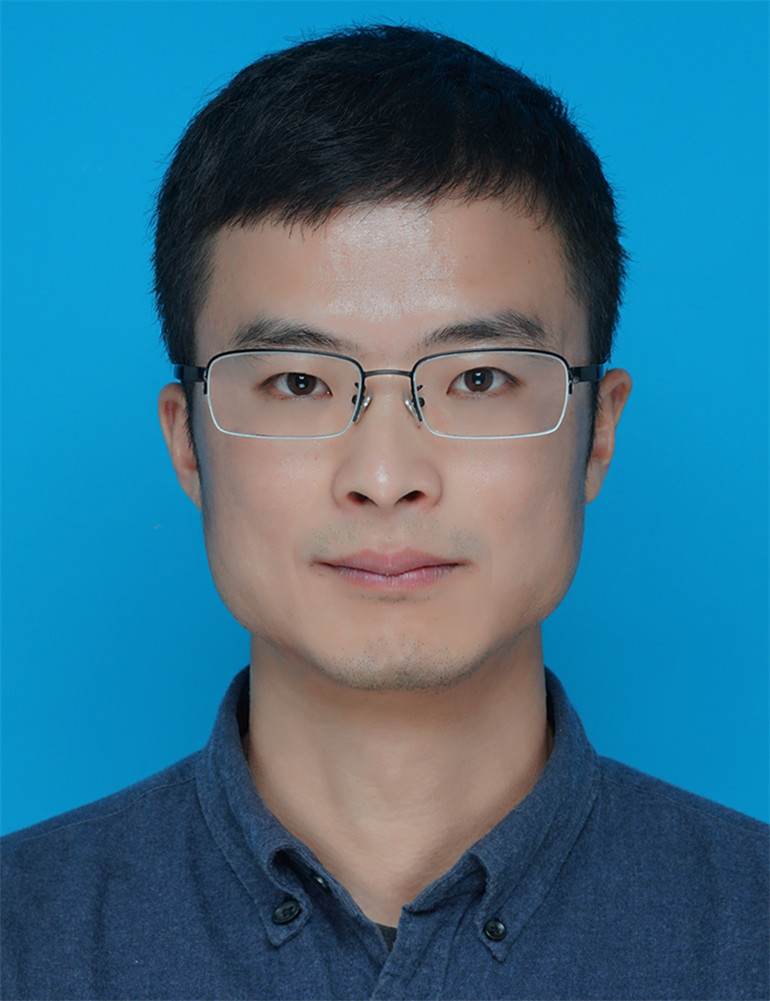 Yang Zhang (张杨)合作论文数School of Mechanical Engineering, Shanghai Jiaotong University5Thomas Juul Andersen合作论文数4Erik Holmen Olofsson合作论文数4j thorborg合作论文数4Elisabeth Leite Skare合作论文数4
 Paulo Martins合作论文数4
 Ernst Mørtsell合作论文数4
 Niels Oluf Bay合作论文数Department of Mechanical Engineering, Danmarks Tekniske Universitet4Navid Ranjbar合作论文数3Filip Bo Salling合作论文数3michael wenani nielsen合作论文数3
 Mehdi Mehrali合作论文数3Martin Larsen合作论文数3
 Ahmed Arabi Hassen合作论文数Materials Science and Technology Division (MSTD),, Oak Ridge National Laboratory (ORNL),3
 Hans Nørgaard Hansen合作论文数Department of Mechanical Engineering, Danmarks Tekniske Universitet3
 Alireza Dolatshahi-Pirouz合作论文数Department of Health Technology, Technical University of Denmark;Ourobionics3
 Vlastimil Kunc合作论文数Oak Ridge National Laboratory;Pacific Northwest National Laboratory;Oak Ridge National Laboratory, Pacific Northwest National Laboratory3
 Khalid El Abbaoui合作论文数2Issam Al Korachi合作论文数2shizhao li合作论文数2Carl Kruse合作论文数2Comminal Raphaeel合作论文数2




