Supplementary Figure 8: PD-L1 levels in tumor or tumor microenvironment does not associate with tumor progression or control.
Epigenetic therapies that induce global DNA hypomethylation activate transcriptionally repressed transposable elements (TEs). The activation of a class of TEs known as human endogenous retroviruses (HERVs) can trigger an innate antiviral response in cells called “viral mimicry”. Viral mimicry induced by aberrantly expressed HERVs stimulates interferon signaling genes resulting in an adaptive immune response that can ultimately lead to immunogenic cell death. This heightened immune activity can enhance the efficacy of immune checkpoint inhibitor therapies. Identifying cancers that are susceptible to a viral mimicry response or treatment regimens that induce aberrant transcription of TEs has not yet been fully explored. Recent computational tools enable the measurement of TE signal from short-read RNA-seq data and several large-scale reprocessing pipelines have uniformly processed RNA-seq data of cancer cell lines treated with epigenetic and cytotoxic drugs. However, these large-scale pipelines omit the quantification of TEs. To address this gap and fully utilize publicly available data, we have developed a computational pipeline and database of TE expression for more than 7,000 samples from 220 cancer cell lines treated with over 700 cytotoxic and epigenetic drugs, yielding over 2,100 differential expression experiments. To illustrate the usefulness of this database, we ranked drugs by %TE activation and found that the top three targets were DNMT (Decitabine), CDK9 (MC180295), and Topoisomerase II (Doxorubicin). We enable the exploration of this dataset by implementing several meta-analysis methods and visualizations made available as an interactive web application. This database and web application can serve as a valuable resource for the cancer and epigenetics community by enabling hypothesis generation and providing insights into how specific drugs may induce TE expression. Citation Format: Gennaro H Calendo, Morgan Chaunzwa, Iman Dehzangi, Jozef Madzo, Jean-Pierre Issa. TEDEdb: Transposable element differential expression database [abstract]. In: Proceedings of the AACR Special Conference in Cancer Research: DNA Methylation, Clonal Hematopoiesis, and Cancer; 2025 Feb 1-4; San Diego, CA. Philadelphia (PA): AACR; Cancer Res 2025;85(3 Suppl):Abstract nr B022.
Intestinal organoids, three-dimensional cultures from intestinal stem cells, are a potential model for studying aging. DNA methylation can serve as biological clock of aging, and we hypothesized that organoid DNA methylation could be a valuable tool for aging research. We compared DNA methylation in organoids to that seen in primary aging intestinal epithelium. Genome wide, we found very substantial DNA methylation changes during organoid establishment and culture, with 27% of total CpG sites undergoing loss of methylation (hypomethylation), and 11% gaining methylation (hypermethylation). The observed hypermethylation primarily affected CpG islands and corresponded to CpG sites susceptible to age-related methylation in-vivo (p < 0.001 compared to unchanged sites). Early-passage (P0 and P2) organoids derived from 4- and 24-month-old mice, preserved aging-specific methylation patterns, with a correlation coefficient of 0.48 (p < 0.001) between methylation differences in-vivo and in-vitro. Age-related hypermethylation continued to change with passage, and linear modeling indicated that organoids age at an average rate of 0.46 months per week in culture. By contrast, hypomethylation occurred predominantly in non-aging-associated genomic regions such as non-promoter, non-CpG island regions (including transposable elements), and correlated neither with differentiation nor aging in-vivo. Thus, methylation changes in organoids reflect at least two different biological processes – aging, as measured by CpG island hypermethylation, and an unexplained stochastic hypomethylation defect. Treatment with the DNA methylation inhibitor decitabine lowered the methylation age of organoids from 22 months to 10 months, showing the potential of organoids to model extrinsic effects on age-related DNA hypermethylation. Citation Format: Himani Vaidya, Gennaro Calendo, Anthomy Pompetti, Curt Balch, Kelsey Keith, Jozef Mazdo, Jaroslav Jelinek, Jean-Pierre Issa. Modeling age-related DNA methylation changes with intestinal organoids [abstract]. In: Proceedings of the AACR Special Conference in Cancer Research: DNA Methylation, Clonal Hematopoiesis, and Cancer; 2025 Feb 1-4; San Diego, CA. Philadelphia (PA): AACR; Cancer Res 2025;85(3 Suppl):Abstract nr B027.
Supplementary Figure 2: Modest treatment-induced DNA methylation changes in UC tumors.
Supplementary Figure 3: Copy number variation detected by SeSAMe from DNA methylation data.
Supplementary Figure 10: Peripheral immune cell dynamics induced by combination therapy.
A& B. Frequency (A) and intensity (B) of PD-1+ CD8+ T cells by gender) before (PRE), after second treatment cycle (C2D1 or C2D8; EARLY), and after third or fourth treatment cycle (C4D1, C4D8 or C5D1; LATE). CD8+ T cell expressing CD39 (C) and CD69 (D). F: females, M: males
Supplementary Figure 12: HLA-DR and NKG2D abundance on peripheral lymphocytes associate with longer progression free survival.
Supplementary TablesSupplementary Table 1: Patient and tumor sample informationSupplementary Table 2: Tumor mutation burdenSupplementary Table 3: Unfiltered whole exome sequencing mutation analysisSupplementary Table 4: Filtered whole exome sequencing mutation analysisSupplementary Table 5: Immunohistochemistry scores of tumorsSupplementary Table 6: FACS panel for PBMC analysisSupplementary Table 7: Geometric mean fluorescence intensity (GMFI) from PBMC FACSSupplementary Table 8: Representativeness of Study Participants
Aging and cancer, though distinct biological processes, share overlapping molecular pathways, particularly in epigenetic regulation. Among these, DNA methylation is central to mediating gene expression, maintaining cellular identity, and regulating genome stability. This review explores how age-associated changes in DNA methylation, characterized by both global hypomethylation and focal hypermethylation, contribute to the emergence of cancer. We discuss mechanisms of DNA methylation drift, the development of epigenetic clocks, and the role of entropy and epigenetic mosaicism, in aging and tumorigenesis. Emphasis is placed on how stochastic methylation errors accumulate in aging cells and lead to epiallelic shifts and gene silencing, predisposing tissues to malignant transformation, even despite recently increased cancer incidences at younger ages. We also highlight the translational potential of DNA methylation-based biomarkers, and therapeutic targets, in age-related diseases. By framing cancer as a disease of accelerated epigenetic aging, this review offers a unifying perspective and calls for age-aware approaches to both basic research and clinical oncology.
Although decitabine (DAC) shows activity against myelodysplastic syndrome (MDS) and acute myelocytic leukemia (AML), patient responses are limited, with poor prognosis. Following preclinical studies showing arsenic trioxide (ATO) and carboplatin (Carbo) to enhance DAC’s gene derepression, we initiated a randomized phase 2 clinical trial comparing DAC safety and efficacy, alone or combined with Carbo or ATO, in MDS and AML patients. Following randomization of thirty patients to one of three regimens: DAC only (20 mg/m2, days 1 -5), DAC 20 mg/m2 days 1-5 plus Carbo AUC 5 on day 8, or DAC with ATO 0.15 mg/kg days 1-5, we used adaptive patient randomization (based on response rates), with a minimum 3 cycles of 28 days each. The primary endpoint was composite response rate, while secondary endpoints were 1-year median survival, safety, and epigenetic effects. Of 91 total patients, 44 had relapsed/refractory disease but no significant Grade 3 or 4 toxicities. 4/15 patients on DAC alone (26.7%), 2/14 on DAC/Carbo (14.3%), and 20/62 on DAC/ATO (32.3%), responded. DAC/ATO had the most stable disease, or better, responses (p=0.018), and a response rate statistically higher than DAC alone (p=0.041). In particular, MDS diagnosis and previous treatment status were the best predictors of response, with MDS patients receiving DAC/ATO surviving the longest (16.5 months), versus DAC/Carbo (4.6 months) and DAC (9.3 months) (p=0.039). Epigenetic effects were similar across all groups. In conclusion, combined DAC and ATO was well tolerated, with clinical responses better than DAC or DAC/Carbo, improving survival for MDS/CMML patients. NCT02190695.
DNA methylation (DNAm) reflects regions of the genome that are transcriptionally repressed or active depending on the methylation level. Multitudes of DNAm “clocks” have been created to predict biological age and health outcomes. Deviations in biological age from chronological age reflect an alteration in the normal biological aging process. Clonal hematopoiesis of indeterminate potential (CHIP) arises in hematopoietic stem cells that have accumulated somatic mutations in key driver genes which provide a selective advantage for clonal expansion. Subjects with CHIP mutations are more prone to negative clinical outcomes such as coronary heart disease. While DNAm and CHIP have been studied for the past decade, the associations between the two are only now starting to become apparent. In this study we propose an improved measurement of aging based on the Jenson-Shannon distance (JSD) and associate this measurement with CHIP and adverse clinical outcomes. Bisulfite amplicon sequencing of 20 CpG-rich targets that change in methylation with age was performed on an initial cohort of 155 individuals from the National Institute of Neurological Disorders and Stroke (NINDS). JSD was used to construct a DNA methylation chaos clock (DMC) on these targets. DMC provided better predictions of chronological age than DNAm alone (r=0.9; p<0.0001). We validated our findings in 286 individuals from Cooper University Hospital for Management of Trauma where the accuracy of the DMC was confirmed in correlations of predicted vs actual age (r=0.86; p<0.0001). We next examined the association between DMC age acceleration and clinical outcomes. It was found that in individuals over the age of 50, DMC acceleration was associated with smoking and disease incidence (e.g. congestive heart failure and chronic obstructive pulmonary disease) independent of chronological age. The incidence of CHIP mutations in three key driver genes (DNMT3A, TET2, and ASXL1) was assayed in a subset of 345 individuals from both cohorts. Individuals with CHIP mutations in key driver genes had greater deviations in their predicted age than individuals without CHIP mutations (p<0.001). This study demonstrates that the DMC assay is a candidate for improvements in our measurements of biological age and it reflects important changes in an individual’s biological aging process. Citation Format: Anthony J Pompetti, Woonbok Chung, Jaroslav Jelinek, Tanya Egodage, Jean-Pierre Issa. DNA methylation variability in aging and Clonal Hematopoiesis [abstract]. In: Proceedings of the AACR Special Conference in Cancer Research: DNA Methylation, Clonal Hematopoiesis, and Cancer; 2025 Feb 1-4; San Diego, CA. Philadelphia (PA): AACR; Cancer Res 2025;85(3 Suppl):Abstract nr A016.
Supplementary Figure 7: Representative IHC staining of additional PD and SD tumors in pre-treatment and post-treatment timepoint from additional patients.
Background: Poly (ADP-ribose) inhibitors (PARPi) are effective in patients (pts) with germline BRCA 1/2 and PALB2 mutations but have been largely ineffective as monotherpy in others. PARP interacts with, and is recruited to, DNA damage sites along with epigenetic factors, such as DNA methyltransferase 1 (DNMT 1). In addition to increasing PARP-trapping, inhibitors of DNMT modulate ROS-cAMO-PKA signaling and induce a pathogen mimicry, inflammasome signaling response and a 'BRCAness phenotype' that further sensitizes cells to PARPi. In preclinical in vitro and in vivo studies. combined DNMTi + PARPi therapy was effective in both triple negative (TNBC) and hormone resistant (HRBC) models with intact BRCA. Methods: We conducted a phase I study combining the oral DNMT1 ASTX727 with the PARPi talazoparib in pts with previously treated TNBC or HRBC; pts with dleterious mutations of BRCA or PALB2 were excluded. Pts. with TNBC had received at least one prior chemotherapy and pts with HRBC had received proir endocrine therapy with a cyclin-dependent kinase inhibitor for metastatic disease. An ECOG PS 0-1 and adequate organ function was required. A classical 3+3 design guided dose escalation/de-escalation with dose limiting toxicity (DLT) defined as Grade 4 neutropenia or thrombocytopenia lasting > 7 days, or clinically significant grade > 3 non-hematologic toxicity in cycle 1; 28 days constituted each cycle. Serial peripheral blood mononuclear cells (PBMCs) were analyzed for changes in methylation using the Infinium MethylationEPIC BeadChip and LINE1 sequencing. Results: 34 evaluable pts were enrolled and treated in 8 dose cohorts (Table). Median age was 59 years, 12% identified as Black. Myelosuppresson was common with grade > 3 neutropenia in 42% and grade 3 anemia and thrombocytopenia each in 13%. DLT was limited to neutropenia. Efficacy was assessed in 29 pts. There were no objective responses, 6 pts had stable disease persisting for > 4 months in 3 pts. LINE1 demethylation ranged from 2-12% and immune-specific CpGs (methylation in immune cells) changed by 1-5% by differential methylation locus analysis at Day 15.Methylation changes were not dose dependent. Conclusions: ASTX727 plus talazoparib produces significant myelosuppression but is otherwise well tolerated. Attenuated dosing identified dose level 1LDseq or 1LDcon for phase II trials. Methylation changes in PBMCs were detected and some heavilty pre-treated pts had prolonged stable disease. Citation Format: Kathy Miller, Alexandra Thomas, Sandra Althouse, Yong Zang, Erin Condor, Ryan Burgos, Bryan Schneider, Tarah Ballinger, Emily Douglas, Katherine Ansley, H Josh Jang, Jean-Pierra Issa, Kenneth P Nephew, Feyruz V Rassool. A Phase I Study of ASTX727 plus Talazoparib in Patients with Triple Negative or Hormone Resistant/HER2-negative Metastatic Breast Cancer and non-mutated BRCA [abstract]. In: Proceedings of the San Antonio Breast Cancer Symposium 2024; 2024 Dec 10-13; San Antonio, TX. Philadelphia (PA): AACR; Clin Cancer Res 2025;31(12 Suppl):Abstract nr P1-09-16.
Supplementary Figure 4: Weak correlation of TE expression induction with DNA methylation change and viral mimicry activation.
DNA methyltransferase (DNMT) and PARP inhibitors induce a stimulator of IFN gene-dependent pathogen mimicry response (PMR) in ovarian and other cancers. In this study, we showed that combining DNMT and PARP inhibitors upregulates expression of the nucleic acid sensor NFX1-type zinc finger-containing 1 (ZNFX1) protein. ZNFX1 mediated the induction of PMR in mitochondria, serving as a gateway for stimulator of IFN gene-dependent IFN/inflammasome signaling. Loss of ZNFX1 in ovarian cancer cells promoted proliferation and spheroid formation in vitro and tumor growth in vivo. In patient ovarian cancer databases, expression of ZNFX1 was elevated in advanced stage disease, and ZNFX1 expression alone significantly correlated with an increase in overall survival in a phase III trial for patients with therapy-resistant ovarian cancer receiving bevacizumab in combination with chemotherapy. RNA sequencing revealed an association between inflammasome signaling through ZNFX1 and abnormal vasculogenesis. Together, this study identified that ZNFX1 is a tumor suppressor that controls PMR signaling through mitochondria and may serve as a biomarker to facilitate personalized therapy in patients with ovarian cancer.Significance: DNMT and PARP inhibitors induce a nucleic acid sensor, ZNFX1, that serves as a mitochondrial gateway to STING-dependent inflammasome signaling with tumor suppressor properties in ovarian cancer.
Grade 3 or Higher Toxicities or Toxicities Observed in 10% or More Patients – Excluding Those Defined as Unrelated or Unlikely Related to Protocol Treatment.
Supplementary Figure 5: Overall tumor mutation burden and frequency of mutations in cancer-associated genes in UC tumors.
 Jaroslav Jelinek合作论文数192
 Hagop M. Kantarjian合作论文数Department of Leukemia, Division of Cancer Medicine, The University of Texas MD Anderson Cancer Center159
 Woonbok Chung合作论文数Department of Leukemia, The University of Texas M.D. Anderson Cancer Center104
 Guillermo Garcia-Manero合作论文数Section of Myelodysplastic Syndromes, Department of Leukemia, Division of Cancer Medicine, The University of Texas MD Anderson Cancer Center;UTHealth Houston Graduate School of Biomedical Sciences101Lanlan Shen合作论文数98
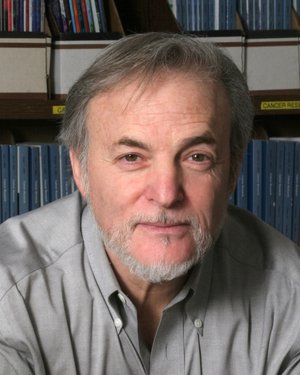 Stephen B. Baylin合作论文数Johns Hopkins School of Medicine;Cancer Genetics and Epigenetics, Johns Hopkins University73
 Marcos R. Estecio合作论文数Department of Epigenetics and Molecular Carcinogenesis, The University of Texas MD Anderson Cancer Center68Yutaka Kondo合作论文数54
 Madzo Jozef合作论文数Fels Inst Canc Res & Mol Biol, Temple Univ53
 Jorge Cortes合作论文数Georgia Cancer Center, Augusta University;Department of Medicine, Medical College of Georgia, Augusta University;The Graduate School, Augusta University;Latin America Leukemia Net Lalnet46
 Patricia Kropf合作论文数School of Medicine, University of North Carolina at Chapel Hill42
 Saira Ahmed合作论文数41
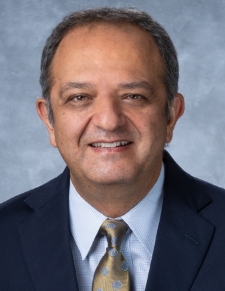 Farhad Ravandi-Kashani合作论文数Section of Developmental Therapeutics, Department of Leukemia, The University of Texas MD Anderson Cancer Center;Division of Cancer Medicine, The University of Texas MD Anderson Cancer Center41
 Elias Jabbour合作论文数Department of Leukemia, Division of Cancer Medicine, MD Anderson Cancer Center, University of Texas35
 Shoudan Liang合作论文数Department of Bioinformatics and Computational Biology, University of Texas MD Anderson Cancer Center35
 Stefan Faderl合作论文数Division of Leukemia, John Theurer Cancer Center, Hackensack University Medical Center34
 Gail J. Roboz合作论文数Weill Cornell Medical College32Minoru Toyota合作论文数32Azab Mohammad合作论文数29
 Stanley R. Hamilton合作论文数Department of Pathology, City of Hope National Medical Center29Lu Yue合作论文数28
 Rong He合作论文数27
 Griffiths Elizabeth A合作论文数Department of Medicine, Roswell Park Cancer Institute27
 Wendy Stock合作论文数Department of Medicine, University of Chicago;Comer Children's Hospital;Duchossois Center for Advanced Medicine, The University of Chicago Medical Center25Yasuhiro Oki合作论文数25
 Noël J.-M. Raynal合作论文数Centre de recherche pédiatrique, Université de Montréal25
 Casey L O'Connell合作论文数24Karen Yee合作论文数University Health Network;Cancer Clinical Research Unit, Princess Margaret Cancer Centre24Ryan Castoro合作论文数23
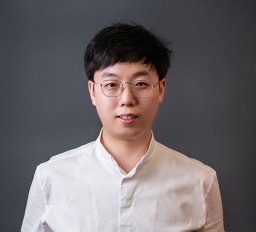 Hanghang Zhang合作论文数Sch Med, Temple Univ23
 Peter A. Jones合作论文数Department of Epigenetics, Van Andel Institute23Vazganush Gharibyan合作论文数22
 Susan M. O Brien合作论文数Division of Oncology, School of Medicine, University of California;Division of Hematology, School of Medicine, University of California;Sue & Ralph Stern Center for Clinical Trials & Research, University of California, Irvine;Chao Family Comprehensive Cancer Center, University of California, Irvine22
 Takahiro Sato合作论文数21
 Yanis Boumber合作论文数Northwestern University21
 Asif Rashid合作论文数Department of Pathology, Division of Pathology-Lab Medicine, The University of Texas MD Anderson Cancer Center21Yasuyuki Okamoto合作论文数Department of Clinico-Laboratory Diagnostics, Nara Medical University21
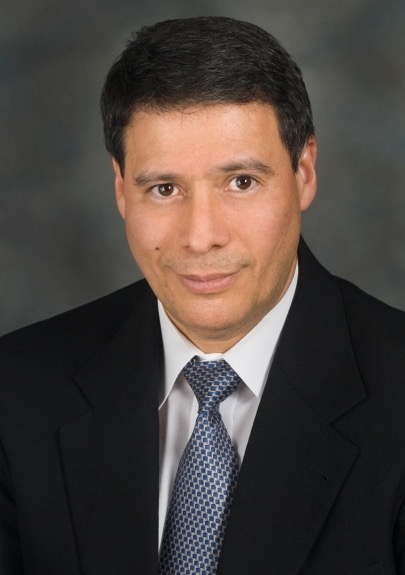 Carlos E. Bueso-Ramos合作论文数Bone Marrow Laboratory, Department of Hematopathology, The University of Texas MD Anderson Cancer Center;Division of Pathology/Lab Medicine, The University of Texas MD Anderson Cancer Center20Galen Hostetter合作论文数20Shinji Maegawa合作论文数Core Research for Evolutional Science and Technology (CREST),, Japan Science and Technology Corporation (JST),20
 Taichun Qin合作论文数19
 Katherine Walsh合作论文数19
 Elihu Estey合作论文数Fred Hutchinson cancver Research Center19
 Matteo Cesaroni合作论文数Department of Experimental Oncology, European Institute of Oncology (IEO),19Raoul Tibes合作论文数19Ryan Burgos合作论文数18
 Elizabeth Plimack合作论文数Department of Hematology/Oncology, Fox Chase Cancer Center18
 David Rizzieri合作论文数Novant Cancer Institute, Novant Health17
 Francis Giles合作论文数Robert H. Lurie Comprehensive Center, Northwestern University;Division of Hematology/Oncology, Feinberg School of Medicine, Northwestern University16




