BACKGROUND:Myeloablative, high-dose chemotherapy followed by autologous peripheral blood stem cell transplantation (PBSCT) improves outcome in some high-risk malignant solid tumors and lymphomas in children and young adults. METHODS:We performed 16 peripheral blood stem cell (PBSC) harvests in 12 children and 2 young adult patients with a high-risk malignant solid tumor or refractory/relapsed Hodgkin's lymphoma from August 2015 to December 2020. In our chemotherapy mobilization protocol, we used an absolute neutrophil count (ANC) of >1 × 10⁹/L following the nadir after chemotherapy as the criterion for undertaking the apheresis. RESULTS:The median CD34+ cell count per kg body weight of the 33 apheresis products was 4.92 × 10⁶ cells/kg (range, 0.34-22.53 × 10⁶ cells/kg). Thirteen of the 14 patients (93%) had successful PBSC collections that met their goals for PBSCT. Three patients did not receive PBSCT due to disease progression prior to transplantation. Prompt engraftment occurred in all the remaining 11 patients with 17 PBSCTs. CONCLUSION:Our data suggest that ANC can be helpful as a surrogate parameter in clinical decision-making when the peripheral blood CD34+ count is unavailable.
Infant-type hemispheric glioma (IHG) is a rare pediatric brain tumor with variable response to chemotherapy and radiotherapy. Molecular insights into IHG can be useful in identifying potentially active targeted therapy. A male fetus was found to have congenital hydrocephalus at the gestational age of 37 weeks. Fetal MRI showed a 2.6 × 2.0-cm tumor located at the frontal horn of the left lateral ventricle, involving the left basal nuclei and thalamus. Tumor biopsy at the age of 2 days revealed an IHG consisting of spindle tumor cells with strong expression of GFAP and ALK. Targeted RNA sequencing detected a novel fusion gene of SOX5::ALK. After initial chemotherapy with cyclophosphamide, carboplatin, and etoposide for 2 cycles, the tumor size progressed markedly and the patient underwent a subtotal resection of brain tumor followed by treatment with lorlatinib, an ALK tyrosine kinase inhibitor with central nervous system (CNS) activity. After 3 months of treatment, reduction of tumor size was observed. After 14 months of treatment, partial response was achieved, and the infant had normal growth and development. In conclusion, we identified a case of congenital IHG with a novel SOX5::ALK fusion that had progressed after chemotherapy and showed partial response and clinical benefit after treatment with the CNS-active ALK inhibitor lorlatinib.
Infant-type hemispheric glioma (IHG) is a rare pediatric brain tumor with variable response to chemotherapy and radiotherapy. Molecular insights into IHG can be useful in identifying potentially active targeted therapy. A male fetus was found to have congenital hydrocephalus at the gestational age of 37 weeks. Fetal MRI showed a 2.6 × 2.0-cm tumor located at the frontal horn of the left lateral ventricle, involving the left basal nuclei and thalamus. Tumor biopsy at the age of 2 days revealed an IHG consisting of spindle tumor cells with strong expression of GFAP and ALK. Targeted RNA sequencing detected a novel fusion gene of SOX5::ALK. After initial chemotherapy with cyclophosphamide, carboplatin, and etoposide for 2 cycles, the tumor size progressed markedly and the patient underwent a subtotal resection of brain tumor followed by treatment with lorlatinib, an ALK tyrosine kinase inhibitor with central nervous system (CNS) activity. After 3 months of treatment, reduction of tumor size was observed. After 14 months of treatment, partial response was achieved, and the infant had normal growth and development. In conclusion, we identified a case of congenital IHG with a novel SOX5::ALK fusion that had progressed after chemotherapy and showed partial response and clinical benefit after treatment with the CNS-active ALK inhibitor lorlatinib.
Abstract Atypical teratoid/rhabdoid tumors (ATRTs) are highly aggressive pediatric brain tumors with sensitivity to proteasome inhibitors in preclinical models. We evaluated the feasibility of combining the proteasome inhibitor bortezomib with chemotherapy. Patients aged 0-20 years with newly diagnosed ATRT were enrolled from January 2022 through December 2023. A modified Medical University of Vienna (MUV)-ATRT regimen was used. They were treated with bortezomib of 1.3 mg/m2/dose given intravenously or subcutaneously twice a week for 2 weeks concurrently with 6 cycles of chemotherapy and 2 additional cycles after high-dose chemotherapy. Radiation therapy was given prior to or at the end of chemotherapy. A total of 36 chemotherapy cycles with bortezomib in 6 patients were evaluated. The primary endpoint was grade 3 or higher non-hematologic toxicities. Numbers of cycles with grade 3+ toxicities included: AST/ALT elevation (1), hypokalemia (2), peripheral neuropathy (1), subdural hemorrhage (2), vomiting (2), oral mucositis (3), lung infection (2), urinary tract infection (8), sepsis (3), febrile neutropenia (20). No grade 3+ toxicities were considered bortezomib-related. Three patients completed 8 cycles of bortezomib treatment; 2 patients discontinued the study due to progressive disease after 2 and 4 cycles respectively; 1 patient completed 6 cycles of bortezomib and died of septic shock in complete remission after high-dose chemotherapy. Two patients had a surgical complete resection. Three patients were evaluable for response after bortezomib: 1 partial response and 2 stable disease. Two patients had progression-free survival for 16+ and 22+ months after diagnosis, respectively. Among the 3 patients with progressive disease, 2 had metastatic relapse and 1 had primary and metastatic relapse. There were 4 deaths due to metastatic PD (n=2), septic shock after high-dose chemotherapy (n=1), and septic shock after 2nd line treatment for PD (n=1). We conclude that adding bortezomib to standard and high-dose chemotherapy of ATRT was feasible with the occurrence of grade 3/4 toxicities no more than what was expected with chemotherapy alone. Metastatic relapse remains the major challenge of ATRT treatment.
Infant-type hemispheric glioma (IHG) is a rare pediatric brain tumor with variable response to chemotherapy and radiotherapy. Molecular insights into IHG can be useful in identifying potentially active targeted therapy. A male fetus was found to have congenital hydrocephalus at the gestational age of 37 weeks. Fetal MRI showed a 2.6 × 2.0-cm tumor located at the frontal horn of the left lateral ventricle, involving the left basal nuclei and thalamus. Tumor biopsy at the age of 2 days revealed an IHG consisting of spindle tumor cells with strong expression of GFAP and ALK. Targeted RNA sequencing detected a novel fusion gene of SOX5::ALK. After initial chemotherapy with cyclophosphamide, carboplatin, and etoposide for 2 cycles, the tumor size progressed markedly and the patient underwent a subtotal resection of brain tumor followed by treatment with lorlatinib, an ALK tyrosine kinase inhibitor with central nervous system (CNS) activity. After 3 months of treatment, reduction of tumor size was observed. After 14 months of treatment, partial response was achieved, and the infant had normal growth and development. In conclusion, we identified a case of congenital IHG with a novel SOX5::ALK fusion that had progressed after chemotherapy and showed partial response and clinical benefit after treatment with the CNS-active ALK inhibitor lorlatinib.
Infant -type hemispheric glioma (IHG) is a rare pediatric brain tumor with variable response to chemotherapy and radiotherapy. Molecular insights into IHG can be useful in identifying potentially active targeted therapy. A male fetus was found to have congenital hydrocephalus at the gestational age of 37 weeks. Fetal MRI showed a 2.6 3 2.0 -cm tumor located at the frontal horn of the left lateral ventricle, involving the left basal nuclei and thalamus. Tumor biopsy at the age of 2 days revealed an IHG consisting of spindle tumor cells with strong expression of GFAP and ALK. Targeted RNA sequencing detected a novel fusion gene of SOX5::ALK . After initial chemotherapy with cyclophosphamide, carboplatin, and etoposide for 2 cycles, the tumor size progressed markedly and the patient underwent a subtotal resection of brain tumor followed by treatment with lorlatinib, an ALK tyrosine kinase inhibitor with central nervous system (CNS) activity. After 3 months of treatment, reduction of tumor size was observed. After 14 months of treatment, partial response was achieved, and the infant had normal growth and development. In conclusion, we identi fied a case of congenital IHG with a novel SOX5::ALK fusion that had progressed after chemotherapy and showed partial response and clinical bene fit after treatment with the CNS-active ALK inhibitor lorlatinib.
e23521 Background: Pharmacologic treatment for soft tissue sarcoma (STS) remains challenging. There is a lack to predict treatment responses to chemotherapy or targeted therapy to oncologic drivers. We hypothesize that circulating tumor cells may enrich cancer initiating cells and represent a window to probe personalized drug treatment response. In this study, we test if drug sensitivity profile of short-term culture of tumor organoids derived from circulating tumor cells (CTCs) correlates to clinical treatment response. Methods: From April 2019 to December 2020, 50 patients with biopsy-confirmed STS, who had either recurrent or metastatic tumors, were enrolled in a prospective observational study in Taipei Medical University Hospital. The median age of the patients was 47, and the top 3 diagnoses were leiomyosarcoma, aggressive fibromatosis and rhabdomyosarcoma. 74% of patients had metastatic diseases at the time of blood collection. Fifty-five blood samples were collected and processed for CTC organoid culture and drug sensitivity analysis (EVASelect, CancerFree Biotech, Taipei, Taiwan), which involves culturing nucleated blood cells on a binary colloid crystal-coated surface. Clinical response was evaluated using RECIST criteria 3 months after blood collection. The relationship between CTC viability and clinical response was analyzed using a contingency table and Chi-square analysis. Results: The success rate of CTC expansion was 87.2% (48/55), as defined by ATP abundance higher than 3000 U2OS cells after 18 days of culture. Clinical information from 32 of the 50 cases was eligible for analysis, and the results showed that CTC viability at a 70% cutoff correlated with clinical disease control at 3 months after blood collection. The odds ratio, sensitivity, specificity, and diagnostic accuracy were 12 (p = 0.036), 92.3%, 50%, and 79%, respectively. A demonstration of the interaction between this research and the Molecular Tumor Board (MTB) in the Taipei Medical University Healthcare System is presented through a case study of metastatic angiosarcoma and its correlation. Conclusions: The study highlights the potential of using CTC drug sensitivity as a biomarker for precision medicine in STS, despite limitations such as small sample size, short follow-up, and disease and treatment heterogeneity. Advancements in gene-based precision medicine have been made in the past decade, but only a small number of STS patients have seen benefits from it. This emphasizes the need for further research to thoroughly evaluate the potential of CTC drug sensitivity as a predictive biomarker in clinical practice. Key words: soft tissue sarcoma; circulating tumor cells; liquid biopsy; predictive biomarker; precision medicine.
Twenty-one gliomas in patients aged 0-21 years were evaluated for drug sensitivity by ex vivo expanded circulating tumor cells (CTC). The results were correlated with clinical outcomes. Venous blood samples were obtained prior to drug treatment. Peripheral blood mononuclear cells were processed in a 3D cell culture system (EVA Select™, Cancer Free Biotech Ltd., Taipei, Taiwan) and cultured for 3 weeks. Expanded CTCs were successfully cultured into organoids from 18 out of 21 patients and were analyzed for ATP abundance. Staining with CD45, a marker for blood cells, and pancytokeratin, a marker for keratinocytes, was performed on the cultured cells. Staining of GFAP, a marker of glioma cells, was performed in a subset of samples. These cells were then tested in cytotoxicity assays in triplicate with a panel of chemotherapeutic and targeted agents at clinically relevant concentrations. The surviving fraction was normalized to a buffer-only control. Based on the percentage of cell viability, the agent was chosen for clinical treatment. Comparing the results among low-grade glioma (LGG; n = 6), diffuse midline glioma (DMG; n = 4), and high-grade glioma (HGG, n = 8; including glioblastoma multiforme [GBM; n = 5]), the mean surviving fraction to temozolomide was similarly high across the three tumor types (LGG vs. DMG vs. HGG = 57.5% vs. 50.6% vs. 49.5%, respectively). 6 of 6 patients in the LGG group showed CTC sensitivity to at least one chemotherapeutic agent tested. The clinical response of patients treated with selected agents was evaluated with the RANO criteria at 6 months after initiation of treatment. Among the 24 agents tested with clinical correlation, the CTC surviving fraction after exposure to the agent was significantly higher in patients who had progressive disease within 6 months (n = 11; 68%) vs. in patients with no progression at 6 months (n = 13; 39%; P = 0.039). Treating CTCs with histone deacetylase inhibitors in vitro resulted in a consistently lower surviving fraction (15.1% ± 12.0%) for DMG and HGG/GBM; however, clinical correlation was not available. The 1 patient with clinical correlation with HGG had a 34.9% surviving fraction to a Tyrosine kinase inhibitor (TKI) in vitro and showed a 42.9% shrinkage at 6 months after treatment with the TKI. The expansion of CTCs in patients with relapsed/refractory pediatric gliomas provides the ability to test drug sensitivity of patient-derived organoids. Our data suggest a correlation between the ex vivo drug sensitivity of CTCs and clinical response. Citation Format: Yen-Lin Liu, Yin-Ju Chen, Shu-Huey Chen, Yu-Mei Liao, Wu Shih-Pei, Yi-Hsuan Chen, Wan-Ling Ho, Liang-Yi Juo, Chia-Yau Chang, Jinn-Li Wang, Min-Yu Su, Pei-Chin Lin, Shih-Chung Wang, James S. Miser, Tai-Tong Wong, Yuan-Hung Wu, Peng Yuan Wang, Thierry Burnouf, Jeng-Fong Chiou, Long-Sheng Lu. Application of in vitro drug screening of circulating tumor cells in pediatric glioma therapy. [abstract]. In: Proceedings of the American Association for Cancer Research Annual Meeting 2023; Part 1 (Regular and Invited Abstracts); 2023 Apr 14-19; Orlando, FL. Philadelphia (PA): AACR; Cancer Res 2023;83(7_Suppl):Abstract nr 6723.
Twelve Asian patients with sarcoma received interval-compressed (ic-) chemotherapy scheduled every 14 days with a regimen of vincristine (2 mg/m2), doxorubicin (75 mg/m2), and cyclophosphamide (1200-2200 mg/m2) (VDC) alternating with a regimen of ifosfamide (9000 mg/m2) and etoposide (500 mg/m2) (IE), with filgrastim (5-10 mcg/kg/day) between cycles. Carboplatin (800 mg/m2) was added for CIC-rearranged sarcoma. The patients were treated with 129 cycles of ic-VDC/IE with a median interval of 19 days (interquartile range [IQR], 15-24 days. Median nadirs (IQR) were neutrophil count, 134 (30-396) × 106/L at day 11 (10-12), recovery by day 15 (14-17) and platelet count, 35 (23-83) × 109/L at day 11 (10-13), recovery by day 17 (14-21). Fever and bacteremia were observed in 36% and 8% of cycles, respectively. The diagnoses were Ewing sarcoma (6), rhabdomyosarcoma (3), myoepithelial carcinoma (1), malignant peripheral nerve sheath tumor (1), and CIC-DUX4 Sarcoma (1). Seven of the nine patients with measurable tumors responded (one CR and six PR). Interval-compressed chemotherapy is feasible in the treatment of Asian children and young adults with sarcomas.
Klippel-Trenaunay syndrome (KTS) is a rare vascular malformation syndrome characterized by the proliferation of capillary, venous, and lymphatic vessels associated with cutaneous staining and hypertrophy of the affected limb.1Alwalid O. Makamure J. Cheng Q.G. Wu W.J. Yang C. Samran E. et al.Radiological aspect of klippel-Trénaunay syndrome: a case Series with Review of literature.Curr Med Sci. 2018; 38: 925-931Crossref PubMed Scopus (15) Google Scholar,2International Society for the Study of Vascular Anomalies, ISSVA classification of vascular anomalies. Classification and appendix 5, Available at https://www.issva.org/classification. Accessed July 31, 2022.Google Scholar KTS has been associated with somatic overactivation of the phosphoinositide 3-kinase (PI3K) pathway.2International Society for the Study of Vascular Anomalies, ISSVA classification of vascular anomalies. Classification and appendix 5, Available at https://www.issva.org/classification. Accessed July 31, 2022.Google Scholar Sirolimus is an mammalian target of rapamycin (mTOR) inhibitor that downregulates PIK3CA and inhibits angiogenesis and endothelial cell overgrowth.3Venot Q. Blanc T. Rabia S.H. Berteloot L. Ladraa S. Duong J.P. et al.Targeted therapy in patients with PIK3CA-related overgrowth syndrome.Nature. 2018; 558: 540-546Crossref PubMed Scopus (299) Google Scholar Sirolimus reduces the size of vascular malformations and the frequency of complications.4Hammer J. Seront E. Duez S. Dupont S. Van Damme A. Schmitz S. et al.Sirolimus is efficacious in treatment for extensive and/or complex slow-flow vascular malformations: a monocentric prospective phase II study.Orphanet J Rare Dis. 2018; 13: 191Crossref PubMed Scopus (126) Google Scholar We present the clinical challenges and the importance of multidisciplinary team care for patients with KTS (Table S1). The study was approved by the Joint Institutional Review Board of Taipei Medical University (TMU-JIRB No.N202207019). An 8-year-old girl has KTS of the left lower limb with pelvic invasion (Fig. 1A–C), mild anemia with hemoglobin levels (10.5–11.1 mg/dL) associated with intralesional bleeding, and gait disturbance. Between the ages of 5 and 8 years, she received four courses of intralesional LASER therapy. At 8 years of age, she developed cellulitis of the left buttock and lower limb with septic shock, intralesional hematomas, and bleeding with coagulopathy. After wound debridement and infection control, treatment comprising sirolimus, propranolol (due to a component of capillary hemangioma), and aspirin was initiated, in addition to the use of elastic socks and a rehabilitation program.5Cho Y.J. Kwon H. Kwon Y.J. Kim S.C. Kim D.Y. Namgoong J.M. Effects of sirolimus in the treatment of unresectable infantile hemangioma and vascular malformations in children: a single-center experience.J Vasc Surg Venous Lymphat Disord. 2021; 9: 1488-1494Abstract Full Text Full Text PDF PubMed Scopus (6) Google Scholar The patient was bedridden for 2 months. Her ambulatory function gradually improved with supportive care and rehabilitation: she could walk with assistance at 6 weeks after initiation of pharmacotherapy and walk independently 7 months later. Follow-up MRI after initiation of sirolimus showed shrinkage of the vascular lesions (Fig. 1D–F). Three drugs were simultaneously initiated. Propranolol was stopped after 1 year and aspirin 4 months later (Supplemental Table S2). After treatment for KTS, the patient's hemoglobin level was maintained at 12.5 mg/dL. No side effects were noted, except for occasional episodes of grade 1 oral ulcers. However, the patient subsequently suffered from a fall with multiple new, intralesional hematomas, complicated by cellulitis with septic shock, which was successfully treated with antibiotics and supportive care. Six months after the fall, imaging showed that the size of the blood-filled cyst decreased. During follow-up, slow progressive leg length asymmetry due to left leg hypertrophy was noted, and thus an orthopedic intervention was planned. A 34-year-old woman was diagnosed with KTS of the left lower limb at early childhood. At 21 years of age, she underwent left above-knee amputation due to blood sequestration and severe thrombosis and anemia. Imaging during follow-up evaluations revealed vascular malformations invading the uterus, liver, and spleen (Figure S1). Warfarin, tranexamic acid, leuprorelin acetate, and ergometrine were taken for more than 4 years to control uterine bleeding and coagulopathy. The patient was frequently hospitalized for blood transfusion and recurrent infections for 2 years (including two episodes of urinary tract infection due to Escherichia coli and one episode of bacteremia of Bacteroides fragilis). Discontinuation of warfarin followed by low-molecular-weight heparin had a transient effect on bleeding episodes. The patient began sirolimus therapy for tumor progression and worsening symptoms, including low abdominal pain, diarrhea, and urinary frequency.4Hammer J. Seront E. Duez S. Dupont S. Van Damme A. Schmitz S. et al.Sirolimus is efficacious in treatment for extensive and/or complex slow-flow vascular malformations: a monocentric prospective phase II study.Orphanet J Rare Dis. 2018; 13: 191Crossref PubMed Scopus (126) Google Scholar Her severe vaginal and rectal bleeding significantly improved after receiving radiotherapy to the uterus and rectum of 3000 cGy/15 fractions.6Yildiz F. Yilmaz M. Cengiz M. Gürkaynak M. Cila A.N. Doğan A.I. et al.Radiotherapy in the management of Klippel-Trénaunay-Weber syndrome: report of two cases.Ann Vasc Surg. 2005; 19: 566-571Abstract Full Text Full Text PDF PubMed Scopus (4) Google Scholar Two months after therapy, the frequency of uterine bleeding, diarrhea, and infection was reduced. Follow-up computed tomography showed partial response of the vascular tumors within and outside of the radiotherapy field (Figure S1B). Grade 2 lymphopenia was noted during treatment. The patient suddenly died at home at 36 years of age, after an episode of fever, vomiting, and diarrhea 9 days after the second dose of BioNTech COVID-19 vaccine (BNT162b2). The precise cause of death was uncertain. An autopsy was not performed. To the best of our knowledge, vascular malformations have not been associated with death following COVID-19 vaccination. A 3-year-old girl with KTS of the buttocks and left lower limb presented with a fistula between her vascular malformation and intestine at the age of 9 months (Figure S2). A biopsy of the left lower leg confirmed KTS. The patient was frequently hospitalized due to buttock cellulitis and sepsis. After treatment with propranolol (due to a component of capillary hemangioma) and sirolimus, the frequency of infections and bleeding was reduced. Sirolimus was stopped during episodes of cellulitis and during the COVID-19 pandemic. The patient continues to undergo careful follow-up evaluations by pediatric and orthopedic surgeons. The major complications of KTS include thrombosis, hemorrhage, infections, leg length inequality, and even life-threatening sepsis, bleeding, and vital organ compression. The size of vascular malformations may enlarge as the child grows older, which complicates the assessment of their response. The distortion of the vascular bed in KTS results in venous stasis, which may lead to thrombosis and consumptive coagulopathy; the coagulopathy may worsen after trauma or surgery. Tufted angioma and kaposiform hemangioendothelioma are vascular tumors that also result in platelet trapping and destruction, causing consumptive coagulopathy known as Kasabach-Merritt syndrome.7Mazoyer E. Enjolras O. Laurian C. Houdart E. Drouet L. Coagulation abnormalities associated with extensive venous malformations of the limbs: differentiation from Kasabach-Merritt syndrome.Clin Lab Haematol. 2002; 24: 243-251Crossref PubMed Scopus (171) Google Scholar Cases 1 and 2 had severe manifestations of KTS that required anticoagulation. Cases 1 and 3 had a capillary hemangioma component that required a combination of propranolol and sirolimus. We believe that sirolimus can serve as the backbone treatment for most cases of complicated KTS, supplemented by treatment for thrombosis and capillary hemangioma (Supplemental Table S3). In summary, some patients with KTS may require treatment that includes LASER therapy for local control of the disease, targeted therapy using sirolimus, radiotherapy for severe visceral involvement, and rehabilitation to improve ambulatory function. Combining therapies optimally requires precise evaluation and long-term follow-up. Essentially, care for patients with KTS requires a multidisciplinary approach. This work was financially supported of the Higher Education Sprout Project by the Ministry of Education (MOE) in Taiwan.
Childhood cancer survivors are at a high risk of medical consequences of their disease and treatment. There is growing information about the long-term health issues of childhood cancer survivors; however, there are very few studies describing the health care utilization and costs for this unique population. Understanding their utilization of health care services and costs will provide the basis for developing strategies to better serve these individuals and potentially reduce the cost. This study aims to determine the utilization of health services and costs for long-term survivors of childhood cancer in Taiwan. This is a nationwide, population-based, retrospective case-control study. We analyzed the claims data of the National Health Insurance that covers 99% of the Taiwanese population of 25.68 million. A total of 33,105 children had survived for at least 5 years after the first appearance of a diagnostic code of cancer or a benign brain tumor before the age of 18 years from 2000 to 2010 with follow-up to 2015. An age- and gender-matched control group of 64,754 individuals with no cancer was randomly selected for comparison. Utilization was compared between the cancer and no cancer groups by χ2 test. The annual medical expense was compared by the Mann-Whitney U test and Kruskal-Wallis rank-sum test. At a median follow-up of 7 years, childhood cancer survivors utilized a significantly higher proportion of medical center, regional hospital, inpatient, and emergency services in contrast to no cancer individuals: 57.92% (19,174/33,105) versus 44.51% (28,825/64,754), 90.66% (30,014/33,105) versus 85.70% (55,493/64,754), 27.19% (9000/33,105) versus 20.31% (13,152/64,754), and 65.26% (21,604/33,105) versus 59.36% (38,441/64,754), respectively (all P<.001). The annual total expense (median, interquartile range) of childhood cancer survivors was significantly higher than that of the comparison group (US $285.56, US $161.78-US $535.80 per year vs US $203.90, US $118.98-US $347.55 per year; P<.001). Survivors with female gender, diagnosis before the age of 3 years, and diagnosis of brain cancer or a benign brain tumor had significantly higher annual outpatient expenses (all P<.001). Moreover, the analysis of outpatient medication costs showed that hormonal and neurological medications comprised the 2 largest costs in brain cancer and benign brain tumor survivors. Survivors of childhood cancer and a benign brain tumor had higher utilization of advanced health resources and higher costs of care. The design of the initial treatment plan minimizing long-term consequences, early intervention strategies, and survivorship programs have the potential to mitigate costs of late effects due to childhood cancer and its treatment.
Background: Patients with childhood cancer are at increased risk for the development of second cancers. Methods: A national multicenter survey of second cancers conducted by the Taiwan Pediatric Oncology Group retrieved retrospective data from the database at the Children Cancer Foundation in Taiwan beginning in 1995. The characteristics of second cancers and associations of patient demographic and clinical characteristics with time to death due to a second cancer were analyzed. Results: We examined the records of 8782 patients with a primary cancer diagnosed between January 1, 1995 and December 31, 2013, and a total of 99 patients with a second cancer were identified. The most common type of second cancer was acute myeloid leukemia (n = 35), followed by acute lymphoblastic leukemia (n = 15), central nervous system (CNS) tumors (n = 15), and sarcomas (n = 10). Secondary hematological malignancies occurred earlier than other secondary cancers. The frequencies of second CNS tumors and second bone cancers and sarcomas were notably increased when prior radiation doses increased from zero, low dose to high dose. The overall 5-year survival of patients with a second cancer was poor (33.7%). Multivariate survival analysis revealed that the year of primary diagnosis <2002, secondary hematological malignancies, and age at second cancer diagnosis <9.3 years or >26.8 years increased the risk of death following second cancer. Conclusion: Children who develop a second cancer have an unfavorable outcome. Early detection and improved treatment for second cancers are needed. Copyright 2021, Formosan Medical Association. Published by Elsevier Taiwan LLC. This is an open access article under the CC BY-NC-ND license (http://creativecommons.org/licenses/bync-nd/4.0/).
There is an increasing number of reported cases with neurological manifestations of COVID-19 in children. Symptoms include headache, general malaise, ageusia, seizure and alterations in consciousness. The differential diagnosis includes several potentially lethal conditions including encephalopathy, encephalitis, intracranial hemorrhage, thrombosis and adrenal crisis. We report the case of a 17-year-old boy with a positive antigen test of COVID-19 who presented with fever for one day, altered mental status and seizure, subsequently diagnosed with adrenal insufficiency. He had a history of panhypopituitarism secondary to a suprasellar craniopharyngioma treated with surgical resection; he was treated with regular hormone replacement therapy. After prompt administration of intravenous hydrocortisone, his mental status returned to normal within four hours. He recovered without neurologic complications. Adrenal insufficiency can present with neurological manifestations mimicking COVID-19 encephalopathy. Prompt recognition and treatment of adrenal insufficiency, especially in patients with brain tumors, Addison's disease or those recently treated with corticosteroids, can rapidly improve the clinical condition and prevent long-term consequences.
Background: Atypical teratoid/rhabdoid tumor (AT/RT) is a rare, highly aggressive embryonal brain tumor most commonly presenting in young children. Methods: We performed a nationwide, population-based study of AT/RT (ICD-O-3 code: 9508/3) in Taiwan using the Taiwan Cancer Registry Database and the National Death Certificate Database. Results: A total of 47 cases (male/female = 29:18; median age at diagnosis, 23.3 months (IQR: 12.5–87.9)) were diagnosed with AT/RT between 1999 and 2014. AT/RT had higher prevalence in males (61.70%), in children < 36 months (55.32%), and at infratentorial or spinal locations (46.81%). Survival analyses demonstrated that patients ≥ 3 years of age (n = 21 (45%)) had a 5y-OS of 41% (p < 0.0001), treatment with radiotherapy only (n = 5 (11%)) led to a 5y-OS of 60%, treatment with chemotherapy with or without radiotherapy (n = 27 (62%)) was associated with a 5y-OS of 45% (p < 0.0001), and patients with a supratentorial tumor (n = 11 (23%)) had a 5y-OS of 51.95%. Predictors of better survival on univariate Cox proportional hazard modeling and confirmed with multivariate analysis included older age (≥1 year), supratentorial sites, and the administration of radiotherapy, chemotherapy, or both. Gender had no effect on survival. Conclusion: Older age, supratentorial site, and treatment with radiotherapy, chemotherapy, or both significantly improves the survival of patients with AT/RT.
Background The use of social media in communications regarding cancer prevention is rapidly growing. However, less is known about the general population’s social media use related to cancer screening awareness and behavior for different cancers. Objective We aimed to examine the relationship between social media use and cancer screening awareness and behavior among people without a cancer diagnosis. Methods Data were collected from the Health Information National Trends Survey 5 Cycle 1 to 3 in the United States (n=12,227). Our study included 10,124 participants without a cancer diagnosis and 3 measures of screening awareness (those who had heard of hepatitis C virus [HCV], human papillomavirus [HPV], and the HPV vaccine) and 4 measures of behavior (those who had prostate-specific antigen tests, Papanicolaou tests for cervical cancer, as well as breast cancer and colon cancer tests). Propensity-score matching was conducted to adjust for the sociodemographic variables between the social media user and nonuser participants. Multivariable logistic regression was used to assess the association of social media use by gender. Jackknife replicate weights were incorporated into the analyses. Results Of the 3794 matched participants, 1861 (57.6% weighted) were male, and the mean age was 55.5 (SD 0.42) years. Compared to social media nonusers, users were more likely to have heard of HCV (adjusted odds ratio [aOR]=2.27, 95% CI, 1.29-3.98 and aOR=2.86, 95% CI, 1.51-5.40, for male and female users, respectively) and HPV (aOR=1.82, 95% CI, 1.29-2.58 and aOR=2.35, 95% CI, 1.65-3.33, for male and female users, respectively). In addition, female users were more likely to have heard of the HPV vaccine (aOR=2.06, 95% CI, 1.41-3.00). No significant associations were found between social media use and prostate-specific antigen tests in males, Papanicolaou tests and breast cancer tests in females, or colon cancer tests in both male and female users. Conclusions While social media services can potentially promote cancer screening awareness in the general population, but they did not improve screening behavior after adjusting for socioeconomic status. These findings strengthened our understanding of social media use in targeting health communications for different cancers.
Introduction Recently, Wang et al1 suggested the use of big data analytics and new technology, linking national health insurance data with travel history, mobile phone monitoring of home quarantines, as the major reasons for the success of Taiwan’s Centers for Disease Control and Prevention in containing COVID-19 infection. Most studies focus on the search volume trends of COVID-19 from search engine2,3 and, in advance, discuss the trends of new confirmed cases,4,5 but the prevalence is preferred over raw numbers and is better able to help one understand the burden of the disease on society and to help in the allocation of medical resources. Few studies discuss the relation between prevalence rate and public awareness. The aim of this study is to try to figure out the relationship between prevalence and public awareness of COVID-19.
Protein phosphatase 2A (PP2A), a serine/threonine phosphatase involved in the regulation of apoptosis, proliferation, and DNA-damage response, is overexpressed in many cancers, including small cell lung cancer (SCLC). Here we report that LB100, a small molecule inhibitor of PP2A, when combined with platinum-based chemotherapy, synergistically elicited an antitumor response both in vitro and in vivo with no apparent toxicity. Using inductively coupled plasma mass spectrometry, we determined quantitatively that sensitization via LB100 was mediated by increased uptake of carboplatin in SCLC cells. Treatment with LB100 alone or in combination resulted in inhibition of cell viability in two-dimensional culture and three-dimensional spheroid models of SCLC, reduced glucose uptake, and attenuated mitochondrial and glycolytic ATP production. Combining LB100 with atezolizumab increased the capacity of T cells to infiltrate and kill tumor spheroids, and combining LB100 with carboplatin caused hyperphosphorylation of the DNA repair marker γH2AX and enhanced apoptosis while attenuating MET signaling and invasion through an endothelial cell monolayer. Taken together, these data highlight the translational potential of inhibiting PP2A with LB100 in combination with platinum-based chemotherapy and immunotherapy in SCLC.
Neonatal leukemia (NL) is very rare and often presents with hepatosplenomegaly (80%), skin infiltration (60%), and hyperleukocytosis (85%).1Bresters D. Reus A.C. Veerman A.J. van Wering E.R. van der Does-van den Berg A. Kaspers G.J. Congenital leukaemia: the Dutch experience and review of literature.Br J Haematol. 2002; 117: 513-524Crossref PubMed Scopus (110) Google Scholar We report a case of neonatal acute lymphoblastic leukemia (ALL) presenting initially with purpuric nodules. Our patient was born full-term to a healthy 36-year-old mother by a Cesarean Section. At birth, two round purpuric lesions, one on the chest (2.2 × 1.5 cm; Fig. 1A) and the other on the leg (1.7 × 1.3 cm; Fig. 1B), were noted and considered as hemangiomas. Two weeks later, he developed a blueberry muffin rash on the abdomen (Fig. 1C). A hemogram revealed hyperleukocytosis (white blood cell count: 374.5 × 10⁹/L) with 0% neutrophils, 4% lymphocytes, and 95% blasts. Tests for congenital infections were negative. Transient leukemoid reaction with trisomy 21 mosaicism was ruled out based on the normal results of karyotyping performed on amniocentesis. In 20 of 20 cells, bone marrow cytogenetics revealed (46, XY) with complex t (7; 11; 9) translocations. Furthermore, immunophenotyping confirmed precursor B-cell ALL with a very immature phenotype (CD19+, CD10−, cytoplasmic immunoglobulin-negative, CD79a+; with aberrant CD13+ in 25.5% of blasts). Although there was no leukemia-associated immunophenotype marker for minimal residual disease (MRD) detection, molecular genetic analyses revealed KMT2A-MLLT3 (MLL-AF9) gene rearrangements (Fig. 1D). After administering the Taiwan Pediatric Oncology Group's four-drug induction regimen (TPOG-ALL-2013) and intrathecal therapy, all skin lesions resolved gradually. MRD test by quantitative reverse-transcriptase polymerase chain reaction was positive at the end of induction (EOI) and became negative after consolidation chemotherapy, which included two cycles of high-dose cytarabine (TPOG-ALL-2002-Infant). He remained in complete remission at 22 months from the start of chemotherapy. NL is defined as the development of leukemia within the first 30 days after birth. Acute myeloid leukemia (AML) and ALL account for 56%–64% and 21%–38% of NL, respectively.1Bresters D. Reus A.C. Veerman A.J. van Wering E.R. van der Does-van den Berg A. Kaspers G.J. Congenital leukaemia: the Dutch experience and review of literature.Br J Haematol. 2002; 117: 513-524Crossref PubMed Scopus (110) Google Scholar In approximate half of all NL cases, leukemia cutis is the initial manifestation.1Bresters D. Reus A.C. Veerman A.J. van Wering E.R. van der Does-van den Berg A. Kaspers G.J. Congenital leukaemia: the Dutch experience and review of literature.Br J Haematol. 2002; 117: 513-524Crossref PubMed Scopus (110) Google Scholar Cutaneous symptoms include macules, papules, nodules, hemorrhagic plaques, erythema, or generalized eruptions, including the blueberry muffin syndrome, as seen in this infant. Different from ALL in older children, infant ALL has aggressive clinical and biological characteristics, and neonatal ALL is much more aggressive. In this study, the patient's blasts had CD10−, myeloid antigen expression, and KMT2A rearrangements, i.e., very early B-cell progenitors expressing both lymphoid and myeloid antigens.1Bresters D. Reus A.C. Veerman A.J. van Wering E.R. van der Does-van den Berg A. Kaspers G.J. Congenital leukaemia: the Dutch experience and review of literature.Br J Haematol. 2002; 117: 513-524Crossref PubMed Scopus (110) Google Scholar This mixed lineage feature could explain the high resistance rate to standard ALL-based chemotherapy. Van der Linden et al. reported that 93% of 30 neonatal ALL patients had the following KMT2A rearrangements: t (4,11), KMT2A-AFF1; t (11,19), KMT2A-MLLT1; and t (9,11), KMT2A-MLLT3, which constituted 48%, 32%, and 4%, respectively.2van der Linden M.H. Valsecchi M.G. Lorenzo P.D. Möricke A. Janka G. Leblanc T.M. et al.Outcome of congenital acute lymphoblastic leukemia treated on the Interfant-99 protocol.Blood. 2009; 114: 3764-3768Crossref PubMed Scopus (63) Google Scholar The KMT2A-MLLT3 rearrangement in our patient is extremely uncommon. In the Interfant-99 study, neonatal ALL had an induction failure rate of 13%, which was not significantly different from 1-to-12-month-old infants; however, the relapse rate of neonatal ALL was significantly higher than that for older infants (73% vs. 42%, P < 0.001). The rate of 2-year event-free survival was 20%.2van der Linden M.H. Valsecchi M.G. Lorenzo P.D. Möricke A. Janka G. Leblanc T.M. et al.Outcome of congenital acute lymphoblastic leukemia treated on the Interfant-99 protocol.Blood. 2009; 114: 3764-3768Crossref PubMed Scopus (63) Google Scholar More recent infant ALL protocols have improved outcomes by combining both ALL and AML treatment strategies, especially utilizing high-dose cytarabine and anthracyclines in patients with high EOI MRD.3Stutterheim J. van der Sluis I.M. de Lorenzo P. Alten J. Ancliffe P. Attarbaschi A. et al.Clinical implications of minimal residual disease detection in infants with KMT2A-rearranged acute lymphoblastic leukemia treated on the Interfant-06 protocol.J Clin Oncol. 2021; 39: 652-662Crossref PubMed Scopus (11) Google Scholar In conclusion, physicians need to be aware that skin lesions in infants might be a sign of NL. The authors have no conflict of interest.
 Liu Yen-Lin合作论文数Department of Pediatrics, Taipei Medical University Hospital;Academia Sinica, National Taiwan University;Institute of Cellular and Organismic Biology, Academia Sinica;Department of Pediatrics, National Taiwan University Hospital;Taipei Medical University Hospital, National Taiwan University Hospital28
 Miser A W合作论文数19
 Mark Krailo合作论文数Keck School of Medicine, University of Southern California16Ho Wan-Ling合作论文数14
 Tim Triche合作论文数Department of Epigenetics, Van Andel Institute14
 Tai-Tong Wong合作论文数Taipei Medical University Hospital13Shu-Huey Chen合作论文数12Tsai Min-Lan合作论文数10Mark C. Gebhardt合作论文数10
 Hsi Chang合作论文数10
 Kevin Li-Chun Hsieh合作论文数9
 Nancy J. Tarbell合作论文数Harvard Medical School;Massachusetts General Hospital9Holcombe E. Grier合作论文数8
 Chia-Yau Chang合作论文数8
 Elizabeth J. Perlman合作论文数Department of Pathology, Feinberg School of Medicine, Northwestern University;Ann and Robert H. Lurie Children's Hospital of Chicago;Northwestern Memorial Hospital7
 Timothy Kinsella合作论文数Department of Radiation Oncology, School of Medicine, Case Western Reserve University;Department of Radiation Oncology, Warren Alpert Medical School, Brown University;Department of Radiation Oncology, School of Medicine, Tufts University7
 Maria Tsokos合作论文数Department of Medicine, Beth Israel Deaconess Medical Center, Harvard Medical School6Jinn-Li Wang合作论文数6Angela W. Miser合作论文数6Yu-Chien Kao合作论文数5Yu-Ann Fang合作论文数5Min-Yu Su合作论文数5Hsin-Lun Lee合作论文数5
 Tsung-Han Stanley Hsieh合作论文数5
 Chang-I Chen合作论文数5
 Paul A. Meyers合作论文数Pediatric Sarcoma Service, Memorial Sloan Kettering Cancer Center;Bone Sarcoma Strategy Group, Children’s Cancer Group, Memorial Sloan Kettering Cancer Center;Happiness Is Camping5
 Ju-Chi Liu合作论文数5Douglas J. Pritchard合作论文数Department of Orthopedics, Mayo Clinic5
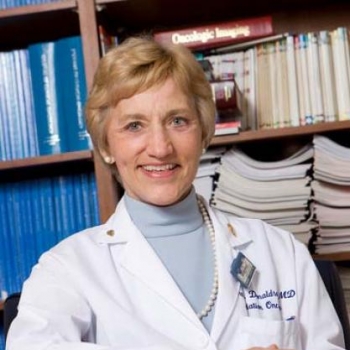 Sarah S. Donaldson合作论文数Department of Radiation Oncology, School of Medicine, Stanford University5
 Chia Lang Fang合作论文数5
 Eli Glatstein合作论文数Department of Radiation Oncology, Perelman School of Medicine, University of Pennsylvania5Judith A. Dothage合作论文数5HE Grier合作论文数4ME HOROWITZ合作论文数4
 Shih-Chung Wang合作论文数4Yu-Mei Liao合作论文数4Tseng Sung-Hui合作论文数4
 Wen-Ming Hsu (許文明)合作论文数Department of Surgery, National Taiwan University Hospital;College of Medicine, National Taiwan University4Klara Horvath合作论文数Diagnostic Radiology Department, The Clinical Center4Aaron R. Rausen合作论文数4Carola Arndt合作论文数4William A. Smithson合作论文数4
 Zhengjia Nelson Chen合作论文数Division of Epidemiology and Biostatistics, School of Public Health, University of Illinois Chicago;Cancer Center, University of Illinois Chicago;Winship Cancer Institute, Emory University4Man-Hsu Huang合作论文数3
 Chia-Chun Kuo合作论文数3Sheila Moore合作论文数3Ching-Yeh Lin合作论文数3Cjh Fryer合作论文数3Dan L. Longo合作论文数3




