Neurofeedback training (NFT) is used to modulate brain activity for therapeutic purposes in different patient populations. However, tested training protocols vary in several aspects, and the results of therapeutic benefit have been heterogeneous. The aim of the current study was to compare a SMR against a random frequency protocol and potentially strengthen NFT effects via olfactory context reactivation during sleep in a compact training protocol. 49 participants (mean age: 24.7 years; 29 women) without any neurological or psychiatric disorder were randomly (double-blind) assigned to three groups: sensorimotor rhythm (SMR) with or without context reactivation, or random frequencies with reactivation during sleep. Within 2 weeks, participants underwent eight training sessions (12 × 2 min training intervals) and slept three nights in the sleep lab. NFT sessions were scheduled every day or every other day for practical reasons. Nights two and three were used for reactivation. SMR training success was assessed at baseline, post treatment, and follow-up after 10 months. Neurofeedback was provided as pixelated video, which became clearer with better training performance. Although SMR amplitude did not significantly increase, NFT training seemed to have an effect on alpha amplitude over the course of training (p = 0.08), and both SMR groups showed by tendency improved objective sleep (e.g., higher sleep efficiency in night 2 vs. baseline night, pcorr = 0.07). Reactivation did not immediately affect performance or EEG response. However, during the follow-up session, NFT performance was highest in the SMR + reactivation condition (SMR + R > SMR-R, pcorr = 0.02), which could indicate a stabilizing effect of reactivation during sleep. Our data again suggest that (SMR) NFT could foster general relaxation and sleep. Concerning context reactivation, we did, however, only find limited evidence for a potential benefit. Future studies could add more reactivation nights or potentially utilize other forms of context reactivation.
Electroencephalography (EEG) signals contain rich person-specific information that can be used for biometric applications. This raises both opportunities and concerns in areas such as personalized health care and data privacy. This paper presents an approach for EEG based subject verification, where a transformer-based model learns to generate subject specific embeddings to later determine whether two EEG recordings belong to the same person or not. The proposed method generates subject-specific embeddings using pre-trained models and performs subject verification using a distance-based matching strategy with threshold tuning. To assess the models generalization, cross-session and cross-dataset experiments are conducted using two EEG datasets with different recording montages with one being made up of subjects with medical pathologies. Results indicate high performance even when trained and evaluated across different subject groups, and recording configurations, reaching accuracies above 80%. These findings show that identity-related information can be extracted from EEG signals independent of health status or recording protocols, while also highlighting the need for privacy preservation of EEG data to protect sensitive subject-specific information.
Patients with borderline personality disorder (BPD) often suffer from sleep problems, which interact with BPD-specific symptoms and influence prognosis. The present study investigated the relationships between BPD symptoms, the outcome of dialectical behavior therapy (DBT), and sleep quality and sleep architecture as assessed by polysomnography. Seventeen patients diagnosed with BPD participated in an 8‑week semi-residential DBT program. At the beginning of the program, two nights of polysomnography were conducted in the sleep laboratory. Depressive symptoms, BPD-specific symptoms, and subjective sleep quality were assessed via questionnaires at the beginning and end of the treatment program as well as after 6 months. The DBT program successfully decreased depressive and BPD-specific symptoms and increased subjective sleep quality. Patients with the strongest symptoms benefitted more from the treatment. Stronger BPD-specific symptoms were associated with less rapid eye movement (REM) sleep. At the 6‑month follow-up, only depression was still reduced, while BPD-specific symptoms and sleep quality had again worsened. Better subjective sleep quality was associated with a stronger reduction in BSL scores at 6‑month follow-up. The DBT program was initially effective. The positive outcome was, however, not permanent, stressing the importance of subsequent disorder-specific outpatient programs. Furthermore, REM sleep might to some extent protect against emotional distress in BDP, and subjective sleep quality was positively correlated with follow-up treatment outcome.
Sleep-dependent memory consolidation is disturbed in patients with schizophrenia, who furthermore show reductions in sleep spindles and probably also in delta power during sleep. The memory dysfunction in these patients is one of the strongest markers for worse long-term functional outcome. However, therapeutic interventions to normalise memory functions, e.g., with medication, still do not exist. Against this backdrop, we investigated to what extent a non-invasive approach enhancing sleep with real-time auditory stimulation in-phase with slow oscillations might affect overnight memory consolidation in patients with schizophrenia. To this end, we examined 18 patients with stably medicated schizophrenia in a double-blinded sham-controlled design. Memory performance was assessed by a verbal (word list) and a non-verbal (complex figure) declarative memory task. In comparison to a sham condition without auditory stimuli, we found that in patients with schizophrenia, auditory stimulation evokes an electrophysiological response similar to that in healthy participants leading to an increase in slow wave and temporally coupled sleep spindle activity during stimulation. Despite this finding, patients did not show any beneficial effect on the overnight change in memory performance by stimulation. Although the stimulation in our study did not improve the patient's memory, the electrophysiological response gives hope that auditory stimulation could enable us to provide better treatment for sleep-related detriments in these patients in the future.
Introduction: Memory deficiency has been shown in schizophrenia patients, but results on the role of sleep parameters in overnight consolidation of associative verbal memory are still missing. Therefore, the aim of our study was to elucidate underlying processes of impaired sleep-related consolidation of associative word pairs in schizophrenia including standard sleep parameters as well as sleep spindle counts and spectral analysis. Methods: Eighteen stably medicated schizophrenia patients and 24 healthy age-matched controls performed an associative declarative memory task before and after polysomnographic recordings. Part of the participants expected verbal associative memory testing in the morning, while the others did not. Furthermore, participants filled in self-rating questionnaires of schizophrenia-typical experiences (Eppendorf Schizophrenia Inventory [ESI] and Psychotic Symptom Rating Scale). Results: Schizophrenia patients performed worse in verbal declarative memory in the evening as well as in overnight consolidation (morning compared to evening performance). While duration of slow-wave sleep was nearly comparable between groups, schizophrenia patients showed lower sleep spindle count, reduced delta power during slow-wave sleep, and reduced spindle power during the slow oscillation (SO) up-state. In healthy but not in schizophrenia patients, a linear relationship between overnight memory consolidation and slow-wave sleep duration as well as delta power was evident. No significant effect with respect to the expectation of memory retrieval was evident in our data. Additionally, we observed a negative linear relationship between total number of sleep spindles and ESI score in healthy participants. Discussion/Conclusion: As expected, schizophrenia patients showed deficient overnight verbal declarative memory consolidation as compared to healthy controls. Reduced sleep spindles, delta power, and spindle power during the SO up-state may link sleep and memory deficiency in schizophrenia. Additionally, the absence of a linear relationship between sleep-related memory consolidation and slow-wave sleep as well as delta power suggests further functional impairments in schizophrenia. Note that this conclusion is based on observational data. Future studies should investigate if stimulation of delta waves during sleep could improve memory performance and thereby quality of life in schizophrenia.
Objectives: There are strong links between sleep and psychotic-like experiences (PLE), such as magical ideations or persecutory ideas. Sleep disturbances seem to play an important role in the occurrence of such symptoms, but studies investigating PLE in patients with sleep disorders are lacking. Methods: We studied 24 subjects with insomnia disorder (41 +/- 13 years) and 47 participants with obstructive sleep apnea (OSA, 47 +/- 11 years) in the sleep laboratory and 33 healthy controls. Sleep in patients with sleep disorders was recorded and scored according to standard criteria of the American Academy of Sleep Medicine. PLE were measured by the Magical Ideation Scale (MIS, short form with 10 items) and by the Peters et al., Delusions Inventory (PDI, 21 items). Additionally, cognitive tests and further psychological self-rating tests such as the Beck Depression Inventory (BDI) and the Pittsburgh Sleep Quality Index (PSQI) were administered. Results: Patients with insomnia had significantly higher scores of magical and delusional ideations compared to healthy controls. Sleep apnea patients showed a tendency of a higher score of delusional beliefs in comparison to controls. Magical ideations in insomnia subjects were significantly negatively correlated with the number of sleep spindles. In a subgroup of insomnia patients without antidepressants, delusional beliefs were negatively associated with rapid eye movement (REM)-sleep. Conclusions: As there are indications that diminutions of sleep spindles are a biomarker for dysfunctional thalamo-cortical circuits underlying the neuropathology of psychosis, we conclude that there might be a sub-group of insomnia patients with fewer sleep spindles which is more vulnerable to developing a psychotic disorder in the future. (C) 2020 Elsevier B.V. All rights reserved.
Background/ObjectivesSharing the bed with a partner is common among adults and impacts sleep quality with potential implications for mental health. However, hitherto findings are contradictory and particularly polysomnographic data on co-sleeping couples are extremely rare. The present study aimed to investigate the effects of a bed partner's presence on individual and dyadic sleep neurophysiology.MethodsYoung healthy heterosexual couples underwent sleep-lab-based polysomnography of two sleeping arrangements: individual sleep and co-sleep. Individual and dyadic sleep parameters (i.e., synchronization of sleep stages) were collected. The latter were assessed using cross-recurrence quantification analysis. Additionally, subjective sleep quality, relationship characteristics, and chronotype were monitored. Data were analyzed comparing co-sleep vs. individual sleep. Interaction effects of the sleeping arrangement with gender, chronotype, or relationship characteristics were moreover tested.ResultsAs compared to sleeping individually, co-sleeping was associated with about 10% more REM sleep, less fragmented REM sleep (p = 0.008), longer undisturbed REM fragments (p = 0.0006), and more limb movements (p = 0.007). None of the other sleep stages was significantly altered. Social support interacted with sleeping arrangement in a way that individuals with suboptimal social support showed the biggest impact of the sleeping arrangement on REM sleep. Sleep architectures were more synchronized between partners during co-sleep (p = 0.005) even if wake phases were excluded (p = 0.022). Moreover, sleep architectures are significantly coupled across a lag of ± 5min. Depth of relationship represented an additional significant main effect regarding synchronization, reflecting a positive association between the two. Neither REM sleep nor synchronization was influenced by gender, chronotype, or other relationship characteristics.ConclusionDepending on the sleeping arrangement, couple's sleep architecture and synchronization show alterations that are modified by relationship characteristics. We discuss that these alterations could be part of a self-enhancing feedback loop of REM sleep and sociality and a mechanism through which sociality prevents mental illness.
Major depression is one of the most common psychiatric illnesses. Interestingly, a few studies have indicated the existence of depression subgroups, which respond differently to the available treatment options. Previously, sleep abnormalities have been suggested to indicate amenability to different treatment regimens. Thereby, especially REM-sleep parameters seem to play a prominent role, and REM-sleep dysregulation has been repeatedly discussed as a potential endophenotype of depression. With that said, estimating therapy outcome in order to choose the best line of treatment is of utmost importance to patients suffering from depression. The present study looks deeper into these clues by investigating the capability of polysomnographic sleep parameters to predict treatment response in depressed patients to either pharmacotherapy or psychotherapy. Moderately to severely depressed patients (n = 38) were randomly assigned to either psychotherapy (i.e. interpersonal psychotherapy) or pharmacotherapy (i.e., monotherapy with selective serotonin reuptake inhibitors, SSRI, or selective serotonin noradrenalin reuptake inhibitors, SSNRI). Prior to treatment, all patients underwent polysomnography in the sleep laboratory. After treatment, responders and non-responders of both treatment groups were compared regarding their baseline sleep parameters. Higher baseline REM density, i.e. the amount of rapid eye movements during REM sleep, predicted better response to antidepressant pharmacotherapy. In the psychotherapy group, the effect seemed reversed but was not statistically significant. No other sleep parameter predicted treatment response. Our findings support the notion that REM-sleep dysregulation is indeed indicative of a distinct endophenotype of depression and that pharmacotherapy with SSRI/SSNRI might be superior to psychotherapy in these patients.
Sleep has been proposed to indicate preserved residual brain functioning in patients suffering from disorders of consciousness (DOC) after awakening from coma. However, a reliable characterization of sleep patterns in this clinical population continues to be challenging given severely altered brain oscillations, frequent and extended artifacts in clinical recordings and the absence of established staging criteria. In the present study, we try to address these issues and investigate the usefulness of a multivariate machine learning technique based on permutation entropy, a complexity measure. Specifically, we used long-term polysomnography (PSG), along with video recordings in day and night periods in a sample of 23 DOC; 12 patients were diagnosed as Unresponsive Wakefulness Syndrome (UWS) and 11 were diagnosed as Minimally Conscious State (MCS). Eight hour PSG recordings of healthy sleepers (N = 26) were additionally used for training and setting parameters of supervised and unsupervised model, respectively. In DOC, the supervised classification (wake, N1, N2, N3 or REM) was validated using simultaneous videos which identified periods with prolonged eye opening or eye closure. The supervised classification revealed that out of the 23 subjects, 11 patients (5 MCS and 6 UWS) yielded highly accurate classification with an average F1-score of 0.87 representing high overlap between the classifier predicting sleep (i.e. one of the 4 sleep stages) and closed eyes. Furthermore, the unsupervised approach revealed a more complex pattern of sleep-wake stages during the night period in the MCS group, as evidenced by the presence of several distinct clusters. In contrast, in UWS patients no such clustering was found. Altogether, we present a novel data-driven method, based on machine learning that can be used to gain new and unambiguous insights into sleep organization and residual brain functioning of patients with DOC.
Objective: To investigate the relationship between the presence of a circadian body temperature rhythm and behaviorally assessed consciousness levels in patients with disorders of consciousness (DOC; i.e., vegetative state/unresponsive wakefulness syndrome or minimally conscious state).Methods: In a cross-sectional study, we investigated the presence of circadian temperature rhythms across 6 to 7 days using external skin temperature sensors in 18 patients with DOC. Beyond this, we examined the relationship between behaviorally assessed consciousness levels and circadian rhythmicity.Results: Analyses with Lomb-Scargle periodograms revealed significant circadian rhythmicity in all patients (range 23.5-26.3 hours). We found that especially scores on the arousal subscale of the Coma Recovery Scale-Revised were closely linked to the integrity of circadian variations in body temperature. Finally, we piloted whether bright light stimulation could boost circadian rhythmicity and found positive evidence in 2 out of 8 patients.Conclusion: The study provides evidence for an association between circadian body temperature rhythms and arousal as a necessary precondition for consciousness. Our findings also make a case for circadian rhythms as a target for treatment as well as the application of diagnostic and therapeuticmeans at times when cognitive performance is expected to peak.
Brain injuries substantially change the entire landscape of oscillatory dynamics and render detection of typical sleep patterns difficult. Yet, sleep is characterized not only by specific EEG waveforms, but also by its circadian organization. In the present study we investigated whether brain dynamics of patients with disorders of consciousness systematically change between day and night. We recorded ~24 h EEG at the bedside of 18 patients diagnosed to be vigilant but unaware (Unresponsive Wakefulness Syndrome) and 17 patients revealing signs of fluctuating consciousness (Minimally Conscious State). The day-to-night changes in (i) spectral power, (ii) sleep-specific oscillatory patterns and (iii) signal complexity were analyzed and compared to 26 healthy control subjects. Surprisingly, the prevalence of sleep spindles and slow waves did not systematically vary between day and night in patients, whereas day-night changes in EEG power spectra and signal complexity were revealed in minimally conscious but not unaware patients.
Emotional and self-relevant stimuli are able to automatically attract attention and their use in patients suffering from disorders of consciousness (DOC) might help detecting otherwise hidden signs of cognition. We here recorded EEG in three Locked-in syndrome (LIS) and four Vegetative State/Unresponsive Wakefulness Syndrome (VS/UWS) patients while they listened to the voice of a family member or an unfamiliar voice during a passive. Data indicate that, in a passive listening condition, the familiar voice induces stronger alpha desynchronization than the unfamiliar one. In an active condition, the target evoked stronger alpha desynchronization in controls, two LIS patients and one VS/UWS patient. Results suggest that self-relevant familiar voice stimuli can engage additional attentional resources and might allow the detection of otherwise hidden signs of instruction-following and thus residual awareness. Further studies are necessary to find sensitive paradigms that are suited to find subtle signs of cognition and awareness in DOC patients.
Son pocos los estudios que presentan resultados funcionales a largo plazo en pacientes en coma prolongado. La evidencia sobre movilidad es casi nula después de lesiones severas.Conocer el nivel de ambulación en adultos con daño cerebral que emergieron de mínima conciencia y detectar variables iniciales predictoras.Serie de casos. Adultos con lesión cerebral adquirida después de emerger del estado de mínima conciencia dentro del Programa de Estimulación Sensorial y Motora (PESyM) en FLENI. Se midió el nivel de ambulación al año con la escala de categorías de ambulación funcional (FAC) y uso de ayuda marcha. Según el nivel de ambulación se compararon variables demográficas, tiempo de evolución, de mínima conciencia y la Coma Recovery Scale -Revised (CRS-R) inicial y subescala motora.16 pacientes, 14 causa traumática. Al año 6 (38%) caminaron solos (FAC ≥ 3). No se hallaron diferencias (p > 0,05) entre los que caminaron y los que no para las variables edad, causa de lesión, CRS-R inicial y tiempo en mínima conciencia. El tiempo de evolución al ingreso presentó diferencias estadísticamente significativas entre los dos grupos (mediana: 41 vs. 69,5 días; p = 0,04).La ambulación al año fue variable, habiendo un porcentaje significativo de pacientes que logró hacerlo sin asistencia. El tiempo de evolución al inicio de la estimulación puede ser una variable a estudiar como predictora.There are small the studies that long-term generals present functional results in patients in a coma prolonged. The evidence is almost void on mobility and ambulation after severe injuries.to know the level of ambulación in adults with cerebral injury that they emerged of minimally conscious state and to detect initial variables in those who could differ.Adults with cerebral acquired injury after emerging of the condition of minimally conscious state inside the Program of Sensory and Motor Stimulation (PSMS) in FLENI between 2005 and 2008.Was measured at one year of injury with the level of functional ambulation category (FAC) and the use of gait devices. Depending on the level of ambulation, we compared demographic variables, time of evolution, minimally conscious and the Coma Recovery Scale-Revised (CRS-R) and initial motor subscale.16 male patients, 14 of traumatic. Year, 6 (38%) walked alone(FAC ≥ 3). There were no differences (p ≥ 0,05) among those who walked and those who do not for the variables age, cause of injury, initial and CRS-R minimally conscious time. The time of injury at admission statistically significant differences between the two groups (median: 41 vs. 69,5 days, p = 0,04).The ambulation was variable, having a significant percentage of patients with acquired brain injury who fails to do so without assistance. The time of injury at admission of the stimulation is to study as a predictor variable.
Information processing has been suggested to depend on the current state of the brain as well as stimulus characteristics (e.g. salience). We compared processing of salient stimuli (subject's own names [SONs] and angry voice [AV] stimuli) to processing of unfamiliar names (UNs) and neutral voice (NV) stimuli across different vigilance stages (i.e. wakefulness as well as sleep stages N1 and N2) by means of event-related oscillatory responses during wakefulness and a subsequent afternoon nap. Our findings suggest that emotional prosody and self-relevance drew more attentional resources during wakefulness with specifically AV stimuli being processed more strongly. During N1, SONs were more arousing than UNs irrespective of prosody. Moreover, emotional and self-relevant stimuli evoked stronger responses also during N2 sleep suggesting a 'sentinel processing mode' of the brain during this state of naturally occurring unconsciousness. Finally, this initial preferential processing of salient stimuli during N2 sleep seems to be followed by an inhibitory sleep-protecting process, which is reflected by a K-complex-like response.
Estimating cognitive abilities in patients suffering from Disorders of Consciousness remains challenging. One cognitive task to address this issue is the so-called own name paradigm, in which subjects are presented with first names including the own name. In the active condition, a specific target name has to be silently counted. We recorded EEG during this task in 24 healthy controls, 8 patients suffering from Unresponsive Wakefulness Syndrome (UWS) and 7 minimally conscious (MCS) patients. EEG was analysed with respect to amplitude as well as phase modulations and connectivity. Results showed that general reactivity in the delta, theta and alpha frequency (event-related de-synchronisation, ERS/ERD, and phase locking between trials and electrodes) toward auditory stimulation was higher in controls than in patients. In controls, delta ERS and lower alpha ERD indexed the focus of attention in both conditions, late theta ERS only in the active condition. Additionally, phase locking between trials and delta phase connectivity was highest for own names in the passive and targets in the active condition. In patients, clear stimulus-specific differences could not be detected. However, MCS patients could reliably be differentiated from UWS patients based on their general event-related delta and theta increase independent of the type of stimulus. In conclusion, the EEG signature of the active own name paradigm revealed instruction-following in healthy participants. On the other hand, DOC patients did not show clear stimulus-specific processing. General reactivity toward any auditory input, however, allowed for a reliable differentiation between MCS and UWS patients.
Objective: Clinical assessments that rely on behavioral responses to differentiate Disorders of Consciousness are at times inapt because of some patients' motor disabilities. To objectify patients' conditions of reduced consciousness the present study evaluated the use of electroencephalography to measure residual brain activity.Methods: We analyzed entropy values of 18 scalp EEG channels of 15 severely brain-damaged patients with clinically diagnosed Minimally-Conscious-State (MCS) or Unresponsive-Wakefulness-Syndrome (UWS) and compared the results to a sample of 24 control subjects. Permutation entropy (PeEn) and symbolic transfer entropy (STEn), reflecting information processes in the EEG, were calculated for all subjects. Participants were tested on a modified active own-name paradigm to identify correlates of active instruction following.Results: PeEn showed reduced local information content in the EEG in patients, that was most pronounced in UWS. STEn analysis revealed altered directed information flow in the EEG of patients, indicating impaired feed-backward connectivity. Responses to auditory stimulation yielded differences in entropy measures, indicating reduced information processing in MCS and UWS.Conclusions: Local EEG information content and information flow are affected in Disorders of Consciousness. This suggests local cortical information capacity and feedback information transfer as neural correlates of consciousness.Significance: The utilized EEG entropy analyses were able to relate to patient groups with different Disorders of Consciousness. (C) 2015 International Federation of Clinical Neurophysiology. Published by Elsevier Ireland Ltd. All rights reserved.
 Manuel Schabus合作论文数Department of Psychology, University of Salzburg29
 Malgorzata Wislowska合作论文数Laboratory for Sleep, Cognition and Consciousness Research, University of Salzburg19
 Del Giudice Renata合作论文数Laboratory for Sleep, Cognition and Consciousness Research, University of Salzburg Salzburg;Centre for Cognitive Neuroscience Salzburg (CCNS),, University of Salzburg Salzburg;University of Salzburg Salzburg, University of Salzburg Salzburg16
 Kerstin Hoedlmoser合作论文数Div Physiol Psychol, Salzburg Univ10
 Weinhold Sara Lena合作论文数9
 Blume Christine合作论文数Laboratory for Sleep, Cognition and Consciousness Research, University of Salzburg Salzburg;Centre for Cognitive Neuroscience Salzburg (CCNS),, University of Salzburg Salzburg;University of Salzburg Salzburg, University of Salzburg Salzburg9Dominik Pj Heib合作论文数9
 Robert Goder合作论文数9Dominik Philip Johannes Heib合作论文数8Gerald Pichler合作论文数8Michitsch Gabriele合作论文数7Donis Johann合作论文数7Tomasz Wielek合作论文数6Wolfgang Klimesch合作论文数6
 Walter Gruber合作论文数5
 Henning Johannes Drews合作论文数Department of Psychiatry and Psychotherapy, Christian-Albrechts-University Kiel4Chwala-Schlegel Nicole合作论文数3Péter G. Ott合作论文数the Hungarian Academy of Sciences, Plant Protection Institute3
 Hermann Griessenberger合作论文数3Andrea Zauner合作论文数3Stefan Wegenkittl合作论文数Univ. Doz. Dr. Stefan Wegenkittl
Salzburg University of Applied Sciences, Information Technology and Systems Management3Alain Pitiot合作论文数School of Psychology ; Brain & Body Centre3Hong-Viet V. Ngo合作论文数2Nicole A. Himmelstoss合作论文数2Maria-Teresa Gnjezda合作论文数2
Hermann Griessenberger合作论文数3Andrea Zauner合作论文数3Stefan Wegenkittl合作论文数Univ. Doz. Dr. Stefan Wegenkittl
Salzburg University of Applied Sciences, Information Technology and Systems Management3Alain Pitiot合作论文数School of Psychology ; Brain & Body Centre3Hong-Viet V. Ngo合作论文数2Nicole A. Himmelstoss合作论文数2Maria-Teresa Gnjezda合作论文数2 Mauricio Chinchilla合作论文数2
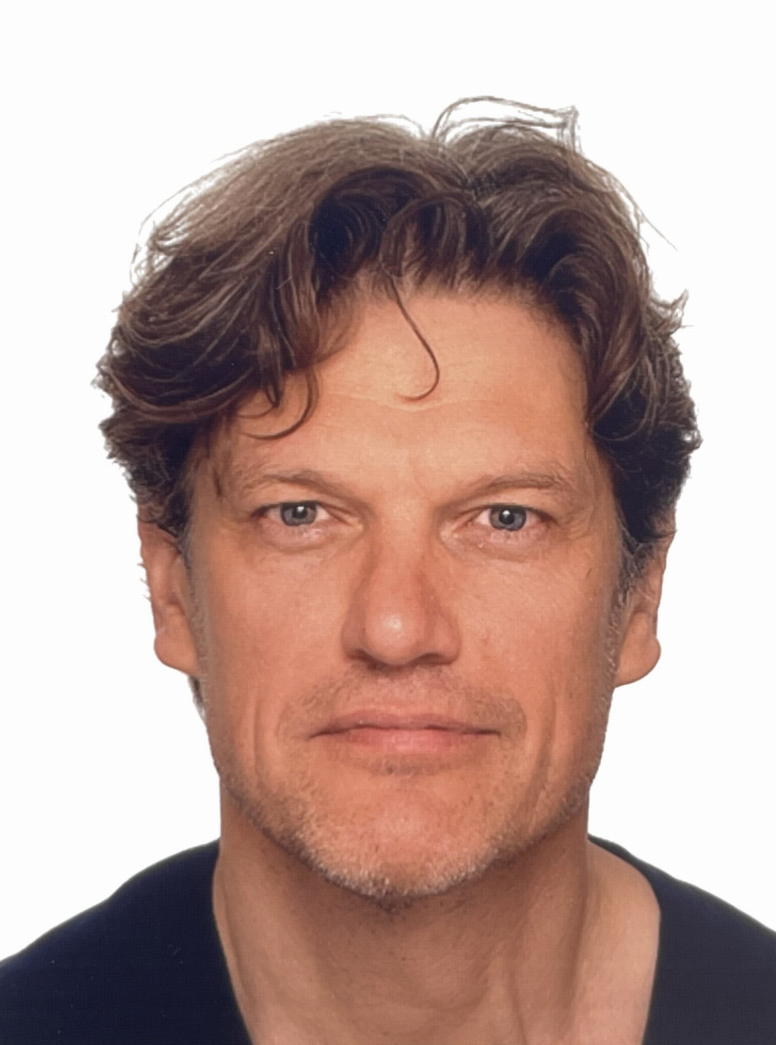 Steven Laureys合作论文数School of Basic Medical Sciences, Hangzhou Normal University;Harvard Medical School, Harvard University;CERVO Brain Research Centre, Université Laval;GIGA Consciousness Research Unit, University of Liège2
 Helmut A. Mayer合作论文数Fachbereich Computerwissenschaften
Universität Salzburg2
Helmut A. Mayer合作论文数Fachbereich Computerwissenschaften
Universität Salzburg2 Calixto Machado合作论文数Department of Clinical Neurophysiology, Institute of Neurology and Neurosurgery, Havana, Cuba2Monika Scarpatetti合作论文数1Karoline Stingele合作论文数1Jakob Koch合作论文数1Annedore Pawlizki合作论文数1Josef Aldenhoff合作论文数1Marit Petzka合作论文数Institute of Psychology, University of Hamburg1
 Sebastian Wallot合作论文数Center for Cognition, Action and Perception, University of Cincinnati1Santhi Nayantara合作论文数Surrey Sleep Res Ctr, Univ Surrey1
 Mitkidis Panagiotis合作论文数Interacting Minds Centre, Aarhus University Aarhus;Social Science Research Institute, Duke University Durham;School of Business and Social Science, Aarhus University Aarhus;Aarhus University Aarhus, Aarhus University Aarhus1
 Christina P Brotzner合作论文数1
 Haiteng Jiang (江海腾)合作论文数School of Brain Science and Brain Medicine, MOE Frontier Science Center for Brain Science and Brain-Machine Integration, Zhejiang University;School of Medicine, Zhejiang University;Liangzhu Laboratory1
 Kathrin Bothe合作论文数1
 Eberhard F Kochs合作论文数Technische Universitat Munchen Medizin1
 Paul Christian Baier合作论文数1
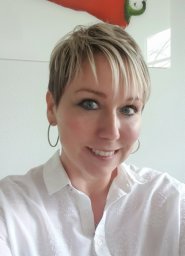 Kamila Jauch-Chara合作论文数Department of Psychiatry and Psychotherapy, University of Luebeck1
 Rade Kutil合作论文数Department of Scientific Computing, University of Salzburg, Jakob Haringer Strasse 2, 5020, Salzburg, Austria
Publisher Elsevier Science Publishers B. V. Amsterdam, The Netherlands, The Netherlands
abstract references citings index terms collaborative colleagues1
Rade Kutil合作论文数Department of Scientific Computing, University of Salzburg, Jakob Haringer Strasse 2, 5020, Salzburg, Austria
Publisher Elsevier Science Publishers B. V. Amsterdam, The Netherlands, The Netherlands
abstract references citings index terms collaborative colleagues1 Christian Huchzermeier合作论文数1Mareen Seeck-Hirschner合作论文数1
 Denis Jordan合作论文数Mathematisches Institut der Universität Bern1M. Barry Sterman合作论文数1




