OBJECTIVES:A population approach focuses on improving the health status of the entire population, depending on the fact that the majority of diseases occur among low-risk individuals rather than high-risk individuals. However, the onset of permanent tooth caries in children with high or low caries risk remains unclear, especially among children of different socioeconomic statuses. This study investigated the distribution of caries occurrence in children across different caries experience and income groups. METHODS:This cohort study was based on the Adachi Child Health Impact of Living Difficulty (A-CHILD) study, which surveyed all elementary school children in Adachi City, Japan. The explanatory variables were the number of permanent carious teeth and three tertiles of income when children were 7 or 8 years old in 2016. The outcome was an increase in permanent carious teeth when children were 11 or 12 years old, between 2016 and 2020. Negative binomial regression analyses were applied with adjustment for sex. RESULTS:Among the participants (n=3,321), the low-income group had 1.44 (95% CI: 1.14; 1.81) times higher risk than the high-income group. Children with two or more carious teeth showed 2.52 (95% CI: 1.57; 4.06) times higher caries risk than caries-free children. However, over 80% of carious teeth occurred among caries-free children in all income groups. CONCLUSIONS:The majority of new caries cases occurred not merely in high-risk children but in a large number of initially low-risk children, regardless of income level. These findings suggest the importance of a population approach in preventing caries. CLINICAL SIGNIFICANCE:The majority of new caries lesions occurred in caries-free children across all income statuses. The population approach appears appropriate for preventing the incidence of dental caries among elementary school children.
BACKGROUND:Dental care is important for oral health, but access to dental services is subject to social inequalities and varies between countries. Despite this, few cross-national studies have examined how public dental expenditure relates to dental service use among older adults. This study aimed to investigate the associations between public dental expenditure and dental visits among older adults using an international comparative design. METHODS:Data were obtained from the Survey of Health, Ageing and Retirement in Europe (SHARE, Wave 8, 2019), covering 25 European countries and Israel, and the Japanese Gerontological Evaluation Study (JAGES, 2019). The final sample included 48 497 adults aged 65 years or older. The outcome was any dental visit in the past year, while the explanatory variable was country-level annual per capita public dental expenditure on outpatient dental care in 2019 (USD), obtained from the OECD database and adjusted for purchasing power parity. A multilevel modified Poisson regression model was used to estimate prevalence ratios (PRs), accounting for between-country variability. Interaction terms between household income and public dental expenditure were included to examine effect modification. RESULTS:The overall dental visit rate was 59.5%, with higher rates among women, those with higher education, and those in higher income groups. Each $10 increase in per capita public dental expenditure at the country level was associated with higher dental visit rates (PR: 1.05, 95% CI: 1.03-1.07). The association was stronger among lower-income groups, suggesting that income-related inequalities in dental visits were smaller in countries with higher public dental expenditure. CONCLUSIONS:Public expenditure on dental care was associated with higher dental visit rates, particularly among low-income groups. These findings suggest that public financing of dental care may help reduce income-related inequalities in dental visits among older adults.
BACKGROUND:Cultural engagement reportedly enhances older adults' well-being. Physiological age (PA) reflects the deterioration of physical and physiological systems, and a greater PA increases the risks of various health conditions and mortality. This study aimed to investigate the association between cultural engagement and physiological ageing in UK older adults, accounting for time-invariant unmeasured confounders. METHODS:The data were derived from the English Longitudinal Study of Ageing. Older adults who participated in at least two of waves 2, 4 or 6 were analysed (n=1899 individuals, N=4207 observations; 46.9% were male). Cultural engagement scores were calculated based on the frequency of going to cinemas, museums and theatres, ranging from 0 (lowest engagement) to 15 (highest engagement). PA was derived from 10 physiological markers and clinical indicators, including blood pressure, forced expiratory volume, grip strength and body mass index, using the Klemera-Doubal method. A fixed-effects linear regression model was fitted to estimate the association between the cultural engagement score and PA. Time-varying confounders, including socioeconomic and health status, were adjusted for. RESULTS:The participants exhibited a cultural engagement score with a mean of 4.3 (SD=3.2) and PA with a mean of 68.7 years (SD=7.8). The fixed-effects analysis showed that a 1-point higher cultural engagement score was significantly associated with a 0.085-year lower PA after adjusting for time-varying confounders (non-standardised coefficient (B) = -0.085; 95% CI -0.161 to -0.008). CONCLUSIONS:Enhancing cultural engagement may slow physiological ageing and promote healthy ageing.
OBJECTIVE:Understanding the chief complaints of patients is essential for effective communication and successful orthodontic treatment. Although previous studies have often used structured questionnaires, few have applied data-driven methods to unstructured free-text responses. Furthermore, how these complaints from distinct semantic structures based on molar classifications remains underexplored. This study aimed to examine these structural differences using correspondence and co-occurrence network analyses. MATERIALS AND METHODS:Patients who visited an academic dental hospital for an initial orthodontic evaluation between April 2011 and March 2024 were included. Data on chief complaints (free text), sex, age, skeletal classification, and molar classification were obtained from standardized diagnostic records. Chief complaints were analyzed structurally, retaining nouns and adjectives. We extracted the 60 most frequently used terms, followed by correspondence and co-occurrence network analyses. RESULTS:In total, 2568 (35.4% male) patients were included. Their mean age was 22.0 years (range: 7-74 years). Anterior esthetic concerns were the most frequently reported chief complaints across all patients. However, correspondence and network analyses revealed distinct structural patterns according to molar classification. Class I patients mainly cited esthetic reasons. Class II patients were characterized by morphological and symptomatic concerns and referrals. Class III patients presented interrelated skeletal, functional, and psychological concerns, often involving an awareness of surgical necessity and mentions of being pointed out by others. CONCLUSIONS:Although esthetic dissatisfaction is common, distinct complaint patterns exist based on molar classification. Recognizing these semantic structures facilitates shared decision-making and provides a foundation for developing patient-centered PROMs in orthodontic practice.
OBJECTIVE:To examine the association between oral frailty (OF) and social frailty (SF) among independent community-dwelling older adults in Japan. METHODS:A cross-sectional study was conducted using data from the 2022 wave of the Japan Gerontological Evaluation Study (JAGES) including 19,319 functionally independent older adults aged ≥ 65 years. Oral frailty was used as an exposure variable in four ways: (1) a categorical variable (robust = 0, pre-frail = 1, frail ≥ 2), (2) count score (sum of 5 OF components), (3) individual OF components and (4) a combined variable for the four oral functions. SF was measured using the 5-item index (SF-5; robust = 0, pre-frail = 1, frail ≥ 2). Missing data were handled via multiple imputation. Ordered logistic regression models were used after adjusting for sociodemographic and health-related covariates. RESULTS:Participants were 48.4% males and aged 65-104 years. SF prevalence was 28.3% (n = 5466). In the adjusted models, oral frail individuals had higher odds of being socially frail (OR 1.35; 95% CI 1.26-1.45) than the robust group and the highest oral frailty score (score 5) showed the highest odds (OR 2.53; 95% CI 1.50-4.27) for SF. In addition, among OF components, dry mouth had the strongest association (OR 1.29; 95% CI 1.20-1.38), and those with four diminished oral functions were more likely to be socially frail (OR 2.42; 95% CI 1.53-3.82). Overall, a clear gradient-like pattern was observed with more oral frailty linked to higher odds of social frailty. CONCLUSION:OF and its components were associated with SF among older adults in Japan. These findings might suggest the need for integrated screening and preventive strategies to mitigate social vulnerability linked to oral functional decline.
BACKGROUND:Smoking and alcohol consumption are major risk factors for oral and pharyngeal cancer (OPC) mortality. However, the interaction between these risks and tooth loss, as an indicator of cumulative consequences of oral health disadvantages, has not been investigated. METHODS:We used data from the Japan Gerontological Evaluation Study, which included functionally independent Japanese adults aged ≥ 65 years. The baseline survey was conducted in 2010 and followed up until 2022. The outcome was OPC mortality. The exposures were smoking, drinking, and the number of teeth. To estimate the hazard ratio (HR) and 95% confidence interval (CI) of OPC mortality, the Cox proportional hazards model was applied. We also assessed multiplicative and additive interactions by calculating the relative excess risk due to interaction (RERI). RESULTS:A total of 39,882 participants were included (men: 46.8%). The mean age at baseline was 73.7 years (SD = 6.0). The mean follow-up was 3,689 days. Among them, 0.2% had OPC mortality. Both smoking and drinking were associated with a higher risk of OPC mortality compared with none (HR, 2.87; 95%CI, 1.26-6.55). Those with 0-19 teeth were associated with a higher risk of OPC mortality than those with ≥ 20 teeth (HR, 1.96; 95%CI, 1.11-3.46). Interaction analysis showed higher OPC mortality risk among those with both smoking and drinking and 0-19 teeth (multiplicative interaction; HR, 5.02; 95%CI, 1.09-23.21, additive interaction; RERI, 2.97; 95%CI, 0.06-5.88). CONCLUSIONS:Both smoking and drinking were associated with a higher risk of OPC mortality, particularly among those with fewer teeth.
OBJECTIVES:The clinical skills of dental students with limited experience may be inferior to those of dentists. This study aimed to investigate the prognosis of resin-based composite (RC) restorations performed by dental students compared to those performed by dentists. METHODS:Data from patients who underwent RC restoration between April 2014 and March 2020 at a university hospital were analyzed. Because the database could not distinguish between re-restorations and new restorations on the same teeth, follow-up was initiated 6 months after the initial RC restoration. The follow-up period continued until re-restoration, censoring, or the end of a 2-year observation period. A parametric mixed-effects survival model was used, specifying hospital departments as the exposure variable. Hazard ratios (HRs) for re-restoration were estimated, adjusting for confounders. RESULTS:Among 103,595 teeth, 7942 (prevalence of re-restoration = 7.7%, re-restoration rate/100 person-year = 5.3) were reconstructed during 2 years. In the student department, 1700 teeth were treated with a 3.2 re-restoration rate/100 person-year. After adjusting for confounding factors, the resident dentists department (HR = 1.46, 95% confidence interval [CI]: 1.14-1.88), pediatric dentistry (HR = 1.68, 95% CI: 1.27-2.23), special needs department (HR = 1.79, 95% CI: 1.12-2.85), dental caries department (HR = 1.49, 95% CI: 1.19-1.87), and other clinical departments, which included all other outpatient departments (HR = 1.38, 95% CI: 1.10-1.73), showed significantly higher HRs for re-restoration compared to the student department. CONCLUSION:Despite limitations due to restricted information on the study population, our findings suggest that the 2-year survival rate of RC restorations performed by dental students during clinical training was higher than that of other clinical departments .
Objective: This is the first population-based study to separately examine whether preventive and treatment dental visits modify the association between stressful life events and toothache. Psychological stress may alter health-seeking behaviors and pain perception, potentially leading to symptom-driven rather than preventive dental visits. Methods: Cross-sectional data were obtained and analyzed from the 2019 wave of the Japan Gerontological Evaluation Study (JAGES), including 19,314 community-dwelling adults aged 65 years and older. Poisson regression analyses were conducted to examine the associations between stressful life events, dental visit history, and self-reported toothache. Results: Higher stressful life events were associated with greater toothache prevalence (PR = 1.189; 95% CI: 1.117–1.264). Preventive dental visits within the past six months were linked to the lowest risk, whereas recent treatment visits were associated with higher risk. Conclusion: Promoting regular preventive dental visits, particularly among individuals under high stress, may help reduce the likelihood of experiencing toothache among older adults.
BackgroundPrevious studies have reported educational inequalities in all and site-specific cancer mortality. However, the mechanisms underlying this association remain unclear. We investigated the association between educational level and all- and site-specific cancer mortality and examined potential mediating factors.MethodsWe conducted a longitudinal study using data from the Japan Gerontological Evaluation Study (JAGES), initiated in 2010 with 7-year follow-up targeting independent adults aged ≥65 years. Self-report questionnaire data were linked to mortality records from municipal registries. Educational level was exposure (<10/10-12/>12 years for competing risk models and <10/≥10 years for causal mediation analysis). All- and site-specific cancer mortality were outcomes. Competing risk models estimated sub-distribution hazard ratios (SHRs) and 95% confidence intervals (CIs). Causal mediation analysis assessed mediating effects of smoking status, drinking status, health examination, vegetable and/or fruit intake, and walking time.ResultsAmong 43,478 participants (46.6% men, mean age 73.7 years), the 7-year mortality from all cancers was 5.1%. Low educational level was associated with higher all-cancer mortality (SHR for the lowest compared with the highest 1.27; 95%CI, 1.13-1.44). Similar associations were observed for tracheal and lung, and esophageal cancer mortality. The association between educational level and all cancer mortality was significantly mediated by smoking status (5.6%), health examination (8.0%), and walking time (7.1%), but not by drinking status and vegetable and/or fruit intake.ConclusionLower educational level was associated with a higher risk of all cancer, tracheal and lung cancer, and esophageal cancer mortality. Health behaviors partially explained these associations.
OBJECTIVES:To examine whether multiple routine oral health practices reduce all-cause mortality, and how these associations are modified by sociodemographic, behavioral, and health related factors. METHODS:Data were derived from the Japan Gerontological Evaluation Study (JAGES), with participants enrolled between 3 October and 14 November 2016. Participants who were not certified for long-term care insurance and completed the questionnaire version including oral health practice items were eligible; edentulous or not functionally independent individuals were excluded. Participants were categorized according to engagement in seven routine practices: toothbrushing ≥twice/day, use of interdental cleaner, tongue cleaner, toothpaste, mouthwash, and dental visits for treatment or checkups in the past 12 months. The outcome was all-cause mortality through 20 June 2023. Hazard ratios (HRs) and 95% confidence intervals (CIs) were estimated using inverse probability weighted Cox proportional hazard models, adjusting for confounding. For oral health practices exhibiting significant association, moderator wide analyses were conducted to explore potential effect modification by age, sex, education, income, smoking, alcohol consumption, body mass index, walking time, living status, self-rated health, number of teeth, and depression. RESULTS:During the 6-year follow-up, the mortality incidence rate was 17.3/1000 person-year among 9676 participants (46.5% male; mean age=73.7 ± 5.9 years). Significant risk reductions in all-cause mortality were observed for interdental cleaner use (HR=0.89; 95% CI=0.80-0.99) and tongue cleaner use (HR=0.77; 95%CI=0.68-0.87). No significant effect modification was detected. CONCLUSIONS:In this nationwide cohort study, the use of interdental and tongue cleaners was associated with lower all-cause mortality among community-dwelling Japanese older adults during 6 years of follow-up. CLINICAL SIGNIFICANCE:The results suggest that simple and low-cost practices may contribute to healthy longevity in ageing societies, and support further investigation into potential mechanisms, including pathways related to aspiration and respiratory infections.
AIM:This retrospective cohort study aimed to identify pretreatment prognostic factors for tooth survival in teeth with endodontic-periodontal lesions (EPLs). MATERIALS AND METHODS:Teeth with EPLs treated according to a standardised clinical protocol involving periodontal and endodontic treatments were included. Clinical parameters were measured, and the EPL grade was classified according to the 2017 World Workshop criteria. Based on the radiographic characteristics, lesions were categorised as I-shaped (unilateral intrabony defect without apparent apical radiolucency), J-shaped (unilateral intrabony defect with apical radiolucency) and U-shaped (bilateral intrabony defects with apical radiolucency). Survival-time analysis was performed. RESULTS:Of the 187 teeth included, 117 survived over the mean observation period of 3.1 ± 2.1 years (maximum, 8.4 years). The estimated 1- and 5-year tooth survival rates were 83.8% and 58.9%, respectively. Multivariate analysis identified age, EPL grade, probing depth (PD), periapical index, bone loss and I-J-U subclassification as significant prognostic factors for tooth survival. The I-J-U subclassification was significantly associated with tooth survival, suggesting its potential value in prognostic assessment. CONCLUSION:This retrospective cohort study identified age, EPL grade, PD and radiographic shape of bone loss as predicting factors for tooth survival in teeth with EPLs.
PURPOSE:From a life-course perspective, adolescent socioeconomic status (SES) can have long-term effects. This study investigated the association between SES in adolescence and older age SES, as well as their mobility, and routine oral health behaviors among older adults. METHODS:This cross-sectional study analyzed data of individuals aged 65 years or older from the 2019 wave of the Japan Gerontological Evaluation Study (JAGES). SES mobility from adolescence to old age was defined based on combinations of economic status at age 15 and in older adulthood. Oral health behaviors, such as tooth brushing, toothpaste use, and flossing or interdental brushing, were also assessed. Poisson regression analysis was used to estimate prevalence ratios (PRs). RESULTS:Among 21,197 participants with a mean age of 74.0 years (SD = 5.9), 47.2% were male. Compared to individuals with consistently low SES, those with upward SES mobility and consistently high SES were more likely to use dental floss or interdental brushes (PR = 1.21, 95% CI: 1.12-1.30 and 1.22, 95% CI: 1.14-1.31, respectively). In contrast, neither tooth brushing nor toothpaste use was significantly associated with SES mobility. CONCLUSION:Inequalities in the use of dental floss and interdental brushes based on SES and SES mobility were observed.
BACKGROUND:Socioeconomic inequalities in disability-free life span have been widening. We evaluated the mediating role of multiple modifiable risk factors, including tooth loss, on socioeconomic inequalities in disability onset and mortality among Japanese older adults. METHODS:This prospective cohort study utilized data from the Japan Gerontological Evaluation Study, targeting adults aged ≥65 years. The 2013 baseline questionnaire survey participants were followed until 2022 (n = 48,474; median follow-up, 9.0 years). Time-varying mediators were also assessed in questionnaire surveys in 2016 and 2019. Discrete-time survival analysis estimated the association of socioeconomic status (SES)-a standardized principal component score incorporating household income, wealth, and years of education-with disability or mortality onset. The Karlson-Holm-Breen method decomposed total effects into pathways through 11 mediators, including tooth loss and major risk factors for disability and mortality. RESULTS:During the follow-up, 29.1% became disabled or died. Compared to the highest SES group, the lowest SES quartile group exhibited a hazard ratio of 1.26 (95% confidence interval [CI], 1.19-1.34) for disability or mortality. Tooth loss exhibited the second largest indirect effect (proportion mediated 12.4%; 95% CI, 8.0-17.2), following moderate depression (16.0%; 95% CI, 11.7-21.5). Tooth loss exhibited the strongest association with SES, attributing to the large indirect effect. CONCLUSION:The findings suggest that tackling inequalities in tooth loss may be an effective way to reduce socioeconomic inequalities in a disability-free life span.
As large-scale disasters occur more frequently worldwide, understanding how pre-disaster community resilience influences post-disaster recovery has become imperative for disaster riskreduction policy and practice. This study investigated whether pre-disaster community resilience helped explain post-disaster subjective recovery following the 2011 Great East Japan Earthquake and Tsunami. We conducted a baseline survey of older residents in Iwanuma City in 2010 and a follow-up survey 2.5 years after the disaster, yielding an analytic sample of 3523 respondents nested within 98 districts. Ten resilience indicators reflecting social capital and economic development were measured at both individual and community levels before the disaster. Using multilevel logistic regression models, we examined the association between these indicators and two outcomes: self-reported recovery of daily life and perceived recovery of the neighborhood. Housing damage, bereavement, and high community-level housing destruction substantially reduced the participants' perceived recovery. Pre-disaster community-level social participation was significantly associated with better recovery of individual daily life, whereas local activities and interactions mitigated the negative impact of severe housing damage. By contrast, respondents with severe damage living in districts with higher pre-disaster evaluations of administrative services reported poorer neighborhood recovery. This natural experimental evidence demonstrates that community environments characterized by high social participation and frequent local interactions before a disaster foster more favorable recovery perceptions. The findings provide prospective evidence on the associations between the selected community resilience indicators and post-disaster recovery, and highlight the importance of strengthening social connectedness in ordinary times as a practical strategy for enhancing disaster resilience.
BACKGROUND:Biological ageing is characterised by a gradual decline in physiological functions, resulting in increased susceptibility to diseases and mortality. We investigated the relationship between edentulism and biological ageing among adults in England. METHODS:Data were drawn from participants in the English Longitudinal Study of Ageing who completed three consecutive biennial waves (waves 2-3-4 or 4-5-6), yielding 1889 individuals providing 2390 three-wave panel observations (mean age at baseline 68.1; men 47.7%). Edentulism was assessed in waves 3 and 5. Biological ageing was estimated using the Klemera and Doubal method, integrating multiple biomarkers assessed in waves 2, 4 and 6. Linear regression with clustered standard errors was employed to evaluate the association between edentulism and biological age in the subsequent wave (i.e., 2 years after the assessment of edentulism). Models were adjusted for pre-exposure confounders, including biological age, gender, socioeconomic status, existing health conditions and functional limitation assessed in the prior wave (i.e., 2 years before the assessment of edentulism). RESULTS:Participants with edentulism exhibited a 5.8-year greater biological age than those with some remaining teeth in the subsequent waves. After adjusting for confounding variables, edentulism was associated with a 0.82-year greater biological age than those with some remaining teeth (95% confidence interval: 0.40-1.24) in the subsequent waves. CONCLUSION:Edentulism was longitudinally associated with a greater biological age. Strategies that incorporate oral health promotion, particularly the prevention of tooth loss, may contribute to healthy ageing.
OBJECTIVES:With the growing emphasis on incorporating dental care into universal health coverage (UHC) worldwide, it is essential to understand the extent to which UHC can improve access to needed health services without financial hardship. Dental care services should be included in monitoring progress toward UHC, but are often left out, even in countries with UHC. This study will compare socioeconomics-related inequalities in dental care utilization among older Australians and Japanese, who experience contrasting universal dental insurance systems. METHODS:We used data from Australia and Japan to estimate socioeconomics-related inequalities in dental care utilization as the Slope Index of Inequality (SII) and the Relative Index of Inequality (RII) for community-dwelling adults aged 65 years and older. Socioeconomic status was measured using equivalized income and educational attainment. Dental care utilization was defined as visiting a dentist within the past 12 months. RESULTS:The study included 6104 Australian participants (mean age 73.8 years) and 19,043 Japanese participants (mean age 74.9 years). Income-related inequalities in dental care utilization were higher in Australia [SII (0.22, 95% CI = 0.18-0.27); RII (1.48, 95% CI = 1.36-1.59)] than in Japan [SII (0.16, 95% CI = 0.14-0.19); RII (1.28, 95% CI = 1.24-1.33)]. We found a similar pattern in educational attainment. CONCLUSIONS:Notwithstanding the differences between the two dental care systems, the lack of UHC in dental care in Australia may be a contributing factor to greater inequalities in dental care utilization among older adults.
BACKGROUND: Considering that the association between socioeconomic status (SES) and oral health status differs by sex, we examined the impact of factors such as education, economic status, employment type, and social support on tooth loss in dental patients attending clinics, separately for men and women. METHODS: This study was based on a survey of dental patients across Japan conducted by the Foundation for the Promotion of 8020 between 2014 and 2019. To determine sex differences in the association between number of teeth lost and SES, a modified Poisson regression analysis was performed with the number of lost teeth during 5 years as the dependent variable. The ratio of means (RM) was calculated separately for men and women. RESULTS: In total, 1,355 participants were included in the analysis. Among women, those with fewer years of education or temporary employment had a significantly higher RM for tooth loss. Moreover, women with a higher subjective economic status or more social support had a lower RM for tooth loss. In contrast, there was no significant association between SES and tooth loss among men. CONCLUSIONS: The association between tooth loss and SES differs by sex. Preventive strategies should consider SES-related sex differences in oral health.
Background:Oral frailty (OF), defined as a multidimensional decline in oral function, is an early marker of functional vulnerability in older adults. Although frailty is linked to cardiovascular disease incidence and prognosis, the relationship between OF, heart disease (HD), and multimorbidity (MM) remains unclear. Methods and Results:We conducted a cross-sectional analysis of 16,294 community-dwelling adults aged ≥65 years in the 2022 Japan Gerontological Evaluation Study. OF was assessed using the Oral Frailty 5-item Checklist. Among 1,575 participants with HD, we compared those with HD alone and those with HD plus comorbidities (HD+MM). We also compared OF and its components across the 4 groups based on HD and MM status. The overall prevalence of OF was 33.9%, increasing to 42.9% in individuals with HD. OF was significantly more prevalent in the HD+MM group than in the HD-only group (44.3% vs. 36.2%). Respiratory, digestive, immune, and ear diseases were strongly associated with OF. Furthermore, OF, lower Tokyo Metropolitan Institute of Gerontology Index of Competence scores, and higher body mass index were independently associated with a greater comorbidity burden in older adults. Conclusions:OF is common in older adults with HD, particularly in those with MM. Incorporating oral function assessment into cardiovascular risk evaluation may help identify high-risk individuals and support comprehensive management strategies for the aging population.
Objectives:To estimate the impact of explicit fluoride-related language in prefectural dental health ordinance on the dissemination of school-based fluoride mouth-rinse (S-FMR) programs. Methods:A longitudinal ecological design was employed to analyze prefectural-level panel data from Japan spanning 2007 to 2018. Ordinances enacted between 2010 and 2014 were categorized by the presence of explicit fluoride-related terms: 1) explicit mention of "fluoride mouth-rinse" (FMR group); 2) explicit mention of "fluoride application" (FA group); and 3) no fluoride-related policy language (NF group). The outcome was the proportion of children aged 4-15 years participating in S-FMR programs. Total prefectural income per year, prefectural mean age, and prefectural mean number of decayed, missing, or filled primary teeth (dmft) among 3-year-old children were included as covariates. The Callaway and Sant'Anna Difference-in-Differences (CSDID) method was applied to estimate the average treatment effects on the treated (ATT) for the FMR and FA groups under a conditional parallel trends assumption. Results:A total of 39 prefectures were analyzed. The pre-post increase in S-FMR participation was greater in the FMR group than in the FA or NF groups, with comparable differences (FMR: 12%; FA and NF: 5% each). In the CSDID analysis, both the FMR and FA groups showed a significant increase in S-FMR participation compared with the NF group, with a larger effect in the FMR group [FMR: 8% (95% CI: 2%-15%); FA: 5% (95% CI: 0%-9%)]. The event-study estimates indicated that the effects strengthened over time, particularly in the FMR group. Conclusions:Prefectural dental health ordinances explicitly refer to fluoride, particularly FMR, are associated with a greater dissemination of the proportion of children participating in S-FMR programs. These findings suggest that more specific and explicit policy language in dental health ordinances may enhance the dissemination of S-FMR programs.
 Katsunori Kondo (近藤克則)合作论文数Center for Preventive Medical Science, Chiba University;Institute for Health Economics and Policy, Chiba University;Center for Social Common Capital beyond 2050, Institutional Advance and Communications, Kyoto University179
 Osaka Ken合作论文数112
 Ichiro Kawachi合作论文数Harvard T.H. Chan School of Public Health, Harvard University;Department of Social and Behavioral Science, Harvard University66
 Tsuboya Toru合作论文数44
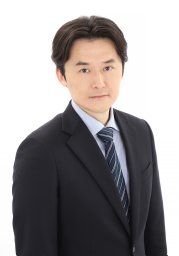 Hikichi Hiroyuki合作论文数Harvard T. H. Chan School of Public Health, Chiba University39Koyama Shihoko合作论文数Graduate School of Dentistry., Tohoku University38
 Naoki Kondo合作论文数36
 Takeuchi Kenji合作论文数Section of Preventive and Public Health Dentistry,
Division of Oral Health, Growth and Development, Faculty of Dental Science, Kyushu University, Fukuoka,
Japan35Yusuke Matsuyama合作论文数Department of Global Health Promotion, Tokyo Medical and Dental University (TMDU), 1-5-45, Yushima, Bunkyo-ku, Tokyo, 113-8510, Japan35Tatsuo Yamamoto合作论文数32Taro Kusama合作论文数29
Takeuchi Kenji合作论文数Section of Preventive and Public Health Dentistry,
Division of Oral Health, Growth and Development, Faculty of Dental Science, Kyushu University, Fukuoka,
Japan35Yusuke Matsuyama合作论文数Department of Global Health Promotion, Tokyo Medical and Dental University (TMDU), 1-5-45, Yushima, Bunkyo-ku, Tokyo, 113-8510, Japan35Tatsuo Yamamoto合作论文数32Taro Kusama合作论文数29 Richard G Watt合作论文数Department of Epidemiology and Public Health, University College London;Central North West London NHS Foundation Trust27
 Masashige Saito合作论文数27Sakura Kiuchi合作论文数Grad Sch Dent, Tohoku Univ26Toshiyuki Ojima合作论文数24Kaiyo Takubo合作论文数21Sato Yukihiro合作论文数Department of International and Community Oral Health, Tohoku University Graduate School of Dentistry20
 Georgios Tsakos合作论文数Dental Public Health Group, Department of Epidemiology and Public Health, Institute of Epidemiology & Health, Faculty of Public Health, University College London19Takashi Zaitsu合作论文数18
 Upul Cooray合作论文数Grad Sch Dent, Tohoku Univ15
 Koichiro Shiba合作论文数Department of Epidemiology, Boston University School of Public Health15Tsuji Taishi合作论文数15Sugiyama Kemmyo合作论文数15K Osaka合作论文数14Takaaki Ikeda合作论文数14Ishimaru Miho合作论文数14Oshiro Akiko合作论文数14Takafumi Yamamoto合作论文数13
 Kanade Ito合作论文数13
 Tomio Arai (新井富生)合作论文数Department of Pathology, Tokyo Metropolitan Institute for Geriatrics and Gerontology13
 Ichiro Tsuji合作论文数Tohoku University Graduate School of Medicine13
 Noriko Cable合作论文数Institute of Child Health, Great Ormond Street Hospital12Shiho Kino合作论文数11
 Tabuchi Takahiro合作论文数Center for Cancer Control and Statistics, Osaka Medical Center for Cancer and Cardiovascular Diseases11
 Yazawa Aki合作论文数11Hiroshi Hirai合作论文数10
 Sankaran Venkata Subramanian合作论文数Department of Social and Behavioral Sciences, Harvard T.H. Chan School of Public Health, Harvard University;Department of Sociology, Faculty of Arts & Sciences, Harvard University10Miyo Nakade合作论文数10Shirai Kokoro合作论文数9Yuichi Ando合作论文数9
 Manabu Morita (森田学)合作论文数Graduate School of Medicine, Dentistry and Pharmaceutical Sciences, Okayama University9
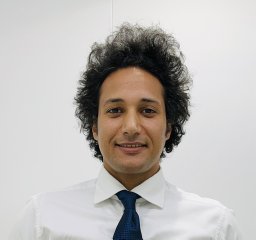 Hazem Abbas合作论文数Dept Int & Community Oral Hlth, Tohoku Univ8Yuko Inoue合作论文数Dept Oral Hlth Promot, Tokyo Med & Dent Univ8Y. Matsuda合作论文数8Tomata Yasutake合作论文数8
 Takeo Fujiwara合作论文数8
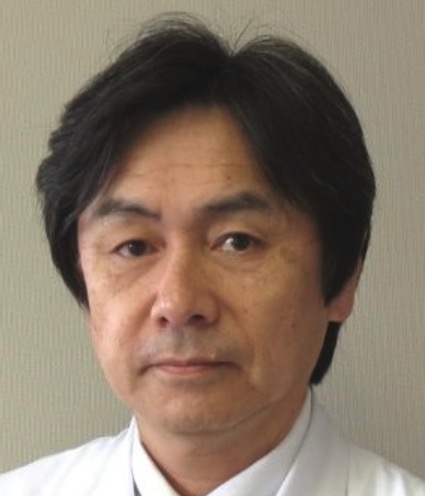 Yuichi Izumi合作论文数Department of Cardiovascular Surgery, Nayoro City General Hospital8
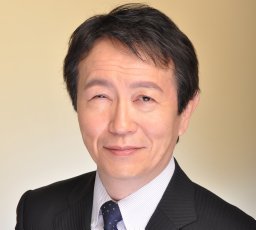 Toshiyuki Ishiwata合作论文数Department of Pathology, Nippon Medical School8C. Adura合作论文数7




