Two-dimensional (2D) layered membranes hold great promise in water treatment due to their simple film formation, tunable interlayer spacing, and designable surface chemistry. However, their practical application of aqueous ion sieving is largely constrained by swelling problems. Here, we report a deep dehydration strategy to suppress reswelling after ion-intercalation by removing free and bound water within the interlayer channels. The deep dehydration drives the interlayer free spacing below a critical threshold, enhancing van der Waals and electrostatic interactions, thereby energetically inhibiting rehydration and stabilizing the intercalated ions. Additionally, the intercalated ions can further enhance mono/divalent ion selectivity by reducing the transport energy barrier of monovalent ions. The resulting deeply dehydrated vermiculite membranes exhibit exceptional anti-swelling properties, maintaining narrow interlayer channels that enable high Li+/Mg2+ selectivity over long-term operation. These attributes allow for the extraction of lithium from salt-lake water, facilitating the production of industrial-grade Li2CO3 via an integrated electrodialysis-precipitation process. Notably, the membrane shows minimal water crossover under high osmotic pressure, reducing freshwater consumption. The deep dehydration strategy is not limited to vermiculite but demonstrates broad generalizability to other 2D materials, offering a universal and effective route to address the major challenge of ion sieving in complex aqueous environments.
The creation of angstrom-scale (Å-scale) channels by stacking 2D materials has opened a new frontier in nanofluidics. Studies of Å-scale 2D nanofluidics have revealed novel insights into mass transport phenomena. We highlight progress in this burgeoning field, which could profoundly impact emerging disruptive technologies in resource separation, energy, and iontronics.
Biological proton channels enable rapid and perfectly selective proton transport through highly confined and functionalized structures. Inspired by these natural systems, this review first elucidates the fundamental transport mechanisms underlying biological proton channels (e.g., Hv1, M2), emphasizing the role of hydrogen bonding networks and the Grotthuss mechanism. We then focus on the architectural design of biomimetic proton channels within membrane environments, systematically summarizing the evolution of these channels from one dimensional to two dimensional and three dimensional building blocks. Particular attention is paid to how these nanostructures are integrated into membrane matrices to break the traditional trade-off between proton conductivity and selectivity. Furthermore, the review highlights the critical role of these biomimetic membranes in energy and environment applications, including energy conversion, osmotic energy harvesting, and waste acid recovery. Finally, we provide perspectives on the challenges of long term stability and large scale fabrication for the practical implementation of these bio-inspired membrane technologies.
Selective ion transport is essential for many applications of membrane separation, such as rare metal and high-value element extraction from complex ionic sources. However, efficient regulation of permeability-selectivity remains a major challenge for advanced ionic transport membranes. Herein, we demonstrate that supercritical CO2 (ScCO2) drying combined with crown ether functionalization enables precise modulation of crystallinity and ion-specific affinity in covalent organic framework (COF) membranes. The pristine COF membrane prepared by solution casting was amorphous. Owing to its positively charged framework and sub-nanometer pores, the membrane exhibited a high Li+ transport rate over Mg2+ via a synergistic effect of size exclusion and electrostatic repulsion, resulting in a selectivity of 204. After ScCO2 drying, the crystallinity and structural ordering of the COF membrane were significantly enhanced, leading to a 1.5-fold increase in Li+ flux, accompanied by a moderate decrease in selectivity to 147. To compensate for this trade-off, 12-crown-4 (12C4) was introduced as a Li+ recognition agent into the ScCO2-treated membrane, restoring Li+/Mg2+ selectivity to 187 without compromising Li+ flux. Importantly, the selective Li+ transport performance was maintained in real salt lake brines. This structural-chemical co-regulation strategy provides a versatile approach for optimizing ion transport membranes in complex separation applications.
Abstract Highly functionalized chiral diarylalkanes containing C(sp2)–I bonds and bearing either various alkyne groups or N-alkoxy sulfonamide groups have been synthesized in up to 99% yield with up to a 98:2 enantiomeric ratio (er) through chiral phenanthroline ligand-enabled Cu-catalyzed asymmetric alkynylation and amination of six-membered cyclic diaryliodonium salts. Furthermore, the amination products can be readily converted to biologically relevant chiral 3,4-dihydroquinolin-2(1H)-ones in one step, with nearly complete retention of enantiopurity.
The recycling of lithium from spent batteries is crucial for mitigating resource shortages, yet achieving high Li+ selectivity over competing multivalent ions remains a major challenge. Here, we report a porphyrin-functionalized amorphous covalent-organic framework (COF) membrane that enables highly selective and efficient Li+ separation via self-inhibited multivalent ion transport. The membrane features sub-0.3 nm pores that sterically hinder hydrated multivalent ions, while porphyrin moieties strongly bind multivalent ions, increasing positive surface charge and electrostatically repelling subsequent multivalent ions. This self-inhibition mechanism, combined with distinct weakly interacting pathways for Li+, amplifies the Li+ selectivity by an order of magnitude, reaching 650 or even higher, depending on the multivalent ion type. Applied to cathode leachates, the membrane achieves Li+ purity up to 98.75
Energy harvesting from acid-base neutralization through the reverse electrodialysis technique provides a sustainable route to recover the chemical potential inherent in industrial effluents, thereby preventing the dissipation of Gibbs free energy as thermal waste. However, conventional reverse electrodialysis relies on homogeneous charge-selective membranes, which induce severe concentration polarization and consequently result in low power densities. Herein, we report an asymmetric Janus graphene oxide/poly(diallyldimethylammonium chloride) (GO-PDDA) composite membrane, featuring contrasting surface charges. This design facilitates directed H+/OH- translocation, which effectively suppresses polarization effects and promotes neutralization within the channels. Under a 1 M HCl/NaOH gradient, the GO-PDDA membrane delivered a peak power density of 265.92 W m-2 at an active area of 0.03 mm2 and 16.87 W m-2 at 3.14 mm2, indicating promising performance for neutralization-energy harvesting. These results demonstrate that the asymmetric GO-PDDA membrane is a promising platform for recovering neutralization energy from acid/base waste streams and for advancing scalable nanofluidic energy-conversion technologies.
Chlorine, a crucial basic chemical, is primarily produced by the electrolysis of chloride-containing brines, a highly energy-intensive process with a substantial carbon footprint. Notably, concentrated chloride-containing brines, e.g., acidic wastewater, desalination wastewater, seawater, possess significant osmotic energy, which can be harnessed using membrane-based diffusion cells. Considering this, we here present a spontaneous chlorine production method by using the inherent energy and chloride ions present in these brines. The method is first demonstrated with simulated acidic wastewater because in industry, diffusion cells are already widely used to recycle waste acid. Sulfonated covalent-organic framework membranes are employed to facilitate the diffusion of protons and reject multi-valent cations, purifying acid and avoiding side reactions on the anodes. Consequently, our method simultaneously recovers acid, produces hydrogen and chlorine without consuming external energy. We also validate the general applicability of the method with simulated desalination wastewater. Since our method is compatible with the diffusion-based industrial processes, it holds significant promise for facile, scalable implementation. We also expect the method to be extended for the spontaneous production of other crucial chemicals such as ammonia from nitrate-containing brines. Researchers report a spontaneous method that produces chlorine directly from chloride-containing brines by harnessing their inherent osmotic energy and chloride ions, without any external energy input.
In biological systems, macroscopic functions with exceptionally low energy input can be achieved by regulating molecular and ionic motion in narrow chemically defined nanochannels. Biomimetic artificial nanochannels provide a material platform for translating such biological principles into engineered systems. In this perspective, we highlight bionic ultralow energy consumption (UEC) as an emerging design principle for osmotic energy conversion, electrochemical energy storage, and separation of energy-related materials. We argue that UEC enables efficient transport through nanochannels, which is governed not only by the pore size but also by the channel dimensionality and associated free-energy landscape, including dehydration, diffusion, coordination, adsorption, and release. One-dimensional channels provide directional, low-tortuosity pathways; two-dimensional layered nanochannels allow tunable interlayer confinement; and three-dimensional porous frameworks provide dense interconnected transport networks. Recent advances show that these architectures can enhance ion selectivity, accelerate charge storage, and enable precision separation of ions and isotopes. In addition, we present the opportunities and challenges posed by UEC-based nanochannels and discuss possible directions for their future development. By integrating biomimetic channel design, chemical recognition, advanced characterization, and manufacturable architectures, bionic UEC can evolve into a conceptual framework for sustainable energy and separation technologies.
Solvent extraction and adsorption methods are predominantly used to extract heavy metal ions by binding them selectively. However, these methods require excessive chemical use and cause environmental problems. The membrane separation method avoids these problems but remains poorly compatible with heavy metal ions. In nature, biological CaV channels allow selectively bound ions (Ca2+) to rapidly and selectively permeate by exploiting the repulsive interactions between single-file ions and the anomalous mole fraction effect. Here, inspired by these channels, we demonstrate a general strategy that can transform adsorptive materials into separation membranes for heavy metal ion separation. The membranes consist of channels that can adsorb target ions in a single file. Using uranium-adsorption channels, uranium separation via the membrane was achieved, demonstrating a uranium/vanadium selectivity of 734 in real seawater and a throughput far exceeding that of previous materials. This strategy is further generalized to the separation of rare earth metals, copper and gold. Moreover, this strategy unifies the adsorption and membrane separation methods, and can also transform separation membranes to adsorbents, showing notably enhanced capacity and selectivity by rejecting the entering of competing ions, reducing the environmental impact of the adsorption method.
A major challenge in treating acidic wastewater containing heavy metal ions lies in the scarcity of membranes that simultaneously exhibit high proton permeability, selectivity, and chemical stability. Here, we report a hydroxyl-functionalized porous organic framework (POF) membrane with an engineered hydrogen bonding network that addresses these limitations. The introduction of hydroxyl groups not only enables the formation of hydrogen bonds, which can shield imine bonds from hydrolysis under acid attack, but also provides an efficient pathway for Grotthuss proton hopping, facilitating rapid proton transport. Concurrently, the functional groups enable strong coordination with heavy metal ions, which reduces the effective pore size and significantly suppresses their diffusion, while leaving proton mobility largely unaffected. As a result, the membrane achieves a high proton permeability of 2.96 molu00B7mu22122u00B7hu22121 and a proton/Fe3+ selectivity of 3780. Furthermore, during acid recovery, the membrane generates remarkable osmotic power with a power density up to 37.62 Wu00B7mu22122. This work provides a scalable strategy for designing stable, high-performance proton-conductive membranes and demonstrates their dual functionality in acidic wastewater treatment and renewable energy harvesting.
Selective proton transport membranes are crucial for applications like fuel cells, acid recycling, and osmotic power generation, but their rational construction to achieve both high selectivity and permeability is challenging. Biological proton channels demonstrate exceptional performance owing to their nonporous structure, which lacks open pathways for ions but contains a hydrogen-bonding network for fast proton hopping, distinct from artificial membranes featuring open pores. Inspired by this, we intentionally designed an amorphous phosphated covalent organic framework (COF) membrane with low porosity. Unlike conventional COFs, this membrane exhibits no measurable gas adsorption and blocks metal ion transport. Meanwhile, its phosphonic acid groups form a continuous hydrogen-bonding network that enables efficient proton hopping. As a result, the proton permeation rate reached 1.94 mol m-2 h-1, comparable to that of the biological proton channels, with a selectivity over 103 against heavy metal ions. This combination allows the membrane to stably recycle acid from industrial waste acid while preventing heavy metal leakage. It also generates osmotic power from this process, reaching a power density far exceeding previous osmotic power generation membranes. This work sheds light on the simultaneous matter and energy extraction process to enable negative-carbon wastewater treatment and utilization.
The global demand for lithium has driven the pursuit of efficient extraction from complex sources like salt lake brine and seawater. Conventional membranes face a "permeability-selectivity trade-off," especially under high salinity and competitive conditions. This review examines advances in lithium-selective membranes, from basic size-sieving and charge regulation to biomimetic channels using molecular recognition and asymmetric gating. Beyond these conventional approaches, we emphasize a pivotal and necessary paradigm shift in ion transport strategy to address the limitations of traditional "forward-flow" separation. Specifically, we highlight our recent research into the design of artificial cation-chloride cotransporters, which bypasses the constraints of salt-induced Debye screening by facilitating electroneutral ion pair migration, thereby enabling resilient lithium extraction from concentrated brines. Furthermore, we discuss the "reverse lithium extraction" paradigm, a strategic reassessment of separation strategy that prioritizes the selective retention of Li+ within the membrane matrix. By allowing competing cations to permeate freely while trapping the target species, this "reverse sieving" strategy effectively sidesteps the overwhelming competitive pressure characteristic of seawater mining. By analyzing the interplay between nanoconfinement chemistry and ion transport kinetics, this review provides a strategic roadmap for the development of the next generation of resilient separation materials for global lithium resource harvesting.
Salinity gradient energy extracted via reverse electrodialysis process has been considered as a promising complementary renewable energy. Yet, the reverse electrodialysis process requires highly selective membrane, which induces many problems including the selectivity-permeability trade-off, concentration polarization, etc., resulting in limited power density, scalability and increasing the membrane cost. In this work, we found that Ptdecorated reduced graphene oxide membrane shows almost no ion selectivity but can convert salinity gradient energy. Such conversion is based on the diffusio-osmosis flow, a purely interfacial phenomenon that can induce osmotic current without any requirement of ion selectivity. The diffusio-osmotic flow can be further augmented by light illumination while the absence of selectivity is kept. Therefore, the membrane realizes a power density of 5.3 W/m2 in hypersaline water sources using a testing area (7 mm2) that is at least two orders of magnitude larger than most previous works (<= 0.03 mm2). The power density is the highest among similar-sized membranes. The requirement on the pore size is lifted as the material has a larger channel height than restrained by reverse electrodialysis. This work provides direct experimental evidence for the diffusio-osmotic power generation using non-selective membranes and may advance the practical deployment of salinity gradient power generation.
Ion separation is a critical process in areas such as rare metal extraction, ion recycling, and energy conversion. Two-dimensional vermiculite layered membranes offer advantages for ion separation due to their extremely narrow interlayer spacings and smooth, electronegative channel walls. However, their susceptibility to swelling in water and corrosion in acidic environments limits their practical applications. Here, we introduce a chemical vapor infiltration strategy to enhance the anti-swelling, acid resistance, as well as the ion selectivity of vermiculite membranes. Polymeric carbon nitride was infiltrated into the vermiculite membrane via chemical vapor deposition polymerization of carbon nitride precursors. Experimental results show that the high-temperature deposition process significantly improved the long-term stability of the composite membrane in acidic solutions (pH similar to 1), preserving the chemical composition, chemical bonds and interlayer spacing. Additionally, the carbon nitride crosslinking reduced the effective interlayer height, enhancing space confinement for larger ions during transport. As a result, the infiltrated membrane selectively transports Li+ with considerable flux and high selectivity over larger metal ions such as Fe3+, Al3+, Co2+, and Ni2+ in acidic mixtures, demonstrating long-term stability. With electrodialysis boosting Li+ flux, high-purity Li+ was successfully recycled from cathode leachates (pH 0.45) of lithium batteries, including LiFePO4 (LFP) and NMCs, after a two-step continuous separation process. The Li+ purity reached 99.21% from an initial 28.67% in the LFP leachate permeate, showcasing the composite membrane's potential for Li+ recovery from spent batteries. This carbon nitride infiltration approach is readily extendable to other two-dimensional materials, such as graphene oxide, offering a feasible route to fabricate advanced nano-composite membranes for membrane separations.
Inspired by nature, many artificial ion sieving materials have been developed, shedding light on the next-generation ion, e.g., Li + , extraction applications. Artificial co-transporters remain difficult to construct since they have a much more complex ion-sieving property. For example, the cation–chloride co-transporters have both alkaline ion and chloride ion selectivity but no alkaline ion/chloride ion selectivity. We here demonstrate a method to construct artificial co-transporters, using a porous organic framework membrane which has a relatively disordered stacking structure and rich quaternary ammonium groups paired with counter-ions. This imparts the membrane with extremely narrow pores (∼0.3 nm) and almost no surface charge, enabling size-based high alkaline ion selectivity against other cations, high Cl − selectivity against other anions, but almost no alkaline ion/Cl − selectivity. Such synchronized sieving property allows us to enhance the extraction of high-value cations (Li + ) by simply feeding excessive low-value anions (Cl − ). As a demonstration, we realized high-flux (0.44 mol m −2 h −1 ) and highly selective (selectivity: 185) Li + /Mg 2+ separation by reversing the current industrial brine-based lithium extraction process, i.e., sieving Li + before removing NaCl.
The strength of carbon nanotube (CNT) bundles and fibers is generally much lower than that of single CNTs, the short length of CNT components results in the assembly strength can only be contributed by the weak shearing interaction between CNTs. Here, the welding of CNTs by a fast chemical-vapor-deposition self-assembly (FCVDS) technique using TiO2 nanoparticles as the solder is reported. It is simple, fast, pressure-free, applicable to ambient conditions, and can weld samples with macroscale length. The welded junctions have a mechanical strength approaching the tensile strength of a single CNT. Whereas the interface interaction between TiO2 and CNTs is only contributed by Van der Waals forces, avoiding the destruction of the defect-free structure of CNTs. The solder mass can be only ≈1 wt% of welded CNTs.
Oil spills and oily wastewater discharges have posed severe threats to the ecosystem and human health, yet efficient cleanup and recovery remain huge challenges. The absorption of crude oil is especially difficult due to its high viscosity. In this study, we propose a strategy for the fast and highly selective absorption of crude oil as well as other oils and organic solvents with variable viscosity by combining the desert beetle’s back-inspired gradient hydrophobicity with the photothermal effect to enhance the absorption rate. The oil-absorbent material was prepared through the alkylsilane-based gradient chemical modification of MXene-polyurethane sponges. The hydrophobic gradient across the composite sponge offers an extra driving force for the selective oil wetting in the sponge. Owing to the synergistic effect between gradient wettability and photothermal heating, a faster absorption rate, in addition to the high separation rate, was achieved for a variety of oils, including thick crude oil, thin crude oil, and light diesel oil, compared to that without gradient wettability. The as-prepared material is robust with good repeatability for the oil absorption. The surface silane modification was also demonstrated to help prevent the oxidation of MXene, facilitating the long-term stability of the material. This study will enlighten the development of fast and highly selective liquid absorbents.
Salinity gradient energy extracted with the reverse electrodialysis technique is attracting great interest and has been suggested as a promising renewable and stable energy source. However, the reverse electrodialysis relies on highly charge-selective membranes, causing a range of problems including the selectivity-permeability trade-off, strong concentration polarization, and strict requirement on the material structure, severely limiting its viability for large scale applications. We demonstrate these problems may be addressed by adopting the diffusio-osmosis process to generate power using sulfonated covalent framework membranes (COF), which does not require any charge selectivity. As a result, the membrane shows much higher power density compared to similar-sized membranes and enables much higher scalability. Remarkably, the generator has loose requirement on material structure and could largely maintain its power generation performance even when a substantial number of pinholes are present. This could make the material fabrication significantly easier than before. We expect our work to advance the practical application of salinity gradient energy extraction.
Certain biological channels exhibit remarkable selectivity, effectively distinguishing between competing cations. If artificial membranes could achieve similar precision in differentiating competing ions from Li+, it could advance sustainable technologies in lithium extraction. In this study, we present a covalent organic framework (COF) membrane featuring a randomly oriented structure that enables selective separation of major competing ions from Li+. The random orientation results in narrow pores, which impart size-based selectivity among alkaline ions. Additionally, the COF incorporates sulfonic groups that preferentially bind to Na+ and K+, facilitating their transport while retaining Li+. These synergistic mechanisms endow the membrane with a selectivity beyond detection limit for K+ and Na+ over Li+. When driven by an electrical potential, the ion flux through the membrane is enhanced by over an order of magnitude. Notably, the membrane also permits the transport of Mg2+ and Ca2+ while still rejecting Li+, leveraging differences in their ion mobility. This work should advance the design and construction of biomimetic materials for the extraction of valuable species from seawater and other aqueous sources.
 Lei Jiang (江雷)合作论文数Key Laboratory of Bionic Materials and Interface Science, Technical Institute of Physics and Chemistry, Chinese Academy of Sciences;University of Chinese Academy of Sciences39
 Xueli Liu (刘学丽)合作论文数Institute of Marine Biobased Materials, Qingdao University25
 Kunyan Sui合作论文数15
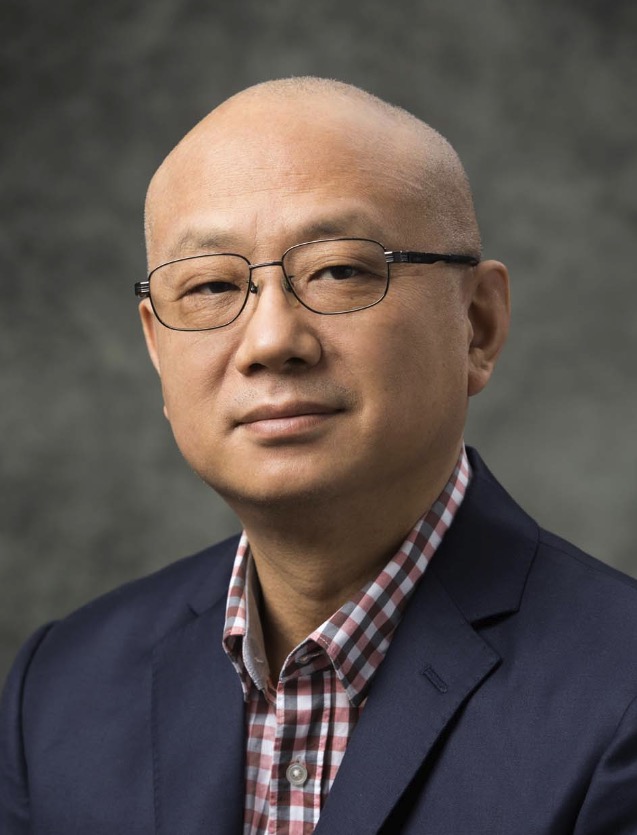
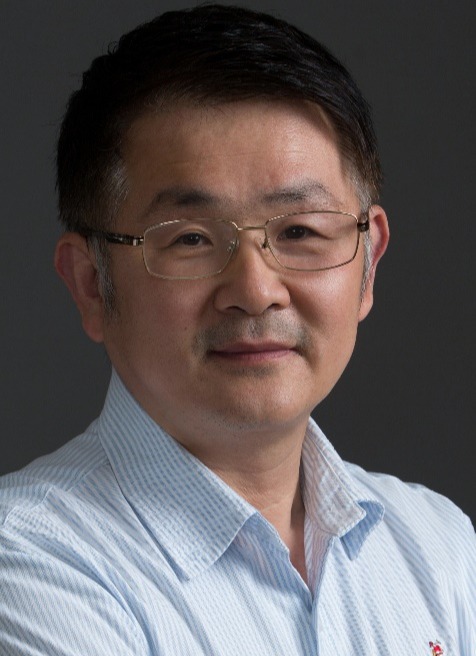 Fei Wei (魏飞)合作论文数Fluidization Iaboratory, Department of Chemical Engineering, Tsinghua University13
 Zengquan Xue (薛增泉)合作论文数Peking University12Zhenxing Zhu (朱振兴)合作论文数12
 Li Qi (齐莉)合作论文数中国科学院化学研究所12Junchao Lao合作论文数10H. Q. Yang合作论文数9Shaojun Pang (逄少军)合作论文数Institute of Oceanology, Chinese Academy of Sciences9Hongfei Gao合作论文数8Shangfa Pan合作论文数7Silei Sun合作论文数Tsinghua Univ, Dept Chem Engn, Beijing Key Lab Green Chem React Engn & Technol, Beijing 100084, Peoples R China7Y. F. Zhao合作论文数6
 Lei Yu (俞磊)合作论文数School of Chemistry & Chemical Engineering, Yangzhou University6
 Wei Guo (郭维)合作论文数Technical Institute of Physics and Chemistry, Chinese Academy of Sciences;University of Chinese Academy of Sciences;Research Institute for Frontier Science, Beihang University6
 Xi Yao (姚希)合作论文数Department of Biomedical Sciences, City University of Hong Kong6
 Jiayan Luo (罗加严)合作论文数School of Materials Science and Engineering, Shanghai Jiao Tong University6
 F. G. Mugele (Frieder)合作论文数Faculty of Science and Technology, University of Twente;MESA+ Institute, University of Twente6Jiaxiang Xia合作论文数5
 Boyuan Shen (申博渊)合作论文数College of Nano Science & Technology, Soochow University5
 Jinfeng Xu (徐锦锋)合作论文数Xi'an University of Technology5
 Li Zhang合作论文数5Rufan Zhang (张如范)合作论文数5
 Lijun Yang (杨立军)合作论文数School of Chemistry and Chemical Engineering, Nanjing University5Yao Wang (王垚)合作论文数5
 Yunxiang Bai合作论文数These authors contributed equally to this work.4
 Sachin Nair合作论文数Physics of Complex Fluids – MESA+Institute for Nanotechnology, University of Twente4Duits Michèl H G合作论文数4
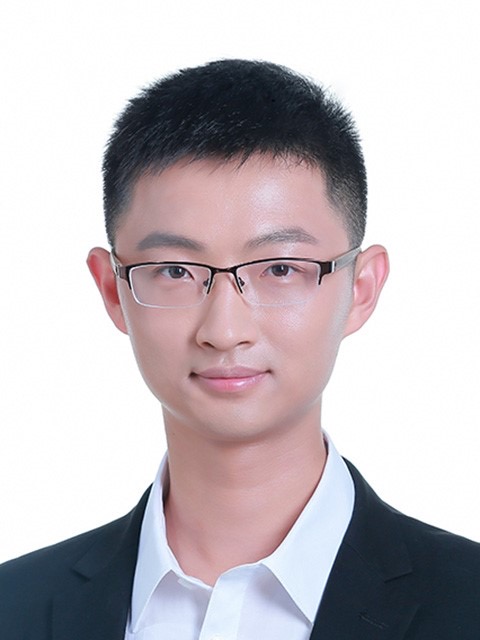 Nan Wei (魏楠)合作论文数Research Center for Carbon-Based Electronics, School of Electronics, Peking University4
 Cees Otto合作论文数4
 Fangqiong Tang (唐芳琼)合作论文数Technical Institute of Physics and Chemistry, Chinese Academy of Sciences4Kuiguang Luo合作论文数3Yaxin Jiang合作论文数3FAN Ji-long合作论文数3Ming ZHU (朱铭)合作论文数3
 Kan Xiaonan合作论文数3
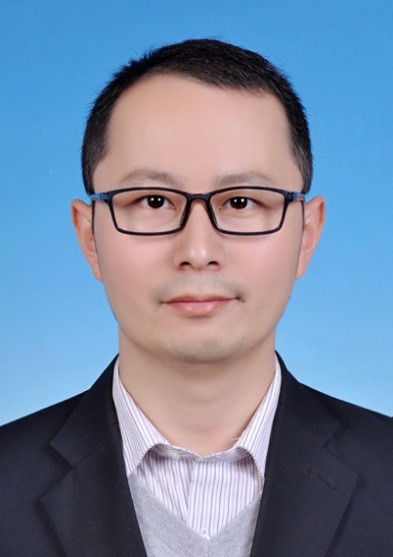 Zhipeng Zhang (张志鹏)合作论文数School of Chemistry and Molecular Engineering, East China University of Science and Technology3
 Ke Zhou (周科)合作论文数School of Materials Science and Engineering, Xi'an Jiaotong University3
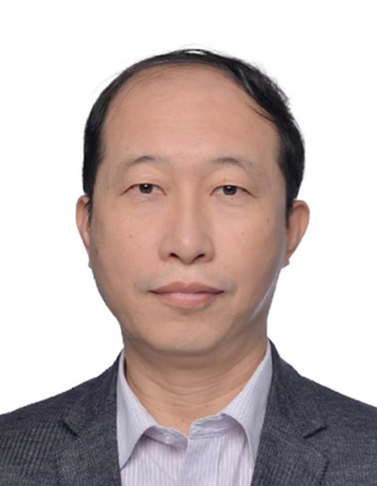 Weizhong Qian (骞伟中)合作论文数Department of Chemical Engineering, Tsinghua University3
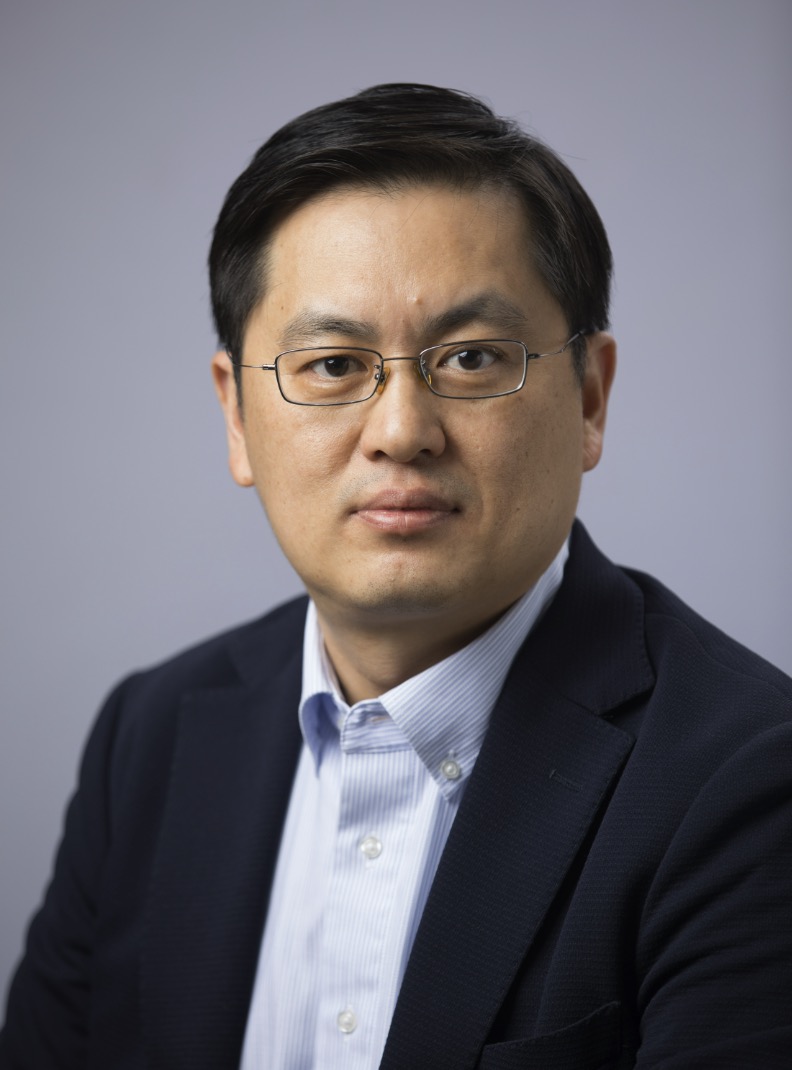 Shutao Wang (王树涛)合作论文数Technical Institute of Physics and Cehmistry, Chinese Academy of Sciences;University of Chinese Academy of Sciences3Changxin Zhu合作论文数3Shouyi Cen合作论文数2Yueshan Jiang合作论文数2Chenxi Zhang (张晨曦)合作论文数2Xiao-ming WU (吴晓明)合作论文数2Tingyan Ye合作论文数Wenzhou Univ, Coll Chem & Mat Engn, Key Lab Carbon Mat Zhejiang Prov, Wenzhou 325027, Peoples R China2Liqing Ai合作论文数City Univ Hong Kong, Dept Biomed Sci, Hong Kong 999077, Peoples R China2




