Confusable structure segmentation (CSS) is a type of semantic segmentation applied in remote sensing sea fog detection, medical image segmentation, camouflaged object detection, etc. Structural similarity and visual ambiguity are two critical issues in CSS that pose difficulties in distinguishing foreground objects from the background. Current methods focus primarily on enhancing visual representations and do not often incorporate multimodal information, which leads to performance bottlenecks. Inspired by recent achievements in vision-language models, we propose Vision-Language Mutual Prompting (VLMP), a novel and unified language-guided framework that leverages text prompts to enhance CSS. Specifically, VLMP consists of vision-to-language prompting and language-to-vision prompting, which bidirectionally model the interactions between visual and linguistic features, thereby facilitating cross-modal complementary information flow. To prevent the predominance of one modality over another, we design a feature integration modulator that modulates and balances feature weights for adaptive multimodal fusion. Our framework is designed to be modular and flexible, allowing for integration with any backbone, including CNNs and transformers. We evaluate VLMP with three diverse datasets: SFDD-H8, QaTa-COV19, and CAMO-COD10K. Extensive experiments demonstrate the effectiveness and superiority of the proposed framework over those of state-of-the-art methods across these datasets. This shift from basic sight to deeper insight in CSS through vision-language integration represents a significant advancement in the field.
Semantic segmentation takes a pivotal role in various applications such as autonomous driving and medical image analysis. When deploying segmentation models in practice, it is critical to test their behaviors in varied and complex scenes in advance. In this paper, we construct an automatic data generation pipeline Gen4Seg to stress-test semantic segmentation models by generating various challenging samples with different attribute changes. Beyond previous evaluation paradigms focusing solely on global weather and style transfer, we investigate variations in both appearance and geometry attributes at the object and image level. These include object color, material, size, and position, as well as image-level variations such as weather and style. To achieve this, we propose to edit visual attributes of existing real images with precise control of structural information, empowered by diffusion models. In this way, the existing segmentation labels can be reused for the edited images, which greatly reduces the labor costs of constructing datasets. Using our pipeline, we construct two new benchmarks, Pascal-EA and COCO-EA. We benchmark a broad variety of semantic segmentation models, spanning from conventional close-set models to recent open-vocabulary large models. We have several key findings: 1) advanced open-vocabulary models do not exhibit greater robustness compared to closed-set methods under geometric variations; 2) traditional data augmentation techniques, such as CutOut and CutMix, are limited in enhancing robustness against appearance variations; 3) our generation pipeline can also be employed as a data augmentation tool and improve both in-distribution and out-of-distribution performances. Our work suggests the potential of generative models as effective tools for automatically analyzing segmentation models, and we hope our findings will assist practitioners and researchers in developing more robust and reliable segmentation models.
Recent methods for dynamic human reconstruction have attained promising reconstruction results. Most of these methods rely only on RGB color supervision without considering explicit geometric constraints. This leads to existing human reconstruction techniques being more prone to overfitting to color and causes geometrically inherent ambiguities, especially in the sparse multi-view setup. Motivated by recent advances in the field of monocular geometry prediction, we consider the geometric constraints of estimated depth and normals in the learning of neural implicit representation for dynamic human reconstruction. As a geometric regularization, this provides reliable yet explicit supervision information, and improves reconstruction quality. We also exploit several beneficial physical priors, such as adding noise into view direction and maximizing the density on the human surface. These priors ensure the color rendered along rays to be robust to view direction and reduce the inherent ambiguities of density estimated along rays. Experimental results demonstrate that depth and normal cues, predicted by human-specific monocular estimators, can provide effective supervision signals and render more accurate images. Finally, we also show that the proposed physical priors significantly reduce overfitting and improve the overall quality of novel view synthesis. Our code is available at:~\href{https://github.com/PRIS-CV/HumanRecon}{https://github.com/PRIS-CV/HumanRecon}.
In recent years, text-driven image editing has made significant progress. However, due to the inherent ambiguity and discreteness of natural language, color editing still faces challenges such as insufficient precision and difficulty in achieving continuous control. Although linearly interpolating the embedding vectors of different textual descriptions can guide the model to generate a sequence of images with varying colors, this approach lacks precise control over the range of color changes in the output images. Moreover, the relationship between the interpolation coefficient and the resulting image color is unknown and uncontrollable. To address these issues, we introduce a color mapping module that explicitly models the correspondence between the text embedding space and image RGB values. This module predicts the corresponding embedding vector based on a given RGB value, enabling precise color control of the generated images while maintaining semantic consistency. Users can specify a target RGB range to generate images with continuous color variations within the desired range, thereby achieving finer-grained, continuous, and controllable color editing. Experimental results demonstrate that our method performs well in terms of color continuity and controllability.
The gut microbiota-gonadal axis is increasingly recognized, but its reproductive roles remain unclear. Here, we used the Asian honey bee Apis cerana queens as a model to investigate the role of the gut microbiota-gonadal axis on ovary activation. By artificially caging and releasing the mated queens for a short or long period and monitoring the morphological changes of their ovaries, we confirmed that the activation and suppression of the queen ovary could be switched quickly. We found that the ovary weight was positively correlated with the body weight. 16S rRNA sequencing showed ovarian deactivation reduced gut Lactobacillus abundance. Untargeted metabolomics identified purine metabolism as the dominant ovarian pathway, while correlation analyses implicated Lactobacillus in modulating ovarian morphology through purine signaling. This study elucidates microbiota-gonadal crosstalk governing reproduction, providing mechanistic insights with translational potential for reproductive health management.
The development of Text-to-Video (T2V) generation has made motion transfer possible, enabling the control of video motion based on existing footage. However, current methods have two limitations: 1) struggle to handle multi-subjects videos, failing to transfer specific subject motion; 2) struggle to preserve the diversity and accuracy of motion as transferring to subjects with varying shapes. To overcome these, we introduce ConMo, a zero-shot framework that disentangle and recompose the motions of subjects and camera movements. ConMo isolates individual subject and background motion cues from complex trajectories in source videos using only subject masks, and reassembles them for target video generation. This approach enables more accurate motion control across diverse subjects and improves performance in multi-subject scenarios. Additionally, we propose soft guidance in the recomposition stage which controls the retention of original motion to adjust shape constraints, aiding subject shape adaptation and semantic transformation. Unlike previous methods, ConMo unlocks a wide range of applications, including subject size and position editing, subject removal, semantic modifications, and camera motion simulation. Extensive experiments demonstrate that ConMo significantly outperforms state-of-the-art methods in motion fidelity and semantic consistency. The code is available at https://github.com/Andyplus1/ConMo.
Blockchain systems have been widely adopted in today's society, with consensus algorithms serving as their core component to ensure all participants in the network agree on a specific data state. Existing consensus algorithms such as Proof of Work (PoW), Proof of Stake (PoS), and the Practical Byzantine Fault-Tolerant Algorithm (PBFT) exhibit certain limitations in terms of scalability, security, and efficiency. To address these limitations, this paper proposes a novel Network-based Reputation Consensus (NRC) algorithm. The main research contributions of this work include the following: (1) An intelligent grouping mechanism that dynamically groups nodes based on network awareness, forming consensus groups with low internal latency and high bandwidth utilization, significantly reducing intra-group communication overhead. (2) A dynamic reputation system incorporating a "diminishing returns" reward function and a "multiplicative penalty" mechanism, effectively incentivizing honest node participation while preventing power monopoly. (3) A two-phase model of "intra-group BFT consensus + global communication committee ordering" that decomposes complex global consensus into parallel intra-group processing and coordination among a small set of elite nodes, thereby drastically improving efficiency. (4) Comprehensive simulations comparing the NRC algorithm with mainstream consensus algorithms, demonstrating its superior performance in communication overhead, throughput, latency, and tolerance to malicious nodes, thereby laying the foundation for large-scale applications.
Document-level Informative Argument Extraction (IAE) presents a significant challenge in the field of information extraction. This challenge stems from the necessity for implicit coreference reasoning and the linking of long-range dependencies between events within a document. Despite recent efforts to leverage generation-based document-level extraction to enhance cross-sentence inference capabilities and capture more interactions between different events, these methods often fall short in their generation quality due to difficulties in understanding the global context. Motivated by these observations and the high-quality generation results of recent diffusion models, we propose an effective model known as BGRD (Bi-directional Generative Retrieval-augmented Diffusion models) for document-level IAE. In BGRD, a text diffusion model is designed to generate high-quality target event sequences that mutually benefit the retrieval stage, leveraging previously generated events as a retrieval source. Firstly, a bi-directional retrieval mechanism is investigated to refine the denoising process, effectively exploring the knowledge from retrieved samples. This enhances the text diffusion model's ability to capture the global context interconnecting the events. Secondly, retrieval-augmented cross-attention is employed between the retrieved samples and the target event sequences (random Gaussian noise during the inference phase) within the text diffusion model. Through this interaction, the quality of the retrieval source is improved by generating highly informative event sequences, which benefits the bi-directional retrieval stage. Extensive experiments on the publicly available argument extraction datasets demonstrate the superiority of our proposed BGRD model over existing approaches.
Infrared small target detection (IRSTD) has become a significant challenge due to the weak target, complex and variable backgrounds, and harsh imaging environments. Currently, most models are based on the U-net framework or its improved versions, but they often overlook the in-depth optimization of the output features. In response to this situation, this paper innovatively proposes a network specifically designed for this task, called UFNet-NSNP. The core of this network is its unique Ultra Fusion Net (UFNet), which efficiently integrates multiscale and multilevel features to significantly enhance the detail expressiveness of images. In addition, UFNet-NSNP introduces a novel Convolutional Attention Fusion Module (CAFM-SNP), which processes and further fuses the output features of the UFNet through cascaded Dilated convolutions and attention mechanisms to comprehensively enhance the global information capture capability of images. At the same time, the network has designed a nonlinear attention mechanism (NA) based on the nonlinear spiking mechanism, and by combining this mechanism with the spatial attention mechanism (SA), it has created a new attention module(NSNP-A). This module can enhance the nonlinear features of images. Experiments were conducted on the NUAA-SIRST and IRSTD-1k datasets. The experimental results show that UFNet-NSNP achieved an IoU of 77.46% on the NUAA-SIRST dataset and 69.21% on the IRSTD-1k dataset, it demonstrates superior comprehensive performance compared to existing state-of-the-art (SOTA) methods. The code will be available at https://github.com/ZYX-111222/UFNet-NSNP.
Spectral clustering, as a popular tool for data clustering, requires an eigen-decomposition step on a given affinity to obtain the spectral embedding. Nevertheless, such a step suffers from the lack of generalizability and scalability. Moreover, the obtained spectral embeddings can hardly provide a good approximation to the ground-truth partition and thus a k-means step is adopted to quantize the embedding. In this paper, we propose a simple yet effective scalable and generalizable approach, called Neural Normalized Cut (NeuNcut), to learn the clustering membership for spectral clustering directly. In NeuNcut, we properly reparameterize the unknown cluster membership via a neural network, and train the neural network via stochastic gradient descent with a properly relaxed normalized cut loss. As a result, our NeuNcut enjoys a desired generalization ability to directly infer clustering membership for out-of-sample unseen data and hence brings us an efficient way to handle clustering task with ultra large-scale data. We conduct extensive experiments on both synthetic data and benchmark datasets and experimental results validate the effectiveness and the superiority of our approach.
The pesticide imidacloprid and the heavy metal copper provide some degree of protection to plants, while at the same time causing varying degrees of damage to bees. However, few studies have investigated the negative effects of imidacloprid and copper exposure on newly emerged bees (young bees), especially when both are present in a mix. In this study, young bees were exposed to sterile sucrose solutions containing imidacloprid (10 mu g/L, 100 mu g/L), copper (10 mg/L, 50 mg/L), or a mix of both (10 mu g/L + 10 mg/L) for 5 days to assess their gut system and behavior, with survival and dietary consumption recorded over 21 days. We found that imidacloprid and copper reduced honeybee survival, dietary intake, and learning ability, decreased gut microbiota diversity, and caused metabolic disruptions. Notably, the mix of imidacloprid and copper had a synergistic negative effect. Correlation analyses revealed that the honeybee gut microbiota influences bee immunity and behavior by regulating metabolic pathways related to ascorbate, tryptophan, and carbohydrates. Our results demonstrate that imidacloprid and copper, either alone or in a mix, alter young bee health through a complex mechanism of toxicity. These findings highlight imidacloprid and copper's negative effects on young honeybees, offering insights for future pesticide and heavy metal impact research.
Adversarial training (AT) with projected gradient descent is most popular for improving model robustness under adversarial attacks. However, computational overheads become prohibitively large when AT is applied to large backbone models. It also suffers from robust overfitting that impairs model generalization. This paper contributes to solving both problems simultaneously towards building more trustworthy foundation models. We propose an adapter-based method to perform efficient AT directly in the feature space. The proposed approach improves the inner-loop convergence quality by eliminating robust overfitting, thus boosting robust generalization against unseen attacks and accelerating the training speed with fewer epochs. The proposed adapter can also enable adversarial detection by “plug-in” for testing at inference time. We evaluate the proposed approach on different backbone architectures and demonstrate its effectiveness for efficient AT at scale.
Event Extraction (EE) in low-resourced environments aims to derive structured representations of event information from limited annotations. Recent approaches have focused on ontology-agnostic parameterization to address this challenge, treating specific event ontology information as textual input instead of model parameters. However, these methods highly rely on semantic understanding ability to support cross-type transferability, while their fixed ontology modeling is essentially exclusive across seen and unseen types, their cross-type transferability would suffer during fine-tuning. Motivated by ideas of imitation learning in the educational field, we propose a Dynamic Demonstration-based Learning Framework for Event Extraction(D2E2), achieving event extraction in a rank-then-imitate manners. As imitation ability relies less on semantic understanding ability and can be jointly learned across types, it is supposed that D2E2 utilize limited annotations more efficiently. During training of D2E2, similar annotated examples are sampled based on BM25 algorithm, composing a series of positive or negative pairs. Then these pairs are used to fine-tune a semantic-based retriever, and demonstration-based learning extractor to extract events via imitation. At inference time, the semantic-based retriever first retrieves annotated examples similar with candidate events in the input text, then the extractor uses them as demonstrations to conceptualize and structure triggers and arguments in the input text via imitating those in annotations. Experimental evaluations conducted on public benchmarks ACE05 and FewFC demonstrate the effectiveness of our method. Results indicate significant performance improvements over existing approaches in low-resourced scenarios, while also achieving competitive or superior performance in high-resourced scenarios.
Tropical cyclone (TC) track forecasting is fraught with uncertainty due to the dynamic complexity of atmospheric environments. While ensemble forecasting provides potential predictive results by combining multiple members’ predictions, it often neglects the temporal evolution of initial condition errors within each member. On the other hand, existing deep learning-based time series forecasting (TF) methods, although capable of capturing temporal dependencies with complex network structures, rarely explicitly consider the complementary information from different ensemble members. These limitations restrict the ability to fully exploit the potential of both temporal and multimember information, resulting in suboptimal TC track forecasting. To address these challenges, we propose a Time-Member Progressive Inference (TMPI) method that uniquely integrates temporal and multimember information for long-term TC track forecasting. Unlike existing TF methods that rely on complex architectures, TMPI employs a simple yet effective linear modeling framework to capture the intrinsic temporal patterns of each member’s historical track data, mitigating initial condition error propagation over lead time. To further enhance forecasting accuracy, the TMPI model incorporates a multimember inference branch that focuses on learning the correlations and biases among ensemble members. By integrating complementary information from various members, this branch provides a more comprehensive perspective for TC track forecasting. Experiments on Northwest Pacific historical TC track data demonstrate that TMPI reduces medium to long-term ($>$24 h) prediction errors by an average of 6% in 2022 and 9% in 2023, compared to the ensemble mean of the Global Ensemble Forecast System (GEFS).
Training text-to-image (T2I) models with detailed captions can significantly improve their generation quality. Existing methods often rely on simplistic metrics like caption length to represent the detailness of the caption in the T2I training set. In this paper, we propose a new metric to estimate caption detailness based on two aspects: image coverage rate (ICR), which evaluates whether the caption covers all regions/objects in the image, and average object detailness (AOD), which quantifies the detailness of each object's description. Through experiments on the COCO dataset using ShareGPT4V captions, we demonstrate that T2I models trained on high-ICR and -AOD captions achieve superior performance on DPG and other benchmarks. Notably, our metric enables more effective data selection-training on only 20 full-dataset training and length-based selection method, improving alignment and reconstruction ability. These findings highlight the critical role of detail-aware metrics over length-based heuristics in caption selection for T2I tasks.
Deep learning approaches for marine fog detection and forecasting have outperformed traditional methods, demonstrating significant scientific and practical importance. However, the limited availability of open-source datasets remains a major challenge. Existing datasets, often focused on a single region or satellite, restrict the ability to evaluate model performance across diverse conditions and hinder the exploration of intrinsic marine fog characteristics. To address these limitations, we introduce MFogHub, the first multi-regional and multi-satellite dataset to integrate annotated marine fog observations from 15 coastal fog-prone regions and six geostationary satellites, comprising over 68,000 high-resolution samples. By encompassing diverse regions and satellite perspectives, MFogHub facilitates rigorous evaluation of both detection and forecasting methods under varying conditions. Extensive experiments with 16 baseline models demonstrate that MFogHub can reveal generalization fluctuations due to regional and satellite discrepancy, while also serving as a valuable resource for the development of targeted and scalable fog prediction techniques. Through MFogHub, we aim to advance both the practical monitoring and scientific understanding of marine fog dynamics on a global scale. The dataset and code are at https://github.com/kaka0910/MFogHub.
Object description plays an important role for visually impaired individuals to understand and compare the differences between objects. Recent multimodal large language models (MLLMs) exhibit powerful perceptual abilities and demonstrate impressive potential for generating object-centric descriptions. However, the descriptions generated by such models may still usually contain a lot of content that is not relevant to the user intent or miss some important object dimension details. Under special scenarios, users may only need the details of certain dimensions of an object. In this paper, we propose a training-free object description refinement pipeline, Dimension Tailor, designed to enhance user-specified details in object descriptions. This pipeline includes three steps: dimension extracting, erasing, and supplementing, which decompose the description into user-specified dimensions. Dimension Tailor can not only improve the quality of object details but also offer flexibility in including or excluding specific dimensions based on user preferences. We conducted extensive experiments to demonstrate the effectiveness of Dimension Tailor on controllable object descriptions. Notably, the proposed pipeline can consistently improve the performance of the recent MLLMs.
Dynamic facial expression recognition relies heavily on subtle facial muscle movements, posing significant challenges in computer vision. This paper introduces a multi-scale spatiotemporal network based on conditional random fields (MS-CRFNet) to interpret facial expressions using features from multiple scales. The residual network (ResNet) serves as the backbone feature extractor, constructing a multi-scale two-layer feature pyramid. The conditional random field layer (CRFLayer) exchanges and fuses extracted spatiotemporal information, while the multi-scale cross-fusion module (MCFuse) progressively fuses important information across scales in a top-down manner to obtain final output features. These features are then classified by a fully convolutional (FC) layer, resulting in the recognition of seven basic expression categories. Experimental evaluations on the DFEW and FERV39K databases demonstrate the robustness and effectiveness of the proposed network, achieving a weighted average recall (WAR) of 66.81 https://github.com/025HanZheng520/MS.git , and the DOI is https://doi.org/10.5281/zenodo.15068420 .
Inducing fruit resistance helps control postharvest diseases effectively. The early signal response plays a crucial role in the subsequent series of fruit resistance reactions. Pichia kudriavzevii was identified as the effective biological elictior for enhancing induced resistance of cherry tomato fruit in this study and the early response signal and its regulatory mechanism subsequently was investigated by RNA sequencing analysis and reverse transcription quantitative real-time PCR (RT-qPCR). Profile trend analysis revealed that, in the early stages of induction (0.5 h and 1 h), the genes related to fruit Ca2+ signalling (CML1, CDPK4, CIPK1, and GLR2.9), MAPK signalling (MPK9), the ethylene signalling pathway (ETR2 and EFR1B), and the phenylpropane biosynthesis pathway (PAL5 and 4CL6) respond first. Moreover, the transcription of glutathione pathway genes (GSTU7 and HSP26-A) was upregulated to maintain the balance of reactive oxygen species (ROS) in fruits. After 24 h of induction by P. kudriavzevii, secondary metabolites such as lignin and terpenes in the phenylpropanoid biosynthesis pathway (4CL2, 4CL6, CCOAOMT, HMG2, and FPS1), as well as salicylic acid (SA), jasmonic acid (JA), and brassinosteroid (BR) signalling pathways in the plant hormone signalling pathway (TGA1A, TGA9, GH3.5, BAK1, CURL1), were activated. Additionally, upstream genes (PAL5 and 4CL6) in the phenylpropanoid pathway directly activate downstream gene transcription, promoting the production of resistance-related metabolites. P. kudriavzevii induces the activation of early signals such as Ca2+ signalling, MAPK signalling, and ethylene signalling, which in turn promote the activation of secondary metabolism and JA, BR, and SA hormone signalling in fruits to regulate resistance responses in fruits.
 Weiran Xu (徐蔚然)合作论文数Pattern Recognition and Intelligent System Laboratory, School of Artificial Intelligence, Beijing University of Posts and Telecommunications;School of Information and Communication Engineering, Beijing University of Posts and Telecommunications109
 Zhanyu Ma (马占宇)合作论文数PRIS Laboratory, School of Artificial Intelligence, Beijing University of Posts and Telecommunications101
 Gang Liu (刘刚)合作论文数School of Artificial Intelligence, Beijing University of Posts and Telecommunications75
 Honggang Zhang (张洪刚)合作论文数School of Artificial Intelligence, Beijing University of Posts and Telecommunications73
 Weihong Deng (邓伟洪)合作论文数School of Information and Communication Engineering, Beijing University of Posts and Telecommunications47
 Jiani Hu (胡佳妮)合作论文数School of Artificial Intelligence, Beijing University of Posts and Telecommunications42
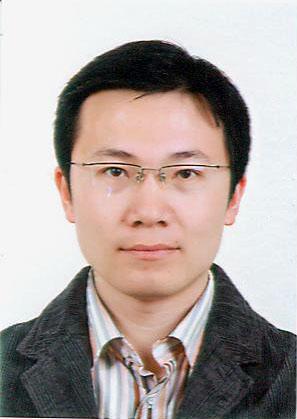 Guang Chen (陈光)合作论文数Department of Intelligent Information Engineering, School of Artificial Intelligence, Beijing University of Posts and Telecommunications37
 Sheng Gao (高升)合作论文数School of Information and Communication Engineering, Beijing University of Posts and Telecommunications36
 Chunguang Li (李春光)合作论文数School of Artificial Intelligence, Beijing University of Posts and Telecommunications34
 Si Li (李思)合作论文数Beijing University of Posts and Telecommunications29
 Yi-Zhe Song合作论文数Centre for Vision, Speech and Signal Processing, University of Surrey;School of Computer Science and Electronic Engineering, University of Surrey27
 Jiyang Xie (谢吉洋)合作论文数Huawei Technologies Ltd.26
 Dongliang Chang (常东良)合作论文数School of Artificial Intelligence, Beijing University of Posts and Telecommunications23
 Chuang Zhang (张闯)合作论文数Beijing University of Posts and Telecommunications21
 Bo Xiao (肖波)合作论文数School of Artificial Intelligence, Beijing University of Posts and Telecommunications20
 Kongming Liang (梁孔明)合作论文数School of Artificial Intelligence, Beijing University of Posts and Telecommunications19
 Ming Wu (吴铭)合作论文数School of Artificial Intelligence, Beijing University of Posts and Telecommunications19
 Xiangfei Nie (聂祥飞)合作论文数重庆三峡学院电信学院18
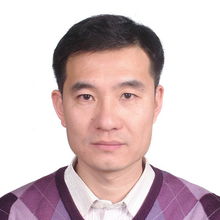 Jianjun Lei (雷建军)合作论文数School of Electrical and Information Engineering, Tianjin University17
 Zheng-Hua Tan合作论文数Pioneer Centre for Artificial Intelligence;Department of Electronic Systems, Aalborg University;Centre for Acoustic Signal Processing Research, Aalborg University17
 ZhiXiang Dong (董志祥)合作论文数14
 Jiayue Zhang (张佳玥)合作论文数Faculty of Information Technology, Beijing University of Technology14
 Jinghao Xue合作论文数Department of Statistical Science, University College London14
 Xiaoxu Li (李晓旭)合作论文数School of Computer Science and Artificial Intelligence, Lanzhou University of Technology13
 Zhen Yang (杨震)合作论文数School of Cyberspace Security, Beijing University of Posts and Telecommunications13
 Yanqing Guo (郭艳卿)合作论文数School of Information and Communication Engineering, Dalian University of Technology;School of Artificial Intelligence, Dalian University of Technology13
 Bo Chen合作论文数Beijing University of Posts and Telecommunications13
 Qiang Wang (王强)合作论文数School of Information and Communication Engineering, Beijing University of Posts and Telecommunications13Qi-He Tang合作论文数12
 Zhiyuan Guo (郭志远)合作论文数12
 Qianfang Xu (徐前方)合作论文数School of Information and Communication Engineering, Beijing University of Posts and Telecommunications12bing linlian合作论文数11Xianyu Deng合作论文数11QiLin Zhang (张棋麟)合作论文数11
 Jilian Li (李继莲)合作论文数Institute of Apicultural Research, Chinese Academy of Agricultural Sciences11
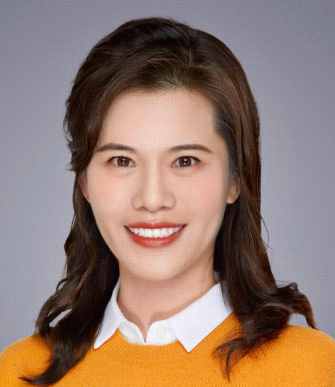 Kaili Zhao (赵凯莉)合作论文数Meta11
 Xiangwei Kong (孔祥维)合作论文数School of Management, Zhejiang University11
 Xianbiao Qi合作论文数Shenzhen Intellifusion Technologies Co., Ltd.11Yan Li合作论文数10Feng Wang合作论文数10
 Xiaoqing Huang (黄小青)合作论文数College of Chemistry and Chemical Engineering, Xiamen University10
 Liu Zhicai合作论文数10
 Zhen Qin (秦臻)合作论文数Google DeepMind GenAI Unit10
 Bin Zhang (张斌)合作论文数School of Computer Science and Engineering, Northeastern University10Zhanyi Wang合作论文数9
 Junhui Yin (尹军辉)合作论文数Beijing University of Posts and Telecommunications9Jun Zhang合作论文数9Gang Sun (孙钢)合作论文数9
 Yajing Xu (徐雅静)合作论文数School of Artificial Intelligence, Beijing University of Posts and Telecommunications9




