Multiplexed tissue imaging (MTI) has revealed recurrent tumor microenvironment (TME) architectures with prognostic value, yet these measurements are inherently static, obscuring dynamic changes in the TME that govern therapeutic response. Here, we introduce a trajectory-centric framework that reconstructs continuous TME dynamics by integrating agent-based mathematical modeling and simulation with state space analysis. This approach yields a mechanistically constrained reference landscape built entirely from in silico simulation, and onto which static patient biospecimens can be projected and mapped onto simulated TME trajectories. Systematic simulation of tumor-immune interactions in triple-negative breast cancer identifies six metastable TME states connected by transition pathways spanning immune control to immune escape. Mapping MTI data from two independent patient cohorts, including longitudinal samples from a randomized immunotherapy trial, validates this landscape by positioning individual biospecimens along inferred TME trajectories rather than in static states. We show that treatment-phase TME states, but not pre-treatment configurations, robustly predict immunotherapy response, and identical terminal states can arise from distinct trajectory histories corresponding to immune failure or resolved inflammation. Thus, this framework enables mechanistic simulations to define a reference dynamical landscape that serves as a coordinate system for interpreting static clinical spatial data, providing a principled basis for evaluating consistency, predictiveness, and clinical relevance across independent patient cohorts. Altogether, this study advances spatial tumor profiling from static state classification of human tissues to dynamic trajectory inference, establishing a quantitative framework for trajectory-informed, state-guided, and temporally adaptive immunotherapy strategies.
Cells interact as dynamically evolving ecosystems. While recent single-cell and spatial multi-omics technologies quantify individual cell characteristics, predicting their evolution requires mathematical modeling. We propose a conceptual framework-a cell behavior hypothesis grammar-that uses natural language statements (cell rules) to create mathematical models. This enables systematic integration of biological knowledge and multi-omics data to generate in silico models, enabling virtual "thought experiments"that test and expand our understanding of multicellular systems and generate new testable hypotheses. This paper motivates and describes the grammar, offers a reference implementation, and demonstrates its use in developing both de novo mechanistic models and those informed by multi-omics data. We show its potential through examples in cancer and its broader applicability in simulating brain development. This approach bridges biological, clinical, and systems biology research for mathematical modeling at scale, allowing the community to predict emergent multicellular behavior.
Microenvironment signals are potent determinants of cell fate and arbiters of tissue homeostasis, however understanding how different microenvironment factors coordinately regulate cellular phenotype has been experimentally challenging. Here we used a high-throughput microenvironment microarray comprised of 2640 unique pairwise signals to identify factors that support proliferation and maintenance of primary human mammary luminal epithelial cells. Multiple microenvironment factors that modulated luminal cell number were identified, including: HGF, NRG1, BMP2, CXCL1, TGFB1, FGF2, PDGFB, RANKL, WNT3A, SPP1, HA, VTN, and OMD. All of these factors were previously shown to modulate luminal cell numbers in painstaking mouse genetics experiments, or were shown to have a role in breast cancer, demonstrating the relevance and power of our high-dimensional approach to dissect key microenvironmental signals. RNA-sequencing of primary epithelial and stromal cell lineages identified the cell types that express these signals and the cognate receptors in vivo. Cell-based functional studies confirmed which effects from microenvironment factors were reproducible and robust to individual variation. Hepatocyte growth factor (HGF) was the factor most robust to individual variation and drove expansion of luminal cells via cKit+ progenitor cells, which expressed abundant MET receptor. Luminal cells from women who are genetically high risk for breast cancer had significantly more MET receptor and may explain the characteristic expansion of the luminal lineage in those women. In ensemble, our approach provides proof of principle that microenvironment signals that control specific cellular states can be dissected with high-dimensional cell-based approaches.
Abstract Purpose: Urinary comprehensive genomic profiling (uCGP) uses next-generation sequencing to identify mutations associated with urothelial carcinoma (UC) and has the potential to improve patient outcomes by noninvasively diagnosing disease, predicting grade and stage, and estimating recurrence risk. Experimental Design: This is a multicenter case-control study utilizing banked urine specimens collected from patients undergoing initial diagnosis/hematuria workup or UC surveillance. A total of 581 samples were analyzed by uCGP: 333 for disease classification and grading algorithm development, and 248 for blinded validation. uCGP testing was done using the UroAmpTM platform, which identifies five classes of mutation: single-nucleotide variants, copy-number variants, small insertion-deletions, copy-neutral loss of heterozygosity, and aneuploidy. UroAmp algorithms predicting UC tumor presence, grade, and recurrence risk were compared to cytology, cystoscopy, and pathology. Results: uCGP algorithms had a validation sensitivity/specificity of 96%/90% for initial cancer diagnosis in hematuria patients and demonstrated a negative predictive value (NPV) of 99%. A positive diagnostic likelihood ratio (DLR) of 9.2 and a negative DLR of 0.05 demonstrate the ability to risk-stratify patients presenting with hematuria. In surveillance patients, binary UC classification demonstrated an NPV of 91%. uCGP recurrence risk prediction significantly prognosticated future recurrence (hazard ratio 6.2), whereas clinical risk factors did not. uCGP demonstrated positive predictive value (PPV) comparable to cytology (45% vs 42%) with much higher sensitivity (79% vs 25%). Finally, molecular grade predictions had a PPV of 88% and a specificity of 95%. Conclusions: uCGP enables noninvasive, accurate UC diagnosis and risk stratification in both hematuria and UC surveillance patients.
Introduction Upper tract urothelial carcinoma (UTUC) is a rare and aggressive malignancy that is difficult to diagnose and stage. A urine test capable of detecting UTUC that provides diagnostic and prognostic information might aid diagnosis, improve risk stratification, and aid in treatment decisions. Urinary comprehensive genomic profiling (uCGP) via next-generation sequencing with the UroAmp assay (Convergent Genomics) was developed to identify mutations, diagnose disease, assess molecular grade, and predict recurrence risk. Here, we validate a;uCGP approach to identify lesions in UTUC patients, assess risk of invasion, and identify genomic features used for therapy selection, such as FGFR3 mutation status, microsatellite instability (MSI), and tumor mutational burden (TMB). We describe the genetic alterations and test performance characteristics of UroAmp disease and grade prediction in a cohort diagnosed with UTUC. Methods uCGP was performed on 20 urine specimens from individuals with either a history of UTUC (n=8) or collected at the time a pathology confirmed UTUC tumor was present (n=12). The grade distribution was 23% LG and 77% HG; stage distribution was 20% Ta, 35% T1, 15% T2-T4, 5% CIS, and 25% unknown. Urine DNA was sequenced and profiled across 60 genes to identify six classes of tumor mutations: single-nucleotide variants (SNV), gene-level copy-number variants (CNV), insertion-deletions (INDEL), copy-neutral loss of heterozygosity (LOH), MSI, and whole-genome aneuploidy. UroAmp provides a measure of genomic disease burden (GDB), defined as a percentile ranking of mutational burden compared to previously profiled urine tumor DNA. TMB high was defined as ≥10 mutations per mega base. Results UroAmp provided disease classifications on all specimens and performed with a sensitivity and specificity of 100 (95% CI: 88.3-100). HG status was predicted with a sensitivity of 60% (95% CI: 30 – 85) and PPV of 100% (95% CI: 67-100). Disease positive patients had a higher;number of mutations (mean 14 vs. 2, p<0.001) and;GDB (mean 66.6 vs. 6.2, p<0.001) compared to the disease negative group. FGFR3 positive (n = 4), MSI unstable (n = 2), and TMB high status (n = 3) were only observed in disease positive patients. One individual was positive for all three therapeutic selectors. Conclusions uCGP provides clinicians with diagnostic and prognostic insights into their patient's disease. This is of particular importance in UTUC where lesions are often small and difficult to detect, stage, and thus treat. uCGP can be used to appropriately risk stratify patients and can;identify patients who may benefit from first line systemic therapy, versus immediate surgery, based on FGFR3 and MSI/TMB status.
PDF file - 77K, 1A, The c-Src inhibitor blocked E2 activated non-genomic pathway. MCF-7:5C cells were treated with vehicle (0.1% DMSO), E2 (10-9 mol/L), PP2 (5x10⁻⁶ mol/L), E2 (10-9 mol/L) plus PP2 (5x10⁻⁶ mol/L) respectively for 10 minutes and the cell lysates were harvested. Phosphorylated MAPK and c-Src were examined by immunoblotting with primary antibodies. Immunoblotting for total MAPK and c-Src were used for loading controls. 1B, E2 rapidly activated MAPK and c-Src. MCF-7:5C cells were treated with vehicle (0.1% EtOH) and E2 (10-9 mol/L) for different time points as indicated and the cell lysates were harvested. Phosphorylated MAPK and c-Src were examined by immunoblotting with primary antibodies. Immunoblotting for total MAPK and c-Src were used for loading controls. 1C, E2 stimulated c-Src after 24 hours treatment. MCF-7:5C cells were treated with vehicle (0.1% EtOH) and E2 (10-9 mol/L) for different time points as indicated and the cell lysates were harvested. Phosphorylated c-Src was examined by immunoblotting with primary antibody. Immunoblotting for total c-Src was used for loading control. 1D, Quantification of Annexin V binding assay. MCF-7:5C cells were treated with vehicle (0.1% DMSO), E2 (10-9 mol/L), 4-OHT (10-6 mol/L), E2 (10-9 mol/L) plus 4-OHT (10-6 mol/L), PP2 (5x10⁻⁶ mol/L), E2 (10-9 mol/L) plus PP2 (5x10⁻⁶ mol/L) respectively for 72 hours and the cells were harvested for Annexin V binding assay through flow cytometry. The percentage of Annexin V binding was compared with control. P<0.05, * compared with control. All the data shown were representative of at least three separate experiments with similar results.
Supplemental table 1 and 2 is the clinical characteristics of patients analyzed in figure 1B. Supplemental table 3 is the GR50 of breast cancer cell lines treated with Doxorubicin with the addition of either Maraviroc or Vicriviroc.
Supplementary Table 2 from Immutable Functional Attributes of Histologic Grade Revealed by Context-Independent Gene Expression in Primary Breast Cancer Cells
You have accessJournal of UrologyCME1 Apr 2023MP22-19 URINARY COMPREHENSIVE GENOMIC PROFILING PREDICTS UROTHELIAL CANCER UP TO 12 YEARS AHEAD OF CLINICAL DIAGNOSIS. AN EXPANDED ANALYSIS OF THE GOLESTAN COHORT STUDY Yair Lotan, Keyan Salari, Adam Feldman, Debasish Sundi, Jason J Lee, Gabrielle DiFiore, Hossein Poustchi, Masoud Khoshnia, Gholamreza Roshandel, Arash Etemadi, Mahdi Goudarzi, Peter S. Lentz, Kevin G. Phillips, Vincent T. Bicocca, Theresa M. Koppie, Joe W. Gray, Trevor Levin, Reza Malekzadeh, Mahdi Sheikh, and Florence Le Calvez-Kelm Yair LotanYair Lotan More articles by this author , Keyan SalariKeyan Salari More articles by this author , Adam FeldmanAdam Feldman More articles by this author , Debasish SundiDebasish Sundi More articles by this author , Jason J LeeJason J Lee More articles by this author , Gabrielle DiFioreGabrielle DiFiore More articles by this author , Hossein PoustchiHossein Poustchi More articles by this author , Masoud KhoshniaMasoud Khoshnia More articles by this author , Gholamreza RoshandelGholamreza Roshandel More articles by this author , Arash EtemadiArash Etemadi More articles by this author , Mahdi GoudarziMahdi Goudarzi More articles by this author , Peter S. LentzPeter S. Lentz More articles by this author , Kevin G. PhillipsKevin G. Phillips More articles by this author , Vincent T. BicoccaVincent T. Bicocca More articles by this author , Theresa M. KoppieTheresa M. Koppie More articles by this author , Joe W. GrayJoe W. Gray More articles by this author , Trevor LevinTrevor Levin More articles by this author , Reza MalekzadehReza Malekzadeh More articles by this author , Mahdi SheikhMahdi Sheikh More articles by this author , and Florence Le Calvez-KelmFlorence Le Calvez-Kelm More articles by this author View All Author Informationhttps://doi.org/10.1097/JU.0000000000003247.19AboutPDF ToolsAdd to favoritesDownload CitationsTrack CitationsPermissionsReprints ShareFacebookLinked InTwitterEmail Abstract INTRODUCTION AND OBJECTIVE: Detecting pre-clinical urothelial carcinoma (UC) using urinary comprehensive genomic profiling (uCGP) may provide a valuable opportunity for early detection and screening of high-risk populations. The UroAmp (Convergent Genomics) uCGP test uses DNA sequencing to identify mutations across 60 genes. We study a subset of these genes, considering 10 genes with the highest performance, testing the potential of a screening modified uCGP (muCGP) to detect preclinical UC. METHODS: A UC screening model was developed using muCGP data from a training cohort consisting of 140 urology controls & 96 tumors (56 de novo, 40 recurrent). Model validation was performed in two studies: first a multi-institutional case-control design with 96 controls & 70 UC cases (22 de novo, 48 surveillance); a second using a nested case-control design within the prospective Golestan Cohort Study (50,045 participants). The nested cohort consisted of 29 asymptomatic individuals who subsequently developed primary UC (median time to UC 7.3 yrs) and 98 matched controls (median f/u 6.1 yrs). RESULTS: The UC screening model was trained to a sensitivity of 88% (97% sensitivity for HG) and specificity of 94%. In the first validation, a sensitivity of 86% in de novo (87% for HG), 71% overall (de novo + recurrent tumors), and specificity 94% was observed. In the Golestan cohort, baseline muCGP had a prediction sensitivity of 66% (71% for HG) and specificity 94% was observed (Figure 1A). In contrast baseline TERT predicted 48% percent of cancers with a specificity of 100%. Cancer-free survival was significantly worse in muGCP-predicted positives vs. muGCP-predicted negatives (HR 8.5, 95% CI 3.8 – 18.4, p<0.0001). When limited to UC diagnosis within five years, UroAmp detected pre-clinical UC in 90% of future cancers (Figure 1B), compared to a sensitivity of 57% using TERT mutations alone. CONCLUSIONS: Our results provide the first evidence from a population-based prospective cohort study of pre-clinical UC detection with muCGP. muCGP identifies 9 of 10 cancers that occur within the first 5 years while detecting 10 of 19 cancers that occur beyond 5 years. Further studies will determine the frequency of muCGP screening required to maximize cancer detection and refine clinical interventions to save lives. Source of Funding: Convergent Genomics with a grant from the National Cancer Institute Small Business Innovation Research Program, 5R44CA200174-05 © 2023 by American Urological Association Education and Research, Inc.FiguresReferencesRelatedDetails Volume 209Issue Supplement 4April 2023Page: e304 Advertisement Copyright & Permissions© 2023 by American Urological Association Education and Research, Inc.MetricsAuthor Information Yair Lotan More articles by this author Keyan Salari More articles by this author Adam Feldman More articles by this author Debasish Sundi More articles by this author Jason J Lee More articles by this author Gabrielle DiFiore More articles by this author Hossein Poustchi More articles by this author Masoud Khoshnia More articles by this author Gholamreza Roshandel More articles by this author Arash Etemadi More articles by this author Mahdi Goudarzi More articles by this author Peter S. Lentz More articles by this author Kevin G. Phillips More articles by this author Vincent T. Bicocca More articles by this author Theresa M. Koppie More articles by this author Joe W. Gray More articles by this author Trevor Levin More articles by this author Reza Malekzadeh More articles by this author Mahdi Sheikh More articles by this author Florence Le Calvez-Kelm More articles by this author Expand All Advertisement PDF downloadLoading ...
Supplementary Data from Yin Yang 1 Modulates Taxane Response in Epithelial Ovarian Cancer
Supplementary Figure 3 from A Human Breast Cell Model of Preinvasive to Invasive Transition
<p>PDF file - 156K, Supplemental Figure 2. CUL4A regulates the transition between epithelial and mesenchymal phenotypes in human normal mammary and cancer cells.</p>
PDF file - 71K, Scrambled matched isotype control IgGs labeld with AlexaFlupr 680 at 72hrs in MDA-MB-231 xenografts imaged in the Cy 5.5 channel at 72hr
PDF file - 165K, Additional SPECT/CT images of the uPAR probes imaging the MDA-MB-231 CDM
Supplementary Table S1. Molecular features of breast cancer cell line panel with doubling time, receptor status, gene cluster status, breast cancer subtypes, and mutation status; Supplementary Table S2: IC50 values for each PARP inhibitor with SD for replicate experiments; Supplementary Table S3: Fold-change differences in IC50 values between talazoparib versus olaparib, and olaparib versus veliparib; Supplementary Table S4. Mutated genes in triple-negative breast cancer patients with druggable potential
 Daniel Pinkel合作论文数Department of Laboratory Medicine, University of California;Helen Diller Family Comprehensive Cancer Center172
 WL Kuo合作论文数123Paul T. Spellman合作论文数113Laura M. Heiser合作论文数LBL 1 Cyclotron Rd105
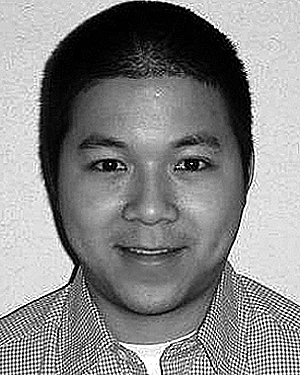 Nicholas J. Wang合作论文数82
 Gordon Mills合作论文数School of Medicine, Oregon Health Sciences University74James E. Korkola合作论文数Comprehensive Cancer Center, University of California;Department of Cell Biology, Memorial Sloan Kettering Comprehensive Cancer Center;Memorial Sloan Kettering Comprehensive Cancer Center, University of California, San Francisco74
 Colin Collins合作论文数Department of Urologic Sciences, Faculty of Medicine, The University of British Columbia72
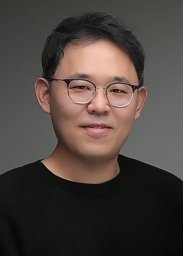 Young Hwan Chang合作论文数Dept Biomed Engn, Oregon Hlth & Sci Univ58
 Koei Chin合作论文数School of Medicine, Juntendo University;University of California, San Francisco;School of Medicine, Center for Spatial Systems Biomedicine, Oregon Health & Science University56
 Heidi Feiler合作论文数49Donna G. Albertson合作论文数46
 Guillaume Thibault合作论文数LSIS Laboratory41
 Richard M Neve合作论文数38
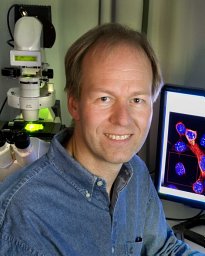 Damir Sudar合作论文数Berkeley Drosophila Transcription Network Project, Lawrence Berkeley National Laboratory37
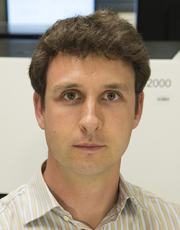 Obi L. Griffith合作论文数Divisions of Hematology & Oncology, Department of Medicine, Washington University School of Medicine in St. Louis37K Chin合作论文数36
 Olli-Pekka Kallioniemi合作论文数Department of Oncology-Pathology, Karolinska Institutet;Science for Life Laboratory, Karolinska Institutet36Anne Kallioniemi合作论文数32
 Jane Fridlyand合作论文数29
 Laura J. Esserman合作论文数Helen Diller Family Comprehensive Cancer Center, University of California San Francisco;Breast Care Center, University of California San Francisco;UCSF Medical Center;The Wisdom Study;Athena Breast Health Network29Eric A. Collisson合作论文数29
 Lisa M. Coussens合作论文数Knight Cancer Institute, School of Medicine, Oregon Health & Science University;Department of Cell, Developmental & Cancer Biology, Oregon Health & Science University27Frederic M. Waldman合作论文数26
 Christopher L. Corless合作论文数Department of of Pathology & Laboratory Medicine, School of Medicine, Oregon Health & Science University;Knight Cancer Institute Biolibrary, Oregon Health & Science University;Datma26Lakshmi Jakkula合作论文数26Nora Bayani合作论文数26
 Mina Bissell合作论文数Lawrence Berkeley National Laboratory;UCB;UCSF25Shenda Gu合作论文数25M. G. Pallavicini合作论文数24Tiera Liby合作论文数23
 David John Kowbel合作论文数23Lucas J N合作论文数22Debopriya Das合作论文数21
 Laura J. van 't Veer合作论文数Helen Diller Family Comprehensive Cancer Center, University of California, San Francisco;School of Medicine, University of California, San Francisco21Richard Segraves合作论文数21Bahram Parvin合作论文数Lawrence Berkeley National Laboratory ; Electrical Engineering, U.C. Riverside21Zahi I Mitri合作论文数20YingHui Guan (关英慧)合作论文数20
 Anguraj Sadanandam合作论文数University of Nebraska Medical Center20Elmar Bucher合作论文数20Shanaz H. Dairkee合作论文数20
 Frank McCormick合作论文数Helen Diller Family Comprehensive Cancer Center, University of California, San Francisco;Department of Cellular and Molecular Pharmacology, University of California, San Francisco20Jennifer Eng合作论文数19
 Rachel Schiff合作论文数Breast Center, Baylor College of Medicine and The Methodist Hospital19
 Jessica L. Riesterer合作论文数Department of Chemical;molecular Engineering, Bio;University of Connecticut;Department of Chemical, University of Connecticut19
 Paul Yaswen合作论文数Life Sciences Division, Lawrence Berkeley National Laboratory19p n dean合作论文数18Yiling Lu合作论文数18




