Ovarian cancer is the most lethal gynecologic malignancy in the United States, with more than 20,000 new cases and 12,730 deaths estimated in 2025. Surgical cytoreduction and platinum-based chemotherapy are critical in the management of advanced ovarian cancer. Decisions regarding timing of surgery are complex and must factor in the both the distribution of disease (dictating the likelihood of complete resection and radicality required to achieve this) and the fitness of the patient. Here, we review the landmark studies evaluating surgical timing in patients with advanced ovarian cancer (primary cytoreductive surgery versus interval cytoreductive surgery after neoadjuvant chemotherapy) and highlight the current limitations of the data. While questions remain, complete cytoreduction at the time of surgery confers optimal oncologic outcomes and should be prioritized regardless of the timing of surgery.
Objective:(s): To assess the effect of medication use during immune checkpoint inhibitor (ICI) therapy on treatment response and oncologic outcomes. Methods:An IRB-approved single-institution retrospective cohort study was performed in patients with endometrial cancer (EC) and cervical cancer (CC) who were treated with ICIs from January 1, 2017 to January 1, 2023. Concomitant medications used during the ICI course were recorded. The associations between medication use and ICI response, progression-free survival (PFS), and overall survival (OS) was assessed. Results:217 CC and EC patients were treated with ICIs during this study period; 32 % (n = 71) had CC, and 67 % (n = 146) had EC. There was a significant difference in ICI complete response between CC patients who did and did not use oral steroids during treatment. Of CC patients who achieved a complete response, 28 % (n = 7) used steroids vs. 13.6 % (n = 6) of non-steroid users (Fisher's exact p = 0.045). In patients with EC, proton pump inhibitor (PPI) use was associated with ICI response, with 43.8 % (n = 21) of PPI users achieving a complete response vs. 16.3 % (n = 15) of non-PPI users (chi-squared p = 0.002). PPI use in the EC cohort was associated with improved progression-free survival and overall survival (log-rank p < 0.05). This was also demonstrated among mismatch repair-deficient EC patients where PPI use during ICI therapy significantly associated with both PFS (HR 0.26, 95 % CI 0.12-0.55; p < 0.001) and OS (HR 0.22, 95 % CI 0.08-0.59; p < 0.001).Conclusion(s)In this retrospective cohort study of EC and CC patients treated with ICI therapy, medication use, specifically PPIs and oral steroids, was seen to have a significant positive effect on ICI response, PFS, and OS.
Download This Paper Open PDF in Browser Add Paper to My Library Share: Permalink Using these links will ensure access to this page indefinitely Copy URL Copy DOI
BACKGROUND:Sentinel lymph node (SLN) mapping has become standard-of-care in endometrial cancer surgical staging. While removal of "enlarged" lymph nodes is recommended regardless of SLN mapping, there is no data to support definitive size criteria for intra-operative assessment. We sought to assess the size of negative and positive SLN in surgically-staged endometrial cancer patients. METHODS:Surgically-staged endometrial cancer patients undergoing SLN assessment of at least one hemipelvis at a single comprehensive cancer center were retrospectively reviewed from 2017 to 2020. SLN were categorized as negative (benign) or positive (metastatic). SLN size was defined as the largest diameter (cm) of the SLN as measured in the gross description of the surgical pathology report. Size of negative and positive SLN was compared using descriptive statistics. RESULTS:Of 597 patients, 575 had an evaluable negative SLN, and median size was 2.0 cm [0.4-4.5 cm]. 39 patients had an evaluable positive SLN, and median size was 2.1 cm [0.5-4.9 cm]. Lymph node size ≥2 cm was 67 % sensitive and 49 % specific for detecting metastatic disease. Age < 50 and BMI ≥30 were associated with larger lymph node size (p = 0.04 and p = 0.028, respectively). For evaluable positive SLN, mismatch repair (MMR) IHC (n = 39), and p53 IHC (n = 18) did not impact size (p = 0.71 and p = 0.83, respectively). CONCLUSIONS:Negative and positive SLN are similar in size, thus SLN size is a poor predictor of metastasis in patients undergoing surgical staging of endometrial cancer. Intra-operative assessment of size should not serve as sole indication for targeted lymph node removal.
Objectives: Due to low incidence of vulvar cancer (VC), incidence and predictors for development of venous thromboembolism (VTE) are poorly understood. We examined incidence and risk factors associated with VTE in patients undergoing surgery for VC. Methods: We included patients who underwent surgery for VC from the National Surgical Quality Improvement Program database. VTE within the 30-day postoperative period was captured with Current Procedural Terminology codes. Baseline demographics and clinical characteristics were compared between patients with and without VTE. Univariable and multivariable-adjusted exact logistic regression models were used to estimate odds ratios (ORs) and 95% confidence intervals (CIs) for associations between risk factors and VTE. Results: We identified 1414 patients undergoing procedures for VC from the NSQIP database. Overall, 11 (0.8 %) patients developed VTE. Univariable predictors of VTE included surgery type [compared with simple vulvectomy: radical vulvectomy only (OR = 7.97, 95 % CI = 1.44, infinity) and radical vulvectomy plus unilateral IFN (OR = 15.98, 95 % CI = 2.70, infinity)], unplanned readmission (OR = 11.56, 95 % CI = 2.74, 46.38), deep surgical site infection (OR = 16.05, 95 % CI = 1.59-85.50), and preoperative thrombocytosis (OR = 6.53, 95 % CI = 0.00, 34.86). In a multivariable-adjusted model, longer operative time (>= 72 min OR = 11.33, 95 % CI = 1.58-499.03) and preoperative functional status [compared with complete independence: total dependence (OR = 53.88, 95 % CI = 0.85, infinity) and partial dependence (OR = 53.88, 95 % CI = 0.85, infinity)] were associated with VTE. Conclusion: In this cohort of patients with VC undergoing radical vulvectomy, VTE incidence was low. Surgery type, longer operative time, dependent functional status, and wound disruption were identified as risk factors. Our findings highlight opportunities for prophylactic intervention in certain patients.
OBJECTIVES:The American Society of Clinical Oncology (ASCO)/College of American Pathologists (CAP) recommend cold ischemia time (cIT) be <60 min, and formalin fixation time (FFT) 6-72 h, to optimize immunohistochemistry (IHC) based on breast cancer data. We assessed whether cIT and FFT impact IHC in endometrial cancer (EC), and determined which factors affect cIT and FFT. METHODS:Surgical EC cases from 2019 to 2023 were reviewed. cIT was calculated by subtracting time of tissue devascularization intra-operatively from time the specimen was placed in formalin. Demographics, clinicopathologic and peri-operative factors, and IHC for estrogen receptor (ER), progesterone receptor (PR), human epidermal growth factor receptor 2 (HER2), and mismatch repair (MMR) proteins were compared between patients with cIT <60 min versus ≥60 min (prolonged), and compliant FFT (6-72 h) versus non-compliant FFT (<6 or > 72 h). Categorical variables were compared using χ2 tests. RESULTS:941 patients were included in the analysis. Median cIT was 33 min. Prolonged cIT occurred in 95 (10 %) cases. African American/Black race (p < 0.001), advanced stage (p < 0.001), mini-laparotomy (p < 0.001), performance of surgical procedures beyond standard EC staging (p < 0.001), longer surgical length (p < 0.001), and increased uterine weight (p < 0.001) were independently associated with prolonged cIT. There were no significant differences in ER, PR, HER2, or MMR protein expression based on cIT or FFT. CONCLUSION:Prolonged cIT was not associated with differences in biomarker expression via IHC at time of surgical staging for EC. Despite variability in cIT, which is largely due to non-modifiable factors, tumor molecular features remain consistent and can reliably be utilized for prognostic and therapeutic decision-making.
OBJECTIVE:Surgery is the mainstay of treatment for low-grade endometrial stromal sarcoma (LG-ESS). While adjuvant hormone therapy is recommended for patients with advanced/recurrent disease, no consensus regarding its use among early-stage patients exists. We aimed to identify correlates of adjuvant hormone therapy use and associations of adjuvant hormone therapy and overall survival (OS) in stage I LG-ESS patients. METHODS:Retrospective cohort study of patients with stage I LG-ESS who underwent hysterectomy from 2004-2019 using data from the National Cancer Database. Categorical data were compared using χ² tests. Kaplan-Meier estimates and log-rank tests were used to compare OS according to adjuvant hormone use. Hazard ratios (HRs) and 95% confidence intervals (CIs) for associations between adjuvant hormone use and OS were estimated using Cox proportional hazards regression. RESULTS:Of 2,386 patients included, 20.2% were treated with adjuvant hormonal therapy. Use of hormone therapy increased over time, with rates approximately doubling from 2004 to 2019 (12.6% to 24.6%). Age, tumor size, lymphovascular space invasion and adjuvant radiation were associated with adjuvant hormone therapy use. There was no association between adjuvant hormone therapy and OS (log-rank p=0.73; HR=1.05; 95% CI=0.76-1.46) for patients with LG-ESS. CONCLUSION:Use of adjuvant hormone therapy for stage I LG-ESS has increased over time though is not associated with OS in this cohort of patients. Additional evaluation is needed to understand the impact of adjuvant hormone therapy on recurrence rates, progression rates, and quality of life to fully understand its value.
 David E Cohn合作论文数Department of Obstetrics and Gynecology, Division of Gynecologic Oncology, College of Medicine, Ohio State University;Comprehensive Cancer Center-James Cancer Hospital & Solove Research Institute, Ohio State University62
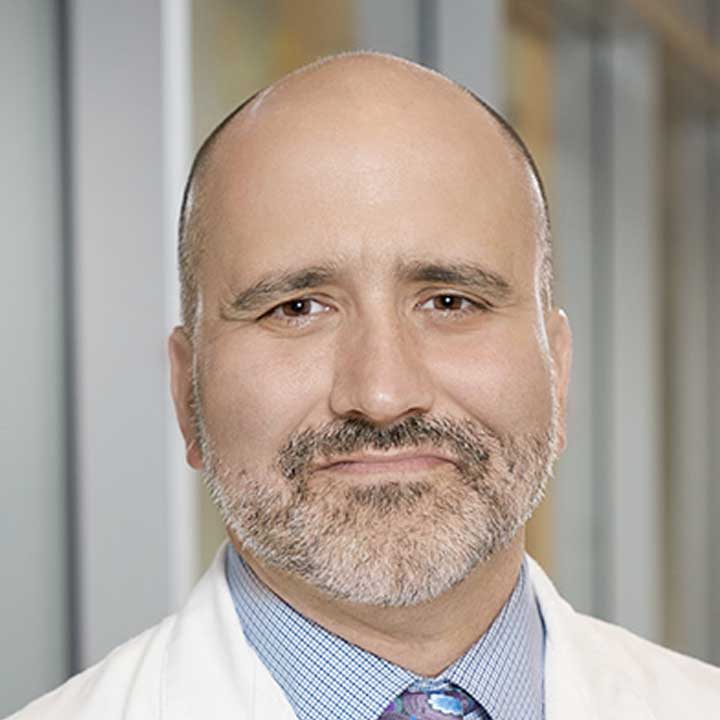 David M O Malley合作论文数Division of Gynecologic Oncology, The Ohio State University Comprehensive Cancer Center – James Cancer Hospital and Solove Research Institute, Ohio State University;Department of Obstetrics and Gynecology, College of Medicine, The Ohio State University54
 Floortje J Backes合作论文数Comprehensive Cancer Center, College of Medicine, The Ohio State University49
 Larry J Copeland合作论文数Comprehensive Cancer Center, The Ohio State University47
 Casey Cosgrove合作论文数Division of Gynecologic Oncology, The Ohio State University Comprehensive Cancer Center45
 Nagel Christa I合作论文数30
 Laura M Chambers合作论文数Department of Obstetrics and Gynecology, The Ohio State University25Jeffrey M. Fowler合作论文数23
 Adrian A Suarez合作论文数Department of Pathology, The Ohio State University College of Medicine17
 Ritu Salani合作论文数Division of Gynecologic Oncology, The Ohio State University Medical Center17
 Monica Hagan Vetter合作论文数Division of Gynecologic Oncology, Baptist Health Medicine Group15Molly Morton合作论文数14
 Ashley S Felix合作论文数Division of Cancer Prevention and Population Science, University of Pittsburgh Cancer Institute14
 Paulina Haight合作论文数Division of Gynecologic Oncology, The Ohio State University Comprehensive Cancer Center13Monica Levine合作论文数11David A Barrington合作论文数10Goodfellow Paul J合作论文数10Jessica Fulton合作论文数9Julia Chalif合作论文数9
 Ioana Marcu合作论文数9Karuppaiyah Selvendiran合作论文数Department of Internal Medicine and Comprehensive Cancer Center, The Ohio State University9
 Allison Quick合作论文数9Anna Gonzalez合作论文数8
 Eric McLaughlin合作论文数8
 Walter Gotlieb合作论文数Division of Experimental Medicine, Department of Medicine, Faculty of Medicine and Health Sciences, McGill University8Caitlin Meade合作论文数7Vincent Wagner合作论文数7
 Joan L. Walker合作论文数Department of Obstetrics & Gynecology, College of Medicine, The University of Oklahoma7
 Ross Wanner合作论文数7Uksha Saini合作论文数College of Life Sciences, Bowling Green State University7Jessica Sciuva合作论文数6Corinne A. Calo合作论文数6Glenn P Boyles合作论文数6
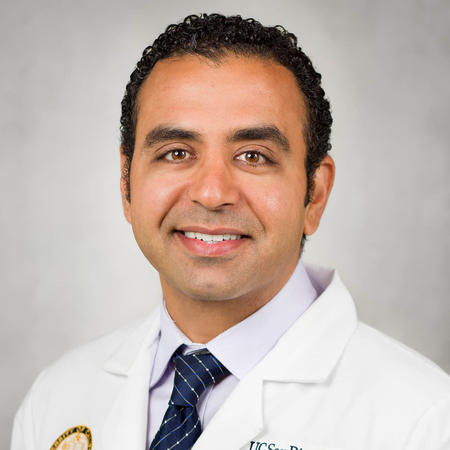 Ramez N. Eskander合作论文数Division of Gynecologic Oncology, Department of Obstetrics, Gynecology, & Reproductive Sciences, School of Medicine, University of California, San Diego6
 Jason Benedict合作论文数Center for Biostatistics, The Ohio State University Wexner Medical Center6Hays John L合作论文数Center for Cancer Research, National Cancer Institute;Center for Cancer Research, National Cancer Institute6
 Bradley Monk合作论文数Division of Gynecologic Oncology, College of Medicine, University of Arizona;Florida Cancer Specialists & Research Institute;Creighton University6
 Shan Naidu合作论文数Comprehensive Cancer Center;Ohio State University;Comprehensive Cancer Center, Ohio State University6
 J. Wallbillich合作论文数University of Texas Medical School6Sydney Lammers合作论文数5
 Michelle Lightfoot合作论文数5
 Courtney Riedinger合作论文数5Rachael Piver合作论文数5Colleen McCormick合作论文数5
 Brittany A Davidson合作论文数Department of Obstetrics and Gynecology, School of Medicine, Duke University5
 Adam C ElNaggar合作论文数Department of Obstetrics and Gynecology, University of Tennessee Health Science Center5
 Lai Wei合作论文数Center for Biostatistics, The Ohio State University5
 Paola A. Gehrig合作论文数Department of Obstetrics & Gynecology, School of Medicine, University of North Carolina at Chapel Hill5Alexander B. Olawaiye合作论文数5




