BackgroundThis study aims to describe patient and nurse trainer perspectives on a structured training programme for peritoneal dialysis (PD) as part of the Targeted Education ApproaCH to improve Peritoneal Dialysis outcomes (TEACH-PD) trial.MethodsTwo semi-structured interviews were conducted with 13 patients receiving PD and 10 PD nurses involved in training patients in PD before and after receiving training at 2 dialysis units. Transcripts were analysed thematically.ResultsFive themes were identified: (1) clear, comprehensive and culturally appropriate (clarity of content and wording to prevent disengagement, gauging patient progress, sufficiency, succinctness and flow); (2) competing priorities and burden (clinical emergencies and tasks taking priority, overwhelmed by amount of content, time pressure demands); (3) improving patient outcomes and safety (ability to assess safety, patient empowerment and personal responsibility, fostering trust and patient wellbeing, increasing technique survival, minimising risk of infection); (4) individualising the approach for patients (setting an appropriate pace, adapting to preferred learning styles, attuning to comprehension and literacy, symptoms and complications limiting capacity for learning) and (5) strengthening competence (motivation for continued learning, putting learning into practice, relevance to real-world practice, requiring structure and consistency, self-efficacy and confidence in problem solving).ConclusionPatients felt that their training was sufficient and reported feeling confident about doing PD themselves. The adult learning focus of the modules helped the nurse trainers to better adapt their teaching approaches to patients' individual needs. TEACH-PD training programmes were viewed as an opportunity to upskill nurses involved in patient training and as flexible enough to be adapted to the individual needs of patients. However, nurses also highlighted challenges related to the volume of content to be covered and time constraints due to competing clinical demands.
Health research results are primarily disseminated through scientific peer-reviewed journals and are not readily accessible to patients and caregivers, which can impede informed decision-making and limit the impact of research on patient outcomes. The aim of the workshop was to identify strategies to disseminate research in chronic kidney disease (CKD) to patients and caregivers. The workshop involved patients, caregivers (n = 27), and health professionals (n = 54) from Australia (10 breakout groups). The transcripts were thematically analyzed. Three themes (strategies) were identified. Generating interest encompassed emphasizing the benefits and impacts of research, using engaging modes of delivery, increasing visibility in clinical settings, and harnessing popular culture. Eliminating barriers to access included ensuring free access to journal articles, translating into different languages, providing plain-language summaries, considering convenience in the context of CKD-related burdens, and maximizing exposure. Demonstrating trustworthiness and repute entailed filtering for high-quality information and propagating through familiar networks and community-based channels. Ensuring ease of access to research, drawing attention, and prompting motivation to engage in research, and instilling confidence in patients about the quality of research may support effective dissemination. Adopting patient-prioritized models to increase translation of research may support shared decision-making in practice and improve care and patient outcomes.
Background:The symptoms, comorbidities and treatment burden associated with chronic kidney disease (CKD) can be debilitating and limit life participation in patients with CKD not requiring kidney replacement therapy (KRT). The aim of this study was to identify the characteristics, content and psychometric properties of patient-reported outcome measures (PROMs) used to assess life participation in patients with CKD. Methods:We searched MEDLINE, Embase, PsycINFO and CINAHL from database inception to February 2023 for all studies that reported life participation in patients with CKD (stages 1-5 not requiring kidney replacement therapy). We analysed the characteristics, dimensions of life participation and psychometric properties of the measures. Results:From the 114 studies included, 20 (18%) were randomized trials, 3 (3%) were non-randomized trials and 91 (80%) were observational studies. Forty-one different measures were used to assess life participation, of which six (15%) were author-developed measures. Twelve (29%) measures assessed life participation specifically, while 29 (71%) measures assessed broader constructs such as quality of life, which included questions relevant to life participation. The 36-Item Short Form Health Survey (SF-36) and Kidney Disease Quality of Life Short Form (KDQOL-SF) were the most frequently used, in 39 (34%) and 24 (21%) studies, respectively. Many content domains for life participation were assessed, including physical activities (walking, running and sports), social activities, leisure activities, work or study and self-care. None of the measures for life participation were developed specifically for CKD. Four measures (EuroQol 5-dimension 3-level (EQ-5D-3L), Functional Assessment of Cancer Therapy - Anemia, Short Form 6-dimension and Short-From 36-dimension (SF-36)) had validation data collected in patients with CKD. Conclusion:The measures for life participation used in patients with CKD vary in content, with few validated in the CKD population. There is a need for a validated measure to assess life participation in a meaningful and consistent way in all patients with CKD worldwide.
BACKGROUND:Cross-sectional studies show associations between loneliness, social isolation and physical inactivity. Cohort studies are shedding light on these relationships and further longitudinal investigations are needed. PURPOSE:This study aimed to assess the longitudinal and bidirectional associations between loneliness, social isolation, and physical inactivity. METHODS:Data were drawn from five annual waves of the Household and Labour Dynamics of Australia Survey (2015-2019), providing a sample of 17,303 persons (mean age = 46.3 years [SD = 18.0], 49.4% female). Relationships between loneliness, social isolation, and physical inactivity were examined using cross-lagged panel modeling, with estimation of simultaneous cross-lagged effects across each wave. Models adjusted for sociodemographic factors, chronic disease status, psychological distress, and mutually for social isolation or loneliness. Moderation of associations by sex was explored. RESULTS:There were modest lagged effects of physical inactivity on loneliness across the survey waves (odds ratio 1.16 [95% confidence interval 1.04-1.29] to 1.20 [1.07, 1.33]). A lagged effect of physical inactivity upon social isolation was only present across three of the waves (odds ratio 1.20 [1.02-1.41] to 1.23 [1.05-1.42]). While loneliness and social isolation showed lagged effects upon physical inactivity, these did not persist with adjustment for psychological distress. CONCLUSIONS:Longitudinal analysis found that physical inactivity consistently predicted loneliness, but not social isolation. After adjustment for confounding, loneliness and social isolation were not predictive of physical inactivity. While the strength of the associations was modest, further investigation is warranted of the type and dose of physical activity that is most beneficial for reducing loneliness.
Purpose of review: Home dialysis modalities offer several benefits for patients with end-stage kidney disease when compared with facility-based thrice-weekly hemodialysis. To increase uptake of home dialysis, many centers are encouraging a “home-first” approach. However, it is important to appreciate that “one size may not fit all” and that dialysis modality selection is a complex decision that needs to be individualized. The purpose of this review was to explore aspects associated with home dialysis that may be associated with burden for patients and their caregivers and to discuss strategies to alleviate these concerns. Sources of information: Original research articles were identified from PubMed using search terms “peritoneal dialysis,” “home hemodialysis,” “home dialysis,” “barriers,” “quality of life” and “burden.” Methods: We performed a focused narrative review examining potential sources of burden with home dialysis therapies after conducting a critical appraisal of the literature and identifying the major recurring themes. Key findings: Home dialysis is associated with burden for certain patients. Indeed, some patients may experience ongoing concerns regarding the risks of adverse events and of inadequately performing dialysis on their own. Psychosocial issues affecting quality of life may also arise and include fear of social isolation, sleep disturbances, perceived financial burden, anxiety, and fatigue. Patients who depend on a caregiver may worry about creating a stressful home environment for their close ones. Furthermore, the demands associated with being a caregiver may lead to psychosocial distress in the caregivers themselves. All these factors may lead to burnout and consequently, therapy discontinuation necessitating an unplanned transition to in-center hemodialysis leading to adverse outcomes. However, certain strategies may help alleviate burden especially if concerns are identified early on. Limitations: As we did not apply any formal tool to assess the quality of the studies included, selection bias may have occurred. Nonetheless, we have attempted to provide a comprehensive review on the topic using numerous diverse studies and extensive review of the literature. Implications: Future studies should focus on better identifying patient priorities and strategies to facilitate dialysis modality selection and improve quality of life.
Background Technique survival, also reported with negative connotations as technique failure or transfer from peritoneal dialysis to haemodialysis, has been identified by patients, caregivers and health professionals as a critically important outcome to be reported in all trials. However, there is wide variation in how peritoneal dialysis technique survival is defined, measured and reported, leading to difficulty in comparing or consolidating results. Methods We conducted an online international consensus workshop to establish a core outcome measure of technique survival. Discussions were analysed thematically. Results Fifty-five participants including 14 patients and caregivers from 13 countries took part in facilitated breakout discussions using video-conferencing. The following themes were identified: capturing important aspects of the outcome (requiring a core event to define the outcome, distinguishing temporary from permanent events, recognising heterogeneous experiences of transfers), adopting appropriate neutral nomenclature (conveying with clarity, avoiding negative connotations), and ensuring feasibility and applicability (capturing data relevant to clinical and research settings, ease of adoption). The suggested definitions for the core outcome measure were ‘the event of a transfer to haemodialysis’, or ‘discontinuation of peritoneal dialysis’. Applying the principles described within the workshop, defining the outcome measure as a ‘transfer to haemodialysis’ was preferable. Conclusions It is proposed that the core outcome of technique survival is redefined as ‘transfer to haemodialysis’ and that its components are standardised using simple, neutral terminology Components considered important by stakeholders included recording the reasons for transfer from peritoneal dialysis, and focussing on permanent events whilst ensuring the outcome remains easy to implement.
Background : We aimed to identify long-term patterns of sport participation (overall, team, and individual sport) from childhood into adolescence, and to examine the association between these patterns and academic outcomes. Methods : This cohort study used data from the Longitudinal Study of Australian Children in wave 3 (4–5 y) to wave 9 (20–21 y). The participants were a nationally representative sample of 4241 children. We conducted latent class analyses to identify sport participation trajectories and assessed the association between these trajectories and academic outcomes. Results : Continued sport participation was associated with lower odds of being absent from school (OR = 0.44; 95% confidence intervals [CIs], 0.26 to 0.74), better performance on attention ( B = −0.010; 95% CIs, −0.019 to −0.002) and working memory ( B = −0.013; 95% CIs, −0.023 to −0.003), higher numeracy ( B = 20.21; 95% CIs, 14.56 to 25.86) and literacy scores ( B = 9.42; 95% CIs, 2.82 to 16.02), higher end of school academic performance ( B = 3.28; 95% CIs, 1.47 to 5.09), and higher odds of studying at university (OR = 1.78; 95% CIs, 1.32 to 2.40). Team sport participation was associated with reduced absenteeism, better performance on attention and working memory, and being awarded the Higher School Certificate. Whereas individual sport participation was associated with higher literacy scores and end of school academic performance. Conclusions : Team and individual sport participation both benefit academic outcomes, but differently. Given the decline in sport participation during adolescence, these findings highlight the need to develop educational policies to establish an environment that promotes sport participation, which in turn could improve academic outcomes.
BACKGROUND:This study aimed to identify patterns of overall, team, and individual sport participation and examine the prospective associations between these patterns and loneliness in young people. METHODS:We analyzed data from 4241 young people, from waves 3 (8-9 y) to 9 (20-21 y) of the Longitudinal Study of Australian Children. We conducted latent class analyses to identify overall and team versus individual sport participation trajectories and used adjusted log-Poisson regression models to examine the associations between these trajectories and loneliness at wave 9. RESULTS:Latent class analyses identified 4 distinct overall sport participation classes which were labeled: nonparticipants (24%), dropouts (42%), initiators (7%), and consistent participants (27%). Compared with nonparticipants, consistent participants had a lower risk of loneliness (risk ratios = 0.69; 95% CIs, 0.59-0.81). Latent class analyses also identified 4 distinct team versus individual sport participation classes: team and individual sport nonparticipants (38%), individual sport participants (14%), moderate team sport participants (14%), and high team sport participants (34%). Compared with the team and individual sport nonparticipants, the high team sports participants had a lower risk of loneliness (risk ratios = 0.70; 95% CIs, 0.53-0.92). CONCLUSIONS:Young people who continued participating in sport in general, and particularly in team sport, had a reduced risk of loneliness. Continued participation in sports should be promoted to improve a range of physical, mental, and social health benefits. Furthermore, team-based sport can provide additional health and well-being benefits, including reduced loneliness due to the group nature of participation.
Physical activity (PA) is important for prevention of falls and chronic disease in older adults. We aimed to examine the interrelated influences upon PA in culturally diverse older adults who completed a short-term exercise program, to inform maintenance strategies, using a mixed-methods design. Eighty-two past participants from the “ Stepping On” © program were surveyed examining ongoing participation, social and cognitive determinants of PA, mental and physical functioning, and fear of falls. Semi-structured interviews were undertaken with 34 respondents regarding enablers and barriers, cultural factors, and preferences for PA. Data were collected in English, Chinese, Arabic, Punjabi, or Hindi. Cultural factors minimally affected PA participation. There was low perceived availability of PA opportunities. Health difficulties not only discouraged but also motivated participation. Social connection was a facilitator and could be used to support maintenance. Older adults may benefit from assistance in accessing PA opportunities and clinical guidance about the benefits of ongoing PA.
Objectives Peritoneal dialysis (PD) allows patients increased autonomy and flexibility; however, both infectious and non-infectious complications may lead to technique failure, which shortens treatment longevity. Maintaining patients on PD remains a major challenge for nephrologists. This study aims to describe nephrologists’ perspectives on technique survival in PD.Design Qualitative semistructured interview study. Transcripts were thematically analysed.Setting and participants 30 nephrologists across 11 countries including Australia, the USA, the UK, Hong Kong, Canada, Singapore, Japan, New Zealand, Thailand, Colombia and Uruguay were interviewed from April 2017 to November 2019.Results We identified four themes: defining patient suitability (confidence in capacity for self-management, ensuring clinical stability and expected resilience), building endurance (facilitating access to practical support, improving mental well-being, optimising quality of care and training to reduce risk of complications), establishing rapport through effective communications (managing expectations to enhance trust, individualising care and harnessing a multidisciplinary approach) and confronting fear and acknowledging barriers to haemodialysis (preventing crash landing to haemodialysis, facing concerns of losing independence and positive framing of haemodialysis).Conclusion Nephrologists reported that technique survival in PD is influenced by patients’ medical circumstances, psychological motivation and positively influenced by the education and support provided by treating clinicians and families. Strategies to enhance patients’ knowledge on PD and communication with patients about technique survival in PD are needed to build trust, set patient expectations of treatment and improve the process of transition off PD.
Social functioning is a key aspect of daily life and is important to patients living with chronic kidney disease (CKD) and their caregivers. Many patients with CKD experience debilitating symptoms and treatment burden that can diminish their social functioning and thereby overall social health, which is the aspect of a person's well-being relating to their interactions and connections with others. In patients with CKD, symptoms (e.g., fatigue and pain), burden of ongoing treatments (including kidney replacement therapies), and medication side effects can impair social functioning. Having to manage responsibilities of self-management, which can include time-consuming and invasive treatments such as dialysis, can severely limit social functioning in patients with CKD. This can lead to poor social connections at many levels, including with family, friends, peers, and colleagues, and can hinder the development of new relationships. Patients with CKD with poorer social functioning have been reported to have worse quality of life and impaired mental health. Many patients with CKD rely on an informal caregiver—usually a family member or friend—to assist with management of their disease. This can place strain on the caregiver, further limiting opportunities for social connections for both the patient and caregiver. Although social functioning is critical for the overall well-being of patients with CKD, it remains underaddressed clinically, and patient-reported outcome measures (PROMs) to assess social functioning are limited. The objective of this article is to define social functioning, discuss the impacts of social functioning in patients with CKD and their caregivers, outline PROMs that have included assessment of social functioning, and discuss considerations in developing an appropriate PROM to measure social functioning in patients with CKD. This may help to inform the evaluation of interventions and care regarding social functioning within the CKD population.
BACKGROUND:Many patients with chronic kidney disease (CKD) experience loneliness and social isolation, which are associated with a higher risk of mortality, morbidity, and poor mental health. We aimed to describe the perspectives of patients with CKD and their caregivers on loneliness and social isolation, to inform strategies to increase social participation. METHODS:A secondary analysis of qualitative data from the Standardized Outcomes in Nephrology (SONG) initiative dataset (36 focus groups, three Delphi surveys and seven consensus workshops) was conducted. We extracted and thematically analyzed data from patients with CKD, including those receiving hemodialysis or peritoneal dialysis and those with a kidney transplant, as well as their caregivers, on the perspectives and experiences of loneliness and social isolation. RESULTS:Collectively the studies included 1261 patients and caregivers from 25 countries. Six themes were identified: restricted by the burdens of disease and treatment (withdrawing from social activities due to fatigue, consumed by the dialysis regimen, tethered to treatment, travel restrictions); external vulnerability (infection risk, anxiety of dining out); diminishing societal role (grieving loss of opportunities, social consequences of inability to work); fending for oneself in healthcare (no one to relate to, lost in uncertainty, unmet psychosocial needs); undermining self-esteem (unable to engage in activities which previously defined self, shame and self-consciousness about appearance, hindering confidence for intimate relationships); and feeling ostracized (disconnected by family and friends, fear of stigma and being misunderstood, guilt of burdening others). CONCLUSIONS:For patients with CKD and their caregivers, social participation is substantially impaired by the burden of CKD and its treatment, and fear of risks to health such as infection. This undermines patient and caregiver mental health, particularly self-esteem and sense of belonging. Additional interventions are needed to improve social connections among people with CKD and their caregivers.
Patient and caregiver involvement can enhance the uptake and impact of research, but the involvement of patients and caregivers who are underserved and marginalized is often limited. A better understanding of how to make involvement in research more broadly accessible, supportive, and inclusive for patients with chronic kidney disease (CKD) and caregivers is needed. We conducted a national workshop involving patients, caregivers, clinicians, and researchers from across Australia to identify strategies to increase the diversity of patients and caregivers involved in CKD research. Six themes were identified. Building trust and a sense of safety was considered pivotal to establishing meaningful relationships to support knowledge exchange. Establishing community and connectedness was expected to generate a sense of belonging to motivate involvement. Balancing stakeholder goals, expectations, and responsibilities involved demonstrating commitment and transparency by researchers. Providing adequate resources and support included strategies to minimize the burden of involvement for patients and caregivers. Making research accessible and relatable was about nurturing patient and caregiver interest by appealing to intrinsic motivators. Adapting to patient and caregiver needs and preferences required tailoring the approach for individuals and the target community. Strategies and actions to support these themes may support more diverse and equitable involvement of patients and caregivers in research in CKD.
 Allison Tong合作论文数School of Public Health, Faculty of Medicine and Health, The University of Sydney54
 Jonathan Craig合作论文数College of Medicine and Public Health, Flinders University48
 Yeoungjee Cho合作论文数Renal Unit, Royal Brisbane & Women's Hospital34
 David Johnson合作论文数Department of Kidney and Transplant Services, Princess Alexandra Hospital30
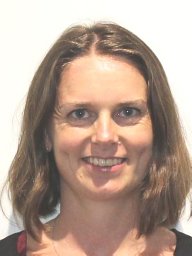 Viecelli Andrea合作论文数Department of Renal Medicine, Sir Charles Gairdner Hospital27
 Martin Howell合作论文数School of Public Health, Faculty of Medicine and Health, The University of Sydney24Shen Jenny I合作论文数23Angela Ju合作论文数School of Health Sciences, Faculty of Medicine and Health, The University of Sydney21
 Nicole Scholes-Robertson合作论文数Centre for Kidney Research, The Children's Hospital at Westmead21
 Armando Teixeira-Pinto合作论文数School of Public Health, Faculty of Medicine and Health, The University of Sydney;Centre for Kidney Research, University of Sydney18Sautenet Bénédicte合作论文数18Chandana Guha合作论文数Sydney Sch Publ Hlth, Univ Sydney17Talia Gutman合作论文数16
 Amanda Baumgart合作论文数Ctr Kidney Res, Childrens Hosp Westmead14
 Camilla S Hanson合作论文数14
 Martin Wilkie合作论文数13
 Allison Jaure合作论文数12
 Nicole Evangelidis合作论文数12
 Jeffrey Perl合作论文数Division of Nephrology, St. Michael’s Hospital;University of Toronto12
 Ben Smith合作论文数11Rajnish Mehrotra合作论文数11Germaine Wong合作论文数School of Public Health, Faculty of Medicine and Health, The University of Sydney10
 Jie Dong (董捷)合作论文数Peking University First Hospital10
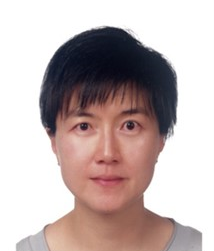 Wang Yee Moon Angela (王依滿)合作论文数SingHealth Duke-NUS Academic Medical Centre;Department of Renal Medicine, Singapore General Hospital10Amanda Sluiter合作论文数9
 Andrea Gonzalez合作论文数Department of Psychology, University of Toronto9Tony Dunning合作论文数8
 Tess Harris合作论文数8
 Roberto Silva Pecoits-Filho合作论文数Arbor Research Collaborative for Health;Pontifical Catholic University of Paraná;George Institute for Global Health;CKDopps8Gillian Brunier合作论文数8Charlotte Logeman合作论文数7
 R.T. (Ron) Gansevoort合作论文数Faculty of Medical Sciences, University of Groningen;Department of Nephrology, University Medical Center Groningen7
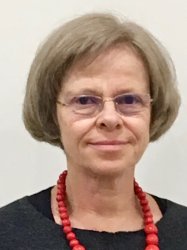 Edwina Brown合作论文数Department of Immunology and Inflammation, Faculty of Medicine, Imperial College London;Transplant Centre, Hammersmith Hospital7
 Saraladevi Naicker合作论文数Department of Global Health, School of Clinical Medicine, University of Witwatersrand7Curie Ahn合作论文数7
 Ayano Kelly合作论文数Childrens Hosp Westmead6Neil Boudville合作论文数6
 Anita Van Zwieten合作论文数School of Public Health, Faculty of Medicine and Health, The University of Sydney6
 Philayrath Phongsavan合作论文数School of Public Health, Faculty of Medicine and Health, The University of Sydney6Katherine Owen合作论文数School of Public Health, Faculty of Medicine and Health, The University of Sydney6Gopala Rangan合作论文数School of Medicine, Faculty of Medicine and Health, The University of Sydney6
 Arlene Chapman合作论文数Department of Medicine, The University of Chicago6
 Jesudason Shilpanjali合作论文数Transplantation Immunology Laboratory and Department of Medicine, University of Adelaide6N. Amir合作论文数6Simon Carter合作论文数ISLA, University of Amsterdam6Albert C. M. Ong合作论文数6Rosanna Cazzolli合作论文数5Elyssa Hannan合作论文数5
 Adrian Bauman合作论文数Department of Public Health, Faculty of Medicine and Health, University of Sydney;WHO Collaborating Centre on Physical Activity, Nutrition and Obesity, Sydney University5




