Supplementary Figure S2: (A) Percentage of tumor-free mice in PyMT NE+/+ (N=30) and PyMT NE-/- (N=21) mice, between 12-14 weeks of age. (B) Total tumor mass, (C) number of glands with tumors per mouse and (D) doubling time of tumors at end point (12-14 weeks age) in PyMT NE+/+ & PyMT NE-/- mice. (E) Frequency of the major histologies (solid, alveolar/tubular, papillary, and adenosquamous) detected in both PyMT NE+/+ and PyMT NE-/- primary tumors. (F) Spontaneous tumors isolated from PyMT NE+/+ and PyMT NE-/- mice were implanted in FVB NE+/+ and FVB NE-/- respectively. Tumor growth curves, as a function of days post implantation are shown.
Objective: To evaluate pathologic complete response (pCR) in patients with occult breast cancer (OBC) treated with neoadjuvant systemic therapy (NST), and to investigate whether pathologic changes in the pre-treatment biopsy-proven clipped axillary lymph node (ALN) reflect the residual axillary disease burden following NST. Summary Background Data: Current international guidelines recommend ALN dissection for all patients with OBC. These patients have limited representation in studies of axillary surgery de-escalation. Methods: Using data from an observational cohort study of patients diagnosed with OBC between 2010 and 2025, we estimated the probability of pCR, and the diagnostic test characteristics of the pre-treatment biopsy-positive clipped node pathology for evaluating residual axillary disease burden after NST. Results: Among 85 patients with OBC who received NST followed by surgery, pCR occurred in 12 (33.3%) of 36 with hormone receptor (HR)-positive/HER2-negative, 15 (83.3%) of 18 with HER2-positive, and 24 (77.4%) of 31 with HR-negative/HER2-negative disease. There were 46 (54.1%) patients who had a clip placed in the biopsy-proven positive node at diagnosis. Pathologic assessment of the clipped node had a specificity of 88.6% (95% CI: 75.1, 96.0%) and a false-negative rate (FNR) of 13.3% (95% CI: 2.9, 36.3%) in all OBC patients. In patients with cN1 or cN2 disease, the specificity was 86.2% (95% CI: 70.5, 95.2%) and FNR was 0% (95% CI: 0, 21.7%). Conclusions: In patients with OBC, pathologic assessment of the clipped node can reflect disease burden in the remaining ALNs. Limited axillary surgery anchored in removal of the clipped node should be considered as a strategy for axillary staging following systemic therapy in selected patients with OBC, primarily those with cN1 or cN2 disease.
The SOUND and INSEMA trials have demonstrated the non-inferiority of sentinel lymph node (SLN) biopsy (SLNB) omission in patients with hormone receptor-positive (HR+)/human epidermal growth factor receptor 2-negative (HER2−) early-stage breast cancer (BC) with negative axillary ultrasound undergoing breast-conserving therapy (BCT). We evaluated SLNB positivity rates and treatment characteristics among patients undergoing BCT versus mastectomy. Patients with cT1N0M0 HR+/HER2− unifocal invasive ductal carcinoma with negative axillary ultrasound undergoing upfront BCT + radiation therapy (RT) or mastectomy +/− RT were included (2010–2023). Clinicopathologic characteristics, treatment, and patient outcomes were compared by surgery type. Among 1506 patients, the median age was 59 years (interquartile range [IQR] 51–67). In total, 78.2
Supplementary Figure S10: Gating strategy used to identify myeloid, lymphoid and B-cell populations for the experiment described in Supplementary Figure S2. All analyses were conducted on FlowJo and statistical analyses were done on GraphPad Prism.
Supplementary Figure S5: Reverse Phase Protein Array (RPPA) analysis was conducted on TAN negative and TAN positive patient samples described in Figure 1, using 174 validated antibodies. The mean of the normalized, linear RPPA values are reported for each group. (A) Relative abundance of pp90RSK T359/S363 and pRb S807 in TAN negative and TAN positive patient samples. (B) The table summarizes the top 20 antibodies that were statistically altered between the TAN negative and TAN positive groups. Statistical comparisons of TAN-positive and TAN-negative cohorts were performed using the Mann-Whitney U-test.
Background Frozen section evaluation can be used for intraoperative diagnosis of sentinel lymph node (SLN) metastases. When completion axillary lymph node dissection is planned owing to positive SLNs following neoadjuvant chemotherapy (NACT), frozen section may be considered to facilitate completion of axillary surgery at the index operation. The utility of intraoperative SLN assessment with frozen section in patients with hormone receptor-positive (HR+) breast cancer depends on the prevalence of SLN positivity and frozen section accuracy. Patients and Methods We conducted a single-institution observational cohort study including patients with noninflammatory, cN0, HR+, defined as either estrogen receptor-positive (ER+) and/or progesterone receptor-positive (PR+), HER2-negative breast cancer treated with NACT between 2015 and 2021. We estimated the prevalence of SLN positivity and the diagnostic test characteristics of SLN frozen section. Results Of 145 eligible patients, 47 (32.4%; 95% confidence interval [CI]: 24.9, 40.7) had SLN metastases. Positive SLNs were more frequent among those with ER+ PR+ tumors compared with ER+ PR- or ER- PR+ tumors, larger clinical T category, and invasive lobular histology. Among 115 patients with SLNs assessed by frozen section, the true prevalence of metastases was 31.3% (95% CI: 23.0, 40.6), while frozen section identified only 17.4% (95% CI: 11.0, 25.6) as positive. Frozen section sensitivity was 55.6% (95% CI: 38.1, 72.1), and specificity was 100% (95% CI: 95.4, 100.0). Sensitivity for micrometastases or isolated tumor cells was limited (23.5%; 95% CI: 6.8, 50.0). Conclusions In patients with cN0 HR+, HER2-negative breast cancer, SLN positivity after NACT varies and is more common in high-risk subgroups of this population. Frozen section has modest sensitivity overall and is more limited for the diagnosis of low-volume nodal disease. Use of frozen section may be warranted where avoiding reoperation is a priority.
BACKGROUND:Studies regarding therapeutic response of invasive lobular carcinoma (ILC) to neoadjuvant systemic therapy (NST) suggest that ILC is less favorable and the prognostic impact of a pathologic complete response (pCR) is unclear. PATIENTS AND METHODS:This study included 853 (NAC; n = 715 and NET; n = 138) non-metastatic classic ILC cases that received NST followed by surgery. Propensity-score matched analysis (PSMA) was performed to compare clinicopathologic groups. Survival outcomes were compared for patients with and without a pCR. RESULTS:Most had large primary tumors with nodal metastases (89.5% cT2-T4, 64% cN+) and luminal subtype tumors (87.6%). Patients receiving NAC were more likely to be clinically node-positive (69.1% versus 34.3%; p = 0.0005), have grade 3 disease (18.7% versus 8.7%; p = 0.0082), and undergo mastectomy (84.2% versus 69.6%; p < 0.001) and ALND (84.9% versus 57.3%; p < 0.0001) compared with NET. Overall, breast and axillary nodal pCR rates were 4.9% and 9.3%, respectively. Among 155 patients who had SLNB, there was 1 axillary nodal recurrence (0.6%). The 10-year distant recurrence-free survival (DRFS) for patients with a breast pCR was 61% versus 46% for those without (p = 0.267). Patients with a nodal pCR demonstrated higher 10-year DRFS (49% versus 33%; p = 0.026) and OS compared with those without (65% versus 48%; p = 0.068). No survival outcome difference was seen for patients treated with NAC versus NET on PSMA. CONCLUSIONS:Nodal pCR was associated with survival outcomes in ILC and systemic therapy decision-making should be reconsidered. SLNB after NST appears to be safe and effective in ILC.
This file contains all the information pertaining to supplementary methods that were referred to in the supplementary data.
Supplementary Figure S6: (A) Fraction of immune vs. non-immune (primarily epithelial) cells from PyMT tumors used for RNA-seq. A small fraction of tumor tissues was isolated for this QC analysis, including CD45 fraction as presented in this figure. (B) Of the top 32 genes shown in Figure 3B, NE-specific genes were identified by performing qRT-PCR analysis in 10-week old PyMT NE+/+ (N=5) and PyMT NE-/- (N=4) pre-metastatic, malignant mammary tissues. 12 genes shown here were significantly different as a function of NE status. (C) Quantification of the total percentage of fibroblasts (CD140+ve cells) isolated from each genotype is indicated.
This file includes all the 8 supplementary figures and their corresponding figure legends referred to in the main text.
Abstract INTRODUCTION: Malignant peripheral nerve sheath tumors (MPNSTs) are aggressive sarcomas. An obstacle to treating MPNSTs is a lack of effective systemic therapies. Although over 70% of human MPNSTs have lost or inactivated the epigenome regulator polycomb repressive complex 2 (PRC2) (DeRaedt et al., Nature, 2014), its activity and contribution to canine PNST progression remain unclear. METHODS: This study compared canine peripheral nerve sheath tumors (PNSTs) and human MPNSTs across biological and clinical features, including PRC2 activity. Immunohistochemical analysis was performed for a human tissue microarray of 54 neurofibromas and 139 MPNSTs, and 63 canine PNSTs for H3K27me3, a repressive histone mark deposited by intact PRC2, and H3K27ac, which increases globally upon H3K27me3 loss. To understand the genomic alterations present in canine PNSTs, we analyzed tumor mutation burden, copy number alteration, and transcriptomes of eight canine PNST/normal pairs. RESULTS: The results suggested that H3K27me3 loss and associated gain of H3K27ac epigenetically drive human and canine tumors. This study provided evidence that human and canine PNSTs are clinicopathologically similar and may also be similarly driven by epigenetic mechanisms. CONCLUSIONS: Further studies are warranted to evaluate whether these epigenetic deregulations alter similar gene signatures in humans and canine patients. The knowledge gained from this work advances our understanding of the molecular drivers of MPNST and informs potential therapeutics to evaluate in future clinical studies. Citation Format: Jace P. Landry, Angela D. Bhalla, Sharon M. Landers, Rossana Lazcano, Lindsay A. Parker, Tasha M. Miller, Noelle Niemi, Heather G. Lyu, Heather A. Lillemoe, Emily Z. Keung, Christopher P. Scally, Christina L. Roland, Kelly K. Hunt, John M. Slopis, Ian E. McCutcheon, Beth Boudreau, Heather Wilson-Robles, Alexander J. Lazar, Kunal Rai, Dominique J. Wiener, Brian W. Davis, Brandan Wustefeld-Janssens, Keila E. Torres. Comparative study of human and canine nerve sheath tumors in terms of morphology, prognosis, treatment, epigenetics, transcriptomics, and genomics [abstract]. In: Proceedings of the American Association for Cancer Research Annual Meeting 2026; Part 1 (Regular Abstracts); 2026 Apr 17-22; San Diego, CA. Philadelphia (PA): AACR; Cancer Res 2026;86(7 Suppl):Abstract nr 3250.
 Henry M. Kuerer合作论文数Department of Breast Surgical Oncology, The University of Texas MD Anderson Cancer Center246
 Funda Meric-Bernstam合作论文数Division of Cancer Medicine, Department of Investigational Cancer Therapeutics, University of Texas MD Anderson Cancer Center216
 Khandan Keyomarsi合作论文数Division of Radiation Oncology, Department of Experimental Radiation Oncology, The University of Texas MD Anderson Cancer Center206
 Min Yi合作论文数172
 Barry W. Feig合作论文数Department of Surgical Oncology, Division of Surgery, The University of Texas MD Anderson Cancer Center171
 Gildy Vallarta Babiera合作论文数University of Texas M. D. Anderson Cancer Center;Woman's Hospital of Texas;Memorial Hermann Memorial City Medical Center160
 Isabelle Bedrosian合作论文数Department of Breast Surgical Oncology, Division of Surgery, The University of Texas MD Anderson Cancer Center150
 Aysegul A. Sahin合作论文数Department of Anatomical Pathology, Division of Pathology-Lab Medicine, The University of Texas MD Anderson Cancer Center146
 Merrick I. Ross合作论文数Department of Surgical Oncology, Division of Surgery, The University of Texas MD Anderson Cancer Center134
 Gabriel N. Hortobagyi合作论文数Department of Breast Medical Oncology, Division of Cancer Medicine, The University of Texas MD Anderson Cancer Center132
 Elizabeth Ann Mittendorf合作论文数Brigham and Women's Hospital;Dana-Farber Cancer Institute;Harvard Medical School127
 Thomas Buchholz合作论文数Scripps MD Anderson Cancer Center125
 S. Eva Singletary合作论文数University of Texas MD Anderson Cancer Center105
 Judy C. Boughey合作论文数91
 Abigail S Caudle合作论文数91Janice N. Cormier合作论文数89
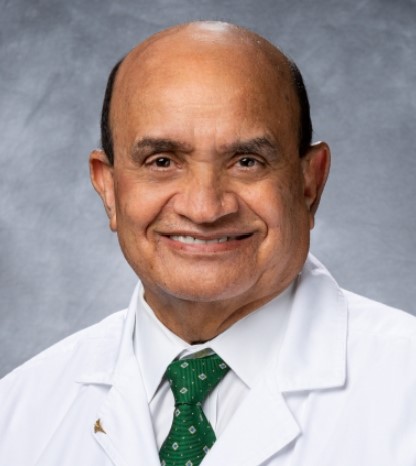 Aman U. Buzdar合作论文数Department of Breast Medical Oncology, Division of Cancer Medicine, The University of Texas MD Anderson Cancer Center88
 Cansu Karakas合作论文数87Bui Tuyen合作论文数85
 Vicente Valero合作论文数Department of Breast Medical Oncology, Division of Cancer Medicine, The University of Texas MD Anderson Cancer Center84Frederick C. Ames合作论文数78
 Raphael E Pollock合作论文数College of Medicine, The Ohio State University;The Ohio State University Comprehensive Cancer Center78
 Eric A. Strom合作论文数Department of Breast Radiation Oncology, Division of Radiation Oncology, University of Texas MD Anderson Cancer Center77
 Christina L. Roland合作论文数Department of Surgical Oncology, The University of Texas MD Anderson Cancer Center;Division of Surgery, The University of Texas MD Anderson Cancer Center;Department of Cancer Network, The University of Texas MD Anderson Cancer Center76
 Savitri Krishnamurthy合作论文数Department of Pathology, Division of Pathology and Laboratory Medicine, The University of Texas MD Anderson Cancer Center75
 Rosa F. Hwang合作论文数Department of Breast Surgical Oncology, Division of Surgery, The University of Texas M.D. Anderson Cancer Center74Mediget Teshome合作论文数71
 Ann Leitch合作论文数Department of Surgery, Medical School, University of Texas Southwestern Medical Center64Keila E Torres合作论文数63
 Anthony Lucci合作论文数Department of Breast Surgical Oncology, Division of Surgery, The University of Texas MD Anderson Cancer Center;Department of Surgical Oncology, Division of Surgery, The University of Texas MD Anderson Cancer Center62
 Matthew Ellis合作论文数Department of Psychiatry, Washington University School of Medicine In St. Louis61Linda M. Mccall合作论文数61HM Kuerer合作论文数60
 Benjamin D. Smith合作论文数Division of Radiation Oncology, Department of Radiation Oncology, The University of Texas MD Anderson Cancer Center;Breast Radiation Oncology Section, Department of Radiation Oncology, The University of Texas MD Anderson Cancer Center60
 William Fraser Symmans合作论文数Department of Pathology, Division of Pathology/Lab Medicine, The University of Texas MD Anderson Cancer Center;National Cancer Institute Latin American Breast Cancer Clinical Trials59
 Vera Suman合作论文数Division of Clinical Trials and Biostatistics, Department of Quantitative Health Sciences, Mayo Clinic;Mayo Clinic Comprehensive Cancer Center59
 Wendy Woodward合作论文数Woodward Lab, Department of Radiation Oncology, University of Texas MD Anderson Cancer Center58
 Alexander J. Lazar合作论文数Department of Anatomical Pathology, Division of Pathology-Lab Medicine, The University of Texas M.D. Anderson Cancer Center;Department of Genomic Medicine, Division of Basic Science Research, The University of Texas MD Anderson Cancer Center;Department of Translational Molecular Pathology, Division of Pathology/Lab Medicine, The University of Texas MD Anderson Cancer Center55Sarah M DeSnyder合作论文数49
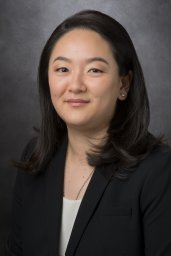 Emily Z. Keung合作论文数48
 Jennifer Keating Litton合作论文数Department of Breast Medical Oncology, Division of Cancer Medicine, The University of Texas M. D. Anderson Cancer Center;Graduate School of Biomedical Sciences, The University of Texas48
 Banu Arun合作论文数MD Anderson Cancer Center, University of Texas47E. A. Mittendorf合作论文数45
 Karla Ballman合作论文数Division of Biostatistics and Epidemiology, Weill Cornell Medicine45
 Marsha McNeese合作论文数45Debu Tripathy合作论文数45
 Stephen G. Swisher合作论文数Department of Thoracic and Cardiovascular Surgery, Division of Surgery, The University of Texas MD Anderson Cancer Center;Lung Cancer44
 Simona F Shaitelman合作论文数Department of Radiation Oncology, The University of Texas MD Anderson Cancer Center;Graduate School of Biomedical Sciences, The University of Texas MD Anderson Cancer Center42
 Armando E. Giuliano合作论文数Saul and Joyce Brandman Breast Center, Samuel Oschin Comprehensive Cancer Institute, Cedars Sinai;Division of Surgical Oncology, Cedars Sinai;Department of Surgery, Cedars Sinai41




