Instruction tuning of Large Vision-language Models (LVLMs) has revolutionized the development of versatile models with zero-shot generalization across a wide range of downstream vision-language tasks. However, the diversity of different training tasks from various sources and formats would lead to inevitable task conflicts, where different tasks conflict for the same set of model parameters, resulting in sub-optimal instruction-following abilities. To address that, we propose the Mixture of Cluster-conditional LoRA Experts (MoCLE), a novel Mixture of Experts (MoE) architecture designed to activate task-customized model parameters based on instruction clusters. A separate universal expert is further incorporated to improve generalization abilities of MoCLE for novel instructions. Extensive experiments on InstructBLIP and LLaVA demonstrate the effectiveness of MoCLE.
Large-scale pre-trained Vision-Language models (VLMs), such as CLIP, exhibit strong zero-shot generalization, yet remain highly vulnerable to imperceptible adversarial perturbations, raising serious safety concerns for open-world deployment. To enhance robustness without requiring downstream task-specific retraining, we propose TAME, a novel test-time defense. Building upon our prior Test-Time Adversarial Prompt Tuning (TAPT), TAME introduces an architectural reformulation by replacing TAPT's single adaptive prompt with an input-conditioned Mixture-of-Experts (MoE) framework, enabling more expressive and adaptive defense. Specifically, TAME maintains a bank of learnable expert prompts and employs an input-dependent routing mechanism to aggregate a customized prompt mixture for each unlabeled test sample at inference time. This test-time defense mechanism is driven by three unsupervised objectives: (1) multi-view prediction entropy minimization, (2) layer-wise alignment of visual token statistics to precomputed clean and adversarial reference distributions, and (3) MoE regularization for balanced expert utilization and prompt diversity. We evaluated TAME on 11 benchmark datasets, including ImageNet and 10 additional zero-shot datasets. The results show that TAME improves the zero-shot adversarial robustness of the original CLIP by at least 49.1
While the automatic evaluation of omni-modal large models (OLMs) is essential, assessing empathy remains a significant challenge due to its inherent affectivity. To investigate this challenge, we introduce AEQ-Bench (Audio Empathy Quotient Benchmark), a novel benchmark to systematically assess two core empathetic capabilities of OLMs: (i) generating empathetic responses by comprehending affective cues from multi-modal inputs (audio + text), and (ii) judging the empathy of audio responses without relying on text transcription. Compared to existing benchmarks, AEQ-Bench incorporates two novel settings that vary in context specificity and speech tone. Comprehensive assessment across linguistic and paralinguistic metrics reveals that (1) OLMs trained with audio output capabilities generally outperformed models with text-only outputs, and (2) while OLMs align with human judgments for coarse-grained quality assessment, they remain unreliable for evaluating fine-grained paralinguistic expressiveness.
Multi-modal large language models (MLLMs) have made significant strides in various visual understanding tasks. However, the majority of these models are constrained to process low-resolution images, which limits their effectiveness in perception tasks that necessitate detailed visual information. In our study, we present MG-LLaVA, an innovative MLLM that enhances the model’s visual processing capabilities by incorporating a multi-granularity vision flow, which includes low-resolution, high-resolution, and object-centric features. We propose the integration of an additional high-resolution visual encoder to capture fine-grained details, which are then fused with base visual features through a Conv-Gate fusion network. To further refine the model’s object recognition abilities, we incorporate object-level features derived from bounding boxes identified by offline detectors. Being trained solely on publicly available multimodal data through instruction tuning, MG-LLaVA demonstrates exceptional perception skills. We instantiate MG-LLaVA with a wide variety of language encoders, ranging from 3.8B to 34B, to evaluate the model’s performance comprehensively. Extensive evaluations across multiple benchmarks demonstrate that MG-LLaVA outperforms existing MLLMs of comparable parameter sizes, showcasing its remarkable efficacy.
Recent advancements in Gaussian-based human body reconstruction have achieved notable success in creating animatable avatars. However, there are ongoing challenges to fully exploit the SMPL model's prior knowledge and enhance the visual fidelity of these models to achieve more refined avatar reconstructions. In this paper, we introduce AniGaussian which addresses the above issues with two insights. First, we propose an innovative pose guided deformation strategy that effectively constrains the dynamic Gaussian avatar with SMPL pose guidance, ensuring that the reconstructed model not only captures the detailed surface nuances but also maintains anatomical correctness across a wide range of motions. Second, we tackle the expressiveness limitations of Gaussian models in representing dynamic human bodies. We incorporate rigid-based priors from previous works to enhance the dynamic transform capabilities of the Gaussian model. Furthermore, we introduce a split-with-scale strategy that significantly improves geometry quality. The ablative study experiment demonstrates the effectiveness of our innovative model design. Through extensive comparisons with existing methods, AniGaussian demonstrates superior performance in both qualitative result and quantitative metrics.
Large Language Models (LLMs) have demonstrated remarkable capabilities in 3D indoor synthesis for Manhattan environments. However, existing methods often fail to capture plausible object layout patterns in non-Manhattan settings, primarily because they struggle to model non-orthogonal spatial relationships, leading to high geometric violations and low physical fidelity. To address this challenge, we propose SPG-Layout, a novel text-driven framework designed to generate physically plausible indoor scenes within complex non-Manhattan environments. Specifically, we first utilize statistical priors of object distributions to guide the training process, enhancing environmental understanding and fidelity. Furthermore, mirroring human design workflows, we adopt a hierarchical layout strategy that prioritizes the placement of large objects, thereby substantially minimizing layout violations. By synergizing these components, SPG-Layout achieves a balanced optimization of semantic realism and physical plausibility. To evaluate performance in these complex settings, we constructed a new benchmark comprising 500 diverse non-Manhattan environments. Extensive experiments demonstrate that SPG-Layout consistently and significantly outperforms existing methods across both Manhattan and non-Manhattan environments. The code will be publicly released.
Recent breakthroughs in reasoning language models have significantly advanced text-based reasoning. On the other hand, Multi-modal Large Language Models (MLLMs) still lag behind, hindered by their outdated internal LLMs. Upgrading these is often prohibitively expensive, as it requires complete vision-language alignment retraining which is costly. To address this issue, we introduce Perception-Reasoning Decoupling, which modularizes the MLLM’s reasoning component and makes it easily replaceable. This approach redefines the MLLM's role to convert multi-modal inputs into detailed textual outputs that can be processed by any powerful, external, text-only LLM reasoners. To align the MLLM's perceptual output with the final reasoning task, we propose a novel reinforcement learning algorithm called Visual Perception Optimization (VPO). VPO rewards the MLLM based on the correctness of answers generated by the external reasoner to produce faithful and query-relevant captions. Together, this decoupling pipeline and VPO form our Reasoning-Aligned PerceptIon Decoupling (RAPID) approach. Empirical results show that RAPID achieves significant performance gains on multi-modal reasoning benchmarks. Crucially, RAPID enables a novel inference-time scaling paradigm: Once trained with VPO, the MLLM can be paired with any state-of-the-art LLM reasoner for consistent performance improvement without retraining. The implementation of our method is available at: https://anonymous.4open.science/r/RAPID2-80CD/.
Controllable generative models for images and videos have seen significant success, yet 3D scene generation, especially in unbounded scenarios like autonomous driving, remains underdeveloped. Existing methods lack flexible controllability and often rely on dense view data collection in controlled environments, limiting their generalizability across common datasets (e.g., nuScenes). In this paper, we introduce MagicDrive3D, a novel framework for controllable 3D street scene generation that combines video-based view synthesis with 3D representation (3DGS) generation. It supports multi-condition control, including road maps, 3D objects, and text descriptions. Unlike previous approaches that require 3D representation before training, MagicDrive3D first trains a multi-view video generation model to synthesize diverse street views. This method utilizes routinely collected autonomous driving data, reducing data acquisition challenges and enriching 3D scene generation. In the 3DGS generation step, we introduce Fault-Tolerant Gaussian Splatting to address minor errors and use monocular depth for better initialization, alongside appearance modeling to manage exposure discrepancies across viewpoints. Experiments show that MagicDrive3D generates diverse, high-quality 3D driving scenes, supports any-view rendering, and enhances downstream tasks like BEV segmentation, demonstrating its potential for autonomous driving simulation and beyond.
Traffic Sign Recognition (TSR) is a core perception capability for autonomous driving, where robustness to cross-region variation, long-tailed categories, and semantic ambiguity is essential for reliable real-world deployment. Despite steady progress in recognition accuracy, existing traffic sign datasets and benchmarks offer limited diagnostic insight into how different modeling paradigms behave under these practical challenges. We present TS-1M, a large-scale and globally diverse traffic sign dataset comprising over one million real-world images across 454 standardized categories, together with a diagnostic benchmark designed to analyze model capability boundaries. Beyond standard train-test evaluation, we provide a suite of challenge-oriented settings, including cross-region recognition, rare-class identification, low-clarity robustness, and semantic text understanding, enabling systematic and fine-grained assessment of modern TSR models. Using TS-1M, we conduct a unified benchmark across three representative learning paradigms: classical supervised models, self-supervised pretrained models, and multimodal vision-language models (VLMs). Our analysis reveals consistent paradigm-dependent behaviors, showing that semantic alignment is a key factor for cross-region generalization and rare-category recognition, while purely visual models remain sensitive to appearance shift and data imbalance. Finally, we validate the practical relevance of TS-1M through real-scene autonomous driving experiments, where traffic sign recognition is integrated with semantic reasoning and spatial localization to support map-level decision constraints. Overall, TS-1M establishes a reference-level diagnostic benchmark for TSR and provides principled insights into robust and semantic-aware traffic sign perception. Project page: https://guoyangzhao.github.io/projects/ts1m.
While large-scale omni-models have demonstrated impressive capabilities across various modalities, their strong performance heavily relies on massive multimodal data and incurs substantial computational costs. This work introduces Speech-Omni-Lite, a cost-efficient framework for extending pre-trained Visual-Language (VL) backbones with speech understanding and generation capabilities, while fully preserving the backbones' vision-language performance. Specifically, the VL backbone is equipped with two lightweight, trainable plug-and-play modules, a speech projector and a speech token generator, while keeping the VL backbone fully frozen. To mitigate the scarcity of spoken QA corpora, a low-cost data construction strategy is proposed to generate Question-Text Answer-Text-Speech (QTATS) data from existing ASR speech-text pairs, facilitating effective speech generation training. Experimental results show that, even with only thousands of hours of speech training data, Speech-Omni-Lite achieves excellent spoken QA performance, which is comparable to omni-models trained on millions of hours of speech data. Furthermore, the learned speech modules exhibit strong transferability across VL backbones.
Visual Instruction Tuning (VIT) aims to enhance Multimodal Large Language Models (MLLMs), yet its effectiveness is often compromised by corrupted datasets with issues such as hallucinated content, incorrect responses, and poor OCR quality. Previous approaches to address these challenges have focused on refining datasets through high-quality data collection or rule-based filtering that can be costly or limited in scope. In this paper, we conduct a systematic investigation into the impact of corrupted data on MLLMs and discover that, although corrupted data degrade model performance, such adverse effects are largely reversible, and MLLMs are corrupted but not broken. Specifically, we find that disabling a small subset of parameters can almost fully restore performance. Moreover, corrupted MLLMs inherently possess the capability to differentiate between clean and corrupted samples, facilitating dataset cleaning without external intervention. Building on these insights, we introduce a corruption-robust training paradigm that significantly surpasses existing strategies for mitigating the effects of corrupted data.
The exceptional generative capability of text-to-image models has raised substantial safety concerns regarding the generation of Not-Safe-For-Work (NSFW) content and potential copyright infringement. To address these concerns, previous methods safeguard the models by eliminating inappropriate concepts. Nonetheless, these models alter the parameters of the backbone network and exert considerable influences on the structural (low-frequency) components of the image, which undermines the model's ability to retain irrelevant concepts. In this work, we propose our Dual encoder Modulation network (DuMo), which achieves precise erasure of inappropriate target concepts with minimum impairment to non-target concepts. In contrast to previous methods, DuMo employs the Eraser with PRior Knowledge (EPR) module which modifies the skip connection features of the U-NET and primarily achieves concept erasure on details (high-frequency) components of the image. To minimize the demage to non-target concepts during erasure, the parameters of the backbone U-NET are frozen and the prior knowledge from the original skip connection features is introduced to the erasure process. Meanwhile, the phenomenon is observed that distinct erasing preferences for the image structure and details are demonstrated by the EPR at different timesteps and layers. Therefore, we adopt a novel Time-Layer MOdulation process (TLMO) that adjusts the erasure scale of EPR module's outputs across different layers and timesteps, automatically balancing the erasure effects and model's generative ability. Our method achieves state-of-the-art performance on Explicit Content Erasure (detecting only 34 nude parts), Cartoon Concept Removal (with an average LPIPS_da of 0.428, 0.113 higher than SOTA at 0.315), and Artistic Style Erasure (with an average LPIPS_da of 0.387, 0.088 higher than SOTA at 0.299), clearly outperforming alternative methods.
GPT-4o, an omni-modal model that enables vocal conversations with diverse emotions and tones, marks a milestone for omni-modal foundation models. However, empowering Large Language Models to perceive and generate images, texts, and speeches end-to-end with publicly available data remains challenging for the open-source community. Existing vision-language models rely on external tools for speech processing, while speech-language models still suffer from limited or totally without vision-understanding capabilities. To address this gap, we propose the EMOVA (EMotionally Omni-present Voice Assistant), to enable Large Language Models with end-to-end speech abilities while maintaining the leading vision-language performance. With a semantic-acoustic disentangled speech tokenizer, we surprisingly notice that omni-modal alignment can further enhance vision-language and speech abilities compared with the bi-modal aligned counterparts. Moreover, a lightweight style module is introduced for the flexible speech style controls including emotions and pitches. For the first time, EMOVA achieves state-of-the-art performance on both the vision-language and speech benchmarks, and meanwhile, supporting omni-modal spoken dialogue with vivid emotions.
In this paper, we present details of the 1st W-CODA workshop, held in conjunction with the ECCV 2024. W-CODA aims to explore next-generation solutions for autonomous driving corner cases, empowered by state-of-the-art multimodal perception and comprehension techniques. 5 Speakers from both academia and industry are invited to share their latest progress and opinions. We collect research papers and hold a dual-track challenge, including both corner case scene understanding and generation. As the pioneering effort, we will continuously bridge the gap between frontier autonomous driving techniques and fully intelligent, reliable self-driving agents robust towards corner cases.
The rapid advancement of diffusion models has greatly improved video synthesis, especially in controllable video generation, which is vital for applications like autonomous driving. Although DiT with 3D VAE has become a standard framework for video generation, it introduces challenges in controllable driving video generation, especially for geometry control, rendering existing control methods ineffective. To address these issues, we propose MagicDrive-V2, a novel approach that integrates the MVDiT block and spatial-temporal conditional encoding to enable multi-view video generation and precise geometric control. Additionally, we introduce an efficient method for obtaining contextual descriptions for videos to support diverse textual control, along with a progressive training strategy using mixed video data to enhance training efficiency and generalizability. Consequently, MagicDrive-V2 enables multi-view driving video synthesis with 3.3× resolution and 4× frame count (compared to current SOTA), rich contextual control, and geometric controls. Extensive experiments demonstrate MagicDrive-V2's ability, unlocking broader applications in autonomous driving.
Large Vision-Language Models (LVLMs) have received widespread attentions for advancing the interpretable self-driving. Existing evaluations of LVLMs primarily focus on multi-faceted capabilities in natural circumstances, lacking automated and quantifiable assessment for self-driving, let alone the severe road corner cases. In this work, we propose CODA-LM, the very first benchmark for the automatic evaluation of LVLMs for self-driving corner cases. We adopt a hierarchical data structure and prompt powerful LVLMs to analyze complex driving scenes and generate high-quality pre-annotations for the human annotators, while for LVLM evaluation, we show that using the text-only large language models (LLMs) as judges reveals even better alignment with human preferences than the LVLM judges. Moreover, with our CODA-LM, we build CODA-VLM, a new driving LVLM surpassing all open-sourced counterparts on CODA-LM. Our CODA-VLM performs comparably with GPT-4V, even surpassing GPT-4V by +21.42% on the regional perception task. We hope CODA-LM can become the catalyst to promote interpretable self-driving empowered by LVLMs.
As the capabilities of large language models (LLMs) continue to expand, aligning these models with human values remains a significant challenge. Recent studies show that reasoning abilities contribute significantly to model safety, while integrating Mixture-of-Experts (MoE) architectures can further enhance alignment. In this work, we address a fundamental question: How to effectively incorporate reasoning abilities and MoE architectures into self-alignment process in LLMs? We propose Mixture of insighTful Experts (MoTE), a novel framework that synergistically combines reasoning chains and expert mixtures to improve self-alignments. From a data perspective, MoTE employs a structured reasoning chain comprising four key stages: Question Analysis, Answer Guidance, Safe Answer, and Safety Checking. This approach enhances safety through multi-step reasoning and proves effective even for smaller and less powerful LLMs (e.g., 7B models). From an architectural perspective, MoTE adopts a multi-LoRA framework with step-level routing, where each expert is dedicated to a specific reasoning step. This design eliminates the need for balance losses, ensures stable training, and supports adaptive inference lengths. Experimental results demonstrate that MoTE significantly improves model safety, jailbreak resistance, and over-refusal capabilities, achieving performance comparable to OpenAI's state-of-the-art o1 model.
Despite remarkable achievements in video synthesis, achieving granular control over complex dynamics, such as nuanced movement among multiple interacting objects, still presents a significant hurdle for dynamic world modeling, compounded by the necessity to manage appearance and disappearance, drastic scale changes, and ensure consistency for instances across frames. These challenges hinder the development of video generation that can faithfully mimic real-world complexity, limiting utility for applications requiring high-level realism and controllability, including advanced scene simulation and training of perception systems. To address that, we propose TrackDiffusion, a novel video generation framework affording fine-grained trajectory-conditioned motion control via diffusion models, which facilitates the precise manipulation of the object trajectories and interactions, overcoming the prevalent limitation of scale and continuity disruptions. A pivotal component of TrackDiffusion is the instance enhancer, which explicitly ensures inter-frame consistency of multiple objects, a critical factor overlooked in the current literature. Moreover, we demonstrate that generated video sequences by our TrackDiffusion can be used as training data for visual perception models. To the best of our knowledge, this is the first work to apply video diffusion models with tracklet conditions and demonstrate that generated frames can be beneficial for improving the performance of object trackers. (1)
In this paper, we present ***FaceShot***, a novel training-free portrait animation framework designed to bring any character into life from any driven video without fine-tuning or retraining.We achieve this by offering precise and robust reposed landmark sequences from an appearance-guided landmark matching module and a coordinate-based landmark retargeting module.Together, these components harness the robust semantic correspondences of latent diffusion models to produce facial motion sequence across a wide range of character types.After that, we input the landmark sequences into a pre-trained landmark-driven animation model to generate animated video.With this powerful generalization capability, FaceShot can significantly extend the application of portrait animation by breaking the limitation of realistic portrait landmark detection for any stylized character and driven video.Also, FaceShot is compatible with any landmark-driven animation model, significantly improving overall performance.Extensive experiments on our newly constructed character benchmark CharacBench confirm that FaceShot consistently surpasses state-of-the-art (SOTA) approaches across any character domain.More results are available at our project website https://faceshot2024.github.io/faceshot/.
Pre-trained Vision-Language Models (VLMs) have shown great ability in various Vision-Language tasks. However, these VLMs exhibit inherent vulnerabilities to transferable adversarial examples, which could potentially undermine their performance and reliability in real-world applications. Cross-modal interactions have been demonstrated to be the key point to boosting adversarial transferability, but the utilization of them is limited in existing multimodal adversarial attacks. Stable Diffusion, which contains multiple cross-attention modules, possesses great potential in facilitating adversarial transferability by leveraging abundant cross-modal interactions. Therefore, We propose a Multimodal Diffusion-based Attack (MDA), which conducts adversarial attacks against VLMs using Stable Diffusion. Specifically, MDA initially generates adversarial text, which is subsequently utilized to optimize the adversarial image during the diffusion process. Besides leveraging adversarial text in calculating downstream loss, MDA also takes it as the guiding prompt in adversarial image generation during the denoising process, which enriches the ways of cross-modal interactions, thus strengthening the adversarial transferability. Compared with pixel-based attacks, MDA introduces perturbations in the latent space rather than pixel space to manipulate high-level semantics, which is also beneficial to improving adversarial transferability. Experimental results demonstrate that the adversarial examples generated by MDA are highly transferable across different VLMs on different downstream tasks, surpassing state-of-the-art methods by a large margin.
 Haoyue Bai合作论文数Department of Computer Sciences, School of Computer, Data and Information Sciences, University of Wisconsin-Madison24
 Zhenguo Li合作论文数Noah's Ark Lab, Huawei Technologies;Department of Computer Science and Engineering, Hong Kong University of Science and Technology20
 Dit-Yan Yeung (楊瓞仁)合作论文数Department of Computer Science and Engineering, School of Engineering, The Hong Kong University of Science and Technology16
 Hang Xu (徐航)合作论文数Huawei Noah‘s Ark Lab;2030 Lab, Huawei ADS13
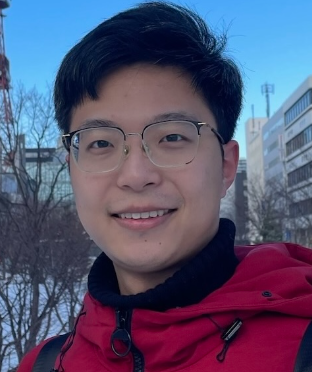 Zhili Liu (刘智立)合作论文数Department of Computer Science and Engineering, Hong Kong University of Science and Technology;AI theory Lab, Huawei Noah’s Ark Lab12
 Jianhua Han合作论文数Huawei Noah Ark's Lab8
 Yu-Gang Jiang (姜育刚)合作论文数College of Intelligent Robotics and Advanced Manufacturing, Fudan University;Institute of Trustworthy Embodied Al, Fudan University8
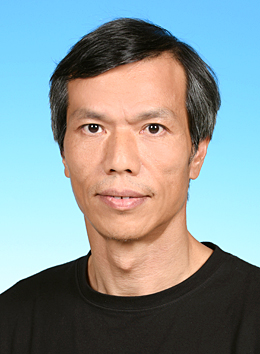 James Tin-Yau KWOK (郭天佑)合作论文数Department of Computer Science and Engineering, School of Engineering, Hong Kong University of Science and Technology8
 Ruiyuan Gao (高瑞元)合作论文数Department of Computer Science and Engineering, Chinese University of Hong Kong;Spatial Intelligence Lab, NVIDIA7
 Jingjing Chen (陈静静)合作论文数Department of Computer Science, School of Computer Science, Fudan University7
 Zhipeng Wei合作论文数Shanghai Collaborative Innovation Center on Intelligent Visual Computing;Shanghai Key Lab of Intelligent Information Processing, School of Computer Science7
 Yunhao Gou (苟耘豪)合作论文数Department of Computer Science and Engineering, Hong Kong University of Science and Technology;Huawei Noah’s Ark Lab6
 Chunjing Xu合作论文数Huawei Technologies Co. Ltd.5
 Yu Zhang (张宇)合作论文数Department of Computer Science and Engineering, College of Engineering, Southern University of Science and Technology5
 Qiang Xu (徐强)合作论文数Department of Computer Science and Engineering, Faculty of Engineering, The Chinese University of Hong Kong;Reliable Computing Laboratory, The Chinese University of Hong Kong5
 Xiaodan Liang (梁小丹)合作论文数School of Intelligent Systems Engineering, Sun Yat-Sen University4
 Huchuan Lu (卢湖川)合作论文数School of Information and Communication Engineering, Dalian University of Technology;School of Future Technology, Dalian University of Technology4
 Xu Jia (贾旭)合作论文数School of Future Technology, Dalian University of Technology4
 Wei Zhang合作论文数Huawei Technology Co., Ltd4Daxin Tan合作论文数3Chaoqiang Ye合作论文数3
 Qun Liu (刘群)合作论文数Huawei3Chao Gong合作论文数2Ziyi Gao合作论文数2Pengxiang Li合作论文数2
 Xiwen Liang合作论文数Sun Yat-sen University2
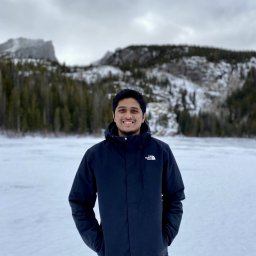 Akshay U. Naik合作论文数Indiana Univ, Sch Informat Comp & Engn, Bloomington, IN 47405 USA2Chunwei Wang合作论文数2Kuo Yang合作论文数2
 Chen Xiao合作论文数Huawei2
 Fei Mi (糜飞)合作论文数Huawei Noah’s Ark Lab2Yihan Zeng合作论文数Huawei Noah's Ark Lab2
 Jing Li (李菁)合作论文数Department of Computing, Faculty of Computer and Mathematical Sciences, The Hong Kong Polytechnic University2
 Ruifeng Xu (徐睿峰)合作论文数School of Intelligence Science and Engineering, College of Artificial Intelligence, Harbin Institute of Technology, Shenzhen2
 Alimoor Reza合作论文数Department of Computer Science, Drexel University2
 Hong Lu (路红)合作论文数College of Computer Science and Artificial Intelligence, Fudan University;Shanghai Key Lab of Intelligent Information Processing, Fudan University2
 Enze Xie (谢恩泽)合作论文数NVIDIA Research2
 Zuxuan Wu (吴祖煊)合作论文数Fudan Vision and Learning Laboratory, School of Computer Science, Fudan University2
 Xiangyang Xue (薛向阳)合作论文数Institute of Science and Technology for Brain-Inspired Intelligence, Fudan University;College of Computer Science and Artificial Intelligence, Fudan University2
 David J. Crandall合作论文数Department of Computer Science, Luddy School of Informatics, Computing, and Engineering, Indiana University;Department of Statistics, Indiana University2Bo Xiao合作论文数1Cai Zhao合作论文数1Zhening Xing合作论文数1Xin Jiang合作论文数1Fei Shen合作论文数1Yanan Sun合作论文数1Weike Jin合作论文数1Jing Xu合作论文数1Wenzhuo Xu合作论文数1




