Reliable, up-to-date biomass data are needed for climate change mitigation and resource efficiency. Therefore, a calculation and reporting tool with thematic maps and data was developed. A free web-tool, Biomass Atlas, collects the spatial distribution of biomasses in Finland. Over 300 data layers present land use, cultivation, residual biomasses from forest, crop production, animal husbandry, municipalities, and industry at 1 km2 spatial resolution. The service enables calculations of biomass amount in a defined geographical area of interest and examining the opportunities and restrictions to utilise biomasses. The service was evaluated with six test-users in laboratory tests and 20 voluntary pilot test-users. Biomass Atlas shows the regional potential of biomaterials, fertilizer products, and renewable energy, as well as potential targets for utilized, recyclable biomass. Other possible uses include monitoring plant cover on fields and assessing land use diversity. Application enables users with no experience in GIS or biomass assessments to analyse biomass resources, produce maps and data summaries for decision making.
Northern agriculture faces a rapidly changing climate with increased weather variability. Yield resilience can be assessed through diversity in responses to critical weather patterns, as demonstrated in several European crops. In this study, we extend the work to demonstrate how the response diversity of barley in Finland has developed over time. A total of 257 barley cultivars tested in 18 locations in Finland during 1980–2020 were clustered according to their yield responses to 12 critical agrometeorological variables. Clustering was based on the scores of the principal component analysis used to group the agrometeorological variables based on the yield responses. To identify the development in the response diversity, the diversity of the clusters cultivated was determined annually. The response diversity increased at the beginning of the 21st century but has declined since 2013. Consequently, the Northern barley cultivar selection has become more vulnerable to weather variation despite an increase of cultivars officially tested. The principal component analysis enabled a more interpretable and meaningful clustering than the formerly performed direct clustering of Finnish barley cultivars according to the agrometeorological variables.
Due to the reduction of cattle farming, the Finnish agricultural sector currently needs solutions to replace animal manure with new sustainable alternatives. This problem is especially acute for organic farms, which need livestock manure to improve soil fertility and soil organic carbon (SOC) to sustain yield. On the other side, plywood manufacturers aim to find ways to reuse waste fractions such as sandy, wet spruce bark waste. To address both issues, a new soil conditioner was developed from crushed bark (CB) and approved for organic farming by the Finnish Food Authority. To test the advantages of CB in organic wheat production, we conducted a two-year field experiment on a farmer’s field in Mikkeli (Finland) on loamy sand with moderate soil fertility (C 3.5%, C/N ratio 17, pH 6.2). CB (organic matter 80%, C/N ratio 78, pH 5.7-6.0) at 40 t ha–1 was applied either in the first year of the experiment or in both years. In addition to CB, half the plots received base ash (4 t ha–1) obtained from a power plant using wood to maintain the optimal soil pH. All plots were fertilised annually with commercial organic fertilisers. The control plots received no CB or base ash. A one-year application of CB with base ash statistically significantly increased the grain yield by 800 kg ha–1 and grain N uptake by about 10 kg ha–1 in the following growing season compared with the control. In terms of grain yield quality, a one-year application of CB with or without base ash already showed an improvement of 1000 seed weight by 2 g in the first year, and the effect was even more pronounced in the second year of the experiment. Hectolitre weight was increased in the following year after application of CB with base ash. In contrast, a two-year application of CB either alone or with base ash caused no changes in grain yield, N uptake, or yield quality compared with the control. The results indicate that the use of spruce CB with a high C/N ratio as soil conditioner in a large amount may be beneficial in terms of yield and quality when it is applied only once, but not twice in successive years. Future studies need to focus on the long-term residual effects of CB on productivity, as well as soil parameters such as SOC, cation exchange capacity, and soil microbial activity. Highlights - Crushed bark (C/N ratio 78) - a side stream of plywood manufacture - was tested in a two-year organic field experiment. - A one-year (40 t ha–1) application of crushed bark with base ash increased yield and the quality of organic wheat. - Residual effects of a one-year application were pronounced. - Crushed bark application in two successive years provided no benefits for organic wheat production.
Adding organic matter in the soil is especially important for organic agriculture, which relies on good soil health for plant production. Crushed bark (CB) of Picea abies (L.) Karsten is a forestry by-product, which has been developed into a new soil conditioner for organic farming. It contains up to 80 % organic matter with C/N ratio of 78 and pH 5.7-6.0, but is rather nutrient poor. Organic field experiments on loamy sand with moderate soil fertility took place in Mikkeli, Finland in 2017-2018 in order to test the substance. The fertilization was based on commercial organic fertilizers: chicken manure and blood meal fertilizer in the first year and meat and bone meal fertilizer in the second one. The treatments were control (only fertilization) and one- or two-year applications of CB (40 t ha-1) with or without base ash (4 t ha-1). Other half of plots were left without substances in 2018. No differences between treatments were observed without the base ash in any of years. A one-year application of crushed bark with base ash increased both spring wheat yield quantity and quality. The statistically significant effects were found for yield, N uptake, grain protein content, 1000-seed weight and hectolitre weight compared to control in 2018, a year after application. Despite the severe drought during that growing season, the wheat yields for CB with base ash and control were 3100 kg ha-1 and 2250 kg ha-1, respectively. The positive effects of soil amendments were not as clear in the first year as in the following. No benefits were visible after two-year successive application of CB either alone or with base ash. Spruce CB in addition with base ash may be beneficial in terms of yield and quality when it is applied only once in large amounts. In our study the effects were overall greater in the following year after the application.
Climate change has concerned the scientific community since the 1970´s, stimulating research into its impacts, adaptation and mitigation. In 1988 the Intergovernmental Panel on Climate Change (IPCC) was established to coordinate the research. The first scientific publications on the effects of climate change on agriculture and forestry in Finland appeared in the early 1980´s. After the launch of the Finnish Research Program on Climate Change (SILMU) in 1990, the number of climate-related projects and publications, and the input of Finnish researchers in the work of the IPCC started to increase. During the subsequent programs, the initial optimism about future crop production conditions changed into an awareness of the threats represented by climate change. Diversity of production and breeding of heat and flooding tolerant, disease resistant and nutrient-use efficient crop varieties were identified as being crucial for adaptation of agriculture. Efficient water management, measures to limit nutrient leaching and timely control of pests and pathogens are also crucial adaptation measures. Carbon storage in soils and biomass and reduced use of organic fields are suggested to be mitigation measures. By 2019, the awareness of the threats of climate change prompted citizens worldwide to demand action, and government programs have begun to include policies addressing reduction of greenhouse gas emissions.
The major elements determining the yield potential of crops during the growing period are temperatures and precipitation patterns. In this study, the effects of temperature and precipitation at key growth phases on yield formation of oats (Avena sativa L.) and barley (Hordeum vulgare L.) were compared using the Finnish official variety trial data (VCU, Value for Cultivation and Use) and farm data (FD) for the period from 1976 to 2018. We examined data of the early growth (0-28 days after sowing), determination of grain number (0-21 days before heading), early grain filling (0-21 days after heading) and the whole growing period. The average yield potential of oats was 300-370 kg ha(-1) higher than that of barley until the turn of the century. Since 2007, the yield of barley has been on average 376 kg ha(-1) higher than that of oats (VCU data). In FD, the yield advantage of barley was evident 10 years earlier (starting from 1997). In the VCU data, there were few major differences in the yield potentials of oats and barley due to different weather events, but when significant differences occurred, they were in favor of oats. In practical farming (FD), the yields of barley were slightly but significantly higher than those of oats in most studied weather events. Oat yields were higher in the FD only when high precipitation occurred during early grain filling or on average during the whole growing period. The results indicate that the predicted higher precipitation and the increased risk of heavy rain events in the future warmer climate will threaten barley production more than oats, unless new flood tolerant varieties are introduced. Early sowing and cool early growth periods are beneficial to both crops. Barley is more sensitive than oats to delayed sowing and to an increase in the temperatures during early growth. During the periods of grain number determination and early grain filling, low temperatures resulted in significantly higher yields in oats than in barley in the VCU data, but at higher temperatures this difference disappeared. This indicates similar tolerance of slight temperature increases in both crops at these growth phases. Temperatures above 28 degrees C during the time frame of anthesis decreased the yields of both crops, with oat yields decreasing more than those of barley. This calls for introduction of new, heat tolerant varieties of both crops, but especially of oats, in the warmer future climate. When the growing period was longer than average or when the precipitation during the growing season was high, barley yields were significantly lower than those of oats in the VCU data and about equal to oats in the FD. Low and medium precipitation levels resulted in no differences in the yields of the two crops in any of the studied growth stages in the VCU data. This contradicts the assumption that oats need more water for yield formation than barley. Climate change will challenge crop production in Finland and globally. Availability of nationally and locally suitable crop varieties will help farmers to prepare and respond to climate change.
Climate change has concerned the scientific community since the 1970´s, stimulating research into its impacts, adaptation and mitigation. In 1988 the Intergovernmental Panel on Climate Change (IPCC) was established to coordinate the research. The first scientific publications on the effects of climate change on agriculture and forestry in Finland appeared in the early 1980´s. After the launch of the Finnish Research Program on Climate Change (SILMU) in 1990, the number of climate-related projects and publications, and the input of Finnish researchers in the work of the IPCC started to increase. During the subsequent programs, the initial optimism about future crop production conditions changed into an awareness of the threats represented by climate change. Diversity of production and breeding of heat and flooding tolerant, disease resistant and nutrient-use efficient crop varieties were identified as being crucial for adaptation of agriculture. Efficient water management, measures to limit nutrient leaching and timely control of pests and pathogens are also crucial adaptation measures. Carbon storage in soils and biomass and reduced use of organic fields are suggested to be mitigation measures. By 2019, the awareness of the threats of climate change prompted citizens worldwide to demand action, and government programs have begun to include policies addressing reduction of greenhouse gas emissions.
The official variety trials at Rovaniemi, Finland (66.58°N, 26.01°E) in 1980–2017 show a substantial increase in dry matter yields (DMY) of timothy (Phleum pratense), meadow fescue (Festuca pratensis) and tall fescue (Festuca arundinacea), coinciding with a 156 °Cd increase in the average growing season Tsum and a 461 °Cd decrease in the average winter frost sum for the same period. The annual DMY of timothy was 3128, 4668, 8385 and 9352 kg ha-1 in the periods (P) 1980–1989 (P1), 1990–1999 (P2), 2000–2009 (P3), and 2010–2017 (P4). The first cut yielded 1792, 2166, 4008 and 4473, and the second cut 1337, 2503, 4378 and 4879 kg ha-1, respectively. Yields of meadow fescue followed a similar pattern. The first cut was about ten days and the second cut about one week earlier on P4 than on P1. Shorter snow cover period, milder winters, higher live ground cover of timothy in spring, and higher temperature sum during the growing season were most likely responsible for the yield increase. The results indicate a strong impact of climate change on DMY of perennial forage crops in the north.
We estimated the effects of different cutting heights and harvesting strategies on the amounts of harvestable residue biomasses and allocation of residue biomasses in the soil. A case study on regional straw biomass resources was performed with the different crops cultivated in Varsinais-Suomi (Southern Finland) at present (averages of 2003–2012) and in the predicted future warmer climate (scenario RCP 4.5, year 2055). We also estimated, with the help of the Yasso07 model, the effects of different residue incorporation intensities on soil organic carbon (SOC) at present and in the future warmer climate. The results suggested that cutting height has a significant impact on the amount of straw biomass incorporated in the soil and subsequent change in SOC. The impact depended on crop species and variety. When straw is collected and used e.g. in energy production, harvesting practices leaving greater stubble heights could help to maintain soil fertility. The Yasso07 model suggests that in the predicted future warmer conditions, more straw could be collected without decreasing SOC, as mineralization of SOC in the warmer climate is expected to increase less than organic carbon amendments caused by higher crop and root biomasses. Collection and usage of straw as a renewable energy source always decreases greenhouse gas (GHG) emissions in comparison to fossil fuels. However, collecting straw every second year instead of every year, even with higher stubble, would decrease field traffic and spare the soil from compaction and the farmer from extra work, while still significantly decreasing GHG emissions.
The climate in high latitudes is characterized by large variability in the weather, leading to significant and diverse risks in agriculture. This study aimed to ascertain the most harmful weather events for different crops, and identify the potential for improving resilience of high-latitude agricultural systems to climate change and variability through diversified crop choices. Weather-related crop losses were characterized according to the relevant literature, and the knowledge gaps were reduced using analyses of original data. The study included the major field crops: spring and winter cereals, rapeseed and forage crops. Data from the Finnish Meteorological Institute were used to calculate the probabilities of occurrence of each of the weather constraints identified. By multiplying the crop loss by the probability of the constraint, the harmfulness of each single event was identified and ranked. Harmfulness was further coupled with the means available for a farmer to avoid or recover from climatic constraints, in order to assess adaptive capacity. For spring cereals, drought-and elevated temperature-related hindrances predominated as the most harmful events. For winter cereals and forage crops, overwintering damage caused by mild to cold shifts during wintertime was an example of insufficient adaptive capacity. For rapeseed, pest invasions, elevated temperatures and night frosts were among the most challenging events. Due to the sometimes striking differences between crops in their vulnerability to climatological constraints, future means for improving resilience to weather events and variability at high latitudes may be offered by more diverse crop choices.
Global warming is likely to prolong the growing season at high latitudes where the brevity of the growing season currently limits crop growth and yields. A longer growing season, elevated atmospheric carbon dioxide (CO2), dedicated plant breeding, and adjusted agronomic practices could open new avenues to increase yield potential while reducing risks of various abiotic stresses such as inadequate precipitation. We used statistical and simulation modelling approaches to determine whether future estimates for elevated yield potentials match projected changes (according to the high-emission SRES A2 scenario) in precipitation patterns and volumes, essential prerequisites for high-latitude rainfed agroecosystems. The statistical approach used long-term data sets to estimate future changes in yield potentials resulting from extension of the growing season and new, better adapted cultivars through plant breeding. Estimated increases in potential yield and biomass were 20–54 kg ha−1 per annum for grain or seed yield, depending on crop, excluding the effects of elevated (CO2). We also applied a crop simulation approach, using the WOFOST model, with barley (Hordeum vulgare L.) as a test crop, to simulate the impact of changing mean climate and the CO2 fertilisation on biomass development and yield formation under optimal nutrient supply, favourable soils, and complete plant protection. Elevated CO2 alleviated the drought effects. However, drought risk increased as the projected increases in precipitation seemed insufficient to meet the increasing needs of the potentially higher crop biomasses. Therefore, irrigation systems need to be developed to realise the future higher yield potentials in northern European agricultural systems.
Northern growing conditions as they are described here are exceptional as they combine many conditions and features in such a way that is only typical for the globally northernmost, high latitude agricultural regions. Such conditions combine, e.g. harsh winters, long days in growing season, rapidly increasing but generally cool mean temperatures, risk of night frosts in early and late growing season, early summer drought and risk of abundant precipitation close to harvest. Successful crop production under such conditions requires specific adaptation mechanisms to cope with climatic exceptionalities and handicaps. But they are, however, only part of the challenge that the northern agricultural systems face as also substantial fluctuations in climatic conditions that occur within and among years and seasons call for specific means to improve yield stability and the environmental footprint of agriculture. Crop physiological understanding provides essential basic tools to develop cropping systems so that they can better meet the increasingly complex sustainability goals set for present and future production: meaning not only environmental sustainability but also in socioeconomical meaning. This chapter characterizes the prevailing growing conditions and means to cope with them in cereal-based cropping systems and envisages some primary changes in conditions that call for additional adaptation strategies and means in the future.
 Pirjo Peltonen Sainio合作论文数Natural Resources Institute Finland (Luke)23
 Lauri Jauhiainen合作论文数MTT Agrifood Research Finland21
 Marjo Keskitalo合作论文数18
 Erja Huusela合作论文数Natural Resources Institute Finland (Luke), Tietotie 4, FI-31600 Jokioinen, Finland11
 Oiva Niemelainen合作论文数11Hannu Känkänen合作论文数10
 Tapio Salo合作论文数Natural Resources Institute Finland (Luke)9Sari J. Himanen合作论文数Department of Environmental Science;University of Kuopio;Agrifood Research Finland;Department of Plant Sciences;University of Tennessee;University of Kuopio, University of Tennessee9Katri Pahkala合作论文数9
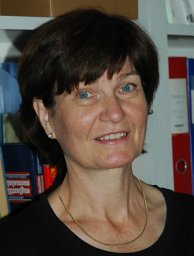 Marja Jalli合作论文数Plant Production Research9Asko Hannukkala合作论文数9
 Helena Kahiluoto合作论文数Agricultural Research Centre of Finland8Heikki Jalli合作论文数7Reimund P. Rötter合作论文数6Janne Kaseva合作论文数Natural Resources Institute Finland (Luke), Finland6timo kaukoranta合作论文数5
 Hannu Ojanen合作论文数Services Unit5Päivi Kurki合作论文数4Taija Sinkko合作论文数4hannamaija nikunen合作论文数4sari peltonen合作论文数4Markku Kontturi合作论文数4Ansa Palojarvi合作论文数Agricultural Research Centre of Finland;Department of Biological and Environmental Science;University of Jyvaskyla;Agricultural Research Centre of Finland, University of Jyvaskyla4Lassi Similä合作论文数3Maija Ruska合作论文数3
 Saila Karhu合作论文数Natural Resources Institute Finland (Luke), 00790 Helsinki, Finland3Koreneff, G.合作论文数3
 Elise Ketoja合作论文数Data and Information Services, FIN-31600 Jokioinen, Finland3
 Tiina Koljonen合作论文数Risø Kaare Gether3Kimmo Ruosteenoja合作论文数Ilmatieteen Laitos3Antti Lehtila合作论文数3
 Ari Rajala合作论文数3
 Sirpa Kurppa合作论文数MTT Agrifood Research Finland3Christian Eriksson合作论文数3
 Tommi Ekholm合作论文数CENTRE OF FINLAND3Arja Halinen合作论文数2Heidi Rintamäki合作论文数2
 Søren E Larsen合作论文数2Antti Laine合作论文数2Heli Vuorio合作论文数2
 Niclas Scott Bentsen合作论文数Department of Geosciences and Natural Resource Management, Faculty of Science, University of Copenhagen2
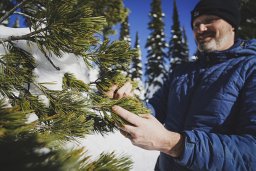 Brian Kittler合作论文数Amer Forests2
 Martyn N. Futter合作论文数Department of Aquatic Sciences and Assessment, Swedish University of Agricultural Sciences2Lina Beniušienė合作论文数2Mikko Laapas合作论文数Finnish Meteorol Inst2
 Thomas Horschig合作论文数2
 Vita Tilvikiene合作论文数2Trnka Mirek合作论文数2
 Arja Seppala合作论文数2




