In this contribution, Part I, we present a coupled thermo-hydro-mechanical formulation for modeling and analyzing water-to-ice phase change in a deformable fully-saturated porous medium. It is implemented in the multi-physics computational platform OpenGeoSys-6. We compute a series of carefully designed benchmark problems which critically examine the corresponding formulation components and the overall implementation. Several ingredients that have a qualitative and quantitative impact on the numerical results are identified, particularly dissected and commented on. Simulations also account for soil deformation induced by freezing (as a result of 9
Data Science (Digitalization and Artificial Intelligence) became more than an important facilitator in various domains in fundamental and applied sciences as well as industry and is disrupting the way of research already to a large extent. Originally, data sciences were viewed to be well-suited, especially, for data-intensive applications such as image processing, pattern recognition, etc. In the recent past, particularly, data-driven and physics-inspired machine learning methods have been developed to an extent that they accelerate numerical simulations and became directly applied in the nuclear waste management cycle. In addition to process-based approaches for creating surrogate models, other disciplines such as virtual reality methods and high-performance computing are leveraging the potential of data sciences more and more. The present challenge is utilizing of the best experimental and monitoring data as well as model concepts and tools to integrate multi-chemical-physical, coupled processes, multi-scale and probabilistic simulations in Digital Twins (DT) able to mirror or predict the performance of its corresponding existing or future physical implementations including workflows. The call for the Topical Collection was initiated from different actors, including research entities, technical support organizations and nuclear waste management organizations of the European projects EURAD (European Joint Programme on Radioactive Waste Management) and PREDIS (Pre-disposal Management of Radioactive Waste). The Topical Collection attracted a large number of manuscripts, more than eighty of which were published. These articles reveal a strong academic focus on using machine learning to map and assess soil and groundwater resources, hydrology and land use, landslides, and climate protection. They also highlight the core theme of nuclear waste management.
In Germany, the search for a repository for high-level radioactive waste aims to identify the most suitable location for a deep geological repository in one of three types of host rock: salt, clay or crystalline rock. To this end, the Federal Company for Radioactive Waste Disposal (BGE) is conducting a series of increasingly refined safety assessments. In the upcoming Phase II of the site selection process, these assessments will be carried out at the level of several siting regions. Surface exploration will take place alongside the safety assessments.A key aspect of these safety assessments is the numerical simulation of coupled thermal, hydraulic, mechanical and chemical (THMC) processes within the repository system. In the BGE-funded OpenWorkFlow project (Lehmann et al., 2024), we are developing automated simulation workflows to support this. These workflows will enable the efficient analysis of different siting regions and the easy variation of model parameters and geometries. For example, they will facilitate uncertainty analyses and modelling of different scenarios (features, events and processes, FEPs), as well as the quick adoption of data updates during the site selection process. Furthermore, automation ensures the reproducibility of analyses.This contribution provides an overview of the current development status of the OpenWorkFlow platform. Among other things, we discuss the modularity of workflows. We demonstrate how various (partial) couplings of the THMC processes and the necessary parameterisations relevant to different scenario simulations and queries are implemented at workflow level. We present our approach to long-term workflow maintenance (Bilke et al., 2025). Finally, we discuss the traceability and verifiability of our workflows.ReferencesBilke, L., Fischer, T., Naumov, D. et al. (2025): Reproducible HPC software deployments, simulations, and workflows – a case study for far-field deep geological repository assessment. Environ Earth Sci 84, 502. https://doi.org/10.1007/s12665-025-12501-zLehmann, C., Bilke, L., Buchwald, J. et al. (2024): OpenWorkFlow—Development of an open-source synthesis-platform for safety investigations in the site selection process. Grundwasser - Zeitschrift der Fachsektion Hydrogeologie 29, 31–47. https://doi.org/10.1007/s00767-024-00566-9
The integration of artificial intelligence into Earth system models (ESMs) has revolutionized the simulation and prediction of complex environmental dynamics. However, this shift introduces substantial challenges for reproducibility, a cornerstone of scientific progress. In particular, artificial intelligence-infused hybrid ESMs face amplified issues of numerical instability, procedural opacity and asymmetric access to computational resources. If left unaddressed, these challenges risk turning hybrid ESMs into opaque and weakly verifiable systems, reducing model traceability, weakening cumulative knowledge building and narrowing the evidential basis for climate risk assessment and policy guidance. This Perspective argues that reproducibility should be reframed to reflect the epistemological and operational realities of hybrid ESMs. We propose an integrated roadmap that couples a theory of reproducibility assessment with practical pathways for implementation in modelling practices. Within this context, we introduce Reproducibility in hybrid Earth system models (RHEM) as a reference guideline for governing transparent, trustworthy, and reproducible hybrid ESMs. Building on this foundation, the pathways operationalize the framework’s criteria into actionable measures that embed transparency and trustworthiness in the modelling process itself. By linking conceptual structure with operational guidance, reproducibility is repositioned from a post hoc requirement to a structural property of hybrid ESMs and established as a foundational principle for Earth system science in the artificial intelligence era. AI integration in Earth system models enhances prediction and modelling capabilities but also amplifies challenges for reproducibility. This Perspective introduces a framework for assessing reproducibility and provides practical ways to strengthen reproducibility in hybrid Earth system models.
Natural gas hydrates are increasingly recognized as a promising alternative to traditional energy. The intricate thermo-hydro-chemo-mechanical (THMC) coupled process during in-situ hydrate exploitation poses substantial challenges for numerical modeling. This paper develops a THMC model to investigate the reservoir behavior during the hydrate dissociation based on the open-source FEM code OpenGeoSys, characterized by robust convergence. Locally, a nonlinear complementary problem (NCP) approach is employed to handle the strong nonlinearity associated with phase (dis)appearance, and a fourth-order Runge-Kutta (RK4) method is utilized to calculate the hydrate saturation. Globally, persistent primary variables are introduced to uniformly describe single-/two-phase flow. The THMC coupled process of the first offshore hydrate production test in the South China Sea has been investigated using this model. Results show that a local temperature rise appears in the free gas layer for heat convection from the underburden layer and the dissociation front exhibits a triangular distribution due to heat convection and liquid-gas migration. Moreover, inhomogeneous reservoir deformation and low gas production rate/gas-water ratio occur, where the gas production can be notably enhanced by decreasing permeability in the underburden layer. These findings provide valuable insights into optimizing the efficiency and safety of gas hydrate exploitation.
Abstract Within the KONATES project, a pilot system was set up in the Science Park in Leipzig to investigate the feasibility of combining Aquifer Thermal Energy Storage (ATES) with groundwater remediation. Along with the circulation and storage of heat through groundwater, a novel zeolite adsorbent and stripping module were used to remove chlorinated hydrocarbons from the extracted groundwater. However, the operation of the ATES system posed challenges due to urban constraints, primarily related to temperature limits and complex infrastructure. To address these limitations, a 3D numerical model was developed to simulate hydraulic and heat transport processes. The model predicted that the ATES system could operate in 10-day active phases at $$0.6\,\text{m}^3$$ 0.6 m 3 /h and $$70\,^\circ$$ 70 ∘ injection temperatures with one day of storage time, resulting in a maximum $$4\,^\circ$$ 4 ∘ C groundwater temperature increase at the boundary to the neighbouring properties. This work demonstrates the usability of 3D coupled hydrothermal models in designing ATES systems in a complex urban environment.
The present work deals with the fracture mechanics of crystalline rocks and in particular with the barrier integrity for the isolation of hazardous waste. The experimental data base is derived from the GREAT cell, a rock mechanics facility at the University of Edinburgh. The GREAT cell is a unique experimental facility that allows the investigation of thermo-hydro-mechanical (THM) processes in fractured rocks in rotating stress fields. The main idea of this work is to define a systematic benchmark suite for the development and testing of hydro-mechanical (HM) fracture mechanics codes based on GREAT cell experiments. The benchmarks represent simplifications of the original experiments to facilitate code testing. Two numerical fracture mechanics methods were used to simulate the complete benchmark suite, namely the variational phase field (VPF) and the lower-order interface element (LIE) methods. The numerical methods as well as Jupyter notebooks for pre- and post-processing are available in the open-source platform OpenGeoSys, following the FAIR principles of open science. This work is part of the DECOVALEX 2027 project, an international project to validate models and codes against experimental data.
The expansion of island infrastructure contributes to an increase in impermeable surfaces, adversely affecting the replenishment of freshwater lenses and thereby posing a threat to the water security of island residents. To counteract this, cut-off walls—a traditional method for preventing seawater intrusion—have proven effective in enhancing the volumes of freshwater aquifers. Employing a site-scale numerical model, this study investigates the influence of impervious surfaces on the morphology and distribution of island freshwater lenses and assesses the effectiveness of cut-off walls in preserving freshwater reserves in such contexts. Findings suggest that an increase in the extent of impermeable surfaces correlates with a decrease in the thickness of freshwater lenses and a displacement of their central point away from the impervious surface. Furthermore, the placement and depth of cut-off walls significantly influence their efficacy in increasing freshwater lens volumes and mitigating the negative impacts of impermeable surfaces on underground freshwater resources. The greatest effectiveness is achieved when these walls are positioned closer to the shoreline and at an optimal depth—identified in this study as 15 m for scenarios with 150 m of impermeable surface length. Beyond this depth, the increase in freshwater volume becomes marginally reduced.
The verification and validation of complex models for the numerical simulation of nonlinear, coupled multiphysical processes plays a central role in the preparation of reliable safety analyses, e.g. for the deep geological disposal of radioactive waste, but also for the design of geotechnical facilities, e.g. for the use of geothermal energy systems or energy storage.The DECOVALEX project (Birkholzer et al. 2025, Kolditz et al. 2025) has been dedicated to the validation of coupled process models for many years, in particular using experimental data from various underground laboratories worldwide. New model developments and the corresponding model validations also play an important role in the European partnership project EURAD (Churakow et al. 2024).The Model Hub introduces a new concept for benchmarking according to the FAIR principles (Bilke et al. 2025). It is a web platform on which benchmarks are jointly developed, tested and made available using Jupyter Notebooks. The aim is to develop an interactive platform for benchmarking and to be able to test results ‘live’. Pre- and post-processing is supported by the Python library OGSTools. Benchmarking can be performed online via Binder, with quality assurance provided through automation. The Model Hub concept is being developed as part of the DigBen project (BMFTR funding grant 03G0927) in close cooperation between UFZ, TUBAF and Federal Institute for Geosciences and Natural Resources (BGR), and is already being used in the DECOVALEX and EURAD projects.ReferencesBilke, L., Fischer, T., Naumov, D. et al. (2025): Reproducible HPC software deployments, simulations, and workflows – a case study for far-field deep geological repository assessment. Environ Earth Sci 84, 502. https://doi.org/10.1007/s12665-025-12501-zBirkholzer, J.T., Graupner, B.J., Harrington and et al. (2025): DECOVALEX-2023: An international collaboration for advancing the understanding and modeling of coupled thermo-hydro-mechanical-chemical (THMC) processes in geological systems. Geomech. Energy Environ. 42 , art. 100685 10.1016/j.gete.2025.100685Churakov, S.V., Claret, F., Idiart, A. et al. (2024): Position paper on high fidelity simulations for coupled processes, multi-physics and chemistry in geological disposal of nuclear waste. Environ. Earth Sci. 83 (17), art. 521 10.1007/s12665-024-11832-7Kolditz, O., McDermott, C., Yoon, J.S. et al. (2025): A systematic model- and experimental approach to hydro-mechanical and thermo-mechanical fracture processes in crystalline rocks Geomech. Energy Environ. 41 , art. 100616 10.1016/j.gete.2024.100616Model-Hub (mock-up): https://www.opengeosys.org/stable/hub/OGSTools: https://ogstools.opengeosys.org/stable/
The APaRat-project investigates radionuclide transport through geological barriers over the one-million-year timescale, with the goal of supporting long-term safety assessments for deep geological repositories (DGRs). It aims to define conservative yet realistic scenarios in transport of uranium and iodine on the host-rock scale, defining benchmarks to be computed for safety analysis of geological barriers. To this end, specific models are set up for clay-, crystalline- and salt-rock, exhibiting unfavorable geological conditions and evolutions, which reflect possible long-term developments of the repository system and are used to quantify the transport of radionuclides as well as their potential release from the containment-providing rock zone. Focusing on the host rock and on processes induced by the repository itself, relevant physical couplings affecting radionuclide transport as well as the key geochemical parameters affecting radionuclide mobility should be identified. The approach emphasizes the importance of material parameter variations, model sensitivity, conceptual simplifications, dimensionality reduction, and the influence of fractures and disturbance zones. A central aspect is the application of containment indicators according to the German regulation, which are used to assess potential radionuclide release through the geological barrier. Numerical simulations are implemented using OpenGeoSys supported by automated software workflows. Preliminary results from benchmark studies and model setup workflows will be presented. AcknowledgmentThis work has been funded by the German Federal Office for the Safety of Nuclear Waste Management. Project APaRat: „Auswirkungen von Parametervariationen auf den Radionuklidtransport“ (“Effects of Parameter Variations on Radionuclide Transport”) (BASE research contract 4724F10301)
ABSTRACTWe present a comprehensive model to simulate fracture nucleation and propagation in porous media, incorporating chemical reactions. This model integrates three main processes: fluid flow in porous media, reactive transport, and the mechanical deformation of fractured porous media using a variational phase‐field approach. To account for chemical reactions, we use the geochemical package PHREEQC, coupled with a finite‐element transport solver (OpenGeoSys), to model reactions in both thermodynamic equilibrium and kinetically, considering changes in porosity. To represent chemical damage, we introduce a variable that ranges from intact material to fully damaged material. This variable accounts for changes in porosity as a result of chemical reactions, separate from the mechanical damage represented by the phase‐field variable. We test our model through various examples to showcase its ability to capture fracture nucleation and propagation driven by chemical reactions. Our model is implemented within the open‐source finite element framework OpenGeoSys.
The DECOVALEX initiative is an international research collaboration (www.decovalex.org), initiated in 1992, for advancing the understanding and modeling of coupled thermo-hydro-mechanical-chemical (THMC) processes in geological systems. DECOVALEX stands for “DEvelopment of COupled Models and VALidation against EXperiments”. The creation of this international initiative was motivated by the recognition that prediction of these coupled effects is an essential part of the performance and safety assessment of geologic disposal systems for radioactive waste and spent nuclear fuel. DECOVALEX emphasizes joint analysis and comparative modeling of the complex perturbations and coupled processes in geologic repositories and how these impact long-term performance predictions. The most recent phase of the DECOVALEX Project, here referred to as DECOVALEX-2023, started in early 2020 and ended in late 2023. More than fifty research teams associated with 17 international DECOVALEX partner organizations participated in the comparative evaluation of eight modeling tasks covering a wide range of spatial and temporal scales, geological formations, and coupled processes. This Virtual Special Issue on DECOVALEX-2023 provides an in-depth overview of these collaborative research efforts and how these have advanced the state-of-the-art of understanding and modeling coupled THMC processes. While primarily focused on radioactive waste, much of the work included here has wider application to many geoengineering topics.
PurposeIn high-temperature geothermal fields, interpretation of the dynamic two-phase state inside the production wells under different wellhead conditions are important to effectively use the geothermal heat source. Therefore, the corresponding wellbore models must have the capability to simulate transient flow and energy state in geothermal wellbores, as well as advective and conductive heat and mass interactions with surrounding formation.MethodsIn this study, a transient two-phase wellbore model is developed and implemented in the open source software OpenGeoSys, to simulate both flow and energy state in the wellbore, as well as advective and conductive heat and mass interactions with surrounding formation. The model is first verified against analytical solutions and numerical results from the open-source simulator FloWell. The model is then further validated with well logging data from the Yangyi geothermal field in Tibet, China.ResultsBased on the simulation results of the parametric analysis, the conductive heat loss of the high-velocity geothermal production well in the Yangyi geothermal field is found to be limited and the influence can be safely neglected after 8 h of discharge. The flash point location in the wellbore moves upwards for 112 m along with the decrease in fluid enthalpy by 200 kJ/kg. In the wellbore shut-in process, the wellhead pressure decreases with decreasing velocity, while the location of the flash point does not change much. After wellbore shut-in, a two-phase state still exists in the closed wellbore, and the temperature profile is dominated by conductive heat exchange with the surrounding formation. Taking into account the impact of the feed zone, the mass flow rate of the ZK203 well in the Yangyi geothermal field increases from 122.87 to 126.26 t/h when the wellhead pressure decreases from 1.26 to 1.18 MPa.ConclusionThe open-source two-phase wellbore model developed and implemented in this work provides preliminary insights into the transition and evolution of the two-phase state in high-temperature production wells considering advective and conductive interactions with the surrounding formation.
To assess the present and future conditions of potential deep geological repository sites, understanding their evolution in the past is mandatory. Here, glaciation cycles strongly affected the long-term thermo-hydro-mechanical (THM) evolution of the geosystem. The AREHS project studied the effects of changing boundary conditions (BCs) on the long-term evolution of large-scale hydrogeological systems. The focus is on numerical modeling the far-field using the open-source multi-field finite element code OpenGeoSys with full THM coupling. The impact of the glacial THM loading is taken into account using complex time-dependent THM BCs. In the present study, a generic geological model for a clay host rock formation including predominantly sedimentary rock layers is applied. The elasto-plastic behavior of all the layers is described with the Modified Cam clay model. Thus, a range of relevant effects (dilatancy, contractancy, consolidation etc.) can be considered with few material parameters. Special emphasis is put on the specification of a suitable initial state: To this end, an initial simulation is carried out, where a reasonable plastic pre-consolidation is adjusted. Then, the thermodynamic state is transferred in full to the subsequent 2D simulation of two glacial cycles. As a main result, the glacial cycles lead to persistent deviations in the subsurface, e.g. long-term pressure anomalies. Large glacial over- and underpressure cells disturb the in-situ hydraulic gradients and alter the flow fields around the DGR. As the host rock horizons represent aquitard layers they prevent periglacial circulation flow. No dilatant deformation was observed in this study. Contractant plastic deformation in combination with the HM coupling plays an important role as it significantly increases pore pressure peaks during glacial transit.
The paper presents the key findings of Task G SAFENET of the DECOVALEX 2023 project "Safety Assessment of Fluid Flow, Shear, Thermal and Reaction Processes within Crystalline Rock Fracture NETworks". It utilizes a systematic and experimental approach to numerically simulate mechanical (M), hydro-mechanical (HM), and thermo-mechanical (TM) fracture processes in brittle rocks. The Task team introduced, applied, and compared a wide range of numerical methods, including both continuum and discontinuum methods, for simulating related fracture processes. Task G is based on three key experiments: the Freiberg, GREAT cell, and KICT experiments, which analyze M, HM, and TM processes respectively. Classic HM and THM benchmark exercises serve as a common basis by using analytical solutions for a plane line discontinuity in a poro-elastic medium (Sneddon and Lowengrub, 1969) and a point heat source in a thermo-poro-elastic medium (Booker and Savvidou, 1985), (Chaudhry et al., 2019). These solutions also serve as a reference for rough fractures and simple fracture networks. A systematic set of new benchmark cases has been derived based on the GREAT cell experiments. An analysis of the constant normal load (CNL) experiment has been conducted using micro- and macroscopic approaches, based on the Freiberg experiment. The GREAT cell experiments provided a database for evaluating the mechanical and hydro-mechanical responses of various rock samples (resin, greywacke, gneis) in triaxial tests with a rotational stress field. Fracture permeability was determined as a function of normal stresses in the rotational stress field. The KICT experiments were used to investigate thermally induced shear slip and dilation processes. The SAFENET Task contributed to the Open Science concept in DECOVALEX by providing a freely accessible Jupyter notebooks for selected benchmark exercises.
The GeoLaB infrastructure currently in planning stages will be the first underground research laboratory (URL) for investigating the sustainable und safe use of deep geothermal energy in Germany. The Odenwald is currently being investigated as a potential candidate for the GeoLaB. To support researchers from multiple research centres in Germany, a digital infrastructure has been developed for a digital twin of the laboratory. A 3D visualisation of the surrounding area has been modelled, containing geographical, hydrological, geological, and administrative data. On the surface, this gives an overview of settlements, protection areas, land use and much more. In addition, the subsurface includes detailed information on geological layers and existing boreholes. Currently seismic and hydrological campaigns are conducted in the area and test drillings are being performed. All the available data from these campaigns will be added into the visualisation framework along with the layout of a potential tunnel system. This system serves to support the planning stage of the project and provide information for knowledge transfer activities for stakeholders and the public. The visualisation is interactive and users can explore the integrated datasets. Supplemental information such as websites, videos, or documents can be linked to specific structures to provide additional information. Already set up data loggers and sensors are being shown and measured data can be accessed by simply clicking the respective 3D representation.To allow this kind of real time data access and interaction, a complex data management system has been set up for storing a large collection of heterogeneous data related to the location, the infrastructure, measurement campaigns, experiments, and any other data within the context of GeoLaB. It contains not only geoscientific data that is feeding the digital twin of the laboratory, but also documentation, public relations material, publications and much more.Over time, with more data being gathered and measured this system will be gradually expanded. The functionality to integrate the results of numerical simulations has already been implemented into the framework. This allows to compare observed and simulated data for more reliable insights into complex hydro-thermal-mechanical and chemical processes within the host rock and will provide a large benefit during both the planning and the productive stage, when research experiments within the tunnel system are being set up. For now, this visualisation and the data management framework provide an interactive overview of all the available project-related data in a unified context and give a descriptive and intuitive presentation of the site and ongoing activities. In the future, the system will be expanded into a full digital twin of the site to explore and check many aspects of the ongoing research activities within GeoLaB. We will also briefly present the GeoDT project, which is specifically dedicated to the data and model integration of the Odenwald site.
It is challenging to quantitatively predict shearing of intersecting fractures/faults because of dynamic frictional contacts accompanied by possible nonlinear rock deformation. To address such challenges, a new conceptual model—the simplified DFN model—was proposed and validated by Hu et al.46 to use major paths (MPs) to represent complicated DFNs for calculation of shearing. In this work, we conducted a benchmark study for three examples that involve different levels of complexity of intersecting fractures, and correspondingly different numbers of MPs. The codes and software that were used in the benchmark cover a range of continuum, discontinuum and hybrid numerical methods: NMM (LBNL), FLAC3D (LBNL), GBDEM (KIGAM), FRACOD (DynaFrax), and CASRock (CAS). The general consistency between DFN and MP cases as predicted by all the codes/software demonstrates that major paths can be used to simplify the geometry of DFNs in a wide range of software. Disagreement in results made by some software and potential future improvements are discussed. We show that (1) shearing of one or multiple major fractures can be reduced if there are multiple smaller intersecting fractures in that area, which is a useful basis for understanding and controlling induced seismicity and merits further analysis, and (2) the agreement achieved in the benchmark examples provide confidence that the simplified DFN model is a promising conceptual model that can be used for different types of numerical approaches and software for simplifying the analysis of the shearing of intersecting fractures and faults.
This study explores the numerical simulation of gas transport in low-permeable rocks, specifically focusing on clay rock. Utilizing the finite-element method, we examine the transition from single-phase to two-phase flow conditions. Our approach diverges from traditional methods by avoiding persistent primary variables or variable switching. We validate our methodology through two benchmark tests: the first simulates gas injection relevant to radioactive waste disposal, while the second models a core drilling experiment that induces mechanical unloading.Our findings are significant for understanding gas behavior in geological formations, particularly in the context of nuclear waste disposal and CO2 storage. We offer a novel perspective on managing phase transitions in non-isothermal environments, bolstered by an extensive analysis of secondary variables. The outcomes of this research contribute to the improved modeling of large-scale repository systems, highlighting the intricacies and complexities involved in gas transport within clay rock.This paper not only provides insights into the physical processes underpinning gas movement in these environments but also proposes a scalable and adaptable framework for future research in similar geological contexts.
Proper understanding and handling of uncertainties is critical for the development of safe and reliable facilities for long-term storage of nuclear waste. To prove their safety, numerical simulations are commonly used. They are based on models including physical processes, constitutive assumptions, material parameters, etc. Numerical simulations only approximate the observed reality. Among sources for this mismatch between observations and simulation results are uncertainties in selecting a correct model of the physical processes taking place in the subsurface and uncertainties in parameter values. The impact they can have on the results of the numerical simulations and conclusions drawn from them can be significant and needs to be explored to improve the trust in demonstrations of safety derived from models and numerical simulations. In this study, this will be done by a joint investigation of uncertainties originating from process model selection and parameter calibration. Existing literature suggests a potentially significant impact of thermo-osmosis (TO) on pore pressure evolution as a result of thermal gradients in clay rocks around nuclear waste canisters. In this study, different process models will be confronted with the common belief that more complex models (with more degrees of freedom) will always yield a better match with data. In this perspective, it could be argued that expanding the physical process with TO can be abused for parameter tweaking, leading to overfitting the observed data independent of physical adequacy. To disprove this, uncertainty quantification and sensitivity analysis methods will be applied to test the impact of multiple combinations of assumptions about physical process, relevance of TO and model parameter values to show that it may not necessarily be the most complex model that will represent the observed data best in a plausible manner.
 Wenqing Wang合作论文数University of Tübingen Center for Applied Geosciences132
 Nagel Thomas合作论文数School of Engineering, Trinity College Dublin116
 Haibing Shao合作论文数Department of Environmental Informatics, Helmholtz Centre for Environmental Research88
 Thomas Kalbacher合作论文数Department of Environmental Informatics, Helmholtz Centre for Environmental Research56
 Karsten Rink合作论文数53
 Norihiro Watanabe合作论文数Japan Society for the Promotion of Science40Uwe-Jens Görke合作论文数38Norbert Bottcher合作论文数Institute for Groundwater Management, Technische Universität Dresden37Hua Shao合作论文数Bundesanstalt für Geowissenschaften und Rohstoffe (BGR), Stilleweg 2, D-30655 Hannover, Germany36
 Lars Bilke合作论文数Department of Environmental Informatics, Helmholtz Centre for Environmental Research (UFZ),35Dmitri Naumov合作论文数Helmholtz Centre Potsdam, GFZ German Research Centre for Geosciences35
 Christopher McDermott合作论文数School of Geosciences, College of Science and Engineering, The University of Edinburgh33
 Sebastian Bauer合作论文数33
 Jens-Olaf Delfs合作论文数Department Umweltinformatik, Helmholtz-Zentrum für Umweltforschung – UFZ Leipzig33Thomas Fischer合作论文数30
 Marc Walther合作论文数Alcohol Department;Hospital Clinic;Alcohol Department, Hospital Clinic28
 Chan Hee Park合作论文数27
 Joshua Taron合作论文数Department of Energy and Geo-Environmental Engineering;Pennsylvania State University;Department of Energy and Geo-Environmental Engineering, Pennsylvania State University25
 Jonny Rutqvist合作论文数Lawrence Berkeley National Laboratory22
 Bjorn Zehner合作论文数22
 Jens Birkholzer合作论文数Energy Geosciences Division, Energy & Geosciences Department, Lawrence Berkeley National Laboratory22
 Peter Dietrich合作论文数19Christof Beyer合作论文数19
 Georg Kosakowski合作论文数Laboratory for Waste Management, Center for Nuclear Engineering and Sciences, Paul Scherrer Institute19H. Shao合作论文数18Christoph Lehmann合作论文数Centre for Environmental Geosciences, Helmholtz-Centre for Environmental Research – UFZ Leipzig GmbH18
 Keita Yoshioka合作论文数Energy Technology Company17
 Werner Zielke合作论文数Universität Hannover Institut für Strömungsmechanik und Elektronisches Rechnen17Uwe-Jens Goerke合作论文数16
 Jobst Maßmann合作论文数15Cui Chen合作论文数15
 Renchao Lu合作论文数14
 Agnes Sachse合作论文数14Sabine Attinger合作论文数Computational Hydrosystems, Department;Helmholtz-Centre for Environmental Research;Department Computational Hydrosystems, Helmholtz-Centre for Environmental Research14Rudolf Liedl合作论文数14
 Francesco Parisio合作论文数Chair of Soil Mechanics and Foundation Engineering, Technische Universitaet Bergakademie Freiberg13
 Tianyuan Zheng (郑天元)合作论文数College of Environmental Science and Engineering, Ocean University of China12Philipp Hein合作论文数12Erik Nixdorf合作论文数Dept Environm Informat, Helmholtz Ctr Environm Res12
 Thomas Vienken合作论文数Technische Universität München Campus Straubing12
 Chaofan Chen (陈超凡)合作论文数中国矿业大学北京 资源与安全工程学院12
 Jorg Buchwald合作论文数Leibniz-Institut für Oberflächenmodifizierung e.V. (IOM), Permoserstr. 15, 04318 Leipzig, Germany.12
 Martin Sauter合作论文数Abt. Angewandte Geologie, Geowissenschaftliches Zentrum der Universität Göttingen12U. -J. Goerke合作论文数11
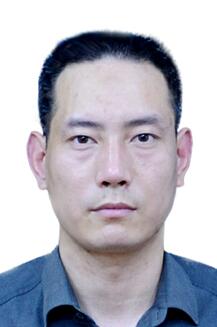 Mingliang Xie (谢明亮)合作论文数School of Energy and Power Engineering, Huazhong University of Science and Technology;State Key Laboratory of Coal Combustion, Huazhong University of Science and Technology11Chanhee Park合作论文数11
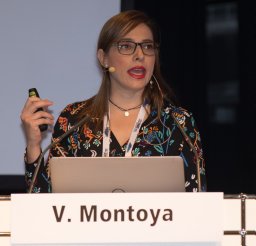 Vanessa Montoya合作论文数Unitat de Química Inorgànica, Universitat Autònoma de Barcelona11Takeo Taniguchi合作论文数10
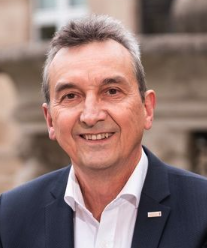 Peter Grathwohl合作论文数Department of Geoscience, Faculty of Science, Eberhard Karls Universitat Tubingen10




