Background: Physical activity guidelines are recognised as an important element of a national approach to promote physical activity. This presentation summarises the approach and process taken to update the Swiss Guidelines, discusses experiences and identifies challenges. Methods: The multistage project involved to: 1) summarise the scientific evidence underpinning the 2020-edition of the World Health Organization (WHO) guidelines; 2) to systematically analyse the existing Swiss guidelines for different target groups and to develop proposals for updates; 3) a participatory process to gain consensus with the main interested groups; 4) to finalise the guidelines. Results: Updated guidelines were adopted for infants, pre-school children, children and young people, adults, older adults, and pregnant and postpartum women, in most cases adopting the WHO guidelines. Children, young people, and adults living with disability, as well as adults and older adults with chronic conditions are specifically addressed in each of the general guidelines, rather than adopting separate guidelines for each of these groups as done by the WHO. Conclusion: The systematic approach in identifying aspects to update, the participatory approach, and a strong scientific consortium with different thematic backgrounds were key strengths in the process. Challenges included the large amount of feedback and finding scientifically sound compromises. The updated versions of the Swiss national guidelines for small children, young people, adults, and women during and after pregnancy provide an excellent basis to further promote physical activity in Switzerland. A next key task is to develop a range of communication tools and materials for different target groups beyond the circle of experts and interested groups, considering available evidence on optimal messaging and best outlet tools and channels. Acknowledgement: The authors declare that the process of updating the Swiss Physical Activity Guidelines was commissioned by the Federal Office of Sport (VM ref. 193007630). Keywords: Physical activity, guidelines, recommendations, stakeholder process
Jeder Kindsmissbrauch ist zu viel, gerade im Sport, wo Körper, Geist und Psyche gestärkt und Kinder und Jugendliche sozial integriert werden sollten. Für jede Art des Missbrauchs bewegen wir uns puncto Häufigkeit im zweistelligen Prozentbereich. Trainer, Eltern, Funktionäre, Mitglieder des medizinischen Teams, aber auch Teamkollegen – alle stellen potenzielle Täter dar. Missbrauch entsteht in verschiedenen Facetten von körperlicher über sexuelle oder psychische Misshandlung bis zur Vernachlässigung („neglect“) physischer, medizinischer oder auch psychischer Art. Die Bekanntmachung von diversen dramatischen Fällen in der Öffentlichkeit und die erheblichen Fallzahlen haben dazu geführt, dass Anlaufstellen geschaffen wurden zur Aufdeckung, aber auch zur Prävention in allen deutschsprachigen Ländern. Die Gesellschaft für Pädiatrische Sportmedizin (GPS) setzt sich seit Jahren für das Safeguarding sporttreibender Kinder und Jugendlicher in allen seinen Aspekten ein. Dazu gehört die Empfehlung zur Durchführung einer regelmäßigen ein- bis 2‑jährlichen sportmedizinischen Untersuchung (SPU) von Kindern und Jugendlichen, die Breiten- und Spitzensport betreiben, um durch Safeguarding nicht nur Missbräuche aufzudecken, sondern das Kinderwohl in seinem ganzen Umfang zu gewährleisten.
Auf den Fundamenten einer jahrzehntelangen deutschen Tradition in der Kindersportmedizin wurde im Jahr 2000 die Gesellschaft für Pädiatrische Sportmedizin (GPS) gegründet. Sie vereint unterschiedliche ärztliche und nichtärztliche Professionen aus Deutschland, Österreich und der Schweiz mit Bezug zur Kindersportmedizin. Die GPS gehört in der heutigen Zeit auch international zu den größten Fachgesellschaften ihrer Art. Seit ihrer Gründung vor 25 Jahren ist die GPS im Rahmen von Symposien und Jahrestagungen sowie durch Publikationen und Stellungnahmen zum Informations- und Wissenstransfer aktiv und unterstützt die Arbeit von Pädiatern durch strukturierte Formulare wie einen ärztlichen Untersuchungsbogen und eine Bescheinigung zur Teilnahme am Schulsport.
Identify and describe weekly physical activity (PA) trajectories in adolescent and adult childhood cancer survivors (survivors), describe characteristics of survivors following different PA trajectories, and compare PA trajectories to controls. This study includes adolescent (9–18 years) survivors and controls from the Physical Activity in Childhood Cancer Survivors (PACCS) study and adult (18–49 years) survivors from the survivor fitness (SURfit) study and controls from the Norwegian National Physical Activity Survey 2. Weekly trajectories of accelerometer-measured PA were identified by multivariate latent class mixed models using daily minutes of moderate-to-vigorous and light PA (MVPA, LPA). Survivors’ characteristics related to different PA trajectories were assessed using a descriptive approach, and PA trajectories between survivors and controls were visually compared. We identified four PA trajectories among adolescents (Low regular; Medium, drop weekend; Medium, peak Friday; and Medium regular) and four among adult survivors (Medium regular; Medium, drop weekend; Medium regular MVPA, high regular LPA; and High, drop weekend). The main factors related to the different PA trajectories were sex, age at assessment, sleep, and (parental) education, whereas diagnosis seemed important in adolescent survivors only. In adolescents, trajectories were comparable between survivors and controls, while in adults, only three trajectories were comparable. The allocation to the different trajectories was more favorable in adolescent survivors (fewer in the Low trajectory) and adult survivors (no Low regular MVPA trajectory was identified in survivors) compared to controls. Our findings show many different behavioral approaches to accumulate PA over a week. They highlight the need for targeted PA interventions in a subset of survivors (i.e., adolescent, female survivors of CNS tumors). Developing interventions to prevent PA drops on the weekend holds high potential.
Abstract Conducting longitudinal cohort studies in war conditions is accompanied by a range of challenges. This article describes the recruitment and implementation process of a large, population-based longitudinal mental health study conducted in Ukraine during the war. We focus on the evolution of the recruitment strategy, 4 categories of challenges encountered—technical, security, personal, and socio-cultural, along with the solutions and key lessons learned, while reporting the number of individuals contacted and reached through different channels to achieve a substantial participation rate in a complex, war-affected setting. Recruitment for the baseline assessment began in April 2024, during an active phase of the war, and was intended to use semi-automated mass mailing via REDCap and Telegram with personal communication. However, even after extensive pilot testing initial outreach for the full study via REDCap proved largely ineffective, with most emails flagged as spam by Ukrainian email providers due to heightened national cybersecurity measures. Telegram outreach was similarly constrained by platform-level security limitations. To address these challenges, the team adopted platforms to those locally trusted, which significantly improved delivery rates. The involvement of local interviewers played a crucial role in enhancing participant trust and engagement. Integrating automated outreach with personalized phone calls by local interviewers significantly enhanced engagement. This adaptive recruitment strategy successfully reached 48.4% of invitees and achieved a 15.5% participation rate. Our experience demonstrates that even when working with randomly selected populations, participation rate can be significantly improved through flexible models that align with local social, cultural, and technological realities.
ObjectivesSerological monitoring of SARS-CoV-2 antibodies in children and adolescents has been crucial for pandemic surveillance and response, while the role of T cell response monitoring remains uncertain. This study aimed to assess the potential of T cell response monitoring in children and adolescents during the COVID-19 pandemic.MethodsWe compared antibody and T cell-mediated immune responses in a subpopulation (n = 109) of children and adolescents from the Ciao Corona cohort study. Participants were followed up over 6 months, from November/December 2021 to June/July 2022, during the Delta and Omicron waves in Switzerland.ResultsCirculating, virus-specific T cell responses in children and adolescents were generally low and heterogeneous. T cell-mediated responses were not consistent with SARS-CoV-2 infection status, with responses detectable in some seronegative individuals and not detectable in a considerable number of seropositive participants.ConclusionCirculating, virus-specific T cell responses to SARS-CoV-2 in children and adolescents from the general population offer limited additional insight. Monitoring humoral immunity is likely a more cost-effective approach and should be the primary focus of immunological surveillance in the general paediatric population.
OBJECTIVES:This study aimed to compare physical fitness, function, and physical activity (PA) in adolescent childhood cancer survivors (CCSs) to age- and sex-matched controls and across different cancer diagnoses. METHODS:This multicenter cross-sectional study (Physical Activity among Childhood Cancer Survivors) included CCSs aged 9-18 yr (≥1-yr after cancer treatment) and age- and sex-matched controls. Physical fitness tests included cardiorespiratory fitness (V̇O 2max ) and muscular strength (maximal isometric handgrip, knee extension, and chest press). Physical function tests included a 1-min sit-to-stand test (STS) and countermovement jump (CMJ). PA was measured by accelerometer for 7 d. We used linear mixed-effects models to compare outcomes between CCSs and controls, and across diagnostic groups. RESULTS:We included 157 CCSs and 113 controls aged 13.4 ± 2.6 yr (mean ± SD). Cancer types were leukemia ( n = 78), central nervous system (CNS) tumors ( n = 18), lymphoma ( n = 16), and other solid tumors ( n = 45). CCSs had lower V̇O 2max (marginal mean (95% confidence interval), 41.7 (38.4-45.0) vs 46.4 (42.9-49.8) mL·kg -1 ·min -1 ; P < 0.001), knee-extension strength (35.4 (34.1-36.8) vs 38.2 (36.7-39.7) kg, P = 0.003), chest-press strength (30.0 (28.4-31.6) vs 32.8 (31.0-34.7) kg, P = 0.007), STS repetitions (57.5 (55.8-59.3) vs 60.0 (58.0-62.0) P = 0.017), and CMJ height (22.1, (20.5-23.8) vs 24.9 (23.2-26.6) cm, P < 0.001). PA levels and sedentary time were similar in both groups (8513 (7993-9034) vs 9000 (8404-9596) steps per day, P = 0.174, respectively). Survivors of CNS tumors had the lowest values for V̇O 2max , muscular strength, physical function, and PA. CONCLUSIONS:Despite no significant difference in PA levels, adolescent CCSs had 4.2% to 11% lower physical fitness and function compared with controls, where survivors of CNS tumors performed the poorest.
BACKGROUND:Many young people fail to achieve the minimum recommended amount of physical activity to benefit their health. Understanding the nature of age-related changes in behaviour and how this varies for population sub-groups is informative for intervention design. The aim of this study was to describe age-related changes in physical activity and sedentary time and examine variability in patterns of change across demographic sub-groups. METHODS:Data are from 13 studies in the International Children's Accelerometry Database (ICAD), all of which provided ≥2 waves of waist-worn accelerometer data. Annual change in sedentary time, light intensity physical activity (LPA) and moderate to vigorous intensity physical activity (MVPA) were estimated using three level mixed effects linear regression models, using participant age as the exposure variable. In interaction models, we examined whether changes in behaviour differed by day of the week (weekday/ weekend), age at baseline assessment (<10/ ≥ 10 years), sex, weight category, maternal education and ethnicity. RESULTS:In total, 6567 participants provided two or more waves of valid accelerometer data (44.5% boys, mean (SD) baseline age 10.6 (2.1) years (range 4.1-15.8 years)). Across the week and for all studied sub-groups, sedentary time increased by approximately 25 minutes/day/year of age, LPA decreased by approximately 22 minutes/day/year of age and MVPA decreased by approximately 3 minutes/day/year of age. The annual increase in sedentary time was greater in girls compared to boys (β (95% confidence interval) change (min) for each additional year of age: girls, 25.9 (25.4, 26.4); boys, 23.6 (23.0, 24.2)) and in adolescents compared to children (adolescents, 27.0 (26.5, 27.6); children, (23.5 (22.9, 24.2)). The annual decrease in MVPA was greater in boys compared to girls (boys, -2.7 (-3.0, -2.5); girls, -2.2 (-2.4, -2.0)) and at the weekend compared to during the week (weekend, -3.0 (-3.3, -2.8); weekday -2.3 (-2.5, -2.1)). CONCLUSION:Accelerometer assessed sedentary time increased whilst LPA and MVPA decreased during childhood and adolescence. This overall pattern was observed across the week and in all studied sub-groups, but small differences in the magnitude of changes can be used to guide the timing and targeting of behaviour change interventions, such as designing physical activity interventions which focus on weekends where a child's time is less structured.
Childhood overweight and obesity has increased 10- to 12-fold over the last 40 years and this is a medical and societal disaster. This evolution is catastrophic for various reasons: the development of atheriosclerosis due to cardio-vascular risk factors associated with obesity, a compromised musculo-sceletel and orthopedic system, adverse effects on mental health and merely every system of the body, societal discrimination and finally less chance in life. There is one good thing in the whole story: it is modifiable – yes! Although we still hamper to find effective strategies to prevent or treat this chronic disease, there are strategies that are more effective than others: change the environment, make structural changes especially in school, and whatever you plan, make it fun. Policy makers and stakeholders like you can act to improve health for this and future young generations. And as Benjamin Franklin said: one ounce of prevention is worth one pound of cure.
BackgroundSchools serve not only as centers of education but also as critical environments for social development and promoting health and well-being of children and adolescents. Conducting health-related research in school settings offers valuable opportunities to identify current health challenges and assess preventive and interventional strategies.AnalysisResearchers face several challenges when conducting health-related research in schools, including communication barriers, complex coordination among relevant stakeholders, and limited resources.Policy OptionsThis policy brief, with a special focus on Switzerland, highlighted main challenges and presented options derived from literature, semi-structured interviews, and a stakeholder dialogue to address them. The dialogue included representatives from youth, parents, teachers, school principals, school authorities, and researchers. The results emphasize key options in three main areas: (i) recruitment and motivation, (ii) retention and incentives, and (iii) partnerships and collaboration.ConclusionMany of the proposed options do not require large-scale political shifts nor national-level policy changes but can directly be applied in schools and research settings, emphasizing their practical applicability and potential for immediate impact. Ultimately, implementing these options in health-related research in schools can contribute to long-term health and well-being of future generations.
ObjectivesTo conduct mental health surveillance in adults in Ukraine and Ukrainian refugees (Canton of Zurich, Switzerland) as an actionable scientific foundation for public mental health and mental healthcare.MethodsMental Health Assessment of the Population (MAP) is a research program including prospective, population-based, digital cohort studies focused on mental health monitoring. The study aims to include 17,400 people from the general population of Ukraine, 1,220 Ukrainians with refugee status S residing in the canton of Zurich, and 1,740 people from the Zurich general population. The primary endpoints are prevalence and incidence of symptoms of: posttraumatic stress disorder (measured by PCL-5), depression (PHQ-9), anxiety (GAD-7), and alcohol use disorder (AUDIT). Secondary endpoints include participants’ health-related quality of life (EQ-5D-5L and EQ-VAS), experiences of somatic distress syndrome (PHQ-15), social isolation, social integration, and mental wellbeing (SWEMWBS).ResultsBaseline assessment starts in March 2024 with follow-ups occurring every 3 months for at least 2 years.ConclusionMAP will generate reliable, comparable, and high-quality epidemiological data to inform public mental health and healthcare policies in the Ukrainian population.ISRCTN Registryhttps://www.isrctn.com/ISRCTN17240415.
STUDY AIMS: The prevalence of Long COVID in children and adolescents is heterogeneous, ranging from 1% to 51%, depending on the population studied. The lack of a standardised approach for establishing a Long COVID diagnosis in children and adolescents complicates the accurate assessment of prevalence, risk factors and outcomes. The present study aimed to examine the value of standardised interviews and an adjudication process to better understand self- or proxy-reported symptoms lasting longer than 12 weeks compatible with Long COVID in children and adolescents during the COVID-19 pandemic. METHODS:We conducted a school-based, prospective cohort study (Ciao Corona) from March 2020 to July 2022 in the Canton of Zurich, Switzerland. Of 156 invited schools, 55 agreed to participate. Primary schools were randomly selected across all 12 districts of the Canton of Zurich, with nearby secondary schools subsequently invited. Within participating schools, classes were randomly selected, stratified by school level, and all students aged 6–17 years in selected classes were eligible. At three different time points (March/April 2021, November/December 2021 and June/July 2022), school-aged children and adolescents underwent serology testing and completed online questionnaires, including questions on symptoms lasting ≥12 weeks compatible with Long COVID. We invited those with persisting symptoms and who were seropositive for SARS-CoV-2 – whether “infected” i.e. infection and no vaccination or having “hybrid immunity” i.e. infection and vaccination – to participate in interviews to allow us to better understand the pattern, severity and timing of the reported symptoms. An adjudication process with experts then followed to assess the probability of Long COVID. RESULTS: 39/1120 (3.5%) seropositive children and adolescents (i.e. infected or with hybrid immunity) reported persisting symptoms (≥12 weeks). The most frequently reported symptoms were headache, tiredness and stomach ache. In 20/39 (51%) with persisting symptoms who agreed to be interviewed, the adjudication committee concluded that Long COVID was unlikely in 13 (65%), possible in 7 (35%) and likely in 0 participants. CONCLUSIONS: Relying exclusively on self- or proxy-reported questionnaire data, without more detailed information may overestimate Long COVID in children and adolescents. Implementing standardised interviews and an adjudication process helps to contextualise self- or proxy-reported symptoms compatible with Long COVID. Trial registration: https://clinicaltrials.gov NCT04448717.
INTRODUCTION:The war in Ukraine places a great burden on its population as well as the people who have been displaced from it. The aim of this study is to assess the prevalence of symptoms of depression, anxiety and Post-traumatic stress disorder (PTSD) in Ukraine and Ukrainian refugees in Switzerland and contextualise them with a non-war affected population. METHODS:Participants were recruited into prospective cohorts using random population sampling from 25 March to 9 August 2024. Raw prevalence estimates were adjusted using Bayesian modelling to account for instrument inaccuracy. Estimates were calculated according to age, sex and regional strata. RESULTS:6036 Ukrainians from 10 regions, 657 refugees in Zürich and 766 Zürich residents were recruited. Prevalence of symptoms was generally high but varied across population strata in Ukraine. Median prevalence estimates for depression ranged 19.6%-54.8%; for anxiety disorder, the range was 3.7%-33.4%, and for PTSD, it was 15.0%-41.2%. We observed consistent patterns: (1) The burden was higher in south-east and central Ukraine than in the north-west; (2) refugee mental health closely resembles that of south-eastern and central Ukraine; (3) prevalences among women were higher than for men across conditions.To contextualise differences in mental health burden, we highlight the example of the group of old women aged 25-44 years. We found a prevalence of depression of 11.1% (95%CI: 4.6% to 19.6%), anxiety 3% (0.5% to 9.5%) and PTSD 4.8% (1.3% to 10.6%) in Zurich residents and a prevalence of depression of 46.9% (39.4% to 59.8%), anxiety 25.2% (19.8% to 31.3%) and PTSD 33.9% (28.7% to 39.4%) in women from Central Ukraine. CONCLUSIONS:This first large-scale population-based study highlights a significant mental health burden among adult Ukrainians across the age range, in Ukraine and in Zurich compared with a non-war affected general population. These findings inform the planning and evaluation of urgently needed public mental health and mental healthcare services while also aiming to destigmatise mental health disorders by highlighting the substantial impact on the civilian population. TRAIL REGISTRATION NUMBER:ISRCTN17240415.
BACKGROUND:Identifying disease burden among childhood cancer survivors (CCS) can guide tailored care. Physical fitness predicts health and mortality and may help reduce disease burden in CCS. This study aimed to 1) describe the burden of clinically ascertained adverse health outcomes in long-term CCS, and 2) investigate the association between physical fitness and adverse health outcomes. METHODS:This study used baseline data of the SURfit study, a randomized controlled physical activity trial. The authors included 163 CCS, diagnosed <16 years, ≥16 years at enrollment, and ≥5 years since last cancer diagnosis. Clinically assessed health outcomes were categorized using the Common Terminology Criteria for Adverse Events. Physical fitness was assessed by cardiopulmonary-exercise-test (CPET), hand-grip strength, and the 1-minute sit-to-stand test (STS). Using multivariable Poisson regression models, this study investigated the association between physical fitness and adverse health outcomes. RESULTS:Participants (30.5 ± 8.6 years old, time since diagnosis 22.9 ± 9 years) had 1170 adverse health outcomes, with 99% CCS having at least one. Musculoskeletal disorders were most common (130 of 163 [80%]). Higher levels of physical fitness were associated with fewer adverse health outcomes of any grade (CPET: prevalence rate ratio [PRR], 0.71 per watt/kg bodyweight, 95% confidence Interval [CI], 0.63-0.81, p < .001; hand-grip: PRR, 0.60 kg/kg bodyweight; 95% CI, 0.35-1.03, p = .063; STS: PRR, 0.95 per five repetitions; 95% CI, 0.93-0.97, p < .001). CONCLUSION:CCS participating in an exercise intervention trial experienced a high burden of adverse health outcomes. Increased physical fitness was associated with reduced disease burden for all survivors, emphasizing the importance of encouraging fitness improvements, regardless of cancer history.
Child obesity is a growing global issue. Preventing early development of overweight and obesity requires identifying reliable risk factors for high body mass index (BMI) in children. Child eating behavior might be an important and malleable risk factor that can be reliably assessed with the parent-report Child Eating Behavior Questionnaire (CEBQ). Using a hierarchical dataset (children nested within child care centers) from a representative cohort of Swiss preschool children, we tested whether eating behavior, assessed with a 7-factor solution of the CEBQ, and BMI at baseline predicted the outcome BMI after 1 year, controlling for socioeconomic status (n = 555; 47% female; mean age = 3.9 years, range: 2.2–6.6; mean BMI = 16 kg/m2, range: 11.2–23; mean age- and sex-corrected z-transformed BMI, zBMI = 0.4, range −4 to +4.7). The statistical model explained 65.2% of zBMI at follow-up. Baseline zBMI was a strong positive predictor, uniquely explaining 48.8% of outcome variance. A linear combination of all CEBQ scales, taken together, explained 10.7% of outcome variance. Due to their intercorrelations, uniquely explained variance by any individual scale was of negligible clinical relevance. Only food responsiveness was a significant predictor, when accounting for all other predictors and covariates in the model, and uniquely explained only 0.4% of outcome variance. Altogether, our results confirm, extend, and refine previous research on eating behavior and zBMI in preschool children, by adjusting for covariates, accounting for intercorrelations between predictors, partitioning explained outcome variance, and providing standardized beta estimates. Our findings show the importance of carefully examining the contribution of predictors in multiple regression models for clinically relevant outcomes.
Objective We aimed to assess health-related quality of life (HRQOL) in a cohort of very preterm born children and adolescents (aged 5–16), and to compare it with their fullterm born siblings and the general population. We also explored correlates of HRQOL among the very preterm born.Design Cross-sectional survey.Patients Children born <32 weeks gestation (N=442) as well as their fullterm born siblings (N=145).Main outcome measures Primary outcome was KINDL total score (0 worst to 100 best), a validated multidimensional measure of HRQOL in children and adolescents.Methods Linear mixed models accounted for family unit. Secondary analysis compared very preterm born children to another cohort of healthy children from the same time period. A classification tree analysis explored potential correlates of HRQOL.Results On average, preterm children, both <28 and 28–31 weeks gestational age, had similar KINDL total score to fullterm sibling controls (−2.3, 95% CI −3.6 to −0.6), and to population controls (+1.4, 95% CI 0.2 to 2.5). Chronic non-respiratory health conditions (such as attention deficit hyperactivity disorder or heart conditions, but not including cerebral palsy), age and respiratory symptoms affecting daily life were key correlates of HRQOL among very preterm born children.Conclusions Very preterm birth in children and adolescents was not associated with a relevant reduction in HRQOL compared with their fullterm born peers. However, lower HRQOL was explained by other factors, such as older age, and the presence of chronic non-respiratory health conditions, but also by possibly modifiable current respiratory symptoms. The influence of respiratory symptom amelioration and its potential influence on HRQOL needs to be investigated further.Trial registration number NCT04448717.
Understanding health-related quality of life (HRQOL) in children and adolescents, during a pandemic and afterwards, aids in understanding how circumstances in their lives impact their well-being. We aimed to identify determinants of HRQOL from a broad range of biological, psychological, and social factors in a large longitudinal population-based sample. Data was taken from a longitudinal sample ( n = 1843) of children and adolescents enrolled in the prospective school-based cohort study Ciao Corona in Switzerland. The primary outcome was HRQOL, assessed using the KINDL total score and its subscales (each from 0, worst, to 100, best). Potential determinants, including biological (physical activity, screen time, sleep, etc.), psychological (sadness, anxiousness, stress), and social (nationality, parents’ education, etc.) factors, were assessed in 2020 and 2021 and HRQOL in 2022. Determinants were identified in a data-driven manner using recursive partitioning to define homogeneous subgroups, stratified by school level. Median KINDL total score in the empirically identified subgroups ranged from 68 to 83 in primary school children and from 69 to 82 in adolescents in secondary school. The psychological factors sadness, anxiousness, and stress in 2021 were identified as the most important determinants of HRQOL in both primary and secondary school children. Other factors, such as physical activity, screen time, chronic health conditions, or nationality, were determinants only in individual subscales. Conclusion : Recent mental health, more than biological, physical, or social factors, played a key role in determining HRQOL in children and adolescents during pandemic times. Public health strategies to improve mental health may therefore be effective in improving HRQOL in this age group. What is Known: • Assessing health-related quality of life (HRQOL) in children and adolescents aids in understanding how life circumstances impact their well-being. • HRQOL is a complex construct, involving biological, psychological, and social factors. Factors driving HRQOL in children and adolescents are not often studied in longitudinal population-based samples. What is New: • Mental health (stress, anxiousness, sadness) played a key role in determining HRQOL during the coronavirus pandemic, more than biological or social factors. • Public health strategies to improve mental health may be effective in improving HRQOL in children.
In childhood cancer survivors (CCS), high physical activity (PA) and low sedentary time may reduce risks of late-effects. PA behaviors and screen time, and how they relate to moderate-to-vigorous PA (MVPA) in CCS, are largely unknown. We examined PA behaviors and screen time, and their cross-sectional associations with MVPA. CCS from any cancer diagnosis (≥ l year post-treatment), aged 9–16 years at study, were eligible in the international Physical Activity in Childhood Cancer Survivors (PACCS) study. PA behaviors (school transport, intensity-effort in physical education (“PE intensity”), leisure-time PA) and screen time were assessed by self-report, and MVPA by accelerometers (ActiGraph GT3X-BT). Multivariable linear regressions were used to assess associations between PA behaviors and screen time with MVPA. We included 481 CCS (48
 Puder Jardena J合作论文数CHU Vaudois, Univ Lausanne118
 Radtke Thomas合作论文数ETH Zurich Institute of Physiology, University of Zurich68
 Helge Hebestreit合作论文数Children's Hospital of the University, University of Würzburg48
 Simone Munsch合作论文数Abteilung für Klinische Psychologie_& Psychotherapie Fakultät für Psychologie, Universität Basel44
 Lukas Zahner合作论文数Abteilung für Endokrinologie und Diabetologie, Institut für Sport und Sportwissenschaften;Universität;Institut für Sport und Sportwissenschaften, Universität Basel42
 Tanja Kakebeeke合作论文数41
 Oskar Jenni合作论文数Universität Zürich;Child Development Center, University Children's Hospital Zurich40Annina E Zysset合作论文数37
 Amar Arhab合作论文数Department Women-Mother-Child, Lausanne University Hospital37
 Kerstin Stulb合作论文数36
 Nadine Messerli-Burgy合作论文数36Einat A Schmutz合作论文数35Christian Schindler合作论文数Swiss Tropical and Public Health Institute, University of Basel34
 Andrea Hans Meyer合作论文数33Claudia S. Leeger-Aschmann合作论文数32
 Milo Alan Puhan合作论文数Division of Clinical Trials and Evidence Synthesis, Department of Epidemiology, Johns Hopkins Bloomberg School of Public Health;Epidemiology, Biostatistics and Prevention Institute, University of Zurich28
 Agne Ulyte合作论文数Epidemiology, Biostatistics and Prevention Institute (EBPI),, University of Zurich26
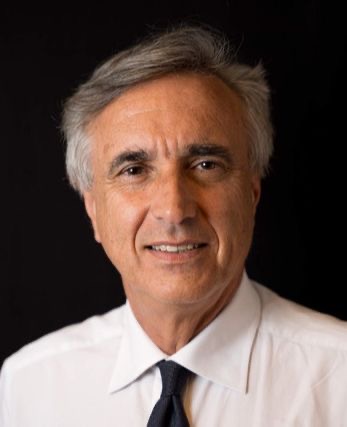 Luis B. Sardinha合作论文数Faculty of Human Kinetics, University of Lisbon;Department of Sport and Health, University of Lisbon25
 Sarah R Haile合作论文数Institute of Social and Preventive Medicine, University of Zurich24Pedro Marques-Vidal合作论文数23
 Esther van Sluijs合作论文数Cambridge Epidemiology and Trials Unit, MRC Epidemiology Unit, School of Clinical Medicine, University of Cambridge;MRC/Wits Developmental Pathways for Health Research Unit, University of Witwatersrand23
 Ulf Ekelund合作论文数Department of Sports Medicine, Norwegian School of Sport Sciences;Norwegian Institute of Public Health21
 Sigmund Alfred Anderssen合作论文数Department of Sports Medicine, Norwegian School of Sport Sciences19
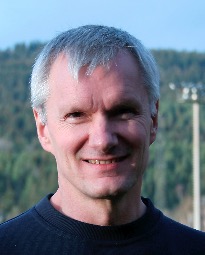 Lars Bo Andersen合作论文数Department of Sport, Food and Natural Sciences, Western Norway University of Applied Sciences;Institutt for Idrettsmedisinske, Norges Idrettshøgskole;Department of Teacher Education and Sport, Høgskulen på Vestlandet19
 Corina Silvia Rueegg合作论文数Oslo Centre for Biostatistics & Epidemiology, Oslo University Hospital16
 Andreas Nydegger合作论文数15Vincent Ebenegger合作论文数15
 Ursina Meyer合作论文数Institute of Exercise and Health Sciences, University of Basel15
 Urs Granacher合作论文数Department of Sport and Sport Science, Universität Freiburg15Alessia Raineri合作论文数12
 Bjørge Herman Hansen合作论文数Department of Sport Science and Physical Education, Faculty of Health and Sport Sciences, University of Agder12
 Kate Northstone合作论文数Bristol Medical School, University of Bristol12Dominique Jean合作论文数12Jan Fehr合作论文数12
 Flavia Burgi合作论文数Institute of Exercise and Health Sciences, University of Basel11Ruedi Jung合作论文数10
 Sonja Ruegg合作论文数10
 Simeon Joel Zurcher合作论文数10
 Gabriela P. Peralta合作论文数Epidemiol Biostat & Prevent Inst EBPI, Univ Zurich10
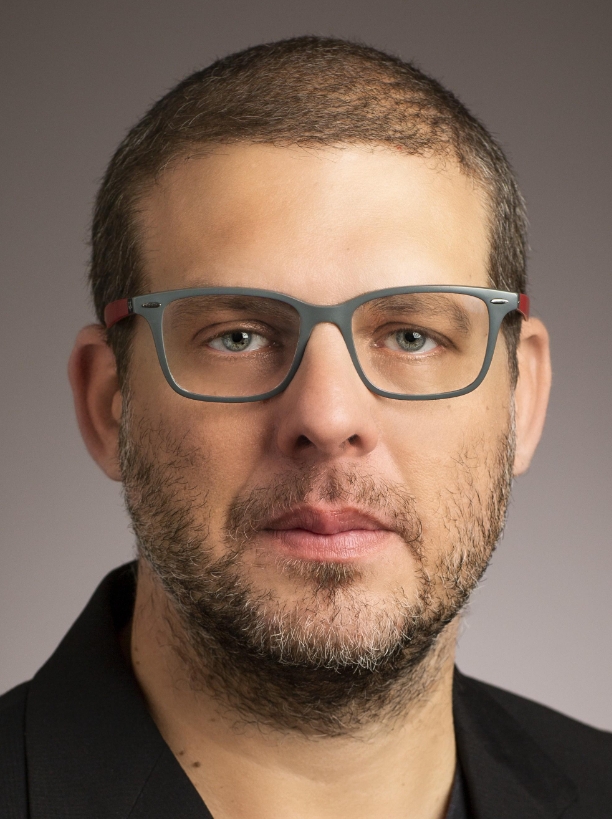 Pedro Hallal合作论文数Department of Kinesiology and Community Health, College of Applied Health Sciences, University of Illinois at Urbana-Champaign10
 Christoph Berger合作论文数University Hospital Basel;Department of Biomedicine, University of Basel10
 Elin Kolle合作论文数10Charlotte Braun-Fahrlaender合作论文数10
 Angie Page合作论文数10Trkola A合作论文数9
 Irene A Abela合作论文数Institute of Medical Virology, University of Zurich9
 Christina Schindera合作论文数Inselspital, University Children‘s Hospital9Anja Frei合作论文数Institute of General Practice and Health Services Research, University of Zurich;Horten Centre for Patient-oriented Research, University of Zurich;University of Zurich, University of Zurich9
 Russell R. Pate合作论文数Department of Exercise Science, Arnold School of Public Health, University of South Carolina;Public Health Research Center, University of South Carolina9




