AIM: This study aims to investigate the relationship between experiences of discrimination (ethnic/race-based, gender and sexuality-based discrimination) in a healthcare setting, and healthcare services avoidance in Pacific Rainbow+ in Aotearoa New Zealand. METHODS: This study draws from a sample of Pacific Rainbow+ (Pacific cisgendersexuality minorities [n=239] and Pacific transgender and non-binary [n=126]) individuals taken from the Manalagi Survey. Multivariate logistic regression analyses were performed to test for a relationship between predictors based on respondent self-reported experiences, within a healthcare setting in Aotearoa New Zealand, of discrimination (race/ethnic discrimination or racism, sexuality and/or gender diversity-homophobia/transphobia and heterosexism) and outcome variables (avoiding healthcare and mental health services). RESULTS: Discrimination based on ethnicity/race was more highly reported by both cisgendersexuality minorities and the transgender and non-binary groups in our sample, with this typology of discrimination also associated with increased odds of healthcare services avoidance. Discrimination based on race/ethnicity was further associated with increased likelihood of mental health service usage. On average, cisgendersexuality-diverse respondents reported 1.15 instances of listed forms of discrimination, and this nearly doubled for transgender and non-binary respondents. Notably, when the overall number of discriminatory exposures increased by a single point, respondents had an approximate 60% odds ratio (OR) of healthcare avoidance. CONCLUSION: This study affirms findings of much research that describe discrimination (multiple forms) as a common experience for Rainbow+ individuals while seeking out healthcare services. Further, it reveals that these experiences have a predictive impact on the likelihood of Pacific Rainbow+avoiding healthcare services. While this study's cross-sectional nature limits the ability to infer causality, these findings do underscore the importance of undertaking more intersectional research into the drivers and inhibitors of healthcare-seeking behaviours and healthcare service usage of Pacific Rainbow+ in Aotearoa New Zealand.
‘Me‐search’, or the intentional process of exploring one's positionality, is increasingly recognised as foundational to decolonising and anti‐racist research. Yet in Aotearoa New Zealand, racialised Asian researchers have few praxis‐oriented resources that speak to our liminal positioning within Eurocentric academic institutions and that recognise both our responsibilities to Te Tiriti o Waitangi and to the communities we research with and belong to. Through a series of tuakana–teina conversations, six Asian academic researchers engaged with questions structured around the 4Rs: racialisation, restructuring, relationality and reflexivity. We present narrative summaries that foreground context, tensions and praxis, demonstrating what me‐search can feel like in practice: iterative, relational and responsive to shifting responsibilities. Key threads for the conversations included trust and ‘relationships first’ approaches, refusing inclusion as ‘diversity’ without Te Tiriti accountability; naming whiteness and accounting for privilege and complicity in knowledge production; and building from cultural selves, ancestors and Asian philosophies while resisting the homogenisation of ‘Asian’. We offer the 4Rs as a flexible starting point that invites adaptation, critique and ongoing collective learning with scholars, policy colleagues and communities, towards accountable, race‐centred research practices.
The extant literature has shown that lesbian, gay, bisexual, transgender, and queer (LGBTQ+) communities face considerable barriers in pursuing higher education and achieving their academic aspirations. To date, a critical gap remains in scholarly understandings of the enablers and barriers faced by researchers conducting LGBTQ+ research in Southeast Asia (SEA). This study aims to illuminate the challenges of conducting LGBTQ+ research in Indonesia, Malaysia, Myanmar, the Philippines, Singapore, Thailand, and Vietnam. As researcher-participants in this study, we conducted a Collaborative Autoethnography, critically reflecting on our work and research with LGBTQ+ communities across these SEA countries. Data were analyzed using Reflexive Thematic Analysis. Through four themes, we illustrated the significant barriers encountered as we navigated the social, legal, and political contexts of SEA societies and academia. The neoliberal Western gaze in SEA academia further compounded these challenges. We grappled with how to garner trust from and represent our respective LGBTQ+ communities in our research. We also faced threats that negatively impacted our overall well-being. Our study underscores the urgency of creating safe spaces for LGBTQ+ researchers and their communities to collaborate on meaningful research agendas and interventions. Collaborative, multisectoral partnerships from various stakeholders can nurture an equity and social justice-based LGBTQ+ research agenda in the region.
In Malaysia, pervasive institutional discrimination harms lesbian, gay, bisexual, transgender and queer (LGBTQ+) people and complicates how they may build and sustain trust with different public institutions. Employing a mixed-methods approach, this study examined the prevalence of institutional (dis)trust among a sample (n = 647) of LGBTQ+ adults in Malaysia, and the factors that influenced their institutional (dis)trust. Using descriptive analyses and generalised linear regression to explore demographic differences in the prevalence of institutional (dis)trust across police, political, law, and media institutions, we found that cisgender women, trans men, and non-binary participants (compared to cisgender men), as well as Malay and Indian participants (compared to Chinese), reported higher distrust towards different public institutions. Participants' open-ended responses (n = 228) were analysed using reflexive thematic analysis to identify three interrelated themes that described the factors influencing LGBTQ+ people's institutional (dis)trust: 1) being the target of scapegoating, 2) fear of dehumanisation, and 3) waning hope for the future. The findings highlight the need to strategically address institutional discrimination towards LGBTQ+ people in Malaysia, as a means for bolstering their institutional trust and improving their long-term health and well-being.
IntroductionThis study investigated the mechanisms underlying mental health risks among lesbian/gay (LG) and bisexual university students in China, focusing on the roles of sexual identity centrality, identity uncertainty, and interpersonal discrimination in depressive symptoms.MethodsA cross-sectional survey was conducted with 363 university students (142 LG students and 221 bisexual). Group differences were examined, and structural equation modeling was used to test the direct and indirect associations among sexual orientation, sexual identity centrality, identity uncertainty, interpersonal discrimination, and depressive symptoms.ResultsCompared with LG participants, bisexual participants reported lower identity centrality, higher identity uncertainty, and fewer experiences of interpersonal discrimination, whereas no significant group difference was found in depressive symptoms. Structural equation modeling indicated that identity uncertainty and interpersonal discrimination jointly mediated the association between bisexuality and depressive symptoms, with the two indirect effects operating in opposite directions and forming a competing mediation effect. Sexual identity centrality showed a double-edged role: it was associated with lower identity uncertainty but greater interpersonal discrimination, which in turn were differentially associated with depressive symptoms.DiscussionThese findings reveal complex and divergent mechanisms linking sexual orientation and mental health among Chinese sexual minority university students. They also suggest that clinical interventions and future research should attend to both intrapersonal identity-related processes and interpersonal minority stress experiences when addressing depressive symptoms among LGB young adults.
Extant literature remains fragmented and does not inclusively represent the lived realities and needs of LGBTQ+ populations in Southeast Asia. This study aimed to identify LGBTQ+ research and intervention priorities in this region through an anonymous survey with researchers, community workers, and advocates conducted from May to August 2025 (N = 142). Participants represented 11 Southeast Asian countries, with the highest proportions from the Philippines (30.3%), Malaysia (28.9%), Thailand (19.7%), Vietnam (16.9%), and Singapore (12.7%). Participants rated 14 issues affecting LGBTQ+ communities using a three-point importance scale and identified their top priority concern. The results revealed that mental health issues and suicidality (81.0%), training health professionals about LGBTQ+ health (78.9%), and HIV/AIDS (70.9%) were most frequently rated as 'very important' regional priorities. Community workers were more likely to prioritise mental health, police mistreatment, and employment issues. When prompted to select one issue as the most urgent to address, participants equally prioritised criminalising laws and mental health issues (20.0% respectively) . Country-specific primary priorities varied significantly criminalising laws (Malaysia), mental health (Singapore and Thailand), health professional training (the Philippines), and marriage rights (Vietnam). These findings provide a preliminary framework for developing LGBTQ+ research and intervention agendas across Southeast Asia, both at the regional and country levels.
ABSTRACT This brief report provides preliminary findings on the challenges faced by academics, community workers, and other individuals involved in LGBTQ+ rights activism and research in Southeast Asia (SEA), with larger shares of participants from the Philippines, Malaysia, Thailand, and Vietnam. Descriptive statistics showed that the mean number of reported challenges across the region was 4.68 (SD = 3.00; range = 0–11). The most common challenge was “Lack of funding, safe spaces and proper facilities,” followed by “Existing laws and policies that marginalise local LGBTQ+ communities” and “Too reliant on Western knowledge and findings.” While the pattern of common challenges was alike among hostile and non‐hostile countries, participants from hostile countries reported higher frequency for most challenges. Fisher's exact tests revealed no differences in number of challenges in terms of age, gender identity, sexual orientation, country group, academic status, and number of years involved in LGBTQ+ work. Our findings call for more robust investment in comprehensive landscape research on the implications of intersecting challenges in LGBTQ+ rights activism and research across SEA, which is crucial to developing an inclusive regional roadmap for LGBTQ+ equity missions.
Drawing textual survey data from 398 LGBTQ+ people in Malaysia, our social determinants of mental health (SDMH)-centered analysis identified two overarching themes: (1) "I don't belong here nor within myself," reflecting systemic erasure, identity suppression, and relational alienation; and (2) "They hold space for me to be myself," highlighting interpersonal affirmation, emotional safety, and indirect forms of recognition-supported healing. The themes illustrate how relational dynamics shape experiences of identity affirmation, intracommunity exclusion, emotion suppression, and indirect forms of affirmation as subtle but crucial mental health resources. Our findings call for culturally attuned, relationship-centered counseling practices for LGBTQ+ individuals in Malaysia.
The monocultural foundation of psychology is interwoven with the colonial history of Aotearoa New Zealand. Not all of the mahi of decolonising psychology is the responsibility of M & amacr;ori. In Aotearoa, there is currently less literature around the development of racial justice allyship and how P & amacr;keh & amacr; (as the dominant majority) can work towards honouring Te Tiriti o Waitangi. This paper draws on interviews with three P & amacr;keh & amacr; allies who have taken actions towards greater inclusion of M & amacr;ori and raising awareness of systemic injustices and racial disparities. The objective of this paper is to document the understandings shared by these 'reluctant allies', focusing on the challenges, possibilities, and suggestions for a more culturally relevant psychological education and practice for Aotearoa New Zealand.
Despite consistent critiques of the psychology discipline for over 40 years there has been insufficient inclusion of M & amacr;ori worldviews in tertiary learning environments, and we still do not have a comprehensive curriculum that can prepare psychology graduates to work with M & amacr;ori. Out of 141 courses offered in 2022 that we assessed, only two (1.4%) were specifically M & amacr;ori-focused. An additional 26 (18.4%) included some degree of M & amacr;ori-focused content. The number of specifically M & amacr;ori-focused courses have dropped by half when compared to a similar study conducted in 2003, and remained the same as 2015. Our findings raise critical questions about the existence of genuine institutional and professional commitment to embed Te Tiriti o Waitangi and address Eurocentric curricula in psychology.
Counting Ourselves is a comprehensive national survey of the health and wellbeing of trans and non-binary people aged 14 and older living in Aotearoa New Zealand. The survey takes place every four years. We report findings from 2,631 trans and non-binary people who completed our second survey in 2022. This is more than double the 1,178 survey participants from our first survey in 2018 and gives us very strong data about a range of trans and non-binary people living in Aotearoa New Zealand. The 2022 survey participants lived in all regions of Aotearoa New Zealand and ranged in age from 14 to 86. Most were either youth aged 14–24 (53%) or adults aged 25–54 (43%). Over half (56%) of participants were non-binary, with an equal mix of trans men (22%) and trans women (22%). Compared with the general population, the survey had a higher proportion of European participants (77%), a similar proportion of Māori (14%), and a lower proportion of Asian (7%) and Pasifika (2%) participants. More than two out of five (42%) of our participants were disabled. This included people who identified as Deaf or disabled (29%) and/or who met the definition of disability used in Stats NZ’s population surveys (38%). This was higher than the Stats NZ measure of disability in the general population (10%). Throughout the report we identify statistically significant differences between participants based on age, gender, ethnicity, location, or disability. In 2025, the Counting Ourselves team hopes to produce fact sheets, articles, and other resources looking at the key findings for Māori, Pasifika, Asian, and disabled trans and non-binary people. In this report we use the term gender affirming healthcare to refer to any healthcare interventions that trans or non-binary people may require to affirm their gender. We also use the term unmet need to describe the percentage of all participants who wanted but had not had a type of gender affirming healthcare.
Drawing data from a community-based survey in Malaysia (n = 651), we assessed the prevalence of police encounter and its relationship with mental health outcomes among LGBT+ people. One-fifth (19%) of the sample had prior interaction with police, 36% of those participants reported experiencing arrest, physical violence, or sexual contact. Compared to participants without prior police interaction, multivariate regression analyses revealed that those who had negative experiences with the police had more than double to triple the odds of reporting mental ill-health. Open-ended responses illuminated the full extent of police harm. Our research evidences the need to reform LGBT+ criminalizing legislations, strengthen interventions against police misconduct, and introduce cultural safety training for police.
Researchers' awareness of gender diversity is growing, with gender increasingly recognized as a multidimensional concept. Yet gender data in quantitative surveys are still often collected and analyzed in ways that assume gender is fixed, binary, and synonymous with sex assigned at birth. Consequently, transgender and nonbinary (trans) populations' health and wellbeing needs, particularly among trans youth, are often not accurately identified in research. In this article, we describe our process of creating analytical gender categories drawing on data from a large community-based survey for lesbian, gay, bisexual, transgender, queer, intersex, and asexual youth in Aotearoa New Zealand (n = 4,807). Categories are based on participants' responses to three questions on (a) gender description; (b) trans or nonbinary self-identification; and (c) sex assigned at birth. We discuss the strengths, limitations, and implications of this approach and outline considerations for future research.
IntroductionMedia dissemination of anti-LGBT+ sentiments is commonplace in Malaysia. This study examines the prevalence of negative media exposure among LGBT+ people in Malaysia, the association between negative media exposure and mental health outcomes, and the role of negative future expectations for societal unacceptance as a mediator of the association.MethodDrawing data from a cross-sectional survey of Malaysia-based LGBT+ adults (n = 675; mean age = 27.78), we conducted a series of regression and mediation analyses to determine whether exposure to negative media messages was predictive of heightened levels of negative future expectations, depression, non-suicidal self-injury, and suicidality.ResultsMore than two-thirds (76%) saw negative LGBT-related messages regularly on newspapers, television, and social media in the past year. Frequent exposure of negative messages on media platforms was positively associated with depression, NSSI, and suicidal ideation. Negative future expectations partially mediated the relationship between exposure to negative messages and mental health outcomes.ConclusionsThe study highlights the role of negative media messages as a social determinant of mental health inequities for LGBT+ people. The findings call for a multi-level intervention to mobilize members in government sectors, healthcare settings, and academic institutions to discern and actively challenge disinformation targeting LGBT+ communities.
Despite global calls to enhance culturally safe care for Indigenous and minoritised groups, little attention has been given to exploring students’ experiences in psychology training programmes to meet these needs. A series of chi-square tests was performed to examine group differences for participants in the Kia Whakapapa Pounaumu survey (n = 107) in their consideration of ending their training and their decision to seek professional help. Over half (55%) of students reported having considered ending their psychology training. Our findings show that students who have experienced or witnessed forms of injustice such as institutional racism, microaggressions, and bullying, encounter additional barriers in completing their training. If psychology bodies wish to redress the harm caused to Indigenous and minoritised groups in the discipline of psychology, they must ensure the training programmes themselves do not perpetuate harm.
Indigenous leadership in healthcare is one way for Indigenous peoples to exercise sovereignty over their health. In Aotearoa New Zealand, the establishment of the Māori Health Authority (MHA) was grounded in a decades-long imperative to address Māori health inequities and operationalise te Tiriti o Waitangi within the health system. However, the populist National-led coalition government formed in November 2023 included the abolishment of the MHA in their first 100-day plan and eventually disestablished it in February 2024. This study analysed 155 public group submissions on the Pae Ora (Healthy Futures) Bill made in 2021 and representing health professionals, iwi, hapū, and community groups. Core themes endorsing the MHA as a statutory entity included honouring te Tiriti, advocating for Māori-led solutions to health inequities, decolonising health systems, and affirming Indigenous rights. The political decision to remove the MHA is antithetical to the explicit endorsement statements made by an overwhelming majority of group submitters with expertise in health organisational structures and healthcare provision. Our study has implications for future local and international research in documenting counter-narratives for Indigenous struggles in health systems.
The monocultural foundation of psychology is interwoven with the colonial history of Aotearoa New Zealand. Not all of the mahi of decolonising psychology is the responsibility of Māori. In Aotearoa, there is currently less literature around the development of racial justice allyship and how Pākehā (as the dominant majority) can work towards honouring Te Tiriti o Waitangi. This paper draws on interviews with three Pākehā allies who have taken actions towards greater inclusion of Māori and raising awareness of systemic injustices and racial disparities. The objective of this paper is to document the understandings shared by these ‘reluctant allies’, focusing on the challenges, possibilities, and suggestions for a more culturally relevant psychological education and practice for Aotearoa New Zealand.
Drawing from a subset of Twitter/X quotes (or tweets) on the politically controversial Three Waters Reform, this study identified forms of anti-M & amacr;ori discourse through a deductive analysis. A complementary analysis was conducted to unpack how problematic reasoning fueled racism against M & amacr;ori. Our results revealed distinct and interconnected themes-"resources," "culture," "stirrer," "privilege," and "one people"-that portrayed M & amacr;ori as undeserving, lacking expertise, threatening, and unworthy of equitable treatment, as New Zealand citizens are entitled to enjoy liberal democratic values. Anti-M & amacr;ori speakers employed problematic reasoning tactics to obstruct the public from understanding the truth or to encourage others to form ill-informed opinions through emotions, supposed authority, and conspiracy. Exemplar tweets were provided to illustrate the myriad instances of false information related to patterns of anti-M & amacr;ori discourse. Evidence from this study makes the case for addressing racism on social media and creating interventions to expand media literacy amongst the public to discern problematic reasonings.
Current research has primarily drawn on the push-pull theory to explain factors and circumstances that influence global human migration. Within Aotearoa/New Zealand however, the push-pull factors that influence transgender and nonbinary people's migration are still poorly understood. Drawing on this gap, we employed the 2022 Counting Ourselves survey data to examine overseas-born transgender people's migration intentions to Aotearoa, stratified by demographic differences including country of origin, length of stay, and immigration status. A sample of 576 overseas-born transgender people aged 14 and above were included in the survey (M = 29.58, SD = 12.23). Participants from the Global South, recent migrants, refugees and asylum seekers, and those with a temporary visa or newly secured residency described greater acceptance of their trans identities and promising socioeconomic opportunities as primary pull factors for migrating to Aotearoa, while citing threats to their safety as push factors for leaving their home countries. Situating these findings within the current context of Aotearoa/New Zealand-specifically persistent concerns related to migrant welfare, exploitation, and racism-we emphasize the need for more culturally responsive policies and support systems to protect trans migrants who relocate to Aotearoa with hopes of a better, safer future.
 Jaimie F. Veale合作论文数School of Psychology, Massey University19
 Jack L. Byrne合作论文数12Waikaremoana Waitoki合作论文数9
 Damian Scarf合作论文数Department of Psychology, University of Otago9Logan Hamley合作论文数Sch Psychol, Univ Auckland6
 Ottilie Stolte合作论文数Department of Geography;University of Waikato;Department of Geography, University of Waikato6
 Gareth Treharne合作论文数Department of Psychology, University of Otago6Alex Ker合作论文数5
 Jun Wei Liow合作论文数Dept Social Work & Social Adm, Univ Hong Kong5
 Johanna Schmidt合作论文数5
 Sonja J. Ellis合作论文数School of Social Science and Law;Hallam University;Collegiate Crescent Campus;School of Social Science and Law, Hallam University5
 John Fenaughty合作论文数School of Counselling, Human Services and Social Work, Faculty of Education and Social Work, The University of Auckland4Joanna Chan合作论文数3Rona Carroll合作论文数3
 Sasha Bailey合作论文数2
 Andrian Liem合作论文数2Ryan M. Bentham合作论文数2
 Rituparna Roy合作论文数Dept Oncogene Regulat, Chittaranjan Natl Canc Inst2
 Gloria Fraser合作论文数Sch Psychol, Victoria Univ Wellington2
 Shian Ling Keng合作论文数Division of Social Sciences, Yale-NUS College2
 Peter Saxton合作论文数Centre for Addiction Research, School of Population Health, Faculty of Medical and Health Sciences, The University of Auckland2Ngaire Rae合作论文数1Mohamed Alansari合作论文数New Zealand Council for Educational Research1
 Rattanakorn Ratanashevorn合作论文数1Johan Ariff Juhari合作论文数1
 Justin B. Phillips合作论文数University of Waikato1
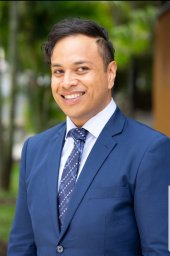 Patrick Thomsen合作论文数Waipapa Taumata Rau, University of Auckland1
 Jayde Flett合作论文数Dept Psychol, Univ Otago1Andrew Saw Tek Wei合作论文数1
 Muhamad Alif Bin Ibrahim合作论文数1
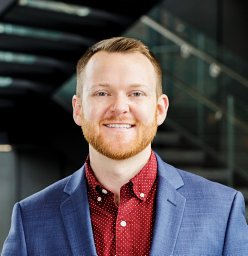 Ryan J. Watson合作论文数Department of Human Development and Family Sciences, University of Connecticut1
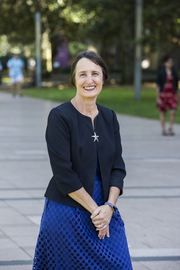 Maree Teesson合作论文数School of Health Sciences, Faculty of Medicine and Health, The University of Sydney1
 Nicola Newton合作论文数School of Health Sciences, Faculty of Medicine and Health, The University of Sydney1
 Perry Yael合作论文数School of Medicine, University of Pennsylvania1
 Terryann Clark合作论文数School of Nursing, Faculty of Medical and Health Sciences, The University of Auckland1
 Sam Manuela合作论文数School of Psychology, Faculty of Science, The University of Auckland1
 Sarah-Jane Tiakiwai合作论文数1Brendan Stevenson合作论文数University of Auckland;Massey University;Faculty of Education;University of Auckland, Massey University1
 Francis Leo Collins合作论文数Department of Geography, National University of Singapore1
 Timo T Ojanen合作论文数Graduate School of Psychology Coronation Hall Building, Assumption University1Emma L. Barrett合作论文数1




