PURPOSE:ARID1A is frequently mutated in cancer. Motivated by the preclinical synthetic lethality between ARID1A loss and ataxia telangiectasia and Rad3-related (ATR) inhibition, we performed an investigator-initiated phase II study of the ATR inhibitor (ATRi) ceralasertib in ARID1A-deficient solid tumors (NCT03682289). PATIENTS AND METHODS:This was a phase II, Simon two-stage study with a planned sample size of 29 evaluable patients. Eligible patients had locally advanced or metastatic solid tumors with measurable disease by Response Evaluation Criteria in Solid Tumors 1.1 and radiographic progression at study entry. Patients were required to have ARID1A loss as determined by immunohistochemistry analysis of tumor tissue. Patients received ceralasertib 160 mg twice daily on days 1 to 14 every 28 days. RNA sequencing (RNA-seq) and cyclic immunofluorescence were performed on tumor tissue to identify potential biomarkers of treatment response. RESULTS:The confirmed objective response rate (ORR) was 14% among the 29 efficacy-evaluable patients. All four responses, including three complete responses, occurred in endometrioid endometrial carcinoma or ovarian clear-cell carcinoma, with an ORR of 33% and a median duration of response of 33.7 months in this subset. Including one patient with uterine carcinosarcoma who had stable disease, the ORR was 31% among the 13 patients with gynecologic malignancies. Exploratory RNA-seq analysis of pretreatment archival tumor tissue identified upregulated G2-M checkpoint and DNA double-strand break-sensing pathways in patients who responded. Immune profiling revealed tumor immune microenvironment changes associated with the response to ceralasertib. CONCLUSIONS:Ceralasertib monotherapy demonstrated promising antitumor activity in ARID1A-deficient gynecologic malignancies. Tumor molecular and immune correlates may inform the further development of ATRis in this patient population.
BACKGROUND:Ovarian cancer debulking is associated with improved survival but carries significant morbidity, and data on meaningful outcomes among older adults remain limited. This study evaluated the association between frailty and days at home (DAH) at 1 year after surgery and identified modifiable factors. PATIENTS AND METHODS:This is a population-based study of Medicare fee-for-service beneficiaries (2014-2019) undergoing surgery for ovarian cancer. The primary exposure was a claims-based frailty index (CFI). The primary outcome was DAH at 1 year after surgery, calculated by subtracting hospital (inpatient, emergency department, and observation), nursing home (long-term hospital, skilled nursing, and rehabilitation facility), and death (days not alive) days from 365. Outcomes were stratified by frailty and age, and a multivariate linear regression model identified significant predictors of DAH. RESULTS:Among 7,348 patients (mean [SD] age, 74.3 [6.0] years), 44.0% were robust, 49.8% prefrail, and 6.2% frail. Mean [SD] DAH for all patients was 323 [89]; frail patients had significantly fewer DAH (269 [126]), as did prefrail patients (315 [96]), compared with robust patients (330 [68]) (P<.001). Robust older (age ≥80 years) patients had higher DAH than their frail younger (aged <70 years) counterparts (330 [79] vs 275 [117]). After 90 days, long-term mortality contributed to more loss in DAH through death days (26 [73]) than through hospital (3 [8]) or nursing home (2 [11]) days. Before 90 days, DAH were lost to hospital (6 [8)] and nursing home (3 [9]) rather than death (2 [10]) days. Frailty was the strongest predictor of fewer DAH (-52; 95% CI, -61 to -43) followed by high-risk surgical procedures (-30; 95% CI, -35 to -25). Minimally invasive surgery (MIS) was associated with higher DAH (+28 days; 95% CI, 24 to 33; P<.001). CONCLUSIONS:Frailty is the strongest predictor of DAH at 1 year after ovarian cancer surgery. Including frailty in surgical risk stratification, minimizing high-risk procedures, and utilizing MIS may improve patient-centered care for older adults with ovarian cancer.
Cervical cancer is the fourth most common cancer among women with significant global disparities in disease burden. In lower-resource settings, where routine screening for cervical cancer is uncommon, higher incidence of advanced-stage disease contributes to increased morbidity and mortality. Understanding care delays may inform strategies to decrease overall time to treatment, and could potentially improve outcomes. We sought to characterize the cervical cancer care cascade and identify factors associated with time to care cascade completion within a Ugandan cohort. We collected sociodemographic, reproductive health and care journey data from 268 Ugandan women newly diagnosed with cervical cancer at Mulago National Referral Hospital and the Uganda Cancer Institute. We characterized time from symptoms to presentation (patient interval), time from presentation to diagnosis (diagnostic interval) and time from diagnosis to treatment (treatment interval) and estimated the influence of patient, health provider, system, and disease factors on length of each interval using survival analysis. Median patient, diagnostic and treatment intervals were 74 days (IQR 26–238), 83 days (IQR 34–229), and 34 days (IQR 18–58), respectively. Patient interval was prolonged by the belief that symptoms would resolve spontaneously (aHR 0.37, 95
The American Joint Committee on Cancer (AJCC) tumor-node-metastasis (TNM) staging for all cancer sites has been updated periodically as a published manual for many years. The last update of the manual version, the eighth edition AJCC Cancer Staging Manual, went into use on January 1, 2018. The AJCC has since restructured and updated its processes for curating, analyzing, and publishing updates to the TNM staging system. All AJCC staging-related data are now housed on its new application programming interface. Consequently, the subsequent AJCC TNM staging updates are now published electronically as protocols and are released by disease sites. The protocol for carcinoma of the vulva, AJCC version 9, is now published. The new TNM vulvar cancer staging was validated using the American College of Surgeons' National Cancer Data Base. This article highlights the changes to the new AJCC TNM staging protocol for carcinoma of the vulva; these changes align with the 2021 International Federation for Gynecology and Obstetrics staging. The most important of the changes are: (1) a new method for depth of invasion measurement, (2) the addition of a new T subcategory-T4, (3) redefined N subcategories, and (4) an increased number of M subcategories with the addition of clinical to all M subcategories.
e13843 Background: Ovarian cancer debulking surgery is associated with improved survival but also with significant perioperative morbidity. Days at home (DAH) is a novel measure that reflects what many older adults value: being alive, returning home, and limiting facility stays, and is associated with self-rated quality of life. We evaluated the association between frailty and DAH one year after ovarian cancer surgery and determined modifiable predictors of low DAH to guide surgical decision-making in older adults with ovarian cancer. Methods: This population-based cohort study of fee-for-service Medicare beneficiaries receiving surgery for ovarian cancer between 2014-2019 examined associations between a frailty and DAH in the year after surgery. Frailty was identified using a validated claims-based frailty index (CFI) and patients were categorized as robust (CFI < 0.15), pre-frail (CFI 0.15 to < 0.25), and frail (CFI > = 0.25). DAH were calculated by subtracting hospital (inpatient, emergency department, and observation days), nursing home (long-term hospital, skilled nursing, and rehab facility days), and death days (days not alive in the year after surgery) from 365. Outcomes were stratified by frailty and age. A multivariate linear regression of DAH with patient and surgical covariates was performed. Results: Among 7,348 patients (mean [SD] age 74.1 [6.0] years), 44.0% were robust, 49.8% pre-frail, and 6.2% frail. The mean [SD] DAH for all patients was 322.6 [89.4] days; frail patients had significantly fewer DAH (269.0 [126.0]) as did pre-frail (314.5 [96.3]), compared with robust patients (330.4 [68.2]) (p < 0.001). Stratification by age and frailty indicated robust oldest (> = 80 years old) patients had more DAH than frail younger (< 70 years old) counterparts (329.6 [78.7] vs 274.5 [117.4]). Long-term mortality after 90 days contributed to loss in DAH in death days (25.7 [73.1]) rather than hospital (3.2 [7.9]) and nursing home days (1.7 [10.7]). Before 90-days, most DAH were lost to hospital (6.5 [8.0)] and nursing home (2.7 [9.2]) days rather than death (2.5 [12.4]). One year mortality rates were highest in frail patients (27.8%) and lowest in robust patients (8.8%). In adjusted models, frailty was the strongest predictor of fewer DAH (-51.8), followed by high-risk procedures (-29.9), and surgery without chemotherapy (-23.2); minimally invasive surgery was associated with an increase in DAH (+28.4 days, p < 0.001 all). Conclusions: Cancer-directed surgery in older adults is a high-stakes decision with limited data to guide surgical decision-making. In this study, frailty was the greatest predictor of fewer DAH, suggesting that frailty, above usual metrics of age and comorbidities, should be incorporated into surgical decision-making. Future studies should examine whether counseling older adults about outcomes beyond 90-days and tailoring surgical approaches to minimize surgical stress results in more personalized patient-centered surgical care.
The World Health Organization (WHO) has clearly published the necessary metrics for elimination of cervical cancer as a public health problem, which includes adequate treatment of both cervical cancer and its precursors for at least 90 % of affected individuals. To improve cervical cancer outcomes, universal access to the best surgical procedures, radiation therapy including brachytherapy, and systemic therapy as well as palliative care and end-of-life care is paramount. Although implementation at the state and regional levels can be impactful, providing uniform high-quality treatment throughout the United States is needed to achieve the WHO goal. This manuscript defines broadly acceptable minimum standards of care which need to be funded with closed loopholes for access and payment to achieve eradication of cervical cancer as a public health problem.
As more women are identified with BRCA genes, there has been increased attention paid to the role of risk reducing salpingo-oopherectomy (RRSO) in preventing ovarian cancer. Several studies have suggested a decrease in sexual function after RRSO that is not mitigated by hormone therapy treatment. This study is the first to prospectively study women over time from diagnosis, including those who chose whether or not to proceed with RRSO, and changes in sexual function. To determine the effects of RRSO vs ovarian conservation on sexual health in BRCA patients. This was a prospective study of 100 women with BRCA, 99 of whom filled out the Sexual Health outcomes in women survey tool, which assess sexual function even in non sexual active women and in those who have undergone a surgical procedure. Women were recruited after a BRCA diagnosis and categorized according to planned RRSO or ovarian conversation (non RRSO). They were followed for 5 years, completing surveys every 6 months. One hundred women completed this study, with 40 women planning RRSO at the beginning of the study and another 28 who underwent an RRSO during the study period. Over the course of 60 months, women who underwent RRSO were found to have lower sexual functioning scores at baseline in terms of sexual satisfaction and pelvic problem interface. Across all 60 months in the crossover analysis, every measure of sexual function was lower in the RRSO group, and this was not predicted by depression, hormone use, menopausal symptoms or other confounders. The lower sexual function appears to be explained by a lower baseline sexual function and not due to the surgery. This study is not consistent with previous research showing decreased sexual function after RRSO regardless of mental and physical health status and is the first of its kind to prospective study women with BRCA over time, starting prior to any RRSO and hormone therapy. These findings can be useful to providers and patients in understanding the effects of surgery and are reassuring that sexual function may in fact not be worsened by surgery. No.
OBJECTIVE:Describe a pilot system that 1) proactively identifies palliative care (PC) needs in a gynecology oncology population and 2) efficiently connects patients with targeted primary and specialty PC services. METHODS:Outpatients with stage 3 or 4 gynecologic malignancies received electronic surveys assessing PC needs in domains of physical symptoms, emotional or spiritual distress, care coordination, practical concerns, and advance care planning (ACP). Referrals to support groups, social work (SW), ACP websites/workshops, and specialty PC consultation were offered accordingly. RESULTS:Overall, 129 (45 %) of 287 patients participated. Sixty-three (49 %) reported significant physical symptoms, 58 (45 %) significant emotional symptoms, 9 (7 %) spiritual distress, 19 (14.7 %) a care coordination challenge, 30 (23 %) a practical issue, and 86 (67 %) no ACP documentation. Thirty-seven (59 %) patients with physical symptoms not already followed by PC were offered a PC consultation; 18 (49 %) accepted. Of 58 patients with emotional symptoms 18 (31 %) accepted a SW consultation, 19 (32 %) a support group and 21 (36 %) a resiliency class. Fifteen (50 %) patients with practical concerns were not already connected with SW and offered SW consultation; 10 (33 %) accepted. Forty (47 %) patients with ACP needs accepted an interactive ACP website, 23 (27 %) an ACP workshop, and 31 (36 %) an advance directive worksheet via mail. CONCLUSIONS:We describe how to routinely screen and proactively connect patients to a wide range of PC services. PC needs were common and many could be addressed through non-specialty PC services. Acceptance of the services offered was incomplete, however, and warrants further investigation.
BACKGROUND:Several studies have suggested a decrease in sexual function after risk-reducing salpingo-oophorectomy (RRSO) that is not mitigated by hormone therapy treatment. AIMS:This is a prospective cohort study of women followed from the time of diagnosis, including those who chose whether to proceed with RRSO, and changes in sexual function. METHODS:Premenopausal women were recruited from a high-risk cancer genetics clinic at a large academic center and completed detailed demographics and validated measures regarding their physical, mental, and sexual health. OUTCOMES:Women were surveyed over the course of 60 months, using the Sexual Health Outcomes in Women Questionnaire (SHOW-Q), and results were analyzed, controlling for known confounders in sexual health, comparing women with and without RRSO. RESULTS:One hundred women completed the study, 99 of whom completed baseline SHOW-Q surveys. Forty-one women planned RRSO at the beginning of the study, and another 30 underwent an RRSO during the study period. At baseline, women who underwent RRSO had lower sexual functioning scores in terms of sexual satisfaction and pelvic problem interface. Over 60 months, there was no difference in sexual function scores between the RRSO and the no-RRSO group in multivariable models that adjusted for depression, hormone use, menopausal symptoms, or other confounders. CLINICAL IMPLICATIONS:Pre-surgery sexual function predicts post-surgery sexual function, which challenges existing dogma, and women can be reassured that surgery likely won't affect sexual function. STRENGTHS AND LIMITATIONS:This study's strength was the relatively large sample size and long-term follow-up. Limitations were a relatively homogeneous population that may not reflect the diversity of patient experiences. CONCLUSIONS:These findings can be useful to providers and patients in understanding the effects of surgery and are reassuring that sexual function may, in fact, not be worsened by surgery.
Hereditary cancers account for up to 10% of all cancer diagnoses, and are caused by genetic mutations passed from parent to child. Emerging evidence in this field has resulted in cancer prevention and specific treatment decisions, leading to decreased cancer incidence and improved patient quality of life. However, there have been notable differences in clinical guidelines that provide inconsistent recommendations, causing confusion about what genes are of importance. The updated NCCN Guidelines for Genetic/Familial High-Risk Assessment provide the most up-to-date recommendations for not only clinicians but also patients and their family members with similar genetic mutations.
 Jocelyn Chapman合作论文数52Stefanie M. Ueda合作论文数47
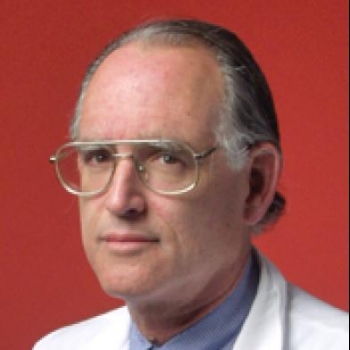 Daniel Kapp合作论文数Department of Radiation Oncology, School of Medicine, Stanford University43
 Christine Miaskowski合作论文数Department of Physiological Nursing, School of Nursing, University of California San Francisco;Helen Diller Family Comprehensive Cancer Center, University of California San Francisco24C. Bethan Powell合作论文数24Joseph T. Rabban合作论文数22J. K. Chan合作论文数21Kathryn E. Osann合作论文数School of Medicine, University of California, Irvine20
 Jon Levine合作论文数Weill Institute for Neurosciences, University of California, San Francisco;School of Dentistry, University of California, San Francisco18
 David M. Gershenson合作论文数Department of Gynecologic Oncology and Reproductive Medicine, Division of Surgery, The University of Texas MD Anderson Cancer Center18
 Amit M Oza合作论文数Division of Medical Oncology and Hematology, University Health Network;Department of Medicine, University of Toronto;Princess Margaret Hospital, University of Toronto17Swanson Megan合作论文数17
 John Chan合作论文数School of Medicine, University of California, San Francisco16Bruce A. Cooper合作论文数16
 Ronald D. Alvarez合作论文数Division of Gynecologic Oncology, University of Alabama at Birmingham15Beth Crawford合作论文数15
 Marilyn Hammer合作论文数Dana-Farber Cancer Institute14
 Deborah K Armstrong合作论文数Department of Oncology, Johns Hopkins University14Stephanie Cham合作论文数Department of Obstetrics and Gynecology, Brigham and Women's Hospital;Boston;Division of Gynecologic Oncology, Department of Obstetrics and Gynecology, Brigham and Women's Hospital; Boston, Massachusetts.13
 Xinhua Yu合作论文数Univ Memphis, Sch Publ Hlth, Div Epidemiol Biostat & Environm Hlth, Memphis, TN 38152 USA13
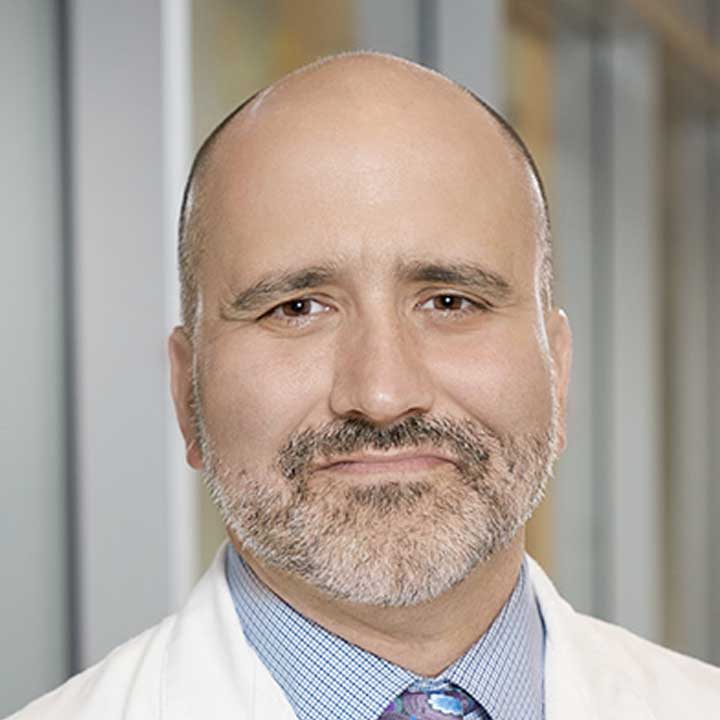 David M O Malley合作论文数Division of Gynecologic Oncology, The Ohio State University Comprehensive Cancer Center – James Cancer Hospital and Solove Research Institute, Ohio State University;Department of Obstetrics and Gynecology, College of Medicine, The Ohio State University13
 Theresa L Werner合作论文数Department of Medicine, The University of Utah13J. Chan合作论文数13Lee-Lynn Chen合作论文数12Shapira-Frommer Ronnie合作论文数12
 Kord M. Kober合作论文数Sch Nursing, Univ Calif San Francisco12
 Kevin Blansit合作论文数Palo Alto Medical Foundation Research Institute;Fielding School of Public Health, UCLA;Fielding School of Public Health, Palo Alto Medical Foundation Research Institute12
 Gottfried E. Konecny合作论文数Division of Hematology Oncology, Department of Medicine, University of California Los Angeles12Renata R. Urban合作论文数12
 Ardeshir Hakam合作论文数12
 I-Chow (Joe) Hsu合作论文数Department of Radiation Oncology, University of California, San Francisco12
 youn-jeong Shin合作论文数Stanford Cancer Center, Stanford University School of Medicine12Heidi J. Gray合作论文数12Alexander E. Sherman合作论文数12Charles Zaloudek合作论文数12C. B. Powell合作论文数11Steven W. Remmenga合作论文数11
 Katherine C Fuh合作论文数11
 John Boscardin合作论文数Division of Geriatrics, University of California11Ursula A. Matulonis合作论文数Dana Farber Canc Inst11Rebecca A Brooks合作论文数10
 Fay Wright合作论文数Rory Meyers College of Nursing, New York University10Allison H Kay合作论文数10
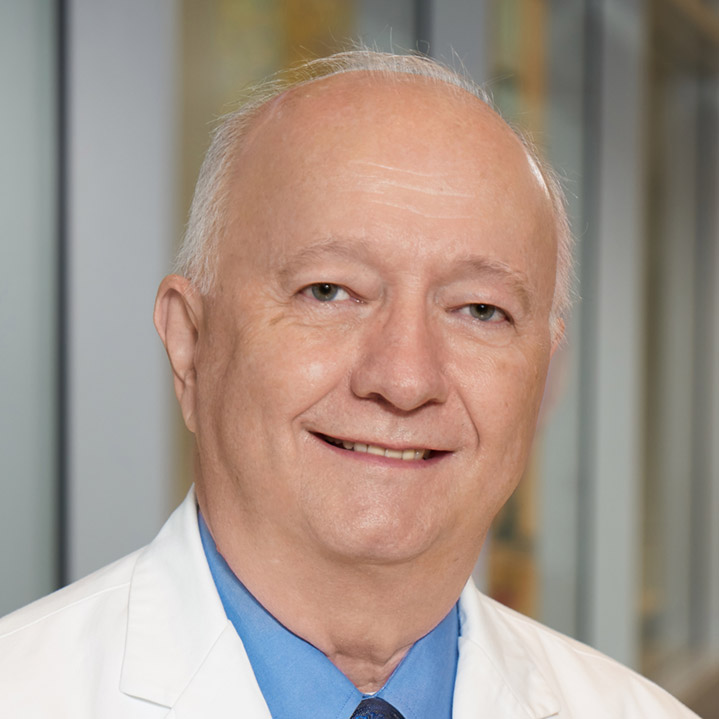 Larry J Copeland合作论文数Comprehensive Cancer Center, The Ohio State University10Paul Sabbatini合作论文数Department of Medicine, Memorial Sloan-Kettering Cancer Center10Mary Dwyer合作论文数9D. S. Kapp合作论文数9Sandra Goble合作论文数Clovis Oncol Inc, Boulder, CO USA9
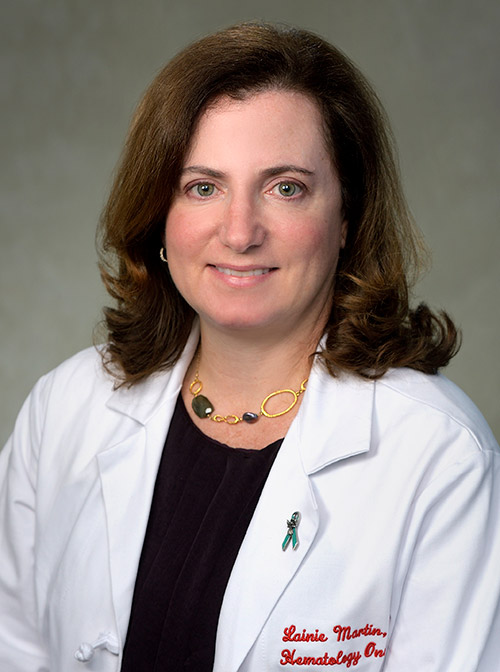 Lainie P. Martin合作论文数Division of Hematology and Oncology, Department of Medicine, Perelman School of Medicine, University of Pennsylvania9




