Predicting and mitigating the impacts of chronic noise on marine mammals is limited by sparce data on repeated disturbance. Naval sonar disrupts species behavior with lethal and sublethal risks, yet mitigation relies on short-term studies. We analyzed a decade of passive acoustic observational data to assess behavioral changes of goose-beaked whales ( Ziphius cavirostris ) at locations near and far from long-standing sonar operations. Whales remained present in impacted areas but exhibited patterns consistent with avoidance observed in exposure experiments. Interpreting these as responses, a 50% disturbance probability occurred at 122–132 dB pp re 1 µPa, below regulatory thresholds. With median 1-1.2 day intervals between exercises and 132–134 dB pp re 1 µPa daily received levels, disturbances imposed near-daily energetic and foraging costs. Differences in responses between areas with similar exposure suggest that ecological factors such as habitat quality may promote habitat persistence despite moderate disturbance. Over a decade, whales became more likely to be detected during shorter exercises and after exposure while maintaining sensitivity to moderate-to-high exposure levels. This suggests either reduced displacement responses over time or suitable prey conditions not found elsewhere as a result of changes in habitat conditions. These results suggest mitigation should prioritize sonar-free periods and limit exercise duration.
Understanding the distribution and abundance of marine mammals is important for assessing population dynamics and evaluating the impacts of human activities on these species. Here, we assessed the capability of microbial and small plankton communities to predict the density of Balaenopteridae whales in the Southern California Current Ecosystem in each season from 2014 to 2020 using data from the California Cooperative Oceanic Fisheries Investigations (CalCOFI). Densities of Balaenopteridae whales were estimated from visual line transect surveys for three target species - blue (Balaenoptera musculus), fin (Balaenoptera physalus), and humpback (Megaptera novaeangliae) whales - and microbial and small plankton communities were examined in concurrent water samples via metabarcoding of the 16S and 18S rRNA genes. Planktonic communities specific to each target whale species appeared as strong statistical predictors of whale estimated density, explaining 81-99% of variability and predicting density estimates to within ~1 individual per 1000 km2. Our approach improved out-of-sample root mean square prediction error by up to 65% compared with simple alternative methods. Specific planktonic communities observed indicate that some predictor taxa may be ecologically associated with whales as parasites, as skin and respiratory microbiome species, or through the food chain of whale prey. However, further studies are needed to understand how these organisms function collectively as a community and interact with the "ecological habitat" that supports whales. Our results suggest that using planktonic communities to quantify the potential ecological habitat of larger organisms, like baleen whales, can enhance predictive models and may inform hypotheses about the ecological relationships between whales and the biological communities with which they co-occur.
The design of experiments to investigate the combined effects of multiple stressors requires exposing target organisms to multiple combinations of stressor doses. Concurrent manipulation of stressors is often infeasible with wildlife, but long-lasting health effects allow individual health to be used as an integrator of prior stressor exposure. The population of bottlenose dolphins in Barataria Bay, Louisiana, experienced long-lasting health effects after exposure to oil from the Deepwater Horizon spill. We investigated whether compromised health status affects dolphins' ability to respond to other stressors, specifically vessel traffic, potentially leading to increased collision risk. We used this case study to develop a hypothesis-driven experimental approach to assess the combined effects of multiple stressors in a large, long-lived vertebrate species. We conducted controlled vessel approaches to test whether the health status of targeted dolphins affected their behavioral responses. Our results highlighted some effects of health, suggesting that oil spills may exacerbate the effects of other stressors in coastal populations. For example, lung disease was associated with a delayed dive response, which could affect the ability to vertically avoid vessels and lead to increased collision risk. However, health effects on response probability were overall smaller than anticipated, and other contextual variables (e.g., sex, age, calf presence, prior experience, and exposure context) contributed to response variability. Our work demonstrated the value of formalizing stressor interactions as multidimensional dose-response functions and showed the feasibility of an experimental, multiple-stressor study in a wild system in which individual health status can be used as an integrator of prior stressor exposure. This approach has broad implications for other species that are difficult to handle experimentally. The quantification and management of the cumulative risk from multiple stressors on wildlife will require a combination of empirical and mechanistic approaches to inform long-term, population consequences.
Many wildlife monitoring programmes collect annual data on population abundance. The resulting abundance estimates fluctuate over time partly because of true population change and partly because of observation error. These two components of variation can be separated by fitting the estimates to a population dynamics model within a Bayesian state-space modelling framework. By constraining the population trajectory to be biologically realistic, more precise estimates can be obtained. Independent biological knowledge can be incorporated through choice of model structure and by specifying informative prior distributions on demographic parameters. We illustrate the approach using a 31-year point transect study of the Hawai'i '& amacr;kepa (Loxops coccineus). We fitted five models, each making different assumptions about how population change, recruitment and/or adult survival varied over time. Overall, the '& amacr;kepa geometric mean growth rate was 1.02, indicating an increasing population over the 31-year time series, although there were periods of slow decline potentially associated with low recruitment and more rapid recovery associated with pulses of high recruitment. Abundance estimates derived from the population models were substantially more precise than the 'raw' point transect estimates: 95% credible interval (CrI) was on average 51.7% (s.d. = 14.1%) narrower.
The endangered North Atlantic right whale (NARW) faces threats from lethal and sublethal stressors. Prey limitation has been linked to reduced growth and fecundity, while anthropogenic noise has been associated with acoustic behavior changes and increased physiological stress. We combined disparate data sets collected in Cape Cod Bay, Massachusetts, USA, across multiple years, quantifying links between prey, calling behavior, noise, and foraging behavior to answer 3 questions: (1) What are the characteristics of noise and prey density in the patches where NARW forage? Are prey density, call rate, and noise related to (2) the probability of being in a foraging state and (3) the size of the foraging group? We found links between predicted prey density and 2 measures of NARW foraging: probability of being in a foraging state and foraging group size. There were also significant non-linear relationships between lagged calling behavior and these same measures. For group size, an interaction term between calling behavior and prey density suggested a complex interrelationship between these variables. When more ambient noise was measured near a patch in the 4 h prior to a sighting of foraging whales, whales foraged in lower-quality zooplankton patches. Elevated noise ahead of aggregated sightings was also associated with a smaller group size. This is consistent with the hypothesis that increased ambient noise disturbs foraging and/or reduces communication space, limiting the ability of NARWs to fully exploit their environment. Our findings suggest pathways for future experiments to explicitly test the mechanisms underpinning foraging processes in endangered NARW.
Eighteen years of visual survey and strandings data were used to describe baleen whale occurrence along the continental shelf of Virginia and North Carolina, U.S.A. This region experiences heavy anthropogenic use, which poses risks for mortality and injury to baleen whales. Between 2001 and 2019, six species of baleen whales were recorded, and whales occurred year-round. The total number of (on- and off-effort) sightings and strandings amounted to 838 whales, including humpback (Megaptera novaeangliae, n = 503), fin (Balaenoptera physalus, n = 197), North Atlantic right (Eubalaena glacialis, NARW, n = 76), common minke (B. acutorostrata, n = 51), sei (B. borealis, n = 10), and blue (B. musculus, n = 1) whales. Spatial modeling and abundance estimates indicated whale density and distribution changed seasonally. The highest densities of all whales combined occurred in winter and spring. Across seasons, average densities were highest in the northern portion of the study area. Ninety percent of NARW sightings were outside the designated Seasonal Management Areas in place for their protection. The stranding record offered a complementary view of species richness and seasonality. This study provides a baseline of baleen whale occurrence in an area experiencing increasing anthropogenic pressures (e.g., ship traffic and offshore wind-energy development).
Ecological restoration focuses on the recovery of impacted wildlife populations, but the actions that caused the injury cannot always be reversed. Modelling the cumulative risk from multiple stressors helps predict the benefit of reducing other activities that can be managed. We synthesize diverse data from a bottlenose dolphin population that suffered long-lasting health effects following the 2010 Deepwater Horizon oil spill. We demonstrate how results from health assessments, analysis of scarring from traumatic injury as a function of health status and epigenetic age analysis could be integrated to inform a model for the population consequences of multiple stressors. We use the model to simulate management scenarios involving the reduction of other stressors beyond oil exposure. Chronic health effects continue more than 10 years post-spill, and scar prevalence indicates that oiled animals may also be more likely to get struck by vessels. Moreover, chronic effects of entanglements are evidenced in individuals' epigenetic patterns. Simulated scenarios suggest that the reduction of lethal vessel strikes could have accelerated population recovery if implemented promptly after the spill, but could still be beneficial. The assessment of combined effects and the targeted reduction of stressors that can feasibly be managed can support effective conservation efforts.
AbstractFor wide-ranging or cryptic species, abundance estimation often relies on counts when individuals aggregate during breeding or migration. When these events are asynchronous, counts represent an unknown proportion of the focal component of the population. Grey seals (Halichoerus grypus), colonial breeders with protracted pupping seasons, typify this challenge: a single survey corresponds to an unknown proportion of total pup production (number of pups born in a season). Pups are born with white pelage before moulting and leaving, allowing a time series of counts of white and moulted pups to be derived from serial aerial photography. Current maximum likelihood approaches have limited flexibility to incorporate model extensions or test alternative parameterizations. We developed a Bayesian state-space model that explicitly incorporates mortality and examines effects of misspecifying moult and leave timing. Via simulation, we demonstrate biases from omitting mortality, misspecifying leave timing, and misparametrizing the observation and process models. Incorporating platform-specific (drone and fixed-wing surveys) observation error from Farne Island colonies surveyed in 2023, we refine detection rates and fit the model to these data. This framework has potential to improve abundance estimates for other asynchronously breeding species and be extended to include temporal and spatial variation in survival and phenology.
Predicting and mitigating the impacts of chronic noise on marine mammals is limited by sparse data on repeated disturbance. Naval sonar disrupts species behavior with lethal and sublethal risks, yet mitigation relies on short-term studies. We analyzed a decade of passive acoustic observational data to assess behavioral changes of goose-beaked whales (Ziphius cavirostris) at locations near and far from long-standing sonar operations. Whales remained present in impacted areas but exhibited patterns consistent with avoidance observed in exposure experiments. Interpreting these as responses, a 50% disturbance probability occurred at 122-132 dBpp re 1 µPa, below regulatory thresholds. With median 1.0-1.2 day intervals between exercises and 132-134 dBpp re 1 µPa daily received levels, disturbances imposed near-daily energetic and foraging costs. Differences in responses between areas with similar exposure suggest that ecological factors such as habitat quality may promote habitat persistence despite moderate disturbance. Over a decade, whales became more likely to be detected during shorter exercises and after exposure while maintaining sensitivity to moderate-to-high exposure levels. This suggests either reduced displacement responses over time or suitable prey conditions not found elsewhere as a result of changes in habitat conditions. These results suggest mitigation should prioritize sonar-free periods and limit exercise duration.
Polychlorinated biphenyls (PCBs) are legacy pollutants associated with numerous adverse health effects. We synthesized PCB and health data collected over multiple decades and across six bottlenose dolphin (Tursiops spp.) populations, including a population near the heavily PCB-contaminated LCP Chemicals Site in Brunswick, Georgia, US. We used samples from males and juvenile females (n=396) to compare PCBs across populations, explore fine-scale spatial trends near the LCP Chemicals Site, and examine temporal trends for bottlenose dolphins sampled near Brunswick, and near Charleston, South Carolina. As females depurate a large portion of their PCB burden to their offspring, we also used the full sample set (n=580) to examine timing of decrease in blubber PCB burden in females as an indicator of first successful reproduction. Finally, we investigated associations of PCB concentrations with health indicators and thyroid hormones. We found that, although PCBs declined over time (3.54% and 5.01% decline per year for Brunswick and Charleston, respectively), concentrations are still extremely high in dolphins sampled near the LCP Chemicals Site. Geometric mean total PCBs combined over years for the Brunswick population was 236 (95% CI:198–280) μg/g lipid, but ranged from only 46 to 60 μg/g lipid for populations outside southern Georgia. At Brunswick, concentrations of summed congeners of Aroclor 1268, the commercial PCB mixture associated with LCP Chemicals Site operations but rarely used elsewhere, decreased with increasing sampling distance from the site. The median age for females classified to the sample group that had presumably successfully reproduced, indicated by decreased PCB concentration, was 20.4 years for Brunswick, compared with 11.6 years for other populations, suggesting that Brunswick females experience a number of failed attempts at breeding prior to their first success. Aroclor 1268 levels were associated with decreases in health indicators. Strongest associations were with alkaline phosphatase and albumin; for both, low measures have been associated with substantial increase in mortality risk for dolphins. In addition, all three thyroid hormones decreased with increasing Aroclor 1268. Previous human studies have found that hypothyroidism is associated with infertility, miscarriage, and poor fetal outcome, suggesting a likely pathway for PCB-related effects on reproduction in bottlenose dolphins.
The analysis of DNA methylation data for wildlife conservation is gaining momentum as the technology for quantifying the methylome becomes mainstream. The use of epigenetic information extracted from tissue samples can be used for estimating chronological age, individual traits and phenotypic variation. Methylation data present an exciting opportunity to study wildlife populations, with the potential to provide insights into age structure, vital rates and health. However, the statistical methodology for answering the emerging research questions has been developed and mostly applied in the human biomedical setting. We review the key methodologies commonly used in wildlife settings, and methods that have been used only in human studies so far that could improve our understanding of wildlife epigenomic changes. We show how the different methods relate to each other and how they link to research questions, illustrating each approach with data from a case study, a large dataset from wild bottlenose dolphins (Tursiops spp.) from the US southeast and Gulf coast. Estimating chronological age from models called epigenetic clocks and understanding the relationship between epigenetic indicators of health and exposure to stressors are both key goals in wildlife settings; however, we show that a single model cannot do both accurately. This is a fundamental limitation of clock-type models and might explain why some age-related health conditions have been found to be related to epigenetic age and others not. Decoupling the analysis of age and health is challenging because the two are confounded but is especially important in wildlife settings where age prediction is often the main analytical objective.
Exploring solutions to expanding industrial activities and climate change requires assessments of the combined effects of multiple stressors on wildlife populations. We present a spatially explicit state-space model for the health, survival, reproduction, and somatic growth of individuals in a long-lived, wide-ranging species. The model is applied to critically endangered North Atlantic right whales (Eubalaena glacialis) to investigate the combined effects of three primary stressors affecting the species' viability: entanglements in fishing gear, vessel strikes, and prey availability. We estimate exposure to these stressors in space and time and assess how their effects may combine in the pathway from exposure to vital rates. Results suggest that changes in whale distribution after 2010 led to increased entanglement risk. Poorer prey conditions were associated with an increased effect of carrying fishing gear, but, overall, results on combined effects were not conclusive and depended on model formulation. We also incorporated the estimated effects of stressors into a population viability analysis to explore alternative scenarios of stressor reduction. This integrated analysis highlighted the importance of the declining trend in maximum body length and its effect on reproduction, in addition to the documented impact of entanglements on survival. Model development and application elucidated critical data needs and the influence of underlying mechanistic assumptions. Specifically, models for the combined effects of stressors hinge on the availability of extended longitudinal measurements of individual health and life history outcomes, extensive datasets on the spatiotemporal distribution of stressors, and information on individual space use affecting rates of exposure to stressors. Lessons from this data-rich case study will support the generalization of the modeling approach to other long-lived species where measuring the population-level consequences of multiple stressors directly is unfeasible.
Estimating pinniped abundance is difficult because they are highly mobile and widely distributed, and spend the majority of time at sea. Abundance estimates are typically based on counts on land or ice. In species that breed colonially, such as the grey seal (Halichoerus grypus), monitoring is largely focused on the breeding season, and pup production (number of pups born in a season) is used as an index of the total population size. At any one colony, grey seals give birth over several months, so not all pups are present at the colony at any one time. Pups are born white and moult into an adult-like coat before leaving the colony. At most key UK breeding colonies, over the course of a breeding season, a series of digital photographic aerial surveys are conducted and analysts count the numbers of white and moulted seal pups photographed. We developed a flexible state-space model to estimate pup production using these count data. The model is comprised of a deterministic process model for birth, moult, and leaving, and a stochastic observation model that allows for imperfect detection and classification. We implemented this model in Template Model Builder (TMB) and fit it using maximum likelihood. We show that our model performs well on simulated and real datasets. This model could be applied to other taxa for which successive counts of different life stages are collected, and used to investigate key ecological questions including, for example, the impact of climate change on phenology.
The population size ("abundance") of wildlife species has central interest in ecological research and management. Distance sampling is a dominant approach to the estimation of wildlife abundance for many vertebrate animal species. One perceived advantage of distance sampling over the well-known alternative approach of capture-recapture is that distance sampling is thought to be robust to unmodelled heterogeneity in animal detection probability, via a conjecture known as "pooling robustness". Although distance sampling has been successfully applied and developed for decades, its statistical foundation is not complete: there are published proofs and arguments highlighting deficiency of the methodology. This work provides a statistical foundation for distance sampling that has attainable assumptions. In addition, because identification and consistency of the developed distance sampling abundance estimator is unaffected by detection heterogeneity, the pooling robustness conjecture is resolved.
Limited understanding of connectivity across the deep Gulf of Mexico has impeded efforts to effectively manage offshore marine mammal populations. In 2020, an international team established a distributed passive acoustic sensor array across the deep water Gulf, combining eight long-term moored stations with four annually relocated short-term stations selected using a space-filling design. This design provides a balance between continuous temporal monitoring at fixed sites and expanded spatial coverage through short-term deployments. Weekly density estimates for eight marine mammal species were analyzed to identify spatial and temporal patterns of occurrence and potential activity hotspots. To evaluate the utility of this mixed monitoring strategy, we applied an information-theoretic approach, quantifying the incremental variance in species density explained by each short-term deployment when integrated into a baseline model using only long-term stations. Preliminary results suggest incorporating short-term stations captures key phenomena—such as rare species occurrences, relationships with transient oceanographic features, and anthropogenic noise impacts—that may be missed by relying on a limited number of long-term stations, particularly in regions influenced by mesoscale processes. Long-term stations provide an essential temporal context for seasonal and interannual variability. This mixed monitoring strategy appears effective for pelagic species in large, dynamic ecosystems like the Gulf of Mexico.
Tagging data can provide critical information to support the conservation of marine mammal species, but these benefits must be balanced against any potential adverse effects on the health and vital rates of tagged individuals, particularly in endangered populations. Data from historical tag deployments can be used to evaluate these effects. Here, we expand a model for the Population Consequences of Multiple Stressors to investigate the effects of invasive tags deployed from the late 1980s through 2001 on the health, survival and reproduction of critically endangered North Atlantic right whales (Eubalaena glacialis). Historical tags deployed on this species include anchored (Type A) tags and consolidated (Type C) tags. The effects of these deployments were explored alongside the effects of other stressors included in the model (entanglements, vessel strikes and prey abundance). Our results indicate that historical anchored (Type A) tags had a negative effect on the health of tagged individuals, which is linked in the model with their survival and calving probabilities. We found limited evidence in additional exploratory analyses that confounding factors may have affected our findings. In contrast, we did not detect any effect of historical consolidated (Type C) tags. This study demonstrates the utility of our modelling approach for assessing the effects of invasive tagging on the survival and reproduction of tagged individuals. The model could be used to explore the effects of future deployments on this critically endangered species, contributing to improve tag design and inform future permitting decisions.
Understanding the density of marine mammals is important for assessing population dynamics and evaluating the impacts of human activities on these species. In this work, we examine microorganisms that may be ecologically associated, whether directly or indirectly, with baleen whales – the potential “ecological habitat” – to predict baleen whale densities via statistical relationships adjusted for seasonal patterns of occurrence. We assessed the capability of microbial and small plankton communities to predict the density of Balaenopteridae whales in the Southern California Current Ecosystem in each quarterly season from 2014 to 2020 using data from the California Cooperative Oceanic Fisheries Investigations (CalCOFI). Densities were estimated from visual sightings for three target species – blue, fin, and humpback whales – and microbial and small plankton communities were examined using concurrent water samples via metabarcoding of the 16S and 18S rRNA genes. We identified microbial and small plankton communities specific to each target species that were strong predictors of estimated density. Groups of 23-60 distinct Amplicon Sequence Variants (ASVs) per baleen whale species explained 81-99% of variability in estimated whale density and predicted density estimates to within ∼1 individual per 1000 km2 . The predictive accuracy achieved by our approach, compared with naive seasonal carry-forward and seasonal averaging approaches to prediction, improves out-of-sample RMSE by up to an estimated 65%. Microbial and small plankton communities were characterized by 148 unique taxonomic annotations enumerated across marker genes. Of these, 20% were shared across all three species, 21% were shared by two species, and the remaining (59%) were unique to a single whale species, which suggests that there is some overlap in the ecological habitat among blue, humpback, and fin whales, but each species is also related to a distinct community of microbes and small plankton. We also conducted a narrative review to examine existing known relationships of baleen whales with microbes or small plankton. Of the 148 unique taxonomic annotations we found to be predictive of baleen whale densities, 23% have been referenced within the existing literature exploring microbial prey, parasites, commensals, or respiratory-associated organisms of baleen whales, with matches at the genus or family level. The rest matched at higher taxonomic levels (41%) or had no documented matches in our literature search (36%). These findings suggest that some of the microbial and small plankton community predictors may be ecologically relevant, yet further studies are needed to understand how these organisms function collectively as a community and interact with whale ecology, prey, and the surrounding environment. Our results suggest that using microbial and small plankton communities to quantify the potential ecological habitat of larger organisms, like baleen whales, can enhance predictive models and may inform hypotheses about the ecological relationships between whales and the biological communities with which they co-occur. ### Competing Interest Statement The authors have declared no competing interest.
The accidental capture ('bycatch') of marine animals can pose a conservation threat to populations of endangered, threatened, and protected species. We evaluated the factors influencing or associated with estimated bycatch-per-haul (BpH) using a unique long-term data set with almost 20 000 monitored static net fishing operations collected between 1996 and 2023 as part of the UK Bycatch Monitoring Programme. We developed statistical models to explore relationships between BpH and potential explanatory variables for two small cetacean species, harbour porpoise (Phocoena phocoena) and common dolphin (Delphinus delphis), and a pinniped category [which included grey seal (Halichoerus grypus) and harbour seal (Phoca vitulina)]. Explanatory variables were spatio-temporal [ICES Division, season (day of year), year], environmental (depth), and operational [metier, effort, presence of acoustic deterrent devices (ADDs)]. Harbour porpoise and common dolphin BpH were relatively stable up to 2014, but since then have generally shown opposing trends with harbour porpoise BpH decreasing and common dolphin BpH increasing. Seal BpH has been gradually increasing across the time-period. Seasonal patterns in BpH were also evident, with harbour porpoise rates highest in spring and autumn, and common dolphin and seal rates highest in winter. Harbour porpoise and seal BpH generally decreased with increasing depth; no clear association with depth was found for common dolphin BpH. BpH exhibited an increasing trend as haul effort increased (effort being estimated per haul based on soak time and net length), and there was a tendency for bycatch rates to increase more slowly at high effort levels. The use of ADDs was associated with lower BpH of harbour porpoise (approximately a 75% reduction) but no clear effect was seen for common dolphin. BpH of seals was positively associated with use of ADDs. Model predictions for ICES Divisions, metiers and seasons with relatively higher BpH for the different species can be used to refine current bycatch estimation procedures and inform the development of targeted bycatch mitigation.
Species distribution models (SDMs) for marine megafauna, such as cetaceans, traditionally use occurrence data from scientific surveys. These surveys follow standardised protocols and provide spatially structured data, making them a reliable source of information on distributions. However, they are costly and temporally limited, offering only a snapshot of distributions in time. Because cetaceans track dynamic oceanographic features, models built on survey data alone often lack temporal transferability. In contrast, platforms of opportunity (such as whale-watching vessels) allow obtaining occurrence data with high temporal resolution and near-daily sampling. These data are restricted to small coastal areas and subject to spatial bias, yet remain informative through time. Given the complementary nature of these sources and the absence of a general spatiotemporal framework for combining designed line-transect detections with opportunistic presence-only data, here we present an integrated modelling approach that leverages their strengths: broad spatial structure from surveys and high temporal resolution from whale watching. We combine these sources in a joint-likelihood log-Gaussian Cox process (LGCP), fitted in a Bayesian hierarchical framework using integrated nested Laplace approximations (INLA). The survey contributes a line-transect distance-sampling likelihood, and whale watching contributes an availability-restricted presence-only likelihood. Simulations show that integration lets the model absorb the temporal signal from whale watching without losing spatial structure from the survey. We apply the approach to short-beaked common dolphins ( Delphinus delphis ) off mainland Portugal. The integrated model improves spatial fit and combines heterogeneous data within a coherent framework, though dynamic covariate effects were weak, limiting temporal variation in spatial predictions. The results demonstrate potential and limitations of spatiotemporal integration. They clarify data requirements when combining surveys with opportunistic data and provide a general, extensible framework for integrating marine datasets that differ in design, extent, and temporal resolution. ### Competing Interest Statement The authors have declared no competing interest. ‘la Caixa’ Foundation, LCF/BQ/DI23/11990054 Fundaçäo para a Ciência e a Tecnologia, UIDB/04292/202, LA/P/0069/2020, UIDB/00006/2020
Passive acoustic data can be used to estimate animal density. A key step is quantifying the range-specific detection probability for vocalizations from the target species. A method developed to estimate cetacean density from single hydrophones was applied to pygmy blue whale (Balaenoptera musculus brevicauda) “Sri Lankan” song recorded near Diego Garcia in the Indian Ocean during May 2002. Detection probability was estimated using a Monte Carlo simulation using information about transmission loss, ambient noise levels, song source levels, and the efficiency of the automatic detection process. The effect of varying source levels was explored. Song density estimates were 0.14 song units/1000 km2 h−1 [coefficient of variation (CV), 0.16; mean source level: 179 dB re 1 μPa @ 1 m] and 0.024 song units/1000 km2 h−1 (CV, 0.12; mean source level, 189 dB re 1 μPa @ 1 m). Estimating whale density additionally requires an estimate of the song production rate, which was not available. Nevertheless, estimating song unit density enables different datasets to be compared in a standardized framework. This simulation method is useful for data collected by sparsely distributed instruments, where wide instrument spacing may exclude the use of standard density estimation methods such as spatial capture-recapture and distance sampling.
 Tiago A. Marques合作论文数55
 S. T. Buckland合作论文数Scottish Oceans Institute, School of Mathematics and Statistics, University of St Andrews;Centre for Research into Ecological & Environmental Modelling, School of Mathematics and Statistics, University of St Andrews42
 Peter Tyack合作论文数Woods Hole Oceanographic Institution;Institute of Behavioural and Neural Science, University of St Andrews;Scottish Oceans Institute, University of St Andrews;Centre for Social Learning & Cognitive Evolution, University of St Andrews31
 John Harwood合作论文数Univ St Andrews, Ctr Res Ecol & Environm Modelling, St Andrews KY16 9LZ, Fife, Scotland30
 David Moretti合作论文数28Catriona M. Harris合作论文数27
 Lori H Schwacke合作论文数Hollings Marine Lab, Natl Ctr Coastal Ocean Sci26
 David Borchers合作论文数Centre for Research into Ecological and Environmental Modelling;University of St Andrews;Centre for Research into Ecological and Environmental Modelling, University of St Andrews25Harris Danielle合作论文数21
 Ruth King合作论文数School of Mathematics, The University of Edinburgh18
 David K. Mellinger合作论文数College of Earth, Ocean, and Atmospheric Sciences, Oregon State University17
 Pirotta Enrico合作论文数Institute of Biological and Environmental Sciences, University of Aberdeen15
 Eric A. Rexstad合作论文数Quantitative Wildlife Biology;University of Alaska;Quantitative Wildlife Biology, University of Alaska15Robert S. Schick合作论文数Nicholas School of the Environment, Duke University14Nancy Dimarzio合作论文数13
 Ken B. Newman合作论文数School of Mathematics;and Statistics;School of Mathematics|and Statistics12
 Byron Morgan合作论文数Institute of Mathematics;Statistics and Actuarial Science;University of Kent;Institute of Mathematics, University of Kent12
 Olivier Gimenez合作论文数Centre d’Ecologie Fonctionnelle et Evolutive, CNRS12Ryan Takeshita合作论文数11
 Theoni Photopoulou合作论文数Centre for Research into Ecological and Environmental Modelling, University of St Andrews11
 Jason Matthiopoulos合作论文数Centre for Research into Ecological and Environmental Modeling, University of St. Andrews11Ronald Morrissey合作论文数11
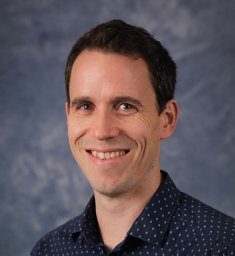 Cormac G. Booth合作论文数SMRU Consulting, Scottish Oceans Institute10
 Susan Jarvis合作论文数The Royal School of Veterinary Studies, The University of Edinburgh/The Dick School of Veterinary Studies, The University of Edinburgh10
 Patrick James O. Miller合作论文数School of Biology, University of St Andrews10
 Steve Murawski合作论文数Department of Biological Oceanography, College of Marine Science, University of South Florida10
 Jay Barlow合作论文数Marine Mammal and Turtle Division, Southwest Fisheries Science Center, National Oceanic and Atmospheric Administration10
 Douglas Wartzok合作论文数10
 Ken Burnham合作论文数Department of Fish, Wildlife, and Conservation Biology, Colorado State University10
 Diana Josephine Cole合作论文数10
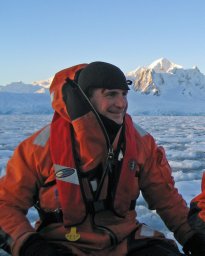 Daniel E. Crocker合作论文数Department of Biology, College of Science, Technology, and Business, Sonoma State University10Sarah W. Cooksey合作论文数9Margaret Spring合作论文数9
 Stephen W Martin合作论文数9David Halpern合作论文数9
 Nick Tregenza合作论文数Chelonia Ltd, Barkhouse, Mousehole TR196PH, England9
 Martin Smith合作论文数Division of Marine Science and Conservation, Nicholas School of the Environment, Duke University;Economics Department, Trinity College of Arts & Sciences, Duke University9
 James A. Estes合作论文数Department of Ecology and Evolutionary Biology, University of California, Santa Cruz9
 Cynthia R. Smith合作论文数9
 Claudia Benitez-Nelson合作论文数School of the Earth, Ocean and Environment, McCausland College of Arts and Sciences, University of South Carolina9
 New Leslie F合作论文数Centre for Research into Ecological and Environmental Modelling, University of St-Andrews;US Marine Mammal Commission;Centre for Research into Ecological and Environmental Modelling, University of St-Andrews9
 Jessica Lyn Ward合作论文数Department of Ecology, Evolution and Behavior, University of Minnesota St. Paul9
 John Hildebrand合作论文数Scripps Institution of Oceanography, University of California San Diego9
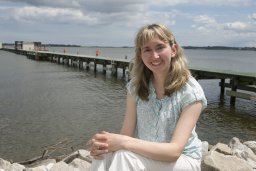 Helen Bailey合作论文数Chesapeake Biol Lab, Univ Maryland9
 John Orcutt合作论文数Institute of Geophysics and Planetary Physics, University of California,San Diego9Panagiotis Besbeas合作论文数9
 H. Tuba Ozkan-Haller合作论文数College of Oceanic;Atmospheric Sciences;Oregon State University;College of Oceanic|Atmospheric Sciences, Oregon State University9
 E. Virginia Armbrust合作论文数School of Oceanography, University of Washington9
 Clinton David Francis合作论文数Department of Ecology and Evolutionary Biology, University of Colorado9




