Infrared and visible image fusion (IVIF) is essential for integrating thermal saliency with textural details to support downstream perception. However, most existing approaches suffer from ”semantic blindness,” leading to the erroneous suppression of thermal targets and the introduction of visual artifacts. To address this, we propose SAM-Guided Diffusion Fusion Network (SGDFuse), a novel Semantic-Guided Generation (SGG) framework that reframes IVIF as a semantically-steered generative task rather than simplistic pixel mapping. Our method uniquely couples high-level semantic priors from the Segment Anything Model (SAM) with the high-fidelity generative power of a conditional diffusion model. We employ a deliberate two-stage strategy to decouple multimodal alignment from iterative refinement: Stage I establishes a robust structural foundation via preliminary fusion, while Stage II utilizes dual-modality semantic masks as spatial anchors to guide the diffusion process toward a semantically coherent, high-fidelity reconstruction. Comprehensive experiments demonstrate that SGDFuse not only delivers state-of-the-art image quality but also enhances downstream task performance, confirming its effectiveness as a new Methodological Framework for semantically aware image fusion. The code is available at https://github.com/boshizhang123/SGDFuse.
Hyperspectral and multispectral image (HSI-MSI) fusion aims to recover a high-spatial-resolution hyperspectral image (HR-HSI) from a low-spatial-resolution hyperspectral image (LR-HSI) and a high-spatial-resolution multispectral image (HR-MSI). The two observations provide complementary spatial and spectral information, and their relationships to the target image are described by spatial and spectral observation models. Many existing deep fusion methods exploit these models through training losses or model-inspired network designs, but the residuals between the current reconstruction and the two observations are less explicitly reused as inference-time feedback. To reuse these residuals during inference, we present DCRF-Net, a dual-observation consistency residual feedback network for standard non-blind HSI-MSI fusion with fixed nominal spatial and spectral operators. Starting from an initial fused estimate, DCRF-Net projects the current HR-HSI into the HR-MSI and LR-HSI observation domains, computes the corresponding residuals, lifts them into the HR-HSI space, and uses a shared feedback cell to predict bounded updates. The method does not estimate degradation parameters during inference. Experiments on PaviaU, Chikusei, and Houston18, together with controlled ablations, show consistent reconstruction gains under a unified matched-degradation protocol. The source code is publicly available at https://github.com/songpeibo/DCRF-Net.
In recent years, diffusion models have shown great potential in generating high-quality images for medical image analysis. However, existing methods [such as DDPM (Ho et al., Adv Neural Inf Process Syst 33:6840–6851, 2020) and Stable Diffusion (Lin et al., arXiv preprint arXiv:2406.18361 , 2024)] still face several challenges, including the loss of fine details and edge information during the denoising process, incomplete reconstruction of complex anatomical structures (such as vascular bifurcations and tumor infiltration), and insufficient modeling of multi-scale long-range dependencies. To address these issues, this paper proposes FRF-SEDNet (Feature ReAssembly and Refined Differential Edge-aware Network based on Stable Diffusion), which improves the performance of medical image segmentation through three innovative modules: 1. The xLSTM-UNet architecture is introduced to address the issue of long-range dependency disruption caused by iterative denoising during the diffusion process (such as the continuity of anatomy between consecutive slices), thereby improving the coherence of tumor boundaries. Experimental results show that the boundary coherence improves by 23 ↑ ). 2. A cascade module composed of EFDM and EGCM is designed to explicitly enhance edge gradient responses and utilize neighborhood topology relationships to correct confusing regions (such as pancreatic adhesion with the intestinal tract). 3. A Feature-Aware Reassembly Module (FERF) is employed to optimize the transformation of latent representations into high-resolution images, suppressing common artifacts and blurry artifacts in diffusion generation. On the ISIC2016, ISIC2017, and ISIC2018 datasets, the Dice coefficients of FRF-SEDNet are 93.84
Hyperspectral and multispectral image fusion aims to integrate the complementary characteristics of both modalities to reconstruct high spatial-resolution hyperspectral images (HR-HSI). In recent years, joint modeling in the spatial and frequency domains has become an effective strategy for enhancing fusion performance. However, existing methods still exhibit limitations in extracting spatial-frequency features and achieving complete and efficient integration of complementary information, which often leads to fused images that fail to maintain spatial-spectral consistency. To overcome these challenges, this article proposes a spatial-guided frequency compensation polarized attention fusion network (PASG-Net), achieving HR-HSI reconstruction by integrating spatial-domain and frequency-domain features. Specifically, the grouped spatial feature extraction module employs grouped dense residual learning to capture local features in the spatial domain. The spatial-guided frequency compensation module is designed based on the observation of "phase similarity and magnitude complementarity," utilizing spatial priors to generate dynamic weights, achieving magnitude fusion and phase fine-tuning to capture comprehensive global frequency-domain features. The symmetric polarized cross-attention module introduces polarized linear cross-attention; explicit positive-negative polarity modeling is added to linear attention, effectively integrating complementary information from both domains while maintaining low computational complexity. Extensive experiments demonstrate that the proposed PASG-Net outperforms the current State-of-the-Art methods.
Underwater image enhancement (UIE) faces coupled absorption–scattering degradations that jointly corrupt global color/luminance and erase fine details. Diffusion models offer an appropriate restoration paradigm here, where progressive denoising enables iterative refinement once global appearance is stabilized. However, conditioning diffusion on raw underwater inputs is statistically unstable, backscatter-dominated bright regions skew global statistics, enlarge conditioning variance, and accumulate errors across timesteps, leading to color drift and structural artifacts. We propose a deterministic Mask-guided Color–Contrast Normalization Prior (MCCNP) that converts the degraded input into a normalized conditioning prompt by masking veiling/saturated regions, performing robust mask-guided white balancing, and applying luminance chrominance decoupled normalization with haze-aware contrast control. The prompt is injected into Denoising Diffusion Probabilistic Model (DDPM) timesteps to stabilize conditioning and focus diffusion on detail reconstruction. We further introduce a periodic dual-domain constraint to enforce structural fidelity and semantic consistency at selected timesteps, suppressing drift and hallucination. Experiments demonstrate improved robustness and perceptual quality across diverse underwater degradations with reduced color shifts and structural artifacts.
In medical image segmentation tasks, challenges such as noise interference, blurred boundaries of complex lesions, and irregular lesion shapes are often encountered. In recent years, diffusion models have demonstrated significant advantages in various generative tasks due to their powerful data modeling ability and denoising performance. To address these issues in medical image segmentation, this paper proposes a diffusion model-based medical image segmentation network, DGENet. DGENet deeply integrates Graph Convolutional Networks (GCN) and diffusion models, systematically combining structured guidance and the denoising process for the first time, overcoming the limitations of traditional methods in handling blurred boundaries and irregular lesion segmentation. To better address the mismatch between semantic features and noise features, we introduce the Spatial-Semantic Enhancement Module (SSEM) to ensure the accuracy of the diffusion process. Furthermore, to overcome the unreasonable equal treatment of deep and shallow features in the Denoising-U-Net encoder, and to optimize the feature representation and reconstruction process of denoising U-Net, we design the Multi-Scale Feature Adaptive Fusion Module (MFAM) and Context-Aware Semantic Alignment Module (CASAM). MFAM effectively integrates global and local information, while CASAM reduces the impact of noise and irrelevant information, providing more accurate and consistent semantic support for subsequent feature reconstruction. Experimental results on three public datasets show that DGENet excels in medical image segmentation tasks and outperforms other mainstream methods. This paper not only contributes a high-performance medical image segmentation algorithm, but more importantly, its explicit need for large-scale parallel computing and efficient utilization of HPC resources provides a compelling case and research interface for the application of supercomputing in complex AI-driven medical image analysis fields.
Color distortion and structural degradation in underwater images are classic challenges in underwater image enhancement. The core goal is to restore degraded images to high-quality images with both color and structure that conform to visual perception. However, in the traditional RGB space, these two issues are highly coupled, resulting in existing enhancement methods often neglecting one over the other. To address this challenge, we propose a guided diffusion model based on the principle of decoupling. Our key insight is that in perceptual color spaces such as HSV, color (H, S) and structure (V) are naturally separated. To exploit this property, we first design an adaptive perceptual guidance module, which analyzes the degraded HSV image and generates two orthogonal guidance signals: a color guide and a structure guide, which guide the denoising process of the diffusion model. To ensure that this decoupled guidance is faithfully implemented, we propose a corresponding decoupled loss optimization module, which uses independent loss functions to supervise the final output color and structure. By combining the forward decoupled guidance with the backward decoupled supervision, we construct a closed-loop optimization framework. This framework enables the model to collaboratively optimize color and structure under various degradation scenarios. Extensive experiments demonstrate that our proposed method outperforms existing state-of-the-art approaches in a variety of underwater scenes, particularly those degraded by color casts and haze. Furthermore, it exhibits superior performance on no-reference image quality assessment metrics. The source code is available at https://github.com/zy-world/DCD-UIE.
In the evolving field of medical image segmentation, the Diffusion U-Net Coupled with Text-Attention Guided Block for Medical Image Segmentation (DUT) network marks a significant advancement. This innovative network integrates text attention mechanisms, diffusion models, and multi-scale fusion strategies to enhance precision and detail in segmenting medical images. DUT’s text attention mechanisms focus on key areas, improving target region recognition and segmentation accuracy. The network’s diffusion model reduces noise and irrelevant background, refining image quality and capturing target details more precisely. Additionally, DUT’s multi-scale fusion module processes features across various scales, enhancing adaptability to complex image structures and improving recognition of both small and large targets. Extensive testing on four datasets—Kvasir-Sessile, Kvasir-SEG, PH2, and DSB2018, demonstrate DUT’s superior performance, particularly on the clinically relevant Kvasir-Sessile dataset. DUT outperformed leading technologies, showing a 4.24 https://github.com/cn-xvkong/DUT.
Remote sensing change detection aims to identify actual changes in ground objects between images of the same area at different times. It has achieved remarkable results in solving problems such as disaster monitoring and forest coverage. However, in high-resolution remote sensing images, it is often disturbed by the loss of detailed information, blurred boundaries, and pseudo-changes caused by seasonal or lighting variations. Therefore, this paper proposes Wavelet Scale Reduction and Spatiotemporal Boundary Interaction (WRSI) network that integrates frequency domain modeling and boundary perception mechanisms. To address the information loss problem brought by traditional methods, this paper uses wavelet transform to perform multi-scale frequency decomposition of images, enhancing the detail and structural integrity of feature expression. At the same time, to effectively highlight the strong and weak edge information of ground objects between bi-temporal images and improve edge discrimination ability, this paper uses a new method combining bilateral filtering and boundary extraction operators to effectively smooth noise and enhance the features of corners and edges. In addition, we design an algorithm for data standardization interaction, making the numerical distribution of bi-temporal images more balanced and alleviating the pseudo-changes caused by lighting differences. Through a large number of experiments and comparisons, WRSI shows excellent performance and accuracy.On the LEVIR-CD, WHU-CD, and GZ-CD datasets, the proposed method achieved F1 scores of 91.97 %, 93.64 %, and 87.14 %, and IoU scores of 85.14 %, 86.28 %, and 76.62 %, respectively.
Semantic segmentation of remote sensing imagery plays a pivotal role in applications, such as disaster monitoring, urban planning, and land-use assessment. Nevertheless, it is inherently challenged by the intricate complexity of scenes and the multiscale nature of targets, exemplified by pronounced intraclass heterogeneity and interclass homogeneity. Conventional deep learning approaches frequently undervalue the critical role of frequency variance in mitigating disparities between homogeneous and heterogeneous attributes. To address these limitations, we introduce adaptive hybrid-domain feature compensation and selective modeling (AHSMNet), a multifrequency-aware feature compensation and selective feature refinement network tailored for remote sensing segmentation. This architecture integrates two core components: the adaptive hybrid-domain feature compensation (ADFC) module, which employs discrete cosine transform to decompose frequency components and synergizes with pixel-level spatial attention mechanisms to enhance the extraction of fine-grained semantic details from feature maps; and the weighted cross-Mamba (WECM) module, wherein we propose a novel Mamba-inspired feature refinement module that harnesses the selective scanning mechanism of Mamba to prune superfluous branches, thereby curtailing computational overhead while preserving salient feature representations. Empirically, AHSMNet demonstrably augments boundary delineation precision and feature extraction efficacy in remote sensing semantic segmentation, rendering it particularly adept for dissecting complex environmental scenarios.
Deep learning-based methods have achieved significant success in the field of image fusion, where the design of network architectures plays a crucial role in the fusion task. However, most deep learning fusion architectures still operate as black boxes and lack awareness of frequency domain information. To enhance the interpretability of fusion tasks and effectively utilize the frequency domain information from source images while ensuring the generation of high-quality fused images, we propose a novel deep model-driven network for infrared and visible image fusion guided by diffusion priors. The proposed algorithm generates a distribution of multi-channel input data through a diffusion process. Features produced by the denoiser serve as knowledge priors, guiding a custom model that leverages frequency domain knowledge to reconstruct high-quality fused images. Specifically, unlike some traditional fusion networks, our model can retain multi-channel data at the input stage rather than just single-channel spatial information. It uses the multi-channel features generated by the diffusion model as priors to guide the fusion process. Moreover, we innovatively design a frequency-domain-based objective function to guide the fusion process, constructing a frequency-domain learning module to simulate an interpretable deep model-driven network. Additionally, a task-driven loss function is developed to ensure the quality of the fused images. Extensive experimental evaluations across seven diverse datasets (e.g., MSRS, M3FD, RoadSence, TNO, Havard) and multiple scenarios demonstrate that the proposed algorithm significantly outperforms 9 state-ofthe-art methods. Specifically, it delivers superior fusion results on eight metrics (e.g., EN, SF, VIF) with notable improvements in interpretability and robustness, as validated through comprehensive experiments on these seven benchmark datasets.
Underwater image enhancement (UIE) aims to improve the visual quality of low-quality inputs. However, existing data-driven methods often suffer performance degradation when deployed in unseen underwater environments due to domain shift. Although retraining or fine-tuning for each target domain may alleviate this issue, such strategies increase deployment cost and are difficult to scale in practice. To address this problem, we propose UDAPA, a lightweight adapter framework for robust underwater image enhancement via input-side alignment. Rather than modifying the pre-trained backbone, UDAPA adapts degraded inputs toward a feature distribution that is more compatible with the frozen pre-trained model. The proposed adapter consists of an environment perception module (EPM) and an adaptive pre-conditioning module (APM). The EPM exploits physically meaningful cues to perceive degradation characteristics and provide spatial guidance, while the APM performs pixel-wise adaptive modulation for colour correction and local visibility enhancement. In this way, the proposed adapter recalibrates out-of-distribution degraded inputs toward the feature-statistics region preferred by the frozen backbone, thereby improving the robustness of the pre-trained backbone under unseen conditions. Experimental results show that UDAPA consistently improves six representative UIE backbones, including CNN-based, transformer-based and diffusion-based models, while introducing only marginal additional computational overhead. On out-of-distribution paired benchmarks, the proposed adapter achieves stable PSNR and SSIM improvements across different backbones, with representative gains reaching 1.86 dB/0.031 on EUVP and 2.17 dB/0.039 on UFO. These results demonstrate that UDAPA provides an effective and practical solution for enhancing the cross-domain generalization of frozen pre-trained UIE models. The code will be made publicly available at: https://github.com/zhangjuran/UDAPA.
Hyperspectral-multispectral image fusion (HMIF) aims to reconstruct high-fidelity, high spatial-resolution hyperspectral images (HR-HSIs) by combining the complementary features of both modalities. However, the low spatial resolution of low-resolution hyperspectral images (LR-HSIs) and the sparse spectral sampling of high-resolution multispectral images (HR-MSIs) limit the representation of complementary features. Spatial-domain methods still suffer from spatial and spectral distortions, which stem from the coupling between spatial and spectral features in the spatial domain, making it difficult to decouple and calibrate complementary features and ultimately affecting fusion accuracy. To address this issue, we tackle the feature coupling problem from a frequency-domain perspective. Specifically, we propose a progressive supervision-based frequency-domain decoupling network (PSFD-Net). The core idea of PSFD-Net is to decouple, calibrate, and effectively fuse high- and low-frequency components in the frequency domain, while imposing training constraints to facilitate high-fidelity fusion reconstruction. We first introduce an adaptive frequency-decoupling module (AFDM) to decompose features into high- and low-frequency components, and then design a physically aware feature calibration (PAFC) module to calibrate and enhance frequency components under physically aware constraints. Finally, a full-frequency guided spatial-spectral fusion (FGSS) Module is employed to effectively integrate frequency information under full-frequency guidance. In addition, we design a progressive supervision strategy based on an annealing mechanism to achieve high-fidelity reconstruction from global spectral information to local structural details. Extensive experiments demonstrate that the proposed PSFD-Net outperforms current state-of-the-art methods.
In recent years, learning-based underwater image enhancement (UIE) techniques have rapidly evolved. However, distribution shifts between high-quality enhanced outputs and natural images can hinder semantic cue extraction for downstream vision tasks, thereby limiting the adaptability of existing enhancement models. To address this challenge, this work proposes a new learning mechanism that leverages Vision-Language Models (VLMs) to empower UIE models with semantic-sensitive capabilities. To be concrete, our strategy first generates textual descriptions of key objects from a degraded image via VLMs. Subsequently, a text-image alignment model remaps these relevant descriptions back onto the image to produce a spatial semantic guidance map. This map then steers the UIE network through a dual-guidance mechanism, which combines cross-attention and an explicit alignment loss. This forces the network to focus its restorative power on semantic-sensitive regions during image reconstruction, rather than pursuing a globally uniform improvement, thereby ensuring the faithful restoration of key object features. Experiments confirm that when our strategy is applied to different UIE baselines, significantly boosts their performance on perceptual quality metrics as well as enhances their performance on detection and segmentation tasks, validating its effectiveness and adaptability.
In remote sensing image segmentation, regions with sharp intensity variations caused by complex illumination and ground objects significantly constrain segmentation accuracy. Most existing methods attempt to enhance the model’s perception of these regions by introducing frequency features or relying on spatial convolutions. However, these methods tend to capture signal intensity, exhibiting limitations in distinguishing between sharp shadows and object edges in remote sensing images, which share similar intensities but stem from distinct physical origins. Through theoretical analysis, we observe that real edges typically exhibit an anisotropic gradient distribution, whereas shadow edges tend to show pseudo-isotropic local gradient statistics under texture perturbations. To this end, we propose PAFCNet (Physics-Aware Feature Calibration Network). The Physics Calibration Module (PCM) introduces a GLRT-inspired differentiable decision mechanism to transform the anisotropy analysis of local gradient second moment into a learnable statistical decision process, thereby adaptively enhancing the generalizability of theoretical analysis in real-world scenes. In parallel, the Frequency Analysis Module (FAM) constructs multidirectional object representations via affine transformations and parameterized kernel functions, while filtering out the interference of sharp shadows through the PCM. Finally, the Dual Domain Fusion Module (DFM) performs cross-sequence interaction between the physics-rectified frequency features and spatial features, thereby alleviating the semantic ambiguity associated with single-domain features. Experimental results demonstrate that PAFCNet outperforms state-of-the-art methods. The source code is available at https://github.com/wangjunyi-1/PAFCN.
Convolutional Neural Networks (CNNs) have gained significant attention for medical image segmentation due to their outstanding performance, becoming the standard approach for these tasks. However, CNNs are limited in capturing long-range dependencies and spatial correlations due to the nature of convolutional operations. Although Transformers were designed to address these issues, they struggle to effectively capture low-level features. Multi-scale representations, which account for both fine-grained object details and broader context, have proven to be effective. Motivated by this, we propose a multi-scale CNN-Transformer parallel fusion network. The CNN branch employs a standard encoder-decoder structure to extract local features, while the Transformer branch leverages a pre-trained PVTv2-B3 to capture global features. To improve the CNN branch, we introduce the Linear Space Deep Aggregation Module (LSDAM) to replace traditional skip connections. For the Transformer, we introduce a multi-level Progressive Decoder, eliminating skip connections between the encoder and decoder, and instead use an Intermediate Decoder module for improved feature extraction. The Adaptive Residual Weighted Fuser (ARWF) is employed to fuse features from both branches, compensating for the CNN’s limited global feature extraction and the Transformer’s inability to capture local features. A Final Decoder is added to enhance the model’s decision-making capability and further improve segmentation performance. Rigorous experiments on three publicly available datasets demonstrate that the HCT-Net model significantly outperforms state-of-the-art methods, achieving superior segmentation accuracy.
Underwater Image Enhancement (UIE) is critical for numerous marine applications; however, existing methods often fall short in addressing severe color distortion, detail loss, and lack of semantic understanding, particularly under spatially varying degradation conditions. While Generative AI (GenAI), particularly diffusion models and multimodal large language models (MLLMs), offers new prospects for UIE, effectively leveraging their capabilities for fine-grained, semantic-aware enhancement remains a challenge. We proposed a LLaVAbased semantic feature modulation diffusion model (LSFM-Diff), which integrates multi-level semantic guidance collaboratively into the backbone network of the diffusion model. Specifically, an optimized prompt learning strategy is first employed to obtain concise, UIE-relevant textual descriptions from LLaVA. These semantics then guide the enhancement process in two key stages: (1) The windowed text-image fusion for condition refinement (WTIF-CR) module aligns and fuses textual semantics with local image features spatially, generating fine-grained external conditions that provide an initial spatially aware semantic blueprint for the diffusion model. (2) The semantic-guided deformable attention (SGDA) mechanism, leveraging a gradient-based image-text interaction to generate a semantic navigation map, guides the attention within the denoising network to focus on key semantic regions. Experiments conducted on several challenging benchmark datasets demonstrate that LSFM-Diff outperforms current state-of-the-art methods. Our work highlights the effectiveness of deep integration of multi-level semantic guidance fusion strategies in advancing GenAI-based UIE development.
Underwater image enhancement (UIE) aims to solve the inherent degradation issues of underwater imaging, but it remains a highly challenging task due to wavelength-dependent color absorption and scattering-induced hazing effects. Although existing deep learning-based methods have achieved remarkable progress, simultaneously restoring details and ensuring the correctness of color and brightness remains a difficult undertaking. To address these issues, we propose a Physically-guided Frequency-Spatial-Color Fusion Network, which aims to effectively decouple and recover structural details and color-brightness information. To this end, our method introduces a dual-pronged strategy: it first establishes a joint spatial-spectral optimization between spatial and frequency domains to disentangle and restore structural details, while simultaneously leveraging the physical priors of the decoupled HSV color space to accurately correct color casts and brightness. The complementary features from these two paths are then integrated through a pixel-wise gating mechanism to achieve an optimal balance between structural clarity and color fidelity. Extensive experiments on multiple benchmark datasets demonstrate that PFSC-Net achieves highly competitive performance, our model mitigates the bias of learning from algorithm-derived references, exhibiting generalization to truly unseen, real-world underwater scenarios.
Remote sensing change detection is the process of identifying and extracting change regions by analyzing and comparing bitemporal remote sensing images of the same geographical region. However, effectively suppressing the interference of environmental factors and noise while achieving efficient global context modeling remains a critical scientific challenge. To address this issue, this article proposes a dual-domain with collaborative cross-mapping network (DCCANet), which collaboratively utilizes frequency and spatial domain information for joint modeling. Specifically, the frequency enhancement module leverages the natural spectral separation properties of the discrete cosine transform to decouple highly entangled spatial features and utilizes a top-$n$ frequency selection strategy, thereby effectively mitigating the interference of environmental factors and noise on detection accuracy. The difference detection module utilizes a difference-guided spatial attention mechanism to effectively suppress noise interference, achieving more efficient difference feature extraction. Furthermore, the global information interaction module employs a novel cross-pooling mechanism to achieve better global context modeling in complex scenes while significantly reducing computational costs. Experimental results on three challenging datasets (LEVIR-CD, WHU-CD, and GZ-CD) show that DCCANet achieves F1 scores of 91.71%, 93.75%, and 87.10%, respectively, demonstrating its superior performance compared to state-of-the-art methods.
 Zhen Hua (华臻)合作论文数132
 Hui Fan (范辉)合作论文数山东工商学院科研处69
 Genji Yuan合作论文数24
 Linwei Fan合作论文数Shandong Univ, Sch Comp Sci & Technol, ShunHua Rd 1500, Jinan, Shandong, Peoples R China23
 Guodong Fan合作论文数Shandong Univ Technol, Coll Comp Sci & Technol, Zibo 255000, Peoples R China18
 Da Yuan (原达)合作论文数山东工商学院信息与电子工程学院14
 Zheng Chen合作论文数12
 Lu Ren合作论文数12
 Caiming Zhang (张彩明)合作论文数School of Software, Shandong University12Yewei Li合作论文数11
 Zhixiong Huang合作论文数10
 Zhaojin Fu合作论文数8Dapeng Cheng合作论文数8ZhiYong An (安志勇)合作论文数8
 Fan Zhang合作论文数University of Pennsylvania8
 Xinyang Song合作论文数7
 Yepeng Liu合作论文数University of California, Santa Barbara7Jingchun Zhou合作论文数College of Information Science and Technology, Dalian Maritime University6
 Pengfei Song合作论文数6Limai Jiang合作论文数6Junyu Fan合作论文数5
 Shangguan Yu合作论文数5
 Guihui Li合作论文数5
 Shike Liang合作论文数5
 Xuejiao Wang合作论文数5Yu Nana合作论文数5Yiyang Zhao合作论文数5
 Tianlin Zhang合作论文数National Center for Text Mining, The University of Manchester5JingYun Liu (刘敬云)合作论文数5Yunsong Yang合作论文数4Fangjin Liu合作论文数4Pan Wu合作论文数4Shen Jiang合作论文数4Xiaoling Li合作论文数4
 Huiyu Li合作论文数Shandong Univ, Sch Comp Sci & Technol, Jinan 250100, Peoples R China4
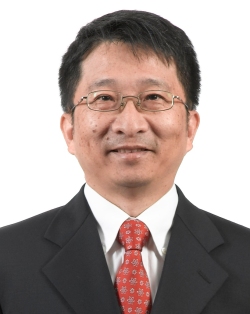 Alex Kot合作论文数Division of Information Engineering, School of Electrical & Electronic Engineering, Nanyang Technological University;Nanyang Technological University-PKU Joint Research Institute;ROSE Lab, Nanyang Technological University4
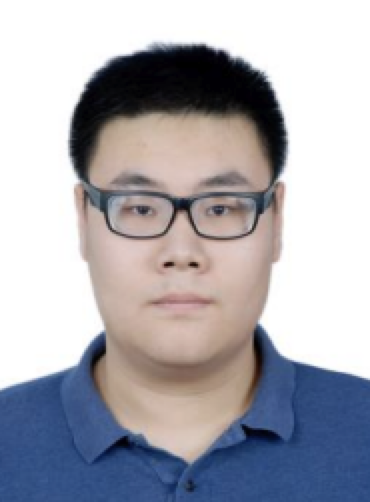 Yakun Ju (举雅琨)合作论文数Department of Electronic and Information Engineering, The Hong Kong Polytechnic University4Xiaomei Feng合作论文数3
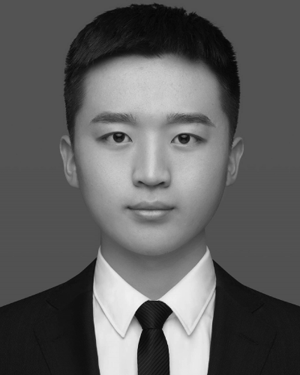 Hengshuai Cui合作论文数3Xinbo Jiang合作论文数3
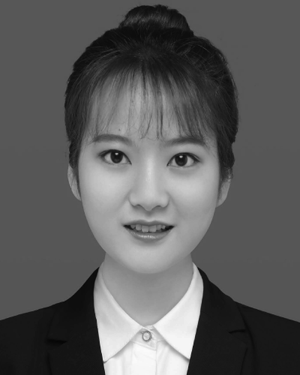 Wanwan Zhang合作论文数3
 Xunyang Su合作论文数3
 Xintao Xu合作论文数3
 Chengpei Xu合作论文数3Guang-Yong Chen (陈光永)合作论文数College of Computer and Data Science, Fuzhou University3Haicheng Zhang (张海程)合作论文数3
 Min Gan (甘敏)合作论文数College of Mathematics and Computer Science, Fuzhou University;College Of Software, Fuzhou University3
 Fuguo Dong (董付国)合作论文数山东工商学院计算机学院3Jie Guo合作论文数Shandong University3




