End-to-end autonomous driving models are typically trained on offline human-demonstration datasets that provide limited state coverage and often no closed-loop feedback, making them prone to compounding errors when deployed in closed-loop and brittle to long-tail agent interactions. To overcome these limitations, we propose an alternative strategy for training end-to-end driving models: large-scale self-play directly from pixels in simulation. While prior self-play approaches have shown promising transfer to real-world driving, they typically assume vectorized Bird's-Eye-View (BEV) observations that are incompatible with end-to-end policies operating directly on sensor observations. To this end, we introduce Gigapixel, a high-throughput batched driving simulator with perspective rendering, enabling scalable self-play directly from pixel observations. Rather than targeting compute-costly photorealistic sensor simulation, Gigapixel renders a simplified bounding-box world that preserves essential scene structure while achieving throughput at 50k agent steps per second. Since direct pixel-space self-play RL is prohibitively sample-inefficient at end-to-end model scale, we propose self-play DAgger training: we train pixel-based policies in self-play via on-policy distillation from a privileged RL teacher. To bridge the sim-to-real gap, we subsequently transfer the self-play trained policies to real-world sensor data through lightweight perception adaptation. Policies trained in Gigapixel and adapted to real-world sensor data achieve competitive performance on the HUGSIM and NAVSIM-v2 benchmarks without human trajectory supervision. Moreover, scaling self-play training yields proportional gains in policy performance, establishing self-play as a practical and scalable strategy for training end-to-end models.
The primary challenge of continual learning (CL) systems is to learn new tasks while remaining performant on previously learned tasks. A similarly important though less well-studied aspect of CL systems is their ability to distinguish inputs that are unlikely to come from within the set of tasks the system has already encountered, often called out-of-distribution (OOD) detection. This paper presents several findings related to the dynamics of OOD detection in CL systems, causes of performance degradation over time which we call OOD forgetting (OODF), and proposed mitigation strategies for this degradation. Chiefly, we find the unintuitive result that OODF is only weakly anti-correlated with classification performance on previous tasks, suggesting that the underlying mechanisms producing OODF are distinct. Moreover, this effect is observed for both energy-based and feature-based OOD detection methods. Energy-based detectors suffer a drop in logit scale as additional tasks are learned, which we term the Confidence Gap, while feature-based detectors also degrade under a complementary effect we call Manifold Crowding. Motivated by these observations, we propose TOOD, a training-free post-hoc method that decomposes logits into per-task energy scores and re-calibrates them using replay-buffer statistics. Experiments on CIFAR-10, CIFAR-100, and a 100-task ImageNet-1K stream show that TOOD improves OOD detection performance over uncalibrated energy in most settings and ranks first or second in nine of ten CIFAR configurations, with the largest gains when the confidence gap is most severe. These results suggest that a substantial portion of OOD deterioration in continual learning arises from score miscalibration rather than from a complete loss of discriminative structure.
Simulation environments are useful for both robot policy learning and planning verification and validation. Traditionally, the process of creating a simulation was onerous. Creating a bespoke simulation environment for each individual environment that a robot would operate in was simply infeasible. In this work, we introduce PerceptTwin, a fully automatic pipeline that constructs interactive simulations directly from semantic scene representations produced by a robots perception stack. PerceptTwin combines open-vocabulary object maps with 3D asset generation, affordance prediction, and commonsense condition checking. These interactive simulations can be used to validate and refine plans before they are executed on the robot hardware. Borrowing from the AI alignment literature, we also introduce an LLM judge that verifies plan correctness and alignment with human preferences. Experiments show that PerceptTwin feedback allows LLM planners to refine plans, enhance safety, and resist harmful black-box prompting attacks. In our suite of tasks, PerceptTwin improves plan success by an average of ~39% for GPT5, GPT5Mini, and GPT5Nano planners. Additionally, PerceptTwin also improves human plan verification by up to ~18% on average for plans that fail due to unfilled skill preconditions. Our results demonstrate the potential of open-vocabulary scene simulation from robot perception as a foundation for safer, more reliable robot planning.
3D Scene Graphs (3DSGs) have emerged as a powerful representation for spatial AI by combining geometric grounding with semantic and relational abstractions of the environment. Their expressiveness has made them relevant to a broad range of problems in robotics and computer vision, including manipulation, navigation, task planning, scene understanding, and many others. However, the field remains fragmented: different communities adopt distinct formulations, construction pipelines, and evaluation protocols, making it difficult to compare methods, identify common assumptions, and assess remaining challenges for robust real-world deployment. This survey provides a unified and critical review of 3DSGs, with particular emphasis on open challenges and future directions. We first formalize 3DSGs under a common definition and analyze the principal modeling choices that characterize existing formulations, including node and edge attributes, hierarchical structure, dynamic scene representations, and affordance-aware extensions. We then review how 3DSGs are built from raw sensory observations, discussing the most common terminologies, conventions, and techniques. Finally, we examine downstream applications and evaluation strategies, from intrinsic graph quality to task-level performance. To support the community, we also provide a dedicated website that organizes and extends the surveyed content, accessible at https://3dscenegraphs.com/.
We have seen tremendous recent progress in our ability to build "spatio-semantic" representations that enable robots to perform complex reasoning across geometry and semantics. However, the vast majority of these methods lack any ability to perform reasoning across time. This is a desirable property in situations where a robot repeatedly observes an environment where instances may change in between observations, but in a structured way. Consider as an example a home environment where the location of a mug typically moves from the cupboard to a countertop to the sink and then back to the cupboard on a daily basis. We should be able to learn this cyclic behavior and use it to predict the state of the mug in the future. In this work, we propose a method that is able to perform this type of tempo-spatio-semantic reasoning. Underpinning the method is a filter, Perpetua^*, that performs Bayesian reasoning on the states of the environment that are observed over time. This filter is integrated within a 3D scene graph structure that we call PredictiveGraphs, where nodes represent objects and edges function as Perpetua^* filters encoding spatio-semantic relationships. We validate the method in both simulation and real-world dynamic navigation tasks, where our real world experiments consist of an environment that is undergoing semi-static changes at a bi-hourly frequency over a period of three weeks. In both settings, we demonstrate that our method outperforms baselines in predicting future environment states, even in the presence of distributional shifts.
Joint spatial and temporal understanding of 3D scenes is a crucial requirement for robots deployed in everyday household environments. Such agents must not only comprehend and navigate spatial layouts, but also reason about how these spaces evolve over time. In particular, humans interact with objects daily, causing them to change position throughout the environment and making it difficult for robots to reliably associate current observations with previously seen objects. However, these interactions are not random: human habits and routines induce spatio-temporally consistent patterns in object locations, which robotic agents can potentially learn and then exploit for downstream tasks such as navigation. To this end, we introduce FlowMaps, a latent flow matching model for estimating multimodal distributions over the future locations of dynamic objects in a continuous 3D space. By learning the implicit dependencies among objects and their temporal evolution, FlowMaps predicts likely changes in object locations conditioned on past human interactions, while supporting generalization across previously unseen environments that share similar object routines. To demonstrate the utility of this method, we deploy FlowMaps in a downstream dynamic Object Navigation task in both simulated and real-world environments. Across more than 600 episodes, FlowMaps outperforms state-of-the-art approaches, showing that modeling object dynamics through continuous, multimodal spatio-temporal distributions improves robotic search and navigation in changing household environments. Code and additional material is available at https://fra-tsuna.github.io/flowmaps/.
While Group Relative Policy Optimization (GRPO) has emerged as a scalable framework for critic-free policy learning, extending it to settings with explicit behavioral constraints remains underexplored. We introduce Constrained GRPO, a Lagrangian-based extension of GRPO for constrained policy optimization. Constraints are specified via indicator cost functions, enabling direct optimization of violation rates through a Lagrangian relaxation. We show that a naive multi-component treatment in advantage estimation can break constrained learning: mismatched component-wise standard deviations distort the relative importance of the different objective terms, which in turn corrupts the Lagrangian signal and prevents meaningful constraint enforcement. We formally derive this effect to motivate our scalarized advantage construction that preserves the intended trade-off between reward and constraint terms. Experiments in a toy gridworld confirm the predicted optimization pathology and demonstrate that scalarizing advantages restores stable constraint control. In addition, we evaluate Constrained GRPO on robotics tasks, where it improves constraint satisfaction while increasing task success, establishing a simple and effective recipe for constrained policy optimization in embodied AI domains that increasingly rely on large multimodal foundation models.
Safe exploration is a prerequisite for deploying reinforcement learning (RL) agents in safety-critical domains. In this paper, we approach safe exploration through the lens of epistemic uncertainty, where the actor’s sensitivity to parameter perturbations serves as a practical proxy for regions of high uncertainty. We propose Sharpness-Aware Policy Optimization (SHAPO), a sharpness-aware policy update rule that evaluates gradients at perturbed parameters, making policy updates pessimistic with respect to the actor’s epistemic uncertainty. Analytically we show that this adjustment implicitly reweighs policy gradients, amplifying the influence of rare unsafe actions while tempering contributions from already safe ones, thereby biasing learning toward conservative behavior in under-explored regions. Across several continuous-control tasks, our method consistently improves both safety and task performance over existing baselines, significantly expanding their Pareto frontiers.
Bayesian estimation is a vital tool in robotics as it allows systems to update the robot state belief using incomplete information from noisy sensors. To render the state estimation problem tractable, many systems assume that the motion and measurement noise, as well as the state distribution, are all unimodal and Gaussian. However, there are numerous scenarios and systems that do not comply with these assumptions. Existing nonparametric filters that are used to model multimodal distributions have drawbacks that limit their ability to represent a diverse set of distributions. This paper introduces a novel approach to nonparametric Bayesian filtering on motion groups, designed to handle multimodal distributions using harmonic exponential distributions. This approach leverages two key insights of harmonic exponential distributions: a) the product of two distributions can be expressed as the element-wise addition of their log-likelihood Fourier coefficients, and b) the convolution of two distributions can be efficiently computed as the tensor product of their Fourier coefficients. These observations enable the development of an efficient and asymptotically exact solution to the Bayes filter up to the band limit of a Fourier transform. We demonstrate our filter's superior performance compared with established nonparametric filtering methods across a range of simulated and real-world localization tasks.
Connected and automated vehicles and robot swarms hold transformative potential for enhancing safety, efficiency, and sustainability in the transportation and manufacturing sectors. Extensive testing and validation of these technologies is crucial for their deployment in the real world. While simulations are essential for initial testing, they often have limitations in capturing the complex dynamics of real-world interactions. This limitation underscores the importance of small-scale testbeds. These testbeds provide a realistic, cost-effective, and controlled environment for testing and validating algorithms, acting as an essential intermediary between simulation and full-scale experiments. This work serves to facilitate researchers' efforts in identifying existing small-scale testbeds suitable for their experiments and provide insights for those who want to build their own. In addition, it delivers a comprehensive survey of the current landscape of these testbeds. We derive 62 characteristics of testbeds based on the well-known sense-plan-act paradigm and offer an online table comparing 22 small-scale testbeds based on these characteristics. The online table is hosted on our designated public webpage www.cpm-remote.de/testbeds, and we invite testbed creators and developers to contribute to it. We closely examine nine testbeds in this paper, demonstrating how the derived characteristics can be used to present testbeds. Furthermore, we discuss three ongoing challenges concerning small-scale testbeds that we identified, i.e., small-scale to full-scale transition, sustainability, and power and resource management.
Many robotic systems require extended deployments in complex, dynamic environments. In such deployments, parts of the environment may change between subsequent robot observations. Most robotic mapping or environment modeling algorithms are incapable of representing dynamic features in a way that enables predicting their future state. Instead, they opt to filter certain state observations, either by removing them or some form of weighted averaging. This paper introduces Perpetua, a method for modeling the dynamics of semi-static features. Perpetua is able to: incorporate prior knowledge about the dynamics of the feature if it exists, track multiple hypotheses, and adapt over time to enable predicting of future feature states. Specifically, we chain together mixtures of "persistence" and "emergence" filters to model the probability that features will disappear or reappear in a formal Bayesian framework. The approach is an efficient, scalable, general, and robust method for estimating the states of features in an environment, both in the present as well as at arbitrary future times. Through experiments on simulated and real-world data, we find that Perpetua yields better accuracy than similar approaches while also being online adaptable and robust to missing observations.
3D scene understanding has been transformed by open-vocabulary language models that enable interaction via natural language. However, at present the evaluation of these representations is limited to datasets with closed-set semantics that do not capture the richness of language. This work presents OpenLex3D, a dedicated benchmark for evaluating 3D open-vocabulary scene representations. OpenLex3D provides entirely new label annotations for scenes from Replica, ScanNet++, and HM3D, which capture real-world linguistic variability by introducing synonymical object categories and additional nuanced descriptions. Our label sets provide 13 times more labels per scene than the original datasets. By introducing an open-set 3D semantic segmentation task and an object retrieval task, we evaluate various existing 3D open-vocabulary methods on OpenLex3D, showcasing failure cases, and avenues for improvement. Our experiments provide insights on feature precision, segmentation, and downstream capabilities. The benchmark is publicly available at: https://openlex3d.github.io/.
Video diffusion techniques have advanced significantly in recent years; however, they struggle to generate realistic imagery of car crashes due to the scarcity of accident events in most driving datasets. Improving traffic safety requires realistic and controllable accident simulations. To tackle the problem, we propose Ctrl-Crash, a controllable car crash video generation model that conditions on signals such as bounding boxes, crash types, and an initial image frame. Our approach enables counterfactual scenario generation where minor variations in input can lead to dramatically different crash outcomes. To support fine-grained control at inference time, we leverage classifier-free guidance with independently tunable scales for each conditioning signal. Ctrl-Crash achieves state-of-the-art performance across quantitative video quality metrics (e.g., FVD and JEDi) and qualitative measurements based on a human-evaluation of physical realism and video quality compared to prior diffusion-based methods.
We present Poutine, a 3B-parameter vision-language model (VLM) tailored for end-to-end autonomous driving in long-tail driving scenarios. Poutine is trained in two stages. To obtain strong base driving capabilities, we train Poutine-Base in a self-supervised vision-language-trajectory (VLT) next-token prediction fashion on 83 hours of CoVLA nominal driving and 11 hours of Waymo long-tail driving. Accompanying language annotations are auto-generated with a 72B-parameter VLM. Poutine is obtained by fine-tuning Poutine-Base with Group Relative Policy Optimization (GRPO) using less than 500 preference-labeled frames from the Waymo validation set. We show that both VLT pretraining and RL fine-tuning are critical to attain strong driving performance in the long-tail. Poutine-Base achieves a rater-feedback score (RFS) of 8.12 on the validation set, nearly matching Waymo's expert ground-truth RFS. The final Poutine model achieves an RFS of 7.99 on the official Waymo test set, placing 1st in the 2025 Waymo Vision-Based End-to-End Driving Challenge by a significant margin. These results highlight the promise of scalable VLT pre-training and lightweight RL fine-tuning to enable robust and generalizable autonomy.
Task and motion planning are long-standing challenges in robotics, especially when robots have to deal with dynamic environments exhibiting long-term dynamics, such as households or warehouses. In these environments, long-term dynamics mostly stem from human activities, since previously detected objects can be moved or removed from the scene. This adds the necessity to find such objects again before completing the designed task, increasing the risk of failure due to missed relocalizations. However, in these settings, the nature of such human-object interactions is often overlooked, despite being governed by common habits and repetitive patterns. Our conjecture is that these cues can be exploited to recover the most likely objects' positions in the scene, helping to address the problem of unknown relocalization in changing environments. To this end we propose FlowMaps, a model based on Flow Matching that is able to infer multimodal object locations over space and time. Our results present statistical evidence to support our hypotheses, opening the way to more complex applications of our approach. The code is publically available at https://github.com/Fra-Tsuna/flowmaps
Reinforcement learning algorithms typically necessitate extensive exploration of the state space to find optimal policies. However, in safety-critical applications, the risks associated with such exploration can lead to catastrophic consequences. Existing safe exploration methods attempt to mitigate this by imposing constraints, which often result in overly conservative behaviours and inefficient learning. Heavy penalties for early constraint violations can trap agents in local optima, deterring exploration of risky yet high-reward regions of the state space. To address this, we introduce a method that explicitly learns state-conditioned safety representations. By augmenting the state features with these safety representations, our approach naturally encourages safer exploration without being excessively cautious, resulting in more efficient and safer policy learning in safety-critical scenarios. Empirical evaluations across diverse environments show that our method significantly improves task performance while reducing constraint violations during training, underscoring its effectiveness in balancing exploration with safety.
Out-of-distribution (OOD) detection is crucial for ensuring the reliability of deep learning models in real-world applications. Existing methods typically focus on feature representations or output-space analysis, often assuming a distribution over these spaces or leveraging gradient norms with respect to model parameters. However, these approaches struggle to distinguish near-OOD samples and often require extensive hyper-parameter tuning, limiting their practicality. In this work, we propose GRadient-aware Out-Of-Distribution detection (GROOD), a method that derives an OOD prototype from synthetic samples and computes class prototypes directly from In-distribution (ID) training data. By analyzing the gradients of a nearest-class-prototype loss function concerning an artificial OOD prototype, our approach achieves a clear separation between in-distribution and OOD samples. Experimental evaluations demonstrate that gradients computed from the OOD prototype enhance the distinction between ID and OOD data, surpassing established baselines in robustness, particularly on ImageNet-1k. These findings highlight the potential of gradient-based methods and prototype-driven approaches in advancing OOD detection within deep neural networks.
Executing open-ended natural language queries is a core problem in robotics. While recent advances in imitation learning and vision-language-actions models (VLAs) have enabled promising end-to-end policies, these models struggle when faced with complex instructions and new scenes. An alternative is to design an explicit scene representation as a queryable interface between the robot and the world, using query results to guide downstream motion planning. In this work, we present Agentic Scene Policies (ASP), an agentic framework that leverages the advanced semantic, spatial, and affordance-based querying capabilities of modern scene representations to implement a capable language-conditioned robot policy. ASP can execute open-vocabulary queries in a zero-shot manner by explicitly reasoning about object affordances in the case of more complex skills. Through extensive experiments, we compare ASP with VLAs on tabletop manipulation problems and showcase how ASP can tackle room-level queries through affordance-guided navigation, and a scaled-up scene representation. (Project page: https://montrealrobotics.ca/agentic-scene-policies.github.io/)
We introduce Scenario Dreamer, a fully data-driven generative simulator for autonomous vehicle planning that generates both the initial traffic scene - comprising a lane graph and agent bounding boxes - and closed-loop agent behaviours. Existing methods for generating driving simulation environments encode the initial traffic scene as a rasterized image and, as such, require parameter-heavy networks that perform unnecessary computation due to many empty pixels in the rasterized scene. Moreover, we find that existing methods that employ rule-based agent behaviours lack diversity and realism. Scenario Dreamer instead employs a novel vectorized latent diffusion model for initial scene generation that directly operates on the vectorized scene elements and an autoregressive Transformer for data-driven agent behaviour simulation. Scenario Dreamer additionally supports scene extrapolation via diffusion inpainting, enabling the generation of unbounded simulation environments. Extensive experiments show that Scenario Dreamer outperforms existing generative simulators in realism and efficiency: the vectorized scene-generation base model achieves superior generation quality with around 2x fewer parameters, 6x lower generation latency, and 10x fewer GPU training hours compared to the strongest baseline. We confirm its practical utility by showing that reinforcement learning planning agents are more challenged in Scenario Dreamer environments than traditional non-generative simulation environments, especially on long and adversarial driving environments.
For robots to perform a wide variety of tasks, they require a 3D representation of the world that is semantically rich, yet compact and efficient for task-driven perception and planning. Recent approaches have attempted to leverage features from large vision-language models to encode semantics in 3D representations. However, these approaches tend to produce maps with per-point feature vectors, which do not scale well in larger environments, nor do they contain semantic spatial relationships between entities in the environment, which are useful for downstream planning. In this work, we propose ConceptGraphs, an open-vocabulary graph-structured representation for 3D scenes. ConceptGraphs is built by leveraging 2D foundation models and fusing their output to 3D by multi-view association. The resulting representations generalize to novel semantic classes, without the need to collect large 3D datasets or finetune models. We demonstrate the utility of this representation through a number of downstream planning tasks that are specified through abstract (language) prompts and require complex reasoning over spatial and semantic concepts. (Project page: https://concept-graphs.github.io/ Explainer video: https://youtu.be/mRhNkQwRYnc )
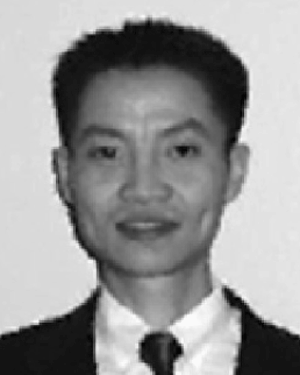 Howard Li合作论文数18
 John Leonard合作论文数Department of Mechanical Engineering, Massachusetts Institute of Technology;Schwarzman College of Computing Building, Massachusetts Institute of Technology16
 Mae L. Seto合作论文数Def R&D Canada14
 Sajad Saeedi合作论文数Ryerson University13
 michael trentini合作论文数9
 Daniela Rus合作论文数Computer Science & Artificial Intelligence Laboratory, Schwarzman College of Computing, Massachusetts Institute of Technology;Liquid AI;SymphonyAI;Symbotic;MBZUAI9
 Krishna Murthy Jatavallabhula合作论文数Computer Science & Artificial Intelligence Laboratory, Schwarzman College of Computing, Massachusetts Institute of Technology8
 Vincent Mai合作论文数Robotics and Embodied AI Lab8
 Christopher Pal合作论文数Department of Computer Engineering and Software Engineering, Polytechnique Montréal;Department of Computer Science and Operations Research,;Mila;ServiceNow Research;UdeM DIRO8
 Miguel Saavedra Ruiz合作论文数Mila - Quebec AI Institute, Université de Montréal7
 Florian Golemo合作论文数Mila7
 Sacha Morin合作论文数RAFALES Lab, Université de Montréal;Mila - Quebec Artificial Intelligence Institute6
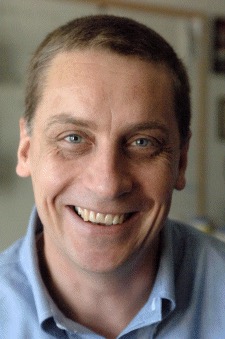 Jonathan P. How合作论文数Aerospace Controls Laboratory, Department of Aeronautics and Astronautics, Massachusetts Institute of Technology6
 Andrea Censi合作论文数Institute for Dynamic Systems and Control, ETH Zurich;Department of Mechanical and Process Engineering, ETH Zurich;ZuperMind;NCCR Automation;Duckietown6
 Zhen Liu合作论文数School of Data Science, Chinese University of Hong Kong, Shenzhen5
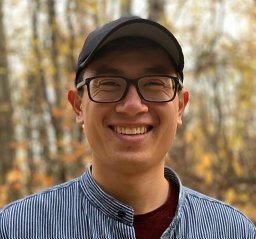 Luke Rowe合作论文数5
 Manfred Diaz合作论文数Concordia Univ, Montreal, PQ, Canada5
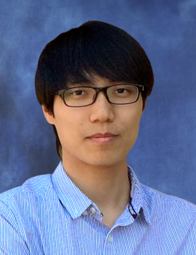 Weiyang Liu (刘威杨)合作论文数Department of Computer Science & Engineering, The Chinese University of Hong Kong;Max Planck Institute for Intelligent Systems5
 Bhairav Mehta合作论文数CharacterQuilt5
 Roger Girgis合作论文数Polytechnique Montréal5
 Sertac Karaman合作论文数Department of Aeronautics and Astronautics, School of Engineering, Massachusetts Institute of Technology5
 Florian Shkurti合作论文数Robot Vision and Learning Lab, Department of Computer Science, University of Toronto5
 Jacopo Tani合作论文数5
 Beipeng Mu合作论文数4
 Ganesh Iyer合作论文数4
 Guoquan (Paul) Huang合作论文数Department of Mechanical Engineering, College of Engineering, University of Delaware;Department of Computer and Information Sciences, College of Engineering, University of Delaware;Meituan USA4
 J. (Javier) Alonso-Mora合作论文数Department of Cognitive Robotics, Faculty of Mechanical Engineering, Delft University of Technology4
 Derek Nowrouzezahrai合作论文数Centre for Intelligent Machines, Department of Electrical and Computer Engineering, Faculty of Engineering, McGill University;School of Computer Science, McGill University;Québec Artificial Intelligence Institute, Mila4
 Yoshua Bengio (约书亚·本希奥)合作论文数Departement d'informatique et de Recherche Operationnelle, Faculte des Arts et des Sciences, Universite de Montreal;Mila - Quebec Artificial Intelligence Institute;LawZero4
 Soroush Saryazdi合作论文数Concordia Univ3
 Sharath Chandra Raparthy合作论文数FAIR, Meta AI3
 Anthony Courchesne合作论文数3
 Yao Feng合作论文数Department of Computer Science, Stanford University3
 Dhaivat Bhatt合作论文数IIIT Hyderabad, India3
 Kaustubh Mani合作论文数Université de Montreal3
 Wilko Schwarting合作论文数ISEE3
 Breandan Considine合作论文数School of Computer Science, McGill University3
 Emilio Frazzoli合作论文数Laboratory for Information and Decision Systems, Massachusetts Institute of Technology;Operations Research Center, Massachusetts Institute of Technology;Eidgenössische Technische Hochschule Zürich3
 Daniele Nardi合作论文数Dipartimento Di Ingegneria Informatica, Automatica E Gestionale, Facoltà di Ingegneria dell'Informazione, Informatica, Statistica, Sapienza Università di Roma3
 Ali Harakeh合作论文数Coactive AI3
 Ruixiang Zhang合作论文数Apple3
 Bernhard Schölkopf合作论文数Department of Computer Science, Eidgenössische Technische Hochschule Zürich;Max Planck Institute for Intelligent Systems;ELLIS Institute Tubingen3
 Michael Black合作论文数Perceiving Systems Department, Max Planck Institute for Intelligent Systems;Department of Computer Science, Faculty of Science, Eberhard Karls Universität Tübingen3
 Ali-akbar Agha-mohammadi合作论文数NASA's Jet Propulsion Laboratory, California Institute of Technology3
 Abhinav Valada合作论文数Robot Learning Lab, University of Freiburg;Department of Computer Science, University of Freiburg3
 Felix Heide合作论文数Computational Imaging Lab, Department of Computer Science, School of Engineering and Applied Science, Princeton University;Torc Robotics;Cephia AI3
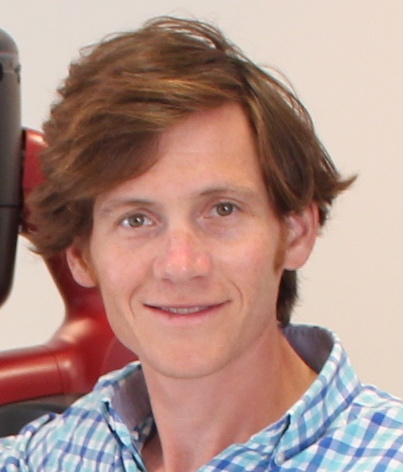 Matthew Walter合作论文数Robot Intelligence through Perception Laboratory, Toyota Technological Institute at Chicago;Woods Hole Oceanographic Institution3Randy Goebel合作论文数2